
Reviewed · KYOTO FOOD TOURS
Kyoto Food & Culture 6hr Private Tour with Licensed Guide
Kyoto’s best food tour is not only about eating. This private six-hour outing connects Nishiki Market’s food stalls with Gion, Pontocho, and a few cultural sites, giving you a useful first look at how Kyoto eats, prays, shops, and entertains. Your guide can shape the route around your interests instead of pushing every stop onto a fixed schedule.
I like the private format and the chance to ask direct questions as you go. I also like the local food focus, especially the stop for an original Kyoto sweet in a former Kabuki theater. The catch is that the price covers guiding, not lunch, transport, food, or temple admission, so your final cost can rise.
Key points at a glance
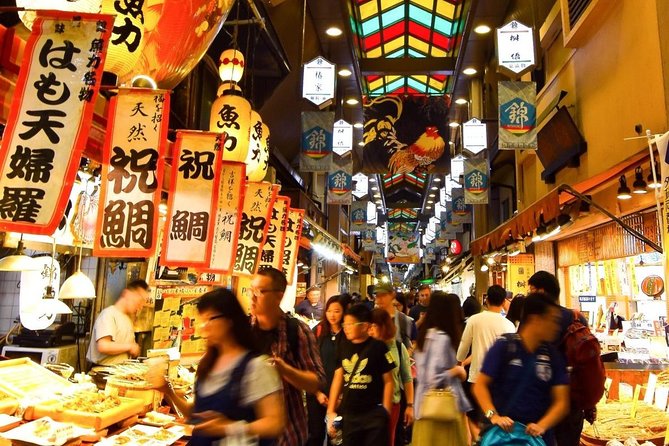
- Nishiki Market puts Kyoto food first: More than 100 shops line this five-block covered shopping street, known locally as Kyoto’s Kitchen.
- Your six hours can be tailored: You choose three or four sites from a broad list rather than trying to see every attraction in one rushed outing.
- Gion and Pontocho add evening culture: The route introduces Kyoto’s old entertainment districts, narrow lanes, restaurants, and traditional atmosphere.
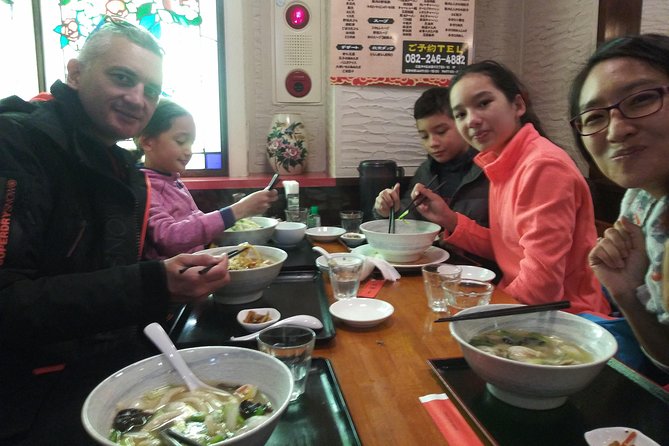
- Guide Lily has a warm teaching style: A family review describes her explanations of Japanese culture, religion, tradition, and everyday customs as engaging for both young and older people.
- Several major sights cost extra: Kennin-ji, Byodoin, the Imperial Palace, Nijo Castle, Tenryu-ji, Kiyomizu-dera, and Sanjusangendo do not include admission.
- Transport needs planning: You and your guide pay your own transportation costs, and Byodoin requires extra travel to Uji.
Start with Kyoto’s Kitchen at Nishiki Market
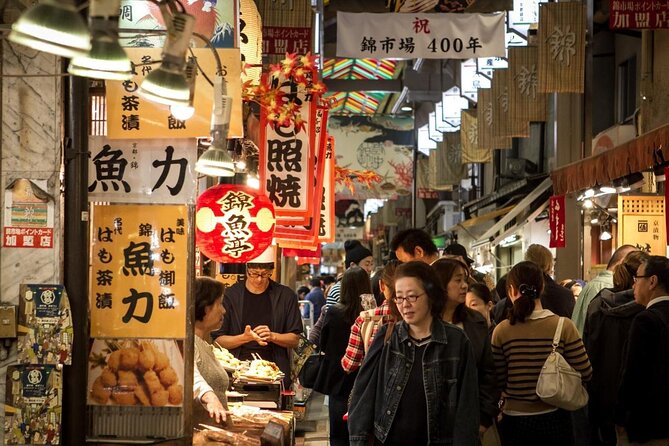
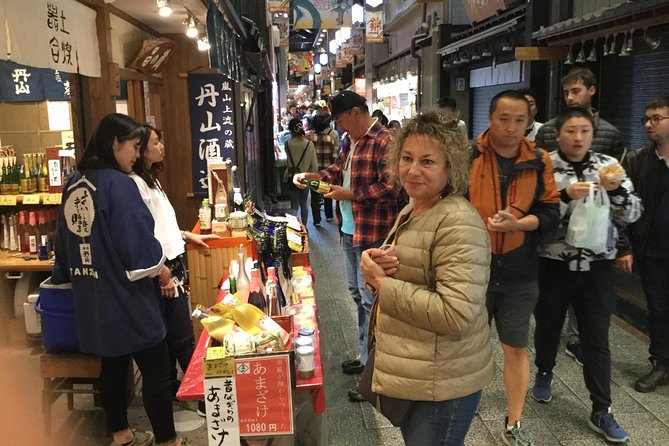
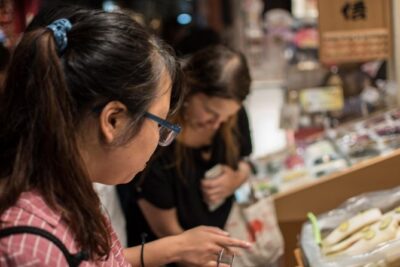
Nishiki Market is the natural opening for a food and culture tour. The narrow shopping street runs for about five blocks and has more than 100 shops and restaurants. It is called Kyoto’s Kitchen for good reason: this is where you can see the ingredients, snacks, cooking tools, and small food businesses that shape local eating.
The scheduled stop is about 30 minutes, which gives you a first look but not a leisurely meal. I would use this time to ask your guide what is local, what is seasonal, and what is worth buying rather than trying to taste everything in sight. With a private guide, you can also slow down if a particular food catches your interest.
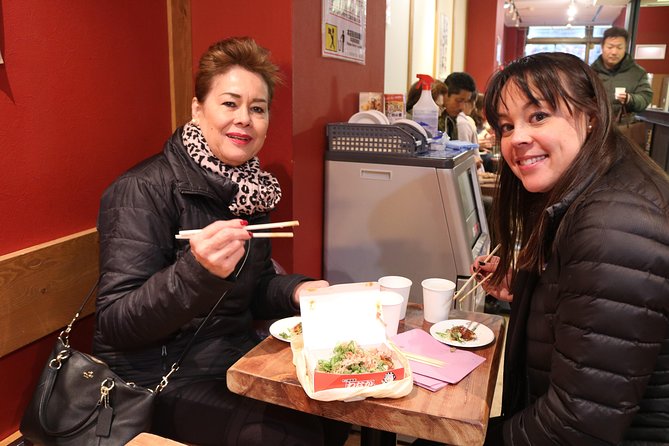
Your food costs are separate, so budget for snacks and drinks. Lunch is also not included, and the tour notes that you pay for your guide’s lunch as well. That arrangement is worth clarifying before you set out, especially if you want a sit-down meal rather than market grazing.
Nishiki can feel crowded and compact. A guide helps you make sense of the narrow passage, but this is not a spacious market with room to wander aimlessly. Treat it as a focused introduction to Kyoto food, not a full meal by itself.
More food tours in Kyoto:
- Kyoto Night Foodie Tour in Gion (9+ dishes + 6 Sake tastings)
★ 5.0 · 1,762 reviews - Kyoto: Insider Sake Brewery Tour with Sake and Food Pairing
★ 5.0 · 704 reviews - Kyoto Nishiki Market Food and Culture Walking Tour
★ 5.0 · 412 reviews
Gion reveals Kyoto’s old entertainment district
Gion receives about an hour, making it one of the more substantial cultural stops. Its narrow lanes can be confusing for a first-time visitor, and the guide helps you move through the district without wasting time on wrong turns.
The value here is not simply seeing old wooden buildings. Gion is tied to Kyoto’s traditional entertainment culture, and the guide can explain the customs and meaning behind what you see. A family who took the tour with Lily praised her explanations of religion, tradition, and Japanese culture, and that is the sort of context that can turn a walk through quiet lanes into something more useful.
You should keep expectations realistic. The tour does not promise a geisha performance, a private tea ceremony, or access to restricted buildings. The appeal is the walk, the setting, and the chance to ask questions while you are there. Be respectful with photography and follow your guide’s lead in sensitive areas.
Gion is also an excellent place to tell your guide what you want from the rest of the day. If you care most about food, you might favor Pontocho and Nishiki. If temples and architecture matter more, you can use the remaining time for one or two major cultural sites.
Try a Kyoto sweet in a former Kabuki theater
The 15-minute stop at the Site of Kitaza offers a very different food experience. You receive an original Kyoto sweet inside a beautiful building renovated from a Kabuki theater. The sweet is traditional, but the way it is served is unusual, and you can eat it there.
This short stop works well between the market and the historic districts. It gives you one specific taste of Kyoto rather than another general food stop. The setting also links food with performance history and city culture, which fits the tour’s wider purpose.
Do not expect a long dessert tasting. Fifteen minutes is enough for the sweet and a quick look at the building, but not for a relaxed café visit. If you have dietary restrictions, ask the operator before booking, since the available information does not specify ingredients or substitutions.
Pontocho shows Kyoto’s dining side
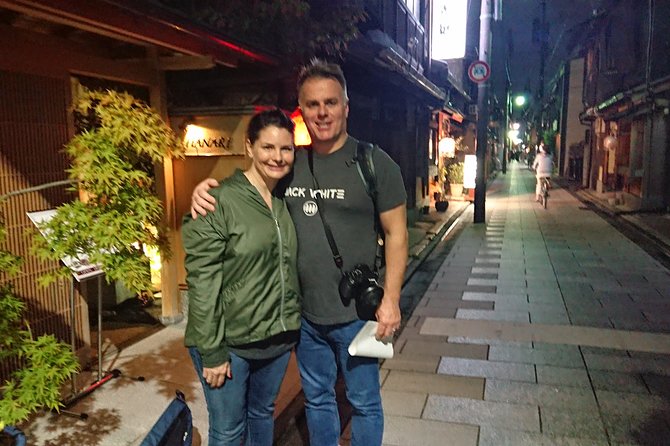
Pontocho gets about 30 minutes. This narrow alley runs between Shijo-dori and Sanjo, one block west of the Kamogawa River, and is one of Kyoto’s most atmospheric dining areas. Restaurants line the lane, giving you a glimpse of where Kyoto dining shifts from market snacks to evening meals.
The stop is especially useful if you need help choosing a place to eat later. Ask your guide about the kind of restaurant that fits your budget and interests, but remember that this tour does not include dinner or food costs. The guide’s recommendations are one of the practical benefits of having a local with you.
Thirty minutes is enough for orientation, not a full exploration of Pontocho. If you want to eat there during the tour, the schedule may need adjusting. Since the outing is private, you have more room to discuss that choice, though the guide still has to balance your meal with the rest of the six-hour route.
Same city, a completely different kind of day:
- PERFECT KYOTO 1-Day Bus Tour
★ 5.0 · 13,518 reviews - Kyoto: Fushimi Inari, Kinkakuji, Bamboo Grove 1 Day Bus Tour
★ 4.8 · 4,316 reviews - Kyoto: Tea Ceremony in a Traditional Tea House in Kiyomizu
★ 4.9 · 3,519 reviews - Kyoto Geisha Walking Tour: Gion District & Hidden Gems
★ 4.7 · 3,273 reviews
Choose three or four cultural sites, not all twelve
The experience lists a wide set of possible places, but the included service is a customized visit to three or four sites. That distinction matters. You are not getting a full tour of Nishiki, Gion, Pontocho, and every temple and palace named in the route.
A six-hour day cannot give proper attention to all twelve stops. The short listed times for some places, including one-minute entries, make sense as options for a route plan rather than promises of full visits. Talk with the guide before the tour and select a sensible cluster.
Kennin-ji Temple
Kennin-ji sits close to Hanamikoji and Shijo streets, yet its grounds offer a calmer walk. The temple is noted for its two dry gardens, which provide a change of pace after Gion’s narrow lanes and market activity.
Admission is not included. The itinerary gives this stop only one minute in the sample schedule, so you should treat it as an optional cultural addition unless your customized plan assigns it proper time.
Byodoin Temple in Uji
Byodoin is famous for its Phoenix Hall, a National Treasure and part of a UNESCO World Heritage Site. It is in Uji, outside central Kyoto, so extra travel time is expected.
This is an important planning point. Byodoin can be a strong choice if its architecture is a priority, but adding it to a route that already includes central Kyoto may reduce your time at Nishiki, Gion, or Pontocho. Transportation costs for you and your guide are extra.
Kyoto Imperial Palace
The Kyoto Imperial Palace served as the Imperial Family’s residence until 1868, when the capital moved to Tokyo. Its spacious grounds offer a different view of Kyoto from the compact lanes of Gion and Pontocho.
Admission is not included. The suggested time is 30 minutes, which is enough for an introduction but not an extensive palace visit. Choose it if imperial history and broad open grounds interest you more than another food stop.
Nijo Castle
Nijo Castle was built in 1603 as the Kyoto residence of Tokugawa Ieyasu, the first shogun of the Edo period. It adds political and architectural history to a day otherwise centered on food, neighborhoods, and religious sites.
Admission costs extra. Like the Imperial Palace, Nijo Castle deserves more than a hurried glance, so confirm how much time your customized route allows before selecting it.
Fushimi Inari-taisha Shrine
Fushimi Inari is included as a brief 15-minute option. The information provided also refers to seeing a part of Japan’s background that is normally off-limits to ordinary tourists after the tour, though it does not explain the exact access or conditions.
Because the stop is short, it works best as a quick introduction rather than a full shrine visit. If Fushimi Inari is a major goal, ask the guide how the route handles it and what portion you will actually see.
Tenryu-ji Temple in Arashiyama
Tenryu-ji is the leading temple in Arashiyama and is registered as a World Heritage site. Its grounds add Zen history and garden scenery to the choices.
The listed time is one minute and admission is extra, so it is not realistic to expect a proper visit within that sample allocation. Arashiyama is also distinct from the central Kyoto stops, so transportation and timing deserve special attention.
Kiyomizu-dera Temple
Kiyomizu-dera is one of Kyoto’s most popular temples, and the route describes a one-hour guided visit as an option. A guide can explain the religious and cultural meaning of the grounds rather than leaving you to simply photograph the famous views.
Admission is not included. If you select Kiyomizu-dera, it will likely become one of the main stops of the day rather than a quick add-on.
Sanjusangendo Temple
Sanjusangendo is known for its 1,001 statues of Kannon, the goddess of mercy. This is a strong choice if religious art and temple interiors interest you.
The sample itinerary gives it only one minute and does not include the entrance fee. Ask for a realistic time estimate before making it one of your three or four choices.
What the private format is really worth
The listed price is $153.11 per person. That is a reasonable starting point for a private six-hour guided day, particularly if you are traveling with family or a small group and want the route built around your interests. Group discounts are available, though the exact discount is not provided.
The value comes from the guide’s time and flexibility, not from included meals or admissions. You are paying separately for food, drinks, transportation, lunch for yourself and your guide, and entrance fees. A group that chooses several paid temples can add a noticeable amount to the base price.
I would compare this cost with what you actually need. If you want help understanding Kyoto food, Gion customs, and local culture, the guide adds real value. If you only want transportation between famous sights, this is not the most economical choice because transport is not included.
The tour is booked an average of 73 days ahead, which suggests you should plan early if your Kyoto dates are fixed. Confirmation is provided at booking, and free cancellation is available until 24 hours before the start time. Changes or cancellations inside that window are not accepted for a refund.
How to plan your six hours
Before the day begins, decide what kind of Kyoto you want. A food-first route might combine Nishiki Market, the Kyoto sweet stop, Gion, and Pontocho. A culture-first plan might replace Pontocho with Kennin-ji, Kiyomizu-dera, or Nijo Castle.
Keep geography in mind. Byodoin is in Uji, while Tenryu-ji is in Arashiyama, and both can require substantial travel from central Kyoto. Adding either one may mean less time for food and neighborhood walks.
Pickup is offered, but the details of the pickup point are not specified. Transportation is extra for both you and your guide, so confirm where you will meet and how the route will move between stops.
The tour is private, and only your group participates. That makes it a good fit for families, couples, and groups with different interests. One family praised Lily for making the experience educational and enjoyable for both young and older members, a useful sign for mixed-age groups.
Who should book this Kyoto tour?
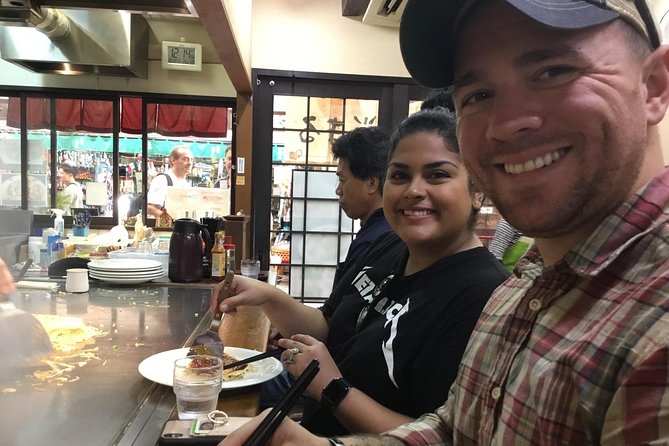
I would choose this experience if you want a guide who can connect food with customs, religion, neighborhoods, and daily life. It is particularly useful on a first Kyoto visit, when a local can help you understand what you are seeing and point you toward places to eat after the tour.
It also suits families and private groups that do not want to match the pace of strangers. Guide Lily’s reported approach is a plus if you value clear explanations and a welcoming tone.
I would hesitate if you want a low-cost food tour with tastings included. Food, lunch, transport, and admissions all cost extra. I would also hesitate if your main goal is to thoroughly visit one distant attraction, since the six-hour format and central food stops may not leave enough time.
FAQ
How long is the Kyoto Food and Culture tour?
The tour lasts approximately six hours.
Is this a private tour?
Yes. Only your group participates in the activity.
How many sites are included?
The tour includes a customizable visit to three or four sites from the available options.
Is a licensed guide included?
Yes. A licensed local guide is included.
Are food and drinks included?
No. The cost of food and drinks is separate. Lunch is also not included, and you pay for your own lunch and your guide’s lunch.
Are entrance fees included?
No. Entrance fees for you are separate. This applies to paid sites such as Kennin-ji, Byodoin, Kyoto Imperial Palace, Nijo Castle, Tenryu-ji, Kiyomizu-dera, and Sanjusangendo.
Is transportation included?
No. Transportation costs for you and your guide are separate. Extra travel time is expected if you choose Byodoin Temple in Uji.
Can I cancel for a full refund?
Yes, if you cancel at least 24 hours before the experience start time. Cancellations or changes made less than 24 hours before the start time are not accepted for a refund.
Should you book it?
Book this tour if you want a private Kyoto introduction built around food and culture, with a guide who can explain what you are seeing and adjust the route to your group. The strongest plan is to focus on Nishiki Market, Gion, the Kyoto sweet stop, and Pontocho, then add one major temple or historic site if time and transport allow.
Skip it if you expect an all-inclusive food tour or a full visit to every famous Kyoto attraction. The base price is only part of the expense, but for a family or small group that values personal guidance, the flexibility can make the cost worthwhile.
Newest Kyoto experiences on the site
- Treasures of Kyoto: Gion & historical Walking Tour★ 5.0 · 6 reviews
- Whisk Your Own Matcha: A Zen Matcha Experience at Temple★ 3.6 · 7 reviews
- Kyoto tea town for matcha lovers★ 5.0 · 16 reviews
- Uji: Private immersion into Kyoto’s tea and reglious culture★ 5.0 · 17 reviews
- Kyoto Matcha Green Tea Tour★ 4.5 · 23 reviews
- Uji and Wazuka Matcha Farm Half Day Private Guided Tour★ 5.0 · 21 reviews
- Utilising upcycled Matcha! Creating matcha incense (Uji, Kyoto)★ 5.0 · 6 reviews
- Sacred Temple Yoga Experience in Japan★ 5.0 · 3 reviews
Kyoto Food Tours, compared.
Kyoto Night Foodie Tour in Gion (9+ dishes + 6 Sake tastings)
Read our review →
Insider Sake Brewery Tour with Sake and Food Pairing
Read our review →
Kyoto Nishiki Market Food and Culture Walking Tour
Read our review →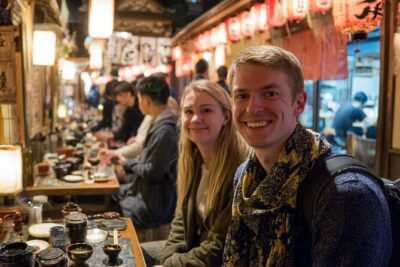
Browse the lists this tour appears in