
Reviewed · GION DISTRICT TOURS
Kyoto: Gion Local Food Tour (Taste 15 Dishes)
Kyoto’s Gion Local Food Tour turns an evening stroll into a three-stop meal, with 15 local dishes served across izakaya-style food, tonkatsu, sushi, and tempura. The guide handles ordering and translation, so you can focus on eating rather than puzzling over a menu.
I like the mix of food and neighborhood context, especially the walk near Yasaka Shrine while the next dish is prepared. I also like that guides such as Ryu, Misaki, Jay, and Yu have been praised for their warmth and clear explanations. The main caution is that the first stop may feel heavily focused on chicken skewers, and the food is everyday Japanese fare rather than a high-end tasting menu.
Key points to know before you book
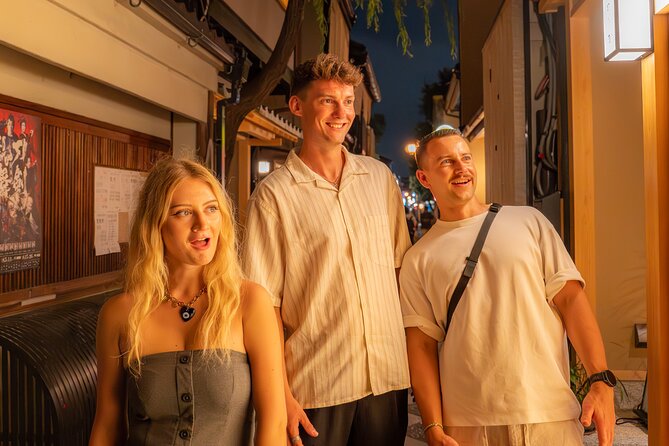
- Three food stops in three Gion-area locations: Begin near Kawaramachidori, continue through Gion, and finish near Gion Shirakawa.
- Fifteen dishes and two drinks are included: Expect yakitori, izakaya dishes, tonkatsu, sushi, and tempura, with the exact selection subject to change.
- A guide removes the language barrier: Your host orders, explains the food, and helps you move between small restaurants and food stops.
- The cultural walk adds useful context: The route can include Yasaka Shrine, where guides have explained Shinto customs and the meaning of lantern writing.
- The group can reach 15 people: It may feel friendly and social, but it is not guaranteed to be an intimate private outing.
- The $94 price buys convenience as much as food: You are paying for several tastings, two drinks, a guide, and access to places that can be hard to navigate alone.
Why this Kyoto food tour works best at night
The tour begins at 6:30 p.m. at the Doutor Coffee location in the Kawaramachi New Tokyo Building, at 391 Komeyacho in Nakagyo Ward. That timing makes sense for Kyoto dining. You are eating during the city’s normal evening hours, when izakaya and small restaurants are serving the dishes they are built around.
The three-hour length gives the outing a relaxed rhythm. You are not simply sitting down for one long meal. You move between stops, eat in stages, and get a look at Gion along the way. That movement matters because Kyoto food is tied to place. A dish tastes different when you understand how it fits into an ordinary evening out.
I would treat this as both dinner and an introduction to Kyoto food customs. You may still want a small snack earlier in the day, but the 15 tastings and two drinks should make this a substantial evening for most people.
The tour ends back at the meeting point. That is useful if you want to continue your night in central Kyoto, though you should leave room for the fact that restaurant timing and walking can vary.
More ways to walk Gion:
- Kyoto Geisha Walking Tour: Gion District & Hidden Gems
★ 4.7 · 3,273 reviews - Kyoto: Gion Magical Night Walking Tour with Geisha Trivia
★ 4.9 · 2,393 reviews - Kyoto: Gion Geisha District Walking Tour – Stories of Geisha
★ 4.7 · 2,187 reviews
Stop one: yakitori and izakaya dishes near Kawaramachidori
The first hour centers on yakitori, or grilled chicken skewers, along with other izakaya-style dishes. Izakaya are casual Japanese drinking and dining spots where people order several small plates rather than one large entrée. This is a good way to see how many locals eat after work or during a night out.
Your guide handles the ordering, which is especially helpful when the menu is written mainly in Japanese or when dishes are unfamiliar. You may receive several preparations of chicken, along with other small dishes served in the same casual setting.
This stop is also where expectations matter most. The promise of 15 dishes can sound like a grand tour of Kyoto cuisine, but the first part may account for a large share of those tastings. One especially negative account described the opening stop as heavily weighted toward inexpensive chicken skewers, with the first 11 dishes feeling too similar. That criticism is worth taking seriously if you want refined ingredients or a carefully balanced menu.
At the same time, yakitori is not a poor choice simply because it is casual. It is a common Japanese food, and sampling several small izakaya dishes can teach you more about daily dining than a formal restaurant meal. If you enjoy grilled food and like trying many small portions, this stop may be satisfying. If you want Kyoto specialties such as kaiseki-style courses or carefully presented seasonal cuisine, this is not that kind of experience.
The walk to Yasaka Shrine adds more than extra scenery
The route between food stops can include a walk toward Yasaka Shrine. One guide, Ryu, used this pause to explain Shinto and the writing on the shrine lanterns while the next food was being prepared. That is a smart use of time. You are not standing around waiting for a table, and the neighborhood becomes part of the meal.
Gion is best appreciated on foot, and a guide can point out details you might otherwise pass without noticing. The tour does not promise a formal shrine visit or an extended sightseeing stop, so think of Yasaka Shrine as a cultural addition rather than the main event.
This interlude also breaks up the food. Fifteen tastings can become tiring if they arrive one after another, particularly when several are fried or grilled. The walking gives you time to reset before the next stop.
Wear comfortable shoes and plan for an evening on foot. The tour is only about three hours, but the food, restaurant transitions, and neighborhood walk make it more active than a seated dinner.
Stop two: tonkatsu in the Gion district
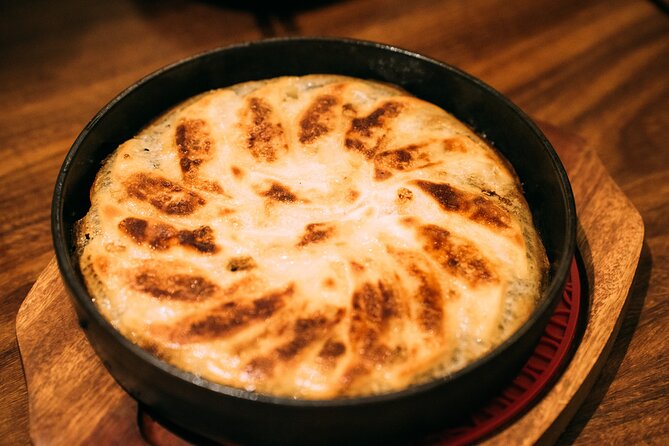
The second hour focuses on tonkatsu, a breaded and deep-fried pork cutlet. On this tour, it may be served in a smaller format, including pork cutlets on skewers. That presentation fits the tasting style: you get a recognizable Japanese dish without committing to a full restaurant plate.
Tonkatsu gives the meal a different texture from the opening skewers. It is crisp, savory, and filling. If the first stop leans toward grilled food, this one adds a fried element and gives you a chance to compare two familiar Japanese comfort foods.
Your guide can explain how to approach the dish and help with ordering. Guides have also been praised for keeping the group together through crowded streets and for making sure people from different countries feel included. That matters in Gion, where narrow routes and evening crowds can make a group harder to manage.
The drawback is that tonkatsu may not feel especially distinctive to anyone expecting rare Kyoto cuisine. It is popular and satisfying, but not a delicate seasonal course. I see this stop as an everyday food lesson, not a luxury tasting.
More food tours in Kyoto:
- Kyoto Night Foodie Tour in Gion (9+ dishes + 6 Sake tastings)
★ 5.0 · 1,762 reviews - Kyoto: Insider Sake Brewery Tour with Sake and Food Pairing
★ 5.0 · 704 reviews - Kyoto Nishiki Market Food and Culture Walking Tour
★ 5.0 · 412 reviews - Kyoto: Gion Food Tour 13 Dishes at 4 Eateries
★ 5.0 · 408 reviews
Stop three: sushi and tempura near Gion Shirakawa
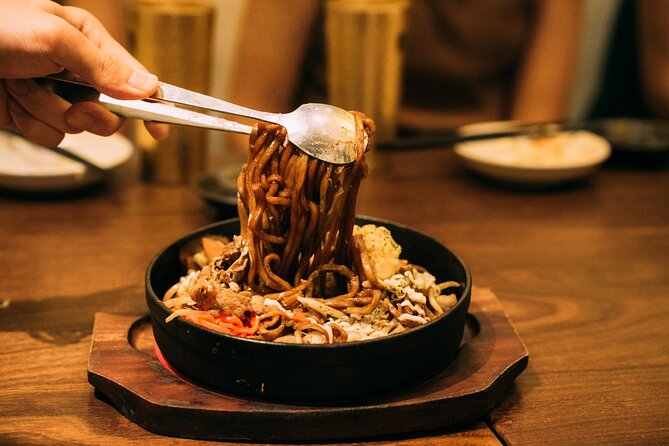
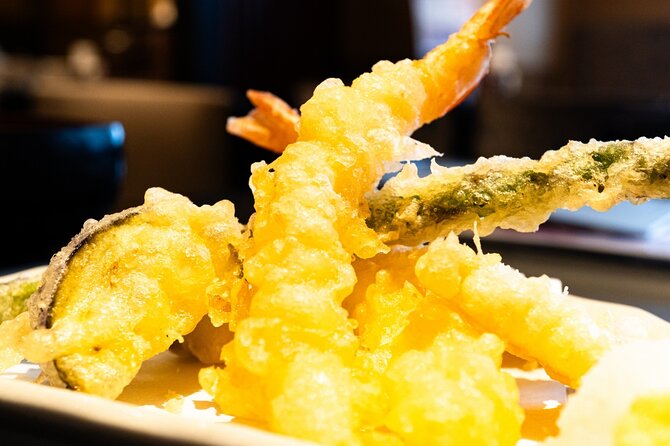
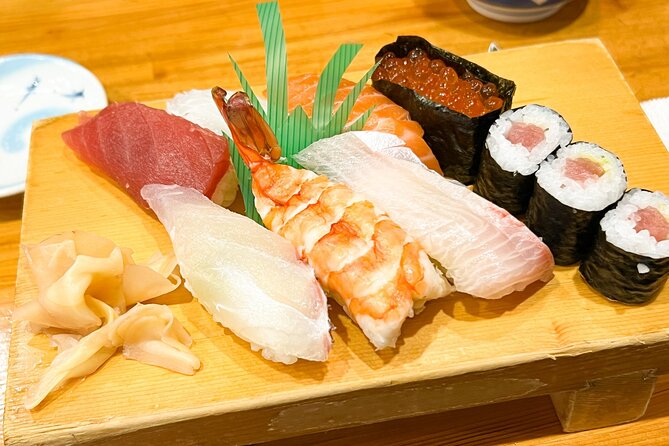
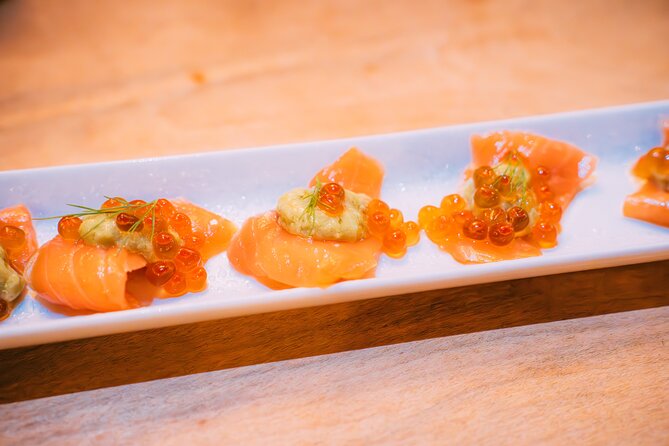
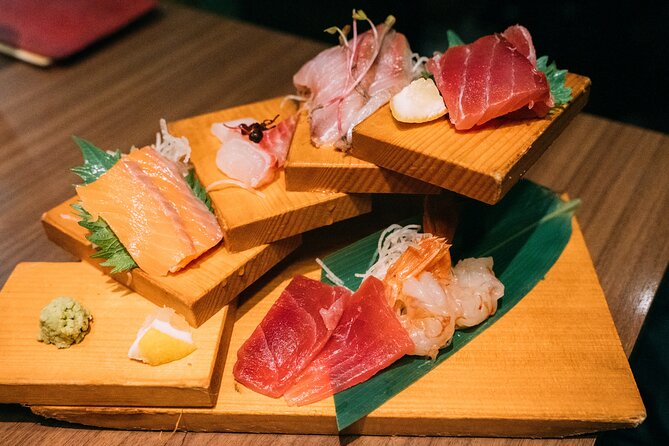
The final hour brings together sushi and tempura near Gion Shirakawa. This is the strongest part of the route for variety because the two dishes offer a clear contrast. Sushi is fresh and often cool and clean in flavor, while tempura is hot, light, and crisp when served well.
The combination also gives the meal a fitting finish. You move from grilled chicken to fried pork, then end with two of Japan’s best-known foods. The exact dishes can vary, so you should not assume a particular type of fish, shellfish, vegetable, or tempura item.
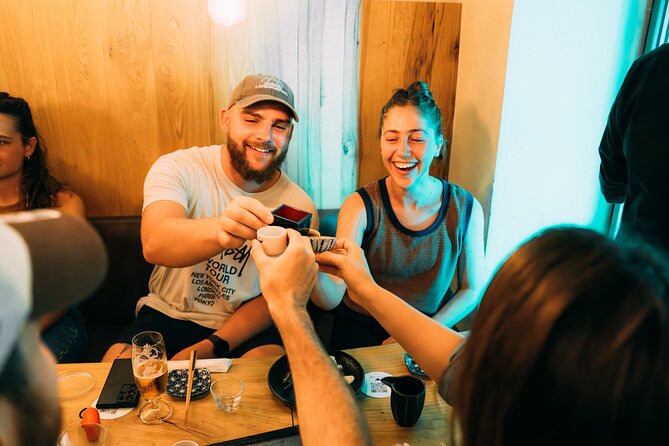
Two drinks are included over the course of the experience. They help match the evening dining setting, though you should not expect an unlimited beverage package. If you do not drink alcohol, confirm what alternatives are available before booking, since the details provided only specify two drinks.
Gion Shirakawa adds atmosphere without requiring a separate sightseeing plan. You are eating in one of Kyoto’s most recognizable historic districts, but the tour remains focused on food rather than photography or formal sightseeing.
What the guides add to the evening
The guide is the key reason to choose this experience instead of visiting restaurants on your own. Ordering can be difficult when you do not know the language, the customs, or the restaurant format. Here, your host chooses or explains the dishes, translates, and keeps the evening moving.
The strongest guide feedback centers on personality and communication. Ryu has been praised for combining food explanations with a stop at Yasaka Shrine. Misaki has been described as warm, fluent in Japanese and English, and good at keeping people informed before the tour. Jay has helped groups navigate Gion’s crowded streets and food choices, while Yu has been praised for explaining the shrine and the food in clear English.
Other named guides, including Leo, Yo, Lemonie, and Liu, have also been singled out for being friendly, flexible, inclusive, and generous with recommendations. The quality of a food tour can depend heavily on the person leading it, and this experience appears to have a strong record in that area, with a 4.9 out of 5 score and 96 percent recommending it.
Still, guide quality can vary from one departure to another. A charming host can make standard food feel memorable, while a less organized evening can expose the tour’s weak points. One low-rated account described a changed meeting time, difficulty finding the start point, and a shortened food program. The operator responded that the time change had been communicated and that there was confusion around the meeting location. I would confirm the meeting details carefully and arrive early.
Is $94 a fair price for the food?
At $94 per person, this is not the cheapest way to eat in Kyoto. You could buy individual yakitori, tonkatsu, sushi, and tempura dishes for less if you already know where to go and can order comfortably.
The value comes from combining several services:
- Fifteen included dishes
- Two drinks
- A local guide
- Ordering and translation help
- Three food stops
- Cultural explanations during the walk
The price makes more sense for a first evening in Kyoto, when you want a ready-made introduction without spending hours researching restaurants. It also suits people who would rather taste many small portions than choose one full meal.
The value is weaker if you are mainly seeking expensive ingredients, polished presentation, or a deep survey of Kyoto’s most famous specialties. The food is described as standard local fare in some accounts, and the opening stop may feel repetitive if chicken skewers are not your thing.
I would compare it to paying for a guided dinner outing rather than paying only for food. If you use the guide’s recommendations later in your trip, the experience can keep paying off beyond the three hours.
Who should book this experience?
I would recommend it most strongly to first-time visitors who want help getting started with Japanese food. It is also a good match for solo visitors, couples, and small groups who enjoy social evenings and do not want to solve the language problem alone.
You are likely to appreciate it if you:
- Enjoy trying several small dishes
- Like casual restaurants more than formal dining rooms
- Want food stories mixed with a neighborhood walk
- Prefer a planned evening to independent restaurant research
- Are happy eating familiar Japanese staples
- Want guidance on how locals eat and drink at night
I would hesitate if you need a vegetarian, vegan, halal, or highly customized menu, because the provided details do not promise those options. I would also think twice if you dislike chicken, fried food, or group dining.
The group limit is 15 people. That is small enough to be manageable, but it does not guarantee a private feel. Some departures may be intimate, while others may feel like a standard group tour.
Practical details that can affect your evening
You receive confirmation at booking and a mobile ticket, which keeps the paperwork simple. The meeting point is the Doutor Coffee shop at the stated Kawaramachi address, and the tour begins at 6:30 p.m. Because one account described confusion around the starting point, I would save the address, check the confirmation shortly before departure, and allow extra time to find the building.
Most people can take part, and the maximum group size is 15. No special access restrictions are listed, but the route includes walking between food stops and time on your feet.
Gratuity is not included. The cancellation rule is straightforward: cancel at least 24 hours before the start time for a full refund. Changes or cancellations inside that window are not accepted for a refund. The tour also requires a minimum number of participants, so a cancellation by the operator would lead to another date or experience, or a full refund.
Should you book the Gion food tour?
Book it if you want a guided introduction to casual Kyoto dining, especially if ordering in Japanese feels intimidating. The combination of yakitori, tonkatsu, sushi, tempura, two drinks, and a walk near Yasaka Shrine gives you a full evening with plenty of variety, even if some of the early dishes repeat the chicken theme.
Skip it if you are paying $94 mainly for rare ingredients or a polished food presentation. This is an accessible local-food outing, not a luxury culinary tour. For the right person, the guide’s help, the cultural explanations, and the chance to try 15 small dishes make the price reasonable.
FAQ
How long does the Kyoto Gion Local Food Tour last?
The tour lasts approximately three hours.
What time does the tour begin?
The tour starts at 6:30 p.m.
Where does the tour meet?
The meeting point is Doutor Coffee Japan at 391 Komeyacho, inside the Kawaramachi New Tokyo Building, in Nakagyo Ward, Kyoto.
Where does the tour end?
The activity ends back at the meeting point.
How many dishes and drinks are included?
The tour includes 15 local dishes and two drinks.
What foods might be served?
The planned food stops include yakitori and other izakaya-style dishes, tonkatsu, sushi, and tempura. The exact dishes may vary.
What is the cancellation policy?
You can cancel at least 24 hours before the start time for a full refund. Cancellations or changes made less than 24 hours before the start time are not accepted for a refund.
Newest Kyoto experiences on the site
- Treasures of Kyoto: Gion & historical Walking Tour★ 5.0 · 6 reviews
- Whisk Your Own Matcha: A Zen Matcha Experience at Temple★ 3.6 · 7 reviews
- Kyoto tea town for matcha lovers★ 5.0 · 16 reviews
- Uji: Private immersion into Kyoto’s tea and reglious culture★ 5.0 · 17 reviews
- Kyoto Matcha Green Tea Tour★ 4.5 · 23 reviews
- Uji and Wazuka Matcha Farm Half Day Private Guided Tour★ 5.0 · 21 reviews
- Utilising upcycled Matcha! Creating matcha incense (Uji, Kyoto)★ 5.0 · 6 reviews
- Sacred Temple Yoga Experience in Japan★ 5.0 · 3 reviews
Gion District Tours, compared.
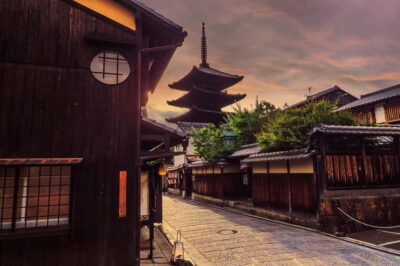
Kyoto Geisha Walking Tour: Gion District & Hidden Gems
Read our review →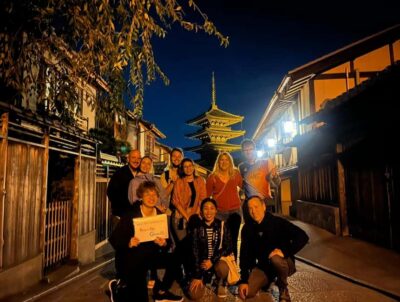
Gion Magical Night Walking Tour with Geisha Trivia
Read our review →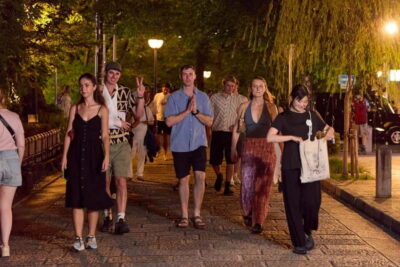
Gion Geisha District Walking Tour – Stories of Geisha
Read our review →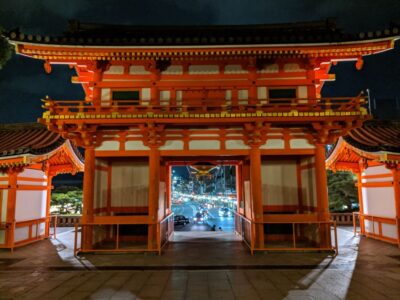
Best of Kyoto: Gion, Geisha, Pagodas & Cobblestones
Read our review →
Kyoto Night Foodie Tour in Gion (9+ dishes + 6 Sake tastings)
Read our review →
Kyoto Gion Geisha District Walking Tour – The Stories of Geisha
Read our review →
Kyoto Gion: 2-Hour Geisha Culture & History Walking Tour
Read our review →Browse the lists this tour appears in