
Reviewed · FUSHIMI INARI TOURS
Fushimi Inari – Arashiyama: Torii Gates, Bamboo, Monkeys & Secret
Fushimi Inari’s tunnel of 10,000 vermilion torii gates is only the opening act on this Kyoto walking tour. You then cross the city to Arashiyama for bamboo, a celebrated temple garden, a river bridge, and wild Japanese macaques on a hilltop.
I like the clean pairing of Fushimi Inari and Arashiyama, two of Kyoto’s biggest sights in one day. I also like the small group size, with no more than 11 people, and the personal guiding style praised in connection with Teri, Jay, and Janiel. The main catch is the pace: this is a walking day with a 60-minute climb at Fushimi Inari and another 20 to 30 minutes uphill to Monkey Park.
Key points at a glance
- Two major Kyoto areas in one tour: Begin at Fushimi Inari and finish in Arashiyama, avoiding the need to plan both areas separately.
- A real uphill walk at Fushimi Inari: The tour includes about 60 minutes of hiking through the torii gates, not just a quick photo stop.
- Arashiyama’s best-known sights: Bamboo Grove, Tenryuji Garden, Togetsukyo Bridge, and Monkey Park all fit into the afternoon route.
- Small-group guiding: The maximum group size is 11, with English guiding and bilingual support.
- Lunch is flexible: You get a 35-minute lunch break in Arashiyama, but food is not included.
- The finish comes with a view: The tour ends at Iwatayama Monkey Park, where Japanese macaques live above the town.
From Fushimi Inari’s torii tunnel to Arashiyama’s bamboo
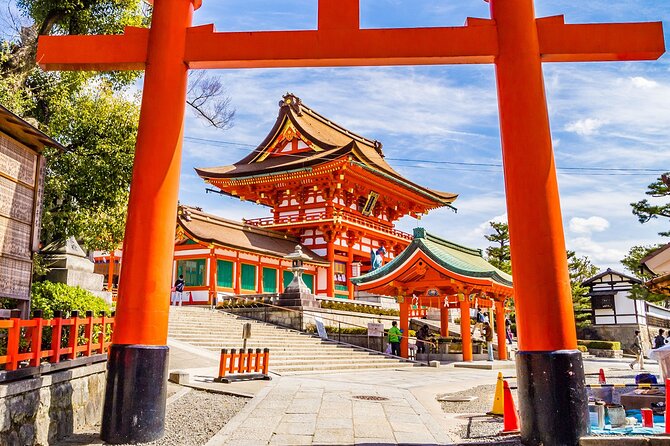
This tour works because it links two very different sides of Kyoto. Fushimi Inari is a major Shinto shrine with a steep wooded trail and thousands of orange-red gates. Arashiyama feels more open and scenic, with bamboo, temple gardens, a river, and mountain views.
You meet at Inari Station at 9:00 a.m. That start point matters. Fushimi Inari is one of Kyoto’s busiest sights, and beginning in the morning gives you a better chance to walk through the first section before the day becomes more crowded. There is no hotel pickup, so you need to make your own way to the station.
The tour then uses public transportation to reach Arashiyama. The listed transport cost is ¥240 per person, paid separately. This is a small extra, but it is worth knowing before you book. The route is not a private vehicle excursion, and you should be ready to walk between stations, sights, and the hill at Monkey Park.
More ways to walk the Fushimi Inari gates:
- Kyoto: Fushimi Inari, Kinkakuji, Bamboo Grove 1 Day Bus Tour
★ 4.8 · 4,316 reviews - Fushimi Inari Hidden Hiking Tour (Private Option Available)
★ 5.0 · 1,750 reviews - Osaka/Kyoto:Kinkakuji,Arashiyama,FushimiInariShrine,NaraPark
★ 4.1 · 1,596 reviews
Fushimi Inari and the 60-minute shrine climb
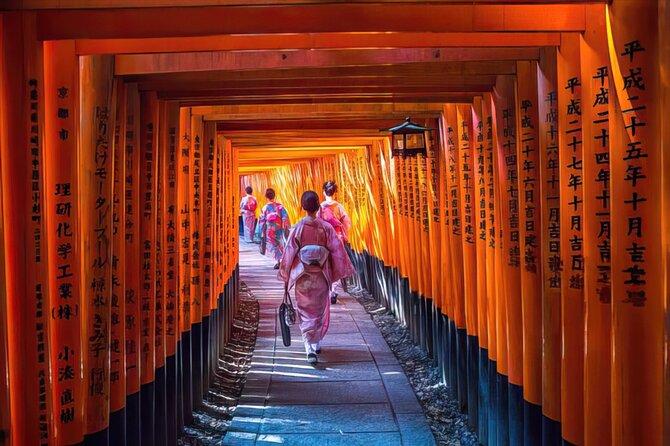
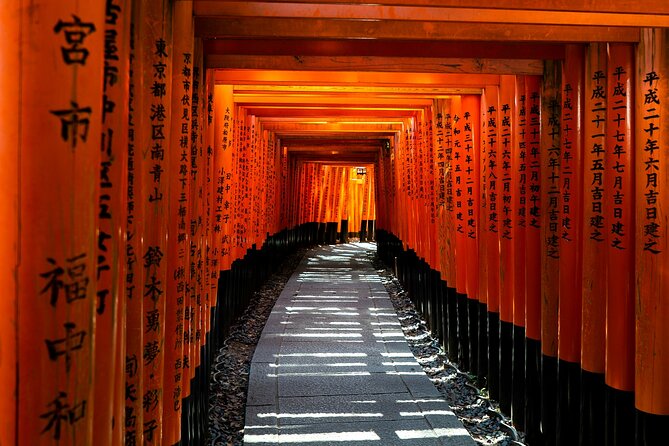
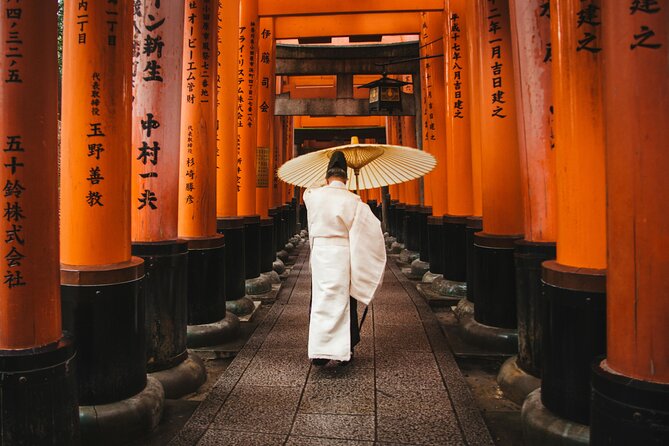
Fushimi Inari Taisha is dedicated to Inari, a Shinto deity linked with rice, trade, and prosperity. The shrine’s famous gates were donated over many years by individuals and businesses. Each gate carries a donor’s name on the reverse side, giving the long passage a very human connection to worship and good fortune.
The guide takes you through the torii-lined route for about an hour and a half in total, including roughly 60 minutes of hiking. The gates are the visual star, but the setting makes the walk special: the path climbs through forested slopes, with shrines and smaller religious markers appearing along the way.
You will not see all 10,000 gates in a single hour. The phrase describes the vast network spread across Mount Inari, and the density changes as you climb. The lower section is the most famous and often the busiest. Higher sections tend to feel quieter, but the trade-off is more exertion.
This is where a guide adds real value. It is easy to enter, snap a photo, and miss the meaning of the shrine, the fox figures associated with Inari, and the way the gates function as offerings. The guides are also useful for keeping the group together on a path where people naturally stop for photographs.
Wear shoes with a good grip. The tour notes a moderate fitness requirement, and the uphill section can feel demanding in warm or humid weather. There are pauses between major sights, but this is not a flat stroll.
Arashiyama Bamboo Grove, beautiful but brief
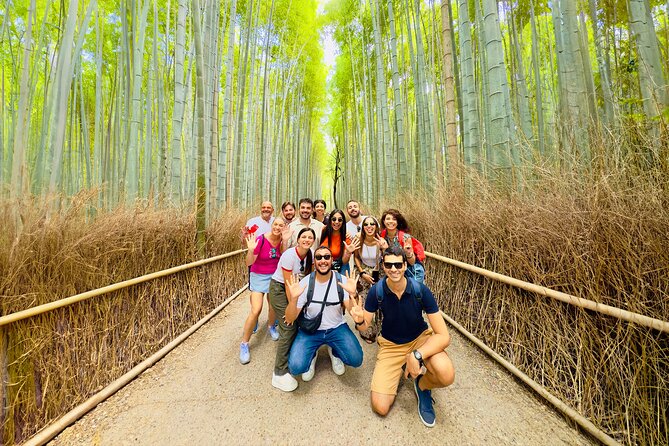
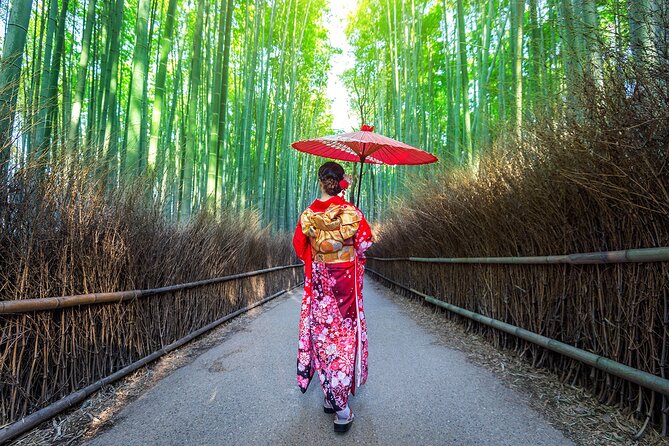
After the train ride to Arashiyama, the route heads to the Bamboo Forest Trail. From the station, the grove is only a few minutes away, which keeps the transition simple.
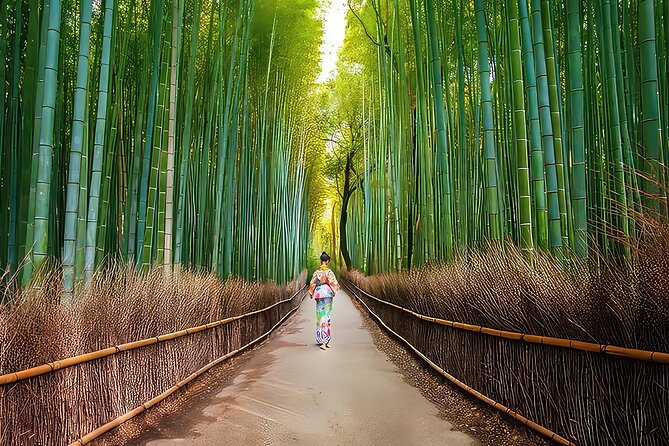
The bamboo path is one of Kyoto’s most photographed places. Tall stalks rise on both sides, turning the route into a narrow green corridor. The visual effect is striking, especially when the bamboo moves in the wind, but the walk itself is short. The scheduled time here is 30 minutes.
That time is enough to see the main path and take photographs. It is not enough for a long, wandering exploration of every corner of Arashiyama. If you want quiet, unhurried photographs, you may need to return on your own after the tour.
A guide helps you understand why the grove matters rather than treating it as a backdrop alone. Still, keep your expectations sensible. Bamboo Grove is a short stop in a popular area, not a private forest walk.
Tenryuji Garden and a calmer side of Arashiyama
Tenryuji Temple provides the most peaceful stop on the Arashiyama side. Its Sogenchi Garden is a UNESCO World Heritage Site and is widely regarded as one of Japan’s finest gardens.
The visit lasts about 35 minutes and includes admission. That is enough time to appreciate the broad pond, arranged stones, clipped plants, and borrowed views toward the surrounding hills. The garden has the calm, controlled design that makes Japanese temple grounds so rewarding. It gives you a chance to slow down after the crowded bamboo path.
The garden is also a useful counterpoint to Fushimi Inari. At the shrine, the experience is movement and repetition: gate after gate, slope after slope. At Tenryuji, the pleasure comes from sitting or standing still and taking in how the garden frames water, trees, and distant scenery.
Thirty-five minutes is a practical guided-tour visit, though not a long temple study. If gardens are your main interest, you may want extra time in Arashiyama after the scheduled route ends.
More Arashiyama monkey park trips:
- Kyoto Arashiyama Walking Tour: Bamboo, Monkeys, Gardens & Secrets
★ 5.0 · 1,216 reviews - Arashiyama Bamboo, Temple, Monkeys, or Secret Sake Brewery
★ 4.8 · 886 reviews - Kyoto: Arashiyama Bamboo Forest, Monkeys, Matcha & Temple Tour
★ 5.0 · 759 reviews - Afternoon Kyoto Bike Tour: Bamboo Forest, Monkeys & Hidden Spots
★ 5.0 · 283 reviews
Lunch in Arashiyama, with choices left to you
The tour includes a 35-minute lunch break in Arashiyama, but the meal is not included. That keeps the price lower and lets you choose what suits you, though the short break means you should not expect a leisurely restaurant meal.
The guide can point you toward places with plenty of options. This is helpful if your group has different tastes or dietary needs, but you should still plan to make a quick decision. Kyoto’s popular sightseeing districts can be crowded, and a 35-minute pause passes quickly.
Bring a little extra cash or a payment method you know works in Japan. Lunch is one of the costs not covered by the tour, along with tips and the ¥240 public transport charge.
Togetsukyo Bridge and the river view
After lunch, the group stops at Togetsukyo Bridge for about 15 minutes. The name means Moon-Crossing Bridge, and the bridge has become one of Arashiyama’s signature views.
The bridge crosses the Katsura River with hills behind it. The stop is free and mainly about the view, photographs, and a sense of place. It is a short pause, but it breaks up the day well before the final climb to Monkey Park.
Do not expect a long riverside walk here. The schedule gives you time to see the bridge and surrounding scenery, not to explore every path along the water. If you want more time by the river, Arashiyama is easy to revisit after the tour.
Monkey Park Iwatayama and the uphill finish
The final stop is Iwatayama Monkey Park, located above Arashiyama on Mount Arashiyama. The park is home to more than 120 wild Japanese macaques, and admission is included.
Reaching the park requires a 20 to 30-minute uphill hike. The path is a fitting final test after the earlier Fushimi Inari climb, so save some energy for it. The reward is close views of the macaques and broad views back toward Arashiyama and the surrounding area.
These are wild animals, not performing animals in a show. Follow the park’s instructions and keep a sensible distance. The tour information does not promise a particular animal encounter, but the park’s population makes macaques the clear focus of the stop.
The tour ends at Monkey Park. From there, you can shop around Arashiyama, continue exploring, or head back toward the station. This ending gives you more freedom than a return to a central hotel, but you need to plan your own way back.
What the $70.55 price really covers
At $70.55 per person, the value comes from combining several paid sights with a guide and city transport between two separate Kyoto districts. Included admission covers Tenryuji Garden and Monkey Park, while Fushimi Inari and the Bamboo Forest are also part of the route.
You still pay for lunch, tips, and ¥240 for public transportation. There is no pickup service. Once those extras are added, the total cost is higher than the advertised tour price, but the comparison should be with the cost and effort of arranging the full day yourself.
I see the strongest value in the guiding. Fushimi Inari and Arashiyama are easy to reach independently, but fitting both into one morning-to-afternoon plan requires attention to trains, walking times, temple admission, and the Monkey Park climb. The guide also gives the day some shape and offers cultural context at places where a quick visit can feel superficial.
If you already know Kyoto well, speak Japanese, and prefer setting your own pace, you may find the fixed schedule limiting. If this is your first Kyoto visit and you want a concentrated introduction to two major areas, the price is more reasonable.
The guides and the small-group feel
The guide team is a major part of the experience. Teri is repeatedly described as friendly, organized, and good at explaining both history and practical ways to handle crowded Kyoto sights. Jay and Janiel are also associated with the guiding team in the tour feedback.
The strongest pattern is personal attention. The guides make room for questions, take photographs, explain cultural details, and allow breaks between sights. That matters on a route with several different stops and a fairly demanding physical profile.
The maximum group size is 11. That is not a private tour, but it is small enough for the guide to manage the group without the anonymous feel of a large coach excursion. Private bookings are also possible according to the tour description, though you should confirm the exact arrangement before paying.
The tour is conducted in English. If you need German, Italian, or another language, ask before booking rather than assuming it will be available.
Who should book this Kyoto walk
I would recommend this tour to first-time Kyoto visitors who want the city’s famous sights with historical explanation and a clear route. It also suits solo visitors, couples, and small groups who prefer company but do not want a large tour bus.
It is a good match for you if:
- You want Fushimi Inari and Arashiyama on the same day.
- You enjoy walking and can handle two uphill sections.
- You like asking questions and learning the background behind major sights.
- You want help with photographs, timing, and the more crowded parts of Kyoto.
- You prefer a small group to planning every train and admission detail alone.
I would think twice if you have limited mobility, dislike hills, or want long, quiet periods at each sight. The Bamboo Grove and Togetsukyo Bridge stops are short, and the day covers a lot of ground in five to six hours.
Recording and live streaming are not allowed during the tour. You can take ordinary photographs, but plan to keep your phone and camera use within the guide’s rules.
Booking, weather, and cancellation details
The tour requires at least two guests to operate. Solo travelers can book, but a one-person booking may be canceled if nobody else joins. If that happens, the provider offers another date or a full refund.
Free cancellation is available up to 24 hours before the 9:00 a.m. start time. Changes or cancellations inside that window are not accepted for a refund. Poor weather can also cancel the experience, in which case you are offered another date or a full refund.
Confirmation arrives at booking, and the meeting point is near public transportation at Inari Station. Plan to arrive with enough time to find Fukakusa Inarionmaecho and locate the guide.
Should you book Fushimi Inari and Arashiyama together?
Book it if you want an active, well-organized introduction to Kyoto’s two most famous sightseeing areas. The combination of torii gates, bamboo, temple gardens, a river bridge, and macaques gives you a broad picture of the city in one morning and afternoon.
The best reason to choose it is not simply the number of sights. It is the chance to understand them, move between them without planning the route yourself, and get practical help from a guide such as Teri, Jay, or Janiel.
Skip it if you want a slow day, dislike uphill walking, or prefer to spend half a day at one temple or garden. For everyone else, the $70.55 base price is a fair trade for a busy but rewarding Kyoto day, as long as you budget for transport, lunch, and tips.
FAQ
Where does the tour start?
The tour starts at Inari Station in Kyoto, at Fukakusa Inarionmaecho, Fushimi Ward.
What time does the tour begin?
The start time is 9:00 a.m.
Where does the tour end?
The tour ends at Arashiyama Monkey Park Iwatayama. Afterward, you can shop in Arashiyama or make your own way back to a station.
How long does the tour last?
The experience lasts approximately five to six hours.
Is lunch included?
No. The tour includes a 35-minute lunch break in Arashiyama, but you pay for your own meal.
Is public transportation included?
No. Public transportation costs ¥240 per person and is paid separately.
How much walking is involved?
Fushimi Inari includes about a 60-minute hike. Monkey Park requires another 20 to 30-minute uphill walk. A moderate level of physical fitness is recommended.
Is the tour offered in English?
Yes. The tour is conducted in English. You can ask before booking about German, Italian, or another language.
What happens if I book alone?
Solo travelers can book, but the tour requires a minimum of two guests to proceed. If only one guest books, the tour may be canceled with an option to reschedule or receive a full refund.
More Mornings in Arashiyama
- Kyoto/Osaka: Nara, Fushimi Inari Taisha, Arashiyama Bus Tour
★ 4.7 · 1,275 reviews - Osaka/Kyoto: Arashiyama, Nara & Fushimi Inari Shrine w/Lunch
★ 4.4 · 754 reviews - Kyoto: Nijo, Kinkaku-ji, Arashiyama, Kiyomizu & Fushimi Inari
★ 5.0 · 699 reviews - Kyoto Ghost Tour: Dark Tales, Urban Legends, Bamboo Forest Night
★ 5.0 · 625 reviews
Newest Kyoto experiences on the site
- Treasures of Kyoto: Gion & historical Walking Tour★ 5.0 · 6 reviews
- Whisk Your Own Matcha: A Zen Matcha Experience at Temple★ 3.6 · 7 reviews
- Kyoto tea town for matcha lovers★ 5.0 · 16 reviews
- Uji: Private immersion into Kyoto’s tea and reglious culture★ 5.0 · 17 reviews
- Kyoto Matcha Green Tea Tour★ 4.5 · 23 reviews
- Uji and Wazuka Matcha Farm Half Day Private Guided Tour★ 5.0 · 21 reviews
- Utilising upcycled Matcha! Creating matcha incense (Uji, Kyoto)★ 5.0 · 6 reviews
- Sacred Temple Yoga Experience in Japan★ 5.0 · 3 reviews
Fushimi Inari Tours, compared.
Fushimi Inari, Kinkakuji, Bamboo Grove 1 Day Bus Tour
Read our review →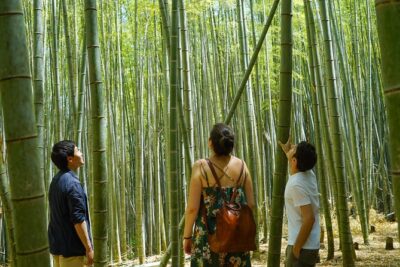
Fushimi Inari Hidden Hiking Tour (Private Option Available)
Read our review →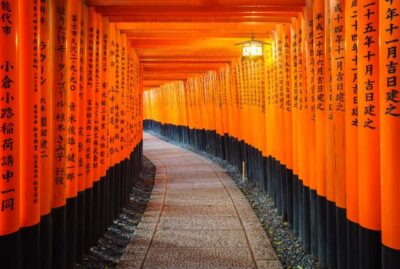
Kinkakuji,Arashiyama,FushimiInariShrine,NaraPark
Read our review →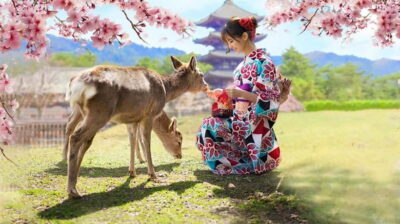
Nara, Fushimi Inari Taisha, Arashiyama Bus Tour
Read our review →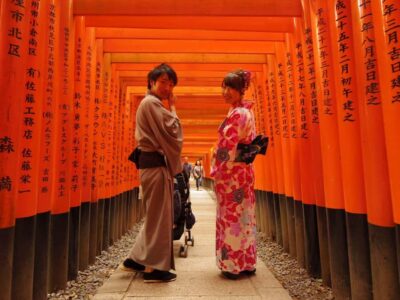
Arashiyama, Nara & Fushimi Inari Shrine w/Lunch
Read our review →
Nijo Castle, Kiyomizu & Fushimi Inari Guided Tour
Read our review →
Nijo, Kinkaku-ji, Arashiyama, Kiyomizu & Fushimi Inari
Read our review →
Browse the lists this tour appears in