
Reviewed · KYOTO GEISHA & MAIKO EXPERIENCES
Kyoto 5-Star Geisha Night Walk: Small-Group Authentic Experience
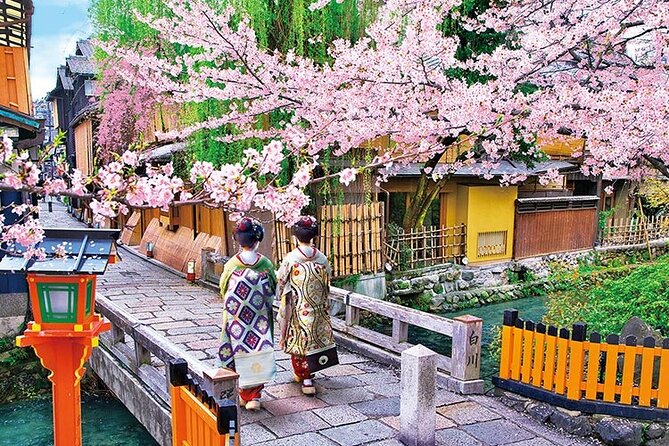
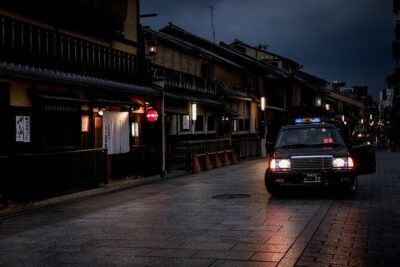
Kyoto’s geisha districts make the most sense after sunset, when lanterns glow, wooden townhouses look their best, and the daytime crowds thin out. This small-group evening walk takes you through Gion, Higashiyama, and Pontocho while guide Richard explains geisha life, Japanese customs, temples, and the city’s long connection to traditional arts.
I like the small maximum of eight people, which makes it easier to hear the guide and ask questions. I also like the mix of subjects: this is not only a geisha tour, but a walking lesson in Shinto, Zen, architecture, kimonos, Kabuki, and everyday Kyoto culture.
The main drawback is the physical demand. You walk for about three and a half hours, with steps and some rough, unpaved paths, so this is not a good choice if walking is difficult. The 5:20 pm start also means you should plan your dinner for after the tour.
Key points at a glance
- Gion after dark: See Hanamikoji Street and quieter geisha lanes when the district has a more atmospheric feel.
- Guide Richard: Expect clear English explanations about geisha training, Kyoto customs, temples, and Japanese history.
- Eight-person maximum: A small group gives you a better chance to hear stories and ask detailed questions.
- A full cultural route: The walk links Gion with Yasaka Pagoda, Ninenzaka, Yasaka Shrine, and Pontocho.
- Included Kyoto snack: A short break at Nene-no-Michi includes a local treat.
- A serious walking tour: Wear comfortable shoes and expect steps, uneven ground, and a late finish near Sanjo Bridge.
Why nighttime is the right time for Gion
Gion is one of Kyoto’s most famous areas, but it can be hard to appreciate in the middle of the day. Hanamikoji Street and the nearby lanes often attract crowds, and the district’s traditional buildings can become a backdrop for hurried photographs.
This tour begins in the early evening and uses the changing light to its advantage. As you walk, the wooden facades, narrow lanes, shrines, and temple approaches take on a quieter mood. The point is not simply to spot a geisha. It is to understand the neighborhood where geisha, called geiko in Kyoto, work and train.
Richard’s explanations are a major part of the experience. He covers the process of geisha training, the role of maiko, kimono details, and the difference between a working geisha house and an ordinary shop or restaurant. He also connects these subjects to broader Japanese customs, which helps you see Gion as a living district rather than a stage set.
You should not expect guaranteed encounters with geisha. The walk passes working areas and geisha living quarters, but these are private places. The value lies in learning how the district functions and seeing it respectfully from public streets.
More geisha and maiko evenings in Kyoto:
- Kyoto Geisha Walking Tour: Gion District & Hidden Gems
★ 4.7 · 3,273 reviews - Kyoto: Gion Magical Night Walking Tour with Geisha Trivia
★ 4.9 · 2,393 reviews - Kyoto: Gion Geisha District Walking Tour – Stories of Geisha
★ 4.7 · 2,187 reviews
From Kabuki theater to Hanamikoji Street
The meeting point is outside the Disney Store at Kyoto Shijo-Kawaramachi, near the northeast corner of Shijo Street and Kawaramachi Street. From there, the walk begins with a stop near the Kabuki theater.
This opening is useful because Kabuki gives you another way to understand Kyoto’s traditional entertainment world. Richard explains features of this theatrical form and sets it beside the performance traditions connected with geisha culture. You get context before entering the narrower streets of Gion.
The first major part of the route follows Hanamikoji Street and nearby alleys for about an hour. This is the heart of the geisha district portion of the walk. You pass traditional buildings, geisha houses, and areas connected with geisha work and training.
The guide’s storytelling matters here. Without explanation, the architecture can look like a row of attractive old buildings. With context, you begin to notice how the street is arranged and why discretion is important in this neighborhood.
You also pass Gion Corner, associated with geisha study and training. This is a good point to ask questions about the long apprenticeship, the arts geisha learn, and how traditional skills fit into modern Kyoto.
Because the streets are narrow, the group size makes a real difference. A group of eight or fewer can stop without blocking the lane for long, and you are less likely to lose the guide in the evening foot traffic.
Temples, Shinto customs, and Yasui-Konpiragu
The tour then moves beyond geisha culture into Kyoto’s religious traditions. You walk past one of Kyoto’s oldest temples while Richard discusses Japanese Zen. This part gives the evening more balance, especially if you want to understand how temples and shrines differ.
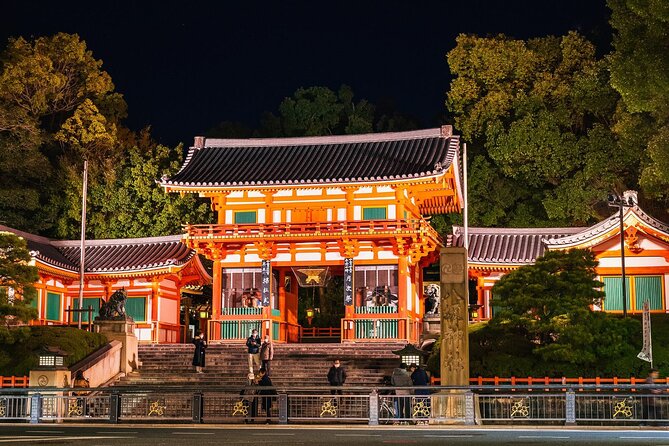
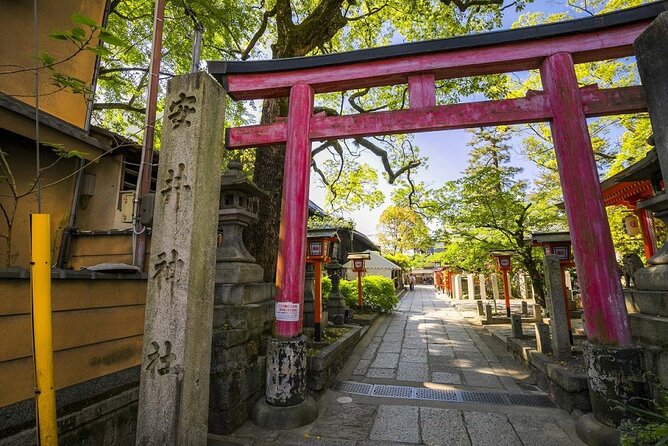
At Yasui-Konpiragu, the route pauses for about 30 minutes. This intimate shrine is associated with old Shinto traditions, and the guide explains the customs connected with the site. It is a useful contrast to the polished streets of Gion because the shrine feels more personal and compact.
I like this section because it stops the tour from becoming a single-topic walk. You learn about geisha culture, but you also get a basic framework for reading Kyoto’s religious sites. That helps later when you visit larger temples and shrines on your own.
You should listen closely here if this is your first visit to Japan. Shinto practices can be easy to misunderstand when you are moving quickly from one famous site to the next. A guide can explain what you are seeing and why people use the space.
Hōkan-ji, Ninenzaka, and the best evening photographs
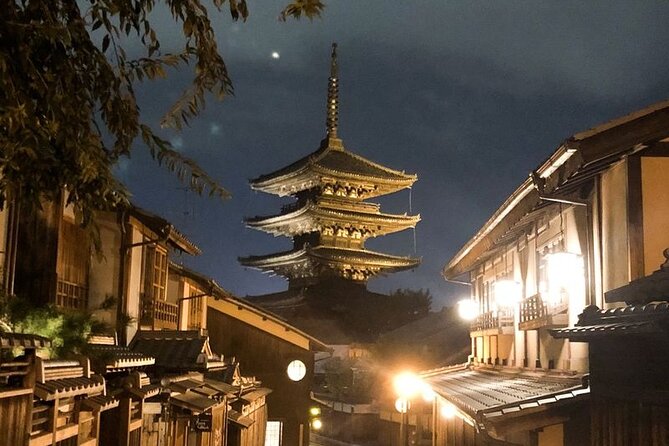
The walk continues to Hōkan-ji Temple, better known for its Yasaka Pagoda. The stop lasts about 15 minutes, but the setting is one of the strongest photo opportunities on the route.
The pagoda rises above one of Kyoto’s most recognizable historic areas. At night, the narrow streets and traditional buildings give the scene a different character from the daytime view. You may find this is one of the places where you want to slow down and take a few photographs rather than rush from one landmark to the next.
From there, you continue through Ninenzaka, another historic lane that is especially atmospheric in the evening. The route is scenic, but it is not a smooth promenade. There are steps, uneven surfaces, and rocky sections, so keep your attention on your footing.
This portion is also a reminder that the tour is primarily a walking experience. You are not being driven between highlights. The streets themselves are part of the visit, and the physical effort is part of what lets you see several old districts in one evening.
More Kyoto after dark:
- Night Walk in Gion: Kyoto’s Geisha District
★ 4.5 · 2,003 reviews - Kyoto Night Foodie Tour in Gion (9+ dishes + 6 Sake tastings)
★ 5.0 · 1,762 reviews - Kyoto Gion Night Walk & Geisha District Guided Tour
★ 5.0 · 786 reviews - Kyoto Ghost Tour: Dark Tales, Urban Legends, Bamboo Forest Night
★ 5.0 · 625 reviews
A Kyoto snack break on Nene-no-Michi
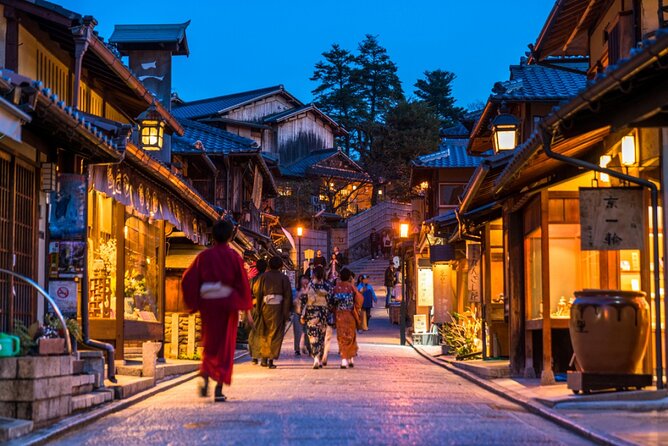
At Nene-no-Michi, you take a break of about 30 minutes and receive a local Kyoto snack. The snack is included, while other personal spending is not.
This is a small feature, but it improves the pacing. Three and a half hours on foot can feel long, especially after a full day of sightseeing. The pause gives you time to rest, ask Richard about the places you have passed, and try something connected with local food culture.
The exact snack is not specified in the tour details, so do not book this expecting a particular dessert or a full meal. It is a refreshment, not dinner. If you have dietary restrictions, the available information does not specify alternatives, so you should ask before booking.
Several parts of the experience also lend themselves to practical questions about where to eat later. Richard has provided restaurant suggestions when asked, but those recommendations are not a formal part of the tour. You should treat them as a helpful extra rather than a promised meal plan.
Yasaka Shrine and the quieter geisha lanes
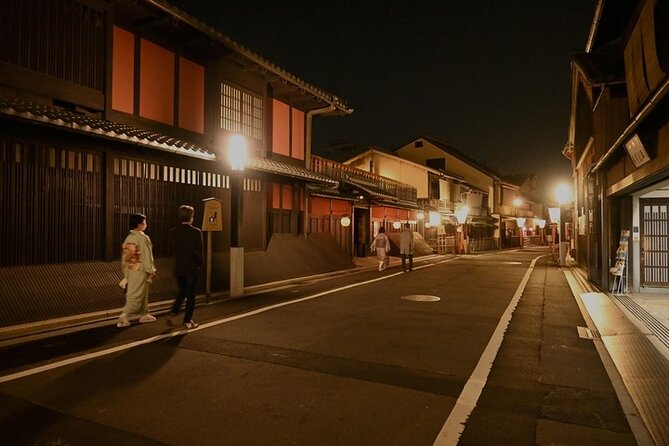
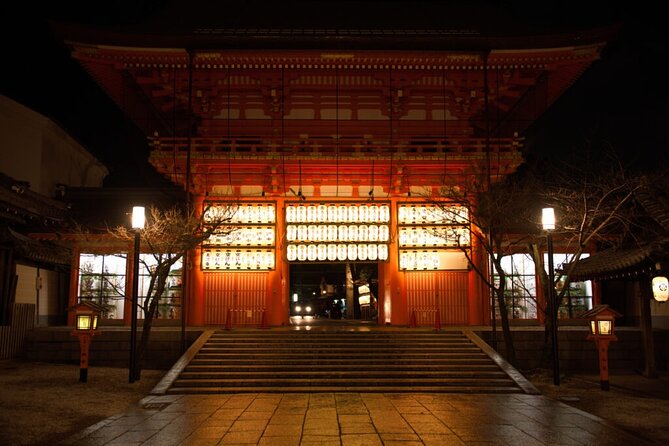
The route then reaches Yasaka Shrine, one of Japan’s major shrines, with around 30 minutes for an explanation of its important features. This is one of the most substantial stops after the snack break.
Yasaka Shrine helps tie together several themes from the evening. You have already learned about Shinto at Yasui-Konpiragu, seen temples and pagodas, and walked through streets shaped by traditional entertainment. At Yasaka, Richard can place those pieces in a larger Kyoto setting.
The tour also includes a picturesque stop in the geisha districts and a lesser-known geisha street. These sections are valuable because they move you away from the most familiar postcard views. You may find that the smaller lane gives you a better feel for the district’s scale and daily rhythm than the headline sights do.
Still, keep your expectations sensible. A quieter street does not mean a private visit or access to geisha houses. You remain on public routes, and respectful behavior is essential. Do not photograph people without permission, block entrances, or treat working neighborhoods as a theme park.
Pontocho finishes the evening
The final district is Pontocho, a narrow and lively area known for its mix of geisha houses, bars, and nightlife. The tour spends about 30 minutes here before ending at Sanjo Ohashi Bridge, at the northern end of Pontocho alley.
Pontocho is a good ending because it shows another side of Kyoto’s evening culture. Gion has a more formal, traditional image, while Pontocho brings together dining, nightlife, and long-standing entertainment traditions in a tighter lane.
The finish near Sanjo Bridge is practical. You end close to a well-known central Kyoto landmark and public transportation area, rather than being left in a remote temple district. The tour does not include transportation back to your hotel, so check your route before setting out.
The end time will likely be around 8:50 pm, based on the 5:20 pm start and approximate three-and-a-half-hour duration. The tour may run a little longer, so avoid booking a fixed dinner reservation immediately afterward.
Is $98 a fair price?
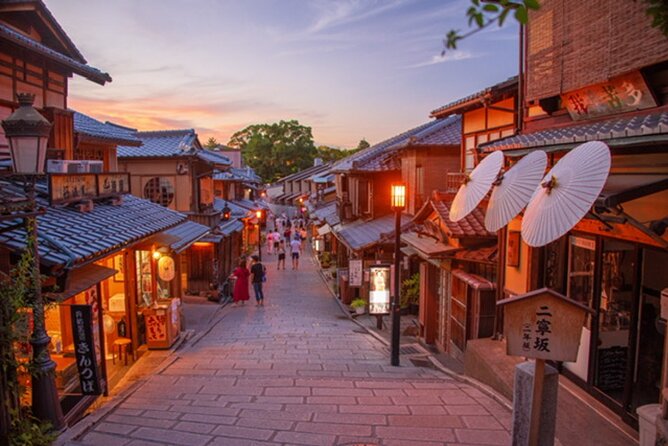
At $98 per person, this is not the cheapest way to see Gion. You can walk through Hanamikoji, Ninenzaka, or Yasaka Shrine without paying an admission fee. The price is for the guide, the organized route, the small group, the cultural explanation, and the included snack.
I think the value is strongest if you want more than photographs. Richard covers geisha customs, Japanese history, architecture, Shinto, Zen, Kabuki, kimonos, and local life. The route also covers several districts that would be easy to combine poorly on your own.
The small group helps justify the cost. With no more than eight people, the guide can answer questions and adjust explanations to the group. The supplied material identifies Richard as the guide, and his background bridging Japanese and American culture is repeatedly useful in the way he explains difficult subjects in clear English.
If you already have a strong grasp of Kyoto’s history and prefer wandering alone, the price may feel high. If you want a thoughtful introduction early in your stay, it can be good value. Several people have found that taking the walk near the start of a Kyoto visit helped them understand the city better for the rest of their trip.
Who should book this evening walk?
I would recommend it to first-time Kyoto visitors who want a cultural orientation with real walking and plenty of questions. It also suits families, since Richard’s style is described as engaging for different ages, provided everyone can manage the distance and uneven paths.
This is a good choice for you if:
- You want to understand geisha culture instead of simply looking for photographs.
- You prefer a small group to a large bus tour.
- You enjoy history, architecture, religion, and local customs.
- You like seeing Kyoto after dark.
- You want restaurant suggestions and cultural context for the rest of your stay.
- You can comfortably walk for three and a half hours.
It is less suitable if you need frequent seating, use a stroller that cannot manage steps and rocky paths, or want a relaxed dinner-and-entertainment evening. The experience is a substantial walk, not a short photo stop.
Wear comfortable shoes, bring a light layer, and arrive ready to walk at 5:20 pm. Since poor weather can lead to a new date or a full refund, keep your evening plans flexible if rain is forecast. You can cancel for a full refund up to 24 hours before the start time. Cancellations or changes within 24 hours are not refunded.
Should you book the Kyoto geisha night walk?
Book this tour if you want the stories behind Kyoto’s most famous evening districts. The strongest parts are Richard’s clear explanations, the small group, the shift from Gion to Higashiyama and Pontocho, and the chance to see shrines and old streets after the daytime rush.
Skip it if you are looking for a short, effortless outing or guaranteed geisha sightings. For most visitors who enjoy walking and want cultural context, the $98 price is reasonable for a focused evening that introduces several sides of Kyoto at once.
FAQ
How long does the Kyoto geisha night walk last?
The tour lasts approximately three hours and 30 minutes. It starts at 5:20 pm, so it should finish around 8:50 pm, though the exact finish may vary.
Where does the tour begin?
The meeting point is the Disney Store at Kyoto Shijo-Kawaramachi, near the northeast corner of Shijo Street and Kawaramachi Street.
Where does the tour end?
The tour ends at Sanjo Ohashi Bridge, at the northern end of Pontocho alley.
How many people can join the tour?
The tour has a maximum of eight travelers, making it a small-group experience.
Is food included?
Yes. A local Kyoto snack is included during a break at Nene-no-Michi. Personal expenses and other food are not included.
Is the tour suitable for people with walking difficulties?
No. The tour lasts about three and a half hours and includes steps, unpaved rocky paths, and extended walking. It is not suitable for anyone having walking issues.
Can strollers be used?
Strollers may have difficulty because the route includes steps and unpaved rocky paths that must be managed during the tour.
Who guides the tour?
The guide named in the experience information and praised throughout the provided material is Richard. He speaks clear, native English and explains geisha culture, Japanese history, temples, shrines, and local customs.
What is the cancellation policy?
You can cancel at least 24 hours before the start time for a full refund. Cancellations or changes made less than 24 hours before the start time are not refunded. If poor weather forces the operator to cancel, you are offered another date or a full refund.
More Walking Tours in Kyoto
- Kyoto Gion Geisha District Walking Tour – The Stories of Geisha
★ 5.0 · 1,441 reviews - Nishiki Market Brunch Walking Tour (7 Tastings + Brunch)
★ 5.0 · 1,355 reviews - Kyoto Arashiyama Walking Tour: Bamboo, Monkeys, Gardens & Secrets
★ 5.0 · 1,216 reviews - Kyoto Gion: 2-Hour Geisha Culture & History Walking Tour
★ 5.0 · 1,186 reviews
Newest Kyoto experiences on the site
- Treasures of Kyoto: Gion & historical Walking Tour★ 5.0 · 6 reviews
- Whisk Your Own Matcha: A Zen Matcha Experience at Temple★ 3.6 · 7 reviews
- Kyoto tea town for matcha lovers★ 5.0 · 16 reviews
- Uji: Private immersion into Kyoto’s tea and reglious culture★ 5.0 · 17 reviews
- Kyoto Matcha Green Tea Tour★ 4.5 · 23 reviews
- Uji and Wazuka Matcha Farm Half Day Private Guided Tour★ 5.0 · 21 reviews
- Utilising upcycled Matcha! Creating matcha incense (Uji, Kyoto)★ 5.0 · 6 reviews
- Sacred Temple Yoga Experience in Japan★ 5.0 · 3 reviews
Kyoto Geisha & Maiko Experiences, compared.
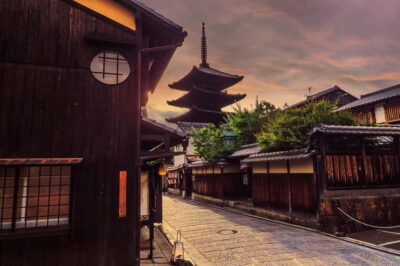
Kyoto Geisha Walking Tour: Gion District & Hidden Gems
Read our review →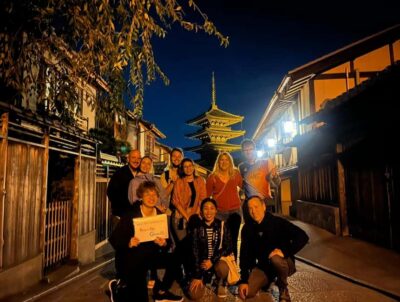
Gion Magical Night Walking Tour with Geisha Trivia
Read our review →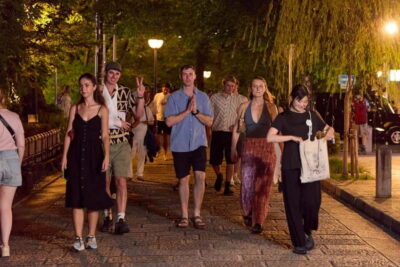
Gion Geisha District Walking Tour – Stories of Geisha
Read our review →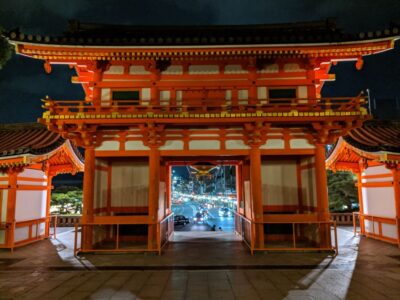
Best of Kyoto: Gion, Geisha, Pagodas & Cobblestones
Read our review →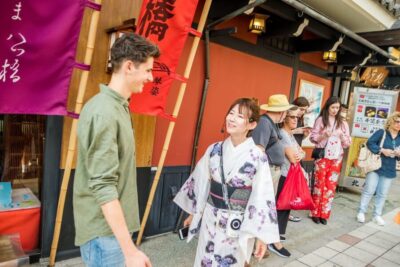
Kyoto Gion Geisha District Walking Tour – The Stories of Geisha
Read our review →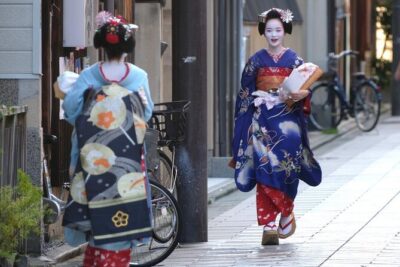
Kyoto Gion: 2-Hour Geisha Culture & History Walking Tour
Read our review →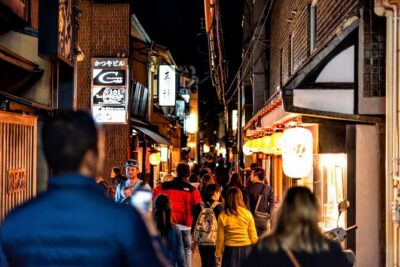
Kyoto Gion Night Walk & Geisha District Guided Tour
Read our review →Browse the lists this tour appears in