
Reviewed · KYOTO WALKING TOURS
3 Hour Vegan Walking Tour with Lunch
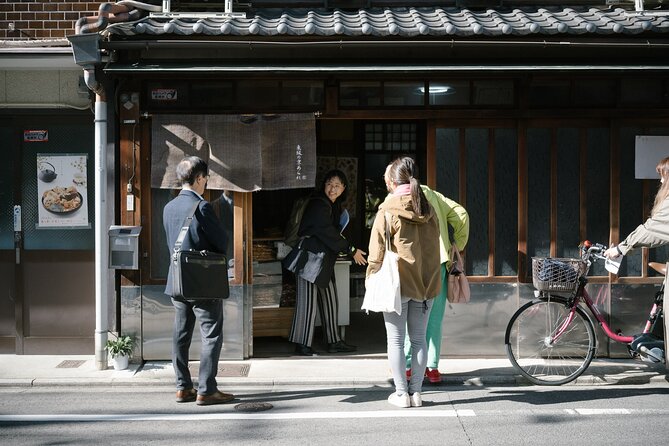
Kyoto’s food culture can be tricky for vegans, but this small walking tour gives you a practical way into it. You’ll taste local snacks, coffee, street food, and freshly fried tempura while visiting independent shops, a traditional townhouse, and a vegan restaurant. I like the small maximum of five people and the fact that lunch is included. I also like that the tour looks beyond food, showing how everyday Kyoto shops connect with local customs and materials.
The main drawback is the price: $130.06 per person for roughly three hours is a serious outlay for a walking tour. The schedule can also change because each shop sets its own hours, and the tour requires decent walking ability and good weather.
Key points at a glance
- Four tasting stops: Try local snacks, coffee, and street food at several independent shops rather than eating at one location only.
- A broader vegan view of Kyoto: The route includes a paper shop, recycled kimono shop, pottery shop, and traditional townhouse.
- Vegan meal included: Finish at Premarché Alternative Diner with lunch or dinner, then disperse on your own.
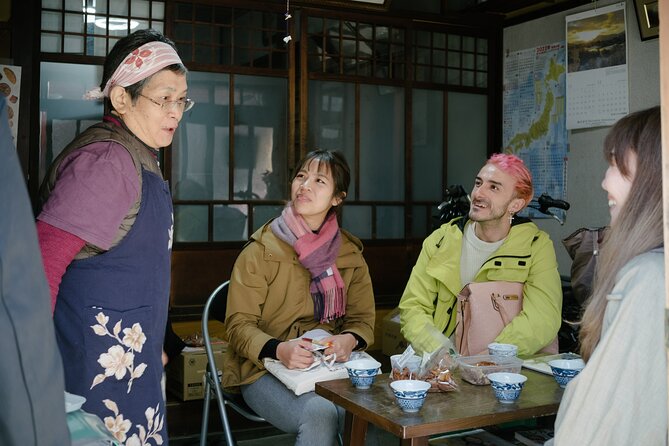
- Very small group: The tour accepts no more than five participants, making it easier to ask food and cultural questions.
- Useful for several diets: The experience accommodates vegans, vegetarians, and people following a gluten-free diet.
- Flexible neighborhood route: Shop hours can change, so the exact order or selection of stops may be different on the day.
Why this Kyoto food walk is different
Many food tours in Kyoto focus on famous restaurants or market specialties. This one takes a more personal route. You walk through the city from a plant-based point of view, stopping at small businesses and sampling foods that can otherwise be hard to identify or order safely.
That matters in Japan, where ingredients such as fish stock, bonito flakes, shrimp, egg, and dairy can appear in dishes that look meat-free. A guide who has arranged the tastings can help you understand what you are eating and where it fits into daily Kyoto life. The tour is not just a checklist of vegan dishes. It connects food with paper, pottery, old clothing, and traditional homes.
I also like the scale. With a maximum of five people, this is closer to a private neighborhood walk than a large organized food crawl. You can ask about ingredients, explain dietary needs, and spend a little more time at a shop if the group is interested.
The experience is run by JTB KYOTO OFFICE, but no individual guide is named in the available details. Your guide is described as a local, and the tour is private in character, even though the booking information allows up to five participants.
More walking tours in Kyoto:
- Kyoto Geisha Walking Tour: Gion District & Hidden Gems
★ 4.7 · 3,273 reviews - Kyoto: Gion Magical Night Walking Tour with Geisha Trivia
★ 4.9 · 2,393 reviews - Kyoto: Gion Geisha District Walking Tour – Stories of Geisha
★ 4.7 · 2,187 reviews
Starting at Shinsenen Garden
The walk begins at Shinsenen Garden, at 166 Monzenchō in Nakagyo Ward. This gives you a clear meeting point near public transportation, though you should allow enough time to find the entrance and arrive ready to walk.
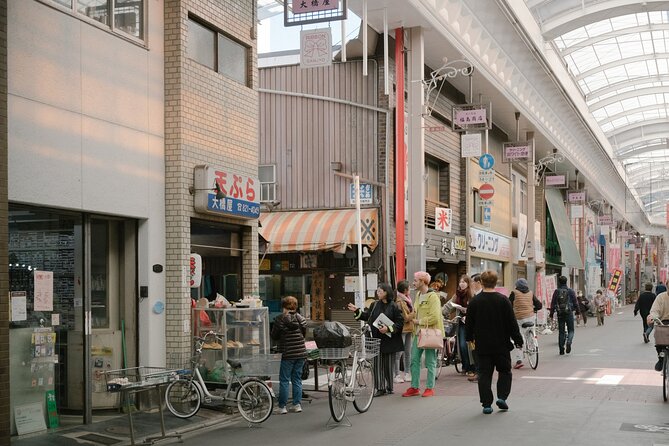
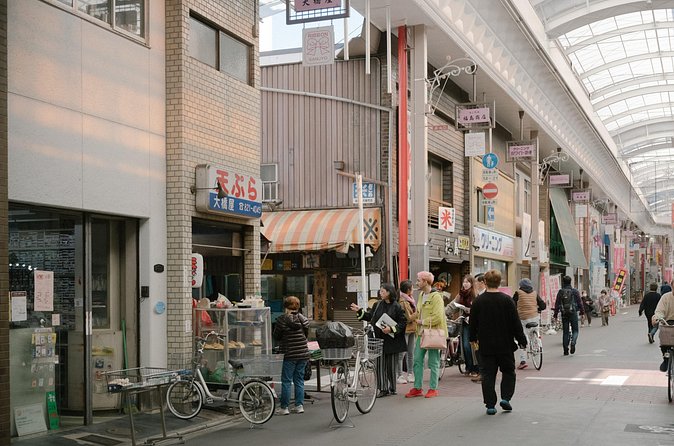
The first part lasts about two hours. That may sound long for a food walk, but the food is only one part of the plan. You will move through the town, speak with shopkeepers, and visit several types of business. The route may include around four tasting stops, with the exact mix depending on which shops are open.
This neighborhood format is useful if you have already seen Kyoto’s major temples and want a different look at the city. A paper shop can show you a craft tradition in everyday commercial form. A recycled kimono shop points to the continuing value of old textiles. A pottery shop brings you closer to the objects used in Japanese homes and restaurants.
The tour also includes a visit to a traditional townhouse. That is an important detail. Kyoto is often presented through grand temples, but a townhouse gives you a more ordinary sense of how people lived and worked in the city. The tour’s plant-based focus fits this setting well, since it considers how food, natural materials, and local commerce developed together.
Tasting local snacks, coffee, and street food
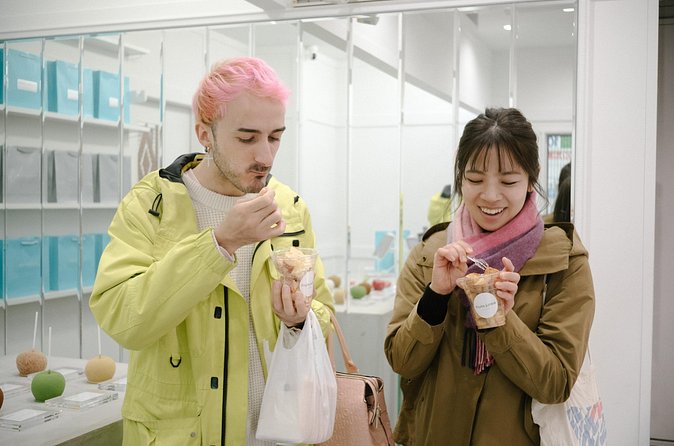
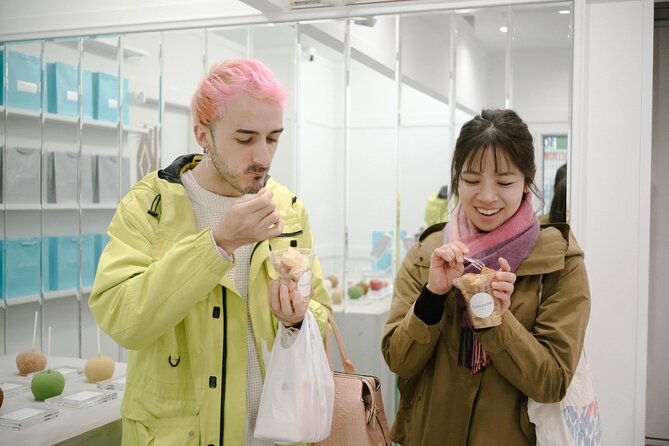
The food portion is intentionally varied. Past tasting highlights include local snacks, coffee from a neighborhood shop, street food, and freshly fried tempura eaten on the spot. The information does not promise one fixed menu, so you should treat these as examples rather than guaranteed items.
That flexibility has both a benefit and a cost. The benefit is freshness. You may try something being prepared that day instead of receiving a standard tasting tray assembled in advance. You also get a better sense of how people actually shop and snack in the neighborhood.
The cost is less certainty. If you have a strong dislike of particular foods, or if you want a precise menu in advance, this may feel loose. Independent shops have their own opening hours, and the tour schedule can change without prior notice. The guide will need to adjust the route when a business is closed or operating differently.
For vegans, the best part may be the explanation around the food. A small snack can tell you more about local habits than a carefully staged restaurant meal, but only if you understand its ingredients and place in Japanese food culture. This is where the guide adds value.
Vegetarians can also join, and the tour accepts people following a gluten-free diet. Still, you should communicate your requirements clearly at booking and at the start. The available information confirms that these diets are accommodated, but it does not provide a full ingredient list or explain how every tasting is adapted.
Shops that give the walk its character
The paper, kimono, and pottery stops keep the experience from becoming a simple succession of bites. Each shop adds a different piece of Kyoto’s daily culture.
At the paper shop, you might find yourself paying attention to texture, folding, and the practical role of handmade paper. The tour does not promise a workshop, so do not expect to make your own paper. The value is in seeing the craft in a working shop and speaking with the people connected to it.
The recycled kimono shop offers another useful angle. Rather than treating kimono only as museum pieces, the stop presents old garments as items that can be reused and passed along. That idea fits naturally with a tour interested in food choices, natural materials, and lower-waste habits, although the tour should not be treated as a formal sustainability program.
The pottery shop gives you a chance to consider the vessels behind Japanese meals. Bowls, cups, and plates shape how food is served and enjoyed. For a vegan food tour, this is a nice reminder that eating culture includes more than ingredients.
The independent nature of these shops is part of the appeal. You are not simply moving between major attractions. You are entering smaller businesses where the pace can feel more human. On the other hand, smaller shops may be crowded or busy, and the schedule cannot be controlled as tightly as it would be in a museum or large restaurant.
A few more Kyoto tours worth putting on the shortlist
- Arashiyama’s Best Vegan Ramen & Gyoza Class
★ 4.5 · 6 reviews
The traditional townhouse visit
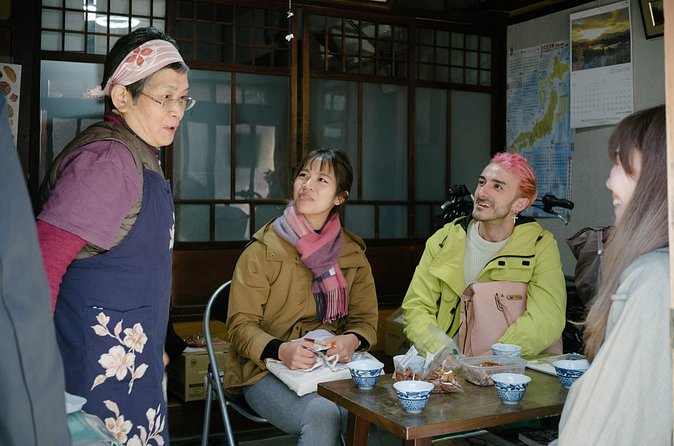
The townhouse is one of the more distinctive elements of the route. Kyoto’s traditional homes often combine living and working space, and a visit can help you understand the scale and feel of older neighborhoods.
The supplied details do not specify the townhouse’s name, age, or whether every room is open to the public. You should therefore think of this as a brief cultural stop rather than a full architectural tour. Its role is to add context to the walk and show a side of Kyoto that can be missed when you move only between temples and major shopping streets.
I would particularly value this stop early in a Kyoto visit. It can help you notice older building forms and neighborhood details during the rest of your stay. If you have already taken several traditional architecture tours, the food and shop visits will likely be the stronger reason to book.
Finishing at Premarché Alternative Diner
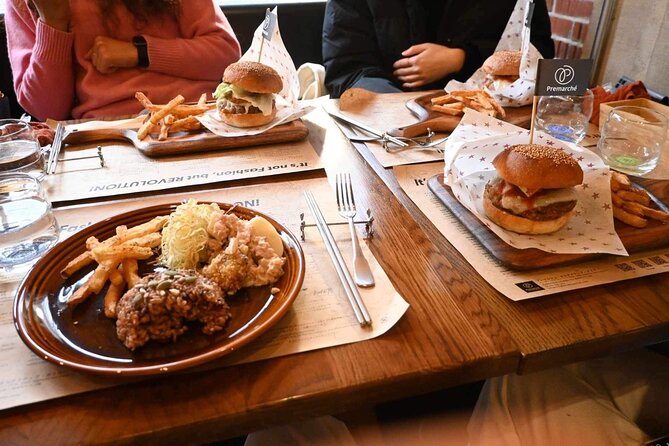
After about two hours of walking and tasting, the group reaches Premarché Alternative Diner in Nakagyo Ward. The restaurant is located at 672 Hashinishichō, on the second floor, and the included meal is vegan.
This is more than a convenient finish. Kyoto can be rewarding but tiring for plant-based eaters who have spent the day checking menus and asking about stock. Ending with a known vegan meal gives you a reliable place to sit down and eat without having to negotiate every ingredient yourself.
The meal may be lunch or dinner depending on the tour time. The available information does not state the exact dishes, portion size, or drinks included, so do not assume that beverages or extra menu items are covered. Personal expenses, including additional food, drinks, and souvenirs, are not included.
Once the meal is over, you are free to leave. That makes the end point useful for planning the rest of your day. You can continue exploring Nakagyo Ward, return to your accommodation, or arrange your own transport. The tour does not include transportation from your home to Shinsenen or from the restaurant afterward.
Is $130.06 a fair price?
At $130.06 per person, this is not a bargain snack tour. You are paying for a small group, a guide, several food tastings, cultural stops, and a vegan meal. For someone who would otherwise spend a great deal of time researching safe plant-based restaurants and ingredients, that package can make sense.
The value is strongest for a first-time visitor who wants food and culture together. You get more than lunch, but you also get less than a full-day tour. The duration is listed as two to three hours, with roughly two hours for the walk and one hour for the meal.
The price is harder to justify if your main aim is simply to eat at a vegan restaurant. You could likely find a meal on your own for much less, though the tour’s real service is the neighborhood access, guided tastings, and cultural explanation.
The small group also matters. A maximum of five people usually allows more personal attention than a standard food tour, and it can make dietary communication easier. There are only three published ratings, with the experience listed at five stars, so the positive record is encouraging but not a large statistical sample.
Walking demands, weather, and timing
You should have a moderate level of physical fitness. The tour involves about two hours of walking through town, standing at shops, and moving between food stops. No special athletic ability is required in the information provided, but this is not a seated tasting.
Wear comfortable shoes. Carry water, especially in warm weather, and keep your schedule loose after the tour in case the meal or route takes a little longer than expected. The listed duration is approximate.
The experience requires good weather. If poor weather forces cancellation, you will be offered another date or a full refund. This policy is helpful, but it means you should avoid building a tightly packed schedule around the exact route.
The tour offers a mobile ticket, and confirmation is received when you book. It starts at Shinsenen Garden and ends at Premarché Alternative Diner, not back at the meeting point. Check both addresses before setting out so you understand the direction of the walk.
Who should book this experience?
I would recommend it most strongly to vegans who want help navigating Kyoto’s food culture without giving up local experiences. It is also a good fit for vegetarians, gluten-free diners, and mixed groups where one person needs especially careful food planning.
You will get the most from it if you enjoy small shops, neighborhood walking, and conversation. The tour is less suited to someone who wants a fixed menu, a major sightseeing landmark at every stop, or a fast-paced list of famous restaurants.
It can work well near the start of a Kyoto stay. You may learn useful food vocabulary, discover a few areas to revisit, and gain confidence about ordering plant-based food for the rest of your trip. If you are already familiar with Kyoto’s shopping streets, the local guide and unusual stops may still reveal businesses you have passed without noticing.
Book at least 24 hours ahead if you want the option of a full refund. Cancellation later than that is not refundable, and changes inside the 24-hour window are not accepted.
Should you book the Kyoto vegan walking tour?
Book it if you want a compact, personal introduction to Kyoto through vegan food, small businesses, and everyday culture. The included meal, four possible tasting stops, traditional townhouse, and five-person limit give the experience more substance than a simple restaurant visit.
Skip it if $130.06 feels too high for a three-hour activity, or if you need a guaranteed menu and fixed route. For the right person, especially a vegan visiting Kyoto for the first time, the tour solves a real problem: finding safe food while learning how local life fits around it.
FAQ
Where does the tour start?
The tour starts at Shinsenen Garden, 166 Monzenchō, Nakagyo Ward, Kyoto, 604-8306, Japan.
Where does the tour end?
The tour ends at Premarché Alternative Diner, 672 Hashinishichō, Nakagyo Ward, Kyoto, 604-8332, Japan. You are free to disperse after the meal.
How long does the experience last?
The experience lasts approximately two to three hours. The walking portion takes about two hours, followed by roughly one hour for the included meal.
Is lunch included?
Yes. A vegan lunch or dinner at Premarché Alternative Diner is included.
How many food tasting stops are included?
The walking portion includes tastings at approximately four different shops. The exact shops and schedule may change because each business has its own operating hours.
Is this tour suitable for vegetarians and people following a gluten-free diet?
Yes. The tour accommodates vegetarians, vegans, and people following a gluten-free diet.
How large is the group?
The experience has a maximum of five participants.
Is transportation included?
No. Transportation from your home to the meeting point and from the end point afterward is not included.
Can I cancel for a full refund?
Yes, if you cancel at least 24 hours before the experience start time. Cancellations made less than 24 hours in advance are not refunded, and changes inside that period are not accepted. If poor weather causes the tour to be canceled, you will be offered another date or a full refund.
More Long Lunches in Kyoto
- Bike Tour Exploring North Kyoto plus Lunch
★ 5.0 · 1,087 reviews - Osaka/Kyoto: Arashiyama, Nara & Fushimi Inari Shrine w/Lunch
★ 4.4 · 754 reviews - Kyoto Zen Meditation & Garden Tour at a Zen Temple with Lunch
★ 5.0 · 441 reviews - 4.5-Hour Kyoto Bike Tour with Lunch and UNESCO Zen Temples
★ 5.0 · 122 reviews
Newest Kyoto experiences on the site
- Treasures of Kyoto: Gion & historical Walking Tour★ 5.0 · 6 reviews
- Whisk Your Own Matcha: A Zen Matcha Experience at Temple★ 3.6 · 7 reviews
- Kyoto tea town for matcha lovers★ 5.0 · 16 reviews
- Uji: Private immersion into Kyoto’s tea and reglious culture★ 5.0 · 17 reviews
- Kyoto Matcha Green Tea Tour★ 4.5 · 23 reviews
- Uji and Wazuka Matcha Farm Half Day Private Guided Tour★ 5.0 · 21 reviews
- Utilising upcycled Matcha! Creating matcha incense (Uji, Kyoto)★ 5.0 · 6 reviews
- Sacred Temple Yoga Experience in Japan★ 5.0 · 3 reviews
Kyoto Walking Tours, compared.

Kyoto Geisha Walking Tour: Gion District & Hidden Gems
Read our review →
Gion Magical Night Walking Tour with Geisha Trivia
Read our review →
Gion Geisha District Walking Tour – Stories of Geisha
Read our review →

Kyoto Gion Geisha District Walking Tour – The Stories of Geisha
Read our review →
Nishiki Market Brunch Walking Tour (7 Tastings + Brunch)
Read our review →
Kyoto Arashiyama Walking Tour: Bamboo, Monkeys, Gardens & Secrets
Read our review →
Kyoto Gion: 2-Hour Geisha Culture & History Walking Tour
Read our review →Browse the lists this tour appears in