
Reviewed · CONCERTS
Private Japanese music concert
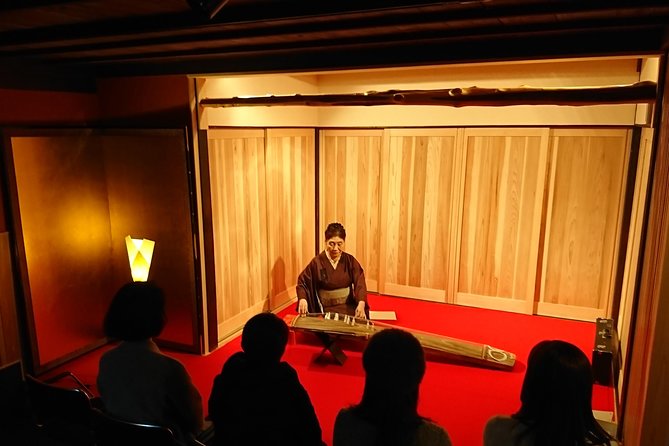
A private koto and kokyu concert in a restored Kyoto townhouse gives you something a large theater cannot: close range. You sit in a chair near the performer, watch the hands and strings at work, and hear traditional Japanese music in the rooms of a former-style machiya rather than from a distant stage.
I like two things right away. First, the setting feels personal and local. Second, the program can include time to handle and play the instruments, which makes the music easier to understand. The main consideration is the short length: at about one hour, this is a focused introduction, not a full evening of music.
Key points to know
- Koto and kokyu up close: Hear two traditional Japanese instruments from only a short distance away.
- A restored machiya setting: The concert takes place at Kyomachiya Kiotto, not in a formal concert hall.
- Hands-on time may be included: Children and adults have been invited to try the instruments after the performance.
- Chair seating: You can sit comfortably throughout the concert rather than sitting on the floor.
- Small, private format: The performer plays for your booking party, creating a quiet and personal atmosphere.
- One-hour commitment: The compact schedule works well before dinner or between Kyoto sightseeing stops.
Hearing the koto inside a Kyoto machiya
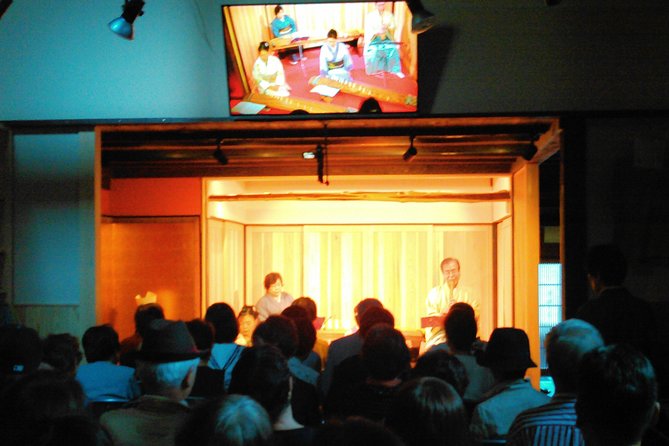
The appeal here is not only the music. It is the combination of sound, room, and distance.
The koto is often described as a Japanese harp. It is a long zither-like instrument with strings stretched across a wooden body. From a nearby chair, you can watch the performer shape the sound with both hands. The kokyu is also included in the performance. This traditional bowed instrument adds a different tone and texture to the program.
At Kyomachiya Kiotto, the instruments are played inside a renovated Kyomachiya, or traditional Kyoto townhouse. That changes the mood. In a hall, you may admire the music from rows away. Here, the room itself becomes part of the experience. You are close enough to see the instruments clearly and notice how the sound fills a smaller space.
I especially like this kind of introduction for visitors who want traditional Japanese culture without committing to a long formal performance. You get a concentrated hour, a comfortable chair, and an encounter that feels made for your group.
More traditional music evenings in Kyoto:
- Kyoto: Traditional Concert at Townhouse or Bathhouse
★ 4.9 · 224 reviews - Concerts Played with Traditional Instruments in Kyoto
★ 5.0 · 50 reviews - Kyoto: Japanese Koto & Shamisen Concert and Koto Class
★ 4.9 · 31 reviews
What happens during the one-hour visit
The plan is simple. You arrive at the local Kyoto venue, settle into your seat, and enjoy a private performance. A performer who works as an assistant teacher at Kyomachiya Kiotto plays for your booking party.
The music is the main event, but the format allows more personal contact than a standard theater show. The instruments remain close rather than disappearing into stage lighting and distance. That makes this a good choice if you are curious about how traditional instruments are played, not just interested in hearing a pleasant concert.
The exact balance of performance and explanation can vary, but the experience is designed around the sound of the koto and kokyu. The information provided does not promise a fixed set list or a specific concert program, so you should book this for the intimate encounter rather than for one particular composition.
A particularly appealing part of the visit is the chance to try the instruments after the performance. Children have been encouraged to play, and adults have also been given this opportunity. This is not presented as a formal music lesson, so think of it as a brief hands-on introduction. Still, that small moment can turn an attractive performance into something you remember more clearly.
Why the townhouse setting matters
Kyoto is full of polished cultural attractions. Some are excellent, but many place you in a large venue among a crowd. This concert takes another route.
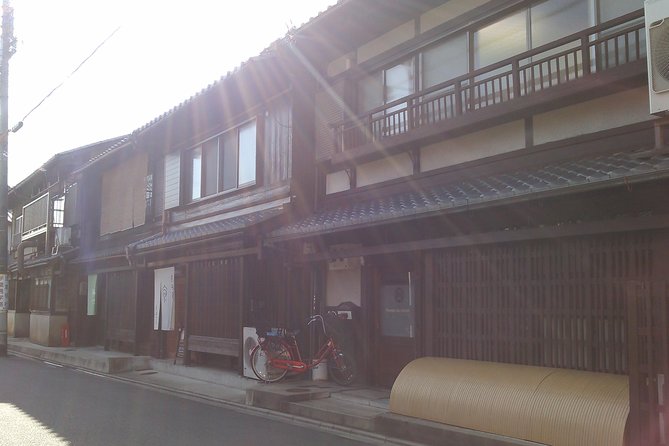
A machiya is a narrow traditional townhouse associated with Kyoto. Here, the building has been renovated for use as Kyomachiya Kiotto. The result is a more domestic setting than a concert hall, with the music taking place in a space connected to the city’s older architectural character.
That setting is useful because Japanese instruments can seem mysterious when you first encounter them. The close seating helps you follow the physical side of the performance: the movement of the hands, the contact with the strings, and the contrast between plucked and bowed sound.
You should not expect a grand stage production. There is no indication of elaborate lighting, costumes, or a large ensemble. The attraction is quieter and more direct. If you want a major concert with a full orchestra, this is not the right pick. If you want to sit close to a traditional instrument in an old-style Kyoto house, it makes much more sense.
A good cultural stop for families
The hands-on element gives this experience a wider audience than a sit-and-listen concert.
Adults can enjoy the musical skill and the calm setting. Children may connect more easily once they are allowed to try the instruments themselves. The available feedback describes children being encouraged to play, with the women leading the session described as kind and friendly. That suggests a welcoming tone, though the supplied details do not identify the performers by name.
I would consider this a smart family stop if you want a cultural activity that does not require a long attention span. One hour is enough time to hear the performance without turning the visit into a demanding formal event. The chairs also matter. You do not need to sit on the floor, which makes the experience more comfortable for many people.
Families should still remember that this is a music performance first. Children who need constant movement may find the concert portion quiet. The chance to try the instruments comes after or around the performance, not as the entire activity.
A few more Kyoto tours worth putting on the shortlist
- PERFECT KYOTO 1-Day Bus Tour
★ 5.0 · 13,518 reviews - Kyoto: Fushimi Inari, Kinkakuji, Bamboo Grove 1 Day Bus Tour
★ 4.8 · 4,316 reviews - Kyoto: Tea Ceremony in a Traditional Tea House in Kiyomizu
★ 4.9 · 3,519 reviews - Kyoto Geisha Walking Tour: Gion District & Hidden Gems
★ 4.7 · 3,273 reviews
How the music may feel in such a small room
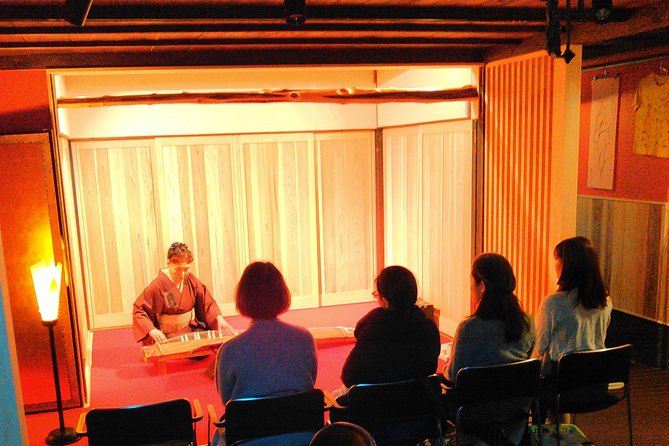
The koto has a clear, resonant sound, while the kokyu brings a more vocal quality through its bowing. In a small townhouse room, these sounds should feel immediate rather than distant.
The program is described as authentic traditional Japanese music, with virtuoso-level playing praised in the supplied comments. That does not mean you need prior knowledge. You can simply listen for the difference between the plucked koto and bowed kokyu, then watch how each instrument produces its sound.
The intimate room also lets you notice details that can disappear in a larger space. You may see the performer’s posture and technique. You may hear the natural decay of each note. You may find that the music feels less like a staged cultural demonstration and more like a personal introduction.
Still, the hour is not a full survey of Japanese music. You will not receive an extended history of every traditional instrument, and there is no promise of a lecture or translated printed guide. The supplied comments indicate that discussion about the instruments and conversation with the teacher or master player can form part of the visit, but the exact amount is not fixed.
The personal exchange is part of the value
The strongest part of this experience may come after the final notes.
The available details describe time spent talking with the teacher and master koto player, along with explanations of the instruments and an opportunity to play the koto. That kind of conversation can give the music a human face. You are not only watching a performance. You may also meet the people who teach and perform this tradition.
This is useful for first-time listeners. A short explanation can help you understand what you are hearing and why the instruments sound different. If you have children, the chance to ask questions and make a sound themselves can make the experience more memorable.
The social side also means the experience may feel different from one booking to another. The musicians may respond to your group’s questions and interests. You should treat that as a likely benefit of the private format, not as a guaranteed scripted section.
Is $57.23 a fair price?
At $57.23 per person, this costs more than simply attending a public performance in a large venue. That comparison is fair, but it misses what you are paying for.
The price includes the private format, the use of a restored townhouse, close seating, a live performance, and admission. If your booking party values personal attention and a setting away from the standard tourist circuit, the cost can be reasonable. The chance to try the instruments also adds value, especially for families.
The value is less convincing if you only want background music or a long concert. At approximately one hour, the experience is short. You are paying for access and intimacy, not quantity.
Group discounts are available, so check the price for your party before deciding. The per-person figure may work better for a family or small group than for a solo visitor. Because the experience is private, the atmosphere should also suit people who prefer a quiet cultural stop to a crowded attraction.
Location and planning at Kyomachiya Kiotto
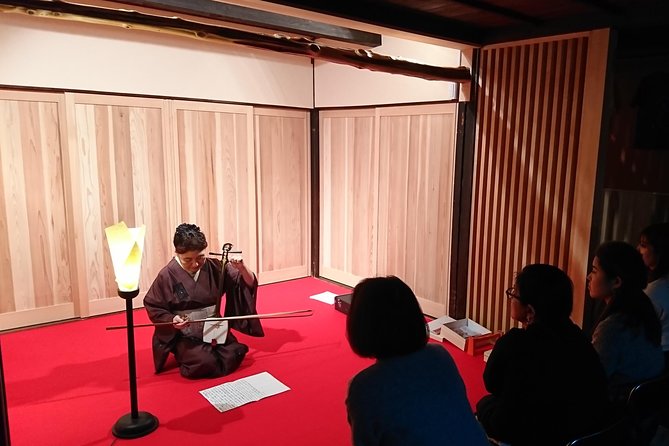
The venue is Kyomachiya Kiotto, at 9-10 Mibu Hinokicho, Nakagyo Ward, Kyoto City.
It is near public transportation, which makes it practical to combine with other Kyoto plans. Use the map supplied with your booking to confirm the entrance and allow enough time to find the townhouse. The information does not provide a walking time from Kyoto Station or a named nearby station, so I would not build a tight connection around an exact transfer estimate.
The activity lasts about an hour, but allow extra time for arrival, settling in, and any conversation afterward. The concert itself is compact enough to fit into a sightseeing day, though you should avoid booking it so tightly that a delayed train or a long lunch creates stress.
Mobile tickets are accepted. Confirmation is sent within 48 hours of booking, subject to availability, so plan ahead rather than assuming a same-day place will be open. The experience is booked about nine days in advance on average, a useful sign that reserving several days ahead is sensible.
Who should book this Kyoto experience?
I would recommend it to you if you meet one or more of these descriptions:
- You want to hear traditional Japanese music in a small, personal setting.
- You prefer cultural activities that include contact with local performers.
- You are traveling with children who may enjoy trying an instrument.
- You like historic-style buildings and quiet rooms more than large venues.
- You have about an hour between other Kyoto plans.
- You want a private activity for your own family or group.
I would think twice if your priority is a long concert, a broad explanation of Japanese music, or a large-scale stage show. The format is intentionally small and focused. The available details also do not promise a specific performer by name, fixed repertoire, or a full music lesson.
Service animals are allowed, and most people can participate. The chair seating is a practical plus, but the supplied information does not give detailed accessibility measurements or describe every part of the building. If you have specific mobility needs, contact the provider before booking.
Cancellation and booking details to keep in mind
You can cancel for a full refund up to 24 hours before the experience start time. Cancellations made less than 24 hours in advance are not refunded, and changes inside that period are not accepted.
The cut-off follows local Kyoto time. Confirmation arrives within 48 hours, subject to availability. Since the activity is private, make sure your party size and preferred time are correct when you reserve.
Should you book the private koto concert?
Book this if you want close-up traditional music in a real Kyoto townhouse, with the possibility of trying the instruments and speaking with the musicians. The short length, chair seating, and private format make it easy to fit into a busy Kyoto day.
Skip it if you want a long, formal concert or a detailed academic presentation. At $57.23 per person, the value rests on personal attention and atmosphere. For families, curious first-time listeners, and anyone seeking a quieter cultural stop, that trade can be worthwhile.
FAQ
Where does the private Japanese music concert take place?
It takes place at Kyomachiya Kiotto, 9-10 Mibu Hinokicho, Nakagyo Ward, Kyoto City.
How long does the concert last?
The experience lasts approximately one hour.
Which instruments are performed?
The program features the koto, a traditional Japanese string instrument often described as a Japanese harp, and the kokyu.
Is the performance private?
Yes. The experience is presented as a private live performance for your booking party.
Can children participate?
Most travelers can participate, and children have been encouraged to try the instruments during the visit.
Can I sit in a chair?
Yes. Seating is provided in chairs inside the renovated Kyomachiya.
How much does the experience cost?
The listed price is $57.23 per person. Group discounts are available.
Is cancellation free?
You can cancel for a full refund up to 24 hours before the local start time. Cancellations or changes made less than 24 hours before the experience are not accepted for a refund.
Newest Kyoto experiences on the site
- Treasures of Kyoto: Gion & historical Walking Tour★ 5.0 · 6 reviews
- Whisk Your Own Matcha: A Zen Matcha Experience at Temple★ 3.6 · 7 reviews
- Kyoto tea town for matcha lovers★ 5.0 · 16 reviews
- Uji: Private immersion into Kyoto’s tea and reglious culture★ 5.0 · 17 reviews
- Kyoto Matcha Green Tea Tour★ 4.5 · 23 reviews
- Uji and Wazuka Matcha Farm Half Day Private Guided Tour★ 5.0 · 21 reviews
- Utilising upcycled Matcha! Creating matcha incense (Uji, Kyoto)★ 5.0 · 6 reviews
- Sacred Temple Yoga Experience in Japan★ 5.0 · 3 reviews
Concerts, compared.
Concerts Played with Traditional Instruments in Kyoto
Read our review →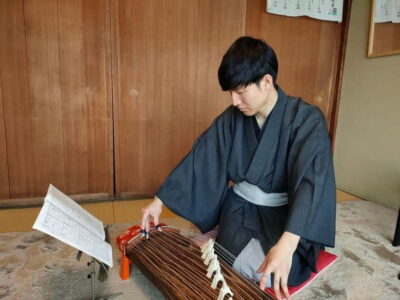
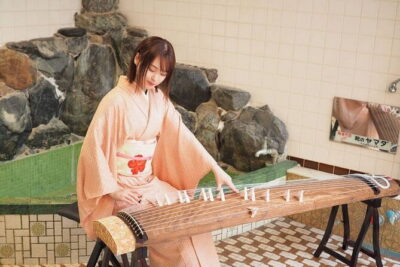
Traditional Concert in Public bath near Kyoto Station
Read our review →Browse the lists this tour appears in