
Reviewed · CONCERTS
Concerts Played with Traditional Instruments in Kyoto
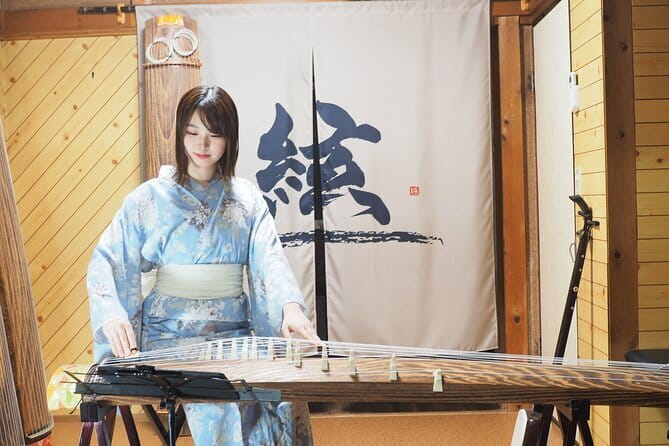
A Kyoto home becomes a small concert hall for this intimate introduction to the koto and shamisen, two instruments central to Japanese music. You’ll hear classical works such as Chidori no Kyoku, Rokudan no Shirabe, and Kajimakura, along with modern and original compositions.
I like the personal setting and the chance to speak with the musicians after the performance. I also like the optional hands-on koto lesson, which gives you more than a quick listen and lets you feel how the instrument works. The main consideration is the short 50-minute format, so this is a focused musical encounter rather than a long cultural program.
Key points to know before booking
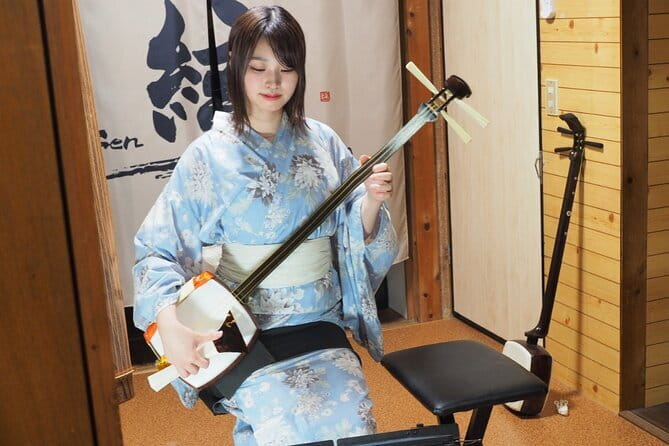
- A private-home concert: Gen Home Saiin is arranged as an intimate stage in a traditional Japanese home.
- Two instruments explained: You receive a brief introduction to the koto and shamisen before the music begins.
- Classical and modern pieces: The program includes famous traditional works, newer music, and original compositions.
- Time with the performers: A Q&A and photo opportunity follow the concert.
- Optional koto practice: An upgrade lets you try a simple piece yourself.
- Flexible scheduling: Several performance options are offered during the day.
A Kyoto home turned into a concert room
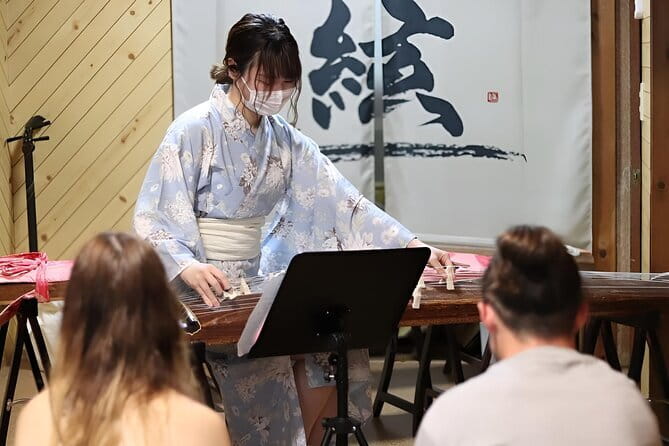
The first thing to understand is the scale. This is not a large theater performance with rows of seats and a distant stage. At Gen Home Saiin, a traditional Japanese home serves as the setting, giving the music a close, direct quality.
That matters with the koto and shamisen. You are not only hearing the sound. You are close enough to pay attention to the way each instrument is played, the shape of the body, and the different tones produced by plucking the strings.
The atmosphere should feel more personal than a standard cultural show. The home setting also gives the visit a stronger sense of place, since you are meeting the music in a domestic space rather than a formal concert venue.
The experience is designed for a private or small group audience. The exact group size is not stated, so I would not book it expecting a completely one-on-one lesson. Still, the format is clearly meant to keep the performance intimate and allow time for direct questions afterward.
More traditional music evenings in Kyoto:
- Kyoto: Traditional Concert at Townhouse or Bathhouse
★ 4.9 · 224 reviews - Kyoto: Japanese Koto & Shamisen Concert and Koto Class
★ 4.9 · 31 reviews - Traditional Concert in Public bath near Kyoto Station
★ 5.0 · 5 reviews
Meeting the koto and shamisen
The session begins with a brief explanation of the koto and shamisen. That introduction is useful even if you know little about Japanese music, since the two instruments have very different sounds and roles.
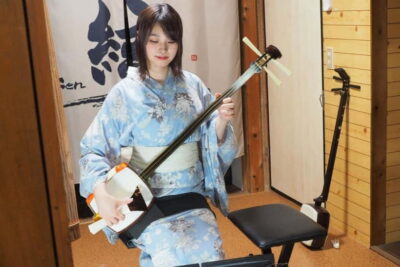
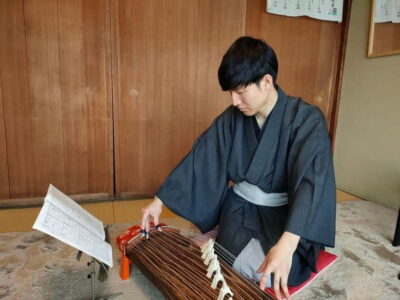
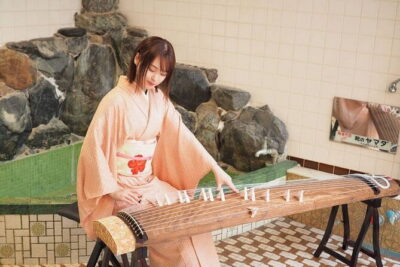
The koto is a long string instrument traditionally played while seated beside it. Its notes can sound clean, bright, and spacious. The shamisen is a three-stringed instrument with a distinct, more percussive voice. Hearing them in the same program helps you notice the contrast between their tones.
You do not need a music background to follow the session. The explanation is intended for general visitors, and the performance gives you an immediate example of what the instruments can do.
I appreciate this order. Without a short introduction, the concert might feel like a pleasant but unfamiliar block of music. With a little context first, you can listen for the differences between the instruments and understand why each piece has its own character.
The concert program: classical, modern, and original music
The performance includes classical works connected with important figures in koto music, including Yoshizawa Kengyo, Yatsuhashi Kengyo, and Kikuoka Kengyo. The program names Chidori no Kyoku, Rokudan no Shirabe, and Kajimakura among the traditional pieces.
You may also hear modern and original compositions. This is an important part of the experience because it prevents the concert from presenting Japanese music as something frozen in the past. The musicians show how the instruments continue to work in newer settings as well.
The program may include tunes you recognize, although the available information does not promise specific popular songs. The appeal is less about checking off famous titles and more about hearing the range of the instruments, from formal classical works to newer interpretations.
Chidori no Kyoku is likely to be one of the most moving pieces in the program. Its emotional effect can be strong, even for someone who does not usually listen to traditional music. You should come prepared to listen quietly and give the performance your full attention.
The performance length is about 50 minutes. That is long enough for an introduction, several musical selections, and time afterward for questions, but short enough to fit neatly into a busy Kyoto day. If you want a full evening concert, this will feel brief. If you want a clear cultural activity between temple visits, meals, or shopping, the timing works well.
The Q&A and photo time add real value
The concert is followed by a Q&A with the professional musicians. For me, this is one of the strongest parts of the format. Recorded music or a stage show can provide sound, but questions let you ask about the instruments, the pieces, and the performers’ work.
The available details do not give a fixed list of questions or a named guide. You can expect the session to focus on the koto, shamisen, and the music you have just heard. If you are curious about how the instruments are played or how classical and modern works differ, this is the moment to ask.
Photo-taking is also included after the concert. That gives you a chance to record the setting and your meeting with the musicians, rather than simply leaving once the final piece ends.
The photos are a pleasant extra, but I would treat the conversation as the more valuable part. The strongest memory here is likely to be hearing a piece in a home and then discussing it directly with the people who performed it.
A few more Kyoto tours worth putting on the shortlist
- PERFECT KYOTO 1-Day Bus Tour
★ 5.0 · 13,518 reviews - Kyoto: Fushimi Inari, Kinkakuji, Bamboo Grove 1 Day Bus Tour
★ 4.8 · 4,316 reviews - Kyoto: Tea Ceremony in a Traditional Tea House in Kiyomizu
★ 4.9 · 3,519 reviews - Kyoto Geisha Walking Tour: Gion District & Hidden Gems
★ 4.7 · 3,273 reviews
The hands-on koto option
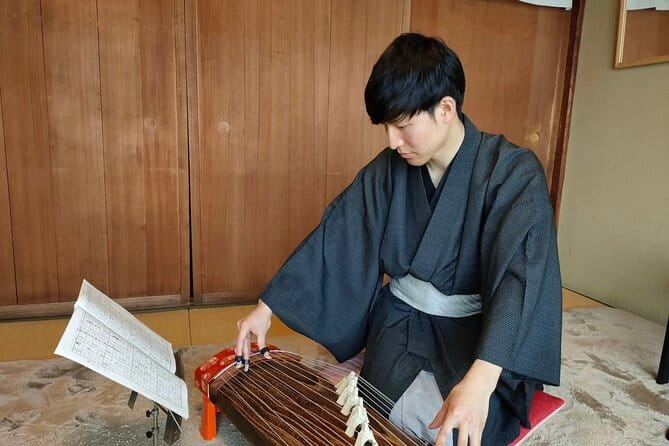
You can upgrade to take part in a hands-on koto session. The activity includes trying to play a simple piece, so you are not expected to master the instrument or complete a formal lesson.
This option makes sense if you want an active cultural experience. Listening gives you an idea of the koto’s sound, but touching the instrument helps you understand the distance between hearing a polished performance and producing even a simple passage yourself.
I would choose the upgrade if you enjoy workshops, music, or activities that involve participation. It may be less important to you if your main goal is a quiet concert and a short introduction to Japanese instruments.
The details do not specify how long the hands-on portion lasts or what the additional price is. Check the selected option carefully before paying, since the standard concert and the upgraded experience are not the same product.
Is the setting worth the $39.63 price?
At $39.63 per person, this is not the cheapest short activity in Kyoto. The value comes from the combination of a live concert, a traditional home setting, an explanation of two instruments, a Q&A, and photo time.
A 50-minute program at this price works best when you value access and atmosphere more than length. You are paying for a small-scale encounter with professional musicians, not for an entire afternoon of sightseeing.
The hands-on upgrade can improve the value for people who want to participate. It gives the booking a workshop element, although you should confirm the added cost and exact format before choosing it.
I would compare this with the price of other cultural performances in Kyoto, but I would not compare it directly with a large public concert. The two experiences serve different purposes. A theater can offer a grander production, while this visit offers closeness and conversation.
The activity is also a practical choice for a short Kyoto stay. You do not need to give up half a day, and multiple times are available throughout the day. Booking is often made well ahead, with an average lead time of 33 days, so I would not leave it until the last moment if the schedule matters to you.
Getting there and fitting it into your day
The venue is near public transportation, and private transportation is not included. You will need to make your own way to Gen Home Saiin.
Because this takes place in a home, I would allow enough time to find the address and arrive without rushing. The supplied details do not provide a station name, walking time, or a meeting point beyond Gen Home Saiin, so check the confirmation carefully after booking.
The mobile ticket is useful for a short appointment-based activity. Keep it accessible on your phone, and make sure you know the start time in Kyoto local time.
The session can fit before or after other plans, but I would avoid placing it too tightly between major attractions. Kyoto’s sightseeing areas can take longer to cross than expected, and a home concert is not the place to arrive late and flustered.
WiFi is listed as included, though it is not a main reason to book. Coffee and tea are not included, so plan refreshments separately.
Who will enjoy this most
I would recommend this for anyone who wants a personal introduction to Japanese music rather than another large tourist attraction. It is especially suitable if you enjoy small cultural encounters, live performance, or learning through conversation.
It should work well for:
- First-time visitors who want a clear introduction to the koto and shamisen
- Couples looking for a quieter Kyoto activity
- Families with an interest in music and hands-on learning
- People who want a short cultural stop between other plans
- Visitors who prefer traditional arts presented alongside modern compositions
Most people can participate, according to the available information. Still, the listing does not provide detailed accessibility information, so you should ask the provider directly if you have specific mobility or seating needs.
This may not suit you if you want a large-scale stage show, a long lecture, or a full lesson on Japanese instruments. It is a compact concert with some explanation and a chance to ask questions.
The emotional side of the music
The strongest reason to choose this experience is not simply that it includes traditional instruments. It is the way the music can create a quiet, concentrated mood in a small room.
One piece, Chidori no Kyoku, has made a particularly powerful impression on people attending the concert. I would not promise that every listener will react in the same way, but the work is clearly capable of carrying strong emotion.
The combination of older compositions and newer pieces also helps you avoid a narrow idea of Japanese music. You hear the connection to earlier composers while also seeing that the koto and shamisen remain useful in present-day performance.
That balance is important. Cultural activities can sometimes present tradition as a museum display. This concert instead gives you a chance to hear the past and present in the same sitting.
Booking, cancellation, and practical details
Confirmation is provided at the time of booking. Free cancellation is available if you cancel at least 24 hours before the start time. Cancellations or changes made less than 24 hours before the experience are not accepted for a refund, and the cut-off follows local Kyoto time.
I would choose your time carefully, especially if you are arranging the concert around temple visits, train travel, or a meal reservation. Multiple options during the day provide useful flexibility, but availability can still matter during a busy visit.
The standard experience includes the concert, the brief introduction and explanation, and facility fees. Coffee and tea are not included, and you arrange your own transportation.
Should you book this Kyoto concert?
I would book it if you want a short, intimate encounter with Japanese music and like the idea of entering a home rather than sitting in a large performance hall. The classical pieces, modern works, Q&A, and optional koto practice give the visit more substance than a simple demonstration.
The main drawback is the limited length and the lack of detailed information about the exact group size, seating, and hands-on upgrade. If those points matter to you, confirm them before booking.
For most visitors, the best choice is the upgrade if you enjoy trying things yourself. If you mainly want to listen, the standard concert still offers a focused and personal look at the koto and shamisen for a reasonable Kyoto cultural stop.
FAQ
Where does the concert take place?
The concert takes place at Gen Home Saiin, a traditional Japanese home in Kyoto that is arranged as a performance space.
How long does the experience last?
The experience lasts approximately 50 minutes.
What instruments will I hear?
You will hear the koto and shamisen, with a brief explanation of both instruments before the concert.
What music is performed?
The program includes classical works such as Chidori no Kyoku, Rokudan no Shirabe, and Kajimakura, along with modern and original compositions.
Is there a question-and-answer session?
Yes. A Q&A with the professional musicians follows the live performance.
Can I take photos?
Yes. Photo-taking is included after the concert.
Can I try playing the koto?
Yes, but you need to select the upgrade that includes a hands-on koto session. You will try playing a simple piece.
Is transportation included?
No. Private transportation is not included. The venue is near public transportation.
Is coffee or tea included?
No. Coffee and tea are not included in the price.
Can I cancel for a full refund?
Yes. You can cancel for a full refund up to 24 hours before the experience starts. Changes or cancellations made less than 24 hours before the start time are not accepted for a refund.
Newest Kyoto experiences on the site
- Treasures of Kyoto: Gion & historical Walking Tour★ 5.0 · 6 reviews
- Whisk Your Own Matcha: A Zen Matcha Experience at Temple★ 3.6 · 7 reviews
- Uji: Private immersion into Kyoto’s tea and reglious culture★ 5.0 · 17 reviews
- Kyoto tea town for matcha lovers★ 5.0 · 16 reviews
- Kyoto Matcha Green Tea Tour★ 4.5 · 23 reviews
- Uji and Wazuka Matcha Farm Half Day Private Guided Tour★ 5.0 · 21 reviews
- Utilising upcycled Matcha! Creating matcha incense (Uji, Kyoto)★ 5.0 · 6 reviews
- Sacred Temple Yoga Experience in Japan★ 5.0 · 3 reviews
Concerts, compared.
Traditional Concert in Public bath near Kyoto Station
Read our review →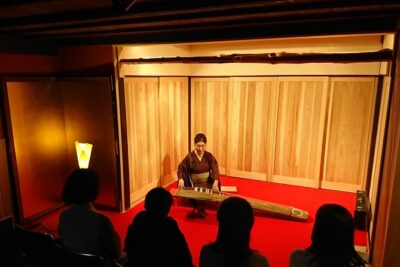
Browse the lists this tour appears in