
Reviewed · ARASHIYAMA BAMBOO GROVE TOURS
Private Customized 3 Full Days Tour Package: Discover Kyoto, Arashiyama and Nara
Kyoto’s great strength is variety, and this private tour packs it in: gold-leaf temples, red torii gates, Zen gardens, old lanes, bamboo, river views, and Nara’s free-roaming deer. The three-day format gives you a clear route through the region, with a guide to keep the moving parts under control.
I like the freedom to adjust the schedule, and I like that the tour combines Kyoto’s famous sights with quieter, more thoughtful places such as Ryoanji’s rock garden. Guides Kingo and Ahmed are named as experienced choices, with Ahmed especially noted for keeping a three-day plan organized and arranging a private car when requested. The main drawback is cost: $1,480 covers the group, but transportation, temple tickets, meals, and public transit come extra.
Key points to know before booking
- Three full sightseeing days: Kyoto fills the first two days, while Nara gets its own four-hour outing on day three.
- Private group of up to 10: You tour only with your own party, with room to request changes.
- Strong temple lineup: Nijo Castle, Kinkaku-ji, Ryoanji, Kiyomizu-dera, Todaiji, and Kasuga Shrine all appear in the plan.
- Transportation needs careful budgeting: A car and driver can be arranged, but transportation is not included in the listed price.
- Guides Kingo and Ahmed: Both are named guides, with Ahmed praised for a well-organized three-day route and private-car option.
- Entrance fees add up: Temple admissions are listed at ¥8,250 per person, before lunch and transport.
What this three-day Kyoto tour actually covers
This is a private sightseeing package built around three days, generally from 9 a.m. to 5 p.m. each day. The route begins and ends in Gion, in Kyoto’s Higashiyama Ward, though the guide can arrange pickup within Kyoto city.
You are not simply following a fixed bus route. The guide can adjust the plan by agreement, which matters in Kyoto. Your group may want more time in temple gardens, less time shopping, or a different balance between famous landmarks and neighborhood walks.
The schedule is full. You will see a great deal, but this is not a slow, unstructured stroll through Kyoto. Expect several major stops each day, along with lunch breaks and transfers. If you choose a car, the day should feel easier. If you rely on public transportation, be ready to manage the extra cost and the time needed between sights.
The price is $1,480 per group, not per person, for as many as 10 people. For a full group, that can be good value for private guiding and shared management. For one or two people, the cost is much harder to justify unless having a private guide is a top priority.
More mornings in Arashiyama and the bamboo grove:
- Kyoto: Fushimi Inari, Kinkakuji, Bamboo Grove 1 Day Bus Tour
★ 4.8 · 4,316 reviews - Osaka/Kyoto:Kinkakuji,Arashiyama,FushimiInariShrine,NaraPark
★ 4.1 · 1,596 reviews - Kyoto/Osaka: Nara, Fushimi Inari Taisha, Arashiyama Bus Tour
★ 4.7 · 1,275 reviews
Day one: castles, gold leaf, Zen, and Kyoto’s food street
Your first morning begins at Nijo Castle, an important reminder that Kyoto was once the seat of Japan’s ruling power. The castle is known for Edo-period architecture, ornate interiors, gardens, and the Ninomaru Palace.
Allow about an hour here. The visit gives you more than a quick photo stop, but the planned time is still fairly tight if you want to study every detail. Ask the guide to explain what makes the palace important, then keep moving before the day’s later stops become rushed.
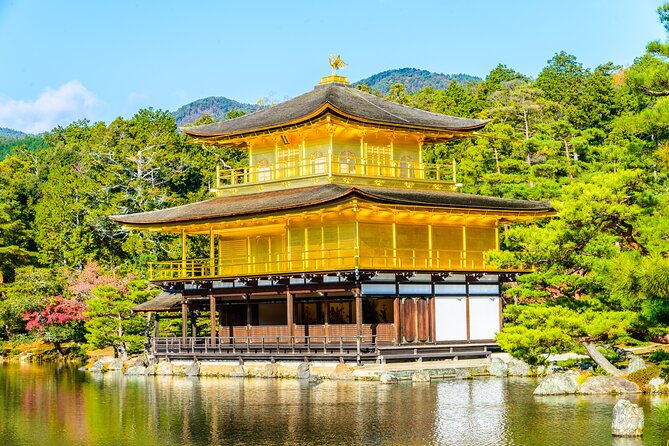
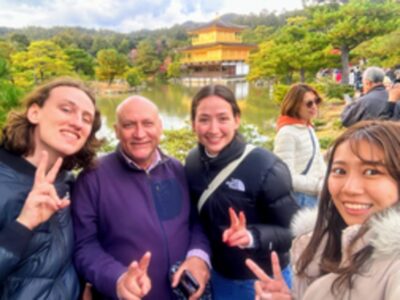
Next comes Kinkaku-ji, Kyoto’s famous Golden Pavilion. The building shines beside a pond, with the surrounding garden providing the calm setting that makes the view work so well. This is one of Kyoto’s most recognizable sights, so expect it to be a major photo stop.
The tour gives you about an hour at Kinkaku-ji, with admission extra. You should see the main view and walk through the garden, but do not expect a long, quiet visit. A private guide is useful here because the building itself can be appreciated quickly, while the cultural background is easier to understand with some explanation.
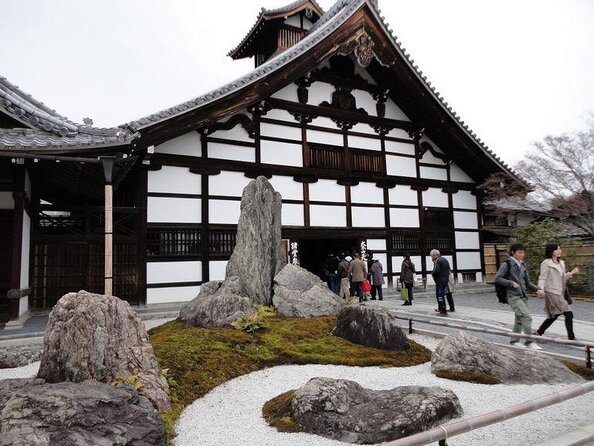
Ryoanji follows, offering a sharp change of mood. Its Zen rock garden is famous for its spare design and quiet power. You sit, look, and decide what the arrangement means to you. There is no need for a long speech from the guide here. A few well-chosen facts, followed by time to look, will serve you better.
After the morning temples, you get a lunch break near Nishiki Market. Known as Kyoto’s Kitchen, Nishiki is a five-block food market with more than 100 stalls and shops. It is a good place to sample local food and see everyday ingredients rather than only ceremonial Kyoto.
Nishiki Market is also where the schedule can become less predictable. A market visit depends on how much you eat, browse, and shop. If you want a proper sit-down meal, agree on the timing with your guide. Lunch is not included, and the market itself is free to enter.
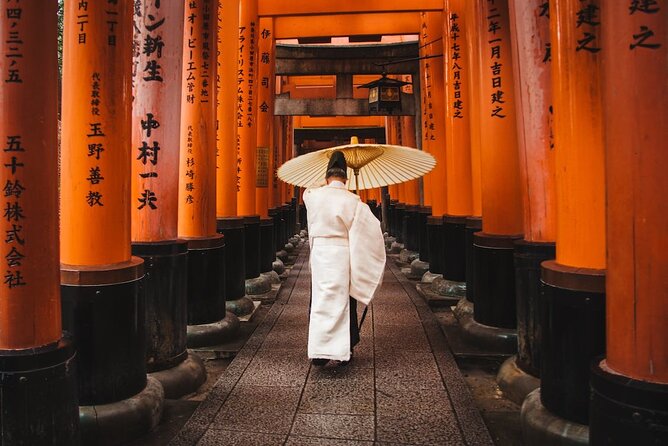
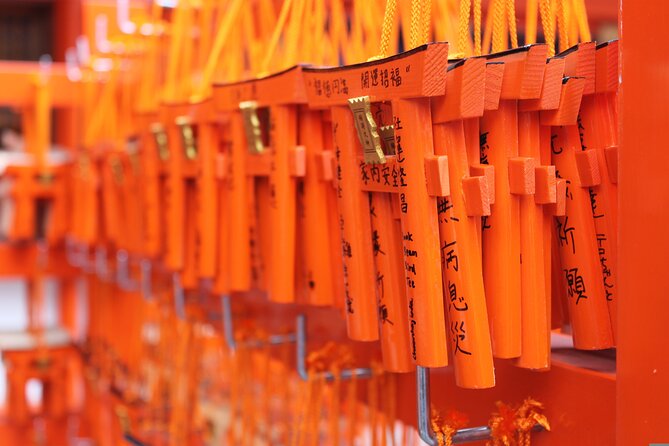
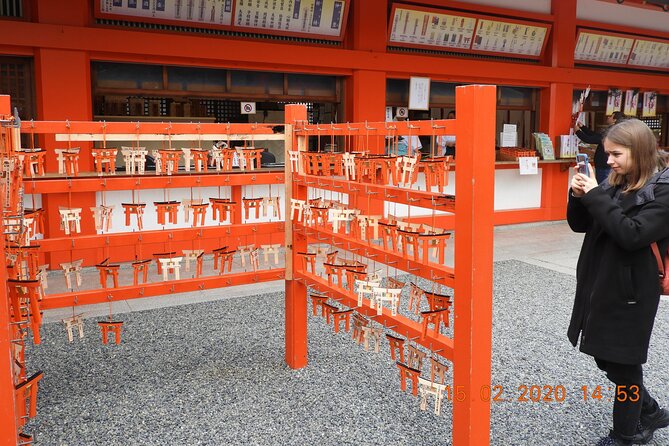
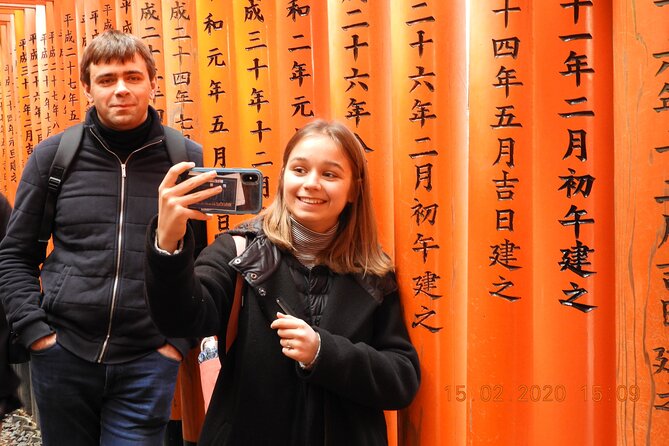
The afternoon ends at Fushimi Inari-taisha, home to the famous rows of red torii gates. The gates climb through wooded paths, creating one of Kyoto’s most memorable walks. The listed visit is about an hour, which lets you see the lower section and get a feel for the route without committing to a long uphill hike.
That timing is sensible for a packed day. The shrine is free, but the path continues far beyond the first gates. You can ask your guide how far to go based on your energy and the time left. Fushimi Inari is a strong finish because it feels different from the formal castles and temple grounds earlier in the day.
Day two: Arashiyama bamboo, river views, and Gion
Day two begins in Arashiyama, one of Kyoto’s most scenic areas. The morning starts with the Bamboo Forest, Nonomiya Shrine, and Tenryu-ji’s garden.
The Bamboo Forest is brief but striking. Tall bamboo surrounds the path, giving it a cool, enclosed feeling. The route is a popular part of Kyoto sightseeing, so you should not expect total solitude. The guide can help you keep the walk moving while still pointing out the nearby Nonomiya Shrine and its place in the Arashiyama visit.
Tenryu-ji adds a more formal garden setting. The tour schedule allows about an hour for this group of sights. Admission is extra, so keep the additional temple fees in mind when comparing the tour price with a do-it-yourself day.
The route then moves toward the Hozu River and Togetsukyo Bridge. The river once served as a trade route and now provides one of Arashiyama’s best scenic pauses. You can look across the water, walk near the bridge, and consider an optional boat trip, though boat tickets are not included.
The plan also includes Monkey’s Park. Its location gives you a different view of Arashiyama and adds a more active walk to the day. The supplied schedule does not state the walking difficulty or exact time at the park, so ask the guide how it fits with the rest of your morning. If your group includes anyone who prefers easy walking, this is one place to clarify before setting out.
Lunch comes before the afternoon return toward central Kyoto. As with the first day, meals are your responsibility. The private format helps here because you can discuss your preferred pace rather than follow a large group’s fixed lunch stop.
Kiyomizu-dera is the main afternoon temple. Perched on a hillside, it is one of Kyoto’s best-known landmarks and a UNESCO World Heritage site. The setting is as important as the buildings, with views across the city and a strong sense of place.
The schedule gives you about an hour at Kiyomizu-dera, with admission extra. That is enough for the main temple visit, but not for a slow look at every lane and side attraction around it. Wear comfortable shoes and tell the guide if you want more time here, since the approach through the Higashiyama area can easily stretch your visit.
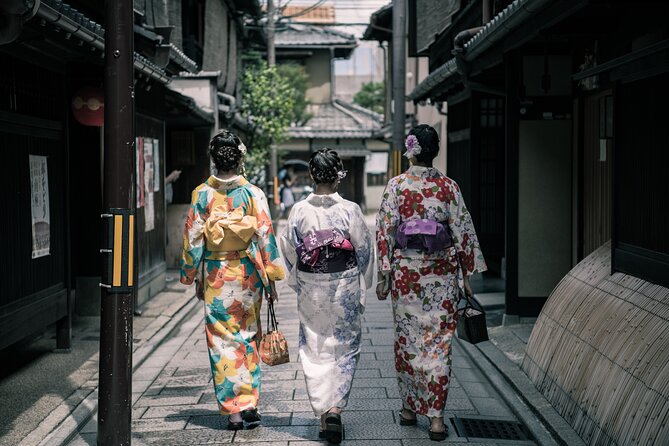
The final stop is Gion, Kyoto’s historic geisha district. Narrow streets and wooden machiya houses give the area a traditional look, and an early evening walk can be a pleasant way to end the day. The tour does not promise a performance or a private geisha encounter, so think of Gion as a neighborhood walk, not a scheduled cultural show.
I like the way this day balances natural scenery and old Kyoto streets. The caution is pace. Arashiyama, Kiyomizu-dera, and Gion each deserve more time than a tightly scheduled day can provide, so use the customization option to choose your priorities.
Day three: Nara’s deer, giant Buddha, and forest shrine
The third day leaves Kyoto for Nara. You meet at 9 a.m. and arrive at Nara Station at about 10:15. The plan then gives roughly four hours to Nara before returning to Kyoto, with the tour ending around 3 p.m.
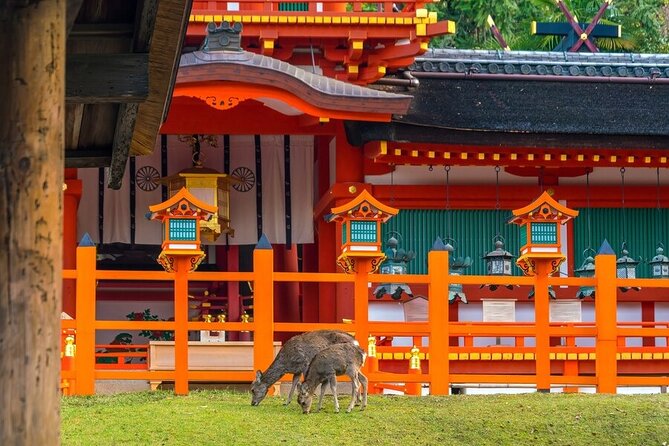
Nara Park is the first major stop. Deer roam freely through the park, creating one of Japan’s most unusual city experiences. The park is free, and the walk is a relaxed way to begin the day. You should still follow the guide’s directions around the animals, since the charm of the park comes with the need to pay attention.
Kofuku-ji Temple and its Five-Storied Pagoda come next. The pagoda gives the stop a strong visual marker, while Kofuku-ji connects Nara’s present-day streets with its long religious past. About an hour is allocated here, and admission is not included.
Todaiji is the day’s major landmark. Its Great Buddha Hall houses one of the world’s largest bronze Buddha statues, and the scale of the hall makes this more than a quick temple stop. The schedule allows about 30 minutes, which is enough to see the main hall and statue but may feel short if you want time to absorb the details.
Kasuga Shrine closes the Nara visit. Its approach is known for bronze and stone lanterns, with forested grounds that feel different from the open park and grand temple halls. The listed time is also about 30 minutes, so your guide will need to keep the route moving.
Nara works well as a separate day because it has a distinct character. You are not trying to squeeze a few famous sights into an already crowded Kyoto schedule. Still, four hours is a compact visit. If Todaiji is your main reason for going, tell the guide early so the time is used well.
More day trips down to Nara:
- Osaka/Kyoto: Arashiyama, Nara & Fushimi Inari Shrine w/Lunch
★ 4.4 · 754 reviews - Kyoto and Nara Day Trip from Kyoto
★ 4.5 · 445 reviews - Full Day Guided Tour to Kyoto and Nara from Osaka by Van
★ 5.0 · 420 reviews - Nara Afternoon Tour from Kyoto or Osaka
★ 4.5 · 390 reviews
What the $1,480 group price really means
The headline price is $1,480 per group of up to 10 people. It includes guiding and tour management, plus pickup in Kyoto city and the arrangement of a car and driver. It does not include the transportation cost itself.
You also pay separately for entrance fees, meals, and public transportation. Temple admissions are listed at ¥8,250 per person for all the temples in the plan. That amount matters. A group of four, for example, would add ¥33,000 in entrance fees before lunch and transport.
The private car option can make the package more appealing. One guide, Ahmed, is specifically associated with arranging a private car service, which made the long sightseeing days more comfortable and less hurried. The value depends heavily on group size and priorities:
- For six to 10 people, the per-person cost becomes much more reasonable.
- For a small party, compare the price with hiring a guide for selected days only.
- If you want all the major sights and prefer not to plan transfers, the private format saves effort.
- If you are happy using public transit and researching temple routes, you may spend less independently.
The key is to treat $1,480 as the guiding and organization fee, not the final trip cost.
How the private guiding changes the experience
The strongest reason to book is control. You can request changes, adjust the pace, and ask the guide to focus on the places that matter most to your group. That is especially useful when one person wants gardens, another wants food, and someone else wants photography.
Kingo is described as pleasant, professional, and well prepared, with a friendly style that made the tour feel like being shown around by someone familiar with the city. Ahmed is described as passionate and organized, and the private car option was an important part of that group’s experience.
Those details suggest that the guide can make or break the package. When booking, request the guide you prefer if that is possible, and confirm the transport plan before the first morning. Also agree on how much time you want at Kinkaku-ji, Kiyomizu-dera, and Todaiji, since the published times are short for major sights.
The tour is suitable for most people, and it is near public transportation. The schedule does include walking at Fushimi Inari, Arashiyama, Nara Park, and around the hillside approach to Kiyomizu-dera, so you should be comfortable with active sightseeing.
Should you book this Kyoto and Nara tour?
Book it if you want one private plan covering Kyoto’s essential sights and Nara, especially if you have a group large enough to share the cost. The mix is excellent: royal architecture, Zen design, market food, red torii gates, bamboo, traditional streets, deer, and the Great Buddha.
I would be more cautious if you prefer slow travel. Three days are full, and several stops receive only 30 to 60 minutes. Ask for a customized version if you want fewer temples, longer meals, or more time in Gion and Arashiyama.
The best value comes from using the private format well. Confirm your guide, decide whether you want the extra-cost car, set your must-see stops, and budget ¥8,250 per person for the stated temple admissions. With those details clear, this is a practical choice for a first Kyoto visit that also gives Nara a proper place in the plan.
FAQ
How long is the tour?
The experience is planned across three full sightseeing days. Day one and day two generally run from 9 a.m. to 5 p.m., while day three runs from 9 a.m. to about 3 p.m.
Where does the tour start and finish?
The listed meeting point is in Gion, in Kyoto’s Higashiyama Ward. The tour starts and ends in Gion, with pickup in Kyoto city included as part of the guiding arrangement.
How many people can join the private tour?
The private group can include up to 10 people. Only your group participates.
Is transportation included in the price?
No. Transportation costs are extra, including the cost of a private car and driver if you choose to arrange one. Public transportation is also not included.
Are entrance fees included?
No. Entrance fees are extra. The listed total for temple admissions is ¥8,250 per person.
Are meals included?
No. Lunch is not included on any of the three days.
Can I cancel for a full refund?
Yes. You can cancel at least 24 hours before the experience starts for a full refund. Changes or cancellations made less than 24 hours before the start time are not accepted for a refund, and poor weather may result in a new date or full refund.
Newest Kyoto experiences on the site
- Treasures of Kyoto: Gion & historical Walking Tour★ 5.0 · 6 reviews
- Whisk Your Own Matcha: A Zen Matcha Experience at Temple★ 3.6 · 7 reviews
- Kyoto tea town for matcha lovers★ 5.0 · 16 reviews
- Uji: Private immersion into Kyoto’s tea and reglious culture★ 5.0 · 17 reviews
- Kyoto Matcha Green Tea Tour★ 4.5 · 23 reviews
- Uji and Wazuka Matcha Farm Half Day Private Guided Tour★ 5.0 · 21 reviews
- Utilising upcycled Matcha! Creating matcha incense (Uji, Kyoto)★ 5.0 · 6 reviews
- Sacred Temple Yoga Experience in Japan★ 5.0 · 3 reviews
Arashiyama Bamboo Grove Tours, compared.
Fushimi Inari, Kinkakuji, Bamboo Grove 1 Day Bus Tour
Read our review →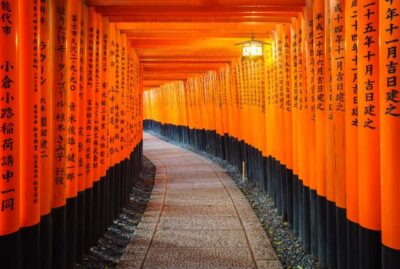
Kinkakuji,Arashiyama,FushimiInariShrine,NaraPark
Read our review →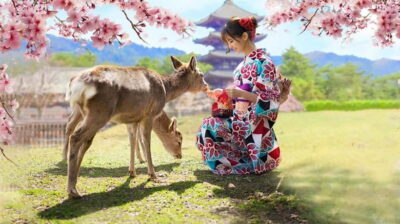
Nara, Fushimi Inari Taisha, Arashiyama Bus Tour
Read our review →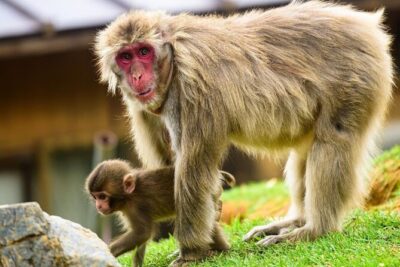
Kyoto Arashiyama Walking Tour: Bamboo, Monkeys, Gardens & Secrets
Read our review →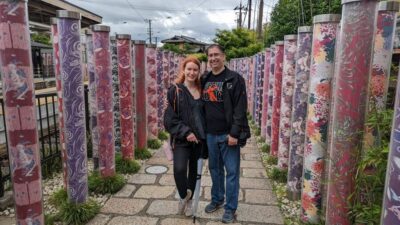
Arashiyama Bamboo, Temple, Monkeys, or Secret Sake Brewery
Read our review →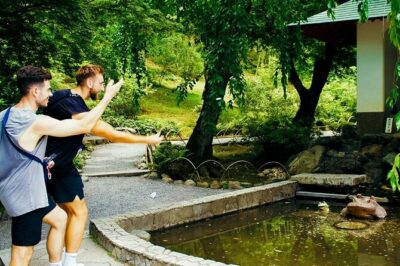
Arashiyama Bamboo Forest, Monkeys, Matcha & Temple Tour
Read our review →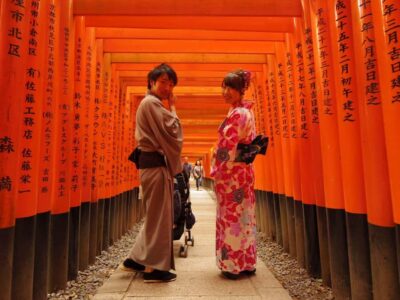
Arashiyama, Nara & Fushimi Inari Shrine w/Lunch
Read our review →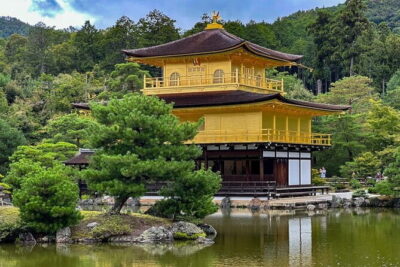
Nijo, Kinkaku-ji, Arashiyama, Kiyomizu & Fushimi Inari
Read our review →Browse the lists this tour appears in