
Reviewed · KYOTO KIMONO RENTALS
Kyoto: Traditional Kimono Fabric Handicrafts Workshop
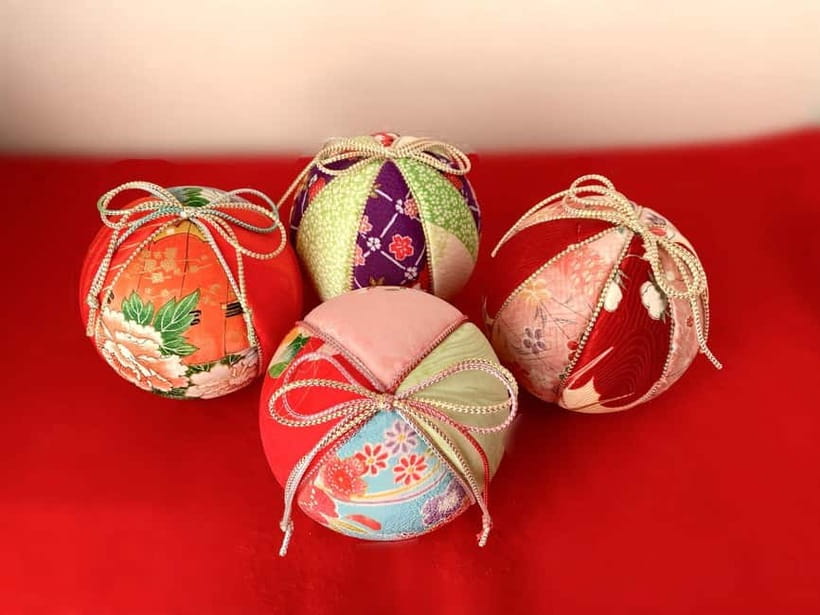
A small ball made from recycled kimono fabric becomes the star of this gentle Kyoto craft class. You choose several colorful fabric pieces, learn how Temari decorations are made, and leave with a souvenir that carries your own fingerprints rather than a shop label.
I like two things right away: May’s patient, clear teaching, and the calm setting inside a renovated traditional Japanese antique boutique. The included drink and Japanese sweet add a pleasant pause, too. The one consideration is that this is a quiet, hands-on craft session, not a broad cultural tour. If you want constant sightseeing or a large group with lots of action, this may feel slow.
Key points at a glance
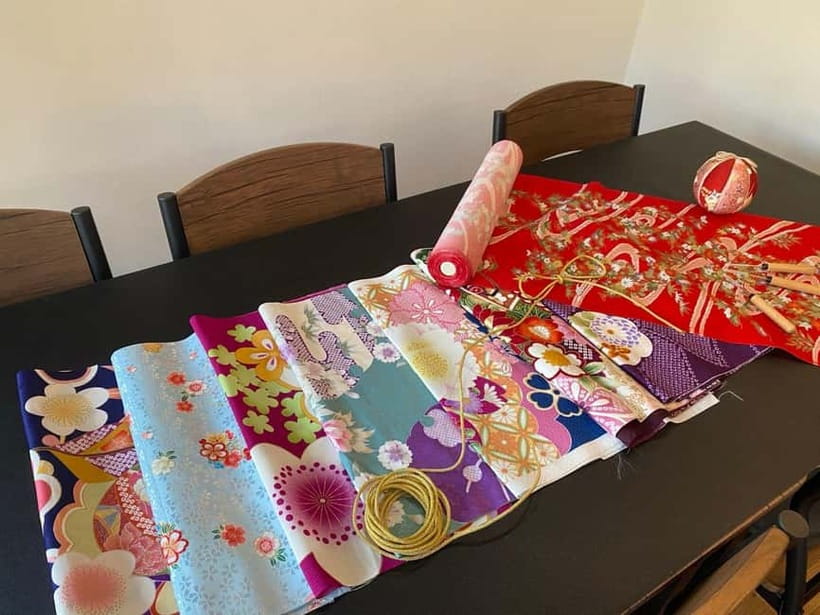
- Choose from beautiful kimono fabrics: The fabric selection is a major part of the pleasure, with many colors and patterns to combine.
- Beginner-friendly Temari making: No sewing background or craft skill is needed, and children can take part.
- A personal Kyoto souvenir: You make the decoration yourself and take it home at the end.
- Small groups of up to four: The limited size gives May time to help with each step.
- Tea and a traditional sweet included: Your complimentary refreshment makes the class feel like a relaxed cultural break.
- A useful stop near temples: The workshop sits in a quieter, accessible part of Kyoto near temples, cafés, and the Philosopher’s Path.
Choosing kimono cloth in a Kyoto artisan shop
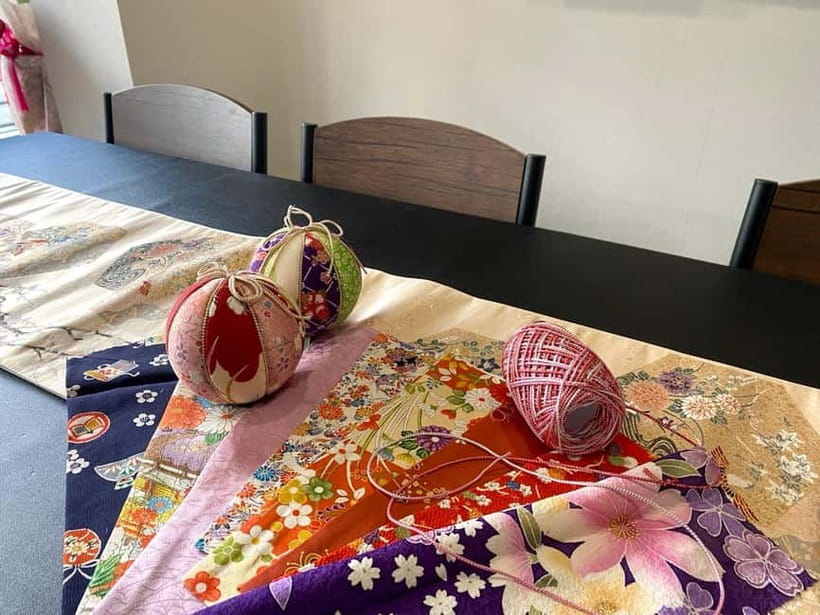
The experience begins inside a newly renovated traditional Japanese antique boutique. This is not a plain classroom with rows of tables. The shop also sells custom bags and other crafts made from old kimonos, so you get an immediate sense of how fabric can be given a second life.
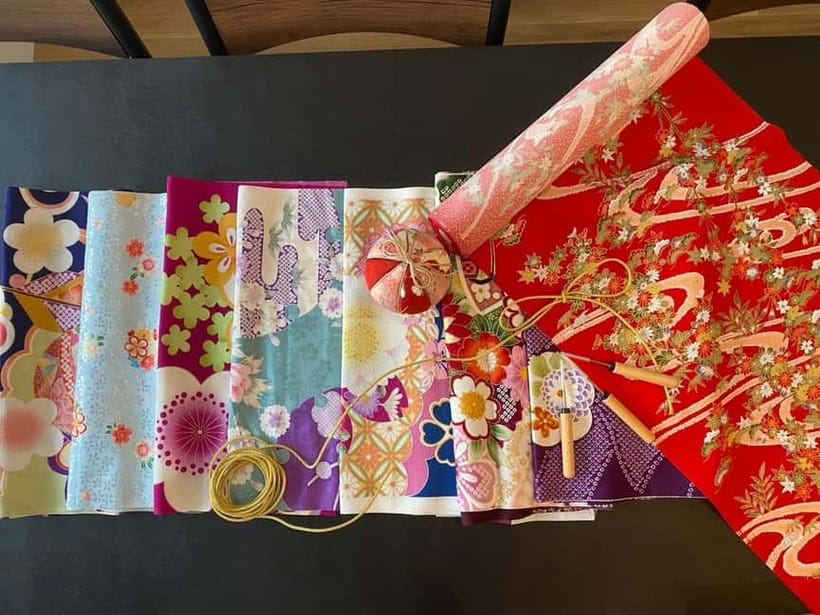
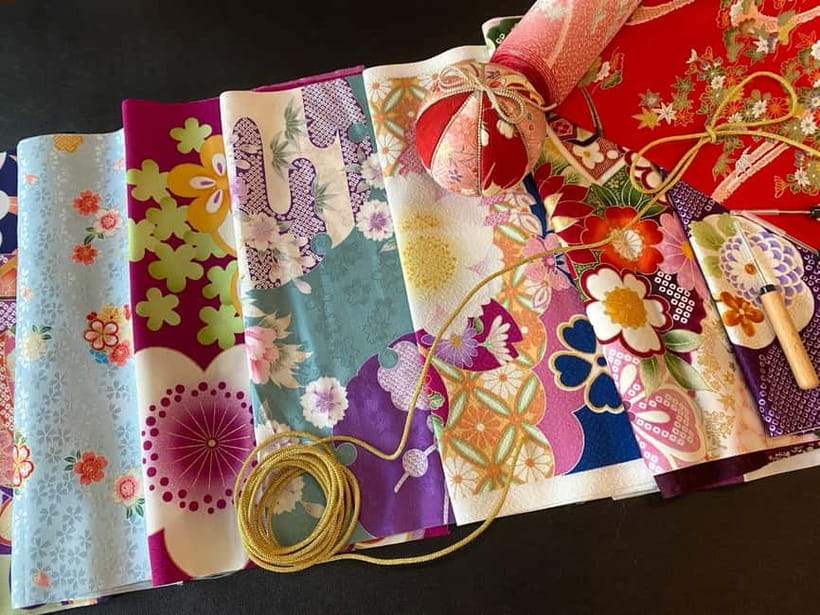
Your first real decision is choosing the cloth for your Temari. The fabric pieces come in different colors and patterns, and selecting a pleasing combination may take longer than you expect. A bright group of colors will give your Temari a lively look, while softer shades create something more understated.
Several people who enjoy fabric arts particularly appreciate this stage. Even if you are not usually crafty, it is an easy way to connect with Japanese textile traditions without needing to understand complicated techniques first. You can ask May for help, and she guides you through the options rather than leaving you to guess.
The use of old kimono material also adds meaning to the finished object. You are not simply assembling a generic craft kit. You are working with fabric associated with Japanese clothing and making a small decorative item from pieces that might otherwise have been set aside.
More kimono and yukata rentals in Kyoto:
- Kimono Tea Ceremony at Kyoto Maikoya, NISHIKI
★ 5.0 · 911 reviews - Kyoto: Kimono Rental with Hairstyling and Accessories
★ 4.8 · 653 reviews - Kyoto: Kimono Tea Ceremony at Orizuruya Gion
★ 4.9 · 618 reviews
Learning what Temari means in Japan
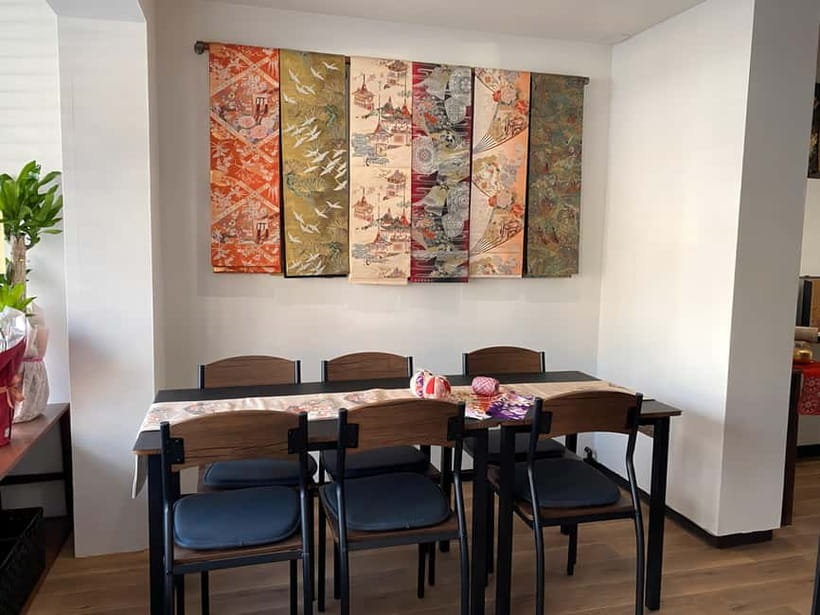
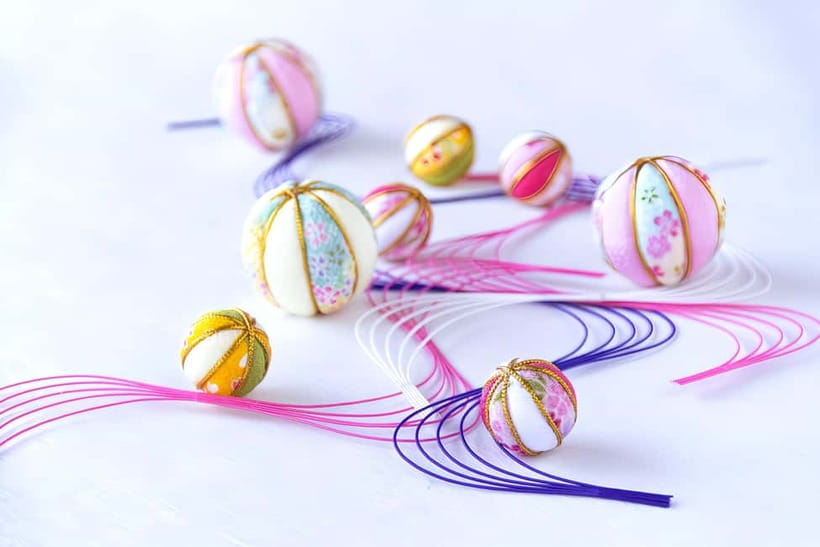
Temari are traditional Japanese handcrafted decorations used as interior ornaments and for celebrations. The class gives you a short introduction to their place in Japanese life before you begin the practical work.
That cultural context matters. You can buy a handmade item in Kyoto almost anywhere, but making a Temari helps you understand the care behind objects used in Japanese homes and celebrations. The class is modest in scale, yet it gives your souvenir a story.
The workshop does not require a prior lesson in Japanese crafts. May explains each stage in clear English or Japanese, and the process is designed for beginners. You should not feel that you need steady hands, sewing experience, or an artistic background to take part.
The activity is suitable for adults and children. A family with children aged 10 and 12 enjoyed the class, and another family found that even a child who did not usually like crafts could take part. The activity involves some handwork, but it is not described as a difficult sewing project.
Making your Temari step by step
Once you have selected your fabric, May takes you through the Temari-making process. You work with the supplied materials and follow her instructions as the decoration takes shape.
The pace is one of the strongest parts of the class. With a maximum of four participants, May has time to repeat an instruction, adjust a detail, or help a child. If you are the only participant at your time, she may have more time for extra fabric work, such as showing you how to make fabric flowers.
Do not expect a fast assembly line. The point is to spend two hours learning and making something at a comfortable pace. You will have time to talk with May about the craft, Kyoto, and daily life in Japan. Several people especially enjoyed this personal conversation, including couples making keepsakes during a honeymoon and families looking for a shared activity.
The finished object does not need to look like a museum piece. That is part of its appeal. May’s examples and guidance help you create something attractive, but the result remains your own. Small differences in fabric choice and arrangement make each Temari personal.
If you are worried about making a mistake, this is a forgiving choice. The teaching is clear, the materials are supplied, and help is close at hand. The class works best if you accept that the pleasure is in the process, not in producing a flawless professional object.
Tea, sweets, and a welcome pause
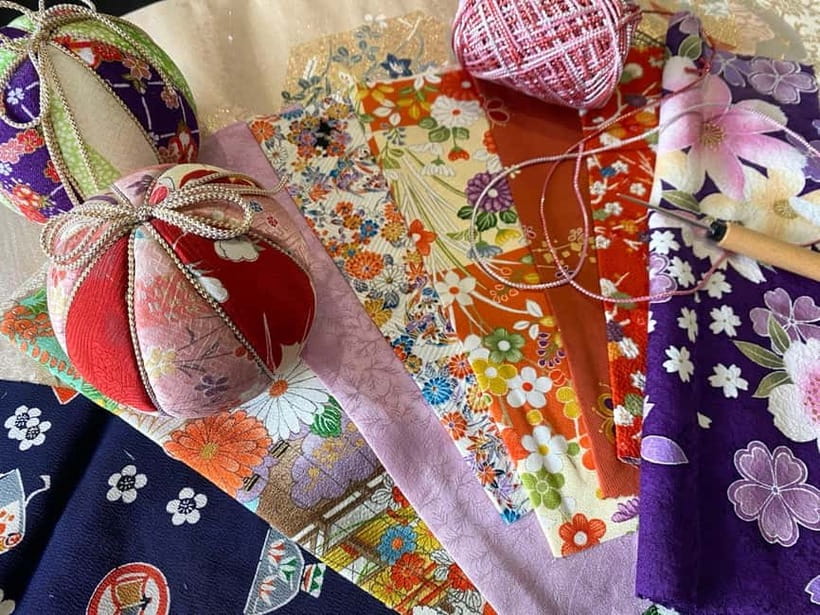
Each participant receives a complimentary drink and a traditional Japanese confectionery of their choice. This is a simple inclusion, but it changes the rhythm of the activity.
Kyoto sightseeing can involve plenty of walking between temples, shrines, and busy shopping streets. Sitting down with a drink while choosing fabric or working with your hands gives you a different kind of break. It is restful without being empty time because you are still learning and making something.
The refreshments also fit the mood of the shop. This is a chance to slow down and have a conversation, not just collect another photograph. One person particularly enjoyed a matcha latte during the class, while others praised the tea and sweet as part of the experience.
Additional food and drinks are not included, so you should not treat this as a meal. The included serving is a thoughtful extra, not the main reason to book.
More craft workshops in Kyoto:
- Kyoto : Chopsticks Making Workshop in Gion with Engraving Option
★ 5.0 · 958 reviews - Authentic knife making experience at a blacksmith in Kyoto
★ 4.8 · 350 reviews - Roketsu dyeing experience: M course Roketsu Dyeing Experience
★ 5.0 · 163 reviews - Kyoto: Beginner Knife Sharpening & Handle Fitting Workshop
★ 4.9 · 141 reviews
Why the four-person limit matters
A group of up to four is a real advantage here. Craft instruction can become frustrating when one teacher is trying to help a dozen people at once. The small size gives you a better chance to ask questions and receive attention when your fabric or technique needs adjustment.
It also suits different types of bookings. A couple can work side by side, siblings can make separate Temari, or a family can share the activity. Solo participants may get especially personal instruction if no one else has booked the same time.
The small group also keeps the shop quiet. If you prefer a social party atmosphere, you may find this too subdued. If you want to talk with a local artisan and focus on a hands-on activity, the size is well judged.
The instructor speaks English and Japanese. English-language instruction is a major practical help for international visitors, particularly when a craft involves several small steps. The wording in the instructions is clear enough for beginners, and May is patient when explaining the process.
A quieter Kyoto location near temples and cafés
The workshop is in Kyoto’s sightseeing area, in a less crowded part of the city near attractive temples. It is also close to cafés and the Philosopher’s Path, making it easy to pair with other plans.
This location gives you useful flexibility. You can schedule the workshop as a break from temple visits, or build a half-day around the nearby area. The experience itself does not include a guided visit to temples or shrines, so you will need to explore those independently.
That distinction is important. The activity includes the chance to discover historically significant temples and shrines in the surrounding area, but the two-hour class is centered on Temari making. Do not book it expecting a temple guide or a structured walking tour.
The quieter setting may be preferable after time in Kyoto’s busiest districts. You can enjoy the local area at your own pace, then return to the workshop for a focused indoor activity. One family paired the class with cafés and the Philosopher’s Path afterward, which makes practical sense.
A handmade souvenir for about $25
At $25 per person, the workshop offers more than a finished object. The fee includes the two-hour class, all Temari materials, instruction from a local craftsperson, a drink, and a traditional Japanese confectionery.
I see the value in the combination. A shop-bought souvenir may cost less or more depending on the item, but it does not include the time spent learning how it was made. Here, the finished Temari is tied to a specific afternoon in Kyoto and to the fabric choices you made yourself.
The price also compares well for families, couples, and anyone who wants an activity that is not centered on food or shopping. Children can participate, and the small group size means the class is not simply an inexpensive demonstration where you watch from the side.
You should still be realistic about what you are buying. This is a short introductory craft workshop, not an advanced artisan course. You will create one decorative Temari, receive basic instruction, and take it home. Extra food, drinks, and any purchases from the boutique cost more.
The shop itself may tempt you to spend additional money. It carries bags and other attractive pieces made from old kimonos. That shopping is optional, but it gives you another way to appreciate the fabric work if you want a professionally made item as well as your own creation.
Who will enjoy this workshop most
I would recommend this activity to you if you want a quieter Kyoto experience with a clear result at the end. It suits people who like textiles, design, local crafts, and small-group activities.
It is also a strong choice for:
- Couples looking for a shared keepsake
- Families with children
- Solo visitors who enjoy conversation with a local host
- First-time crafters who want gentle guidance
- Visitors needing a break from walking
- Anyone who prefers a handmade souvenir to a mass-produced item
You do not need to be artistic. The class is built for beginners, and several participants were pleased that the process was easier than they expected.
I would be more cautious about recommending it to someone who wants a high-energy activity, a formal temple tour, or a long lesson in advanced Japanese textile techniques. The experience is relaxed and personal. That is its strength, but it also sets clear limits.
Practical details before you book
The workshop lasts two hours, so allow enough time to arrive without rushing. You enter the workshop when you arrive, and your host will be waiting to greet you.
The activity is wheelchair accessible. The group is limited to four participants, which is useful if you want a quieter session and direct help.
You can cancel up to 24 hours in advance for a full refund, and you can reserve now and pay later. Starting times vary, so check availability for the date you want.
The experience provider is WooW Travel 株式会社. The instructor speaks English and Japanese. No prior experience or special skill is required.
One small practical tip: leave room in your schedule after the class. The nearby temples, cafés, and Philosopher’s Path make this a useful base for a longer outing, and the boutique itself is worth a little browsing if you like bags and fabric crafts.
Should you book the Kyoto Temari workshop?
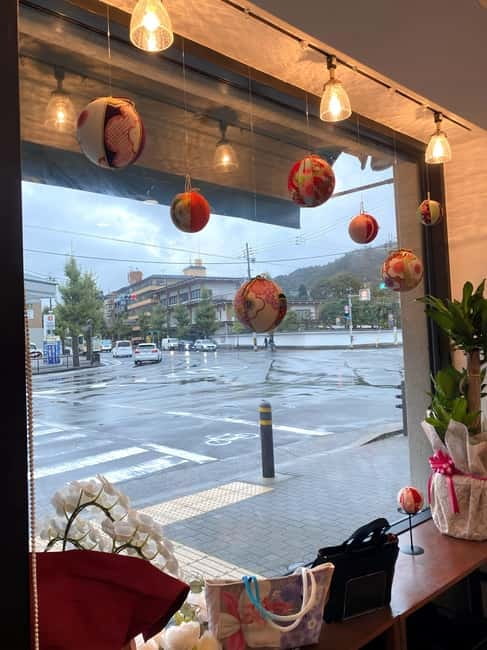
Book it if you want to make something with your own hands, meet a friendly local artisan, and take home a small object with a personal story. The fabric choice, patient instruction, refreshments, and four-person limit give the class more substance than a quick souvenir-making stop.
The main question is your preferred pace. If you want a calm two hours away from Kyoto’s crowds, this is an excellent fit. If you want a packed sightseeing schedule or a guided tour of temples, choose another activity and visit the surrounding area separately.
For about $25, I think the workshop offers good value, especially for couples and families. You receive materials, instruction, a drink, a sweet, and a handmade Temari that can remind you of Kyoto long after the trip is over.
FAQ
How long does the Temari workshop last?
The workshop lasts two hours.
How much does the workshop cost?
The listed price is $25 per person.
What is included in the price?
The price includes the Temari workshop, all necessary materials, instruction from a local crafts master, a complimentary drink, and a traditional Japanese confectionery.
Do I need previous craft experience?
No. The activity is designed for beginners, and no prior experience or special skill is required.
Can children take part?
Yes. The workshop is suitable for all ages, including adults and children.
How many people can join each session?
The group is limited to four participants.
Which languages does the instructor speak?
Instruction is available in English and Japanese.
Is the workshop wheelchair accessible?
Yes. The activity is wheelchair accessible.
Can I cancel my booking?
Yes. You can cancel up to 24 hours in advance for a full refund.
Is food included beyond the complimentary sweet?
No. Each participant receives a drink and a traditional Japanese confectionery. Additional drinks and food are not included.
Newest Kyoto experiences on the site
- Treasures of Kyoto: Gion & historical Walking Tour★ 5.0 · 6 reviews
- Whisk Your Own Matcha: A Zen Matcha Experience at Temple★ 3.6 · 7 reviews
- Kyoto tea town for matcha lovers★ 5.0 · 16 reviews
- Uji: Private immersion into Kyoto’s tea and reglious culture★ 5.0 · 17 reviews
- Kyoto Matcha Green Tea Tour★ 4.5 · 23 reviews
- Uji and Wazuka Matcha Farm Half Day Private Guided Tour★ 5.0 · 21 reviews
- Utilising upcycled Matcha! Creating matcha incense (Uji, Kyoto)★ 5.0 · 6 reviews
- Sacred Temple Yoga Experience in Japan★ 5.0 · 3 reviews
Kyoto Kimono Rentals, compared.
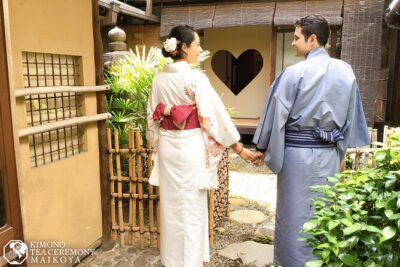
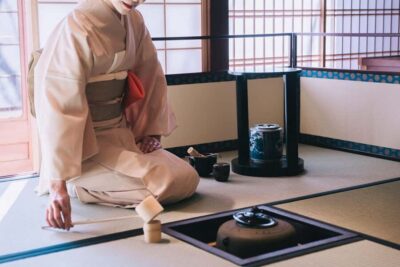
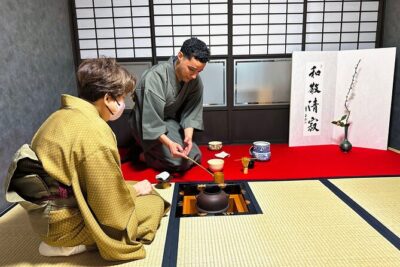
KYOTO Tea Ceremony with kimono near by Imamiya Jinjya Shrine
Read our review →
Kimono and Tea Ceremony Experience at Cultural Asset
Read our review →
Family-Friendly Kimono & Yukata Experience at WARGO
Read our review →
1 Day Traditional Japanese Kimono Rental Experience
Read our review →Browse the lists this tour appears in