Reviewed · GUIDED
Kyoto: Private tour with Kyoto’s licensed guide. Spanish
Kyoto’s biggest sights are spread across the city, and this private tour links six of them in one long day. You’ll see the gold-covered Kinkaku-ji, walk through Fushimi Inari’s vermillion gates, explore Nijo Castle, and finish among the wooden lanes of Gion with a Spanish-speaking licensed guide.
I like the visual help from the guide’s iPad, especially when a temple’s symbols or a shogun’s story needs more than a quick spoken explanation. I also like the private format, which gives you room to ask questions and request advice for the rest of your Kyoto stay. The tradeoff is pace: 510 minutes on foot and public transport is a serious day, not a gentle stroll.
Key points at a glance
- Six major Kyoto sights in one day: Kinkaku-ji, Nijo Castle, Nishiki Market, Fushimi Inari, Kiyomizu-dera, and Gion.
- Spanish guidance throughout: The tour is conducted in Spanish, with an iPad showing images and explanations prepared by the guide.
- Private group format: You can ask questions freely and receive recommendations suited to your plans.
- A useful first-day orientation: The tour crosses several parts of Kyoto, helping you understand how the city fits together.
- Public transportation is part of the experience: Expect subways, trains, buses, and plenty of walking rather than a private vehicle.
- Plan for entrance fees and lunch: Food, transport, and temple admissions are extra, with listed admissions totaling about ¥2,300 before food and local fares.
A full day built around Kyoto’s essential sights
This is the kind of tour that makes sense when you have limited time in Kyoto or want a strong introduction before exploring on your own. It covers famous places rather than obscure corners, but the guide’s explanations can give those familiar names more meaning.
You meet in front of the Seven Eleven at Kyoto Station. From there, you use public transportation and walk between sights. The route takes about eight and a half hours, including guided visits, transfers, and a short lunch break at Nishiki Market.
The schedule is ambitious. You are not being driven from gate to gate, so comfortable shoes matter. The tour information says you will not climb mountains or tackle long mountain stairways, but temple grounds still involve a fair amount of walking. If you need frequent rests, this may feel too demanding.
A few more Kyoto tours worth putting on the shortlist
- PERFECT KYOTO 1-Day Bus Tour
★ 5.0 · 13,518 reviews - Kyoto: Fushimi Inari, Kinkakuji, Bamboo Grove 1 Day Bus Tour
★ 4.8 · 4,316 reviews - Kyoto: Tea Ceremony in a Traditional Tea House in Kiyomizu
★ 4.9 · 3,519 reviews
Kinkaku-ji, Kyoto’s gold-covered calling card
The first major stop is Kinkaku-ji, better known as the Golden Pavilion. Its upper two floors are covered in gold leaf, giving the building the polished, almost unreal appearance that has made it one of Japan’s most recognizable sights.
The gold is not just decoration. It reflects ideas of wealth, power, and religious devotion. A guide can help you look past the quick photo and understand why this Zen Buddhist temple became such a powerful symbol of Kyoto.
You have about 75 minutes here. That is enough time for a guided visit and photographs, though the site can feel crowded because it is one of Kyoto’s most popular destinations. You will follow the designated route rather than wander freely through every part of the temple grounds.
Admission to Kinkaku-ji is not included and costs 500 yen, approximately US$3.10 according to the supplied price information. The guide’s own admission is covered, so you only need to budget for yourself and the other people in your group.
Nijo Castle and the power of the shoguns
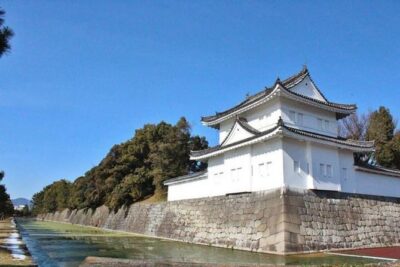
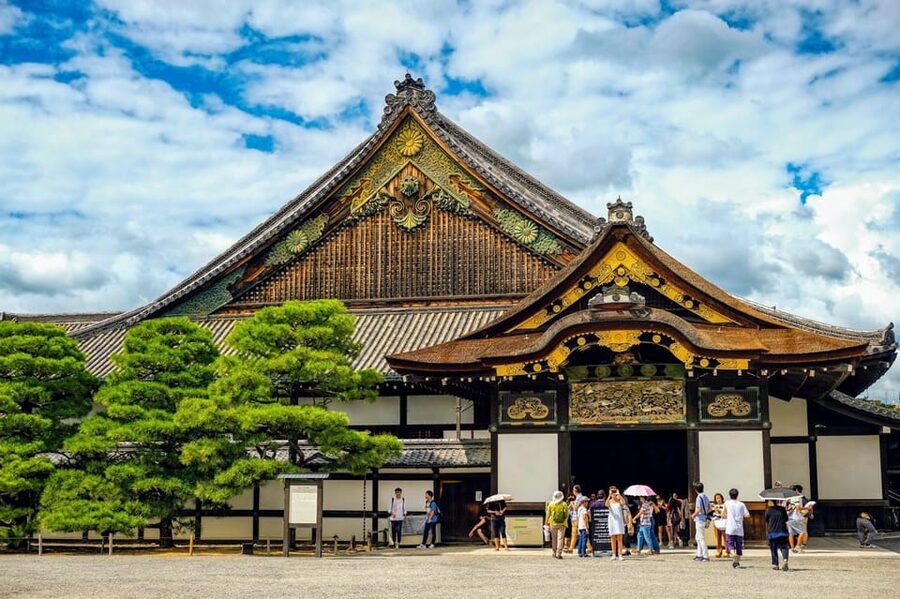
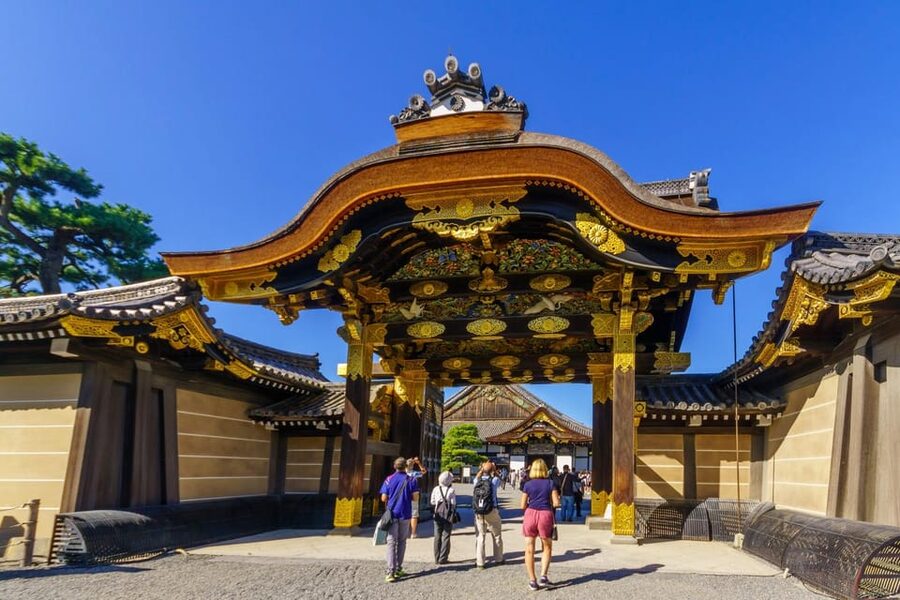
After Kinkaku-ji, a bus ride of about 18 minutes takes you to Nijo Castle. The visit lasts roughly an hour and a half, making this one of the tour’s more substantial stops.
Nijo Castle is tied to Tokugawa Ieyasu, the founder of the Tokugawa dynasty. It served as a residence connected with shogunal authority during the Edo period, which lasted from 1603 to 1867. The site helps explain how political power worked in Japan for more than two centuries.
This is an important contrast with Kinkaku-ji. The Golden Pavilion presents religious and artistic splendor, while Nijo Castle shows government power, ceremony, and the world of the shoguns. The two sites together give you a broader picture of old Kyoto.
The admission fee is 1,300 yen, about US$8.50. That is the largest individual entrance charge on the tour, but the long visit makes it a meaningful part of the day rather than a quick photo stop.
Nishiki Market, with only 30 minutes for lunch
Next comes Nishiki Market, often called Kyoto’s Kitchen. This narrow central shopping street offers Japanese foods, ingredients, sweets, small crafts, and other local goods. The tour includes a 30-minute break for a short lunch.
That timing is practical but limited. You can grab something to eat and look around, but this is not a leisurely market meal. Food and drinks are not included, so bring a payment method suitable for small purchases and expect to choose quickly.
I like the inclusion of Nishiki because it breaks up a day dominated by temples and castle grounds. It gives you a look at everyday food culture and the kinds of flavors and ingredients associated with Kyoto. Still, do not count on having time to inspect every stall. The stop is designed to refuel, not to provide a full food tour.
Same city, a completely different kind of day:
- Kyoto Geisha Walking Tour: Gion District & Hidden Gems
★ 4.7 · 3,273 reviews - Kyoto: Tea Ceremony Ju-An at Jotokuji Temple
★ 4.9 · 3,207 reviews - Kyoto: Gion Magical Night Walking Tour with Geisha Trivia
★ 4.9 · 2,393 reviews - Kyoto: 45-Minute Tea Ceremony Lesson Experience
★ 4.3 · 2,378 reviews
Fushimi Inari and its famous torii gates
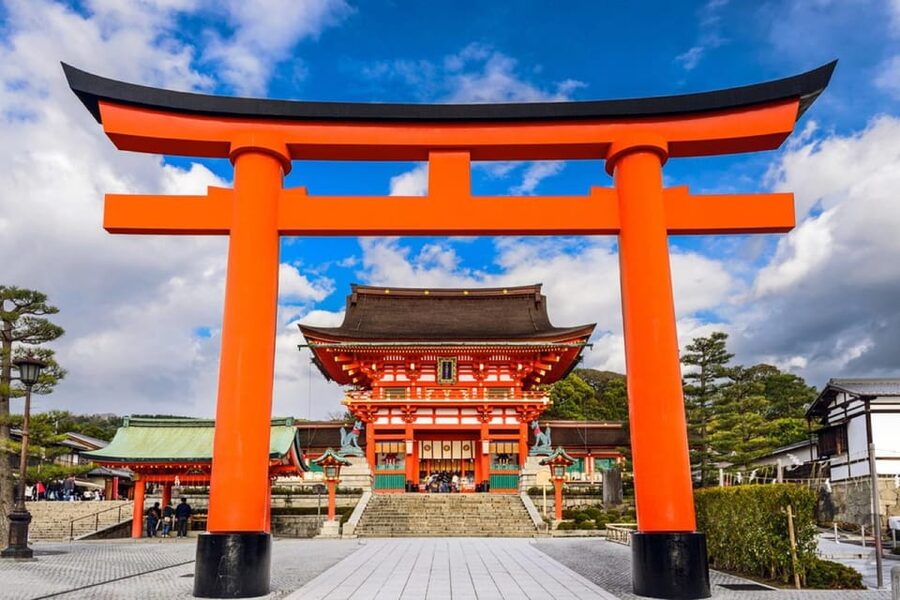
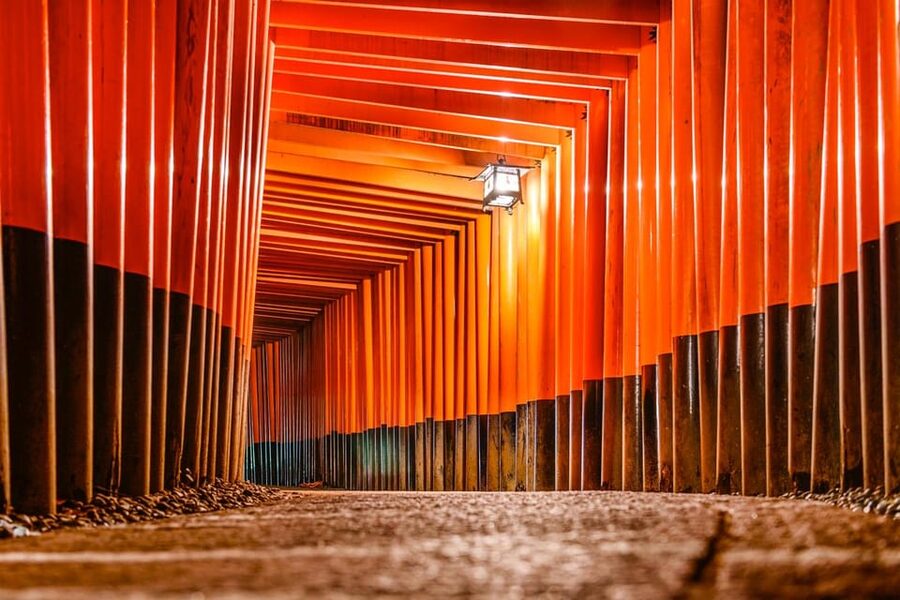
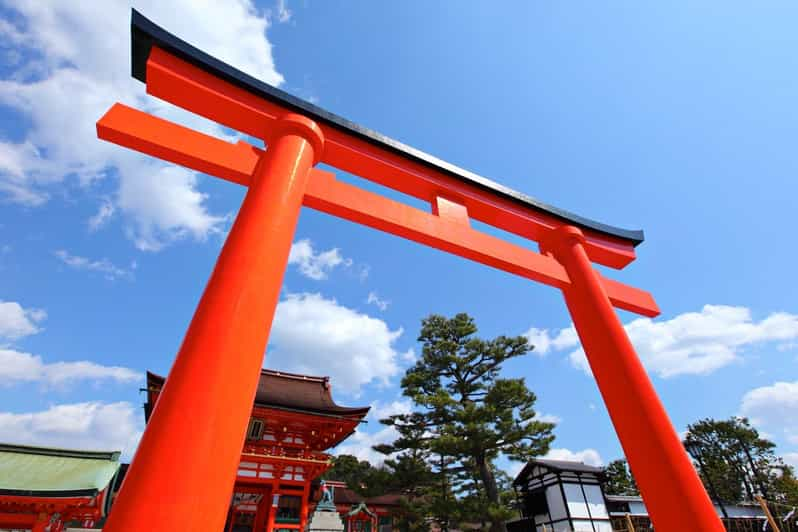
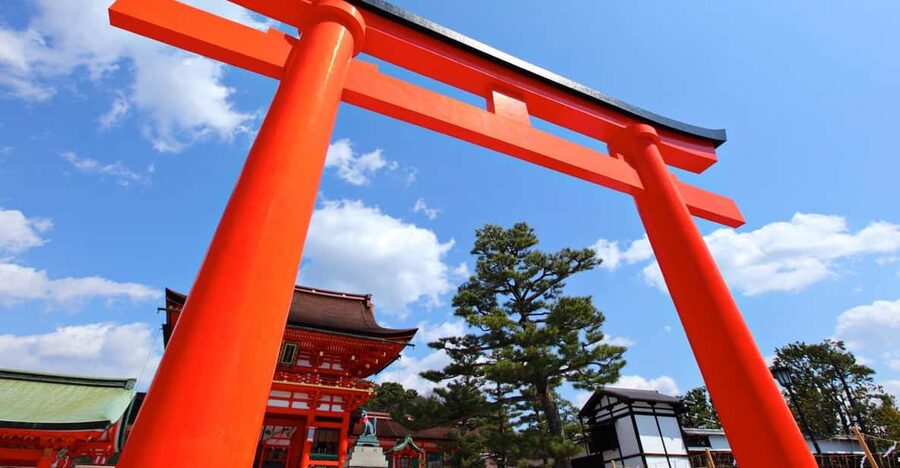
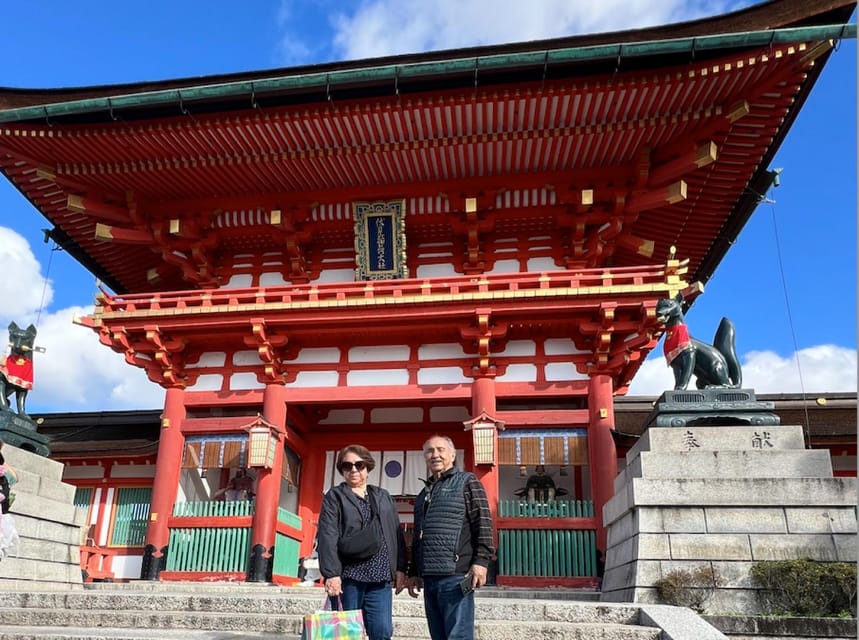
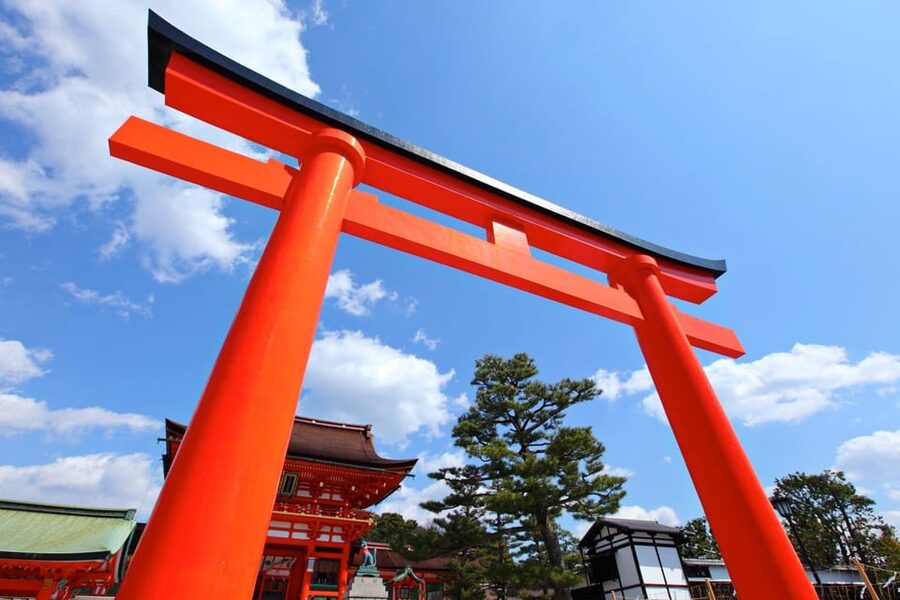
A train ride of about 22 minutes brings you to Fushimi Inari Taisha, followed by a 75-minute guided visit. The shrine is famous for its long series of vermillion torii gates, which form covered paths behind the main shrine buildings.
Fox statues appear throughout the grounds. Inari is associated with these fox figures, and they give the shrine a distinctive visual character. Your guide can also help explain the difference between the shrine’s Shinto setting and the Buddhist temples visited elsewhere in the day.
Fushimi Inari is free to enter, which keeps the overall cost down. The main challenge is physical. The tour does not take you up the entire mountain, but the shrine paths include slopes and stairs. The schedule allows a focused visit rather than an all-day climb.
This stop is especially good for photography, but remember that some areas inside the temples and shrines prohibit pictures. Follow the posted rules and your guide’s instructions.
Kiyomizu-dera and the old streets around it
After another train journey of about 30 minutes, you reach Kiyomizu-dera. The guided visit lasts about 90 minutes, giving you time to see the temple and walk through the nearby historic streets.
Kiyomizu-dera is one of Japan’s best-known temples and a UNESCO World Heritage site. Its Buddhist traditions and long history make it one of the day’s major cultural stops, while the surrounding streets add a more commercial side of Kyoto.
Sannenzaka and Ninenzaka are lined with shops selling Kyoto sweets, souvenirs, and traditional crafts. These lanes can be crowded, and their slopes and stone surfaces require steady footing. You may want to save shopping for the return route or make a note of places to revisit later.
Admission to Kiyomizu-dera is 500 yen, around US$3.10. Add that to Kinkaku-ji and Nijo Castle, and the listed admissions total about 2,300 yen per person. Nishiki Market food and public transportation are extra.
Gion, where the day finishes among wooden townhouses
The final stop is Gion, reached on foot in about 25 minutes from Kiyomizu-dera. The guided portion lasts around 30 minutes.
Gion is associated with geiko, Kyoto’s term for geisha, and maiko, their apprentices. The district preserves wooden machiya townhouses, tea houses, narrow lanes, and a strong connection to traditional music, dance, and tea ceremony.
You might see a geiko or maiko heading to an evening appointment, but this should never be treated as a staged performance. Keep your distance, do not block narrow streets, and follow local etiquette if you happen to see one.
A short visit gives you an introduction, not a full evening in Gion. The guide can point out the character of the district and help you understand what you are seeing. If Gion interests you, this is also a good time to ask for suggestions for a later return.
What the Spanish-speaking guide adds
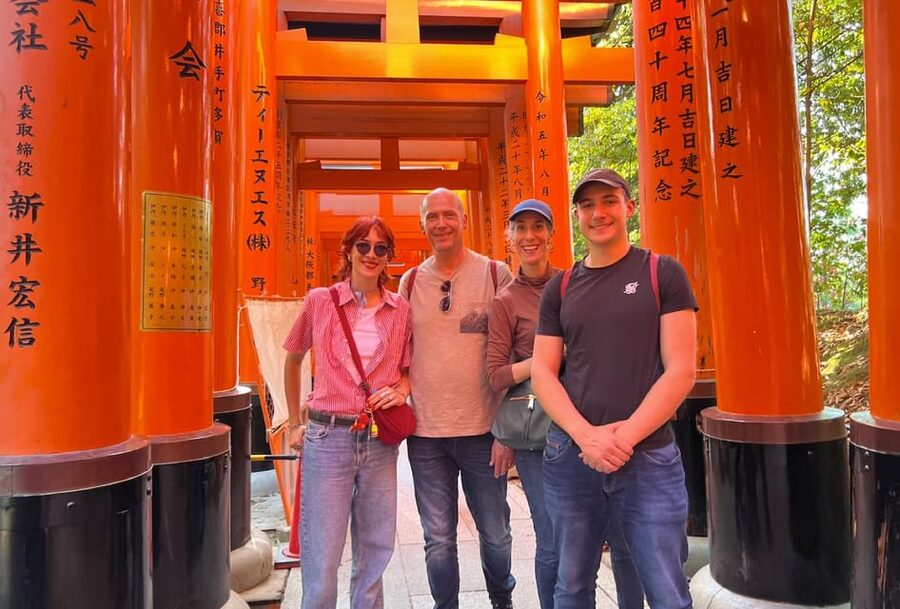
The tour is conducted in Spanish, which is its main advantage for Spanish-speaking visitors. Kyoto’s temples often present layers of Buddhist and Shinto symbolism that are easy to miss when you rely only on signs or a standard audio guide.
The guide uses an iPad with images and explanations prepared specifically for the tour. That can help when the building, statue, ritual object, or historical figure is difficult to understand from the site itself. Visual aids are also useful for comparing periods and showing details that may not be obvious from a distance.
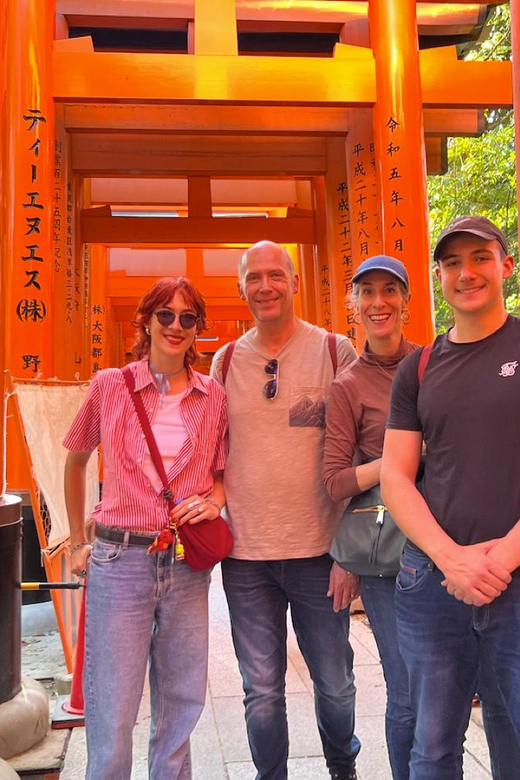
The guide named in the available tour information is Roberto. If he is assigned to your booking, you can expect the tour to be personal rather than scripted. The available feedback describes his explanations as clear and engaging, with a friendly manner and a willingness to answer questions. You should still confirm the assigned guide when booking if having Roberto specifically matters to you.
The private format is valuable here. You can ask about places you will visit later, request restaurant or sightseeing suggestions, and pause for photos without managing a large group. The guide also offers to take as many pictures of you as you wish, a small but useful benefit for solo visitors and couples.
The real cost of the $180 price
The listed price is $180 per person. That is not a budget sightseeing tour, especially because food, local transportation, and entrance fees are extra.
The value comes from the private Spanish service, the city-certified guide, and the amount covered in a single day. You are paying for a guide who connects six major sights, explains them in your language, helps with public transportation, and can give you ideas for the rest of your stay.
For one person or a couple who would otherwise hire a private guide separately, the price may feel reasonable. For a larger family, the total rises quickly. Children under seven are not accepted, and the physical pace makes this a poor choice for anyone with a low fitness level or serious mobility concerns.
Budget at least the listed 2,300 yen for three admissions, plus food and transportation. The activity information says the guide’s entrance fees and transportation do not need to be paid by you, but your own transportation remains an extra cost.
Who will enjoy this Kyoto day most
I would recommend this experience to you if you want a Spanish-speaking introduction to Kyoto and prefer explanations over simply collecting photos. It is particularly useful for a first visit, a short stay, or a first full day before exploring independently.
You should be comfortable walking for much of the day, using trains, buses, and the subway, and moving through busy temple areas. The tour is not suitable for children under seven, people with back problems, people over 130 kilograms, or people with a low level of fitness.
Bring comfortable shoes. The tour operates rain or shine, so a light rain layer can be sensible, though the supplied information specifically lists shoes as the essential item. Smoking is not allowed, and food and drinks cannot be consumed in the vehicle.
The itinerary is fixed enough to cover the major stops, but a private group gives you more room for questions and photographs than a large public tour. Ask about recommendations for after the tour before the day ends. That advice may be as useful as the sightseeing itself.
Should you book this tour?
Book it if you want one Spanish-language day covering Kyoto’s major sights, and you value a licensed guide who can explain cultural details with visual support. The route is thoughtfully varied: gold-covered Zen architecture, shogunal power, market food, Shinto gates, Buddhist tradition, and geisha district streets.
Think twice if you want a slow day, a long food stop, or time to linger at each temple. The schedule is full, the walking adds up, and the $180 price does not include your admissions, food, or transport.
For an active visitor who wants to get oriented quickly and then explore Kyoto with more confidence, this is a strong fit. For anyone needing frequent rests, a shorter tour with fewer stops would be kinder on the feet.
FAQ
Is the tour conducted in Spanish?
Yes. The live guide speaks Spanish, and the tour is designed for a private group.
How long does the tour last?
The total duration is 510 minutes, or about eight and a half hours.
Where does the tour begin?
Pickup is in front of the Seven Eleven at the Kyoto Station Building.
Which attractions are included?
The route visits Kinkaku-ji, Nijo Castle, Nishiki Market, Fushimi Inari Taisha, Kiyomizu-dera, and Gion.
Are entrance fees included?
No. The listed fees are 500 yen for Kinkaku-ji, 500 yen for Kiyomizu-dera, and 1,300 yen for Nijo Castle. Fushimi Inari and Gion are free.
Is food included?
No. Nishiki Market includes a 30-minute lunch break, but you pay for your own food and drinks.
Is the tour suitable for people with limited mobility?
The tour requires walking inside the temples and between stops, along with public transportation. It is not recommended for people with a low level of fitness, back problems, frequent rest needs, or leg prosthetics.
Newest Kyoto experiences on the site
- Treasures of Kyoto: Gion & historical Walking Tour★ 5.0 · 6 reviews
- Whisk Your Own Matcha: A Zen Matcha Experience at Temple★ 3.6 · 7 reviews
- Kyoto tea town for matcha lovers★ 5.0 · 16 reviews
- Uji: Private immersion into Kyoto’s tea and reglious culture★ 5.0 · 17 reviews
- Kyoto Matcha Green Tea Tour★ 4.5 · 23 reviews
- Uji and Wazuka Matcha Farm Half Day Private Guided Tour★ 5.0 · 21 reviews
- Utilising upcycled Matcha! Creating matcha incense (Uji, Kyoto)★ 5.0 · 6 reviews
- Sacred Temple Yoga Experience in Japan★ 5.0 · 3 reviews
Guided, compared.
Kyoto Early Morning Tour with English-Speaking Guide
Read our review →
Kyoto 6hr Private Tour with Government-Licensed Guide
Read our review →Early Morning Tour with English-Speaking Guide
Read our review →
Nijo-jo Castle and Ninomaru Palace Guided Tour
Read our review →
Kyoto Gion Night Walk & Geisha District Guided Tour
Read our review →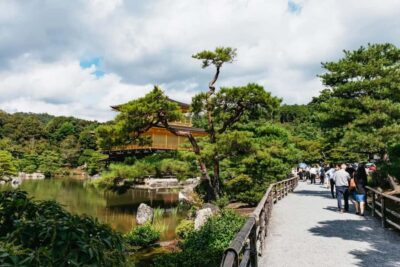
Nijo Castle, Kiyomizu & Fushimi Inari Guided Tour
Read our review →