
Reviewed · KIYOMIZU-DERA TEMPLE TOURS
Kyoto: Kiyomizudera, Sanjusangendo, Kodaiji, and Gion.
Kyoto’s traditional east side is best understood on foot, and this tour links its biggest sights in one well-planned day. You begin with the solemn rows of 1,001 Kannon statues at Sanjusangendo, then work through Kiyomizudera, the old lanes of Higashiyama, Kodaiji, Yasaka Shrine, and Gion.
I like the sensible route and the small group, limited to 10 people. I also like the human touch: when Manuel leads, he is attentive, explains clearly, and has even helped guests find a good place for lunch. The main drawback is the pace. Seven hours of temples, lanes, steps, and bus travel is a full morning and afternoon, so this is not the outing for anyone hoping for a slow, solitary temple visit.
Key points to know before booking
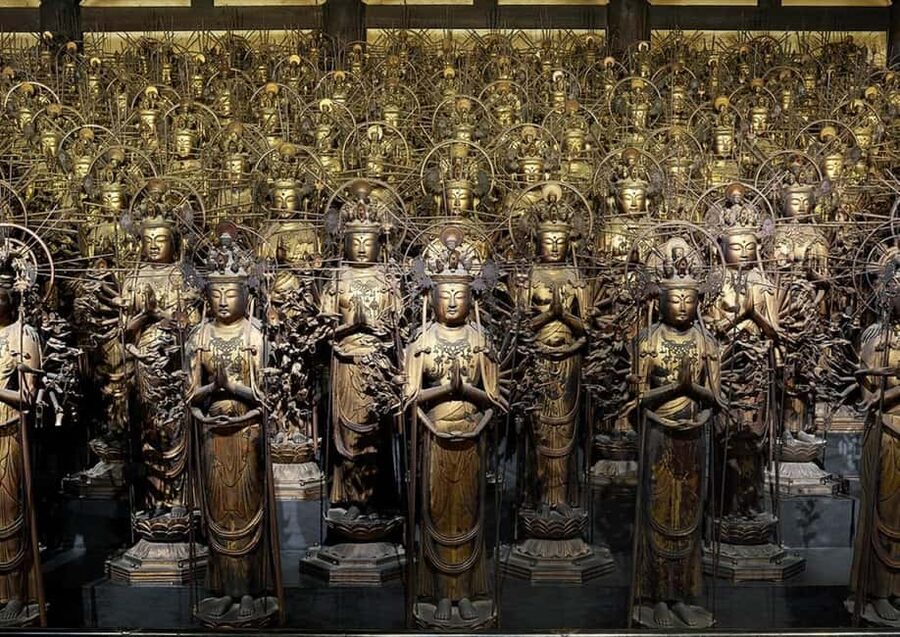
- Sanjusangendo opens the day with 1,001 Kannon statues: The long wooden hall gives you a powerful first look at Kyoto’s religious art.
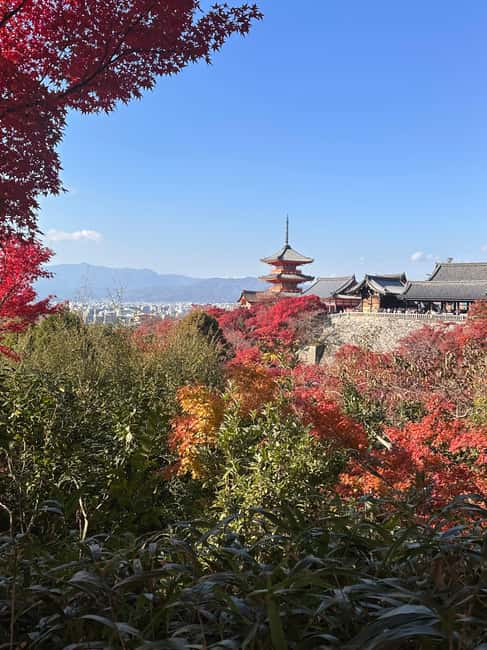
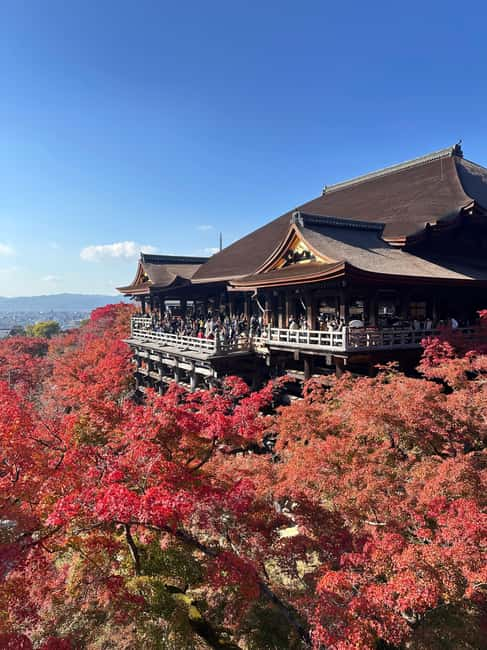
- Kiyomizudera brings the famous view: Its wooden terrace hangs above the hillside and looks across Kyoto.
- Higashiyama is explored on foot: Sannenzaka and Ninenzaka add old wooden houses, shops, and plenty of atmosphere.
- Kodaiji includes a temple bamboo forest: This quieter stop gives the day a change of pace after busy Kiyomizudera.
- Gion comes with context, not a guaranteed geisha sighting: You learn about geisha culture and walk through its historic streets.
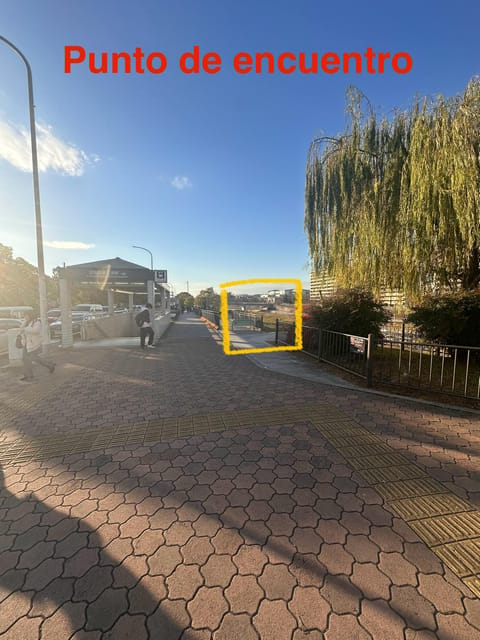
- The practical setup is simple: Meet at Shichijo Station at 9:00 a.m., carry 230 yen or an IC card for buses, and wear shoes made for walking.
Why this Kyoto route works so well
This outing focuses on Kyoto’s eastern temple district, where major sights sit close enough to connect by foot and local bus. Instead of spending the day crossing the city, you move through one historic area with a clear visual and cultural thread.
The order is smart. Sanjusangendo gives you an indoor start and a quiet look at Buddhist sculpture. Kiyomizudera then brings you outdoors, with broad city views and busy old streets. Kodaiji offers gardens and bamboo, while Yasaka Shrine and Gion finish the day with Shinto tradition and Kyoto’s geisha quarter.
That range matters. You are not seeing six versions of the same temple. You get a hall of statues, a hilltop temple, old shopping lanes, a pagoda, a bamboo grove, a shrine, and a historic entertainment district.
The tour is conducted in Spanish, which makes it a strong choice if you want cultural explanations in your first language. The group limit is 10 people, though several bookings have worked out as private or nearly private outings. That small size can make it easier to ask questions, keep the group together in narrow lanes, and adjust the explanation to your interests.
More ways to walk Gion:
- Kyoto Geisha Walking Tour: Gion District & Hidden Gems
★ 4.7 · 3,273 reviews - Kyoto: Gion Magical Night Walking Tour with Geisha Trivia
★ 4.9 · 2,393 reviews - Kyoto: Gion Geisha District Walking Tour – Stories of Geisha
★ 4.7 · 2,187 reviews
Sanjusangendo and the first look at Kannon
Meet at Shichijo Station, Exit 1, at 9:00 a.m. The first major stop is Sanjusangendo, also called Rengeo-in, known for its long wooden hall and its remarkable display of Kannon figures.
The central image is the thousand-armed Kannon, a Buddhist figure associated with mercy and compassion. Inside the 120-meter hall, 1,001 statues are arranged in rows. The repeated forms create a strong visual effect, but the experience is not only about quantity. Look at the differences in the faces, gestures, and details as you move along the hall.
A guide helps here because the meaning of the statues and the layout is not always obvious if you are visiting alone. The hall can seem simple from the outside, yet the interior is one of Kyoto’s most memorable religious spaces.
The planned visit lasts about an hour. That is enough time for an explanation and a careful look, though art lovers may wish for more time. You should also expect the tour to keep moving because several major stops still follow.
Kiyomizudera and the view across Kyoto
From Sanjusangendo, the group walks for about 20 minutes before reaching Kiyomizudera. The walk helps you shift from the quiet temple hall into the older streets around Higashiyama.
Kiyomizudera is one of Kyoto’s signature sights, and its wooden terrace is the star. Built out over the hillside, the terrace gives you a wide view across the city and surrounding hills. The structure itself is as important as the view. It shows how Japanese temple design can work with a steep site rather than flattening it.
The tour allows about an hour with a guide. You will get the main story of the temple and time to take in the terrace, but expect crowds, especially at popular times of day. The experience is strongest when you pause to look beyond the photography spot and notice the scale of the wooden construction.
Kiyomizudera also involves uphill and downhill walking. Comfortable shoes are not a minor suggestion here. Wear something that feels secure on slopes and cobbled streets, and choose clothing that works for a long day outdoors.
Sannenzaka, Ninenzaka, and Yasaka Pagoda
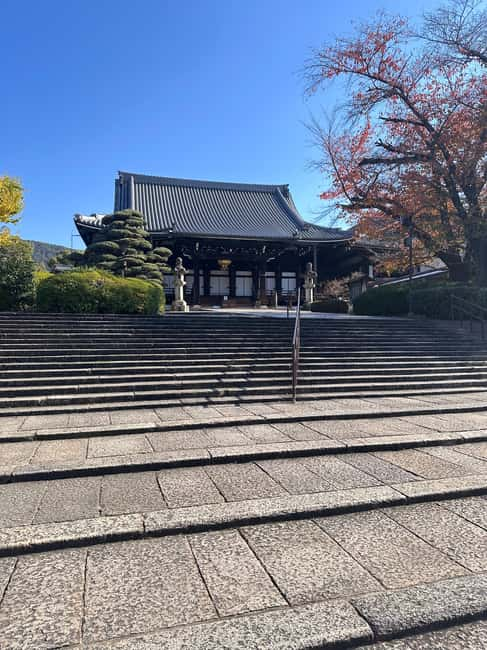
After Kiyomizudera, the route continues through Sannenzaka and Ninenzaka. These sloping lanes are lined with wooden buildings, craft shops, food stops, and traditional-looking facades.
This is one of the most enjoyable parts of the day because the setting changes from temple grounds to old Kyoto streets. You can see how religious sites and everyday commerce overlap in Higashiyama. The lanes also make a good connection between the major stops, rather than feeling like a simple transfer.
The drawback is that these streets can be crowded and uneven. The route is not a flat city walk, and you will likely need to keep an eye on your footing while also watching the shopfronts. If you want to browse every store, the one-hour sightseeing period in Higashiyama may feel short.
The walk brings you to Hokanji Temple, better known as Yasaka Pagoda. Its five-story pagoda rises above the traditional houses and is one of Kyoto’s most recognizable views. The tour includes about 30 minutes with a guide, giving you time to understand the site and take photographs from the surrounding streets.
Do not expect a long independent visit inside every building. This is a guided overview of the pagoda and the district around it, part of a larger route that keeps the day moving.
More Kiyomizu-dera visits and hillside walks:
- Kyoto: Tea Ceremony in a Traditional Tea House in Kiyomizu
★ 4.9 · 3,519 reviews - Kyoto: Nijo Castle, Kiyomizu & Fushimi Inari Guided Tour
★ 4.7 · 700 reviews - Kyoto: Nijo, Kinkaku-ji, Arashiyama, Kiyomizu & Fushimi Inari
★ 5.0 · 699 reviews - Kyoto Tea Ceremony & Kiyomizu-dera Temple Walking Tour
★ 5.0 · 115 reviews
Kodaiji and its bamboo grove
Kodaiji offers a welcome shift after the heavy foot traffic around Kiyomizudera and Yasaka Pagoda. The temple was founded in connection with the Toyotomi family, an important political family in Japanese history, and its grounds include gardens and a bamboo grove.
The bamboo section is smaller in scale than Kyoto’s famous Arashiyama bamboo area, but that is part of its appeal. It fits naturally into a temple visit and does not require a separate trip across the city. Tall bamboo changes the mood quickly, giving you a shaded passage and a quieter visual break.
The planned guided visit lasts about an hour. That gives your guide room to explain the temple’s connection to the Toyotomi family and point out features you might otherwise pass without noticing.
Kodaiji is also a good test of your energy. By this point, you have already visited two major temples and walked through sloping lanes. If you prefer a slow pace with long periods for photography, you may find the schedule brisk. If you want to see several sides of Kyoto in one day, the variety is worth the effort.
Yasaka Shrine and Kyoto’s Shinto tradition
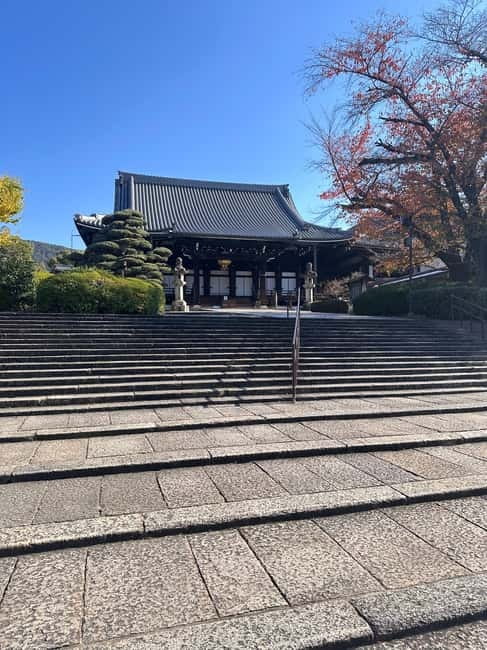
The next stop is Yasaka Shrine, also called Yasaka Jinja. The visit lasts about 30 minutes and introduces a different religious setting from the Buddhist temples earlier in the day.
The shrine is associated with Shinto practice, and its bright architectural details contrast with the darker wood and solemn interiors at Sanjusangendo and Kiyomizudera. A guide can help explain how a shrine visit differs from a temple visit, which is useful if Kyoto’s religious traditions seem confusing at first.
Half an hour is enough for an overview, but not for a long, unhurried exploration of every corner. Think of Yasaka Shrine as a focused stop that prepares you for the final walk through Gion.
Gion, geisha culture, and the end of the walk
The tour finishes in Gion, Kyoto’s historic geisha district. You spend about an hour walking its streets and learning about geisha culture and its place in Kyoto’s past and present.
This is where good guiding matters most. Gion is easy to reduce to pretty lanes and guesses about geisha, but the district has a more serious cultural story. Your guide can give context about the traditional entertainment world and help you look at the buildings, streets, and customs with more care.
Keep expectations realistic. The experience includes information about geisha culture, but it does not promise a geisha sighting or a private performance. Treat the district as a living neighborhood with historic traditions, not as a stage set.
The official end point is in Higashiyama Ward. That is useful because you are already in one of Kyoto’s central sightseeing areas, rather than being returned to the morning meeting point. You can continue exploring, stop for food, or make your own way back by bus or train.
What $86 buys you
At $86 per person, this is not the cheapest way to walk through Higashiyama. You could visit many of these areas independently for less, especially if you are comfortable using Kyoto’s buses and reading temple information on your own.
The value comes from the structure and interpretation. You cover six major areas in seven hours, with a Spanish-speaking guide connecting the art, religious traditions, family history, architecture, and local neighborhoods. For a first visit, that can save you planning time and help prevent the day from becoming a string of disconnected photo stops.
The small group improves the value. A limit of 10 is more manageable than a large coach group, particularly in Sannenzaka, Ninenzaka, and Gion. If only a few people book, the outing can feel private. Several bookings have had that result, and Manuel has been singled out for making the day personal, clear, and enjoyable.
Tickets and transport costs should be checked carefully when you book, since the supplied details do not state that every admission is included. You should budget 230 yen in cash for the buses, or use an ICOCA, Suica, or PASMO card. That small preparation prevents a needless scramble at the start of the day.
Walking, transport, and what to bring
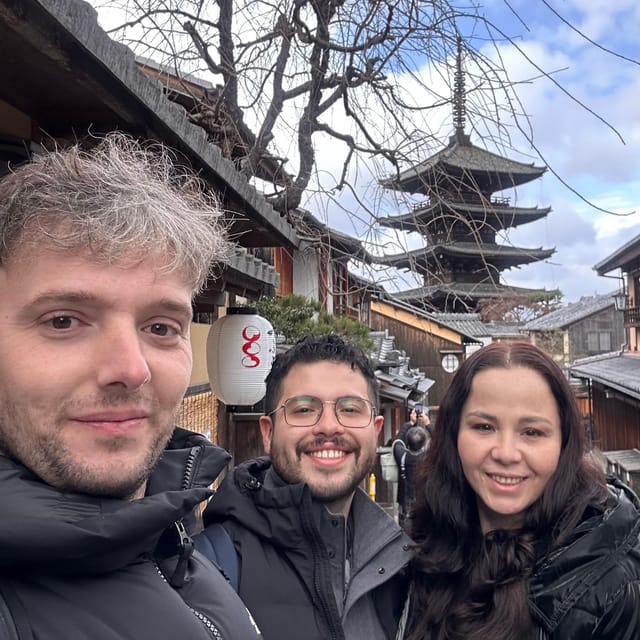
This is a walking tour with bus connections, not a relaxed sightseeing ride. You cover temple grounds, sloping lanes, uneven streets, and crowded pedestrian areas over seven hours.
Bring:
- Comfortable walking shoes
- Comfortable clothing
- 230 yen in cash, or an ICOCA, Suica, or PASMO card
- A small bag that is easy to carry through narrow streets
Baby carriages are not allowed, so families with very young children should consider that point before booking. The tour is better suited to people who can manage a full day on foot and keep moving between scheduled stops.
The meeting point is Shichijo Station, Exit 1, at 9:00 a.m. The location coordinates are 34.98981475830078, 135.7678680419922. Plan to arrive early enough to find the exit without rushing.
The live guide language is Spanish. Some content is presented in its original language, so you should be comfortable with that part of the experience.
Who should choose this tour
I would choose this tour if you have limited time in Kyoto and want the traditional Higashiyama sights handled in one day. It is especially useful for first-time visitors who want the major temples, old streets, Yasaka Pagoda, and Gion without building a route from scratch.
It also suits Spanish-speaking families and couples who prefer explanations in Spanish. The personal attention can be a real benefit, particularly when Manuel is the guide.
I would hesitate if you have already spent several days in eastern Kyoto or if your priority is quiet temple time. The route covers a lot, and Kiyomizudera’s lanes can be crowded. Independent visitors may prefer choosing two or three sites and spending longer at each.
The tour offers free cancellation up to 24 hours before departure and a reserve-now, pay-later option. Those terms are useful if your Kyoto schedule is still shifting, but check the exact booking conditions before paying.
Should you book this Kyoto temple and Gion tour?
Book it if you want a full, guided introduction to Kyoto’s traditional east side and value clear Spanish explanations, a small group, and a route that joins major sights without wasted city crossings.
Skip it if you want a slow photography day, dislike hills and crowded lanes, or have already visited most of these places. At $86, you are paying for guidance, organization, and context rather than simply entry to temples.
For many first-time visitors, that trade is fair. The route gives you memorable contrasts: Kannon statues in a long wooden hall, Kiyomizudera’s hillside terrace, old Higashiyama streets, a temple bamboo grove, Yasaka Shrine, and the culture of Gion. Just bring good shoes and enough energy for the whole seven hours.
FAQ
Where does the tour begin?
The meeting point is Shichijo Station, Exit 1, at 9:00 a.m. The coordinates are 34.98981475830078, 135.7678680419922.
Where does the tour finish?
The tour finishes in Higashiyama Ward.
How long does the activity last?
The activity lasts seven hours.
What language is the tour conducted in?
The live tour guide language is Spanish. Some content is shown in its original language.
How large is the group?
The group is limited to 10 participants.
Which temples and sites are included?
The route includes Sanjusangendo, Kiyomizudera, Yasaka Pagoda at Hokanji Temple, Kodaiji, Yasaka Shrine, and the Gion district.
Do I need money for transport?
Yes. Buses are used during the activity, so bring 230 yen in cash or use an ICOCA, Suica, or PASMO transport card.
What should I wear and bring?
Wear comfortable clothing and walking shoes. Baby carriages are not allowed. You can cancel up to 24 hours in advance for a full refund, and the reserve-now, pay-later option lets you book without paying immediately.
Newest Kyoto experiences on the site
- Treasures of Kyoto: Gion & historical Walking Tour★ 5.0 · 6 reviews
- Whisk Your Own Matcha: A Zen Matcha Experience at Temple★ 3.6 · 7 reviews
- Uji: Private immersion into Kyoto’s tea and reglious culture★ 5.0 · 17 reviews
- Kyoto tea town for matcha lovers★ 5.0 · 16 reviews
- Kyoto Matcha Green Tea Tour★ 4.5 · 23 reviews
- Uji and Wazuka Matcha Farm Half Day Private Guided Tour★ 5.0 · 21 reviews
- Utilising upcycled Matcha! Creating matcha incense (Uji, Kyoto)★ 5.0 · 6 reviews
- Sacred Temple Yoga Experience in Japan★ 5.0 · 3 reviews
Kiyomizu-dera Temple Tours, compared.
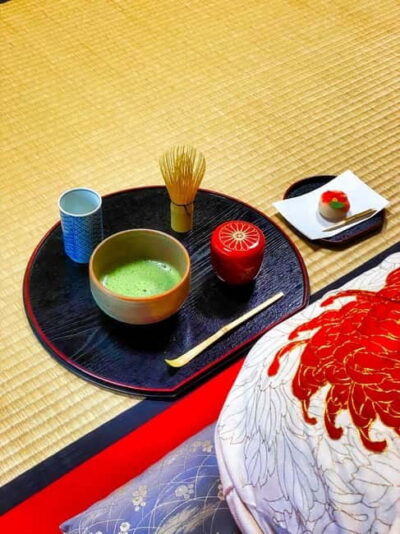
Tea Ceremony in a Traditional Tea House in Kiyomizu
Read our review →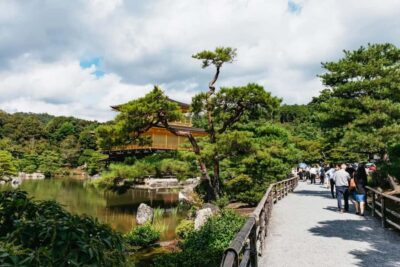
Nijo Castle, Kiyomizu & Fushimi Inari Guided Tour
Read our review →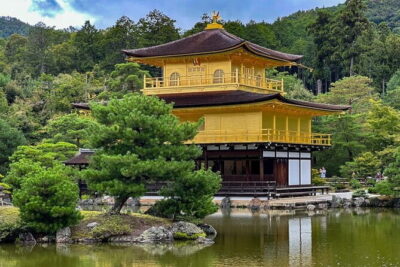
Nijo, Kinkaku-ji, Arashiyama, Kiyomizu & Fushimi Inari
Read our review →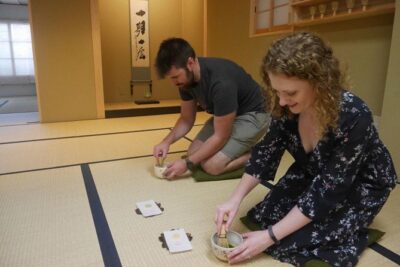
Kyoto Tea Ceremony & Kiyomizu-dera Temple Walking Tour
Read our review →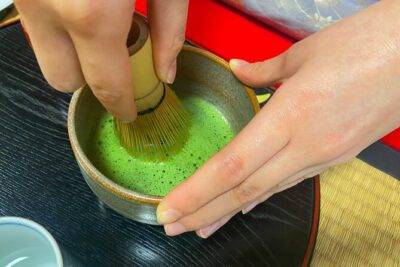
Kyoto Kiyomizu Tea Ceremony with Scenic Garden Views
Read our review →
Kimono/Yukata Rental 5 Minute from Kiyomizu-dera
Read our review →
Kyoto Gion Kiyomizudera Kimono Yukata Hairstyle | Photoshoot
Read our review →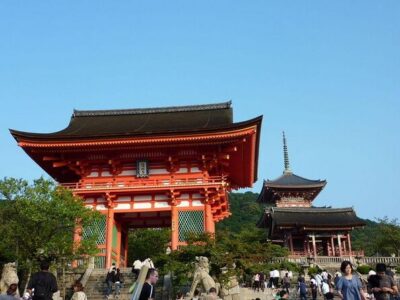
Kiyomizu Temple and Backstreets of Gion, Half Day Group Tour
Read our review →Browse the lists this tour appears in