
Reviewed · NIJO CASTLE TOURS
Kyoto Imperial Palace and Nijo Castle Walking Tour
Kyoto’s power, faith, food, and daily life come together on this seven-hour private walking tour. You move from the vast Higashi Hongan-ji Temple to Nishiki Market, then compare the shogun’s Nijo Castle with the Emperor’s Kyoto Imperial Palace. It is a useful way to put several major sights into one day.
I like two things here. First, your guide can explain the sharp contrast between Nijo Castle and the Imperial Palace, rather than treating them as two similar old buildings. Second, the Nishiki Market stop gives the day a human, edible side, with time for refreshments and food advice. The catch is simple: there is a lot of walking, and the price does not include admission or public transport.
Key points to know before booking
- Private guiding for your group: Only your party takes part, so you can ask questions and set the pace within the planned route.
- Four strong contrasts in one day: Visit a major Buddhist temple, Kyoto’s food market, a shogun’s castle, and the former Imperial residence.
- Nijo Castle costs extra: The listed admission fee is ¥1,300 per person, while Higashi Hongan-ji and Kyoto Imperial Palace are free.
- Food advice at Nishiki Market: Guides such as Fuji have helped visitors choose food and restaurants during this stop.
- Start at 9:00 a.m. at Kyoto Station: Meet at the Central Entrance of Hotel Granvia Kyoto, beside the station.
- Plan for walking and local transport: Public transportation is estimated at ¥1,000 per person, and moderate fitness is advised.
Why this Kyoto day works
Many Kyoto tours chase temple after temple. This one takes a broader view. You see how religion shaped ordinary life, how merchants fed the city, and how Japan’s ruling classes used architecture to display authority.
That range is the tour’s main value. You are not just collecting famous buildings. You are comparing four different settings: a working Buddhist temple, a market street, a military residence, and an Imperial compound. A good guide can make those differences clear, and the private format gives you room to ask about customs, history, food, and family life.
The route lasts about seven hours and begins at 9:00 a.m. at Hotel Granvia Kyoto’s Central Entrance, near Kyoto Station. It ends back at the meeting point. The price is $111.03 per person, before the ¥1,300 castle admission and about ¥1,000 in public transportation costs per person.
That makes this more than a cheap sightseeing walk, but the price can be fair if you want a guide for the full day and are short on time. A private tour also makes more sense for a family or small group that wants a flexible conversation instead of a large group following a flag.
More Nijo Castle visits:
- Kyoto: Nijo-jo Castle and Ninomaru Palace Guided Tour
★ 4.7 · 1,020 reviews - Kyoto: Nijo Castle, Kiyomizu & Fushimi Inari Guided Tour
★ 4.7 · 700 reviews - Kyoto: Nijo, Kinkaku-ji, Arashiyama, Kiyomizu & Fushimi Inari
★ 5.0 · 699 reviews
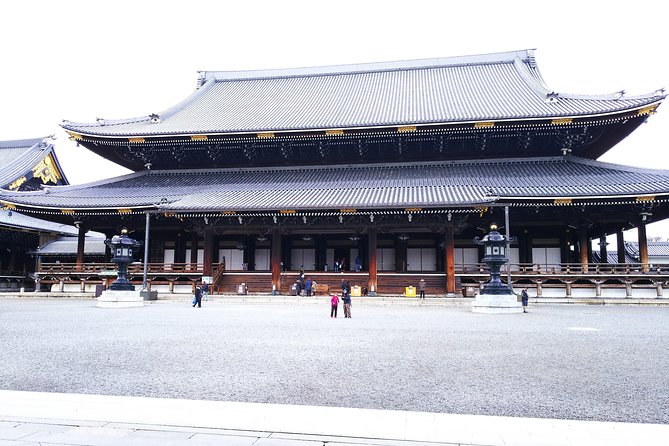
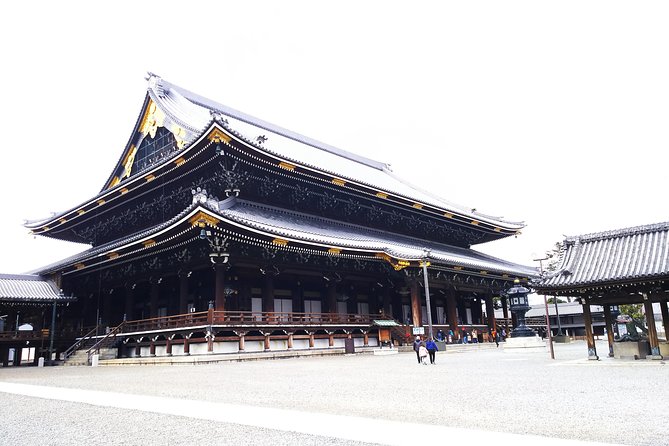
Starting with Buddhist Kyoto at Higashi Hongan-ji
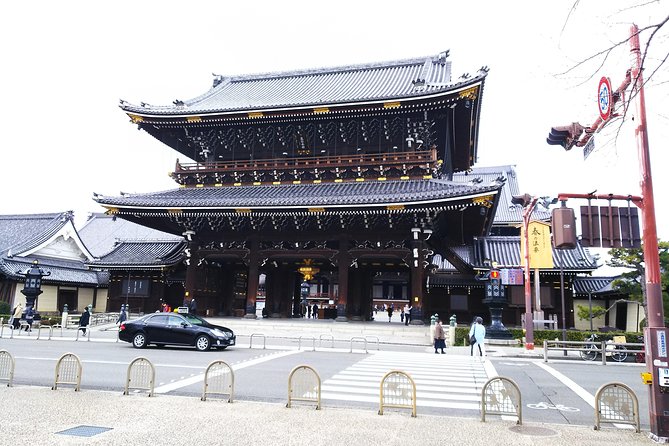
The first stop is Higashi Hongan-ji Temple, with about 30 minutes to look around. Admission is free.
This is a good opening because it introduces Kyoto through religion rather than royalty. Buddhism has the largest number of followers among Japan’s religions, and the tour explains the importance of the Shingon Otani tradition, one of the country’s major Buddhist sects. The supplied background places its following at about eight million people.
Thirty minutes is enough for an introduction, but not a full temple study. You should expect a focused visit rather than a long period of quiet wandering. That is not a flaw if you want the day to keep moving, though visitors hoping for extended time at every site may find the schedule brisk.
I like this stop because it gives the rest of the day a useful frame. After hearing about religious life, you can better understand why food, family customs, and public spaces matter so much in Kyoto. Ask your guide about what the temple means to ordinary worshippers, not only about its architecture.
Tasting the city at Nishiki Market
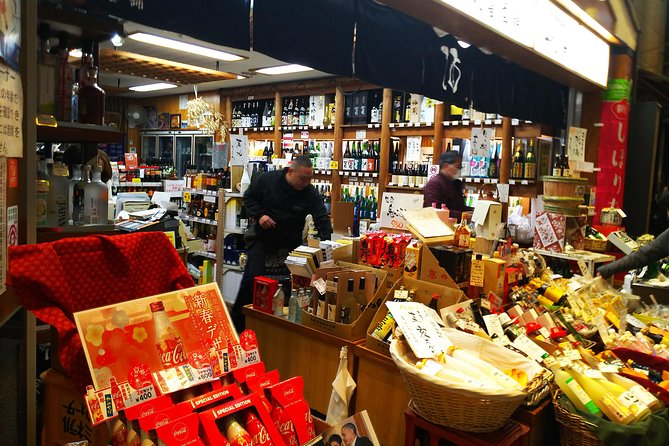
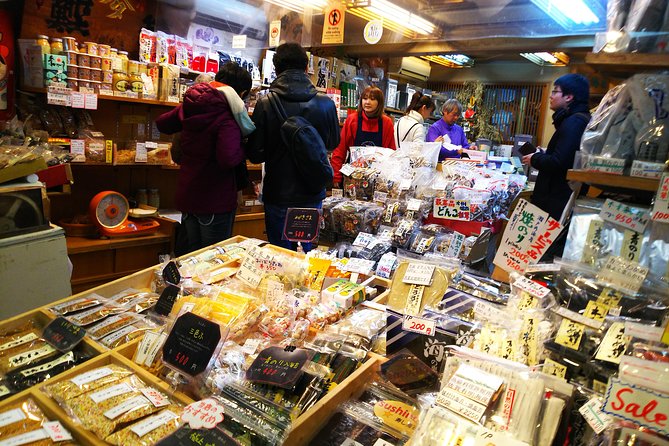
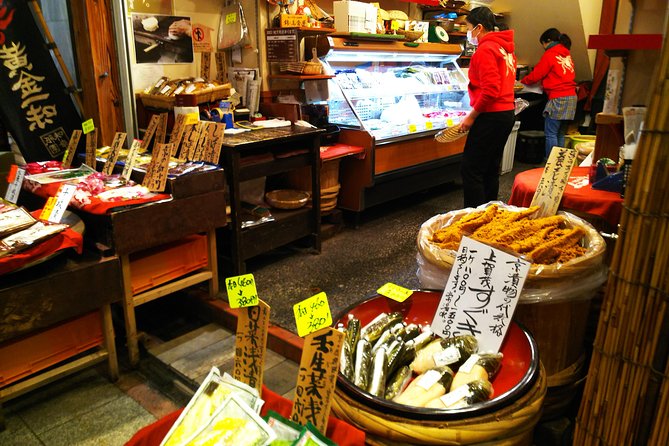
Next comes Nishiki Market, known as Kyoto’s kitchen. The planned visit lasts about 30 minutes, and there is no separate admission fee.
The market is where the tour shifts from formal history to daily life. You can look at the foods associated with Kyoto, browse small shops, and use the stop for a snack or drink. The tour information connects the market’s reputation to Kyoto’s fresh water, including the belief that a huge underground reservoir lies beneath the district.
Half an hour is a short visit for a market. You will need to choose between browsing and eating, rather than trying to inspect every shop. Still, the stop works well in a seven-hour day because your guide can point you toward local foods and explain what you are seeing.
Fuji, one of the guides named in the feedback, was particularly good at giving food suggestions and restaurant recommendations. Other guides, including Naoko and Chie, were praised for making the cultural material clear and enjoyable for families. Those details matter here. Nishiki is more useful when someone helps you understand what to try, rather than simply walking you through a crowded shopping street.
If you have children, this may be one of the easiest places to hold their attention. Food provides a break from monuments, and a guide can turn unfamiliar ingredients into part of the story. Keep in mind that purchases and refreshments are not listed as included, so bring spending money if you want to eat.
Entering Nijo Castle, the shogun’s Kyoto residence
Nijo Castle receives about one hour, and the ¥1,300 admission fee is extra. This is the day’s clearest look at shogun-era authority.
In 1603, the shogun moved the military government to Edo, now Tokyo. Nijo Castle was built as the shogun’s residence when he came to Kyoto. Its purpose was not simply to provide a comfortable home. It also showed political strength in the Emperor’s former capital.
Inside, you can expect more than 1,000 elaborate paintings. The castle’s interiors are the reason this stop deserves its separate admission charge. Your guide can explain how decoration, room use, and movement through the building reflected status and power.
One important expectation check: the castle and the Imperial Palace are very different. Nijo Castle feels tied to the shogun and military government. The palace is more restrained and ceremonial. Do not expect the Imperial Palace to resemble a European palace filled with furniture, gold, and grand rooms. That contrast is one of the best reasons to visit both on the same day.
One hour should give you a solid introduction, but it is not an exhaustive castle visit. If Nijo Castle is your top priority, you may wish the schedule offered more time. Still, the guide’s explanations can help you notice details you might otherwise pass without understanding.
More Imperial Palace and villa visits:
- Kyoto: Imperial Palace & Nijo Castle Guided Walking Tour
★ 4.7 · 453 reviews - Kyoto Imperial Palace & Nijo Castle Guided Walking Tour – 3 Hours
★ 4.5 · 106 reviews - Kyoto: Nijo Castle and Kyoto Imperial Palace Guided Tour
★ 4.6 · 98 reviews - Nijo Castle and Imperial Palace Visit with Guide
★ 5.0 · 53 reviews
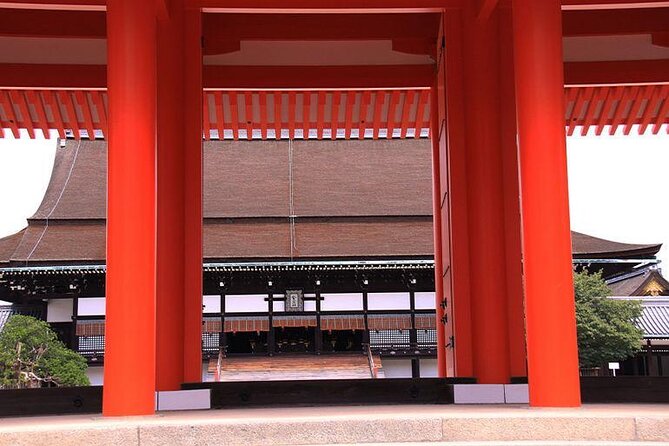
Reading Imperial power at Kyoto Imperial Palace
The Kyoto Imperial Palace is the longest planned stop, at about one hour and 15 minutes. Admission is free.
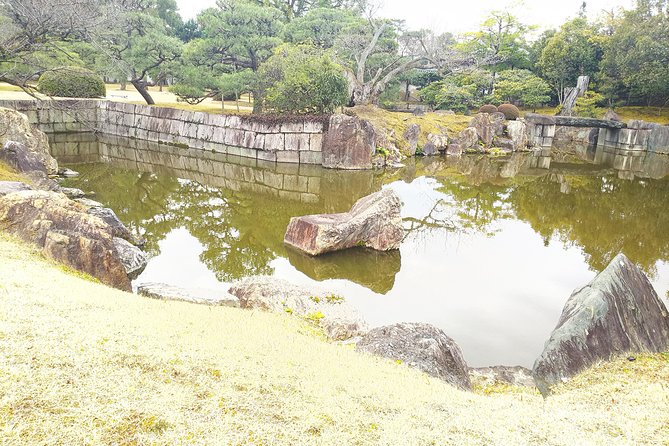
The palace sits in a large central area of Kyoto. The Emperor’s family lived here until the capital moved to Tokyo in 1868, and the site remains connected with the Imperial family today. This gives the palace a different mood from Nijo Castle. Here, the focus is the court and the Emperor, not the shogun’s military government.
The strongest part of the visit is the comparison. You see how two forms of power occupied the same city and how their buildings expressed different roles. Nijo Castle emphasizes the shogun’s presence. The Imperial Palace presents a more formal and restrained world.
The one-hour-15-minute timing gives you room to walk through the extensive grounds without turning the visit into a rushed photo stop. It is also a useful place to ask your guide about the transfer of the capital to Tokyo and the changing role of the Emperor.
I would set your expectations carefully. This is not a European-style royal palace packed with furnishings and glitter. Its value lies in the grounds, layout, ceremony, and political context. If you prefer rooms filled with paintings and luxury objects, Nijo Castle will probably make the stronger impression. If you want to understand the Imperial household and Kyoto’s former role as Japan’s capital, the palace is essential.
What the private format adds
This is a private activity, so only your group takes part. That changes the feel of the day. You can ask why a temple matters, stop for clarification at the market, or compare the castle and palace without worrying about holding up a large group.
The named guides include Naoko, Chie, and Fuji. Naoko was praised for making facts understandable for children. Chie was noted for keeping the route efficient and explaining the differences between Nijo Castle and the Imperial Palace. Fuji was especially useful for questions about culture and history, along with food advice at Nishiki Market.
Those are the qualities I would want from this tour: clear English, good time management, and a willingness to answer questions instead of reciting a script. The feedback also points to guides who can help you find places you might miss on your own. Exact guide assignment is not stated, so you should not book on the assumption that a particular person will lead your group.
The private format may also suit families better than a fixed large-group outing. One family found the explanations engaging for children, while another guide helped a group make maximum use of its time. Still, private does not mean effortless. You remain responsible for walking between sights and using local transportation.
Walking, transport, and the real cost
The advertised price is $111.03 per person. Add ¥1,300 for Nijo Castle and about ¥1,000 per person for public transportation. Higashi Hongan-ji and Kyoto Imperial Palace have free admission, while Nishiki Market has no entrance charge.
The total value depends on how much you want interpretation. If you already know Kyoto’s history and are comfortable planning trains, buses, and entrances, you could visit some of these places for less on your own. You would also need to organize the route, manage timing, and decide what matters at each stop.
For a first visit, the guide can justify the cost by joining the sites into one story. You get religion, food, shogun government, and the Imperial court in a single day. That is especially useful if you have limited time in Kyoto and do not want to spend an evening sorting out what you saw.
The tour requires moderate physical fitness, and the description warns that quite a bit of walking is involved. Wear shoes you can use for a full day. The route is near public transportation, but the transport fare is not included, so keep ¥1,000 per person available as a working estimate.
Service animals are allowed. Confirmation is sent at booking. The activity requires good weather, and if poor weather causes cancellation, you can choose another date or receive a full refund.
Who should book this tour?
I would recommend it most strongly to first-time Kyoto visitors with one full day for major cultural sights. It also fits families who want explanations in good English, small groups that prefer private guiding, and anyone who wants food and everyday life included alongside palaces and temples.
It is less suitable if you dislike walking, want long unstructured time at each stop, or care mainly about shopping. Nishiki Market receives only about 30 minutes, and each major historical site has a set time. You should also budget for the extra admission and transport costs rather than treating $111.03 as the full day’s expense.
Final call: book it for context, not just checkmarks
Book this tour if you want a clear story of Kyoto in one day and value a guide who can connect ordinary food, Buddhist practice, shogun power, and Imperial tradition. The comparison between Nijo Castle and Kyoto Imperial Palace is the tour’s strongest idea, while Nishiki Market keeps the day grounded in daily life.
Skip it if you want to explore at your own pace or spend hours inside one site. For everyone else, the private format, central meeting point, and broad mix of stops make this a practical first look at Kyoto, provided you are ready to walk and pay the extra costs.
FAQ
How long does the tour last?
The tour lasts approximately seven hours.
What time does the tour start?
It starts at 9:00 a.m.
Where is the meeting point?
Meet at the Central Entrance of Hotel Granvia Kyoto, beside Kyoto Station, in Shimogyo Ward.
Where does the tour end?
The activity ends back at the meeting point.
Is this a private tour?
Yes. Only your group participates in the activity.
Is Nijo Castle admission included?
No. The listed admission fee is ¥1,300 per person.
Which admissions are free?
Admission to Higashi Hongan-ji Temple and Kyoto Imperial Palace is listed as free. Nishiki Market also has no admission charge.
Is public transportation included?
No. Public transportation is listed separately at about ¥1,000 per person.
What happens if bad weather cancels the tour?
You will be offered a different date or a full refund. You can also cancel at least 24 hours before the start time for a full refund.
More Walking Tours in Kyoto
- Kyoto Geisha Walking Tour: Gion District & Hidden Gems
★ 4.7 · 3,273 reviews - Kyoto: Gion Magical Night Walking Tour with Geisha Trivia
★ 4.9 · 2,393 reviews - Kyoto: Gion Geisha District Walking Tour – Stories of Geisha
★ 4.7 · 2,187 reviews - Night Walk in Gion: Kyoto’s Geisha District
★ 4.5 · 2,003 reviews
Newest Kyoto experiences on the site
- Treasures of Kyoto: Gion & historical Walking Tour★ 5.0 · 6 reviews
- Whisk Your Own Matcha: A Zen Matcha Experience at Temple★ 3.6 · 7 reviews
- Kyoto tea town for matcha lovers★ 5.0 · 16 reviews
- Uji: Private immersion into Kyoto’s tea and reglious culture★ 5.0 · 17 reviews
- Kyoto Matcha Green Tea Tour★ 4.5 · 23 reviews
- Uji and Wazuka Matcha Farm Half Day Private Guided Tour★ 5.0 · 21 reviews
- Utilising upcycled Matcha! Creating matcha incense (Uji, Kyoto)★ 5.0 · 6 reviews
- Sacred Temple Yoga Experience in Japan★ 5.0 · 3 reviews
Nijo Castle Tours, compared.
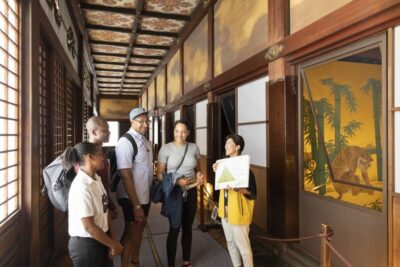
Nijo-jo Castle and Ninomaru Palace Guided Tour
Read our review →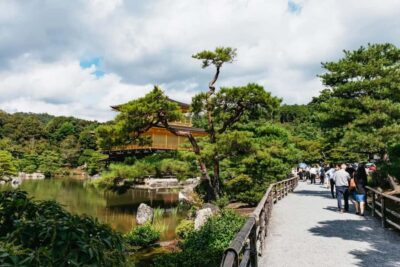
Nijo Castle, Kiyomizu & Fushimi Inari Guided Tour
Read our review →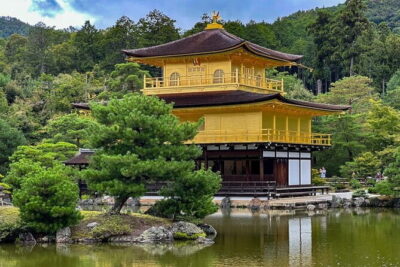
Nijo, Kinkaku-ji, Arashiyama, Kiyomizu & Fushimi Inari
Read our review →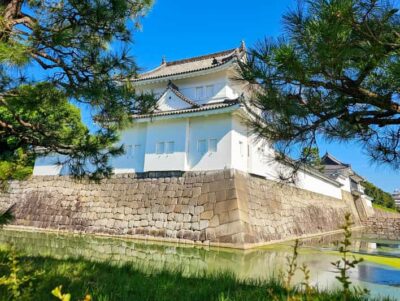
Imperial Palace & Nijo Castle Guided Walking Tour
Read our review →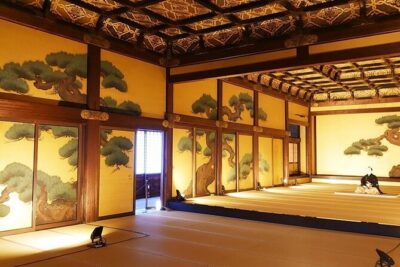
Nijo Castle World Heritage Guided Tour with Admission
Read our review →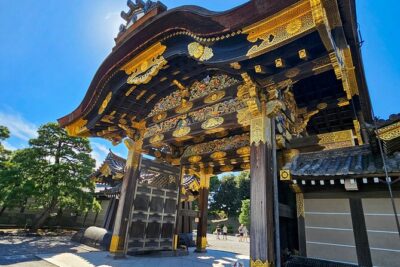
Kyoto Imperial Palace & Nijo Castle Guided Walking Tour – 3 Hours
Read our review →
Nijo Castle and Kyoto Imperial Palace Guided Tour
Read our review →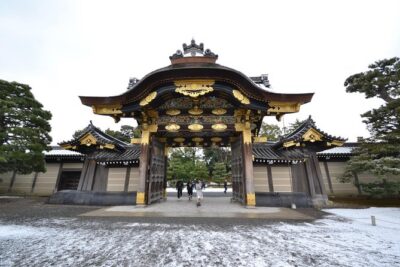
Nijo Castle and Imperial Palace Visit with Guide
Read our review →Browse the lists this tour appears in