
Reviewed · GION DISTRICT TOURS
Kyoto: Gion World of the Geisha Guided Walking Tour
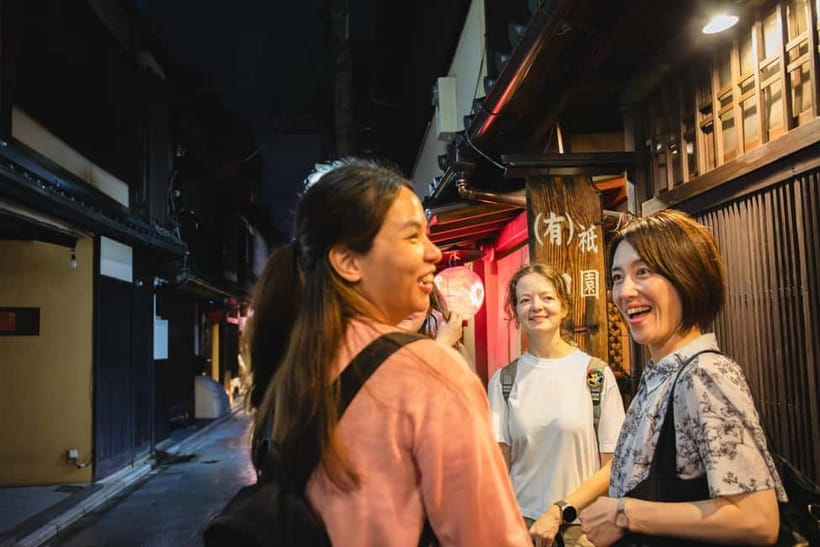
Gion is best understood on foot, where a narrow lane, quiet canal, or old wooden facade can tell you more than a quick photo stop. This guided walk takes you through two geisha districts, with local stories about maiko, geiko, and the customs that still shape this famous Kyoto quarter.
I like the small-group option, which should make it easier to hear your guide and ask questions. I also like the mix of major sights and quieter corners, especially Yasaka Shrine and the Shirakawa Canal. The main drawback is that this is a walking tour on footpaths and stairs, so it is not suitable for wheelchair users or people with mobility limits.
I also appreciate that the guide can point out appropriate places to see maiko in action, rather than leaving you to guess where to go. Guide Ito has received particularly warm praise for his clear local insight, and the tour has an overall rating of 4.6 from 25 reviews.
Key points to know before booking
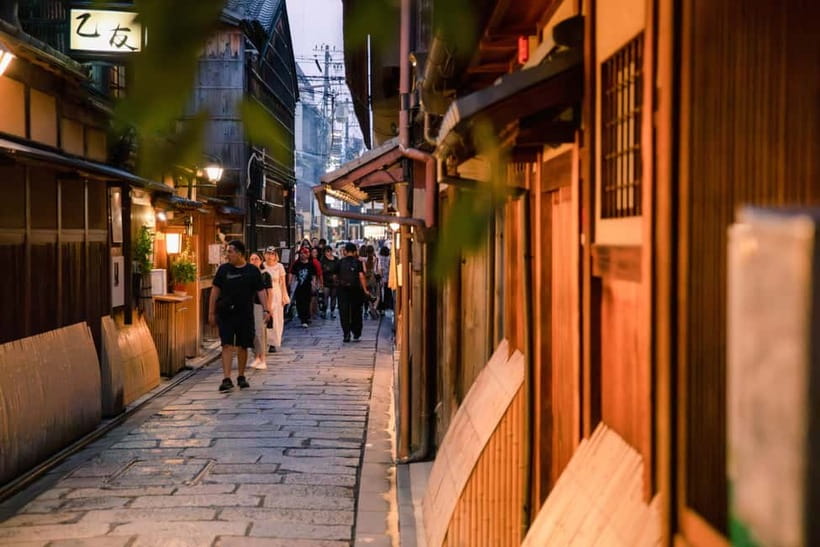
- Two geisha districts in one walk: You get more than a quick stroll through Gion’s best-known street.
- Yasaka Shrine begins the story: The 40-minute guided visit gives useful religious and local context before the tour enters Gion.
- A local guide explains maiko and geiko life: You learn why Kyoto uses the word geiko and how an apprentice maiko fits into the tradition.
- Shirakawa Canal adds a quieter pause: This scenic stretch offers a change from the busier lanes and a good photo stop.
- English-speaking, small-group format: The tour is easier to follow and more personal than a large group walk.
- Plan for stairs and uneven walking: Comfortable shoes are essential, and the tour runs in rain or shine.
Why Gion makes a good walking tour
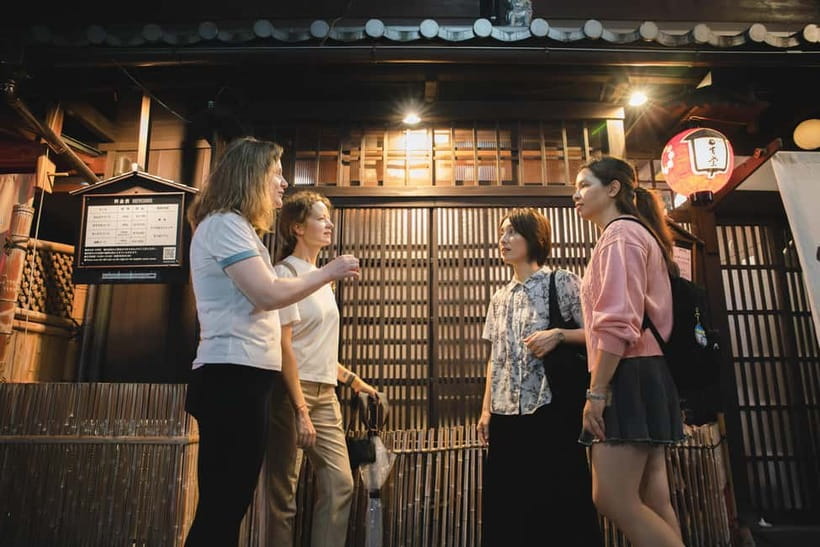
Gion can look simple at first: traditional buildings, lanterns, narrow lanes, and visitors taking pictures. The details make more sense when someone explains what you are seeing. A guide can help you notice the difference between a public street, a private teahouse entrance, and the areas connected with Kyoto’s geiko and maiko culture.
This matters because Gion is not a stage set built only for sightseeing. It is a traditional entertainment district with customs and working spaces that deserve care. A good guide helps you enjoy the atmosphere without treating the neighborhood like a backdrop.
The experience also gives you a practical way to cover several related places in a short time. You move from Yasaka Shrine into Gion, then toward the Shirakawa Canal and Gion Corner. The route is designed to give you a broad sense of the district without asking you to spend hours wandering without a plan.
The advertised duration varies from two hours to as much as 270 minutes, depending on the option and schedule you choose. Check the exact starting time and length when booking. That difference matters if you are fitting Gion around dinner, a temple visit, or a train departure.
More ways to walk Gion:
- Kyoto Geisha Walking Tour: Gion District & Hidden Gems
★ 4.7 · 3,273 reviews - Kyoto: Gion Magical Night Walking Tour with Geisha Trivia
★ 4.9 · 2,393 reviews - Kyoto: Gion Geisha District Walking Tour – Stories of Geisha
★ 4.7 · 2,187 reviews
Starting near Yasaka Shrine
There are three possible starting points: the statue of Izumo-no-Okuni, the Wargo Kyoto Kimono Rental Kyoto Gion Store, or the Kyoto Kanji Museum and Library. Your exact meeting point depends on the option you book.
If you choose the kimono rental option, you change first and then make your own way to the Japan Kanji Museum and Library. Your guide waits there. Build in enough time for that transfer, since the meeting arrangement is different from the other starting choices.
The tour then spends about 40 minutes at Yasaka Shrine. This is a useful opening stop because it gives you a religious and cultural setting before the walk turns toward geisha districts. You can expect guided sightseeing rather than a long formal lecture, with the guide explaining what makes the shrine important to the area.
Starting here also helps you get your bearings. Gion’s lanes can feel confusing on a first visit, and Yasaka Shrine provides a clear reference point. Wear shoes that can handle steady walking, since the tour does not treat this as a short, flat photo outing.
Walking through Gion’s traditional streets
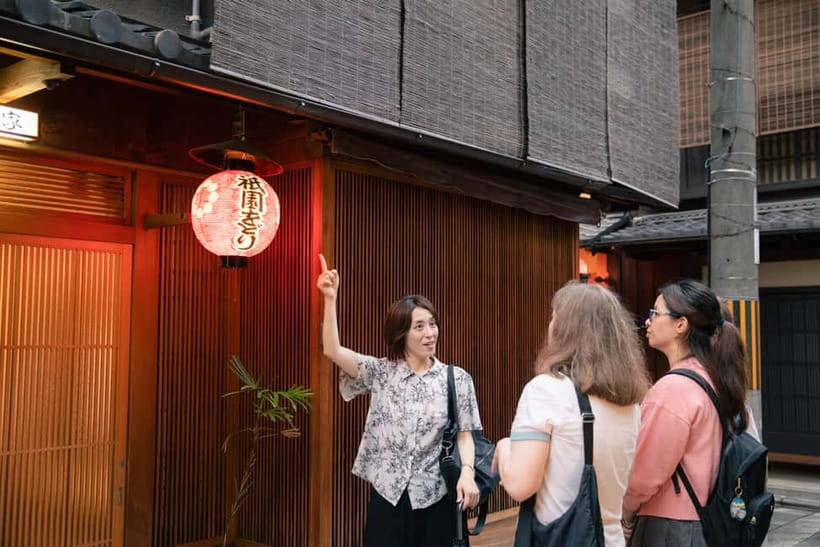
The main Gion portion takes about 80 minutes. This is the heart of the experience, with the guide leading you through picturesque lanes and pointing out traditional architecture, shrines, and places that are easy to miss on your own.
The value here is not simply seeing old buildings. Your guide adds the social context behind the district, explaining how the kagai, or geisha entertainment area, developed and how it functions today. You also learn about maiko, the apprentices, and geiko, the term used for geisha in Kyoto.
Those words are useful because they prevent a common mistake. In Kyoto, geiko is the local term, while maiko refers to the younger apprentice performers. The distinction helps you understand that these are not interchangeable labels.
The guide also discusses daily life and traditions connected with the profession. The supplied information does not promise entry into private teahouses or performances, so you should not book this expecting an indoor geisha show. The focus is an outdoor walking tour, local explanation, and a closer look at the district’s character.
You might encounter a maiko or geiko during the walk, but this is not guaranteed. That uncertainty is part of the nature of the neighborhood. The tour does, however, include practical advice on where you may be able to see maiko in action. Treat that as guidance, not a scheduled appearance.
Shirakawa Canal and the quieter side of Gion
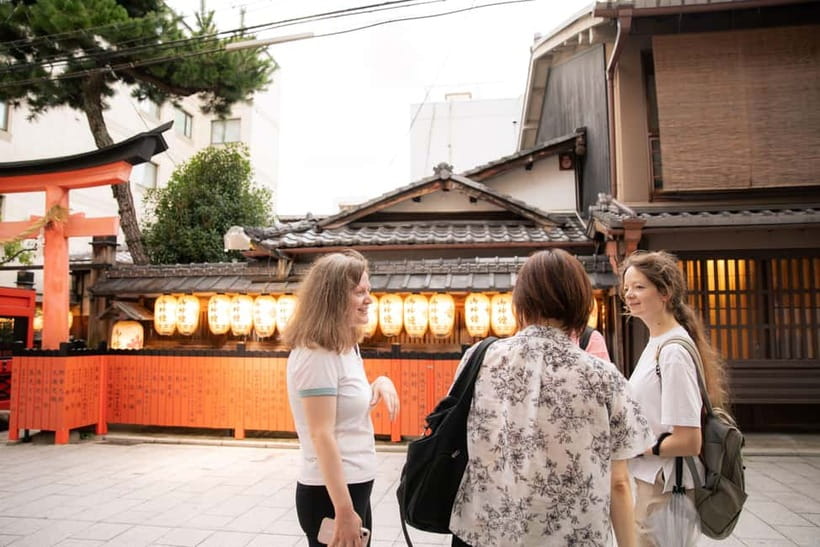
The route includes the Shirakawa Canal, where you have time for sightseeing and a short photo stop. This section offers a change of pace after the denser streets around Gion.
The canal area is one of the places where Gion’s traditional look comes together most clearly: water, old buildings, and a more peaceful atmosphere. Your guide can help you understand why this stretch is worth noticing instead of rushing past it.
The photo stop is listed as about five minutes, so do not expect a long break. Keep your camera ready and listen for the guide’s instructions. If you want extensive photography time, you may need to return on your own after the tour.
This is also a good point to remember that the exact pace can depend on the group. A small group usually makes it easier to stop briefly without losing everyone, but the tour still has a planned route and cannot linger at every facade.
More geisha and maiko evenings in Kyoto:
- Best of Kyoto: Gion, Geisha, Pagodas & Cobblestones
★ 4.9 · 2,058 reviews - Night Walk in Gion: Kyoto’s Geisha District
★ 4.5 · 2,003 reviews - Kyoto Gion Geisha District Walking Tour – The Stories of Geisha
★ 5.0 · 1,441 reviews - Kyoto Gion: 2-Hour Geisha Culture & History Walking Tour
★ 5.0 · 1,186 reviews
Gion Corner and the final stretch
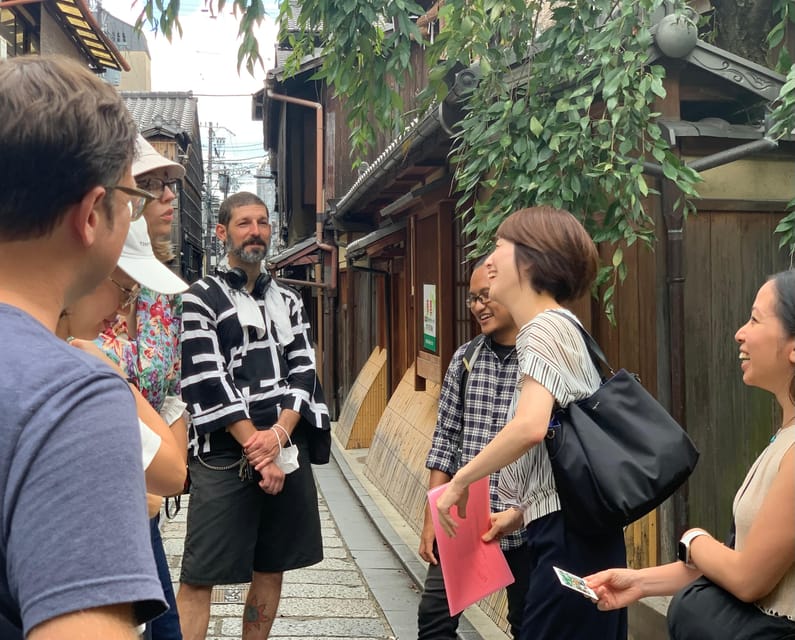
Gion Corner appears near the end of the route, with guided sightseeing in the surrounding area. The itinerary lists several possible drop-off points near Gion Kōbu Kaburენjō, including the Gion Kōbu Kaburenjō address in Kyoto.
Gion Corner is useful as a landmark because it connects the walking route with Kyoto’s traditional performing arts. The tour does not state that a performance is included, so plan on an exterior visit or nearby sightseeing unless your selected option clearly says otherwise.
The finish near Gion Kōbu Kaburenjō leaves you in a practical part of the district. You may continue exploring Gion, look for a meal, or make your way to another Kyoto sight. Since the tour can last two hours or longer depending on the booking option, confirm the end point before making a tight reservation afterward.
What the guide adds
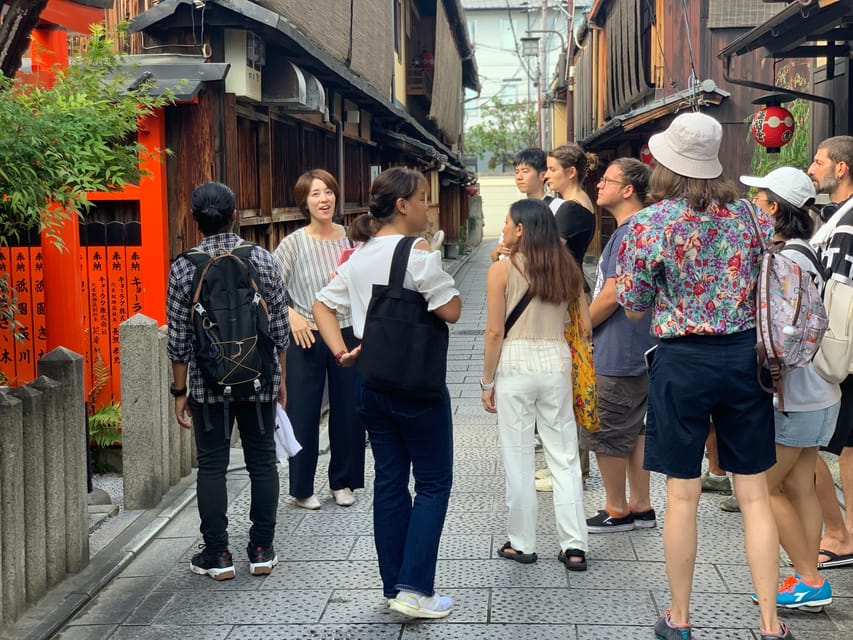
The guide is the main reason to book this experience instead of simply walking Gion with a map. The route itself is accessible to independent visitors, but the meaning behind the streets is harder to read without local help.
Guide Ito has been singled out for being especially well informed about the Gion district and for making the walk enjoyable. Another recent review called the guide superb, while a separate comment praised the small group, friendly manner, and route. Those details point to the strongest part of the experience: the quality of the person leading it.
Your guide speaks English. That is important in a district where etiquette and cultural terms can be easy to misunderstand. You can ask about maiko, geiko, the kagai, shrine customs, and the places along the route instead of relying on short signs or hurried online explanations.
Still, guide quality can vary from one departure to another. The named praise for Ito is useful, but it should not be taken as a guarantee that he leads every scheduled walk. The experience provider is Japan Wonder Travel, and the booking page should show the available language and option details.
Is $29 a fair price?
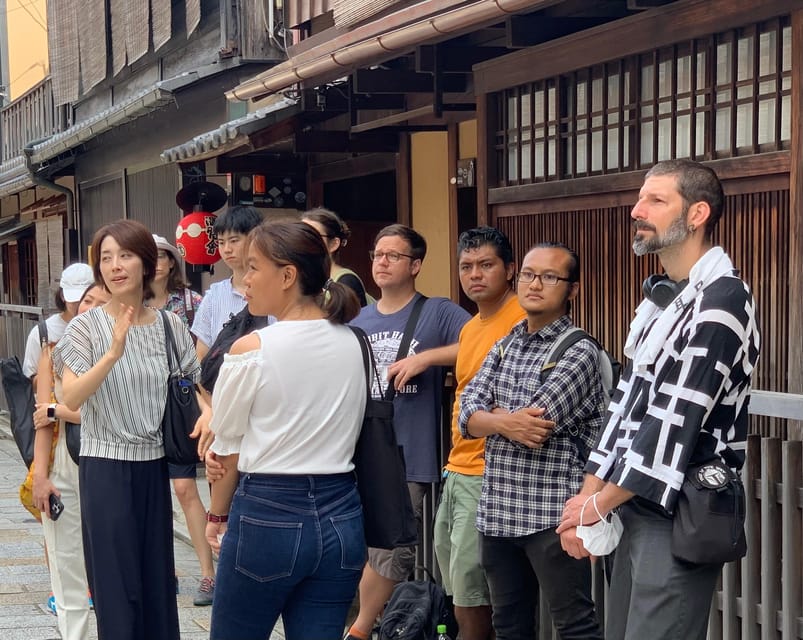
At $29 per person, this is a reasonable price for a two-hour guided walk through one of Kyoto’s most distinctive districts. You are paying for the guide’s time, route planning, and cultural explanation rather than admission to a performance or private building.
I see the best value for first-time visitors who want a clear introduction to Gion. You get Yasaka Shrine, the principal Gion streets, Shirakawa Canal, Gion Corner, and two geisha districts in one organized outing. That can save you from spending half a day guessing which lanes are worth your time.
The value is less obvious if you already know Gion well or prefer to walk at your own pace. The tour does not include a meal, kimono rental in every option, or a guaranteed encounter with maiko or geiko. You should compare the exact option carefully, especially if the kimono version changes the meeting arrangements.
The free cancellation policy allows cancellation up to 24 hours before the activity for a full refund. You can also reserve and pay later, which helps if your Kyoto schedule is still shifting.
Who should book this Gion walk?
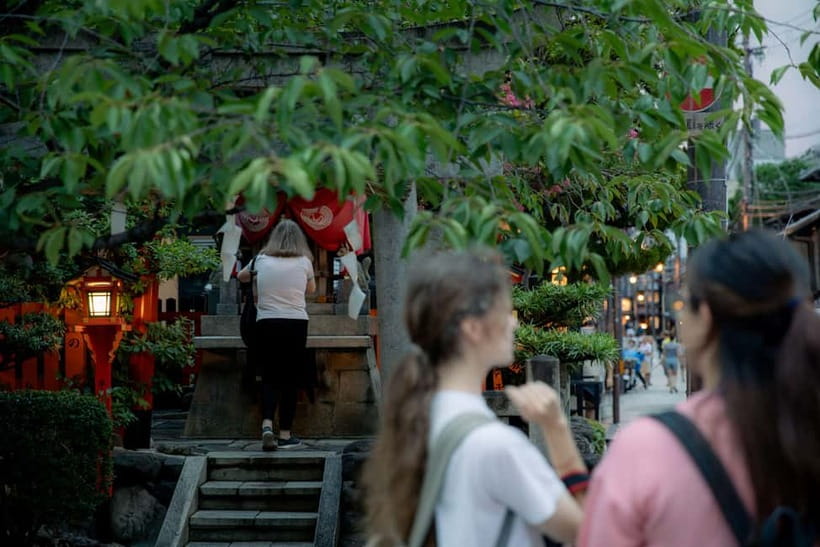
I would recommend it to a first-time Kyoto visitor who wants context without committing to a full-day cultural program. It suits couples, solo visitors, and families with older children who can manage a steady walk.
It is also a good fit if you want to learn about geisha culture in a respectful way. The guide can explain the difference between maiko and geiko and show you where the districts fit into Kyoto’s wider traditional culture.
You should think twice if you have trouble with stairs, uneven surfaces, or prolonged walking. The tour is not suitable for wheelchair users or people with mobility impairments, and children must be accompanied by an adult.
Because the tour runs rain or shine, bring weather protection. Comfortable walking shoes are more important than stylish footwear, even if you arrive dressed for Kyoto photographs.
Practical tips for a better visit
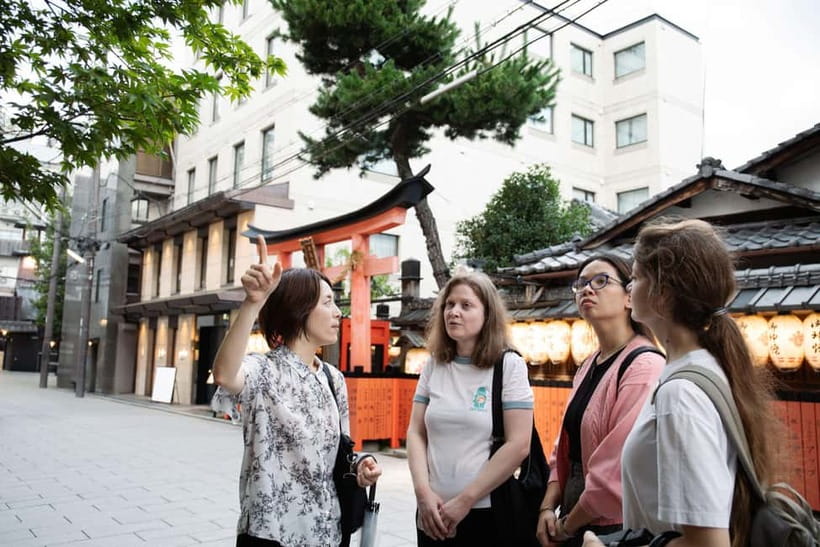
- Check the exact meeting point before leaving your hotel, since the starting location varies by option.
- If you book the kimono option, allow time to change and reach the Japan Kanji Museum and Library on your own.
- Wear shoes you can walk in for several hours and manage stairs with.
- Bring a compact rain layer because the walk operates in wet weather.
- Keep photography polite and follow your guide’s advice around maiko and geiko.
- Do not assume you will see a geiko or maiko. The possibility adds interest, but it is not a scheduled part of the tour.
- Leave spare time after the walk if you want to explore Gion on your own or stop for food.
Should you book the Kyoto Gion geisha tour?
Book this tour if you want a well-organized introduction to Gion, especially if you are curious about maiko and geiko culture but do not know where to begin. The combination of Yasaka Shrine, traditional lanes, Shirakawa Canal, and Gion Corner gives you a useful first look, while the guide supplies the details that signs and maps leave out.
At $29, the tour offers solid value for its route and local explanation. I would choose it early in a Kyoto visit, then return to Gion later for a slower walk of your own. Skip it if you need step-free access, a guaranteed performance, or a private geisha encounter. For most able walkers seeking cultural background in a compact format, it is a practical choice.
FAQ
How long does the Kyoto Gion walking tour last?
The listed duration ranges from two hours to 270 minutes. Check the available option and starting time when booking because the length can vary.
What language is the tour offered in?
The tour is conducted in English by a live tour guide.
What places are included on the route?
The route includes Yasaka Shrine, Gion, the Shirakawa Canal, Gion Corner, and areas connected with two geisha districts. The listed route has several possible starting and drop-off points.
Can I choose where the tour starts?
There are three possible starting locations: the statue of Izumo-no-Okuni, Wargo Kyoto Kimono Rental Kyoto Gion Store, and the Kyoto Kanji Museum and Library. The meeting point depends on the option you book.
What happens if I choose the kimono rental option?
After changing into your kimono, you must go to the Japan Kanji Museum and Library by yourself. Your guide waits for you there.
Will I definitely see a maiko or geiko?
No. You might encounter a maiko or geiko during the walk, but sightings are not guaranteed. The guide shares tips about places where you may see maiko in action.
Is the tour suitable for wheelchair users?
No. The tour is not suitable for wheelchair users or people with mobility impairments because the route includes walking and stairs.
Does the tour operate in bad weather?
Yes. The walk takes place rain or shine, so bring suitable weather protection.
Can I cancel the booking for a refund?
You can cancel up to 24 hours in advance for a full refund. The activity also offers a reserve now and pay later option.
More Walking Tours in Kyoto
- Nishiki Market Brunch Walking Tour (7 Tastings + Brunch)
★ 5.0 · 1,355 reviews - Kyoto Arashiyama Walking Tour: Bamboo, Monkeys, Gardens & Secrets
★ 5.0 · 1,216 reviews - Kyoto: Izakaya Bars Guided Walking Tour
★ 4.9 · 815 reviews - Kyoto Gion Night Walk & Geisha District Guided Tour
★ 5.0 · 786 reviews
Newest Kyoto experiences on the site
- Treasures of Kyoto: Gion & historical Walking Tour★ 5.0 · 6 reviews
- Whisk Your Own Matcha: A Zen Matcha Experience at Temple★ 3.6 · 7 reviews
- Kyoto tea town for matcha lovers★ 5.0 · 16 reviews
- Uji: Private immersion into Kyoto’s tea and reglious culture★ 5.0 · 17 reviews
- Kyoto Matcha Green Tea Tour★ 4.5 · 23 reviews
- Uji and Wazuka Matcha Farm Half Day Private Guided Tour★ 5.0 · 21 reviews
- Utilising upcycled Matcha! Creating matcha incense (Uji, Kyoto)★ 5.0 · 6 reviews
- Sacred Temple Yoga Experience in Japan★ 5.0 · 3 reviews
Gion District Tours, compared.

Kyoto Geisha Walking Tour: Gion District & Hidden Gems
Read our review →
Gion Magical Night Walking Tour with Geisha Trivia
Read our review →
Gion Geisha District Walking Tour – Stories of Geisha
Read our review →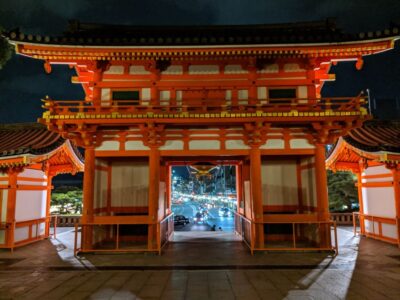
Best of Kyoto: Gion, Geisha, Pagodas & Cobblestones
Read our review →

Kyoto Night Foodie Tour in Gion (9+ dishes + 6 Sake tastings)
Read our review →
Kyoto Gion Geisha District Walking Tour – The Stories of Geisha
Read our review →
Kyoto Gion: 2-Hour Geisha Culture & History Walking Tour
Read our review →Browse the lists this tour appears in