
Reviewed · GION DISTRICT TOURS
Kyoto: Gion Sunset Walking Tour with Local Guide
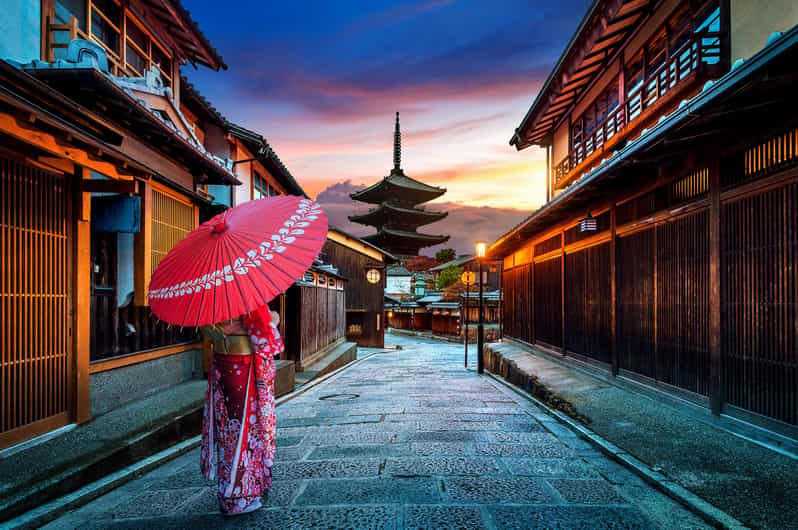
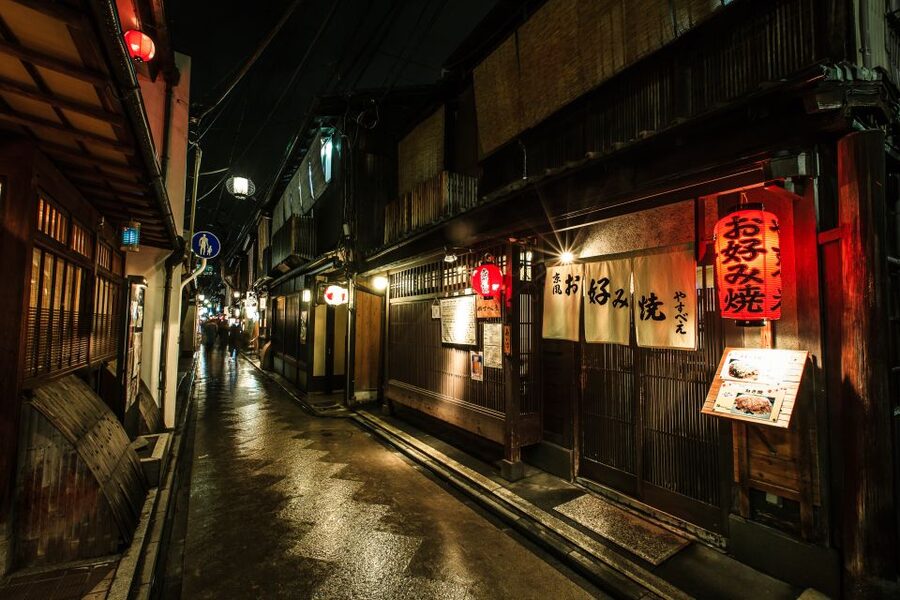
Gion changes character as daylight fades. Lanterns come on, narrow lanes grow quieter, and the old entertainment district feels far more atmospheric than it does in full afternoon sun. This three-hour walk gives you a useful introduction without taking over your whole evening.
I like the small groups of no more than nine and the guides’ personal approach. Jasmine, Raphael, Alex, Vincent, and local guides such as Katz and Naoki have been praised for clear English, thoughtful answers, and adjusting the pace to suit the group. I also like the included snack stop, which adds a pleasant local pause for up to ¥1,000.
The main consideration is that this is a walking tour with no hotel pickup, and you need to arrive on time. A geiko or maiko sighting is possible but never promised, so book it for the streets, temples, and cultural explanation, not for a guaranteed photograph.
Key points at a glance
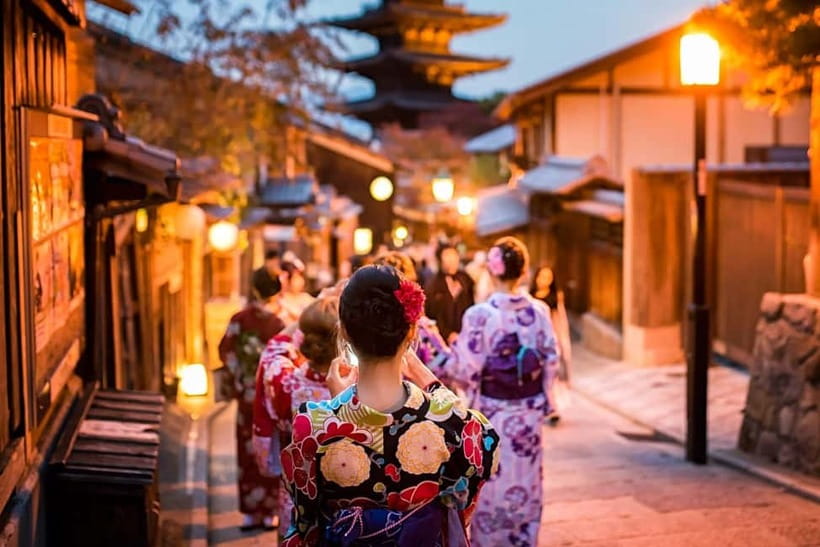
- Gion after sunset: See Hanamikoji Street, shrine grounds, alleys, and lantern-lit streets as the evening begins.
- Small-group format: Groups are limited to nine people, allowing more questions and a better chance to hear your guide.
- Several strong local guides: Past tours have been led by Jasmine, Raphael, Alex, Vincent, Katz, Naoki, and others.
- A useful first look at Kyoto: The route links Gion, Yasaka Shrine, Maruyama Park, Pontocho, and Sanjo Bridge.
- Snack included: Enjoy a local snack or a small café stop, with the allowance capped at ¥1,000 per person.
- Flexible booking: Same-day and last-minute bookings are accepted, and cancellation is free up to 24 hours ahead.
Why Gion works best at sunset
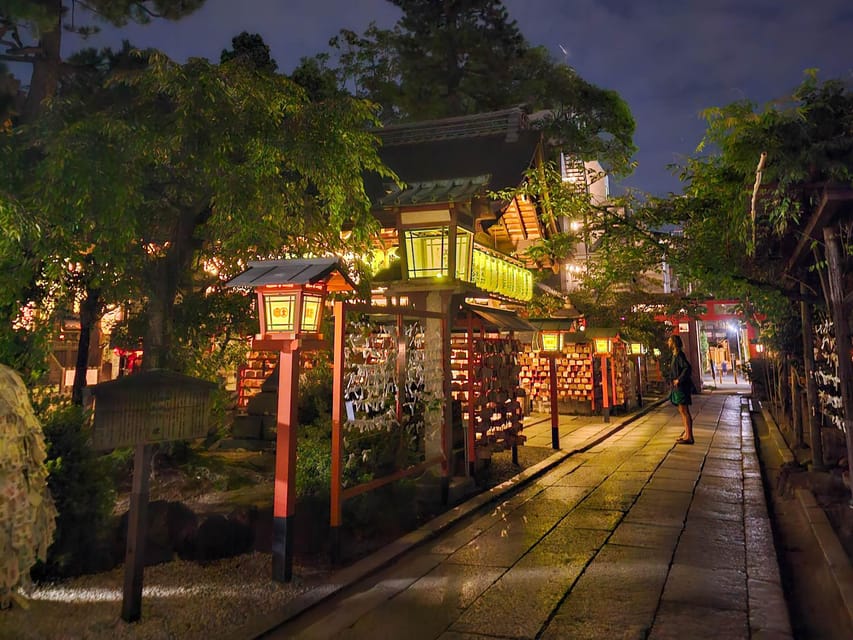
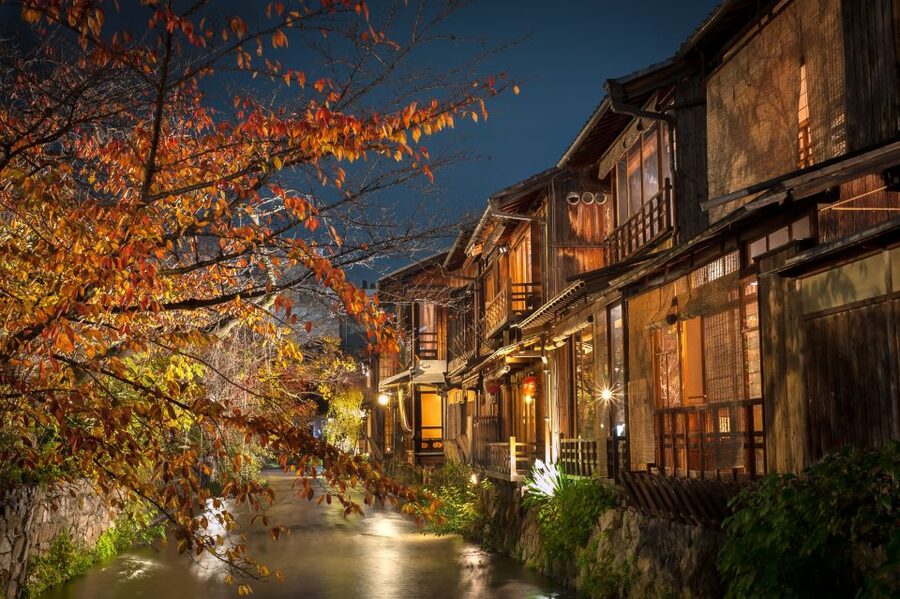
Gion is Kyoto’s historic geisha district, but it is not simply a stage set for photographs. It is a working area of restaurants, teahouses, shrines, theaters, shops, and homes. The evening timing helps you see two sides of it: the preserved wooden streets in fading daylight and the warm glow of lanterns after dark.
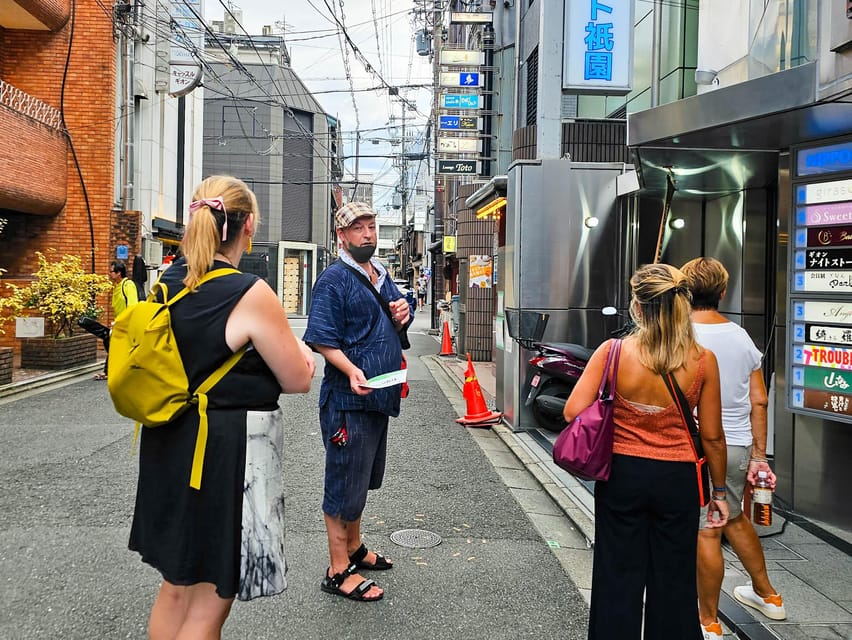
The tour begins at Kyoto Kawaramachi Garden, in front of the large black world map. You should arrive at least 10 minutes early. The guide will be wearing a TripGuru shirt or holding a TripGuru sign, which matters in a crowded central Kyoto meeting area.
From there, the route heads toward the Gion district. You will pass the Kyoto Minami-za theater, one of the important traditional theater landmarks in this part of town. It is a brief pass-by rather than a full visit, but your guide can use it to explain the role of performance and entertainment in Kyoto’s culture.
The exact starting time varies, so check availability for the date you want. An early evening departure gives you more remaining daylight, while a later departure brings you into the lantern-lit streets sooner. Both have advantages.
More ways to walk Gion:
- Kyoto Geisha Walking Tour: Gion District & Hidden Gems
★ 4.7 · 3,273 reviews - Kyoto: Gion Magical Night Walking Tour with Geisha Trivia
★ 4.9 · 2,393 reviews - Kyoto: Gion Geisha District Walking Tour – Stories of Geisha
★ 4.7 · 2,187 reviews
Hanamikoji Street and Gion’s working traditions
Hanamikoji Street is one of the best-preserved historic streets in Gion. Its traditional façades, tiled roofs, wooden details, and carefully maintained appearance make it an obvious highlight, but the value of walking here with a guide is knowing what you are looking at.
On your own, you may see a handsome row of buildings and move on. A good guide explains how the district is arranged, what kinds of establishments operate behind the façades, and how geiko and maiko fit into Kyoto’s traditional entertainment world. The tour also helps separate fact from the simplified version of geisha culture often presented to visitors.
This is where guides such as Jasmine and Vincent have made a strong impression. Their explanations have covered geiko and maiko customs, Japanese religion, Kyoto’s past, and everyday local life. You can ask questions as you walk, rather than waiting for a formal talk at one fixed stop.
You may see a geiko or maiko moving between appointments. That possibility adds excitement, but it is not the purpose of the tour and cannot be guaranteed. If one appears, keep your distance, do not block the path, and avoid treating the person as a street performer. A longer camera lens is recommended, and if she comes close, step aside, offer a small bow or smile, and say thank you.
That point is worth taking seriously. A respectful encounter is far better than getting an unwanted close-up photograph. The guide can help you understand what you are seeing, but basic courtesy remains your responsibility.
Backstreets, temples, and small shrines
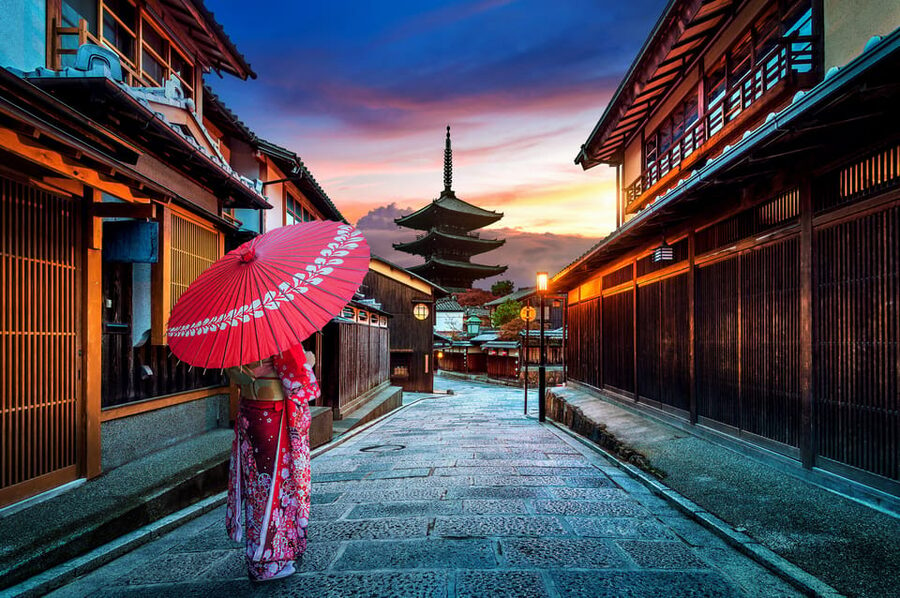
The route is not limited to the famous main street. You will turn into traditional backstreets and visit less prominent temples and shrines, where the atmosphere can be calmer and the explanations more personal.
Some stops are listed simply as guided sightseeing, with scenic views along the way. That means the route has room for the guide to respond to the group and point out features that would be easy to miss. Several guides have adjusted the walk when weather or group needs required it. In one especially wet evening, the guide changed the plan to suit the group and included a café with pleasant views.
This flexibility is one of the better reasons to choose a small group. With nine people or fewer, you can ask about a gate, statue, ritual, or building without holding up a large crowd. Raphael has been praised for slowing the pace for an older couple, while other guides have made room for questions and offered to take group photographs at good locations.
You should still expect a real walk. Comfortable shoes are essential, and people with mobility impairments, heart problems, respiratory issues, or pregnancy are advised not to book this activity. The tour lasts about three hours, so this is not a short photo stop with a few minutes of strolling.
Maruyama Park and Yasaka Shrine
Maruyama Park provides a change from the close lanes of Gion. The route includes about 15 minutes of guided sightseeing here, giving you space to see one of Kyoto’s better-known public green areas and hear more about the setting around it.
The park is especially useful as a breathing point between the old streets and Yasaka Shrine. You are not simply rushing from one famous address to another. The pauses help you understand how religious sites, public spaces, and entertainment districts sit alongside one another in Kyoto.
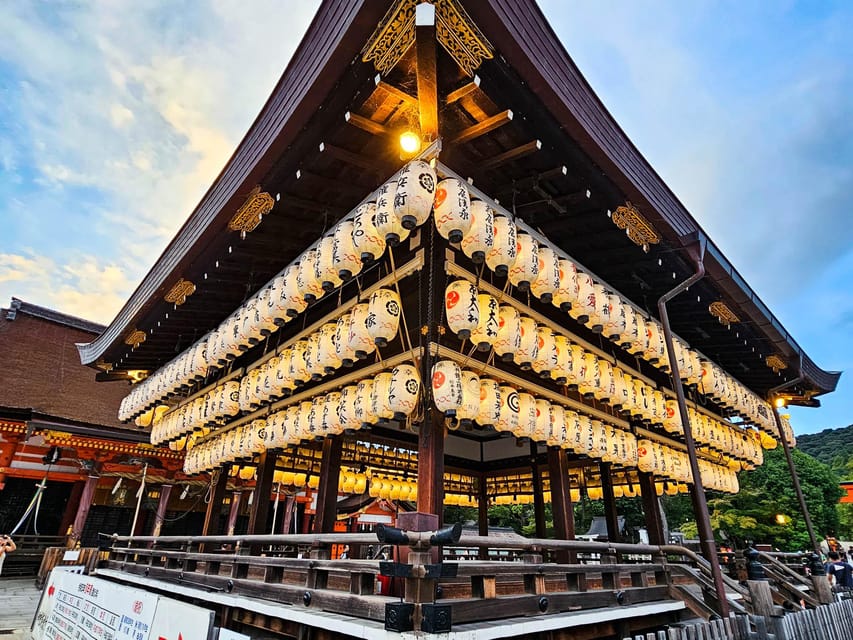
Yasaka Shrine, also called Gion Shrine, receives about 20 minutes on the tour. Its gates and buildings take on a different mood after sunset, when artificial light picks out details that can be easy to overlook in the daytime. Several people have singled out the experience of seeing temples and shrines at night as one of the most memorable parts of the walk.
Your guide can explain customs connected with Japanese religion and the role of shrines in local life. Atsushi, for example, has been praised for explaining religious details as well as the wider culture. That kind of context keeps the stop from becoming another quick picture in front of a gate.
Do not expect a long private visit or a formal ceremony. This is an orientation walk, not a specialist religious tour. You get enough time to look around, ask questions, and understand the site’s place in Gion.
More walking tours in Kyoto:
- Night Walk in Gion: Kyoto’s Geisha District
★ 4.5 · 2,003 reviews - Kyoto Gion Geisha District Walking Tour – The Stories of Geisha
★ 5.0 · 1,441 reviews - Nishiki Market Brunch Walking Tour (7 Tastings + Brunch)
★ 5.0 · 1,355 reviews - Kyoto Arashiyama Walking Tour: Bamboo, Monkeys, Gardens & Secrets
★ 5.0 · 1,216 reviews
The included snack and the value of a short break
The itinerary includes about 20 minutes for a local snack. The allowance is up to ¥1,000 per person, and the actual choice can vary. It may be a café stop, a drink and snack from a local shop, or a matcha-based treat, depending on the guide and the group.
This is a modest inclusion, but it improves the rhythm of the evening. After walking through the district, you get a chance to sit or pause, warm up in cooler weather, and continue the conversation. Matcha desserts and drinks have been popular choices, and one guide took the group to a local supermarket so each person could select a snack and drink.
The snack does not replace dinner. Meals and other drinks are not included, and you should bring cash for anything beyond the allowance. If you are hungry, plan a proper meal before or after the tour rather than counting on this stop to fill you up.
I see the snack as a pleasant extra rather than a reason to book. The real value is having a local guide explain places you might otherwise pass without understanding.
Pontocho and the walk to Sanjo Bridge
The tour continues to Pontocho, one of Kyoto’s best-known evening streets. The stop lasts about 20 minutes and gives you another look at the city’s traditional entertainment side, this time along a narrow lane near the Kamo River.
Pontocho is a good final district because it contrasts with the wider streets and shrine grounds earlier in the walk. Restaurants, bars, and old-style façades create a more intimate evening scene. Your guide can help you understand how the area connects with Gion and why both districts remain important after dark.
The tour ends at Sanjo Bridge. This is a practical finish because you are not returned to the original meeting point. You should be prepared to make your own way back to your hotel or onward to dinner. The ending also gives you flexibility: you can stay in the central area, continue exploring, or use the nearby transport connections.
Some guides have gone beyond the scheduled time when the group wanted to continue, but you should not rely on that. The advertised duration is three hours, and the guide may need to keep the route moving.
What $22 gets you
At $22 per person, this is an inexpensive way to get an organized introduction to several important Kyoto areas. You are paying for three hours of guiding, a walking route through Gion and Pontocho, cultural explanations, and a snack allowance. You are not paying for transportation, admission to a major attraction, dinner, or a private guide.
The value is strongest if this is your first evening in Kyoto. You get the basic geography of the central districts, learn which streets deserve a return visit, and receive practical context before exploring on your own. Several guides also offer useful suggestions for the rest of your stay.
It is less useful if you already know Gion well and prefer to wander without a set route. You may also find the cost less appealing if your main goal is a guaranteed geiko sighting, since no tour can promise that. The experience should be judged by the quality of the walk and explanation, not by chance encounters.
A small group helps the price feel fair. You receive more personal attention than on a large coach-style outing, while paying far less than a private tour. English, Spanish, and French are available, but check the language offered for your chosen departure.
Guide quality and group atmosphere
The guide is the most important variable in this experience. Names repeatedly associated with strong tours include Jasmine, Raphael, Alex, Vincent, Katz, Naoki, Nobumasa Miyake, Atsushi, Zied, Karl, Boris, and Gustavo.
The strongest guides do more than recite dates. They explain local customs in plain language, answer questions, notice when someone is struggling with the pace, and make the walk feel like a conversation. Jasmine has been praised for a clear presentation and a friendly manner, while Raphael has been noted for taking time with each person in the group.
Katz and Naoki bring a particularly local angle, having grown up in or around Kyoto. Alex has been praised for cultural explanations and hidden corners, while Vincent has handled rainy conditions with flexibility. Of course, your experience depends on the guide assigned that evening, but the pattern is encouraging.
The maximum group size is nine, though smaller groups are possible. A group of six, for example, allows plenty of room for questions without losing the social feel of a shared outing. If you prefer complete control over the pace, route, and stops, book a private guide instead.
Practical advice before you go
Wear comfortable shoes. The route is on foot for close to three hours, with time spent standing at streets, temples, and shrines.
Bring cash, especially if you want additional snacks, drinks, or personal purchases. A camera is welcome, but use it carefully around geiko and maiko and never interrupt someone’s path.
Arrive early at Kyoto Kawaramachi Garden. Traffic can be heavier than navigation apps suggest, especially during busy periods, so leave extra time. The guide waits a maximum of 10 minutes before moving on.
The tour is not suitable for pregnant women or people with mobility, heart, or respiratory problems. It is also worth thinking about the weather. The walk can still go ahead in rain, but you should dress for it and understand that the guide may alter the route or choose a café stop.
Free cancellation is available up to 24 hours before the tour, and you can reserve now and pay later. Same-day and last-minute bookings are accepted, subject to availability, which is handy if you arrive in Kyoto and discover that your evening plans have changed.
Should you book the Gion Sunset Walking Tour?
I would book this if you have one free evening in Kyoto, want an affordable introduction to Gion, and prefer to understand the streets rather than simply photograph them. It is particularly useful at the beginning of your stay, when a guide can give you a map in your head and point out places worth returning to.
Book it for the lantern-lit lanes, Yasaka Shrine, cultural background, and small-group attention. Treat a geiko or maiko sighting as a lucky extra. If you dislike walking, need a guaranteed indoor activity, or already know Gion well, spend the $22 on a meal or choose a more specialized experience.
For most first-time visitors, the timing and price make this a sensible evening orientation. You see Kyoto at a beautiful hour, learn how to behave respectfully in Gion, and finish near Sanjo Bridge with the rest of the night still available.
FAQ
How long is the Gion Sunset Walking Tour?
The tour lasts three hours and includes guided walking through Gion, Maruyama Park, Yasaka Shrine, Pontocho, and nearby streets.
Where does the tour meet?
Meet at the corner of Kyoto Kawaramachi Garden, in front of the large black world map. The guide will wear a TripGuru shirt or hold a TripGuru sign.
Where does the tour finish?
The tour ends at Sanjo Bridge. Hotel pickup and drop-off are not included.
Is a geiko or maiko sighting guaranteed?
No. You may see a geiko or maiko traveling to an appointment, but sightings are not guaranteed. If you do see one, keep your distance and avoid interrupting her.
What languages are available?
Live guides are available in English, Spanish, and French. Check the available language when choosing your departure.
Is food included?
A local snack is included, with an allowance of up to ¥1,000 per person. Meals and additional drinks are not included.
Can I cancel or book at the last minute?
You can cancel up to 24 hours in advance for a full refund, and you can reserve now and pay later. Same-day and last-minute bookings are accepted when space is available.
Newest Kyoto experiences on the site
- Treasures of Kyoto: Gion & historical Walking Tour★ 5.0 · 6 reviews
- Whisk Your Own Matcha: A Zen Matcha Experience at Temple★ 3.6 · 7 reviews
- Kyoto tea town for matcha lovers★ 5.0 · 16 reviews
- Uji: Private immersion into Kyoto’s tea and reglious culture★ 5.0 · 17 reviews
- Kyoto Matcha Green Tea Tour★ 4.5 · 23 reviews
- Uji and Wazuka Matcha Farm Half Day Private Guided Tour★ 5.0 · 21 reviews
- Utilising upcycled Matcha! Creating matcha incense (Uji, Kyoto)★ 5.0 · 6 reviews
- Sacred Temple Yoga Experience in Japan★ 5.0 · 3 reviews
Gion District Tours, compared.
Kyoto Geisha Walking Tour: Gion District & Hidden Gems
Read our review →
Gion Magical Night Walking Tour with Geisha Trivia
Read our review →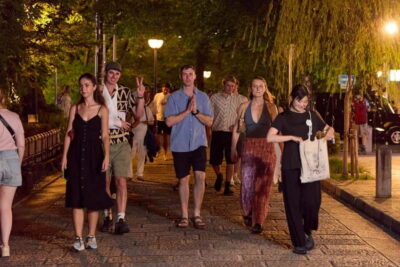
Gion Geisha District Walking Tour – Stories of Geisha
Read our review →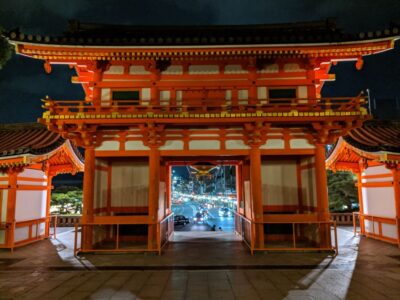
Best of Kyoto: Gion, Geisha, Pagodas & Cobblestones
Read our review →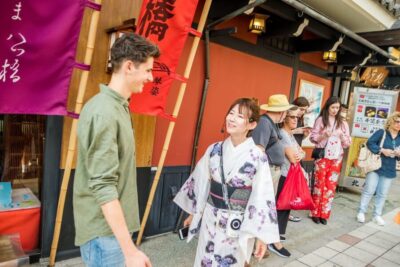
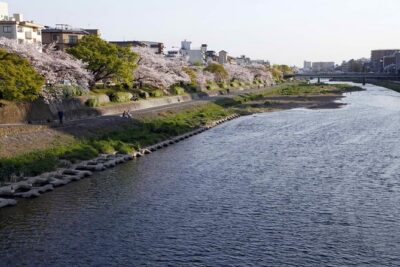
Kyoto Night Foodie Tour in Gion (9+ dishes + 6 Sake tastings)
Read our review →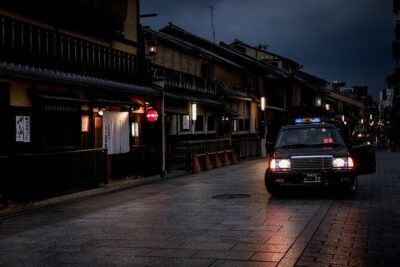
Kyoto Gion Geisha District Walking Tour – The Stories of Geisha
Read our review →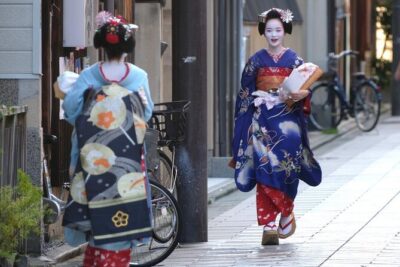
Kyoto Gion: 2-Hour Geisha Culture & History Walking Tour
Read our review →Browse the lists this tour appears in