
Reviewed · GION DISTRICT TOURS
Kyoto: Gion Highlights & Hidden Treasures Guided Tour
Kyoto’s Gion district is best understood on foot, and this 450-minute private or small-group tour gives you time to connect its famous streets with quieter religious sites. You move from teahouses and geisha history to temple gardens, city views, and shrines with unusual customs.
I like the mix of major sights and less obvious stops, especially Entoku-in and Yasaka Koushindo. I also like the guide flexibility: Yoshi changed Julie’s start time by two hours and added another temple, while Saya adjusted David’s route around places he had already seen.
The main drawback is the pace. Seven and a half hours on foot, with a 90-minute visit at Kiyomizu-dera and several other stops, can be tiring. Lunch is not included, so you should plan for that extra cost and tell the guide about dietary restrictions ahead of time.
Key points to know before booking
- Gion Shirakawa and Hanamikoji begin the day: You start among traditional wooden buildings, teahouses, and Kyoto’s classic street scenes.
- Three temple admissions are included: Your $102 price covers Kodaiji, Entoku-in, and Kiyomizu-dera.
- The route mixes famous and quieter places: Yasaka Shrine and Kiyomizu-dera share the day with Entoku-in, Yasaka Koushindo, and Yasui Konpiragu.
- The guide can adjust the experience: Private and small-group formats are available, with English and Japanese guiding.
- Lunch is a separate expense: The schedule allows one hour for lunch in Gion, but the meal itself is not covered.
- Expect a long walking day: The tour lasts 450 minutes and returns to the Izumo no Okuni statue.
Why this Gion tour works as a full-day introduction
Many Kyoto sightseeing plans divide Gion, Higashiyama, and Kiyomizu-dera into separate outings. This tour links them into one walking route. That saves you from working out how each temple fits together, while giving your guide room to explain the customs and stories behind the buildings.
The appeal is not simply the number of stops. You get a changing view of Kyoto throughout the day. Early on, the streets feel tied to the old entertainment district. Later, gardens and temple halls slow the pace. By the end, unusual shrines offer a more personal look at Japanese religious practice.
At $102 per person, the price makes the most sense if you value guidance and convenience. Three admission tickets are included, and the guide handles the sequence of stops. It is less attractive if you prefer to wander alone, skip explanations, or visit only one or two major sights.
A private or small-group format also matters here. Gion’s lanes and temple grounds are easier to manage with a compact group. You can tell the guide what you have already seen, as David did with Saya, and receive a route that avoids repeating familiar places.
More ways to walk Gion:
- Kyoto Geisha Walking Tour: Gion District & Hidden Gems
★ 4.7 · 3,273 reviews - Kyoto: Gion Magical Night Walking Tour with Geisha Trivia
★ 4.9 · 2,393 reviews - Kyoto: Gion Geisha District Walking Tour – Stories of Geisha
★ 4.7 · 2,187 reviews
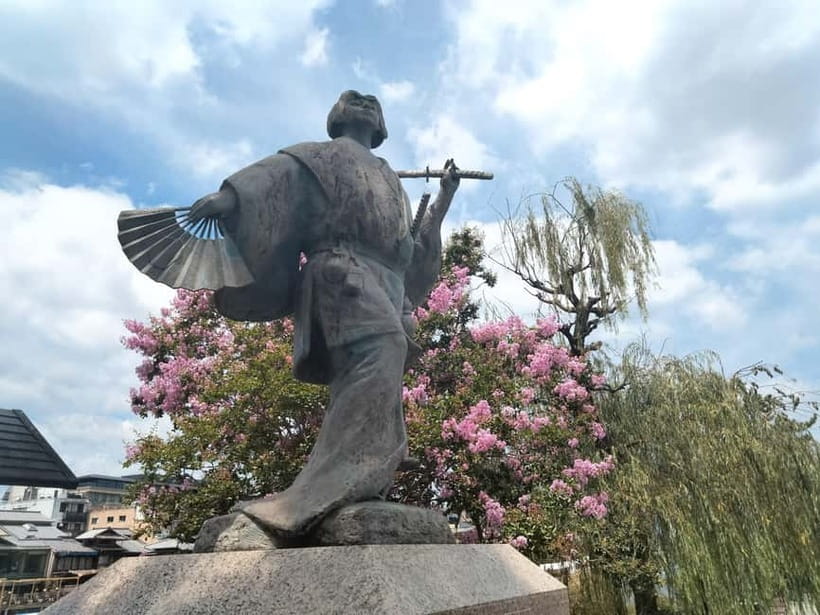
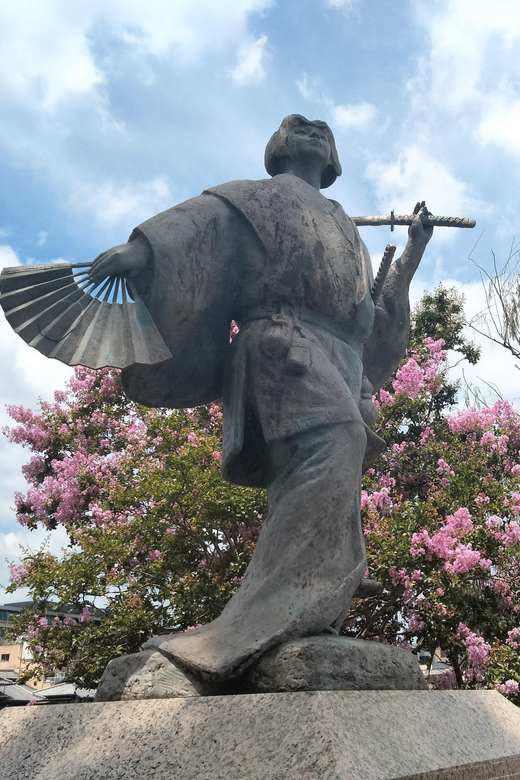
Starting beside the Izumo no Okuni statue
Meet in front of the statue of Izumo no Okuni at the east end of the Shijo Ohashi bridge. This is a useful starting point because the tour begins close to the main Gion area rather than requiring a long transfer to the first sight.
The opening walk gives you a chance to settle into the day. Ask your guide early about the planned pace, lunch, and any places you especially want to see. If you have dietary restrictions, provide that information in advance so the lunch stop can be handled sensibly.
The tour returns to this same statue at the end. That simple arrangement is helpful, since you do not need to figure out a new meeting point after a long day.
Gion Shirakawa and Hanamikoji Street
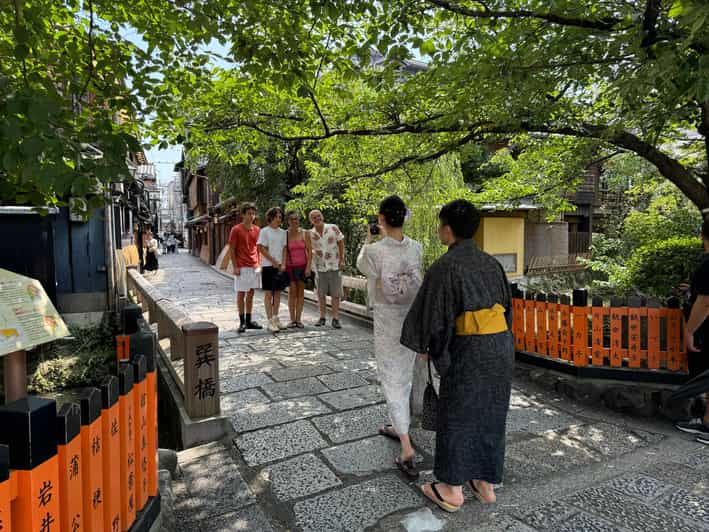
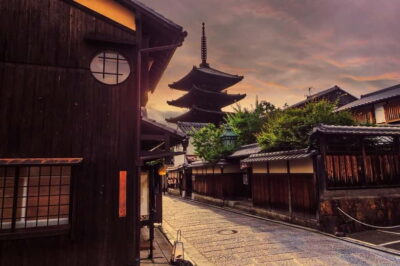
Gion Shirakawa Street is one of the prettiest parts of the route. The walk passes traditional teahouses and offers a calmer first look at the district than a straight march toward the larger temples. Wooden facades and the narrow street help explain why Gion remains one of Kyoto’s most recognizable areas.
You pass through this section for about 15 minutes, so expect an introduction rather than a slow, detailed neighborhood walk. It is a good moment to ask about the role of teahouses and the difference between seeing a historic district and entering its private working spaces.
Hanamikoji Street follows with another 15-minute passage. Its traditional architecture and connection with geisha culture make it a likely photo stop, although you should keep your camera use respectful and follow your guide’s advice. The route gives you context without treating Gion as a stage set.
These early stops are strongest for first-time visitors to Kyoto. If you have already spent a lot of time in Gion, tell the guide. The experience can be adjusted, and the guide may use the time to explain details you missed instead of repeating a basic orientation.
Yasaka Shrine and the walk to Kodaiji
Yasaka Shrine is the first formal shrine visit, with about 15 minutes set aside. It introduces Shinto practice in a lively setting and gives you a chance to see a major religious site before the quieter temples later in the day.
The short visit means you will not study every feature. Instead, pay attention to the atmosphere, the shrine layout, and the contrast between religious activity and the surrounding city streets. Your guide can help explain customs that may otherwise seem mysterious, including how visitors approach a shrine and what different offerings mean.
From Yasaka Shrine, you walk for about 15 minutes to Kodaiji. This is one reason comfortable shoes matter. The day is not a bus tour with brief steps between parked vehicles. Walking is the main way you experience this part of Kyoto.
A few more Kyoto tours worth putting on the shortlist
- PERFECT KYOTO 1-Day Bus Tour
★ 5.0 · 13,518 reviews - Kyoto: Fushimi Inari, Kinkakuji, Bamboo Grove 1 Day Bus Tour
★ 4.8 · 4,316 reviews - Kyoto: Tea Ceremony in a Traditional Tea House in Kiyomizu
★ 4.9 · 3,519 reviews - Kyoto: Tea Ceremony Ju-An at Jotokuji Temple
★ 4.9 · 3,207 reviews
One hour at Kodaiji Temple
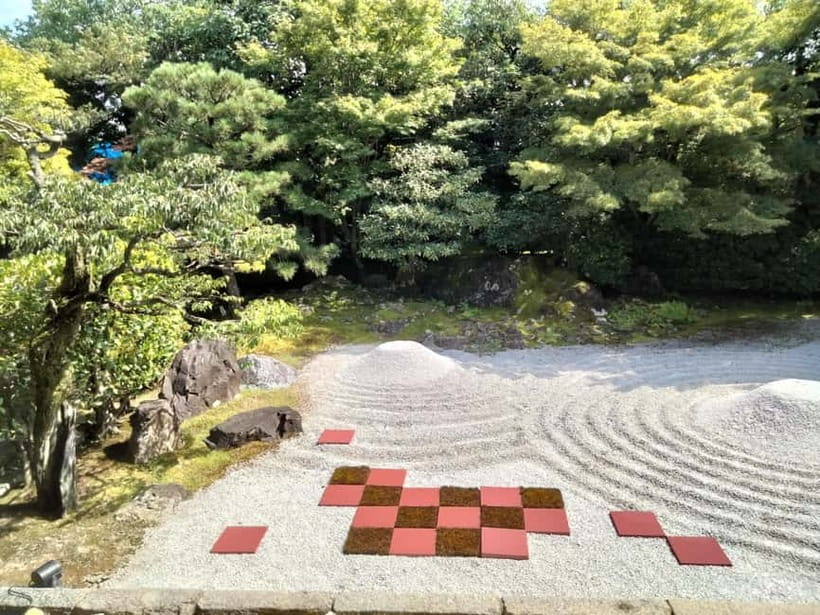
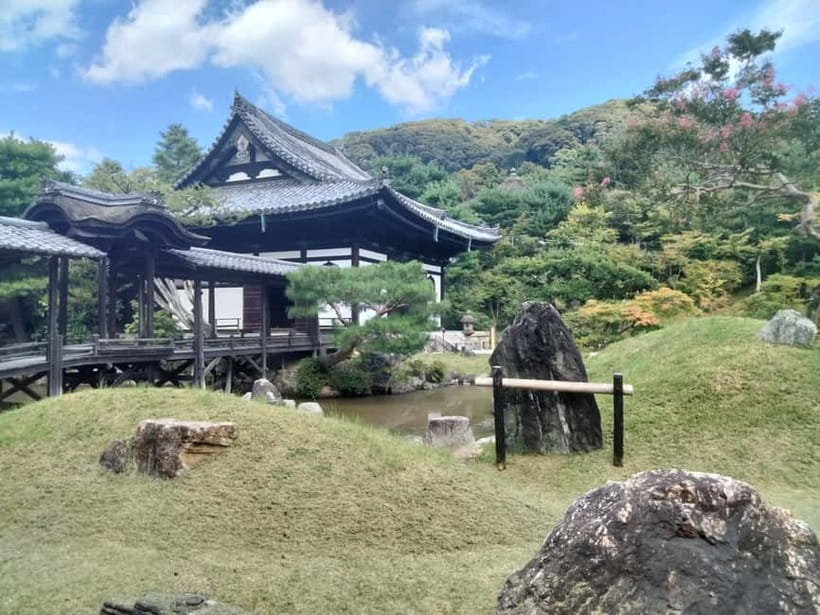
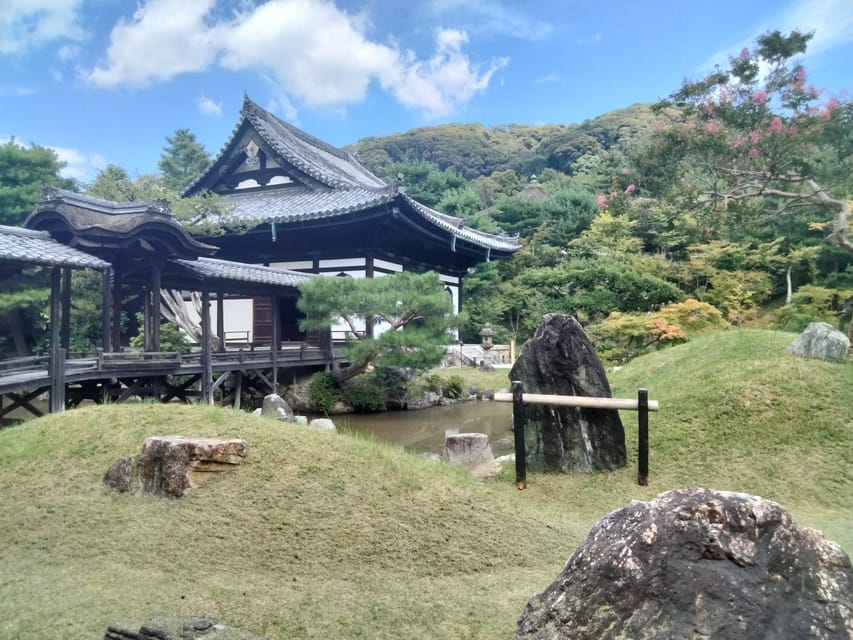
Kodaiji receives a full hour, making it one of the day’s central stops. The temple offers a more settled experience after the streets of Gion, with historic architecture and garden spaces that reward a slower pace.
The included admission is a real benefit. You do not have to decide at the gate if the visit is worth an additional charge, and the guide can direct your attention to the parts that fit your interests. If you care about architecture, gardens, or religious traditions, this is a good place to ask for more detail.
An hour is long enough to look carefully without turning the visit into an all-day stop. Still, the schedule remains fixed. If you like spending extended time sketching, photographing, or sitting quietly, you may find the group pace quicker than an independent visit.
Entoku-in, a quieter temple pause
Entoku-in follows Kodaiji and receives about 25 minutes. This smaller stop changes the rhythm again. Rather than moving from one famous landmark to another, you get a more intimate temple visit within the same historic area.
The entry ticket is included. That matters because the tour uses several paid sites, and the admissions would otherwise add up during a full day. Entoku-in is also the sort of place that can be easy to miss when you focus only on Kyoto’s most famous names.
Twenty-five minutes is a compact visit, so listen closely as the guide points out what makes the temple worth your time. This is not the stop for a long, unhurried meditation. It is a concise look at a quieter side of the district.
A one-hour lunch break in Gion
Lunch is scheduled for one hour in Gion, but you pay for the meal separately. The supplied information does not name a restaurant, so treat this as a planned pause rather than a fixed dining experience.
That gives you some flexibility. Tell the guide about dietary restrictions before the tour, not when you are already hungry and standing outside a restaurant. You may also want to confirm the expected lunch style and price range when you meet.
The break is important in a seven-and-a-half-hour walking day. It gives your feet a rest before Kiyomizu-dera, the longest formal visit. Do not think of lunch as wasted sightseeing time. Without a proper pause, the final shrines may receive less attention than they deserve.
Kiyomizu-dera and its city views
Kiyomizu-dera is the largest stop of the day, with 90 minutes scheduled and admission included. As a UNESCO World Heritage site, it is the tour’s major landmark and the place most likely to attract a large crowd.
The reward is scale. Historic buildings, religious spaces, and broad views across Kyoto make this a strong counterpoint to the narrow lanes of Gion. You will want time for the views, the architecture, and the guide’s explanation of the site, so the 90-minute allocation feels appropriate.
The drawback is also clear: this is a popular place. The experience may feel less quiet than Kodaiji or Entoku-in, especially at busy times. A guide cannot remove the crowds, but a good one can help you understand what you are seeing and keep the visit from becoming only a photo stop.
Because Kiyomizu-dera comes after lunch, save some energy for it. The route has already included Gion, Yasaka Shrine, Kodaiji, and Entoku-in. If you are not used to long walks, this is where the day’s length may become noticeable.
Yasaka Koushindo and its colorful wishes balls
After Kiyomizu-dera, the route turns to Yasaka Koushindo Temple for about 20 minutes. Its colorful display of wishes balls gives you a sharp visual change from the restrained temple grounds earlier in the day.
This stop is useful because it shows how Kyoto’s religious sites can have very different personalities. The colorful objects are not simply decoration. Your guide can explain their meaning and place them within the customs of the site.
Twenty minutes is enough for a look and a short explanation. It is also a good late-day stop because it offers something visually distinct when you may be ready for a change from large temple halls and formal gardens.
Yasui Konpiragu and the final blessing
The final visit is Yasui Konpiragu, also called Yasui Kompira-gu Shrine, with about 20 minutes scheduled. The shrine is associated with breaking bad habits and seeking better relationships, giving it a personal focus unlike the grander sites earlier in the day.
This is a place where the meaning of the visit matters as much as the building itself. You can ask the guide about the shrine’s customs and the proper way to approach its blessing ritual. The stop offers a memorable close because it connects religious practice with everyday hopes.
It also helps that the ending is not another large landmark. After a full day of major streets and temples, Yasui Konpiragu brings the experience back to individual wishes and spiritual renewal. From there, you return to the Izumo no Okuni statue.
Guides, flexibility, and the human side of the tour
The tour is available in English or Japanese, with private and small-group options. Two named guides provide useful clues about the kind of service you may receive.
Yoshi adjusted Julie’s starting time by two hours and helped add a temple that was not part of the planned route. That suggests useful flexibility, though you should still request changes before the tour rather than assume every alteration will be possible.
Saya changed David’s route after learning which sites he had already visited. She also directed him to a restaurant and shopping area for later. This is valuable if you have limited Kyoto time and want advice beyond the scheduled stops.
The strongest praise here concerns the guides’ personal attention, clear explanations, and ability to adapt. That is the main reason to choose this experience over following a map independently. Guide quality can vary by assignment, so these examples should be treated as a sign of what to ask for, not a promise that every tour will follow the same pattern.
Walking effort, timing, and practical value
The tour lasts 450 minutes, or seven and a half hours. The schedule includes two 15-minute street passages, a 15-minute walk between Yasaka Shrine and Kodaiji, temple visits, lunch, and the return walk. You should expect a full day on your feet.
Wear comfortable shoes and keep your day free after the tour. The route has enough scheduled content that adding another major attraction afterward would be ambitious. The benefit is that you cover a lot of central Kyoto without spending time planning connections between each site.
The $102 price includes entry to Kodaiji, Entoku-in, and Kiyomizu-dera, plus the guide. Yasaka Shrine, Yasaka Koushindo, and Yasui Konpiragu are included as visits, while lunch is extra. The value is strongest for a first visit, a private booking, or anyone who wants cultural explanation along with sightseeing.
Free cancellation is available up to 24 hours before the start for a full refund, and you can reserve now and pay later. Starting times depend on availability, so check the schedule before building the rest of your Kyoto day around it.
Should you book this Gion tour?
Book it if you want one organized day that joins Gion’s traditional streets, Kyoto’s major temples, and smaller religious sites. It suits first-time visitors, couples, families, and anyone who prefers a guide to explain customs rather than simply point out buildings.
I would especially consider it if you have already seen one or two of the headline sights and want a route that can be adjusted. The examples with Yoshi and Saya show why a private or small-group booking can be worthwhile.
Skip it if you dislike structured days, want long quiet periods at each temple, or would rather choose your own lunch and route. The walking is substantial, the day is long, and the meal is not included.
For most people seeking a broad, guided introduction to historic Gion, the combination of included admissions, flexible guiding, and lesser-known religious stops makes the price reasonable. Just arrive ready to walk, ask for the pace and lunch plan, and save some energy for Kiyomizu-dera.
FAQ
Where does the tour start?
Meet in front of the statue of Izumo no Okuni at the east end of the Shijo Ohashi bridge.
Where does the tour finish?
The tour returns to the statue of Izumo no Okuni.
How long does the tour last?
The tour lasts 450 minutes, or seven and a half hours.
Is lunch included?
No. Lunch is scheduled for one hour in Gion, but you pay for it separately.
Which temple admission tickets are included?
Entry to Kodaiji Temple, Entoku-in Temple, and Kiyomizu-dera is included.
What languages are available?
The tour is available with a live guide in English or Japanese.
Is this a private tour?
Private and small-group formats are available.
Can I share dietary restrictions?
Yes. You should provide dietary restrictions in advance.
Can I cancel for a full refund?
Yes. You can cancel up to 24 hours in advance for a full refund.
Can I reserve without paying immediately?
Yes. The reserve-now, pay-later option lets you hold a place without paying today.
Newest Kyoto experiences on the site
- Treasures of Kyoto: Gion & historical Walking Tour★ 5.0 · 6 reviews
- Whisk Your Own Matcha: A Zen Matcha Experience at Temple★ 3.6 · 7 reviews
- Kyoto tea town for matcha lovers★ 5.0 · 16 reviews
- Uji: Private immersion into Kyoto’s tea and reglious culture★ 5.0 · 17 reviews
- Kyoto Matcha Green Tea Tour★ 4.5 · 23 reviews
- Uji and Wazuka Matcha Farm Half Day Private Guided Tour★ 5.0 · 21 reviews
- Utilising upcycled Matcha! Creating matcha incense (Uji, Kyoto)★ 5.0 · 6 reviews
- Sacred Temple Yoga Experience in Japan★ 5.0 · 3 reviews
Gion District Tours, compared.
Kyoto Geisha Walking Tour: Gion District & Hidden Gems
Read our review →
Gion Magical Night Walking Tour with Geisha Trivia
Read our review →
Gion Geisha District Walking Tour – Stories of Geisha
Read our review →
Best of Kyoto: Gion, Geisha, Pagodas & Cobblestones
Read our review →
Kyoto Night Foodie Tour in Gion (9+ dishes + 6 Sake tastings)
Read our review →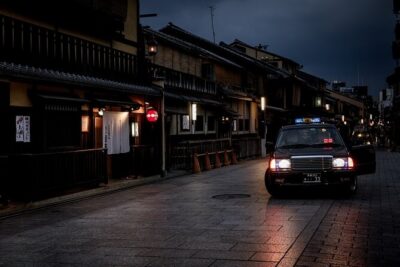
Kyoto Gion Geisha District Walking Tour – The Stories of Geisha
Read our review →
Kyoto Gion: 2-Hour Geisha Culture & History Walking Tour
Read our review →Browse the lists this tour appears in