
Reviewed · GION DISTRICT TOURS
Kyoto Geisha District Walking Tour in Gion
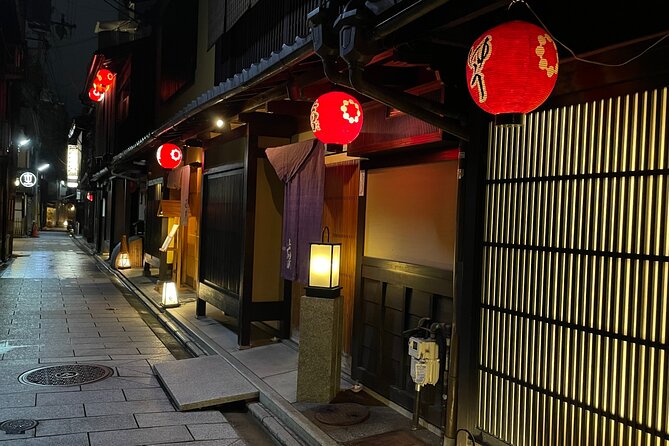
Gion becomes most atmospheric when the lanterns come on and the narrow lanes begin to glow. This two-hour walking tour leads you from Yasaka Shrine through wooden machiya streets, small shrines, bridges, and canal-side paths, with a guide explaining how geiko, maiko, tea houses, and Shinto traditions fit together.
I like the small group, capped at 10 people, which makes it easier to hear explanations and ask questions. I also like the route’s mix of famous sights and quieter back streets, especially Tatsumi Bridge and Gion Shirakawa. The main caution is that guide quality can vary: many guides, including Takuma, Yuko, Yoko, Tom, Yuji, and Hide, have drawn warm praise, but a few visitors found the commentary disorganized or too basic.
Key points to know before you book
- A compact introduction to Gion: See Yasaka Shrine, the Shirakawa Canal area, Tatsumi Bridge, and Hanamikoji Street in about two hours.
- A small group of no more than 10: The size suits questions, photos, and a more personal pace.
- Geiko and maiko are explained in context: The guide covers customs, work, dress, and the district’s traditional entertainment culture.
- Several excellent photo stops: Lanterns, waterways, wooden machiya houses, shrine architecture, and narrow lanes provide variety.
- A walking tour with practical limits: Wear good shoes, expect stairs, and prepare for rain or strong summer heat.
- Seeing a geiko or maiko is never guaranteed: Some departures have caught them heading to evening appointments, but that is luck, not the main attraction.
Why Gion makes a good walking tour
Gion is easy to wander through, but it is not always easy to understand. A wooden house may look like a small restaurant, private residence, or tea house, and the difference matters. The district’s quiet lanes also carry rules about photography, privacy, and respectful behavior that are best explained on the spot.
This tour gives you a framework for what you see. At Yasaka Shrine, you learn about Shinto customs. In the lanes of Gion, you connect those traditions with the district’s geiko and maiko culture. At Hanamikoji Street and Gion Corner, you get a sense of how Kyoto presents traditional arts today.
The route is also efficient. You are not spending half your afternoon trying to work out which lane leads to Shirakawa Canal or which shrine is Tatsumi Daimyojin. For $29.85 per person, the price is reasonable if you want cultural context rather than a simple photo walk. You are paying mainly for the guide’s explanations and route planning, not admissions, transport, food, or a performance.
The tour begins and ends at Gion Kōbu Kaburenjō, at 570-2 Gionmachi Minamigawa. That return point is useful if you plan dinner in Gion afterward, and the guide can help you find your way back. You need to arrange your own transport to and from the meeting point.
More ways to walk Gion:
- Kyoto Geisha Walking Tour: Gion District & Hidden Gems
★ 4.7 · 3,273 reviews - Kyoto: Gion Magical Night Walking Tour with Geisha Trivia
★ 4.9 · 2,393 reviews - Kyoto: Gion Geisha District Walking Tour – Stories of Geisha
★ 4.7 · 2,187 reviews
Yasaka Shrine gives you the cultural starting point
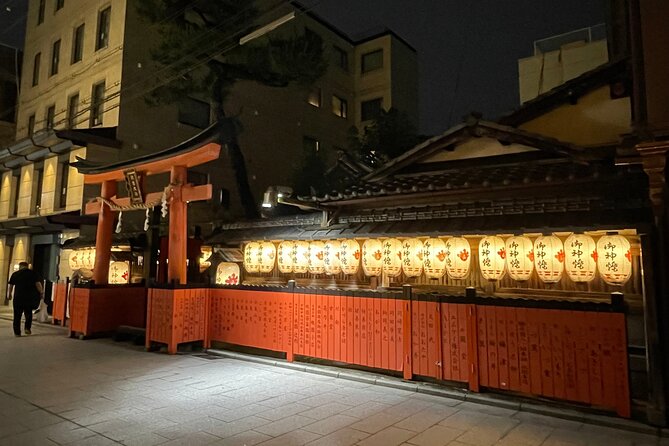
The tour spends about 40 minutes at Yasaka Shrine, the largest planned stop. This is a sensible place to begin because the shrine gives you a clear introduction to Shinto worship and the spiritual side of Kyoto.
You can look at the gates, lanterns, buildings, and open shrine grounds while your guide explains what you are seeing. The stop is free, so you are not paying an extra entrance charge. It also gives you time to ask questions before the walk moves into the narrower streets.
I would not rush this part. Gion is often introduced only as a place to spot geisha, but Yasaka Shrine shows that the neighborhood has another identity. The shrine’s presence helps explain why the district is more than a collection of picturesque lanes and restaurants.
The tour takes place rain or shine, so the shrine stop can feel very different in wet weather or summer heat. Bring water, use sun protection when needed, and wear shoes that can handle several hours on foot.
Gion’s narrow lanes reveal the working district
The main Gion area receives about 20 minutes, followed later by another 20-minute look at a different part of Gion. That split is helpful because the district is not one single street or viewpoint. You move between broad, well-known routes and quieter lanes where the atmosphere changes quickly.
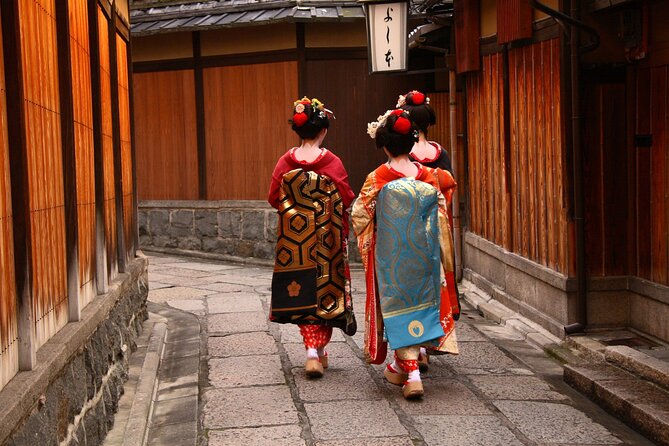
Your guide explains the role of geiko and maiko, the differences in their training and appearance, and the customs connected with their work. The exact depth depends on who leads your group. Takuma has been praised for clear explanations and an easy sense of humor, while Yuko, Yoko, Yuji, Tom, Eric, and Hide have also received strong comments for their warmth and cultural explanations.
Do not expect a formal geisha performance on this walk. The focus is the neighborhood itself, with commentary about the people and traditions connected to it. If you happen to see a geiko or maiko moving between appointments, treat that as an unexpected bonus and give them space.
Several people have been lucky enough to see one, two, three, or even four during a walk. That sounds exciting, but the timing cannot be promised. Booking this tour mainly for a sighting would set you up for disappointment.
Tatsumi Daimyojin adds a quiet shrine stop
Tatsumi Daimyojin Shrine is a brief stop of about five minutes, but it adds another layer to the route. The shrine is associated with protection, good fortune, and safety, including protection for travelers and warriors, and dates to the Heian period.
The short visit works as a pause between the busier parts of Gion. You may not spend long enough here for a detailed visit on your own, so listen closely while the guide explains why this small shrine matters.
This is also where a good guide makes a real difference. A basic walk might point at the shrine, take a group photo, and move on. A stronger guide connects its religious purpose with the wider history of Kyoto and the beliefs that still shape everyday visits to shrines.
One criticism raised about some departures is that the guide focused too heavily on taking photos or asked the group to guess answers in a way that felt childish. If you want a serious cultural discussion, ask direct questions and make clear that you prefer explanation over posed photos.
More geisha and maiko evenings in Kyoto:
- Best of Kyoto: Gion, Geisha, Pagodas & Cobblestones
★ 4.9 · 2,058 reviews - Night Walk in Gion: Kyoto’s Geisha District
★ 4.5 · 2,003 reviews - Kyoto Gion Geisha District Walking Tour – The Stories of Geisha
★ 5.0 · 1,441 reviews - Kyoto Gion: 2-Hour Geisha Culture & History Walking Tour
★ 5.0 · 1,186 reviews
Tatsumi Bridge and Shirakawa Canal supply the best photographs
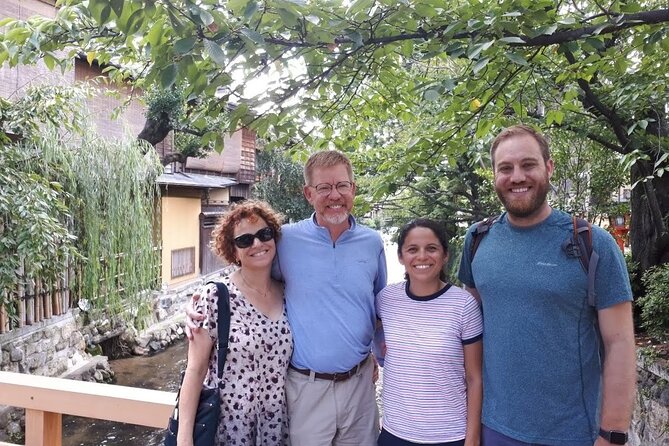
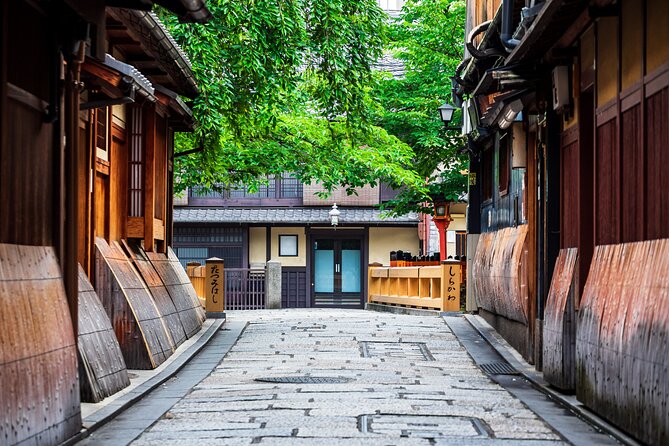
Tatsumi Bridge takes about 10 minutes and is one of the prettiest points on the route. The small traditional bridge is surrounded by wooden machiya houses and narrow lanes, giving you a compact view of old Gion without needing a long detour.
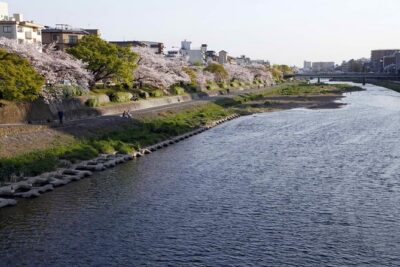
Nearby Gion Shirakawa follows the canal. The waterway is lined with traditional wooden buildings and, in season, weeping cherry trees. This section is quieter and more scenic than the main commercial streets, making it a good place for photographs and a breather from the walking.
I especially like this part of the route because it shows why Gion remains so visually memorable. You are not only looking at one shrine or one landmark. You are seeing how buildings, water, bridges, and lantern-lit lanes work together.
Photography needs a little care here. The area can be narrow, and the district includes private homes and working businesses. Keep your group moving when asked, avoid blocking entrances, and do not treat people in traditional dress as public decorations.
Hanamikoji Street shows Gion’s public face
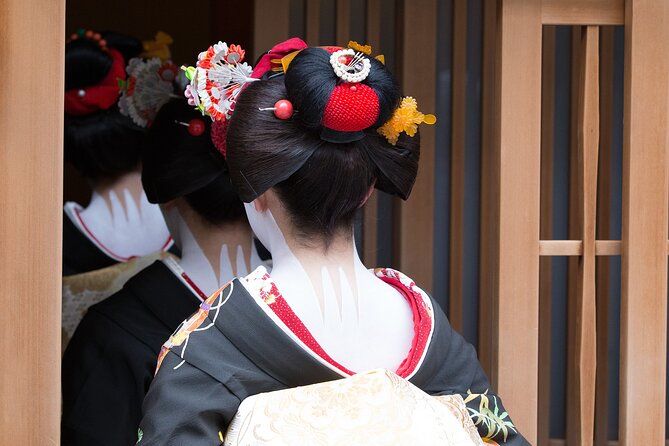
Hanamikoji Street receives about 10 minutes. It is one of Gion’s main roads, lined with machiya houses, tea houses, restaurants, and shops. The street gives you the polished, recognizable image of Kyoto’s old entertainment quarter.
A guide can help you read the street beyond its appearance. You learn where traditional businesses operate, how the architecture differs from ordinary modern storefronts, and why the area attracts so many people.
Ten minutes is enough for an orientation, not a full exploration. If you want to browse shops or return for dinner, plan separate time after the tour. The walking route is designed to introduce the street, not give you a long shopping break.
Gion Corner is also included as a point of interest. It is a cultural venue associated with traditional art performances. The walk does not include a performance ticket, so treat this as part of the neighborhood explanation rather than a theater visit.
The guide can make or break the experience
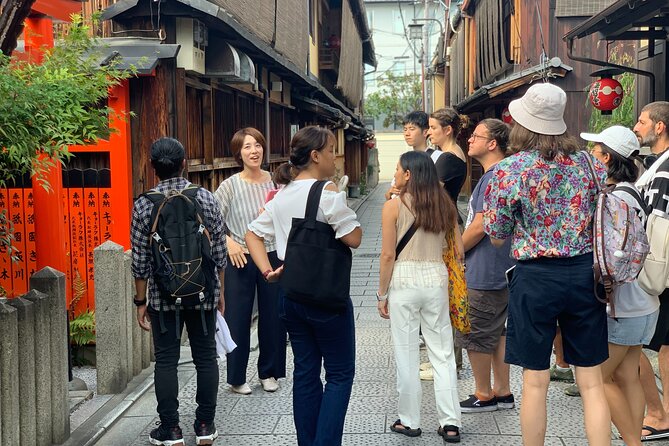
The strongest part of this tour is the human explanation. You can find Yasaka Shrine, Hanamikoji Street, and Shirakawa Canal on a map. What you cannot easily find in a map app is a clear explanation of geiko life, the difference between geiko and maiko, shrine customs, or the way Gion’s lanes function.
Many guides have made a strong impression. Takuma is often described as friendly, funny, and especially good at explaining geisha customs. He has even tried speaking some Spanish with a group. Yoko and Yuko are praised for creating a comfortable, informative walk, while Tom is noted for explaining the shrine, religions, and geisha culture in clear terms.
Hide has been credited with finding a good location at the right time when geiko were leaving one appointment for another. That kind of timing can add excitement, but it should not be confused with a guaranteed part of the tour.
There is a less positive side. At least some departures have suffered from weak English, poor organization, too many selfies, or explanations aimed at young children. One person felt the guide spent more energy taking group photos than teaching. The high overall score suggests these cases are not the usual experience, but they are worth keeping in mind.
How much walking and time should you expect?
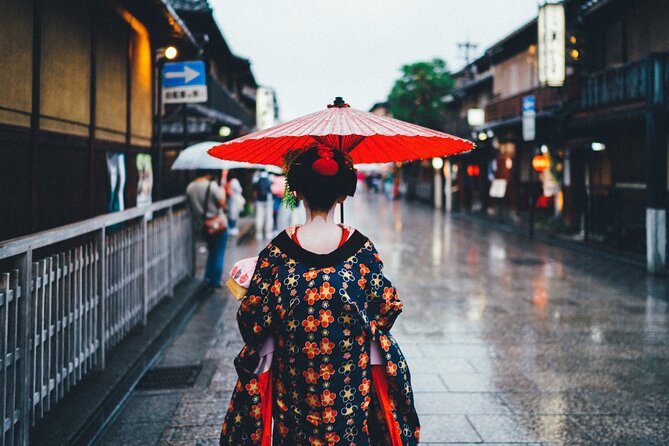
The experience lasts about two hours and includes several stops spread across Gion. The listed stop times add up to much of the tour, with the remaining time used for walking between locations and the additional canal and Gion sections.
This is not a strenuous hike, but it is a real walking tour. Comfortable shoes are important, especially on uneven streets and during hot weather. The tour is not suitable for people who cannot manage stairs, and children must be accompanied by an adult.
The tour operates in all weather. A rainy walk may still be attractive around the canal and lanterns, but it will require suitable clothing. In warm months, the heat can be tiring, so carry water and pace yourself.
The meeting point is near public transportation. Since there is no hotel pickup, allow enough time to reach Gion Kōbu Kaburenjō. A mobile ticket makes entry simple, but your phone needs to be available at the start.
Is $29.85 good value?
At $29.85, this is a fairly priced introduction to one of Kyoto’s most visited districts. The small group limit matters. With no more than 10 people, you have a better chance of hearing the guide in narrow streets and asking about details that catch your attention.
The cost does not include transportation, food, drinks, hotel pickup, or personal expenses. Admission to the listed sights is free, so there are no surprise entry fees for the main route. You are buying orientation, storytelling, and convenience.
I would consider it good value for a first visit to Kyoto, especially if you have only a short time in Gion. It is less useful if you have already studied geiko culture, know the district well, and prefer exploring at your own pace.
A kimono option may be available with the booking. If you choose it, you must walk about five minutes from the rental shop to the Japan Kanji Museum and Library after changing. You also need to return the kimono by 5:30 p.m. That plan adds dressing logistics, so check the timing carefully before choosing it.
Who should book this Gion walk?
I would recommend this tour to first-time visitors who want more than photographs. Families can take part, and the route has worked for groups with children aged 10 and 13. The short length also fits well between other Kyoto plans.
It suits you if you want to ask questions, understand what you are seeing, and avoid getting lost among Gion’s lanes. It is also useful for anyone who wants a gentle cultural introduction before visiting a traditional performance or eating in the district.
I would be cautious if you need step-free access, dislike walking in poor weather, or expect a guaranteed geisha sighting. I would also choose a different type of experience if your main goal is a long, academic lecture or an actual traditional arts performance.
Should you book it?
Book this Gion walking tour if you want a compact route, a small group, and a guide who can connect shrines, architecture, geiko culture, and daily life. The best parts are the 40-minute Yasaka Shrine visit, the canal and bridge scenery, and the chance to see Gion through quieter lanes rather than only its main street.
Go with realistic expectations. A geiko sighting is luck, Gion Corner is not a performance included in the walk, and guide quality can differ. At $29.85, the tour offers solid value when your guide is organized and engaging. Check the weather, wear good shoes, and book at least 24 hours ahead if you want the option of a full refund.
FAQ
How long does the Kyoto Geisha District Walking Tour last?
The tour lasts approximately two hours.
Where does the tour begin and end?
It begins and ends at Gion Kōbu Kaburenjō, 570-2 Gionmachi Minamigawa, Higashiyama Ward, Kyoto. The guide can help you find your way back to the meeting point.
What places are included in the walking route?
The route includes Yasaka Shrine, Gion, Tatsumi Daimyojin Shrine, Tatsumi Bridge, Gion Shirakawa, another section of Gion, Hanamikoji Street, and an explanation of Gion Corner.
Is seeing a geiko or maiko guaranteed?
No. You may happen to see a geiko or maiko moving between appointments, but sightings depend on timing and chance.
Is the tour suitable for children?
Children can join, but they must be accompanied by an adult. The experience has also been taken by families with children aged 10 and 13.
What happens if I need to cancel?
You can receive a full refund if you cancel at least 24 hours before the local start time. Cancellations or changes made within 24 hours are not accepted for a refund.
More Walking Tours in Kyoto
- Nishiki Market Brunch Walking Tour (7 Tastings + Brunch)
★ 5.0 · 1,355 reviews - Kyoto Arashiyama Walking Tour: Bamboo, Monkeys, Gardens & Secrets
★ 5.0 · 1,216 reviews - Kyoto: Izakaya Bars Guided Walking Tour
★ 4.9 · 815 reviews - Kyoto Gion Night Walk & Geisha District Guided Tour
★ 5.0 · 786 reviews
Newest Kyoto experiences on the site
- Whisk Your Own Matcha: A Zen Matcha Experience at Temple★ 3.6 · 7 reviews
- Treasures of Kyoto: Gion & historical Walking Tour★ 5.0 · 6 reviews
- Kyoto tea town for matcha lovers★ 5.0 · 16 reviews
- Uji: Private immersion into Kyoto’s tea and reglious culture★ 5.0 · 17 reviews
- Kyoto Matcha Green Tea Tour★ 4.5 · 23 reviews
- Uji and Wazuka Matcha Farm Half Day Private Guided Tour★ 5.0 · 21 reviews
- Utilising upcycled Matcha! Creating matcha incense (Uji, Kyoto)★ 5.0 · 6 reviews
- Sacred Temple Yoga Experience in Japan★ 5.0 · 3 reviews
Gion District Tours, compared.
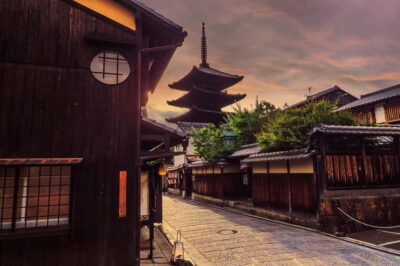
Kyoto Geisha Walking Tour: Gion District & Hidden Gems
Read our review →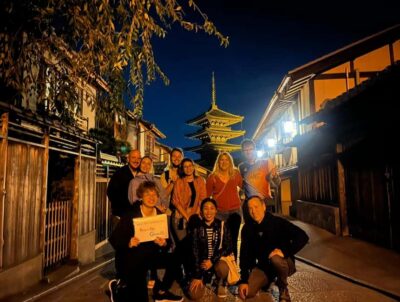
Gion Magical Night Walking Tour with Geisha Trivia
Read our review →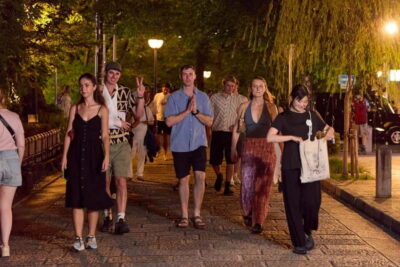
Gion Geisha District Walking Tour – Stories of Geisha
Read our review →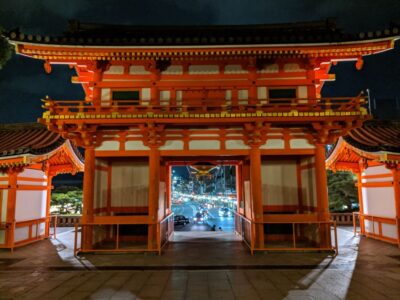
Best of Kyoto: Gion, Geisha, Pagodas & Cobblestones
Read our review →
Kyoto Night Foodie Tour in Gion (9+ dishes + 6 Sake tastings)
Read our review →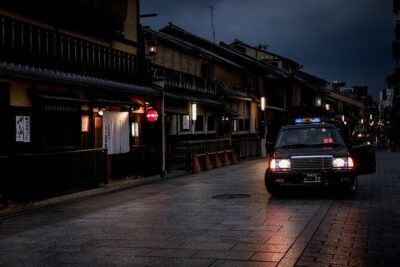
Kyoto Gion Geisha District Walking Tour – The Stories of Geisha
Read our review →
Kyoto Gion: 2-Hour Geisha Culture & History Walking Tour
Read our review →Browse the lists this tour appears in