Reviewed · TICKETS
Kyoto Aquarium Admission Ticket
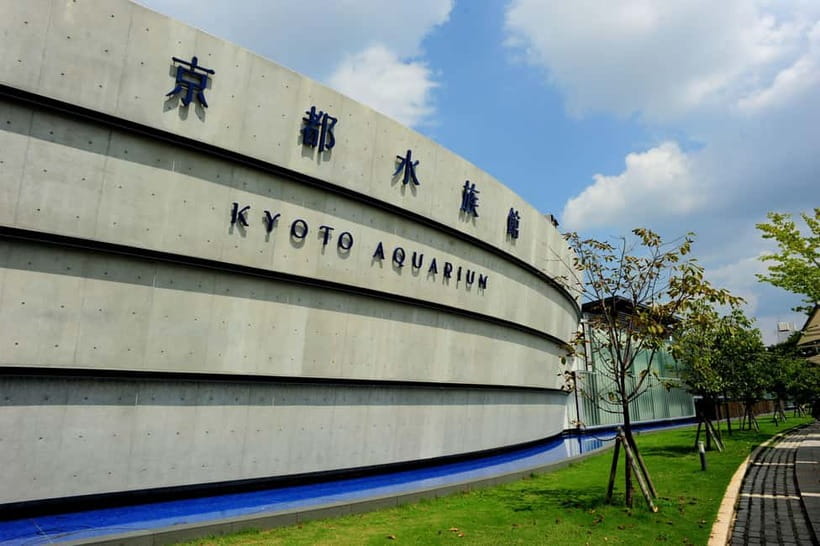
Kyoto Aquarium brings together dolphins, penguins, and giant salamanders in a thoughtful setting inside Umekoji Park. The giant salamanders are the real local surprise: ancient, rare creatures that connect the aquarium to Japan’s rivers and Kyoto’s water supply.
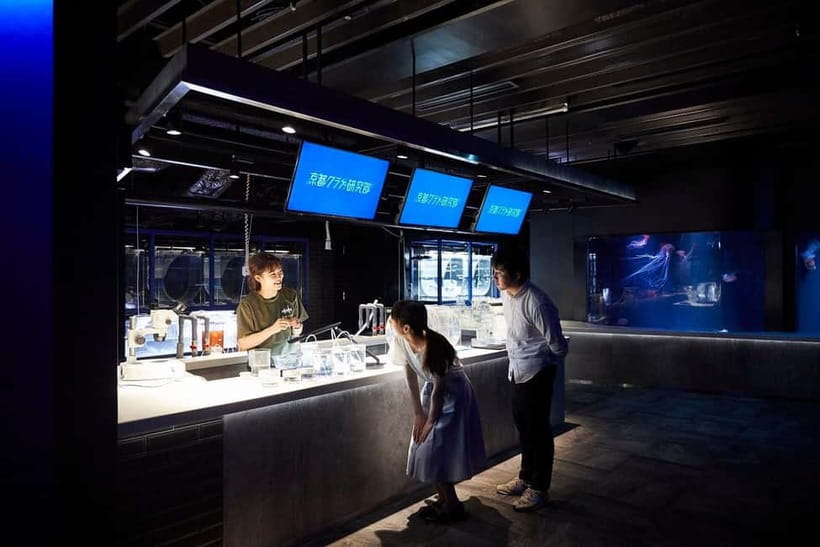
I like the aquarium’s satoyama display, which shows how people, farmland, forests, and water can exist side by side. I also like that you can speak with breeding staff about the animals, rather than simply pass glass tanks and move on.
The main drawback is that you cannot re-enter once you leave, so plan your visit with care. Flash photography is also off-limits to protect the animals, and the dolphin performance may be less appealing if you prefer a quiet, observation-based aquarium.
Key points
- Dolphin performances: Watch dolphins show their agility and intelligence in a lively presentation.
- Penguin personalities: Spend time observing penguins, each with its own behavior and character.
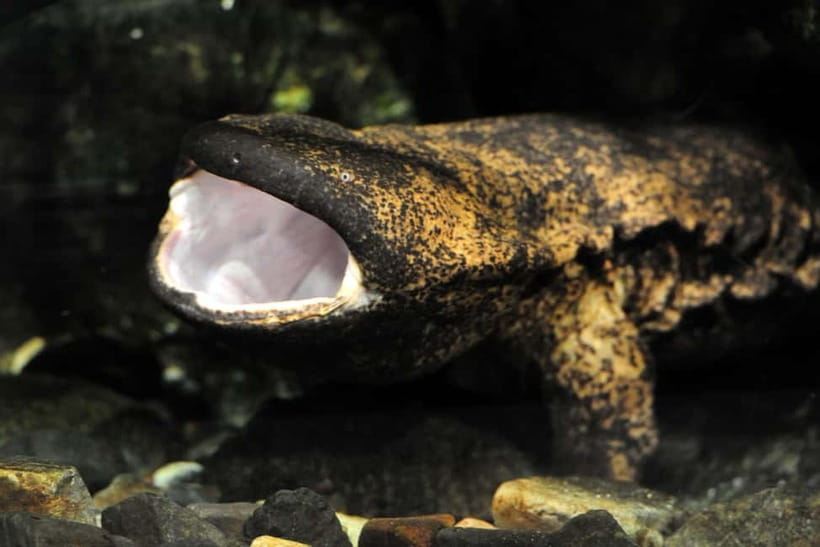
- Rare giant salamanders: See ancient giant salamanders in a dedicated exhibit.
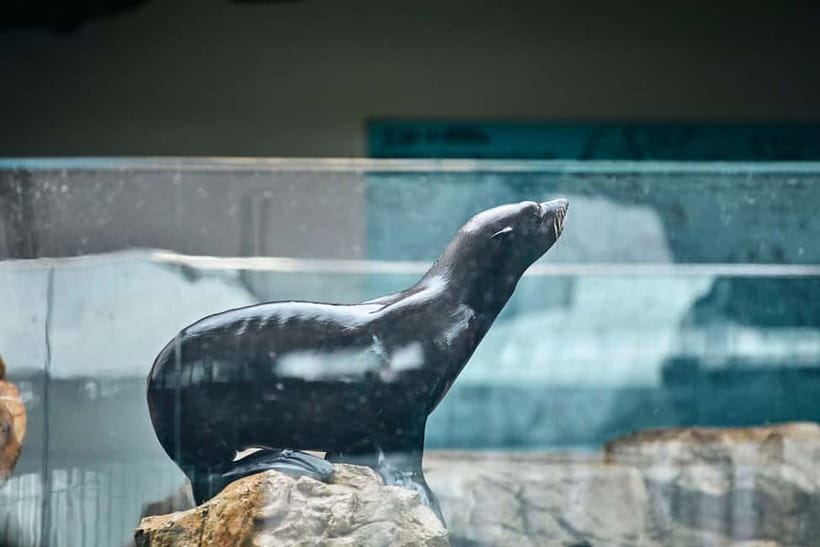
- Jellyfish and seals: Allow extra time for the jellyfish aquariums and seal area, two especially memorable parts of the visit.
- Satoyama in the city: Explore a recreated traditional Japanese rural setting shaped by forests, fields, and water.
- Useful visit rules: The ticket is valid for one day, allows no re-entry, and the building is wheelchair accessible.
Why Kyoto Aquarium feels different
Many city aquariums focus on spectacle. Kyoto Aquarium adds a quieter idea: water connects animals, people, farms, forests, and daily life. That theme appears in the exhibits, especially the giant salamander display and the recreated satoyama setting.
The aquarium sits in Umekoji Park, where lawns and wooded areas give you a calmer setting before and after the indoor exhibits. You are not visiting a remote nature center, but the park helps the aquarium feel less boxed in than many urban attractions.
I would plan for more time than you might expect. A quick visit is possible, but the range of exhibits rewards a slower pace. One recent visit that was expected to take a couple of hours stretched into several more, especially because the jellyfish aquariums and seals held attention so well.
The ticket is priced at $16 per person. That is a fair deal if you want a substantial indoor activity with several different types of exhibits, rather than a small aquarium you can finish in under an hour. The value is strongest for families, animal lovers, and anyone who wants a flexible day in Umekoji Park.
Other Kyoto mornings and afternoons people book alongside this one:
- PERFECT KYOTO 1-Day Bus Tour
★ 5.0 · 13,518 reviews - Kyoto: Fushimi Inari, Kinkakuji, Bamboo Grove 1 Day Bus Tour
★ 4.8 · 4,316 reviews - Kyoto: Tea Ceremony in a Traditional Tea House in Kiyomizu
★ 4.9 · 3,519 reviews
Start with the animals that define the aquarium
The main animal highlights are dolphins, penguins, seals, jellyfish, and giant salamanders. Each area offers a different kind of experience, so the aquarium does not feel like one long row of similar tanks.
The dolphins provide the most active part of the visit. Their performances show agility and intelligence, giving you a chance to see the animals moving at speed rather than only gliding through a pool. If you enjoy scheduled presentations, this is likely to be one of the liveliest sections.
Still, the performance may not suit everyone. Some people prefer aquariums that focus only on natural behavior and quiet viewing. If that is your style, give yourself plenty of time with the other exhibits instead of making the dolphin presentation the main reason for your visit.
The penguin area has a more personal appeal. Rather than treating the animals as one identical group, the aquarium encourages you to notice individual personalities. Watch for differences in how they move, rest, or respond to the activity around them.
That kind of viewing takes patience. You may not see dramatic action every moment, but the slower pace is part of the pleasure. Families can turn the exhibit into a simple observation game by looking for different behaviors and spending time with individual birds.
Allow extra time for jellyfish and seals
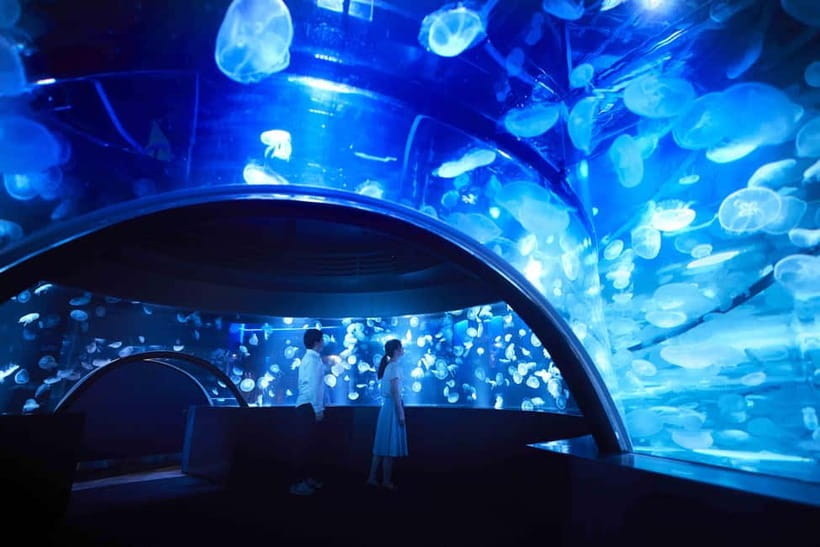
The jellyfish aquariums received especially strong praise for their presentation. Jellyfish are easy to overlook in a fast visit, but carefully lit tanks can make their slow movement surprisingly absorbing.
I recommend saving more time than you think you need for this section. The appeal is not noise or action. It comes from watching the animals pulse and drift while the rest of the aquarium fades into the background.
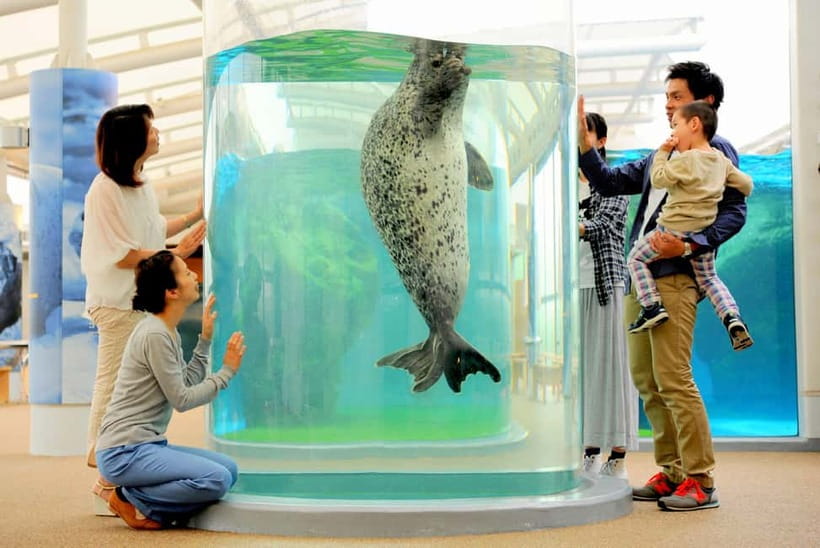
The seals offer a change of pace. After the delicate movement of the jellyfish, seals bring more visible energy and personality. They are a close second for many people who enjoy the aquarium’s animal displays.
This combination is one reason the admission feels worthwhile. You get active dolphins, expressive penguins, calm jellyfish, lively seals, and unusual amphibians in one building. Each stop asks you to look in a different way.
Meet Kyoto’s giant salamanders

The giant salamander exhibit is one of the aquarium’s most distinctive features. These animals are ancient and rare, and their presence gives the visit a clear connection to Japanese rivers and freshwater habitats.
Do not expect the bright colors or fast movement associated with tropical fish. Giant salamanders are more subdued animals, and their importance comes from what they represent. They help explain the value of clean water and the older natural systems that support life in Japan.
The aquarium’s theme of coexistence is particularly clear here. Kyoto is known for its water, and the exhibit links that resource to living creatures rather than treating water as a simple background detail.
The giant salamanders may be a highlight for animal lovers who enjoy unusual species. If you mainly want bright fish and dramatic displays, this section may seem quiet. I would still make time for it, since it gives the aquarium a stronger sense of place than a standard collection of popular animals.
A few more Kyoto tours worth putting on the shortlist
- Kyoto Geisha Walking Tour: Gion District & Hidden Gems
★ 4.7 · 3,273 reviews - Kyoto: Tea Ceremony Ju-An at Jotokuji Temple
★ 4.9 · 3,207 reviews - Kyoto: Gion Magical Night Walking Tour with Geisha Trivia
★ 4.9 · 2,393 reviews - Kyoto: 45-Minute Tea Ceremony Lesson Experience
★ 4.3 · 2,378 reviews
Walk through the satoyama setting
The recreated satoyama area shows a traditional Japanese rural environment. Satoyama refers to the zone where human communities and nature meet, including fields, wooded areas, streams, and other spaces shaped by daily life.
This section adds meaning to the animal exhibits. It asks you to think about habitat as something people help shape, not simply a wild place far from towns and cities. The display supports the aquarium’s central idea of living alongside nature.
I like this part because it slows the visit down. You can move from the excitement of the dolphins and the charm of the penguins to a broader view of how water, land, and communities fit together.
The satoyama area is also a good reason to visit even if you have seen large aquariums elsewhere. Its subject is distinctly Japanese, and it gives the aquarium a local identity instead of making the building feel interchangeable with any other city aquarium.
Talk with the breeding staff
If one animal catches your interest, speak with the breeding staff when the opportunity is available. They are described as passionate about the animals and able to offer information about their care and behavior.
This can turn a passive visit into a more personal one. Instead of only reading labels, you can ask about the animals you have just watched and learn more about the work behind the exhibits.
No individual staff names are provided, so you should not expect a named private guide or a dedicated tour leader. The experience is primarily self-guided, with staff interaction adding useful detail when available.
For children, this is a good chance to encourage questions. For adults, it adds context to the displays and can help you notice details you might otherwise miss.
How to plan your one-day visit
Your admission is valid for one day, but there is no re-entry. That rule matters more than it might at first seem. If you plan to eat, shop, or spend part of the day elsewhere, make sure you are ready to remain inside the aquarium once you enter.
The aquarium’s location in Umekoji Park makes it easy to combine with time outdoors, but you should decide the order of your day in advance. If the aquarium is your main activity, enter when you are ready to stay and explore.
The duration is listed as one day rather than a fixed tour length. That gives you flexibility, but it also means you need to set your own pace. A quick visit can cover the major exhibits, while a slower visit can stretch into several hours.
The ticket includes admission to Kyoto Aquarium. It does not list food, transportation, a private guide, or any additional activity as part of the purchase. Treat it as a straightforward entry ticket.
The building is wheelchair accessible. Assistance dogs, including guide dogs, can accompany you, but ordinary pets cannot enter the building.
Photography rules and small practical details
Photography and video are allowed, which is useful if you want to remember the animal displays or the satoyama setting. Flash photography is prohibited inside the building for biological protection.
That means you should be ready to take photographs without flash, especially in darker exhibit areas. Jellyfish tanks may be tempting subjects, but the aquarium’s rule takes priority over getting a brighter image.
The souvenir shop is another practical plus. It received especially favorable attention for its selection, so allow a little time at the end if you enjoy aquarium gifts or want something connected to the visit.
Since there is no re-entry, do not rush out for a purchase and expect to return. Finish the exhibits and shop before leaving.
Who will get the most from this ticket
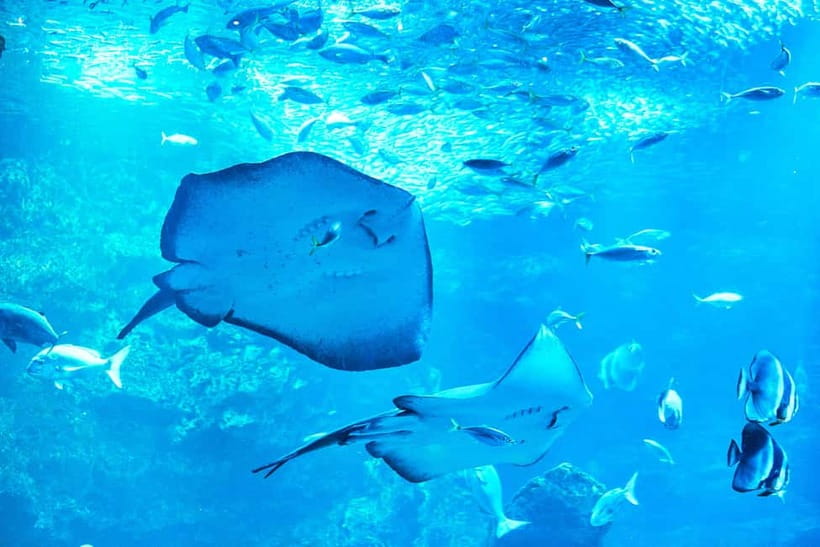
This aquarium suits families particularly well because it offers several types of animal viewing in one place. Dolphins provide action, penguins invite close observation, and the jellyfish and seals offer different forms of visual interest.
It also works well for animal lovers who prefer variety. The giant salamanders and satoyama display give the visit more depth than a simple entertainment stop.
You may enjoy it less if you want a very large aquarium with an extensive range of marine species or if you dislike animal performances. The supplied information does not describe the full size of the collection, so I would choose this ticket for its specific mix of animals and its Kyoto-centered theme.
The aquarium is also a sound choice on a day when you want a calm indoor activity near open parkland. The building offers shelter and the park provides room to pause before or after your visit.
Is $16 good value?
At $16 per person, the ticket is reasonably priced for a flexible aquarium visit that can occupy several hours. The value depends on how much time you give it.
If you hurry through the exhibits, the ticket may feel less impressive. If you watch the dolphins, spend time with the penguins, linger over jellyfish and seals, study the giant salamanders, and explore satoyama, the price becomes easier to justify.
The aquarium also offers more than a list of animal tanks. Its focus on coexistence and Kyoto’s water gives the visit an educational thread. That matters if you want an attraction that connects the animals to their environment.
The 4.7 rating from 12 reviews supports the general impression that the aquarium is well presented, though one three-star assessment found the overall experience average. That balance is useful: the aquarium is not guaranteed to be everyone’s favorite stop, but its strongest exhibits can make it a very good use of part of your day.
Should you book Kyoto Aquarium?
Book it if you want a reasonably priced, wheelchair-accessible aquarium with dolphins, penguins, jellyfish, seals, rare giant salamanders, and a distinctly Japanese satoyama display. I would give it several hours rather than treating it as a quick stop.
Think twice if you want a quiet aquarium with no performance element, or if leaving and returning matters to your plans. For most families and animal lovers, though, the combination of strong exhibits, staff interaction, a good souvenir shop, and the peaceful Umekoji Park setting makes this $16 ticket a sensible Kyoto activity.
FAQ
Where is Kyoto Aquarium located?
Kyoto Aquarium is located in Umekoji Park on Honshu, Japan. The park includes wooded areas and broad lawns around the aquarium.
How much does admission cost?
The admission ticket costs $16 per person.
How long is the ticket valid?
The ticket is valid for one day. Check availability for the available starting times.
Can I leave and re-enter the aquarium?
No. Re-entry is not possible, so plan to complete your visit before leaving the building.
Is Kyoto Aquarium wheelchair accessible?
Yes. The activity is wheelchair accessible.
Can I bring my pet inside?
Ordinary pets cannot enter the building. Assistance dogs, including guide dogs, can accompany you.
Can I take photographs and videos?
Yes. Photography and video shooting are allowed, but flash photography is not permitted inside the building to protect the animals.
What animals can I see?
The aquarium features dolphins, penguins, giant salamanders, jellyfish, and seals. It also includes a recreated satoyama setting.
Is a guide included with the ticket?
The ticket includes admission to Kyoto Aquarium. You can speak with breeding staff about the animals, but no named private guide or guided tour is included in the provided activity details.
Newest Kyoto experiences on the site
- Treasures of Kyoto: Gion & historical Walking Tour★ 5.0 · 6 reviews
- Whisk Your Own Matcha: A Zen Matcha Experience at Temple★ 3.6 · 7 reviews
- Kyoto tea town for matcha lovers★ 5.0 · 16 reviews
- Uji: Private immersion into Kyoto’s tea and reglious culture★ 5.0 · 17 reviews
- Kyoto Matcha Green Tea Tour★ 4.5 · 23 reviews
- Uji and Wazuka Matcha Farm Half Day Private Guided Tour★ 5.0 · 21 reviews
- Utilising upcycled Matcha! Creating matcha incense (Uji, Kyoto)★ 5.0 · 6 reviews
- Sacred Temple Yoga Experience in Japan★ 5.0 · 3 reviews
Tickets, compared.

Tea Museum Tickets and Matcha Grinding Experience
Read our review →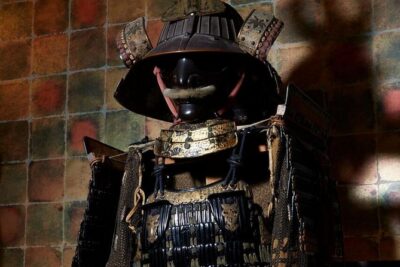
Skip the lines Basic Ticket at SAMURAI NINJA MUSEUM KYOTO
Read our review →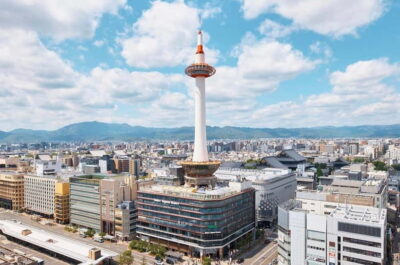
Nidec Kyoto Tower Observation Deck Admission Ticket
Read our review →

Kyoto Sword Experience – includes Museum Ticket/Ninja Experience
Read our review →

Samurai Performance and Casual Experience: Kyoto Ticket
Read our review →