
Reviewed · GION DISTRICT TOURS
Gion Nocturno: Secretos y Leyendas de las Geishas
Gion changes after dark. The tour takes you from Kyoto’s Minamiza Theater through quiet lanes, old teahouse streets, Tatsumi Bridge, and the Yasaka Shrine area, when the district’s daytime crowds have thinned. It is a short walking tour built around atmosphere, local history, and the long connection between Gion and geisha culture.
I like the small group of up to 15 people, which makes it easier to hear the guide and pause at narrow streets without forming a moving wall of tourists. I also like the route itself: five central Gion landmarks give you a useful first look at the district without requiring a full evening or a costly dinner at a teahouse.
The main caution is that this is a walking introduction, not a geisha performance or an evening inside a private ochaya. Gion Corner admission is not included, and some historical explanations may vary in accuracy depending on the guide. One past account specifically found parts of the commentary questionable, so listen with interest but keep a little healthy skepticism.
Key points before you book
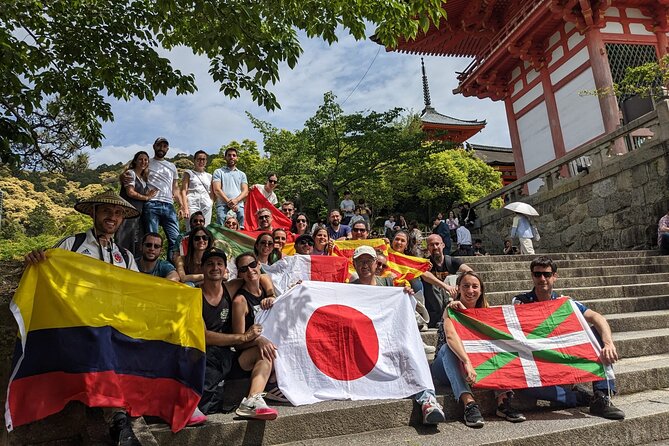
- Nighttime Gion: The tour is timed for the quieter mood of the district after sunset.
- Five recognizable stops: Minamiza Theater, Tatsumi Bridge, Hanamikoji Street, Gion Corner, and Yasaka Shrine form the route.
- Small-group format: No more than 15 people take part, a practical size for a narrow historic neighborhood.
- Geisha culture explained: The guide focuses on the lives, work, and traditions connected with geisha.
- Good value at $21.80: The price covers a guided walk through some of Kyoto’s most famous streets, while entrance to Gion Corner is extra.
- Short and manageable: Expect about two to three hours, with a mobile ticket and a central finish near Gion Corner.
Why Gion works better after sunset
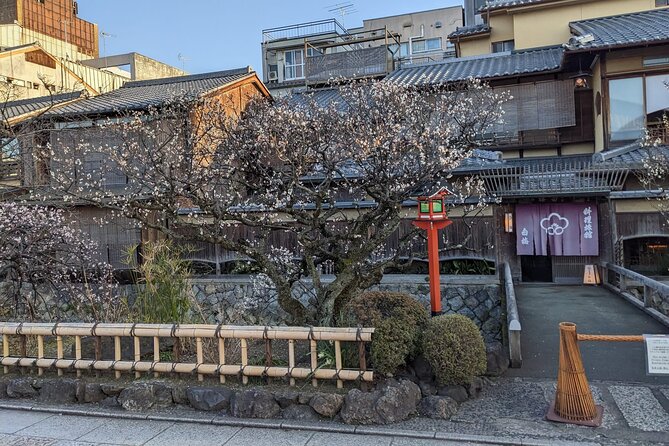
During daylight, Gion can feel crowded with cameras, tour groups, and people looking for a quick photograph. At night, the district has a different rhythm. Wooden machiya facades, stone lanes, and softly lit entrances become easier to notice when the streets are less crowded.
That does not mean you should expect an empty movie set. Gion remains a working district, and the tour is not a promise of a geisha sighting. The value is in seeing the setting at the time of day when its traditional architecture and customs make more sense.
This matters because Gion is easy to reduce to a few familiar images: kimono, teahouses, and hurried photographs. A guide can give those images some context. You learn why the district became associated with entertainment, how geisha work fits into Kyoto’s traditional arts, and why respectful behavior matters in residential and working streets.
The tour’s high rating, 4.9 out of 5 from 140 ratings, and 99 percent recommendation figure suggest that the format works well for many people. I would treat those numbers as a sign of strong satisfaction with the route and guides, not as a guarantee of a perfect history lecture. The quality of a walking tour can depend heavily on the person leading it.
More ways to walk Gion:
- Kyoto Geisha Walking Tour: Gion District & Hidden Gems
★ 4.7 · 3,273 reviews - Kyoto: Gion Magical Night Walking Tour with Geisha Trivia
★ 4.9 · 2,393 reviews - Kyoto: Gion Geisha District Walking Tour – Stories of Geisha
★ 4.7 · 2,187 reviews
Starting at Minamiza Theater
The meeting point is outside Minamiza Theater at the east end of Shijo Bridge, in Higashiyama Ward. This is a sensible place to begin. Minamiza is one of Kyoto’s best-known theaters and an important home for kabuki, the Japanese stage art known for elaborate costumes, dramatic makeup, and stylized storytelling.
You spend about 10 minutes here, with no admission charge. That is enough time for an exterior orientation and an explanation of the theater’s role in Kyoto’s performing arts. Do not confuse this stop with a kabuki show. The tour does not include a performance ticket.
Starting here also helps you place Gion on the map. From the theater, the route moves toward the historic streets across the Kamo River side of the district. If you are arriving by public transportation, the meeting point is practical because it is near central Kyoto transit connections.
The first stop is brief, so keep your expectations in proportion. You are getting a cultural introduction, not an architectural tour of the theater interior. Still, it gives the evening a clear beginning and links the modern visitor’s walk with the stage traditions that helped shape Kyoto’s entertainment quarters.
Tatsumi Bridge and Gion Shinbashi
Tatsumi Bridge, in the Gion Shinbashi area, is one of the most atmospheric points on the route. The setting includes narrow paved lanes, traditional houses, and teahouse architecture. You spend roughly 10 minutes here, but the area may feel more memorable than the clock suggests.
This is the kind of stop where the guide’s storytelling matters most. Gion’s appeal is not just the appearance of old buildings. It is the connection between the streets, the businesses behind closed doors, and the performers who have trained in music, dance, conversation, and traditional etiquette.
The evening setting helps. Low light can make the lanes feel calmer, though it also means you should pay attention to where you walk. The provided information does not promise that you will meet or photograph a geisha or maiko, and you should not approach anyone in costume as if they were part of the attraction.
I see Tatsumi Bridge as a place for orientation and atmosphere rather than a long sightseeing stop. If you want time for careful photographs, the 10-minute schedule may feel short. The benefit is that the group keeps moving and covers several different parts of Gion in one evening.
Hanamikoji Street and the old machiya
Hanamikoji Street is probably the route’s most recognizable stretch. Its wooden machiya buildings, traditional teahouses, and refined restaurants give you a clear picture of the architectural character that people associate with Gion.
You again have about 10 minutes here. That sounds brief, but it is enough for a guide to point out the street’s design and explain how the district’s entertainment traditions developed. You will want to look beyond the main road, too. The visual interest often comes from details such as wooden fronts, restrained signs, and the contrast between public streets and private establishments.
This is also where respectful conduct matters most. Gion is not a theme park. People work and live here, and some of the most important places are private. The tour gives you a structured way to see the area without wandering into unsuitable spaces or treating performers as photo props.
The route’s focus on geisha life can be especially useful if you have only a general idea of the difference between geisha and maiko, or if you want a clearer sense of the training and professional traditions involved. One highly positive account described the walk as a rare, authentic experience, while another praised a guide named Sergio for explaining the career and life of geisha in an instructive way.
A few more Kyoto tours worth putting on the shortlist
- PERFECT KYOTO 1-Day Bus Tour
★ 5.0 · 13,518 reviews - Kyoto: Fushimi Inari, Kinkakuji, Bamboo Grove 1 Day Bus Tour
★ 4.8 · 4,316 reviews - Kyoto: Tea Ceremony in a Traditional Tea House in Kiyomizu
★ 4.9 · 3,519 reviews - Kyoto: Tea Ceremony Ju-An at Jotokuji Temple
★ 4.9 · 3,207 reviews
Gion Corner and the question of admission
The walk ends near Gion Corner, and the stop is allotted about 10 minutes. Admission is not included in the tour price. That point is important because the name can create the impression that a show or entrance is part of your booking.
Gion Corner is known as a cultural venue where several Japanese traditional arts are presented in one setting. On this walking tour, however, you should think of it mainly as the endpoint and a useful reference point in the Gion district unless your booking specifically includes something additional. The supplied details do not state that a performance ticket is part of the experience.
The finish is in front of the Gion Corner theater at 570-2 Gionmachi Minamigawa. This is convenient if you want to continue exploring Gion on your own, find dinner, or make your way back by public transportation. It also gives you a clear end point rather than leaving you in an unfamiliar lane.
Because the route ends here, I would check your plans before booking a late meal or performance. The tour lasts approximately two to three hours, but the exact finish time can affect reservations. The information does not give a fixed start time, so confirm that detail when you book.
Yasaka Shrine, a powerful final stop
Yasaka Shrine, also called Yasaka Jinja or Gion Shrine, is the last major landmark on the route. The shrine is more than a scenic closing point. It helps explain why the district is commonly linked with Gion and gives the tour a religious and cultural counterpoint to the theaters, teahouses, and restaurants.
The stop lasts around 10 minutes and has no admission charge. You can expect a concise introduction rather than an extended shrine visit. If you are interested in Japanese religious sites, you may wish to return independently when you have more time.
Ending near this part of Gion works well. The tour has moved from stage performance at Minamiza, through the entertainment streets, and toward a major Shinto site. That sequence gives the district more depth than a simple walk along one photogenic street.
It also leaves you with choices. You can continue through Gion, return toward central Kyoto, or use the nearby streets to plan your next stop. The tour does not include transport afterward, so you will need to make your own way once the guide says goodbye.
What the $21.80 price really buys
At $21.80 per person, this is priced as an accessible guided introduction rather than a premium cultural event. You are paying for a two to three-hour walk, a guide, a planned route, and explanations at five important points in Gion.
That is good value if you would otherwise walk through the district without understanding what you are seeing. The cost is also modest compared with a formal performance, a private guide, or an evening built around a traditional dining experience.
The value is less clear if you want a long, detailed study of Kyoto’s history or direct access to geisha culture. The tour does not include Gion Corner admission, a meal, a geisha performance, or a private meeting. It is best understood as a cultural orientation that can improve the rest of your time in Kyoto.
The small group helps protect that value. With a maximum of 15 people, you have a better chance of hearing the guide than on a large coach-style walk. Still, 15 is not truly private, and the narrow streets may make the group feel larger at popular points.
Guide quality and the limits of a short tour
The guide is central to this experience. A strong guide can explain the difference between appearance and reality in Gion, correct common misunderstandings about geisha, and connect each street with the wider history of Kyoto’s performing arts.
Names associated with the experience include Sergio and Michael. Sergio has been praised for explaining the careers and lives of geisha in a clear, instructive way. Michael has been described as polite and engaging. These details suggest that the operator has had guides who can connect well with an international audience.
At the same time, one account raised concerns about historical accuracy. That is worth taking seriously. A friendly delivery does not automatically make every detail correct, especially on a subject filled with simplified stories and popular myths.
I would book this tour for its setting, structure, and access to a guide, while treating the commentary as an introduction rather than the final word on Kyoto history. If one claim sounds too neat, ask a follow-up question. That often leads to a better conversation and helps you separate tradition, interpretation, and fact.
Who should book this Gion walk?
This experience suits a first-time visitor who wants a clear introduction to Gion without committing a full day. It is also useful for anyone who prefers to see Kyoto on foot and wants the added context that signs and guidebooks often miss.
You will likely get the most from it if you enjoy:
- Traditional streets and architecture
- Short cultural explanations at several landmarks
- Evening walks
- Geisha history and Japanese performing arts
- Small groups rather than large organized tours
- A low-cost way to get oriented in Gion
It may not suit you if you want guaranteed geisha sightings, a full performance, extensive time at each site, or a private guide. Photographers may also find the 10-minute stops too short for careful night photography.
The tour is listed as suitable for most people and is near public transportation. The supplied details do not provide a detailed accessibility assessment, so anyone with mobility concerns should confirm the walking conditions before booking.
Booking timing and cancellation
This experience is commonly booked about 38 days ahead. That suggests planning early is sensible, especially if your Kyoto dates are fixed. You receive confirmation when you book, and the ticket is mobile, which keeps arrival simple.
Free cancellation is available up to 24 hours before the start time for a full refund. Cancellations or changes made within 24 hours are not refunded. The activity also requires a minimum number of participants, so if the operator cancels for that reason, you are offered another date or experience, or a full refund.
Those terms are fairly friendly, but pay attention to the local cut-off time. I would avoid booking it so close to a dinner reservation that a small schedule change creates a problem.
Should you book Gion Nocturno?
Book it if you want an affordable, well-organized evening walk through Kyoto’s most famous geisha district, with a small group and enough explanation to make the streets more meaningful. The route covers the essential landmarks, and nighttime Gion provides a calmer setting than the daytime rush.
Skip it if your main goal is a performance, a private geisha encounter, or a detailed academic history lesson. For most visitors, though, $21.80 is a reasonable price for a first look at Gion, especially if you value a guide who can explain what you are seeing. Keep your expectations realistic, respect the working neighborhood, and use the walk as a starting point for exploring Kyoto with better context.
FAQ
Where does the tour begin?
It begins at Minamiza Theater, at the east end of Shijo Bridge in Nakanocho, Higashiyama Ward, Kyoto.
Where does the tour finish?
The tour finishes in front of Gion Corner at 570-2 Gionmachi Minamigawa, Higashiyama Ward, Kyoto.
How long does the experience last?
It lasts approximately two to three hours.
What is the price?
The listed price is $21.80 per person.
How large is the group?
The group has a maximum of 15 people.
Is Gion Corner admission included?
No. Admission to Gion Corner is not included in the tour price.
Are the other listed stops included?
The tour includes stops at Minamiza Theater, Tatsumi Bridge, Hanamikoji Street, Gion Corner, and Yasaka Shrine. The information lists free admission for Minamiza Theater, Tatsumi Bridge, Hanamikoji Street, and Yasaka Shrine.
Will I receive a mobile ticket?
Yes. The experience includes a mobile ticket.
Is the tour near public transportation?
Yes. The meeting point is near public transportation, and the experience is described as suitable for most people.
Can I cancel for a full refund?
Yes, if you cancel at least 24 hours before the experience start time. Cancellations made less than 24 hours in advance are not refunded.
Newest Kyoto experiences on the site
- Treasures of Kyoto: Gion & historical Walking Tour★ 5.0 · 6 reviews
- Whisk Your Own Matcha: A Zen Matcha Experience at Temple★ 3.6 · 7 reviews
- Kyoto tea town for matcha lovers★ 5.0 · 16 reviews
- Uji: Private immersion into Kyoto’s tea and reglious culture★ 5.0 · 17 reviews
- Kyoto Matcha Green Tea Tour★ 4.5 · 23 reviews
- Uji and Wazuka Matcha Farm Half Day Private Guided Tour★ 5.0 · 21 reviews
- Utilising upcycled Matcha! Creating matcha incense (Uji, Kyoto)★ 5.0 · 6 reviews
- Sacred Temple Yoga Experience in Japan★ 5.0 · 3 reviews
Gion District Tours, compared.
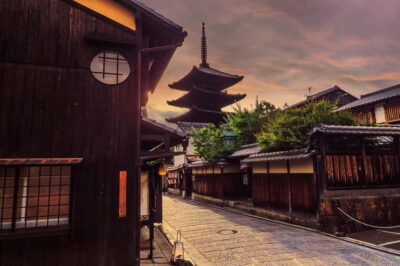
Kyoto Geisha Walking Tour: Gion District & Hidden Gems
Read our review →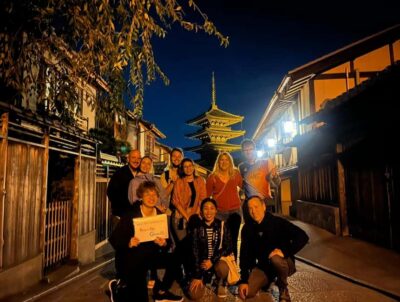
Gion Magical Night Walking Tour with Geisha Trivia
Read our review →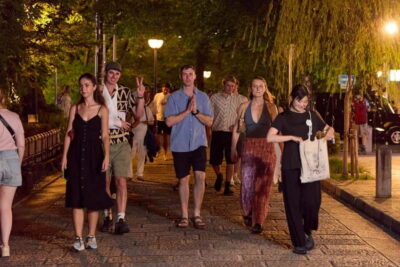
Gion Geisha District Walking Tour – Stories of Geisha
Read our review →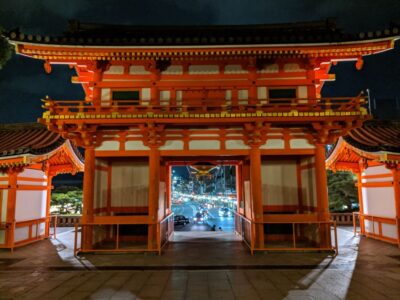
Best of Kyoto: Gion, Geisha, Pagodas & Cobblestones
Read our review →
Kyoto Night Foodie Tour in Gion (9+ dishes + 6 Sake tastings)
Read our review →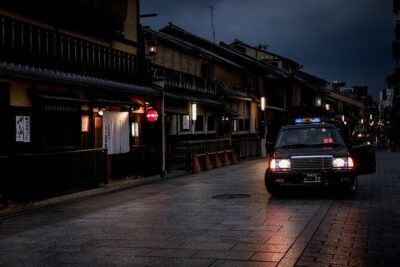
Kyoto Gion Geisha District Walking Tour – The Stories of Geisha
Read our review →
Kyoto Gion: 2-Hour Geisha Culture & History Walking Tour
Read our review →Browse the lists this tour appears in