
Reviewed · KYOTO CALLIGRAPHY CLASSES
Calligraphy Experience in Kyoto Townhouse
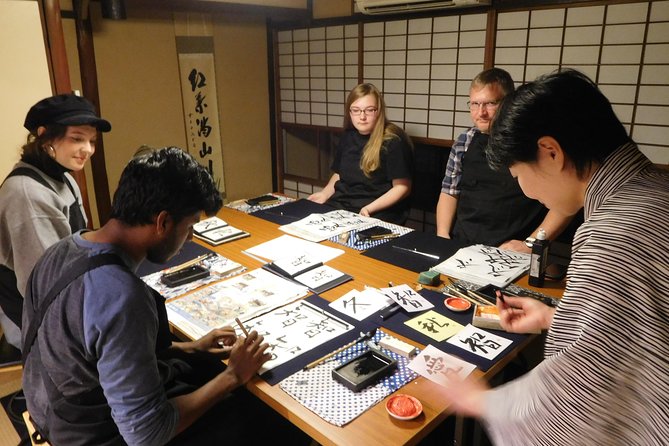
Kyoto’s best cultural moments often happen behind an ordinary door. This 90-minute calligraphy class takes you into an 80-year-old wooden townhouse, where you learn the basics of Japanese brush writing instead of simply looking at finished art.
I like two things here: you make a real keepsake to take home, and the group size is capped at five, so the instructor can give you useful guidance. I also like that the class explains calligraphy’s Zen roots rather than treating it as a quick craft project.
The main consideration is the price, about $58.64 per person. That is fair for a small, instructor-led class in a private traditional house, but it may feel high if you only want a brief brush-writing sample.
Key points at a glance
- An 80-year-old Kyoto townhouse: See the inside of a traditional wooden home that you would not normally enter.
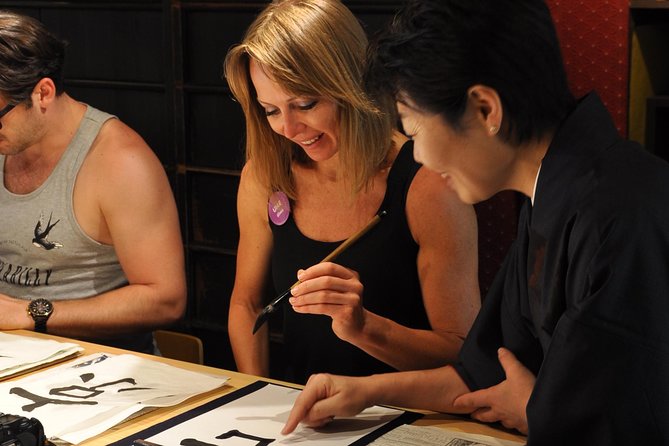
- A small class of up to five: The format allows close instruction and individual feedback.
- Toshiko’s encouraging teaching: The instructor has been praised for making the lesson clear, relaxed, and fun.
- A complete beginner activity: You do not need to read kanji or have prior calligraphy experience.
- Your artwork goes home with you: Ink, paper, and rented calligraphy tools are included.
- A calm cultural break: The process gives you time to slow down during a busy Kyoto schedule.
Why this Kyoto class feels more personal
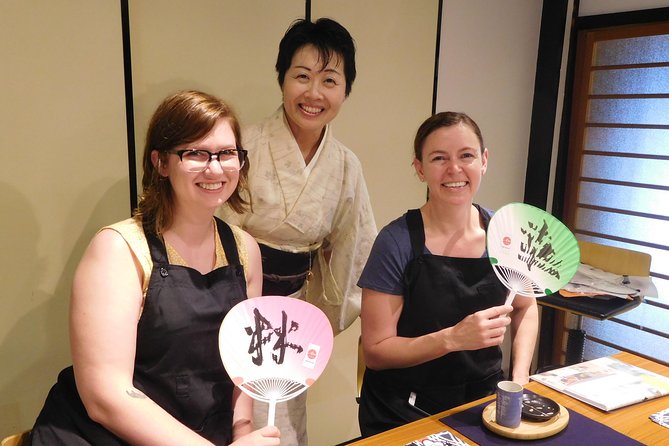
Many cultural activities in Kyoto take place in formal venues, with visitors moving through at a steady pace. Ami Kyoto offers a smaller and more intimate setting. You enter a traditional townhouse and spend the session seated with an instructor and only a few other participants.
That setting matters. Calligraphy is easy to misunderstand if you treat it as simply writing Japanese characters with a brush. The shape, pressure, balance, and movement all affect the finished piece. In a quiet room, you can pay attention to those details without feeling rushed.
The class also presents calligraphy as an art with Zen connections. You learn that the goal is not only to produce a correct character. The way you hold the brush, place each stroke, and allow the ink to form part of the image all shape the result.
I like this approach because it gives the activity some cultural depth without turning a short class into a lecture. You receive enough background to understand what you are doing, then get to try it yourself.
More calligraphy classes in Kyoto:
- Kyoto: Calligraphy class at Buddhist temple in city center
★ 5.0 · 167 reviews - Kyoto: Japanese Calligraphy Class
★ 4.8 · 89 reviews - Kyoto: Japanese Calligraphy Workshop
★ 4.7 · 84 reviews
Entering the 80-year-old wooden townhouse
The meeting point is Ami Kyoto at 605 Nishidacho in Kyoto’s Shimogyo Ward. The activity begins and ends at this same location, and the site is near public transportation.
The townhouse is one of the strongest reasons to choose this class. Kyoto has many preserved streets and grand temples, but ordinary homes are harder to enter. Here, the building itself forms part of the experience.
You should not expect a large museum or a formal studio. The class takes place in a small, renovated traditional wooden house. One participant described a cozy session with just one other person and the instructor, which gives you a good sense of how small the class can feel when bookings are light.
That intimacy has a clear benefit: you can ask questions, watch the instructor closely, and receive corrections without waiting behind a large group. The trade-off is that a small townhouse may have less room than a modern classroom. The supplied information does not specify seating arrangements or accessibility features, so contact the provider if those details matter to you.
The first lesson: calligraphy beyond black ink
The opening section covers basic knowledge, history, and background. You learn why calligraphy matters in Japanese culture and how the art developed from earlier forms of written characters.
The class makes kanji less intimidating by presenting the characters as pictographs. In their earliest forms, many kanji were linked to images and ideas. You do not need to arrive able to read Japanese. The focus is on seeing the character as a shape and learning how to build it with deliberate strokes.
This is a useful distinction. If you approach the exercise as language homework, you may worry about making a mistake. If you approach it as drawing a structured image, the task becomes more approachable. You still need to follow the instructor’s method, but you can focus on line, proportion, and rhythm.
The historical explanation also helps you understand why an apparently simple character can look different from one person to another. Calligraphy allows room for individual expression while still following established principles.
Watching Toshiko demonstrate the brush
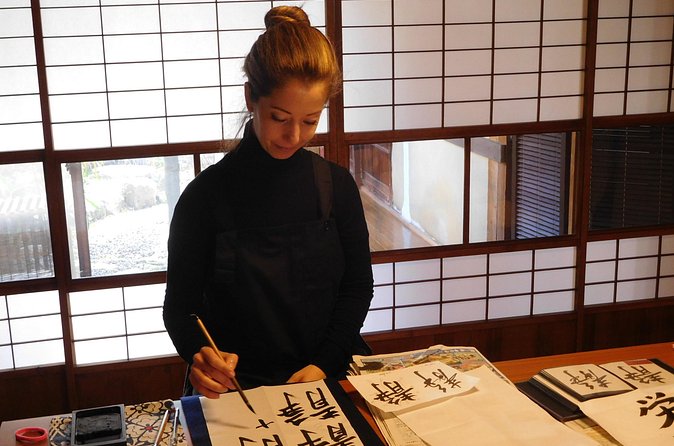
After the introduction, the instructor demonstrates the basic techniques. This is the point where the lesson moves from ideas to physical practice.
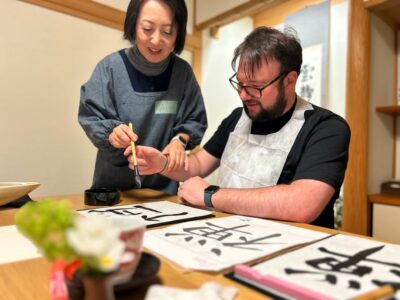
You watch how the brush is handled, how ink is applied, and how individual strokes work together. The demonstration gives you a model to copy, but it also shows that brush writing depends on movement rather than force. A heavy hand can make a stroke look clumsy, while a lighter touch can leave a more graceful mark.
Toshiko has been praised for being an encouraging and entertaining teacher. That combination is valuable for beginners. You want clear instructions, but you also need a teacher who can make mistakes feel normal. The experience is intended for people trying calligraphy for the first time, not only for students already familiar with Japanese art.
If you attend with a teenager, note the age rule. Anyone under 18 must be accompanied by an adult. The adult does not have to take part, but a viewing fee of 3,500 yen per person applies if the adult is only watching.
A few more Kyoto tours worth putting on the shortlist
- PERFECT KYOTO 1-Day Bus Tour
★ 5.0 · 13,518 reviews - Kyoto: Fushimi Inari, Kinkakuji, Bamboo Grove 1 Day Bus Tour
★ 4.8 · 4,316 reviews - Kyoto: Tea Ceremony in a Traditional Tea House in Kiyomizu
★ 4.9 · 3,519 reviews - Kyoto Geisha Walking Tour: Gion District & Hidden Gems
★ 4.7 · 3,273 reviews
Creating your own kanji artwork
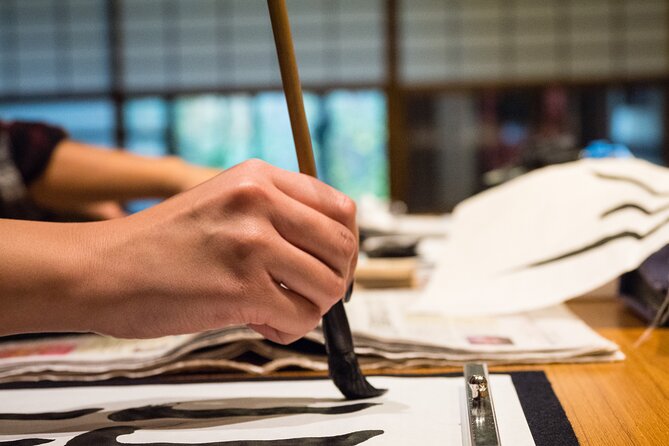
The hands-on section is the heart of the activity. You use the supplied ink and paper, along with rented calligraphy utensils, to create your own work.
You should expect practice rather than one perfect attempt. The point is to learn the basic movements, receive instruction, and produce something with your own hand. A small class makes this part much more useful because the teacher can look at your strokes and offer direct feedback.
That feedback is especially helpful when you are new to brush writing. You may find that the result changes when you adjust the amount of ink, the angle of the brush, or the speed of a stroke. These are small physical details, but they make a visible difference on the paper.
The finished pieces become souvenirs. Unlike a purchased print, your artwork records the time you spent in the townhouse and the process you learned there. It may not look like a professional calligrapher’s work, and that is part of its appeal. The value is personal rather than decorative perfection.
The class description emphasizes that even beginners can create attractive work with careful guidance. That does not mean every piece will look identical or flawless. It means the instructor helps you reach a satisfying result within the 90-minute session.
What the 90-minute length means
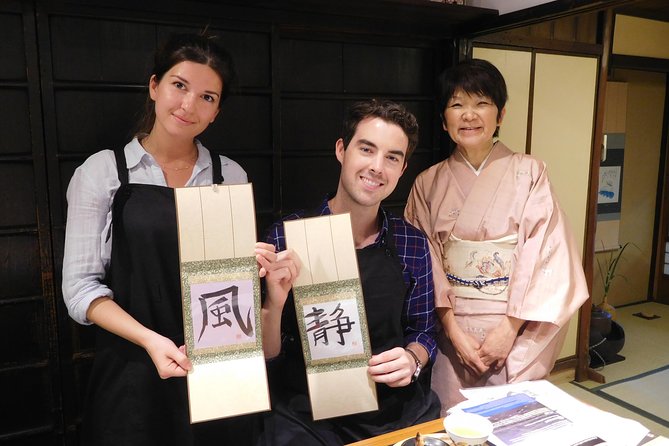
An hour and a half is a sensible amount of time for this activity. It gives you enough room for an introduction, a demonstration, practice, and a final piece without taking up half a day.
I would place this class between larger sightseeing plans. It is short enough to fit into a morning or afternoon, but it still asks you to slow down and concentrate. That makes it a good change of pace after visiting temples, shopping streets, and crowded central areas.
The activity begins and ends at the meeting point, with no hotel pickup or drop-off. You need to arrange your own way there and back. Since the location is near public transportation, it should be practical to combine with other plans, but the supplied information does not specify the closest station or walking time.
The mobile ticket is useful for keeping your booking details on your phone. Confirmation is sent within 48 hours of booking, subject to availability, so do not assume that a last-minute reservation is guaranteed.
Is $58.64 a fair price?
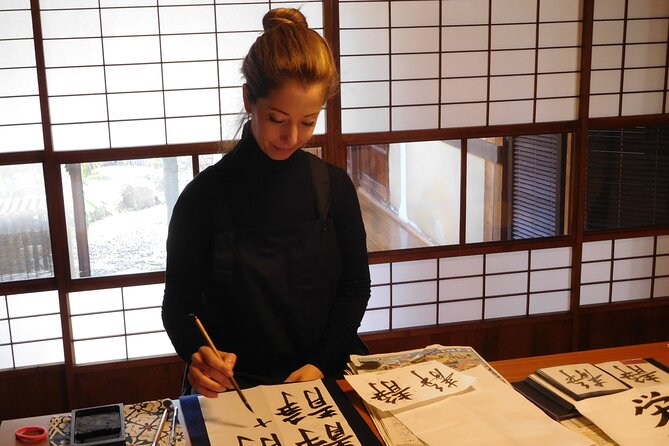
At about $58.64 per person, this is not the cheapest short activity in Kyoto. You are paying for more than paper and ink, though. The price includes the materials, rental of the calligraphy tools, instruction, and access to a traditional townhouse that is not normally open as a casual sightseeing stop.
The small group changes the value equation. A large workshop could offer a lower price, but you might spend more time watching other people practice. With a maximum of five participants, the instructor has a better chance to correct your technique and help you finish a piece you feel good about.
The class is also stronger value for people who care about context. You receive an explanation of the art’s background and Zen influence, not just a quick brush-writing activity. If you want a souvenir with a story attached to it, the cost makes more sense.
I would be more hesitant if you are looking only for a free-form art session or a very short photo opportunity. The class follows a clear structure, and much of its appeal comes from listening, watching, and practicing carefully.
Group discounts are available, which may help if you are booking for family or friends. The maximum group size remains five participants.
The strongest reasons to book
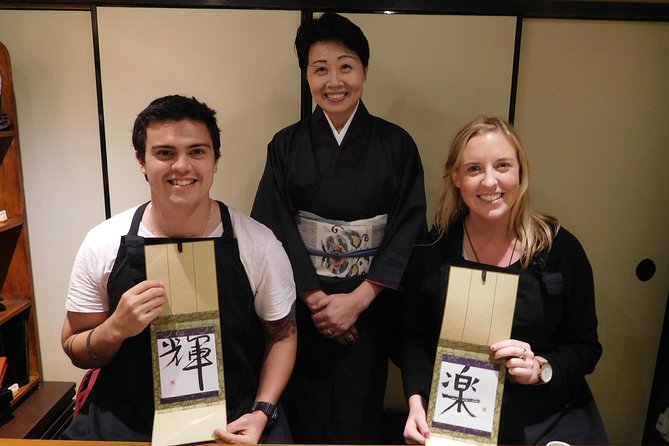
The small setting is the biggest practical advantage. A class with only one other participant and the instructor can feel almost private, while a full group of five remains manageable.
The traditional house is the strongest cultural advantage. You are not simply sitting in a generic activity room. You are spending time in a Kyoto townhouse with its own character and history.
The teaching style is another plus. Toshiko has been described as encouraging, skilled, and entertaining, which matters because beginners often need reassurance as much as technique. A calm teacher can keep the activity from becoming frustrating.
Finally, you leave with your own kanji artwork. The finished piece may be modest, but it is more meaningful than a standard souvenir because you created it during the visit.
Who will enjoy this most
I would recommend the class to first-time visitors who want a hands-on look at Japanese culture. You do not need prior calligraphy experience, Japanese language skills, or an artistic background.
It is also a good fit for couples, families with older children, and friends who want a quiet shared activity. The class can work especially well for a parent and teenager, provided the under-18 rule is followed.
Art lovers will appreciate the focus on stroke technique and personal expression. People interested in Zen traditions may also enjoy the meditative side of repeating movements and concentrating on the brush.
This is less suitable if you dislike seated instruction, want a large-scale cultural show, or prefer an activity with plenty of movement. The class is calm, focused, and fairly compact.
Useful booking and cancellation details
You can cancel for a full refund if you do so at least 24 hours before the scheduled start time. Cancellations made less than 24 hours in advance are not refunded, and changes inside that window are not accepted.
The cut-off follows Kyoto local time. Confirmation arrives within 48 hours, subject to availability, so check your email before setting out.
There is no hotel pickup or drop-off. Bring your mobile ticket and allow enough time to reach 605 Nishidacho in Shimogyo Ward.
Should you book the Ami Kyoto calligraphy class?
Book it if you want a small, personal activity with real cultural content and a souvenir you make yourself. The traditional townhouse, limited group size, and encouraging instruction give the class more character than a basic craft workshop.
The price is reasonable for the setting and personal guidance, though not a bargain for anyone seeking only a quick introduction. I would especially choose it for a quiet afternoon, a parent and teenager, or anyone who wants to bring home something connected to the experience.
If that sounds like your kind of Kyoto memory, this calligraphy class is a smart pick. Just remember that the lesson is structured, the group is small, and the value comes from taking your time with the brush.
FAQ
Where does the calligraphy experience take place?
It takes place at Ami Kyoto, located at 605 Nishidacho, Shimogyo Ward, Kyoto, 600-8397, Japan.
How long does the activity last?
The calligraphy experience lasts approximately 1 hour and 30 minutes.
What happens during the class?
The class includes an introduction to calligraphy’s history and background, a demonstration of basic techniques, and hands-on practice creating your own calligraphy artwork.
Are materials included?
Yes. Ink and paper are included, along with the rental fee for the calligraphy utensils.
Can beginners participate?
Yes. The experience is designed so beginners can try kanji calligraphy with guidance from the instructor. No previous calligraphy experience is stated as a requirement.
How many people can join the class?
The activity has a maximum of five participants.
Can children or teenagers attend?
Participants under 18 must be accompanied by an adult. If the adult only watches and does not take part, a viewing fee of 3,500 yen per person applies.
Is transportation provided?
No. Hotel pickup and drop-off are not included. The meeting point is near public transportation, and the activity ends at the same location.
What is the cancellation policy?
You can cancel at least 24 hours before the start time for a full refund. Cancellations or changes made less than 24 hours before the start time are not accepted for a refund.
Newest Kyoto experiences on the site
- Treasures of Kyoto: Gion & historical Walking Tour★ 5.0 · 6 reviews
- Whisk Your Own Matcha: A Zen Matcha Experience at Temple★ 3.6 · 7 reviews
- Kyoto tea town for matcha lovers★ 5.0 · 16 reviews
- Uji: Private immersion into Kyoto’s tea and reglious culture★ 5.0 · 17 reviews
- Kyoto Matcha Green Tea Tour★ 4.5 · 23 reviews
- Uji and Wazuka Matcha Farm Half Day Private Guided Tour★ 5.0 · 21 reviews
- Utilising upcycled Matcha! Creating matcha incense (Uji, Kyoto)★ 5.0 · 6 reviews
- Sacred Temple Yoga Experience in Japan★ 5.0 · 3 reviews
Kyoto Calligraphy Classes, compared.
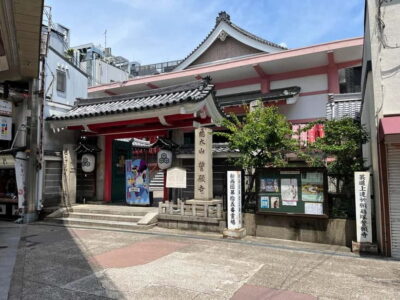
Calligraphy class at Buddhist temple in city center
Read our review →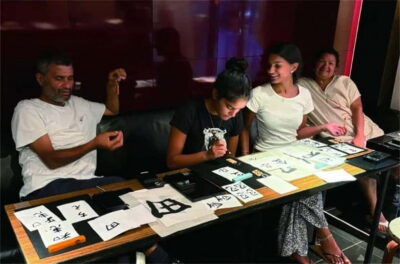
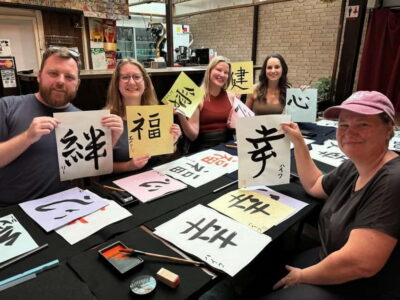
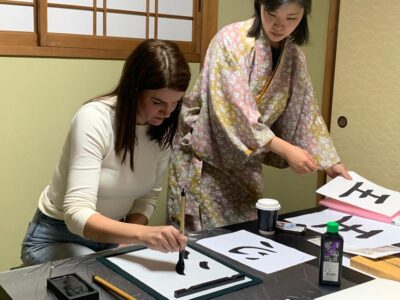
Kyoto Ninenzaka : Japanese Calligraphy Class in Townhouse
Read our review →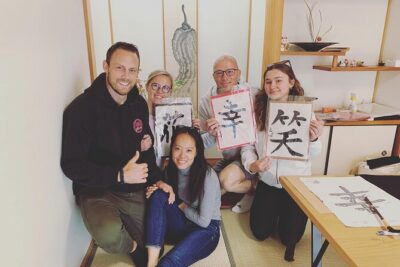
Private Japanese Calligraphy in Kyoto – Learn Shodō with a Master
Read our review →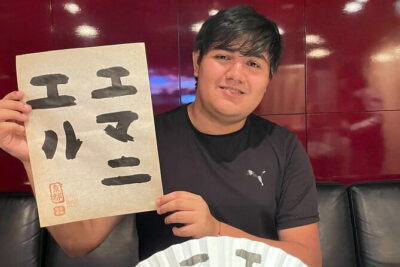
Japanese Calligraphy – Shodo – Lesson (near Kyoto Station)
Read our review →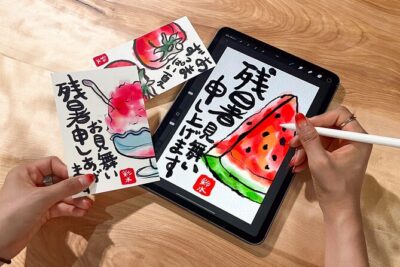
Browse the lists this tour appears in