
Reviewed · HIGASHIYAMA DISTRICT TOURS
Higashiyama | Kyoto: Sakura Season Private Rickshaw Tour
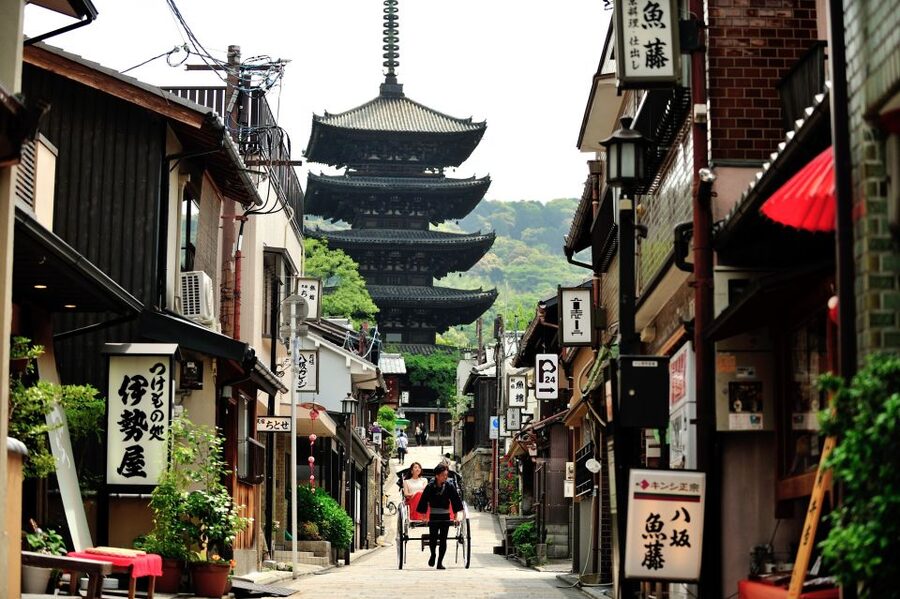
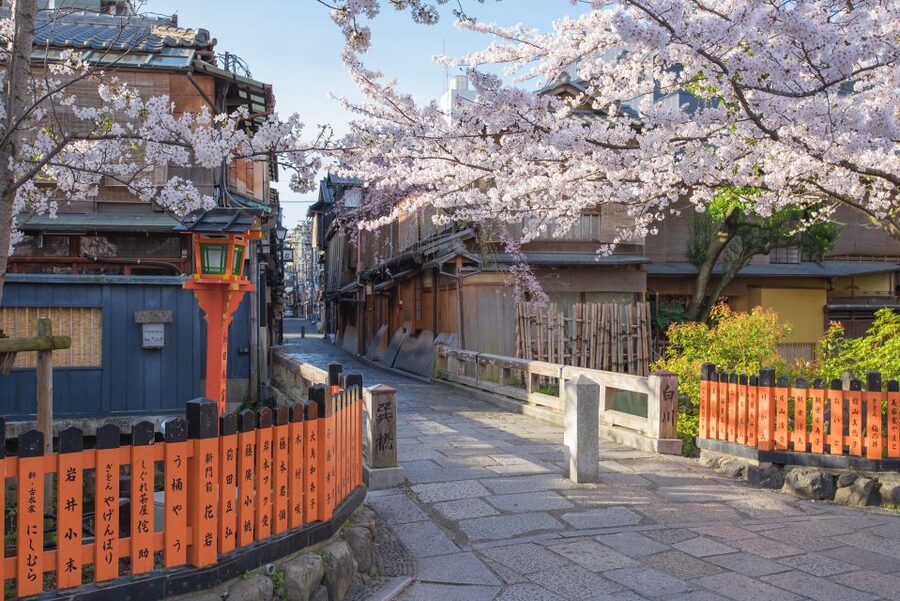
Kyoto’s Sakura season is at its best when you can slow down and look up. This private rickshaw tour carries you through Higashiyama and Gion, where cherry trees frame old wooden townhouses, narrow lanes, shops, and riverside views. Your guide pulls you through the district while explaining the area and stopping at good places for photos.
I like two things here. First, the rickshaw gives you a calm way to see a very popular part of Kyoto without spending the whole time studying a map. Second, the guide adds local detail, including stories about geisha culture, and communicates in English or Japanese. The main caution is simple: full bloom is never guaranteed, since the dates are chosen from past patterns and current estimates.
Key points to know before booking
- A private ride through Higashiyama and Gion: You share the rickshaw only with your own party.
- Two tour lengths: Pick a 70-minute outing or a two-hour option that includes a walk at Kiyomizu-Dera.
- Cherry blossoms are seasonal: The tour cannot promise peak bloom on your chosen date.
- A maximum of two adults per rickshaw: Three or four participants receive two rickshaws.
- Photo stops are built in: The guide pauses at attractive spots instead of keeping you moving nonstop.
- The meeting point takes care: Find the corner of Ichinenzaka and Nene Street, then search Google Maps for Ebisuya Higashiyama Rickshaw.
Why a rickshaw suits Kyoto’s old streets
Higashiyama is one of Kyoto’s most traditional areas. The district is known for preserved wooden townhouses, small shops, historic streets, and the approach to Kiyomizu-Dera. It is also one of the places where cherry blossoms can make the city feel almost theatrical, with pink and white branches above dark timber buildings.
A rickshaw changes the pace. You are not rushing from one attraction to another, and you are not trying to take photographs while watching for bicycles or other people. You sit back as your guide pulls you through the neighborhood and points out what matters.
That slower pace is especially useful during Sakura season. The streets can be popular at this time of year, and a private ride lets you focus on the changing views instead of planning every turn. You still need to expect other people in the area, but the experience is more personal than simply walking through with a large group.
The ride also gives you a different view of the streets. From a seated rickshaw, the wooden facades and branches overhead sit at eye level. You can ask questions, hear stories, and stop for photos without turning the outing into a formal temple tour.
More of the old streets around Higashiyama:
- Kyoto: Private Rickshaw Tour of Gion and Higashiyama Area
★ 5.0 · 144 reviews - Kyoto: Historic Higashiyama Walking Tour
★ 5.0 · 31 reviews - Kyoto: Kiyomizudera, Higashiyama and Yasaka Discovery Tour
★ 4.8 · 17 reviews
Starting at Ichinenzaka and Nene Street
The meeting point is on the corner of Ichinenzaka and Nene Street. This is an important detail because the tour does not include hotel pickup, and the guide will be waiting at the appointed corner rather than collecting you from your accommodation.
Look for the Ebisuya Higashiyama Rickshaw location on Google Maps. You should also check the email sent with the booking for the map image and photograph of the meeting place. I would do this before leaving for the tour, since old Kyoto streets can be confusing and the meeting point is given by a corner rather than a large landmark.
Once you meet the guide, you will settle into the rickshaw and begin the route through Higashiyama. The ride is private, so the conversation can fit your interests. If you want more information about architecture, local customs, or geisha culture, ask early.
The guide’s English or Japanese ability is another part of the experience to consider. English-speaking guides have been praised for clear communication, careful attention to details, and stories about the geisha district. You should not expect a scripted lecture only. The best use of the ride is to ask questions as the neighborhood changes around you.
Higashiyama’s wooden townhouses and shopfronts
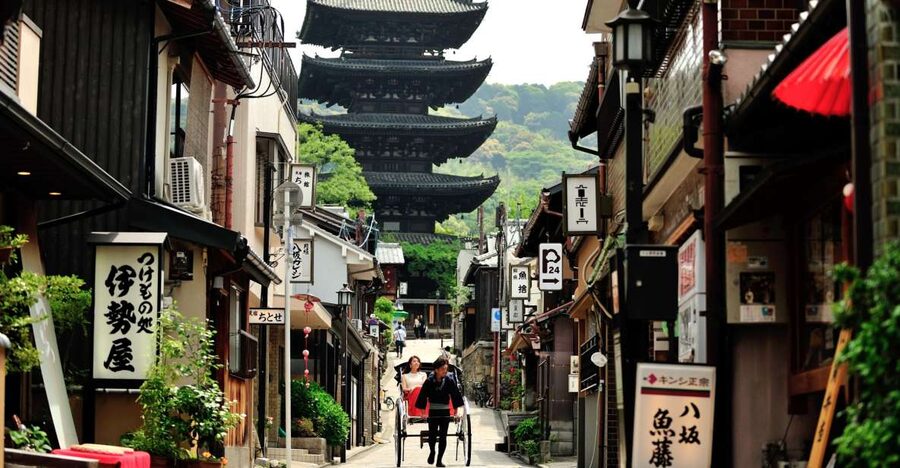
The first major pleasure is the setting itself. Higashiyama’s traditional wooden townhouses give the ride a strong sense of place. These buildings are not just old facades for photographs. They show how Kyoto’s streets looked before modern construction changed many Japanese city centers.
As you pass the shops and houses, look for the contrast between timber, stone, tiled roofs, and pale blossoms. Cherry trees soften the lines of the buildings, while the narrow streets keep the views intimate. The result is more appealing than a single famous viewpoint because the scenery keeps changing.
The guide’s position helps here. As you move along, the guide can draw your attention to details you might otherwise miss. You may notice a house, shop, or lane that looks ordinary at first, then learn why it belongs to the character of the district.
This part of the route is also good for people who want atmosphere without a full day of sightseeing. Seventy minutes is enough for a focused introduction to Higashiyama, especially if your Kyoto schedule is tight. You will not see every temple or street, but you will get a guided look at one of the city’s most recognizable traditional neighborhoods.
Passing through Gion and its geisha connections
The route also passes through the Gion area, Kyoto’s famous geisha district. This gives the tour a cultural layer beyond cherry blossom viewing. The streets are associated with traditional entertainment, tea houses, and carefully preserved architecture.
Your guide can explain aspects of geisha culture and help you understand the area without reducing it to a photo backdrop. That matters because Gion is a working neighborhood, not a theme park. You should be respectful, avoid intrusive photography, and listen when your guide explains local customs.
The rickshaw is useful in Gion because you can take in the buildings and street pattern while moving at a measured pace. You are not promised access to private establishments or a geisha performance. The value is in seeing the district with context and hearing stories that make the buildings and lanes easier to understand.
If your main goal is cherry blossoms, Gion adds variety. If your main goal is geisha culture, keep your expectations realistic. This is a neighborhood tour with cultural explanation, not a dedicated evening entertainment program.
More rickshaw rides in Kyoto:
- Kyoto: Arashiyama Customized Rickshaw Tour & Bamboo Forest
★ 5.0 · 432 reviews - Kyoto Arashiyama Rickshaw Tour with Bamboo Forest
★ 5.0 · 354 reviews - Kyoto Rickshaw Tour
★ 5.0 · 210 reviews - Kyoto Sagano Insider: Rickshaw and Walking Tour
★ 5.0 · 15 reviews
Sakura views and planned photo stops
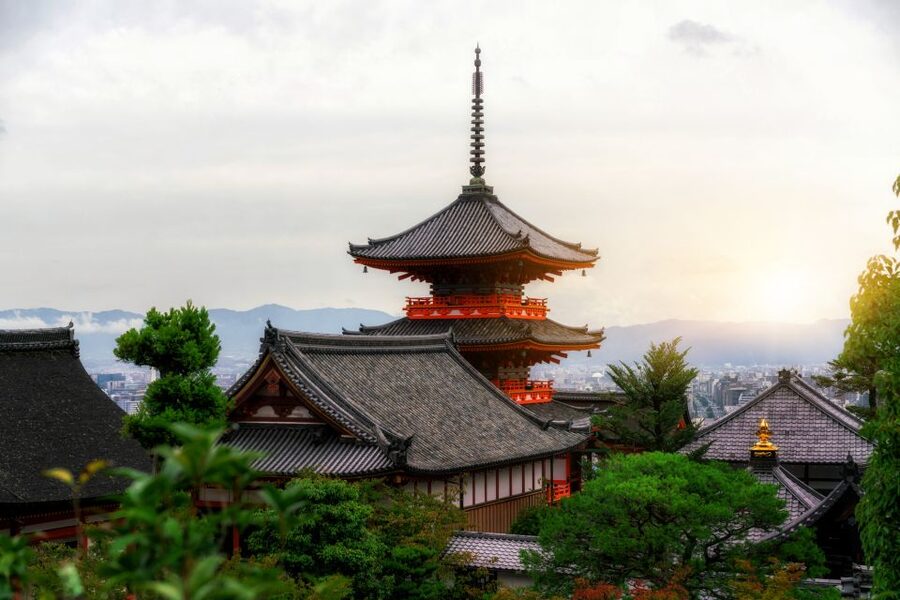
Cherry blossoms are the reason to choose this seasonal version of the tour. The trees can appear as pale clouds above the streets, with pink and white color set against traditional roofs and wooden walls. The guide includes stops for photographs, so you are not expected to take all your pictures while the rickshaw is moving.
The photo stops are valuable because Sakura season can pass quickly. A short pause lets you frame the buildings, blossoms, and street scenes together. You can also ask the guide to help identify the best angle at each stop.
Still, this is the point where you need to keep your expectations in check. Kyoto’s cherry blossom dates change from year to year. The selected tour dates are based on previous seasons and estimates for the current year, but no operator can promise full bloom.
You might find early blossoms, late blossoms, or trees at different stages across the route. That uncertainty is part of booking a Sakura-season activity. If seeing peak bloom is the only reason you are visiting Kyoto, do not make this your single plan. If you want a pleasant ride through Higashiyama during the likely blossom period, the tour makes sense.
The weather can also affect the experience, though no weather policy is provided here. A clear day will make the blossoms easier to photograph, while cloud or rain may change the mood. Bring the expectations of a seasonal outing, not a guaranteed flower display.
The 70-minute route or the two-hour version
The shorter tour is the practical choice if you want an introduction to Higashiyama and Gion. You can see the traditional neighborhood, pass wooden townhouses, hear about the local culture, and stop for photographs without giving the ride a large part of your day.
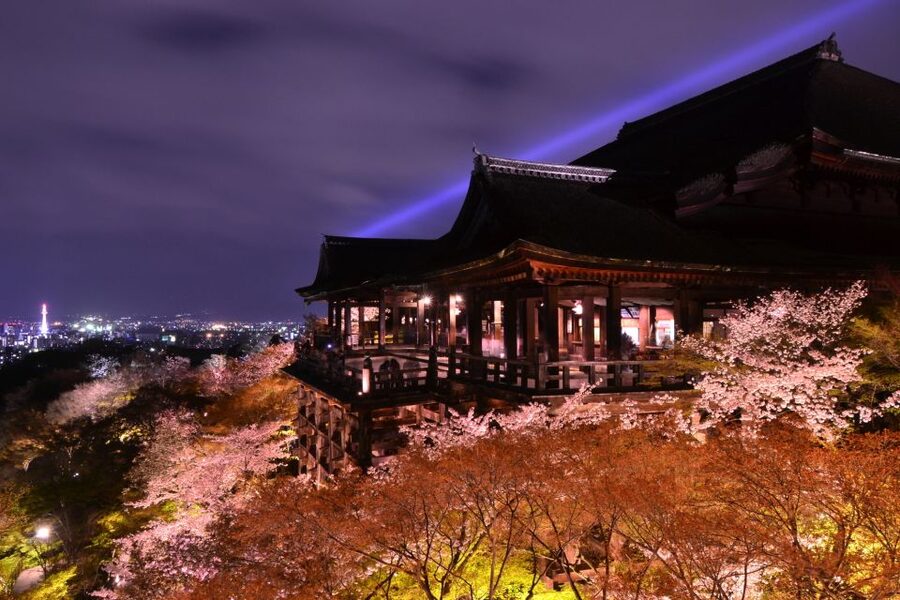
The 120-minute option gives the outing more breathing room. Its key extra feature is a stop where you can walk among the cherry blossoms at World Heritage Kiyomizu-Dera Temple. This matters because a rickshaw can show you the streets, but walking lets you spend more time with the temple setting and blossoms.
The longer option is the better fit if Kiyomizu-Dera is important to you or if you prefer a slower day. It also gives you more time to talk with the guide and take photographs. You should choose it only if you are happy to commit up to two hours, since it is not simply a quick ride with a few extra minutes.
Entrance fees to attractions are included, along with the guide and photo stops. Food and drinks are not included, so plan those separately. The tour is focused on sightseeing rather than a meal or tasting experience.
What the $125 price means for value
The advertised price is $125 per group up to one, so check the final booking screen carefully for your exact party size and date. The capacity rules are important: one rickshaw is provided for one or two participants, and two rickshaws are provided for three or four participants.
For two adults, the price can be reasonable because you are paying for a private guide and vehicle rather than joining a large shared group. You also receive a planned route, photo stops, and attraction entrance fees. The value is strongest if you care about personal attention and would otherwise spend time navigating Higashiyama on your own.
For a solo rider, the cost is harder to justify unless you particularly want the rickshaw format. The tour is still private, but the advertised group pricing means you should compare the total cost with other Kyoto sightseeing plans.
Families need to read the seating rules closely. Two adults can ride in one rickshaw. Up to two children aged five or under may ride with those adults, but they must sit on an adult’s lap. A child aged five or under who uses one of the two seats must be booked as a full-fare participant.
Each rickshaw is 21.1 inches, or 74 centimeters, wide. That is narrow, and some people may be more comfortable booking one rickshaw per passenger. Groups of five or more, or groups wanting one rickshaw for each person, need to contact the provider for other arrangements, with a fare difference possible.
Comfort, access, and who should skip it
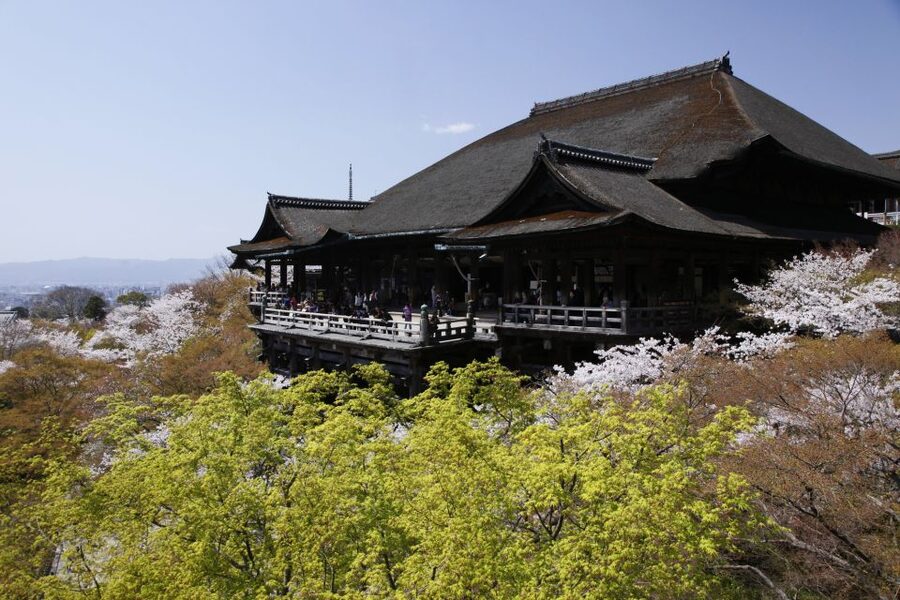
The tour is listed as wheelchair and stroller-friendly, which makes it useful for families and some visitors with mobility needs. You should still confirm your exact arrangement before booking if your chair or stroller is large, since the rickshaw itself is narrow.
This is not a good choice for people with back problems. It is also not recommended for expecting mothers during the first 16 weeks of pregnancy, and the activity is listed as unsuitable for pregnant women. If either point applies to you, choose a different way to see Higashiyama.
Selfie sticks are not allowed. That rule is sensible in narrow streets and around other people, but bring a regular camera or phone if photographs matter to you. You will have planned photo stops, so you do not need a selfie stick to get useful pictures.
The private format suits couples, families, and friends who want their own pace. It is also a good option for a first visit to Kyoto when you want a guide to explain the setting without spending several hours in a museum or temple.
Booking details that affect your day
The guide speaks English or Japanese, and the activity is offered as a private group. You can reserve now and pay later, which helps if your Kyoto schedule is still shifting. Cancellation is free up to 24 hours before the activity for a full refund.
Starting times depend on availability. Since the tour is tied to Sakura season, I would check the calendar early, especially if your Kyoto dates are fixed. The activity provider is Ebisuya Rickshaw.
The tour does not include hotel pickup or drop-off, so allow time to reach Ichinenzaka and Nene Street. Search for Ebisuya Higashiyama Rickshaw on Google Maps, then compare the map with the email photograph before setting out.
Should you book the Higashiyama Sakura rickshaw tour?
I would book this if you want a private, easy-paced look at Kyoto’s traditional streets during cherry blossom season. The strongest reasons are the personal guide, the built-in photo stops, the Gion and geisha-culture context, and the option to add a walk at Kiyomizu-Dera.
Choose the 70-minute version if you want a compact introduction. Choose two hours if you want time at Kiyomizu-Dera and prefer not to rush. I would skip it if you need guaranteed full bloom, dislike narrow seating, have back concerns, or want an in-depth temple visit rather than a neighborhood ride.
For two people who value a private guide, the price can be fair. For one person, it is a more specialized splurge. Either way, book for the overall Kyoto setting, not only for perfect blossoms. Sakura timing is uncertain, but Higashiyama’s wooden streets, Gion stories, and rickshaw pace remain the core of the experience.
FAQ
Where does the rickshaw tour meet?
The guide meets you on the corner of Ichinenzaka and Nene Street. Check the email for the map and photograph of the meeting place, and search Google Maps for Ebisuya Higashiyama Rickshaw.
How long does the tour last?
You can choose a 70-minute tour or a version lasting up to two hours. The longer option includes time to walk among the cherry blossoms at Kiyomizu-Dera Temple.
Is the tour private?
Yes. The activity is arranged as a private group tour with a live guide.
Is the cherry blossom peak guaranteed?
No. The dates are selected using previous years and estimates for the current year, but full bloom cannot be guaranteed.
How many people can ride in one rickshaw?
A maximum of two adults can ride in one rickshaw. Up to two children aged five or under may ride with two adults if they sit on an adult’s lap.
Is hotel pickup included?
No. You need to make your own way to the meeting point at Ichinenzaka and Nene Street.
Newest Kyoto experiences on the site
- Treasures of Kyoto: Gion & historical Walking Tour★ 5.0 · 6 reviews
- Whisk Your Own Matcha: A Zen Matcha Experience at Temple★ 3.6 · 7 reviews
- Uji: Private immersion into Kyoto’s tea and reglious culture★ 5.0 · 17 reviews
- Kyoto tea town for matcha lovers★ 5.0 · 16 reviews
- Kyoto Matcha Green Tea Tour★ 4.5 · 23 reviews
- Uji and Wazuka Matcha Farm Half Day Private Guided Tour★ 5.0 · 21 reviews
- Utilising upcycled Matcha! Creating matcha incense (Uji, Kyoto)★ 5.0 · 6 reviews
- Sacred Temple Yoga Experience in Japan★ 5.0 · 3 reviews
Higashiyama District Tours, compared.
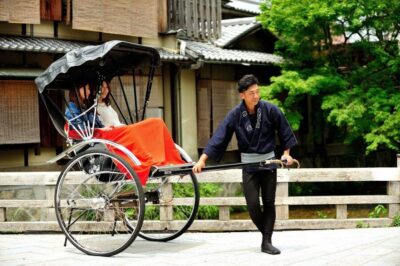
Private Rickshaw Tour of Gion and Higashiyama Area
Read our review →
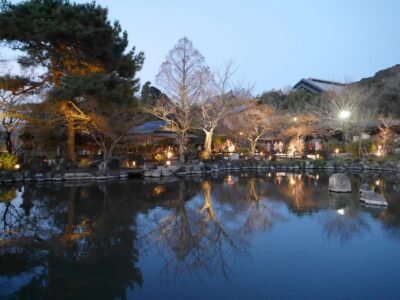
Kiyomizudera, Higashiyama and Yasaka Discovery Tour
Read our review →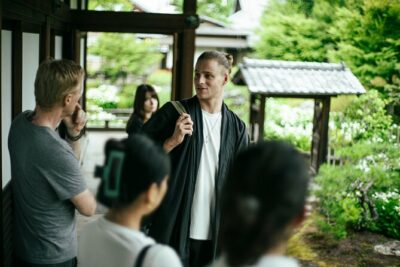
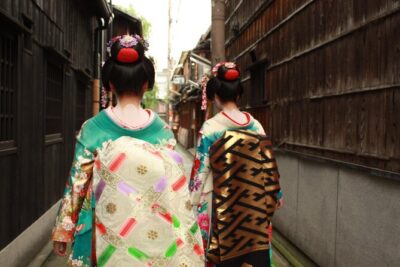
Kyoto Early Bird English Tour: Gion & Higashiyama(Private opt)
Read our review →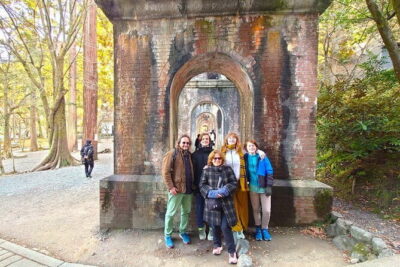
Higashiyama Slow Cycling Tour along the quiet waterfront
Read our review →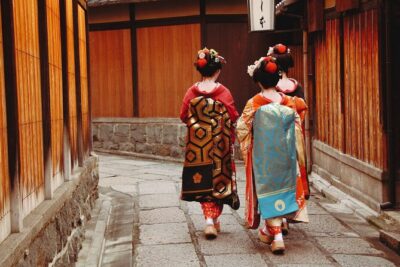
Browse the lists this tour appears in