
Reviewed · KYOTO HIKING TOURS
Kyoto Hiking Tour: The Nature and Legends of Kurama and Kibune
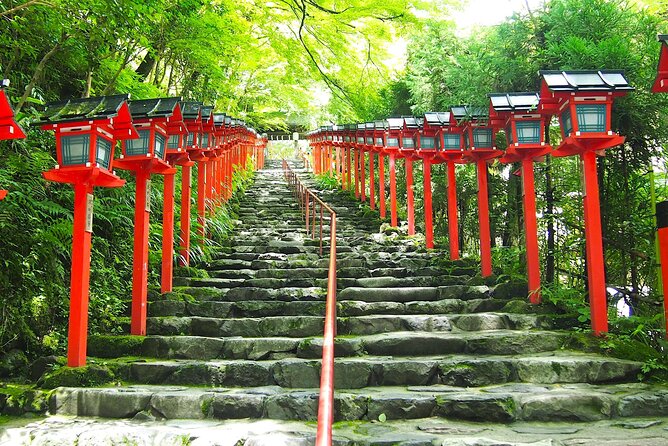
Mount Kurama gives you a very different Kyoto: cedar forest, steep stone steps, temple bells, old legends, and cool mountain air. The route links Yuki Shrine, Kurama-dera, and Kifune Shrine, with a private guide to explain what you are seeing rather than leaving you to puzzle it out alone.
I like the included hotel pickup and drop-off in Kyoto’s urban area and the personal pace of a private tour. I also like the mix of nature and belief, from Reiki traditions on the mountain to Kifune’s water deity and the mysterious Okunoin Maoden.
The catch is simple: this is not a gentle stroll. You will face many stairs, uneven ground, and uphill and downhill walking, so good shoes and moderate fitness matter. Rain can also change the route or cancel the tour.
Key points to know before booking
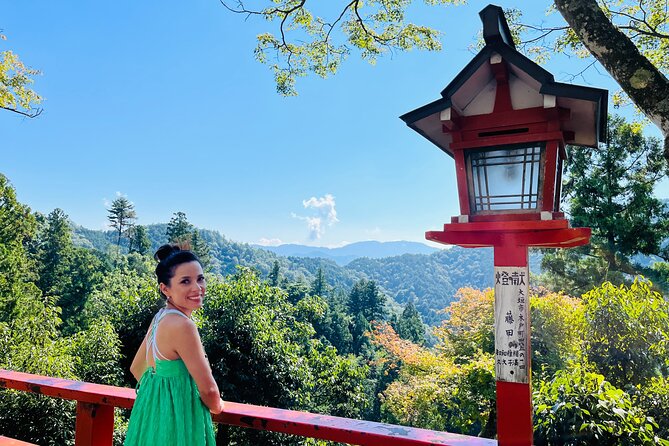
- A private guide shapes the day around your pace: Guides such as Miyo, Akari, Yoji, Miki, and Michiko have been praised for adjusting walking speed, explaining local customs, and helping guests manage difficult weather or injuries.
- The trail includes many stairs: The walk is manageable for some older or less athletic visitors, but it can feel like a serious workout rather than a park stroll.
- Hotel transfers save time: Pickup and drop-off are offered in Kyoto’s urban area and the Kurama area, with a 9:00 a.m. start.
- You visit several sacred sites in one mountain route: Yuki Shrine, Mount Kurama, Kurama-dera, Okunoin Maoden, and both sections of Kifune Shrine each bring a different story.
- Temple admission is included, but lunch is not: Bring money for a meal, and remember that private transportation by taxi, car, or bus may cost extra.
- Bad weather can affect the day: The route may be shortened or changed for safety, and a poor-weather cancellation comes with a new date or full refund.
Why Mount Kurama makes such a good escape from Kyoto
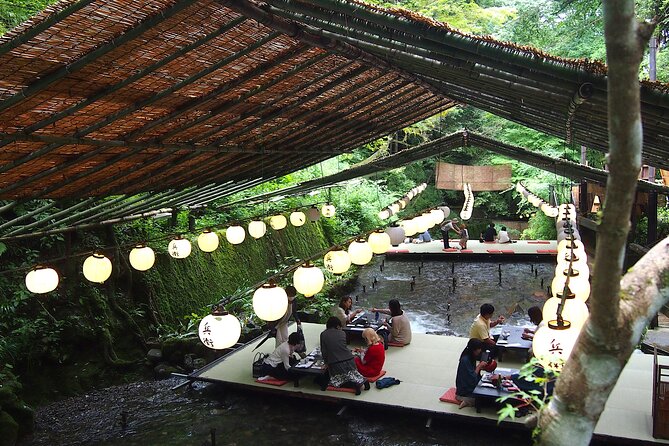
Kyoto is full of famous temples, but its mountain edge offers a quieter kind of cultural experience. Mount Kurama sits north of the city, where forest trails connect old religious sites and a small mountain community. You are not just looking at a shrine facade. You are walking through the setting that gives these places their meaning.
The tour lasts about eight hours, starting at 9:00 a.m., and the private format is important here. A guide can stop to explain a carving, point out a local belief, or slow the pace when the stairs become tiring. With a larger group, the route might feel like a march. Here, the day can respond to you.
The guides have different personalities, but the strongest pattern is clear: they make the cultural side easier to understand. Yoji has been praised for adjusting his pace to a 66-year-old guest and explaining Japanese religious movements along the way. Michiko handled an injury-related change before one tour, while Mizuho helped visitors in their seventies feel that the ascent was more like a series of interesting stops than a nonstop climb.
That does not remove the physical effort. It simply makes the effort more rewarding.
More hikes out of Kyoto:
- Fushimi Inari Hidden Hiking Tour (Private Option Available)
★ 5.0 · 1,750 reviews - Kyoto: 3-Hour Fushimi Inari Shrine Hidden Hiking Tour
★ 4.9 · 270 reviews - Kyoto: Hike and Hot Springs in Kurama
★ 5.0 · 49 reviews
Yuki Shrine and the old cedar tree
Your first listed stop is Yuki Shrine, visited for about 20 minutes with admission included. The shrine was built in central Kyoto and moved to Kurama in 940 to guard the area from mysterious evil. That story gives you an immediate sense of how the mountain was viewed: not as empty wilderness, but as a place where spiritual forces required protection.
One of the key sights is an 800-year-old cedar tree. The tree is more than a photo stop. It helps you see the age of the religious traditions around Kurama, where nature and worship are closely tied. Your guide can add the local context that a quick independent visit might miss.
Twenty minutes is not a long time, so expect a focused visit rather than a slow, open-ended exploration. The reward comes from seeing Yuki Shrine as the opening chapter of the route, before the trail leads farther into the woods.
The forest walk toward Kurama-dera
After Yuki Shrine, you walk through the forest for about 25 minutes toward Kurama-dera, the best-known temple in this area. This is one of the most pleasant sections of the day because the setting changes gradually. You leave the shrine grounds and enter a wooded path where the mountain itself becomes part of the experience.
The surface is not always even, and the route includes stairs. That makes sturdy walking shoes a sensible choice. You should also expect a slower pace than on a city sidewalk. The guide’s role matters here, especially if you want to stop for views, photographs, or short rests.
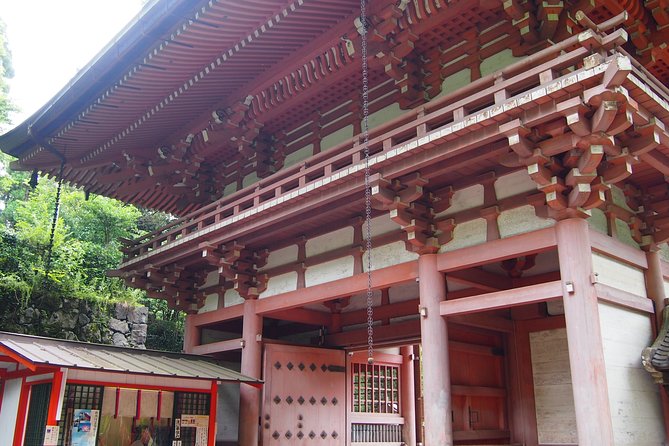
Kurama-dera dates to the eighth century and is dedicated to the mountain’s spiritual tradition. You spend about 45 minutes here, with admission included. This is one of the main cultural stops, so it deserves more time than a quick photo opportunity.
The temple also gives you a natural place to pause after the first section of climbing. If you enjoy Japanese religion, folklore, and mountain settings, this is likely to be one of the strongest parts of the tour. If you mainly want a fast hike, the explanations and temple time may feel less essential.
Mount Kurama and the story of Reiki
The mountain visit lasts about an hour, and it is the part of the day most closely tied to Reiki. Mount Kurama is known as the birthplace of this holistic healing art. In the early 1900s, Mikao Usui is said to have meditated here for 21 days and received Reiki healing energy.
You do not need prior interest in Reiki to appreciate the place. The story shows how the mountain’s forests, religious practices, and later spiritual movements overlap. A good guide can help separate local tradition, religious belief, and modern interpretation without turning the visit into a lecture.
This hour also gives you time to absorb the setting. The mountain is not presented as a scenic backdrop alone. It is the reason the route feels different from a standard temple tour in central Kyoto.
The physical demand is worth noting again. The route can involve a great deal of steps up and down, plus uneven surfaces. One guide was praised for making frequent stops, and another for keeping a comfortable pace. Still, you should be ready to work your legs. The autumn views can be especially striking, while spring may bring blossoms along the route.
Same city, a completely different kind of day:
- PERFECT KYOTO 1-Day Bus Tour
★ 5.0 · 13,518 reviews - Kyoto: Fushimi Inari, Kinkakuji, Bamboo Grove 1 Day Bus Tour
★ 4.8 · 4,316 reviews - Kyoto: Tea Ceremony in a Traditional Tea House in Kiyomizu
★ 4.9 · 3,519 reviews - Kyoto Geisha Walking Tour: Gion District & Hidden Gems
★ 4.7 · 3,273 reviews
Okunoin Maoden, the mysterious mountain stop
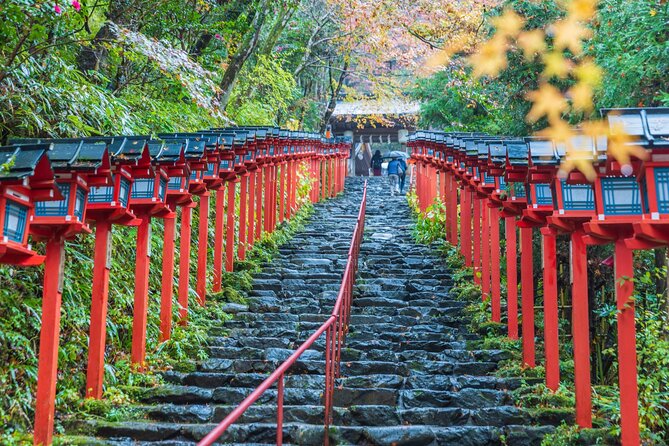
Okunoin Maoden is a short 10-minute visit deep in the mountain. It is said to be a place where demons reign, giving this stop a darker and more mysterious mood than the brighter shrine spaces.
Ten minutes may sound brief, but that suits the site. It works as a compact pause in the forest rather than a major temple visit. The value comes from the atmosphere and the story, especially if you enjoy the less polished side of Japanese sacred places.
Your guide can help explain why such legends remain part of the mountain’s identity. You may not find this stop as visually grand as Kurama-dera, but it adds variety to the route.
Kifune Shrine and the god of water
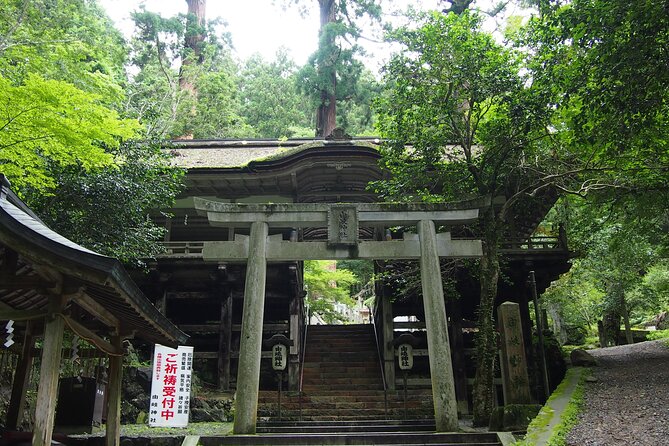
The route continues to Kifune Shrine for about 30 minutes. Kifune is linked to sailors seeking luck on voyages and is dedicated to the god of water and rain. You can drink the clear mountain water here, which gives the visit a direct, physical connection to the shrine’s purpose.
This is also where the tour shifts from the spiritual world of Mount Kurama toward the river and water traditions of Kibune. The two areas are close enough to combine, yet they feel distinct. Kurama is associated with forest, mountain meditation, and Reiki. Kifune centers on water, rain, travel, and a goddess who arrived by boat according to local legend.
The guide’s explanations matter because the sites can otherwise blur together after several hours of walking. With a private guide, you can ask how the beliefs differ, what the rituals mean, or why water has such an important role here.
The inner shrine and the boat legend
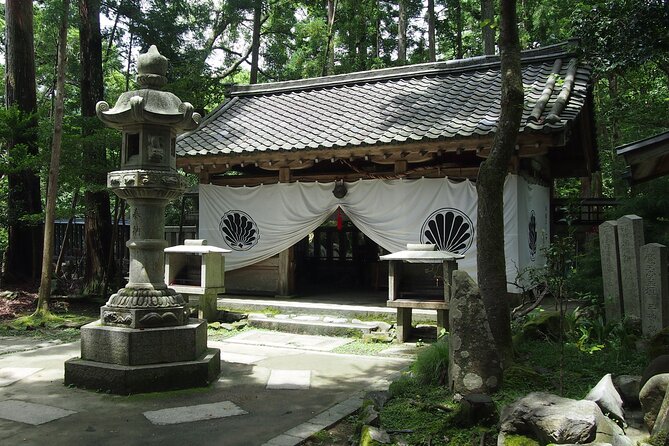
The final listed stop is the inner shrine of Kifune, visited for about 25 minutes. According to legend, a goddess traveled by boat from Osaka up the river into these mountains. The inner shrine is said to house the boat she used.
This is a good closing stop because it brings the day back to storytelling. You have walked through the forest, visited a shrine linked to protection, explored a temple tied to mountain spirituality, and seen a site connected to water worship. The boat story gives the final section a sense of movement and arrival.
The overall route is not just a collection of religious buildings. It links several ways people have understood the mountain: as a place of protection, meditation, healing, danger, rain, travel, and legend.
What the private guide adds
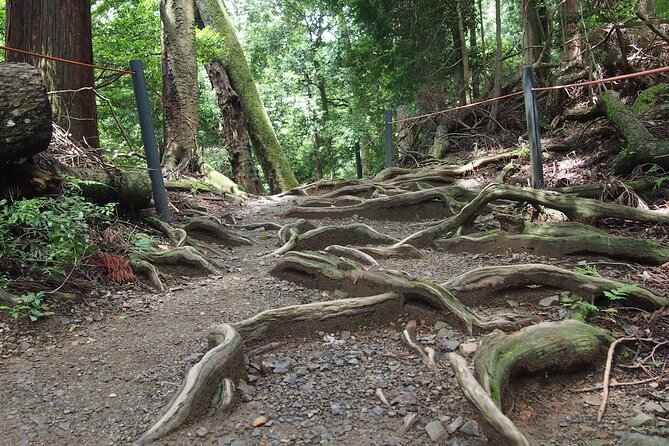
The guide may be the most important part of this experience. The scenery is attractive on its own, but the meaning of the route is easier to grasp with someone who can explain the beliefs and local stories in English.
Several guides have received especially strong praise for personal care and clear explanations. Mariko has been described as friendly and easy to talk with. Ryoma helped turn the hike into a full mountain day, including a soba lunch. Akari has been praised for watching the group carefully on the stairs and sharing information about Japanese culture, religion, and daily life.
Miki, Yuki, Miyo, Mizuho, Michiko, and Yoji have also guided this route. The guide assigned to you can vary, so you should not book expecting one specific person unless the operator confirms that in advance. What you can expect is a private English-speaking guide and a day limited to your own group.
That private setup is useful if someone in your party has an injury, needs a slower pace, or wants to focus on a particular topic. One tour changed its plan after heavy rain, visiting easier-access shrines instead of using the forest trail. That flexibility is a real benefit, but it also means the exact day can depend on weather and conditions.
Stairs, weather, lunch, and the practical details
You should treat this as a moderate hike. The route is not exceptionally long, but the stairs and uneven ground can make it demanding. The experience can suit older visitors, as shown by the 70-plus guests who completed it with frequent explanations and a suitable pace, but fitness and balance still matter.
Wear shoes with good grip. Carry water and keep room in your schedule for rests. The mountain setting can feel cooler than central Kyoto, though the supplied information does not promise a particular temperature or seasonal condition.
Lunch is not included. A soba lunch has been part of at least one guide-led day, and the mountain town offers a pleasant setting for a meal, but you should budget separately. The tour price is $191.60 per person, and that cost covers the private guide, hotel pickup and drop-off in the stated service areas, entrance fees, taxes, and tour photos. Private transportation by taxi, car, or bus is listed as an extra fee, so confirm exactly how your transfers will operate before booking.
For a private eight-hour experience, the price can make sense if you value convenience and explanation. Independent visitors can reach mountain sites for less, but they must handle transport, route finding, temple admissions, timing, and interpretation themselves. You are paying for a smoother day and a guide who can adjust the experience to your group.
The tour is often booked about 60 days ahead, which is useful to know if your Kyoto dates are fixed. Free cancellation is available up to 24 hours before the start time. Changes or cancellations inside that window are not accepted for a refund, and poor weather can lead to a new date or full refund.
Who should book this mountain day
I would choose this tour if you want to combine Kyoto culture with real walking and prefer the company of one guide rather than a large group. It suits people interested in Japanese religious traditions, folklore, Reiki, forest scenery, and local mountain communities.
It also works well for families or mixed-ability groups when the guide can adjust the pace. A private tour gives you more control than a fixed group schedule, and the examples of guides helping with injuries, age, and rain show why that matters.
I would hesitate if you want a relaxed sightseeing day with minimal climbing. The phrase hiking tour is important. The route has plenty of stairs, and the return walk can be tiring even if you stop often. If rain is forecast, ask how the operator expects to modify the route.
Should you book the Kurama and Kibune hike?
Book it if you want to see a quieter side of Kyoto and are happy to earn the temples with your legs. The combination of forest, old shrines, mountain legends, Reiki tradition, and water worship gives you a fuller sense of the area than a quick temple visit.
Skip it if stairs, uneven surfaces, or uncertain weather would spoil your day. For everyone else, the included admissions and hotel transfers add practical value, while the private guide makes the long route easier to follow. Bring good shoes, allow extra money for lunch, and expect a cultural hike rather than a simple walk in the woods.
FAQ
How long does the Kyoto Kurama and Kibune tour last?
The tour lasts approximately eight hours and begins at 9:00 a.m.
Is hotel pickup included?
Yes. Hotel pickup and drop-off are included for the Kyoto urban area and the Kurama area.
Is this a private tour?
Yes. Only your group participates, with a private English-speaking guide.
Are temple entrance fees included?
Yes. All fees and taxes are included, and admission to Kurama-dera is specifically included.
Is lunch included in the price?
No. Lunch is not included. A soba lunch may be part of the day, but you should pay for your own meal.
How difficult is the hike?
The tour requires moderate physical fitness. The route includes many stairs, uphill and downhill walking, and uneven surfaces.
What happens if the weather is poor?
The experience requires good weather. If it is canceled because of poor conditions, you will be offered another date or a full refund.
Newest Kyoto experiences on the site
- Treasures of Kyoto: Gion & historical Walking Tour★ 5.0 · 6 reviews
- Whisk Your Own Matcha: A Zen Matcha Experience at Temple★ 3.6 · 7 reviews
- Kyoto tea town for matcha lovers★ 5.0 · 16 reviews
- Uji: Private immersion into Kyoto’s tea and reglious culture★ 5.0 · 17 reviews
- Kyoto Matcha Green Tea Tour★ 4.5 · 23 reviews
- Uji and Wazuka Matcha Farm Half Day Private Guided Tour★ 5.0 · 21 reviews
- Utilising upcycled Matcha! Creating matcha incense (Uji, Kyoto)★ 5.0 · 6 reviews
- Sacred Temple Yoga Experience in Japan★ 5.0 · 3 reviews
Kyoto Hiking Tours, compared.
Fushimi Inari Hidden Hiking Tour (Private Option Available)
Read our review →
Kyoto Arashiyama Bamboo Forest Hiking Tour(Hidden Temples)
Read our review →
Hiking Tour for Sacred Sites in Kyoto with a Guide
Read our review →
Hike and explore the Kurama and Kibune ancient Paths
Read our review →Browse the lists this tour appears in