
Reviewed · KYOTO HIKING TOURS
Hike and explore the Kurama and Kibune ancient Paths
The best part of this outing is the change of pace. Within a few hours, you leave central Kyoto, ride a small countryside railway, and walk from Kurama-dera Temple through cedar forest to Kifune Shrine. The route links two mountain villages and carries a strong sense of old Japan.
I like the scenic train ride and the way the tour joins nature with temple culture. I also like the small group limit of 12, which gives guide Justin room to explain the legends, shrines, and unusual spots along the path.
The main consideration is the trail itself. It is not described as highly strenuous, but parts are steep and uneven. Wet or hot weather can make it harder, so good shoes and a sensible pace matter.
Key points at a glance
- Kurama to Kibune on foot: Follow a historic mountain route between two quiet northern Kyoto villages.
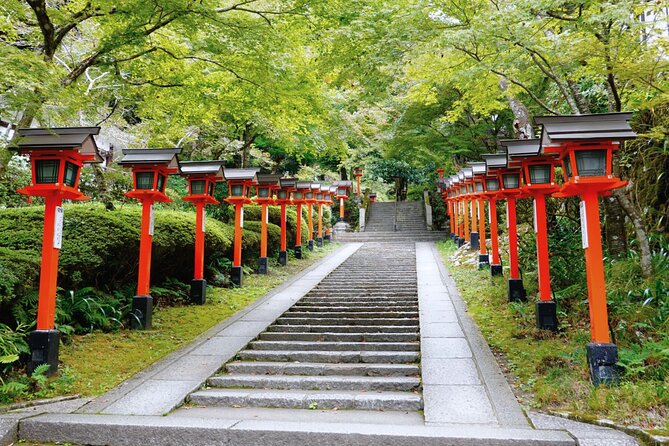
- Temple and shrine in one outing: Visit Kurama-dera, then finish at Kifune Shrine and its famous red lantern staircase.
- Scenic public transport: Ride the Eizan Railway through Kyoto’s northern countryside after meeting near Kyoto Station.
- Small group format: The tour accepts a maximum of 12 people, with an English-speaking guide such as Justin.
- Five and a half hours: The morning begins at 9:30 a.m. and ends back at the meeting point.
- Plan your own lunch: Transport and entry fees are covered, but lunch is not included.
Leaving Kyoto behind by train
Your morning begins at 9:30 a.m. at Starbucks Coffee in Kyoto Tower Sando, close to Kyoto Station. This is a practical starting point, though you should allow time to find the café inside the Kyoto Tower building.
The first part of the route uses public transport. You take the Karasuma Subway Line to Kokusaikaikan Station, then walk for about 15 to 20 minutes through a quiet residential area to Iwakura Station. From there, the Eizan Railway carries you north toward Kurama.
I like this start because the journey is part of the experience rather than a simple transfer. The city gradually gives way to a more rural setting, and the train ride helps you shift from sightseeing mode to walking mode. Transportation during the tour is included, so you do not have to work out the route between Kyoto and Kurama on your own.
The walk between stations is worth noting. It is not a mountain hike yet, but you will already be on your feet before reaching the trailhead. Wear shoes that can handle both pavement and uneven ground, and avoid bringing a large bag.
After about 30 minutes on the Eizan Railway, you arrive at Kurama Station. From there, the route heads toward Kurama-dera, a temple set on the slopes of Mount Kurama.
More hikes out of Kyoto:
- Fushimi Inari Hidden Hiking Tour (Private Option Available)
★ 5.0 · 1,750 reviews - Kyoto: 3-Hour Fushimi Inari Shrine Hidden Hiking Tour
★ 4.9 · 270 reviews - Kyoto Hiking Tour: The Nature and Legends of Kurama and Kibune
★ 5.0 · 75 reviews
Kurama-dera and the sacred mountain setting
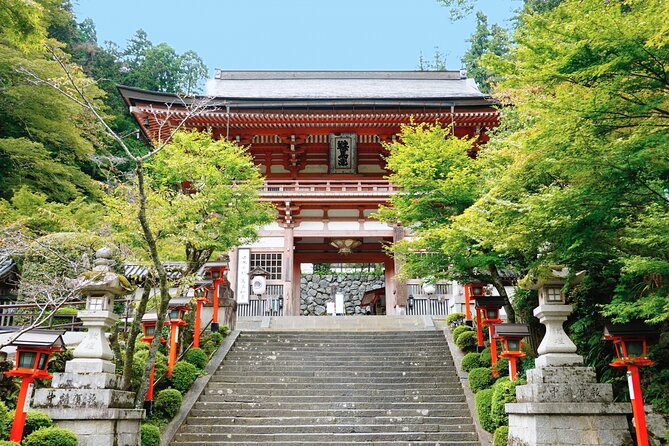
Kurama-dera is more than a quick photo stop. The temple sits above the village, with forest and mountain views around its buildings. The main hall offers broad views, and the grounds include guardian statues and sites tied to the spiritual traditions of Mount Kurama.
The guide gives the temple visit context that can be easy to miss if you come alone. You learn about the mountain’s links with monks, warriors, and mystics, along with the stories attached to the sacred places along the route.
The temple section lasts about two hours. That is a useful amount of time for this kind of visit. You are not rushed through the grounds, yet the morning still leaves enough time for the long walk to Kibune.
The approach involves uphill walking and stairs, so Kurama-dera is not a flat sightseeing stop. The reward is the setting: old religious buildings surrounded by tall forest rather than city traffic and dense rows of shops.
Look for the details your guide points out, including guardian figures and natural sites believed to hold spiritual energy. Some of the appeal comes from the uncertainty and atmosphere of the mountain. You are not simply checking off a famous building. You are following a route that has been used for centuries.
The forest trail from Kurama to Kibune
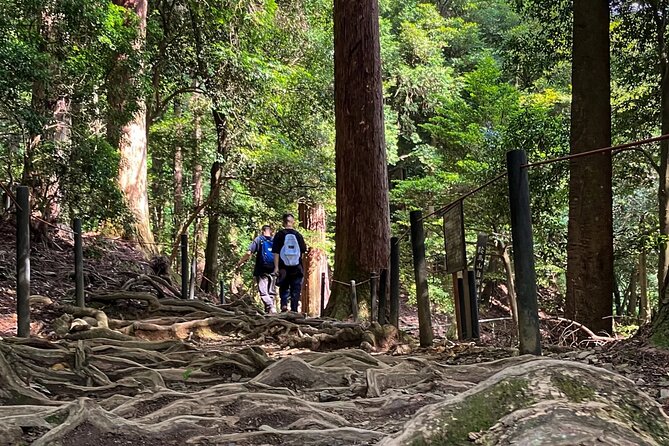
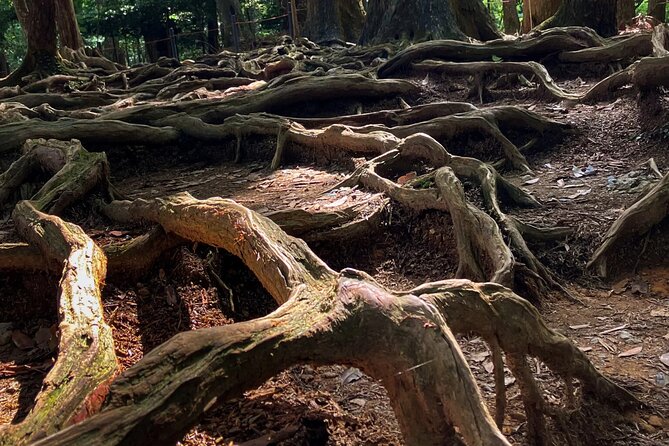
After Kurama-dera, the tour becomes a proper mountain walk. The path runs through dense cedar forest, past small shrines, natural sites, and steep stairways before descending toward Kibune.
This is the section that gives the outing its character. The route is quiet and shaded in places, with the forest creating a clear break from Kyoto’s central districts. Your guide sets the pace and explains the legends connected with the mountain, which helps the walk feel like a journey through a place with meaning rather than a generic hike.
You should expect a rugged trail. The ground is uneven, and some parts are steep. The route can be trickier in wet weather, while hot conditions may make the uphill portions feel more demanding. The experience is described as suitable for people with moderate fitness, and one published assessment calls it not strenuous, but that does not mean effortless.
I would not choose this outing if you want an easy stroll on a paved path. I would choose it if you are comfortable with stairs, uneven surfaces, and several hours of walking. A steady pace is more important than speed.
The hike lasts about three hours, including the descent into Kibune and the visit to Kifune Shrine. This makes the day physically active without taking up an entire day. You still return to Kyoto in the afternoon rather than spending a full day in the mountains.
Bring water and dress for changing conditions. The supplied details do not specify equipment rental or refreshments, and lunch is not included. Plan your food before or after the activity rather than assuming a meal break is built into the schedule.
Arriving at Kifune Shrine
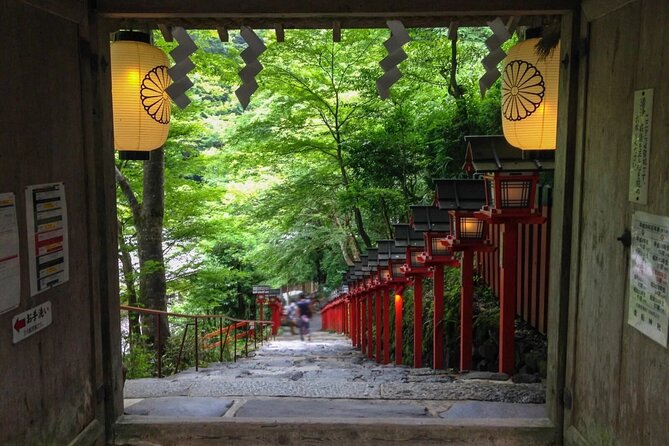
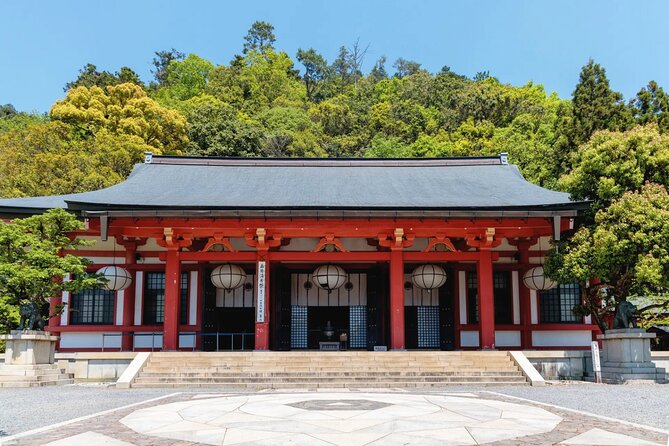
The forest path ends in Kibune, a small mountain village known for Kifune Shrine. The shrine is dedicated to the goddess of water and rain, which fits the setting beside the river and in the wooded hills north of Kyoto.
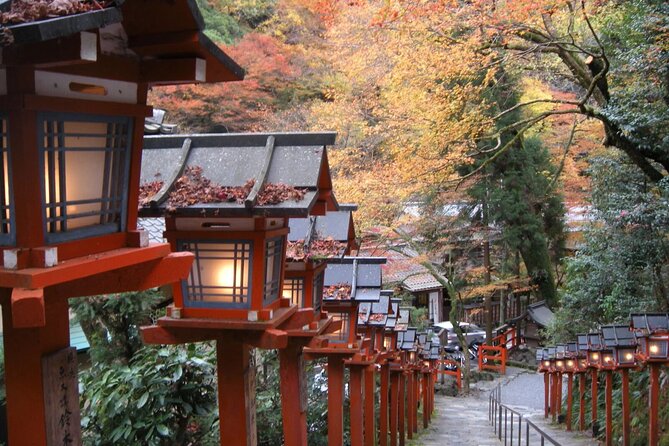
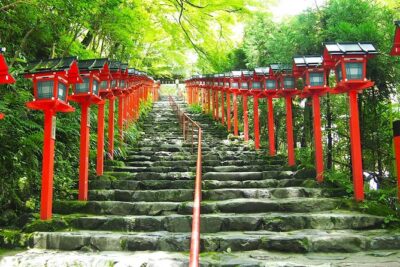
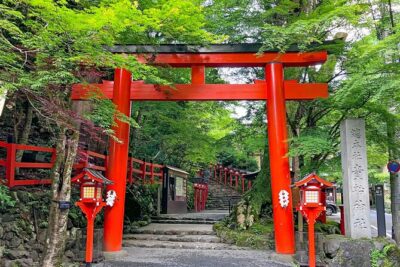
The approach is especially photogenic. Red lanterns line the stone staircase, creating one of the most recognizable views on the route. It is a strong finish after the forest walk because the shrine feels different from Kurama-dera while still belonging to the same sacred mountain world.
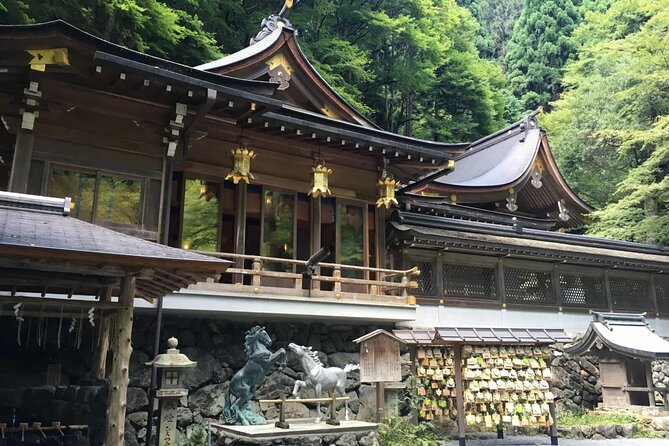
At Kifune Shrine, you can write a wish on a water-activated omikuji fortune. The paper’s message appears when placed in water, adding a simple ritual to the visit. Your guide can explain the custom and point out details you might otherwise pass without noticing.
The shrine visit is included in the final three-hour portion of the tour, which also covers the mountain route. Entry fees at all tour locations are included in the price, even though the individual details for Kifune Shrine do not list a separate admission charge.
Kibune is also where the character of the day changes again. Kurama feels like a temple village linked to Mount Kurama, while Kifune offers a shrine setting shaped by water, lanterns, and the river valley. Seeing both in one outing gives you a fuller picture than visiting either site alone.
Same city, a completely different kind of day:
- PERFECT KYOTO 1-Day Bus Tour
★ 5.0 · 13,518 reviews - Kyoto: Fushimi Inari, Kinkakuji, Bamboo Grove 1 Day Bus Tour
★ 4.8 · 4,316 reviews - Kyoto: Tea Ceremony in a Traditional Tea House in Kiyomizu
★ 4.9 · 3,519 reviews - Kyoto Geisha Walking Tour: Gion District & Hidden Gems
★ 4.7 · 3,273 reviews
What the guide adds to the walk
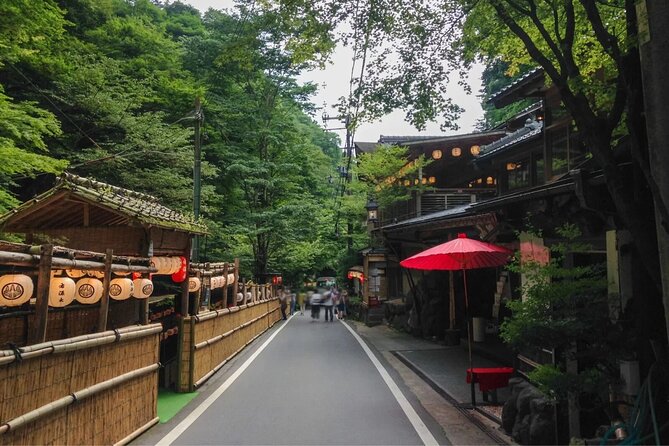
A guide matters most on the trail, not just at the temples. The route includes hidden shrines, legends, and places connected to spiritual beliefs. Without context, some of these spots could look like ordinary parts of the forest.
Justin is named as one of the guides, and the tour information presents him as the person leading this experience. His role includes explaining the sites, helping the group navigate tricky sections, and keeping the pace safe and steady.
That small group limit is important. With no more than 12 people, the guide can give directions before steep sections and answer questions without trying to manage a large crowd. You also get a better chance to hear the explanations in the forest.
The guide does not remove the physical demands of the path. You still need to handle the stairs and uneven ground yourself. What the guide provides is structure, local context, and reassurance when the trail becomes less obvious.
Is the $165.18 price good value?
At $165.18 per person, this is not a cheap way to reach Kurama and Kibune. You could potentially visit the area independently for less, especially if you are comfortable arranging the train connections, finding the trail, and visiting the temple and shrine without assistance.
The price makes more sense if you value convenience and interpretation. It covers the English-speaking guide, transportation during the tour, and entry fees at all tour locations. You are paying for a half-day route that links several moving parts: Kyoto Station, the subway, Iwakura Station, the Eizan Railway, Kurama-dera, the mountain trail, and Kifune Shrine.
The group size also adds value. A maximum of 12 is small enough for a personal feel without the cost of a private tour. If you are visiting Kyoto for a short time and want one organized morning outside the city center, this can be a practical use of half a day.
The value is weaker if you mainly want independent hiking. In that case, the fixed meeting time and set route may feel restrictive. The best reason to book is not simply transportation. It is having someone explain the sacred sites and guide you through the old mountain path.
Who should book this experience?
This outing suits you if you want a break from Kyoto’s urban sights and enjoy walking through forest. It is also a good choice if you like combining temples, shrines, local transport, and outdoor activity in one compact day.
It should appeal to visitors who want more than the most familiar central Kyoto stops. The route reaches a quieter part of the region and gives you a sense of how religious sites connect with mountains, water, and local legends.
You should be comfortable with moderate physical activity. The trail includes steep stairs and uneven ground, and wet or hot weather can add difficulty. If you have trouble walking uphill or on rough paths, ask yourself carefully if this is the right fit before booking.
The experience also works well for solo visitors who prefer company on a mountain route. The group setting gives you a guide, transport support, and a clear plan from the start.
Timing, meeting point, and practical details
The total duration is about 5 hours and 30 minutes. The start time is 9:30 a.m., and the activity ends back at the original meeting point near Kyoto Station.
Free cancellation is available if you cancel at least 24 hours before the local start time. Cancellations made within 24 hours do not receive a refund, and changes inside that window are not accepted.
Confirmation is provided when you book. The tour is near public transportation, but the first transfer includes a 15 to 20 minute walk between Kokusaikaikan Station and Iwakura Station.
Because lunch is not included, have a plan for food before or after the tour. The information provided does not set out a lunch stop, so do not count on a scheduled meal during the hike.
Should you book the Kurama and Kibune hike?
Book it if you want a guided half-day that combines a scenic train ride, sacred mountain sites, and a real forest trail. The strongest parts are the quiet setting, the contrast between Kurama-dera and Kifune Shrine, and the chance to hear the stories behind places that are easy to overlook.
Skip it if you want a flat walk, a flexible schedule, or a low-cost independent visit. The route is manageable for people with moderate fitness, but steep and uneven sections are part of the deal.
For most active visitors who want to see a quieter side of Kyoto, this is a well-shaped outing. Pack light, wear solid shoes, leave room for the train ride and the forest, and treat the $165.18 price as payment for guidance and organization rather than transport alone.
FAQ
How long does the Kurama and Kibune tour last?
The experience lasts approximately 5 hours and 30 minutes.
What time does the tour start?
The tour starts at 9:30 a.m.
Where is the meeting point?
The meeting point is Starbucks Coffee at Kyoto Tower Sando, Kyoto Tower Building, 7211 Higashishiokoji-cho, Shimogyo Ward, Kyoto, 600-8216.
Where does the tour end?
The activity ends back at the original meeting point.
What transportation is used?
The route includes the Karasuma Subway Line, a walk from Kokusaikaikan Station to Iwakura Station, and the Eizan Railway to Kurama Station. Transportation during the tour is included.
Is lunch included?
No. Lunch is not included in the tour price.
How difficult is the hike?
The tour requires a moderate level of physical fitness. The trail includes steep stairs and uneven ground, and wet or hot weather can make it more difficult.
How many people can join the tour?
The tour has a maximum of 12 participants.
Newest Kyoto experiences on the site
- Treasures of Kyoto: Gion & historical Walking Tour★ 5.0 · 6 reviews
- Whisk Your Own Matcha: A Zen Matcha Experience at Temple★ 3.6 · 7 reviews
- Kyoto tea town for matcha lovers★ 5.0 · 16 reviews
- Uji: Private immersion into Kyoto’s tea and reglious culture★ 5.0 · 17 reviews
- Kyoto Matcha Green Tea Tour★ 4.5 · 23 reviews
- Uji and Wazuka Matcha Farm Half Day Private Guided Tour★ 5.0 · 21 reviews
- Utilising upcycled Matcha! Creating matcha incense (Uji, Kyoto)★ 5.0 · 6 reviews
- Sacred Temple Yoga Experience in Japan★ 5.0 · 3 reviews
Kyoto Hiking Tours, compared.
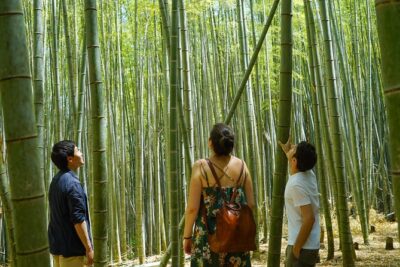
Fushimi Inari Hidden Hiking Tour (Private Option Available)
Read our review →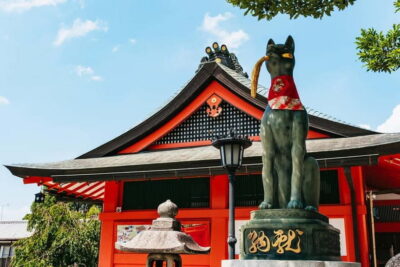
Kyoto Hiking Tour: The Nature and Legends of Kurama and Kibune
Read our review →
Kyoto Arashiyama Bamboo Forest Hiking Tour(Hidden Temples)
Read our review →
Hiking Tour for Sacred Sites in Kyoto with a Guide
Read our review →Browse the lists this tour appears in