
Reviewed · KYOTO CYCLING TOURS
Kyoto Satoyama Cycling with Lunch and English Guide
Sonobe gives you a side of Kyoto that most city itineraries miss: quiet roads, mountain views, working fields, shrines, and the sound of water moving through the countryside. You ride an e-bike with local guides such as Maki and Yasu, then stop for a hands-on soba-making session or a meal built around local produce.
I like the close contact with everyday rural Japan, and I like that the tour is private, so your group sets the pace. The main consideration is timing: the advertised four to five hours can run past 2 PM if you add Mt. Komugi or other optional activities.
Key points to know before booking
- Sonobe is only about 30 minutes from Kyoto City by train, yet it feels far removed from the busy temple circuit.
- The private format works well for families, school groups, and mixed-age parties, with an English-speaking local guide.
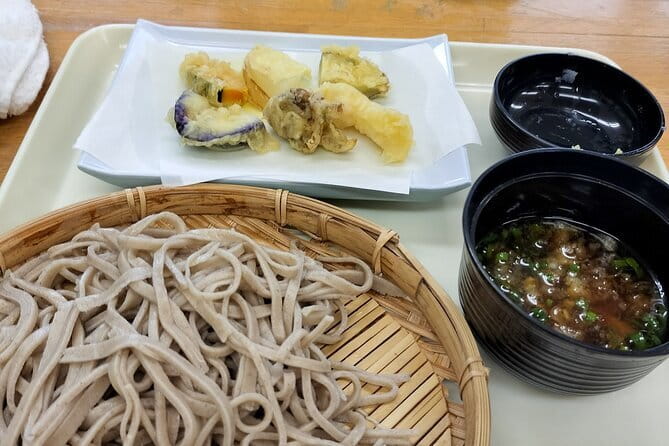
- Course A includes soba making, using buckwheat grown in the area, followed by freshly boiled noodles, tempura, and rice balls.
- Course B offers a local meal in a traditional Japanese house, including the well-liked Kaeyuno Oyado option.
- Several extra experiences are included, such as a kimono photo, koto playing, shrine worship, castle visits, spring water, or Mt. Komugi.
- Weather matters, since cycling routes may change or the tour may be canceled in poor conditions.
Why Sonobe makes a smart Kyoto day trip
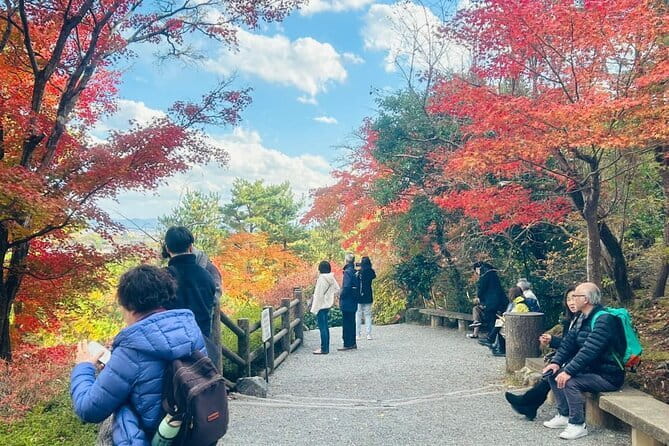
Kyoto City can be tiring. You move from one crowded sight to another, often with little sense of how people live outside the old center. Sonobe offers a useful contrast. The roads pass fields, Japanese homes, wooded hills, rivers, and small religious sites rather than packed shopping streets.
The cycling is not presented as a hard athletic challenge. The e-bike takes pressure off your legs, and the ride between stops usually lasts 10 to 20 minutes. That leaves room to look around instead of staring at the road and counting the minutes until the next break.
I would choose this outing if you want rural scenery but do not want to organize trains, bike rental, restaurant reservations, and an English-speaking local escort on your own. The meeting point is in Sonobe, and the tour returns there at the end. You need to handle the trip to the starting point, but the town is close enough to Kyoto for a practical half-day outing.
The private setup is important. A school group of 16 has used the experience, but it also suits a couple or a small family. Your guide can explain local customs and adjust the pace more easily than on a large bus tour.
More bike days around Kyoto:
- Hidden Kyoto E-Biking tour
★ 5.0 · 1,843 reviews - Bike Tour Exploring North Kyoto plus Lunch
★ 5.0 · 1,087 reviews - Arashiyama Bamboo Forest & Hidden Gems Bike Tour (Early Bird)
★ 5.0 · 613 reviews
Starting at Ikimi Tenmangu Shrine
The first stop is Ikimi Tenmangu Shrine, described as the oldest Tenmangu Shrine in Japan. It honors Sugawara no Michizane, a figure associated with learning, so students and families visit to pray for success in exams.
You have about 10 minutes here. That is enough for a short visit and an explanation of the shrine’s purpose, though not enough for a long architectural inspection. The value is the local connection. This is not simply a stop for taking a quick photo. Your guide can explain how worship at a shrine works and why academic success is such a common prayer theme.
You can also select shrine worship as one of your extra activities. If this is your first time in Japan, ask your guide to explain the proper steps rather than rushing through them. The tour specifically offers instruction in shrine etiquette, which adds more meaning than simply walking through the gate.
Sonobe Castle and an unusual school entrance
Next comes the ruins of Sonobe Castle, about 20 minutes. The site has an unusual modern role: its main gate is now used by Sonobe High School.
The remaining features include the gate, castle walls, turrets, and guardhouse. It is not a grand restored castle with multiple floors to explore. Think of it as a compact historical pause woven into a countryside ride. You see how an older site can remain part of daily town life instead of being separated behind a large museum entrance.
A castle visit is one of the optional choices, so tell the guide at the start if you want to include it. Depending on school schedules and access, the visit may vary. That is worth keeping in mind if you expect a full castle tour.
The stop works especially well for children and students because the setting makes the past feel close to the present. A school entrance, a road, and a few preserved structures can prompt better questions than a polished historical display.
Making soba in a former elementary school
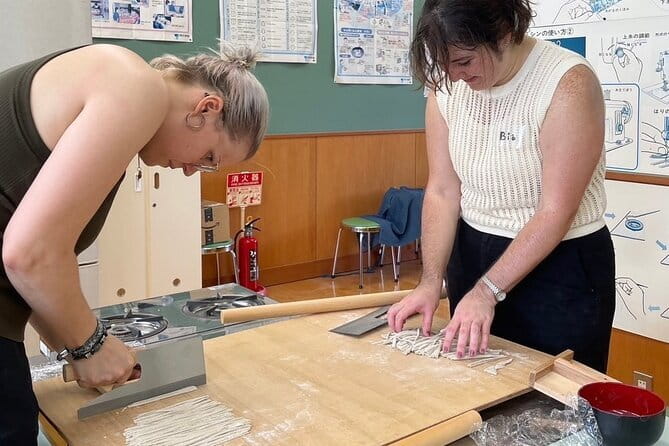
The longest stop is at a closed elementary school, where you spend about 1 hour and 50 minutes. Here you can make soba from local buckwheat flour and eat the noodles after they are boiled.
This is the heart of Course A. You are not just handed a plate of noodles. You take part in the preparation, then sit down to eat the result with tempura and rice balls. The meal connects the countryside around Sonobe to the food on your table.
The former school setting gives the activity a strong local feel. It is practical, informal, and more memorable than a restaurant meal alone. You also get a chance to slow down after riding. For families, this is likely the most engaging part of the day. For school groups, it adds a useful activity that is both social and tied to regional food.
Soba making can take more time than a standard lunch, so Course A is best if you enjoy participating rather than simply eating. You should also tell the operator in advance about dietary needs. Vegan, vegetarian, and allergy-friendly meals are available on request.
If you would rather skip the cooking activity, Course B offers local produce at a restaurant in a traditional Japanese house. Kaeyuno Oyado has been singled out as a pleasant lunch choice, and the property is described as having a cute frog theme. The meal there gives you a quieter restaurant experience, while Course A gives you more hands-on involvement.
More long lunches in Kyoto:
- Osaka/Kyoto: Arashiyama, Nara & Fushimi Inari Shrine w/Lunch
★ 4.4 · 754 reviews - Kyoto Zen Meditation & Garden Tour at a Zen Temple with Lunch
★ 5.0 · 441 reviews - 4.5-Hour Kyoto Bike Tour with Lunch and UNESCO Zen Temples
★ 5.0 · 122 reviews - From Kyoto: Nara History Guided Half Day Bus Tour with Lunch
★ 4.8 · 114 reviews
Stopping at Make Shrine
Make Shrine is another 30-minute stop. It honors the agricultural deity of the Tanba region, which has long helped supply food to Kyoto.
The shrine’s main hall has a traditional thatched roof, a detail that fits the rural setting and gives the stop a clear sense of place. This is a good point to ask about farming, local food, and how the surrounding region relates to Kyoto City.
The tour also teaches proper shrine worship. That makes this stop more than a quick look at a building. Your English guide can help you understand the gestures and customs without turning them into a performance.
Because the visit lasts about half an hour, you have time to look closely and listen. The route does not treat every shrine as a rushed photo stop. Instead, it gives you a short cultural lesson between stretches of cycling.
Choosing the optional experiences
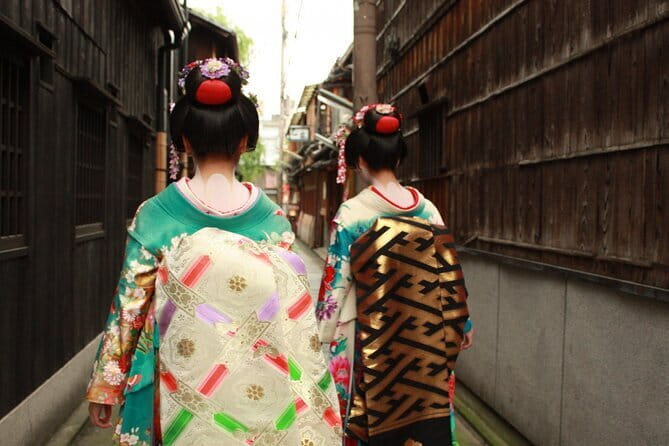
At the start, you can choose two or three extra activities from the available options. These are included in the tour price, but they add time, so be realistic about your interests and energy.
Choices include:
- Visiting the castle
- Worshipping at Shinto shrines
- Drinking spring water after going over a small mountain
- Taking a photo in a kimono
- Playing the koto, a traditional Japanese instrument
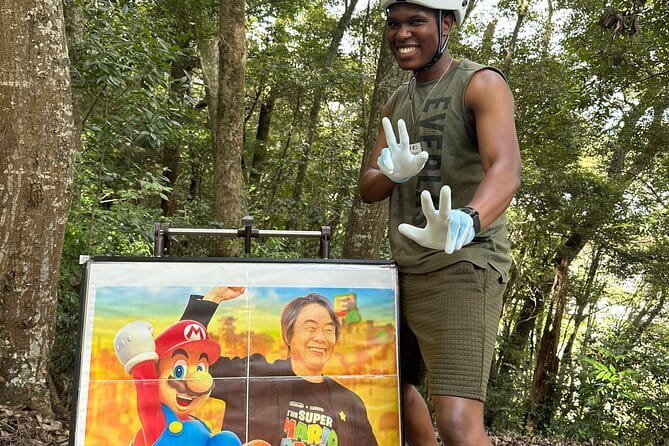
- Exploring Mt. Komugi, described as the birthplace of Mario
The kimono and koto options make the tour more varied for people who want cultural activities beyond cycling. They also give you something to do if one member of your group is less interested in riding.
Mt. Komugi is the option most likely to stretch the schedule. The tour notes that exploring it may take the day past 2 PM. If you have an afternoon train, dinner booking, or another fixed plan, skip this addition or confirm the timing before setting out.
The spring water option involves going over a small mountain, so it may require more effort than the shrine or kimono choices. The supplied details do not give a difficulty rating, so ask the guide at the start if anyone in your group has concerns about the extra climb.
What the e-bike route feels like
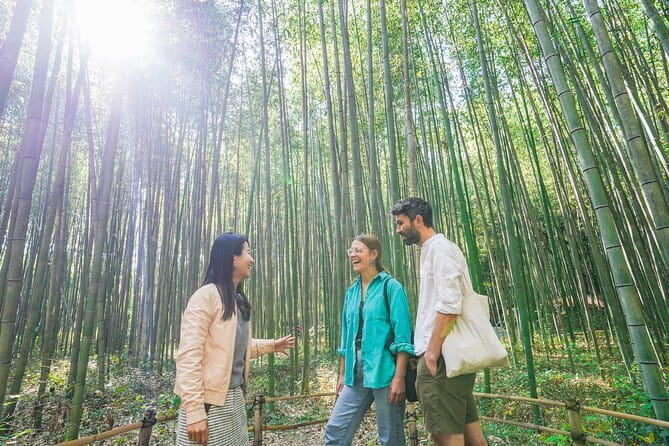
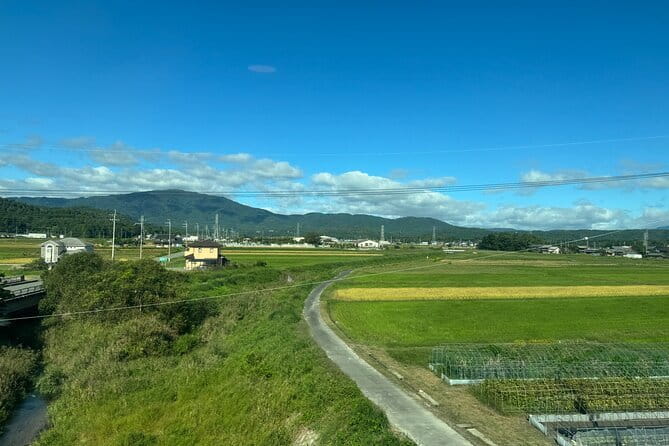
The ride between stops takes roughly 10 to 20 minutes. You pass fields, Japanese houses, trees, mountain views, and waterways. The scenery is the point, not speed.
The e-bike helps make the route approachable for most people. Still, this is an outdoor activity, and conditions can affect comfort. The operator gives clothing advice based on the forecast and has provided safety equipment, hand warmers, and neck warmers during cold weather. Wear practical clothing and shoes suited to riding and stopping outdoors.
The route is quiet enough that you can notice birds and the river. That simple soundscape is a big part of the experience. You are not only looking at rural Japan, you are moving through it at a pace that lets you hear it.
Do not expect a long-distance cycling workout or a technical mountain ride. The supplied details describe short transfers between cultural and food stops. The tour is better for sightseeing by bicycle than for serious cyclists seeking speed or challenging terrain.
English guidance and the local touch
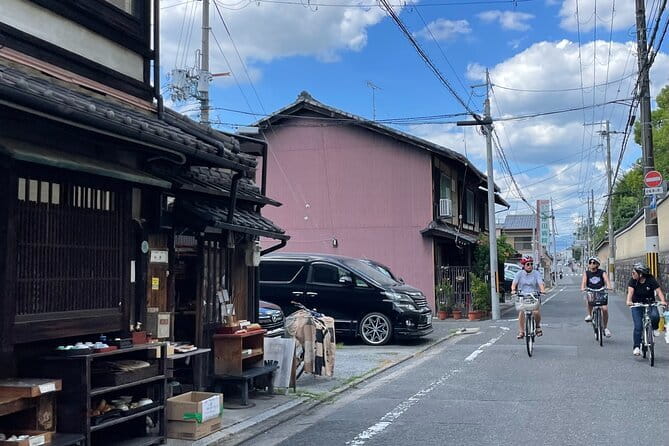
The guides were born and raised in the town, which changes the character of the day. Maki is named as one of the guides, and Yasu also helps lead the experience. Their role is not limited to steering you from one point to another.
A local guide can explain why a shrine matters to residents, how the town connects to Kyoto, and what makes a small castle remnant worth noticing. You also have someone to help with the practical parts of cycling, food preparation, and shrine etiquette.
The English guidance is especially useful during soba making and the cultural options. Instructions for food preparation and traditional customs are easier to follow when you can ask questions as they arise.
The warm, personal approach seems to be a major strength. The guides have welcomed couples, families, and large student groups, and they provide clothing advice and safety equipment. You should still tell them at the beginning what pace and activities suit your group.
Price and what you receive
The stated price is $78.83 per person, while the participation information also lists 15,000 yen for one person. Since those figures do not match exactly, check the final booking currency and total before paying.
At this price, the value depends on how many elements you use. You receive an English-guided private tour, an e-bike, several cultural stops, lunch, and a choice of included extras. Course A adds a food-making activity, while Course B provides a local meal in a traditional house.
That is a fair package for a private half-day experience near Kyoto, especially if you would otherwise need to arrange transport, bike rental, and a meal separately. Group discounts may improve the value for larger parties.
The cost is less compelling if you want only a short bike ride and a photo stop. The tour earns its price through the guide, the private format, the meal, and the access to local activities. Choose it for the full combination, not just the bicycle.
Who should book this outing
I would recommend it most strongly to:
- Families wanting a relaxed activity outside the city
- School or university groups
- Couples who prefer rural Japan to crowded sightseeing areas
- First-time visitors who want help with shrine customs
- Food lovers interested in soba preparation
- Visitors with vegan, vegetarian, or allergy needs who arrange meals ahead
It may not suit you if you want a fully flexible day, a strenuous cycling route, or a guaranteed early finish. The extra activities can extend the schedule, and the tour depends on good weather.
The cycling is suitable for most participants according to the supplied information, but you should still consider your group’s comfort with outdoor activity. Ask about the optional small mountain section if anyone prefers a flatter, shorter day.
Booking, weather, and timing tips
The tour starts at 10 AM and returns to the meeting point. Plan on four to five hours, with extra time possible if you choose Mt. Komugi or several add-ons.
Confirmation is provided at booking, and the starting point is near public transportation. Give yourself enough time to reach Sonobe without cutting it close, since a late arrival could reduce time for the activities.
Weather is a real factor. If poor conditions require cancellation, the operator will notify reservation holders by 5 PM the day before. You can then choose transport by car, move to another date, or cancel without a fee.
For ordinary cancellations, you need to cancel at least 24 hours before the start time for a full refund. Changes made inside that window are not accepted, and late cancellations are not refunded.
FAQ
How long does the Kyoto Satoyama Cycling tour last?
The standard tour lasts about four to five hours, including bicycle travel between stops. Extra activities, especially Mt. Komugi, may extend the day past 2 PM.
What time does the tour begin?
The stated start time is 10 AM.
Where does the tour start and end?
It starts at Mizobe-6-21 Sonobecho Oyama Higashimachi in Nantan, Kyoto. The activity ends back at the same meeting point.
Is the tour private?
Yes. Only your group participates in the activity.
Is an English-speaking guide provided?
Yes. Local guides born and raised in the town lead the tour in English. Maki and Yasu are among the named guides.
What lunch choices are available?
Course A includes soba making with local buckwheat flour, freshly boiled soba, tempura, and rice balls. Course B offers local produce at a restaurant in a traditional Japanese house. Vegan, vegetarian, and allergy-friendly meals are available on request.
What extra activities can I choose?
You can choose two or three included options, such as a castle visit, shrine worship, spring water, a kimono photo, koto playing, or Mt. Komugi exploration.
What happens if the weather is bad?
If the tour is canceled because of poor weather, you can choose another date or receive a full refund. The operator may also offer transportation by car. Notice is expected by 5 PM the day before.
Should you book the Sonobe cycling tour?
Book it if you want to trade Kyoto’s crowded center for quiet roads, local food, and a personal guide who can explain what you are seeing. The best version of the day combines the e-bike ride, soba making, one or two shrine visits, and a carefully chosen extra activity.
I would choose Course A for families, food lovers, and groups that want to take part in something. Choose Course B if you prefer a calmer meal in a traditional house. Keep your afternoon open, dress for the forecast, and confirm the price in yen or dollars before booking.
For a compact taste of rural Kyoto with real local contact, this tour offers much more than a bicycle ride.
Newest Kyoto experiences on the site
- Treasures of Kyoto: Gion & historical Walking Tour★ 5.0 · 6 reviews
- Whisk Your Own Matcha: A Zen Matcha Experience at Temple★ 3.6 · 7 reviews
- Kyoto tea town for matcha lovers★ 5.0 · 16 reviews
- Uji: Private immersion into Kyoto’s tea and reglious culture★ 5.0 · 17 reviews
- Kyoto Matcha Green Tea Tour★ 4.5 · 23 reviews
- Uji and Wazuka Matcha Farm Half Day Private Guided Tour★ 5.0 · 21 reviews
- Utilising upcycled Matcha! Creating matcha incense (Uji, Kyoto)★ 5.0 · 6 reviews
- Sacred Temple Yoga Experience in Japan★ 5.0 · 3 reviews
Kyoto Cycling Tours, compared.
Arashiyama Bamboo Forest & Hidden Gems Bike Tour (Early Bird)
Read our review →
5 Top Highlights of Kyoto Full Day Bike Tour (E-bike option)
Read our review →
Full Day Biking Tour Exploring the Best of Kyoto
Read our review →
Afternoon Kyoto Bike Tour: Bamboo Forest, Monkeys & Hidden Spots
Read our review →
South Kyoto in a Nutshell: Gentle Backstreet Bike Tour!
Read our review →Browse the lists this tour appears in