
Reviewed · KYOTO GEISHA & MAIKO EXPERIENCES
Geisha at Dusk: A Stroll Through Old Kyoto
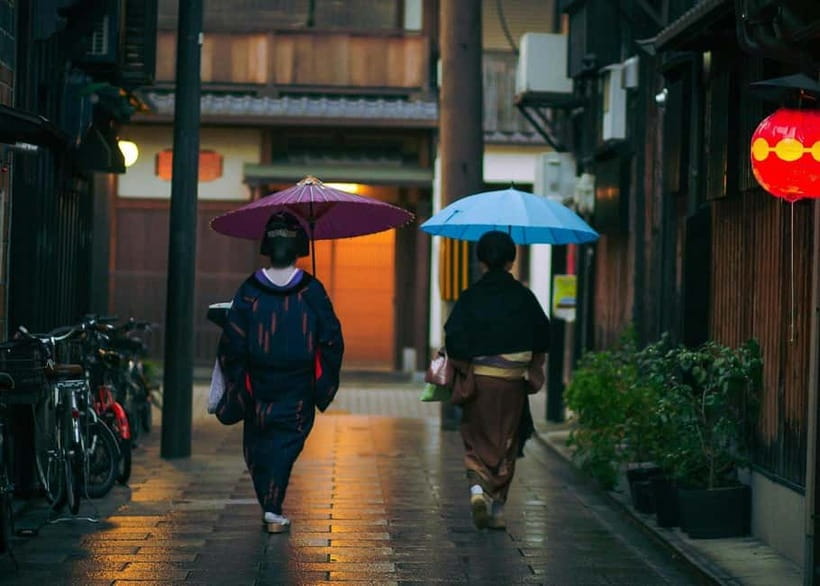
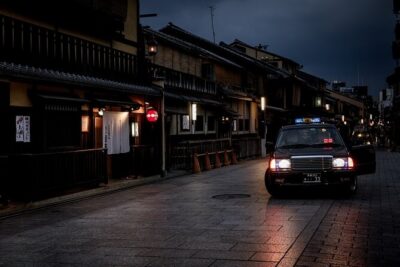
At dusk, Kyoto’s Gion district changes character. Lanterns come on, the Shirakawa River catches the fading light, and old wooden townhouses take on a softer look. This two-hour walk links several of the city’s best-known corners without burying you in a long lecture. The timing is the star, especially if you want both sunset and early-night views.
I like the quirky coin ritual at Kyoto Ebisu Shrine, and I like the route through Kennin-ji before it reaches Hanamikoji Street. Guide Romi has a warm, friendly manner and explains the meaning behind objects along the way, while a small group gives you room to ask questions. The main catch is simple: you may not see a maiko or geiko, and the $20 price buys a walking tour rather than a performance or meal.
Key points at a glance
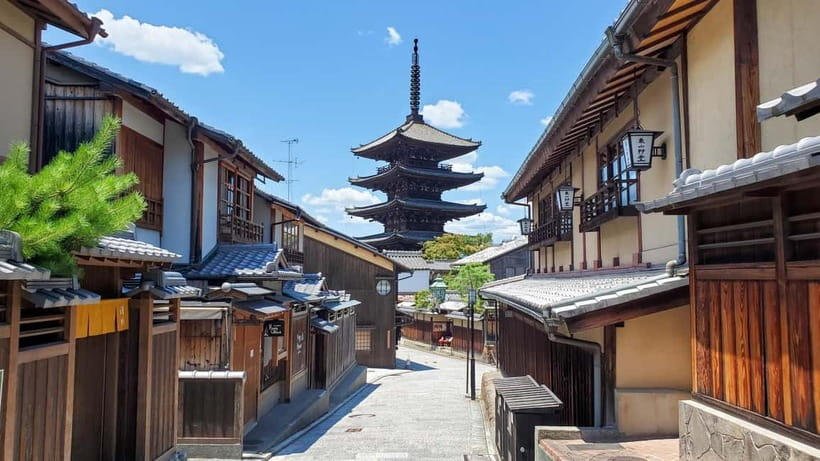
- A dusk route through Gion: See Hanamikoji Street and Gion Shirakawa as daylight fades.
- A memorable shrine ritual: Toss a coin into a box beneath Ebisu’s smiling face at Kyoto Ebisu Shrine.
- A temple shortcut into old Kyoto: Walk through Kennin-ji’s calm grounds before reaching the busy streets.
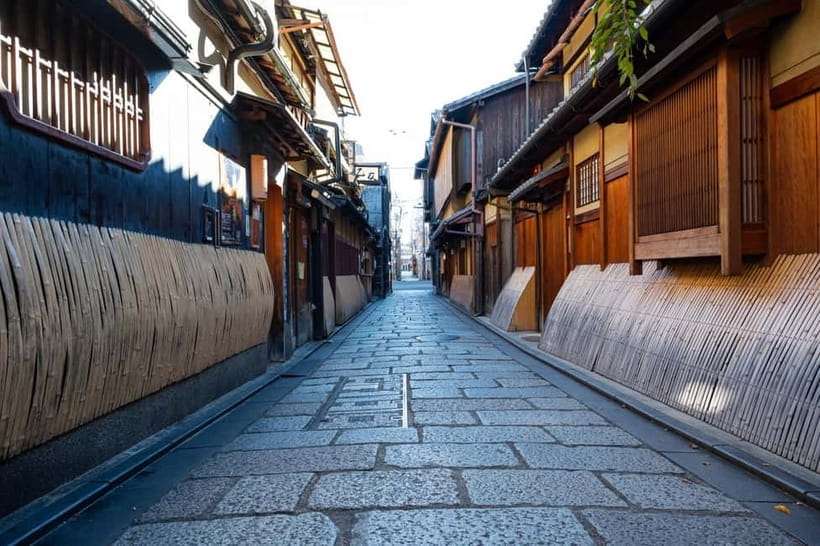
- Traditional wooden townhouses: Look closely at the preserved facades along Hanamikoji and the Shirakawa Canal.
- Guide Romi’s personal touch: Expect English explanations, cultural context, and time for questions.
- A focused $20 experience: Two hours covers several major sights, but food, drinks, and guaranteed geisha sightings are not included.
Why dusk works so well in Gion
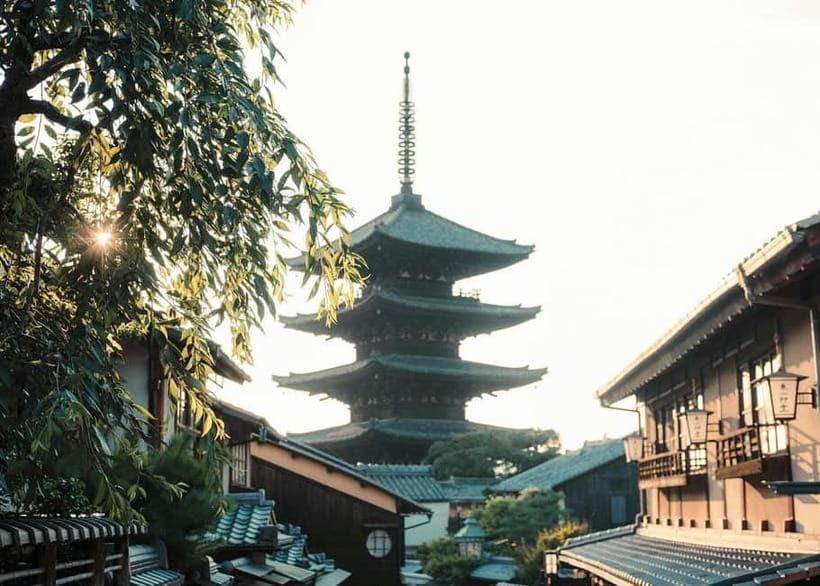
Gion is easy to visit on your own, but the district makes more sense when someone explains what you are seeing. A plain wooden facade can look like an old shopfront until you learn how traditional Kyoto townhouses fit into the neighborhood’s design. A shrine ritual can seem puzzling until you understand what the gesture means.
This tour is built around that kind of explanation. You walk rather than rush from one photo stop to another, and the changing light gives the route a clear mood. One recent departure began in warm evening light and finished after dark, which is a useful detail when you are choosing among Kyoto walking tours.
The pace also matters. You cover several famous places, but the experience remains a short neighborhood walk instead of an all-day sightseeing march. At $20 per person, that is a fair price if you want orientation, local context, and a guide who can answer questions. It is less suitable if you expect entry to a show, a meal, or an arranged meeting with a geisha.
Romi appears to be the guide most often associated with this experience. She explains cultural details, points out objects you might otherwise miss, and handles questions with patience. A small group makes a difference here. Gion’s streets can be visually busy, so being able to hear the guide and ask about an odd detail is worth more than a large group’s lower per-person cost.
More geisha and maiko evenings in Kyoto:
- Kyoto Geisha Walking Tour: Gion District & Hidden Gems
★ 4.7 · 3,273 reviews - Kyoto: Gion Magical Night Walking Tour with Geisha Trivia
★ 4.9 · 2,393 reviews - Kyoto: Gion Geisha District Walking Tour – Stories of Geisha
★ 4.7 · 2,187 reviews
Meeting at Donguri-bashi Park
The meeting point is Donguri-bashi Park, at approximately 35.0018215, 135.771567. Your guide waits there before setting off. Check the exact starting time when you book, since the tour runs for two hours and available departures can vary.
The starting point helps frame the walk as a neighborhood outing rather than a shrine-only visit. You begin near the waterways and streets that connect central Kyoto with Gion, then move toward the historic district on foot. Bring comfortable shoes. This is not a difficult mountain walk, but you will spend the full two hours walking and standing.
A camera is also worth carrying. The appeal here is not just one famous building. It is the combination of narrow streets, timber facades, river reflections, temple grounds, and changing light. Keep your camera ready, but do not let taking pictures distract you from the guide’s explanations or from the people who live and work in these areas.
Kyoto Ebisu Shrine and the coin toss
The first main stop is Kyoto Ebisu Shrine, dedicated to Ebisu, one of Japan’s Seven Lucky Gods. Ebisu is linked with prosperity, so the shrine offers a natural introduction to the way religious practice and everyday hopes meet in Kyoto.
The special feature is a coin toss. You place a coin into a box beneath Ebisu’s smiling face and try your luck through this local ritual. It is a small action, but it gives the visit a playful quality. Instead of simply looking at the shrine, you take part in something you will remember.
Romi can explain the significance of the ritual and the shrine’s connection with good fortune. That context is the reason to make this stop with a guide. You can certainly visit a shrine alone, but a short explanation turns an unfamiliar custom into an understandable part of the city.
Do not expect a long formal ceremony. The attraction is the unusual detail and the chance to take part respectfully. If you have never visited a Japanese shrine, listen closely to the instructions and follow the guide’s lead.
Kennin-ji, a quiet change of pace
From the shrine, the route passes through Kennin-ji Temple. Its main gate signals a change in mood. The streets outside can feel active and crowded, while the temple grounds offer a more settled space before you return to Gion’s famous lanes.
Kennin-ji is also connected with important cultural works, including the famous Wind and Thunder Gods picture. The tour information highlights this as one of the temple’s cultural treasures. Your exact viewing experience depends on the route and what is open at the time, so treat the temple visit primarily as a walk through its grounds rather than as a promise of a full indoor museum visit.
This is one of my favorite structural choices in the tour. Starting with the shrine, moving through the temple, and then arriving at Hanamikoji gives the walk a natural rhythm. You get a quieter stretch before the best-known street, which makes the arrival feel more dramatic.
The route is listed as wheelchair accessible. Still, the walk includes temple grounds, streets, and later cobblestone paths beside the canal. If you use a wheelchair, confirm the current route details and surface conditions with the provider before booking, especially if you need a particularly smooth path.
More walking tours in Kyoto:
- Night Walk in Gion: Kyoto’s Geisha District
★ 4.5 · 2,003 reviews - Kyoto Gion Geisha District Walking Tour – The Stories of Geisha
★ 5.0 · 1,441 reviews - Nishiki Market Brunch Walking Tour (7 Tastings + Brunch)
★ 5.0 · 1,355 reviews - Kyoto Arashiyama Walking Tour: Bamboo, Monkeys, Gardens & Secrets
★ 5.0 · 1,216 reviews
Hanamikoji Street and its wooden townhouses
After Kennin-ji, you reach Hanamikoji Street. This is one of Kyoto’s most recognizable streets, lined with traditional wooden townhouses and associated with the geisha district. The street can feel far more lively than the temple grounds you have just left.
The key is to look beyond the headline attraction. The wooden townhouses are not just pretty backdrops. Their proportions, entrances, and restrained fronts help explain the visual character of old Kyoto. Romi points out objects and features along the way and connects them to Japanese culture, which gives you more to notice than a quick photo stop.
You might see a maiko or geiko passing by, especially in the evening, but there is no guarantee. That uncertainty is important. Book this walk for the neighborhood, the buildings, and the explanations. Treat a geisha sighting as luck, not as the product being sold.
If you do see one, keep your distance and behave politely. This is a working district, not a stage set. The area’s residents, businesses, and performers deserve space. A guide can help you understand what you are seeing without encouraging the kind of hurried pursuit that makes these streets unpleasant.
The tour allows roughly 15 minutes for one of its guided sightseeing portions, while the complete walk lasts two hours. Do not read those timings as a strict promise that every stop receives the same amount of attention. The guide may adjust the pace according to the group, street conditions, and questions.
Gion Shirakawa and the final walk by the canal
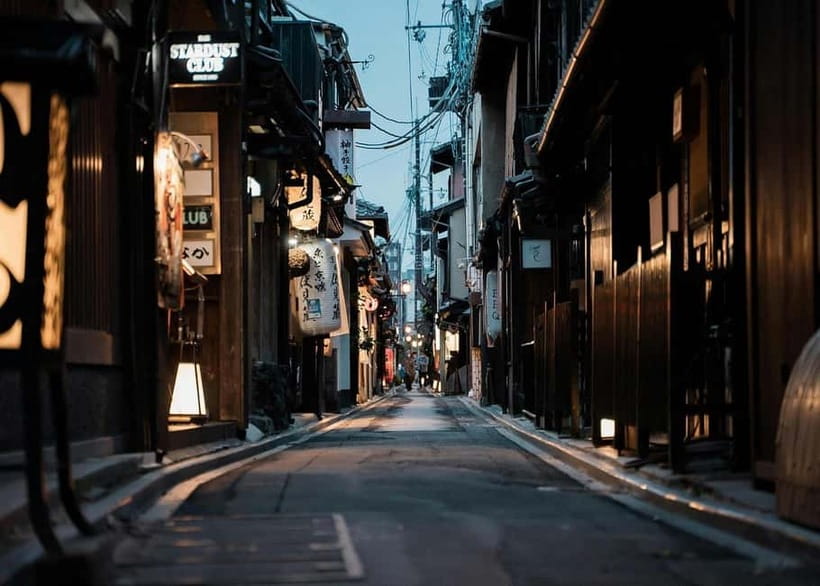
The final stretch leads to Gion Shirakawa and the Shirakawa Canal. Here, cobblestone paths run beside the clear river, with traditional wooden townhouses lining the route. This is the most atmospheric part of the walk, particularly as the sky darkens and lights begin to show along the street.
The canal gives you a different view of Gion. Hanamikoji presents the district from the street, with its shops and facades close at hand. Shirakawa opens the scene slightly, letting the water, bridges, and buildings work together. You can take photographs here, but the narrow paths mean you should remain aware of foot traffic and other people stopping for pictures.
This portion lasts about 25 minutes as a guided walk and photo stop. That is enough time to appreciate the setting without turning the tour into a long evening outing. If you want to linger for a full night of dining or private exploration afterward, plan that separately.
The timing is especially useful for photographers. The tour may take you from sunset into early darkness, giving you two versions of the same district. Bright afternoon light can flatten old wooden facades. Softer evening light brings out their texture, while the canal adds reflections and a sense of calm.
What the $20 price really covers
At $20 per person, this is an inexpensive guided introduction to Gion and Higashiyama. The price includes a local English-speaking guide, and the route covers a shrine, temple grounds, Hanamikoji Street, and Gion Shirakawa. For a first evening in Kyoto, that is a useful amount of ground.
The value comes from interpretation, not admission-heavy sightseeing. You are paying for Romi’s explanations, the route planning, and the chance to ask questions as the neighborhood unfolds. The tour does not include a meal, so do not expect a food tasting or dinner stop.
You also do not receive a guaranteed maiko or geiko encounter. That is not a flaw in the price so much as a matter of expectation. No walking tour can reliably control who appears on a public street. If you want a formal cultural performance, this is the wrong product.
The five available ratings are all top scores, with praise focused on the guide’s warmth, clear explanations, and willingness to answer unusual questions. That fits the format well. This tour is strongest when you want cultural background in plain language, not a rushed checklist of landmarks.
Who should book this walk
I would recommend it to first-time Kyoto visitors who want a simple introduction to Gion without committing to a full evening program. It is also a good fit for solo visitors and couples who prefer a small group and want someone to explain details that are easy to miss.
You will get the most from it if you enjoy walking, photography, architecture, and small cultural rituals. The route also suits people who want to understand Kyoto’s traditional districts before returning later on their own.
Families may appreciate the coin toss at Ebisu Shrine, though the two-hour duration and evening timing may not suit very young children. Anyone with limited walking stamina should consider the full route before reserving. Comfortable shoes are essential.
This is less suitable if you want a private tour, a long temple visit, a guaranteed geisha sighting, or a food-focused evening. It is also not the best choice if you have already spent several days studying Gion and only want access to a performance.
The tour is offered in English and is listed as wheelchair accessible. Free cancellation is available up to 24 hours before the start, and you can reserve now and pay later. Those terms are useful if your Kyoto schedule is still changing.
My take: book it for context, not spectacle
Book this tour if you want Gion to feel like a real neighborhood rather than a collection of famous photo spots. The route is short, affordable, and well timed, with a memorable shrine ritual, a peaceful temple passage, classic wooden townhouses, and the canal at dusk.
Skip it if your main goal is a meal, a formal performance, or a guaranteed encounter with a maiko or geiko. For everyone else, the $20 price makes this a sensible way to get your bearings, ask questions, and see old Kyoto at one of its prettiest hours.
FAQ
How long is Geisha at Dusk?
The tour lasts two hours. Starting times vary, so check availability for the date you want.
Where does the tour meet?
Your guide waits at Donguri-bashi Park. The meeting point is approximately 35.0018215, 135.771567.
What language is the tour offered in?
The live tour guide speaks English.
What does the price include?
The $20 price includes a local guide. Meals are not included.
Will I definitely see a maiko or geiko?
No. You may see one during the walk, but encounters are not guaranteed.
Is the tour wheelchair accessible?
The activity is listed as wheelchair accessible. Because the route includes temple grounds, streets, and cobblestone paths beside the canal, confirm current route details if you need specific accessibility arrangements.
Can I cancel or pay later?
You can cancel up to 24 hours in advance for a full refund. You can also reserve now and pay later.
Newest Kyoto experiences on the site
- Treasures of Kyoto: Gion & historical Walking Tour★ 5.0 · 6 reviews
- Whisk Your Own Matcha: A Zen Matcha Experience at Temple★ 3.6 · 7 reviews
- Kyoto tea town for matcha lovers★ 5.0 · 16 reviews
- Uji: Private immersion into Kyoto’s tea and reglious culture★ 5.0 · 17 reviews
- Uji and Wazuka Matcha Farm Half Day Private Guided Tour★ 5.0 · 21 reviews
- Kyoto Matcha Green Tea Tour★ 4.5 · 23 reviews
- Utilising upcycled Matcha! Creating matcha incense (Uji, Kyoto)★ 5.0 · 6 reviews
- Sacred Temple Yoga Experience in Japan★ 5.0 · 3 reviews
Kyoto Geisha & Maiko Experiences, compared.
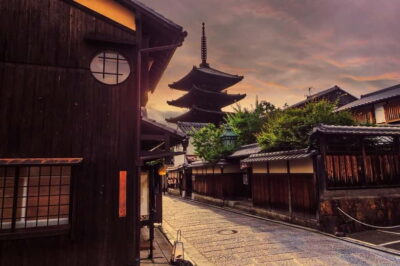
Kyoto Geisha Walking Tour: Gion District & Hidden Gems
Read our review →
Gion Magical Night Walking Tour with Geisha Trivia
Read our review →
Gion Geisha District Walking Tour – Stories of Geisha
Read our review →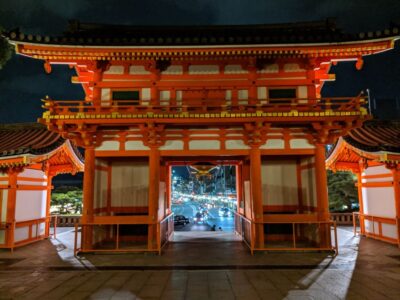
Best of Kyoto: Gion, Geisha, Pagodas & Cobblestones
Read our review →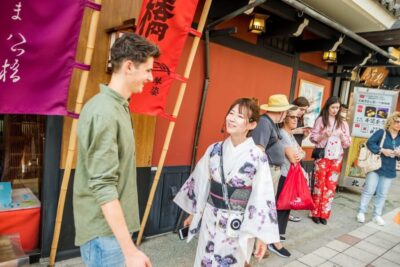
Kyoto Gion Geisha District Walking Tour – The Stories of Geisha
Read our review →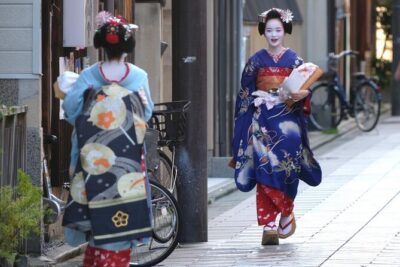
Kyoto Gion: 2-Hour Geisha Culture & History Walking Tour
Read our review →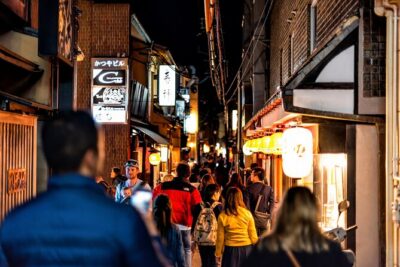
Kyoto Gion Night Walk & Geisha District Guided Tour
Read our review →Browse the lists this tour appears in