
Reviewed · KYOTO ZEN MEDITATION
Kyoto: Zen Meditation and Garden Tour at a Temple with Lunch
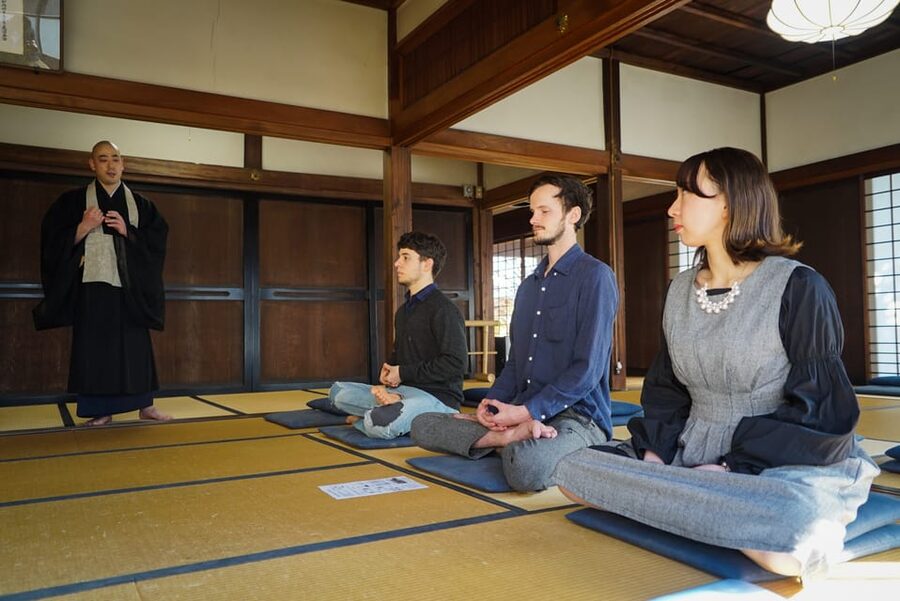
Kyoto has plenty of temples to photograph. This experience asks you to slow down and sit still. You begin in the calm garden of Kōmyō-in, visit the grand Tofukuji complex, then practice zazen meditation for about an hour at Shōrin-ji with a monk. It is a more thoughtful way to meet Kyoto’s Buddhist tradition than simply ticking off another gate and pagoda.
I like two things here. First, your guide gives the garden and meditation some useful context before you sit, so you are not left wondering what to do with your hands or your thoughts. Second, the small advertised group of up to seven makes the walk personal, and guides such as Yutaka, Eri, Louis, and Tammy have been praised for clear explanations and warm conversation. The traditional lunch is another strong finish.
One point needs care: the meditation may take place in a room shared with other participants, and one session included around 30 people. The monk may not speak English, so questions can require translation or silent reading materials. If you expect a private retreat, this may feel more like a public temple practice than a secluded session.
Key points at a glance
- Kōmyō-in garden comes first: You learn how Zen ideas relate to the arrangement, space, and quiet of a Japanese temple garden.
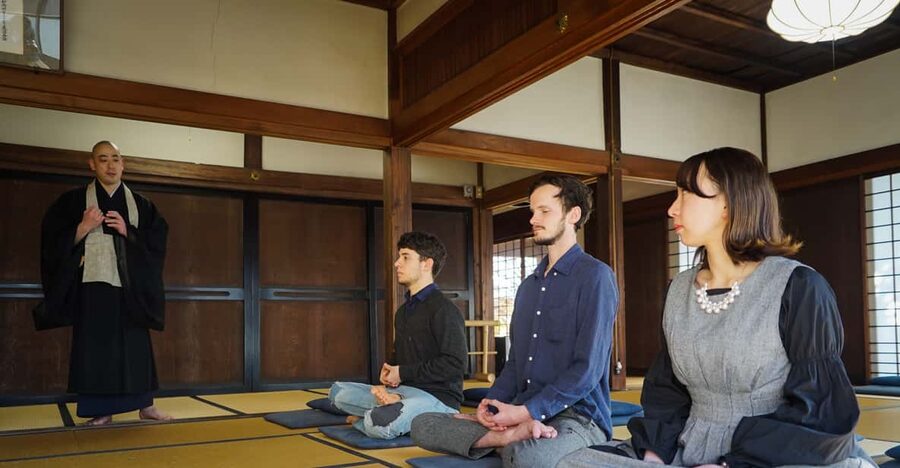
- One hour of zazen: A monk leads the session while your English-speaking guide explains posture, breathing, and basic meditation ideas before or after the silence.
- Tofukuji offers more than a garden: You see the San-mon gate, dragon ceiling paintings, and an old temple toilet with a long connection to monastic life.
- Shojin ryori closes the visit: Expect a Buddhist meal centered on vegetables, mushrooms, and seaweed, with dashi fish broth included.
- Small group, serious setting: The booking is limited to seven, but the meditation room may include other people practicing at the same time.
- Plan for the timing: The tour lasts 270 minutes. A 10:45 start puts lunch at about 14:15, so eat enough beforehand.
Why this Zen tour feels different from a standard temple visit
The clever part of this half-day outing is its order. You do not begin by being told a long list of dates and names. You first enter a garden, look carefully, and think about stillness. Only then do you move toward formal meditation.
That approach matters because Zen is not a simple sightseeing label. Even in Japan, the word can point to meditation, a school of Buddhism, an attitude toward daily life, or an aesthetic based on restraint and attention. Your guide helps give the word some shape before you sit down.
I like this gradual start. The garden is not treated as a quick photo stop. You have about 40 minutes at Kōmyō-in, enough time for commentary and quiet observation. The guide can explain how to look at the space and connect its design with Zen practice.
The tone is calm, but this is not a silent retreat from the moment you meet. The guide walks, explains, answers questions, and helps you notice details. That makes the tour a good choice if you are curious about Buddhism but do not yet know much about it.
More zen sittings and garden visits in Kyoto:
- Kyoto Zen Meditation & Garden Tour at a Zen Temple with Lunch
★ 5.0 · 441 reviews - Kyoto: Zen Experience in a Hidden Temple
★ 5.0 · 437 reviews - Kyoto: Tea Ceremony Meditation – Make Matcha with Tea Master
★ 4.8 · 406 reviews
Meeting at Tofukuji Station without a stressful start
You meet outside Exit 2 of Tofukuji Station, next to the Family Mart. This is an important detail because the meeting point is at the station, not at Tofukuji Temple itself. One person had to hurry back after a taxi driver dropped them at the temple instead of the station.
From Kyoto Station, use the JR line. Rapid and local trains work. From Shijō Keihan, use the Keihan line, but do not take an express train. Sub-express, semi-express, and local services are the correct choices.
Give yourself extra time to find Exit 2. The tour starts on time, and if you miss the group, you cannot join later, reschedule, or receive a refund. This is not the place to arrive at the posted time and expect a few minutes of grace.
The English-speaking guide may be Yutaka, Eri, Louis, Tammy, or another member of the local team. The strongest descriptions of the experience single out guides who explain Buddhism in plain language, translate questions for the monk, take photographs, and offer ideas for the rest of your Kyoto visit.
Kōmyō-in garden: learning how to look
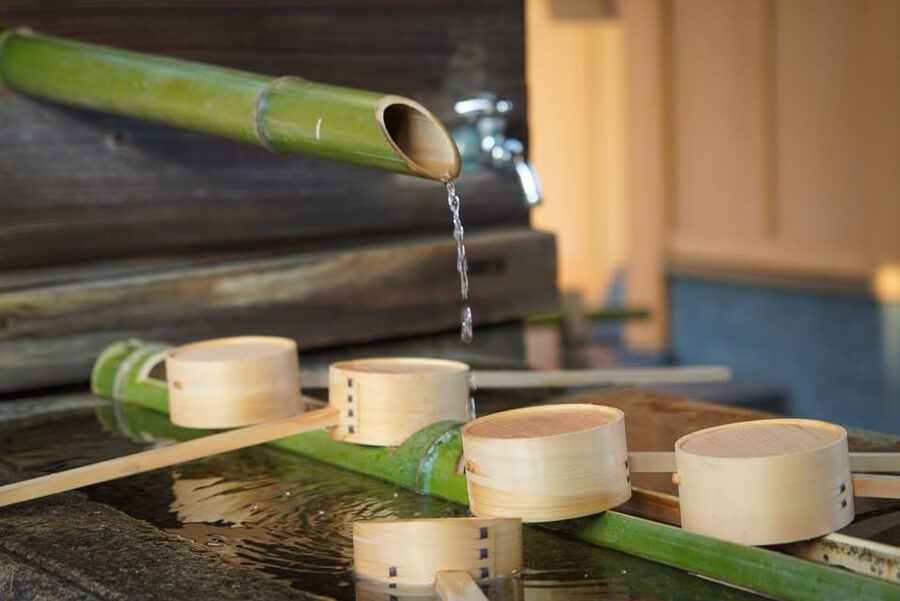
Kōmyō-in is the first major stop, with about 40 minutes to visit. Here, your guide introduces basic Zen ideas through the garden rather than beginning with a classroom lecture.
That makes the stop useful even if meditation is not your main interest. Japanese gardens reward patience. A stone, patch of moss, empty space, or carefully framed view can matter as much as a larger feature. Your guide’s commentary gives you a way to notice those choices instead of simply saying that the garden is peaceful.
The setting also gives you a quiet pause early in the day. Kyoto’s better-known temple areas can become crowded, but this route includes temple spaces that feel less hurried. The garden’s calm mood sets up the meditation session later.
Do not expect a long garden tour with every plant identified. The focus is on Zen principles and how to appreciate the garden. If you want a detailed study of Japanese horticulture, this is not that kind of visit. If you want help understanding why a spare garden can feel powerful, it works well.
Tofukuji Temple and its powerful old details
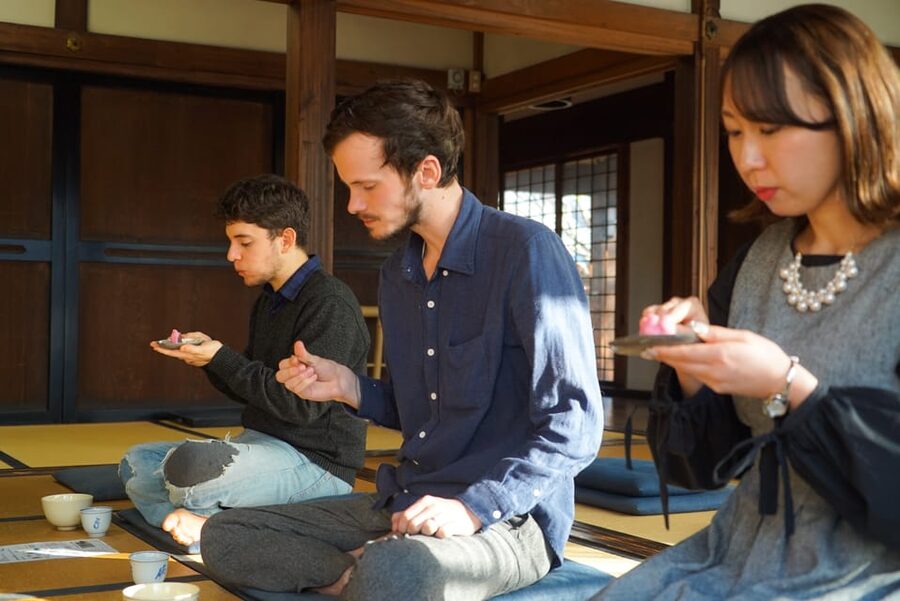
The stop at Tofukuji Temple lasts about 10 minutes, but the complex gives the tour a stronger historical frame. Tofukuji has served as a place where monks lived and practiced Zen since the 13th century.
You see the San-mon gate, an imposing entrance that helps explain the scale and status of the temple. You also get a look at dragon paintings on a ceiling and the oldest surviving toji, or temple toilet, mentioned in the tour description. That last detail may sound comic, but it offers a practical glimpse into monastic life. Temples were not only places of ceremony. They were working communities with kitchens, sleeping quarters, study areas, and basic facilities.
Because the formal stop is brief, listen closely to the guide. This is a quick orientation rather than a full examination of every building. The value comes from connecting what you see with the meditation and monastic traditions discussed throughout the morning.
More temples worth an hour in Kyoto:
- Kyoto: Tea Ceremony Ju-An at Jotokuji Temple
★ 4.9 · 3,207 reviews - Arashiyama Bamboo, Temple, Monkeys, or Secret Sake Brewery
★ 4.8 · 886 reviews - Kyoto: Arashiyama Bamboo Forest, Monkeys, Matcha & Temple Tour
★ 5.0 · 759 reviews - Kyoto: Arashiyama Bamboo, Temple, Matcha, Monkeys & secret spots
★ 5.0 · 219 reviews
Shōrin-ji and the one-hour zazen session
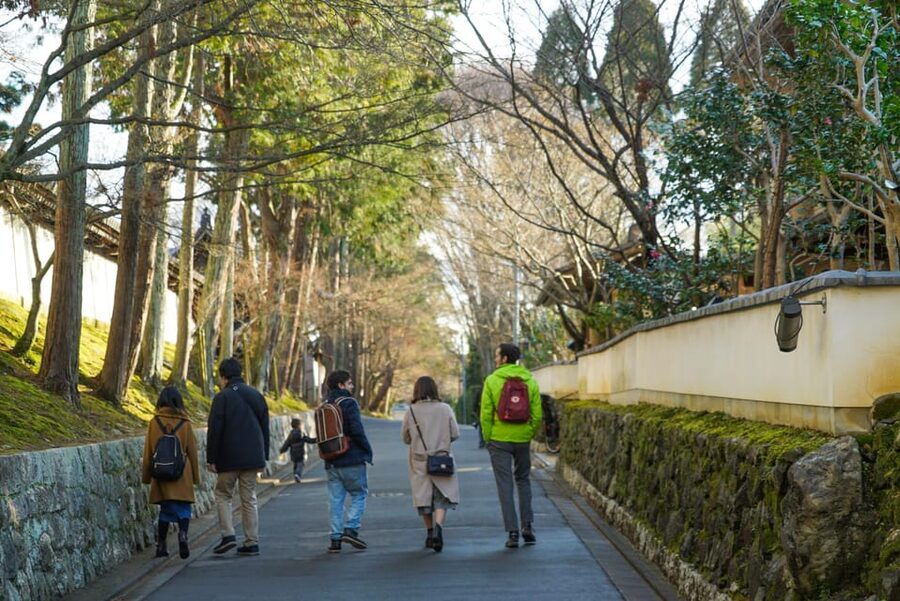
The heart of the outing takes place at Shōrin-ji, also called Bishamon-dō Temple. You spend about 70 minutes here, including the meditation experience and time around the temple.
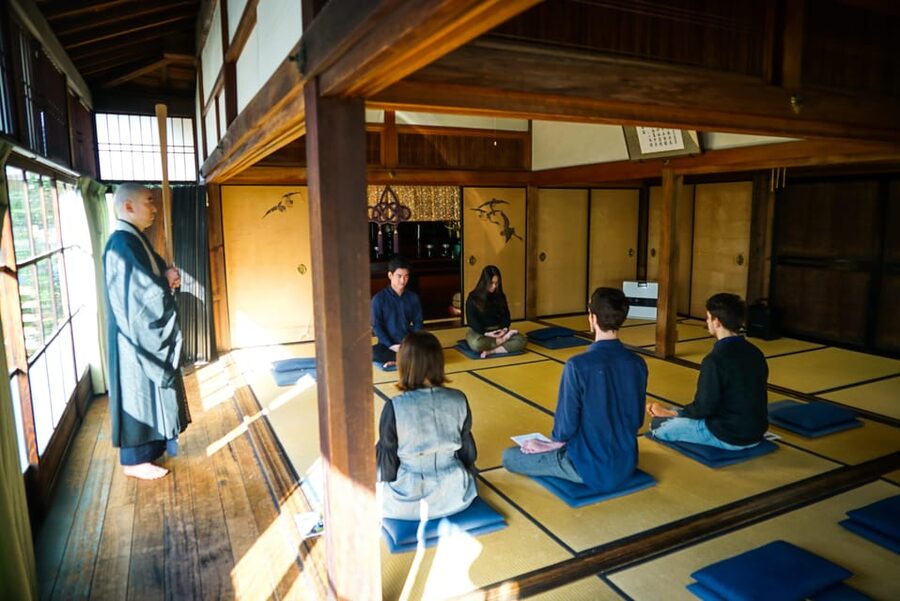
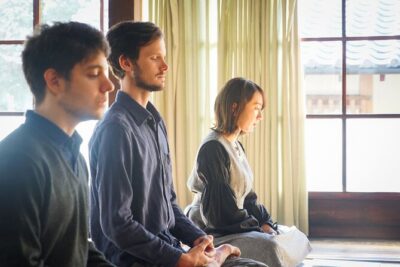
Before the silent period, your guide explains the basics of zazen. You learn about posture, breathing, methods, and the ideas behind the practice. That preparation is especially helpful for first-time meditators. You do not need to arrive with a personal meditation routine.
During the session, the guide stays silent. You receive special reading material that you can study quietly, and the monk leads the practice. The silence is part of the point, but it also changes the feel of the tour. You cannot rely on constant explanation or casual conversation to make the time pass.
Afterward, there is a short discussion with the monk. Depending on the monk’s English ability, your guide may translate questions. This is where the experience can become more personal. You can connect the physical practice with the larger questions that brought you to Zen in the first place.
The setting is not guaranteed to be an intimate room with only seven people. One session took place in a large L-shaped room with about 30 other meditators. That does not make the practice worthless, but it is worth knowing before you book. The small group applies to the tour’s walking and guiding arrangements, not necessarily to everyone sitting in the meditation room.
You should also expect some physical discipline. Temple floors can be cold in winter, so thick socks are a smart choice. In summer, Kyoto is hot and humid. Bring water and wear a hat, especially on the walks between temples.
Shojin ryori: a Buddhist lunch with an important caveat
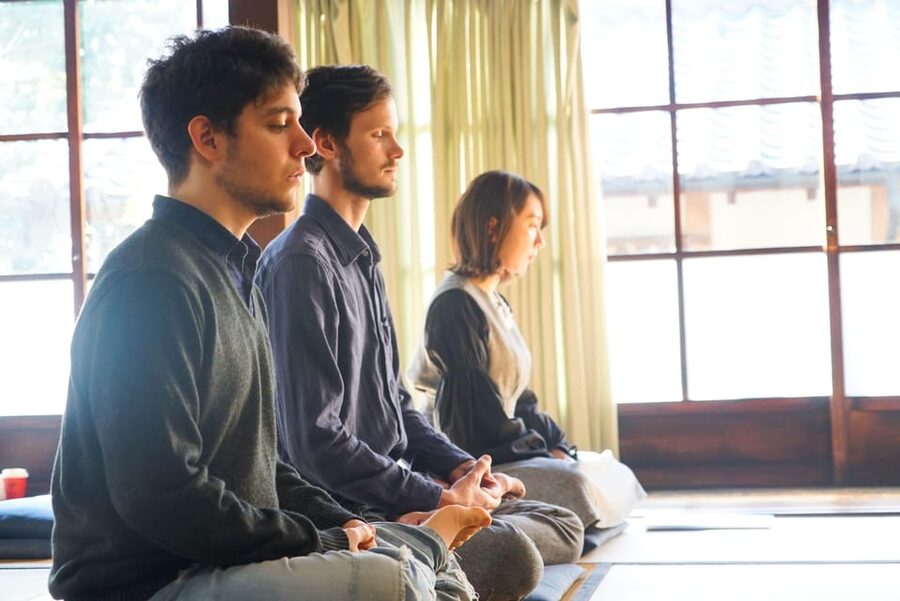
After meditation, you take a short walk to a local restaurant for lunch. The meal is shojin ryori, the Buddhist cooking tradition associated with Japanese monks since the 13th century.
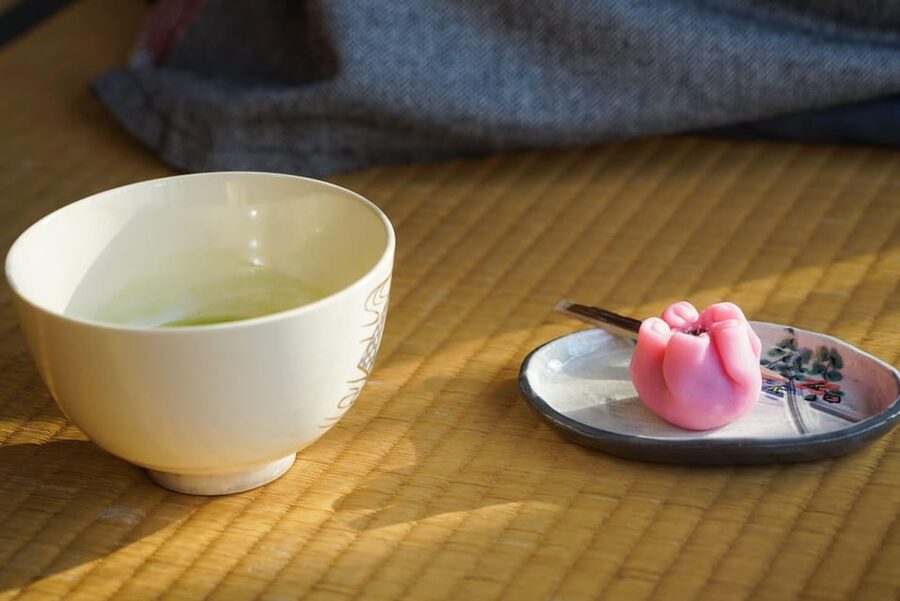
The food centers on vegetables, mushrooms, and seaweed rather than meat and fish. It is usually served as several small dishes, giving you a chance to notice different textures and flavors instead of receiving one large plate. Several guides have been praised for making lunch a satisfying final part of the day, and the meal is often described as more varied than people expect.
There is one important dietary detail. The meal includes dashi made with fish, and a little dairy may also be included. So do not treat this as strict vegan food. The activity is not suitable for people with gluten intolerance, and anyone with allergies or firm dietary rules should confirm the details before booking.
The lunch timing deserves attention. If you choose the 10:45 start, lunch is scheduled for about 14:15, after meditation. Have a proper breakfast or early meal. The calm atmosphere may be lovely, but it does not make a late lunch arrive sooner.
The restaurant is near a temple that once housed as many as 1,200 Buddhist monks in training. That context helps explain why the meal is included. You are not just stopping for food after sightseeing. You are tasting a tradition connected to temple life and monastic practice.
What the $107 price includes
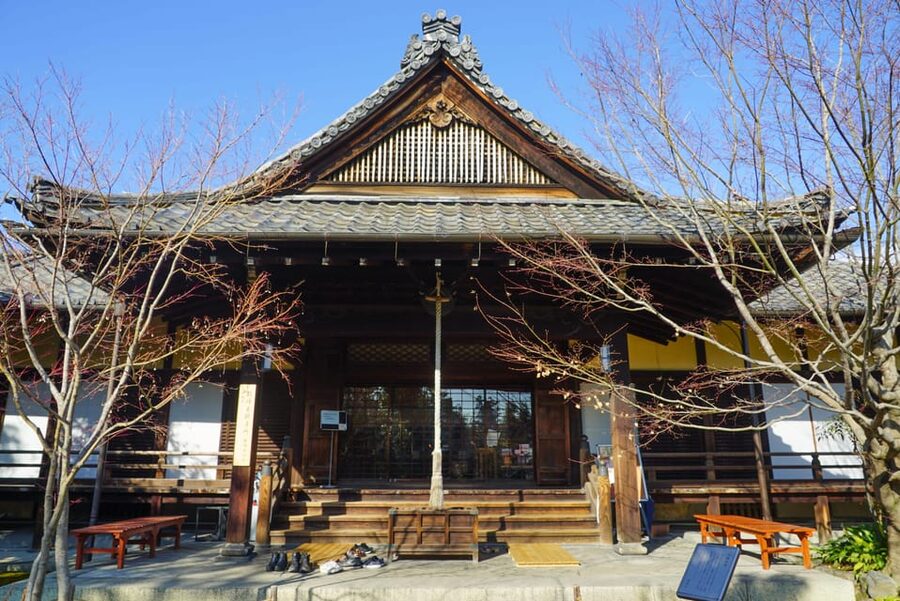
At $107 per person, this is not the cheapest way to see a Kyoto temple. The price includes the garden and temple admission, the meditation session, lunch, an English-speaking guide, and photos taken during the tour.
The value depends on how much guidance you want. If you are content to wander through temple grounds alone, you can spend less. But independent sightseeing does not easily provide an introduction to zazen, access to a monk-led session, translation for questions, and a traditional meal arranged as part of the same visit.
I see the price as reasonable for someone who wants interpretation rather than just entry tickets. You are paying for nearly four and a half hours of structure and personal explanation. The small group also matters, particularly during the walks and discussions.
The value drops if you want a completely private meditation experience or a strict vegetarian meal. It also drops if you dislike sitting quietly or prefer to cover many famous Kyoto landmarks in one morning. This tour trades quantity for attention.
Who will get the most from this experience
I would choose this for a first visit to Kyoto if you have a genuine interest in Buddhism, Japanese culture, meditation, or temple architecture. You do not need prior experience with zazen. The guide explains the basic steps, and the format gives beginners a clear entry point.
It also suits people who already meditate. One person with seven years of personal practice found the monk-led session offered something different from meditating alone. The value here is the setting, the instruction, and the chance to ask questions afterward.
The minimum age is 12. Younger children may struggle with the silence, temple manners, and long sitting period, and the activity is not designed for them.
Choose another tour if you need a fully private room, strict vegan cooking, or a late start with an early lunch. Also think carefully about the room size. A shared session can still be meaningful, but it will not feel like a personal appointment with a monk.
Timing, comfort, and practical planning
The full experience lasts 270 minutes and finishes in Kyoto after lunch. Wear shoes that are easy to remove, since temple visits may involve entering indoor areas. Thick socks help in winter, and water is essential in summer.
Do not plan a tight appointment immediately afterward. The tour includes walking, temple visits, discussion, and lunch, and the exact pace can vary. The official duration is four and a half hours, so leave room for the full block.
The tour allows free cancellation or a date change up to 24 hours before the start, subject to availability. That is useful in Kyoto, where weather and crowded sightseeing days can affect your plans. It does not protect you from arriving late, so transport planning matters more than last-minute flexibility.
Should you book the Kyoto Zen meditation and garden tour?
Book it if you want to understand what Zen practice means in a real temple setting, not just take a photograph beside a garden. The combination of Kōmyō-in, Tofukuji, Shōrin-ji, a monk-led meditation, and shojin ryori gives the day a clear arc.
The strongest reasons to go are the patient English explanations, the chance to practice zazen, and the meal that connects the visit with monastic food traditions. Guides such as Yutaka and Eri have been especially effective at explaining Buddhist ideas and helping visitors feel at ease.
Skip it if you want a private retreat, strict vegan cooking, or a fast temple checklist. For everyone else, especially first-time meditators and culturally curious adults, this is a thoughtful use of half a day in Kyoto. Arrive early, eat breakfast, bring water, and be ready to sit quietly. That simple preparation will make the experience much better.
FAQ
Where does the tour meet?
Meet outside Exit 2 of Tofukuji Station, next to the Family Mart.
How do I reach Tofukuji Station from Kyoto Station?
Use the JR line. Both rapid and local trains are suitable.
How do I reach Tofukuji Station from Shijō Keihan?
Use the Keihan line. Sub-express, semi-express, and local trains are suitable, but do not use an express train.
How long does the experience last?
The tour lasts 270 minutes, or four and a half hours.
Is the tour conducted in English?
Yes. The tour includes an English-speaking live guide.
How many people can join the tour?
The walking tour is limited to seven participants. The zazen room may also include other people practicing meditation.
Is meditation suitable for beginners?
Yes. The guide explains zazen posture, breathing, methods, and basic ideas before the session.
Will the monk speak English?
English conversation with the monk is not guaranteed. Your guide may translate questions, and silent reading materials are provided during the meditation period.
What kind of lunch is included?
You receive shojin ryori, a traditional Buddhist meal based on vegetables, mushrooms, and seaweed. The meal includes fish-based dashi, and a little dairy may be included.
Can children join the tour?
The activity is not suitable for children under 12 years old.
What should I do if I book the 10:45 start?
Lunch is scheduled for about 14:15, so eat a sufficient breakfast or brunch before the tour.
Is the tour suitable for people with gluten intolerance?
No. The activity is listed as unsuitable for people with gluten intolerance.
What should I bring in summer?
Bring water and wear a hat because Kyoto summers are hot and humid.
What should I wear in winter?
Temple floors can be cold, so thick socks are recommended.
Can I cancel for a full refund?
Yes. Cancel at least 24 hours before the starting time for a full refund. Date or time changes are also available up to 24 hours before the start, depending on availability.
More Long Lunches in Kyoto
- Bike Tour Exploring North Kyoto plus Lunch
★ 5.0 · 1,087 reviews - Osaka/Kyoto: Arashiyama, Nara & Fushimi Inari Shrine w/Lunch
★ 4.4 · 754 reviews - 4.5-Hour Kyoto Bike Tour with Lunch and UNESCO Zen Temples
★ 5.0 · 122 reviews - From Kyoto: Nara History Guided Half Day Bus Tour with Lunch
★ 4.8 · 114 reviews
Newest Kyoto experiences on the site
- Treasures of Kyoto: Gion & historical Walking Tour★ 5.0 · 6 reviews
- Whisk Your Own Matcha: A Zen Matcha Experience at Temple★ 3.6 · 7 reviews
- Uji: Private immersion into Kyoto’s tea and reglious culture★ 5.0 · 17 reviews
- Kyoto tea town for matcha lovers★ 5.0 · 16 reviews
- Kyoto Matcha Green Tea Tour★ 4.5 · 23 reviews
- Uji and Wazuka Matcha Farm Half Day Private Guided Tour★ 5.0 · 21 reviews
- Utilising upcycled Matcha! Creating matcha incense (Uji, Kyoto)★ 5.0 · 6 reviews
- Sacred Temple Yoga Experience in Japan★ 5.0 · 3 reviews
Kyoto Zen Meditation, compared.
Kyoto Zen Meditation & Garden Tour at a Zen Temple with Lunch
Read our review →
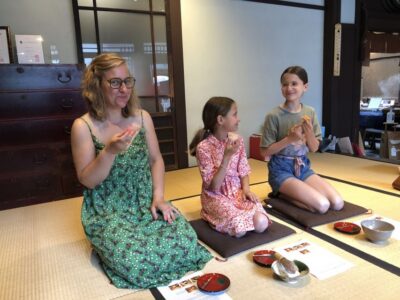
Tea Ceremony Meditation – Make Matcha with Tea Master
Read our review →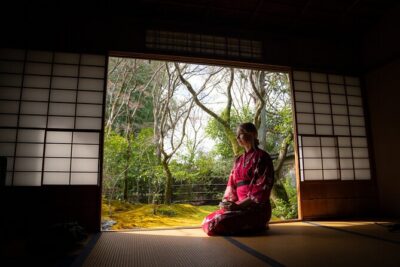
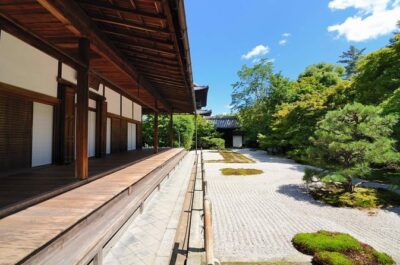
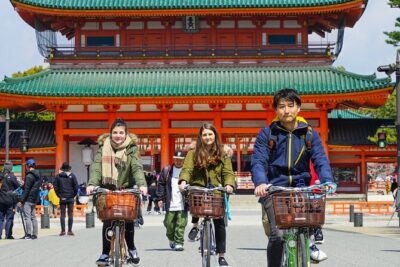
4.5-Hour Kyoto Bike Tour with Lunch and UNESCO Zen Temples
Read our review →
Arashiyama Guided Tour, Bamboo, Monkey, Zen Temple
Read our review →Browse the lists this tour appears in