
Reviewed · KYOTO GEISHA & MAIKO EXPERIENCES
Kyoto: Tea Ceremony with Maiko
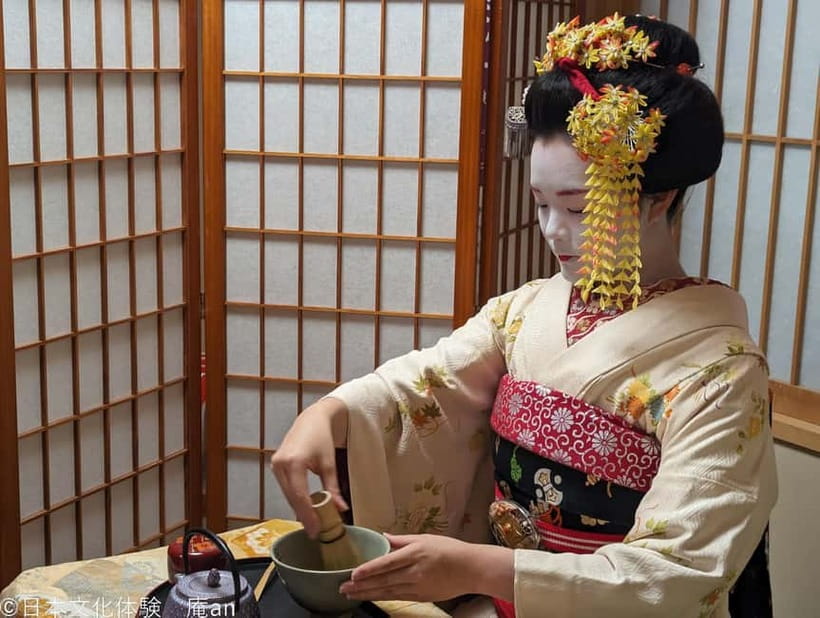
The most memorable part of this Kyoto experience is the chance to sit close to a maiko, learn about her daily life, and make your own matcha. I like the direct Q&A, which turns a formal meeting into a real conversation, and I like the small Senjafuda lucky charm you receive at the end. The main compromise is that this is a short program in a commercial building, not a traditional ochaya or old Japanese house.
I also like how easy it is to fit into a busy Kyoto day. The venue is a one-minute walk from Gojo Station, and the full visit takes about 45 minutes. English interpretation is provided as much as possible, but the primary language is Japanese, so the quality of translation may vary.
Key points at a glance
- Meet a maiko up close: You can speak with her, ask about her life, and take a commemorative photo beside her.
- Make your own matcha: The maiko demonstrates the process before you whisk your tea yourself.
- Taste ohigashi sweets: Two small dried Japanese sweets are served with the matcha.
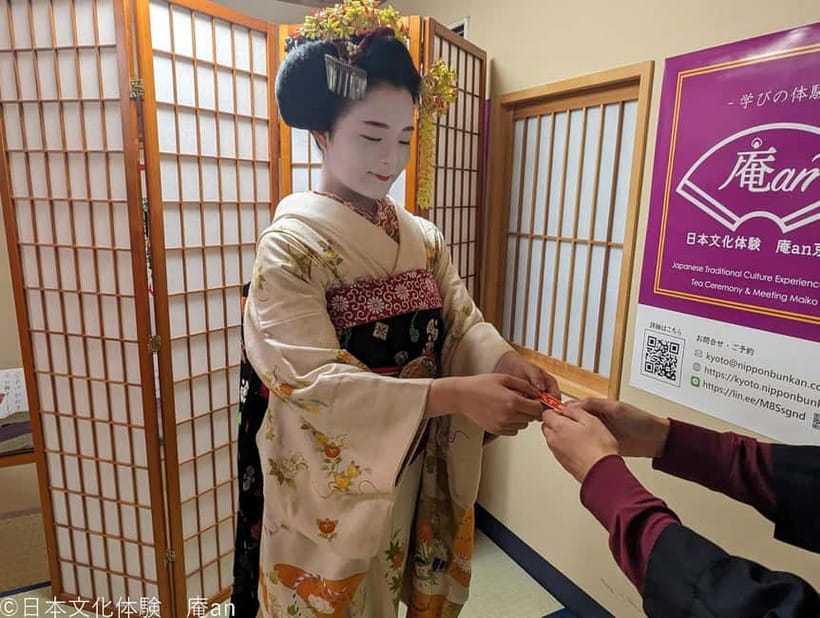
- Receive a Senjafuda: The maiko gives you a traditional lucky charm as a parting gift.
- Stay near Kyoto Station: Gojo Station is nearby, making this a practical stop between sightseeing plans.
- Allow extra time for stairs: The building has no elevator, and late arrivals cannot be accommodated.
Meeting a maiko without chasing a glimpse in Gion
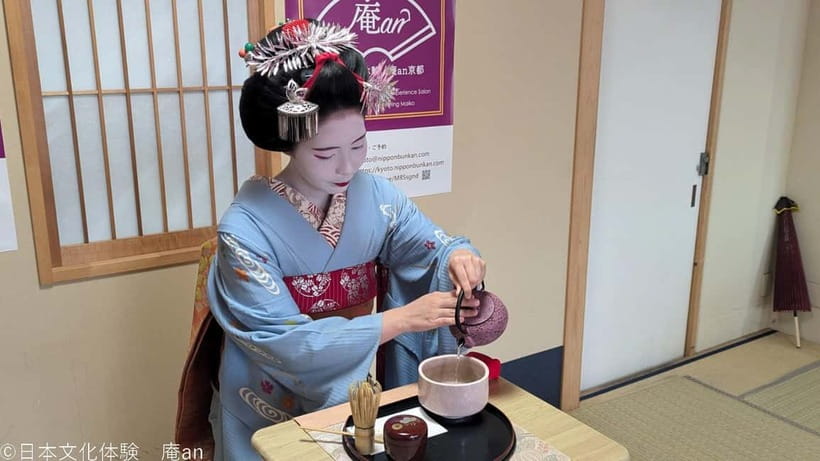
Kyoto’s maiko are young apprentice entertainers trained in traditional arts, including dance, music, conversation, and hospitality. You may see one crossing a street in Gion, but a brief sighting tells you little about her work. Here, you have a set time to sit with one, ask questions, and hear about the path toward becoming a geiko.
That access is the heart of the program. It is not a staged walk through a historic teahouse, and it does not pretend to be one. Instead, you enter a simple venue in a building near Gojo Station, meet the maiko in a relaxed setting, and spend focused time learning about her world.
Masaya-san hosted one particularly well-received session, answering questions in Japanese while an interpreter helped the group follow along. On other dates, a different maiko may appear, and the host can sometimes be a geiko instead. That variation is worth keeping in mind if you are booking mainly to meet one specific person.
The setting also makes the activity less intimidating for first-time visitors. You do not need to know tea ceremony etiquette in advance, wear special clothing, or prepare anything at home. The staff explain how the program works, and you can simply listen, follow the demonstration, and ask questions.
More geisha and maiko evenings in Kyoto:
- Kyoto Geisha Walking Tour: Gion District & Hidden Gems
★ 4.7 · 3,273 reviews - Kyoto: Gion Magical Night Walking Tour with Geisha Trivia
★ 4.9 · 2,393 reviews - Kyoto: Gion Geisha District Walking Tour – Stories of Geisha
★ 4.7 · 2,187 reviews
A 45-minute introduction to Kyoto culture
The schedule is compact and clear. The program starts with a greeting from the maiko, followed by the tea ceremony and a short Q&A. Around the 30-minute mark, the formal program ends, then you take photos and receive your Senjafuda before leaving at about 45 minutes.
That timing is a real advantage in Kyoto. You can fit the activity before lunch, after visiting Higashihonganji or Nishiki Market, or between larger plans near central Kyoto. At $28 per person, the cost is modest for a live cultural meeting, a hands-on activity, sweets, photographs, and a keepsake.
The short format does mean you should keep your expectations sensible. This is an introduction, not a full afternoon of traditional arts. You will not receive an extended lecture on every part of maiko training, nor should you expect a long tea ceremony in a centuries-old tearoom.
Still, the program gives you several different experiences in one sitting. You meet a performer, learn a little about her life, make matcha, taste a traditional sweet, ask questions, and take home a charm. For a visitor with limited time, that combination has good value.
Watching the tea ceremony and making matcha
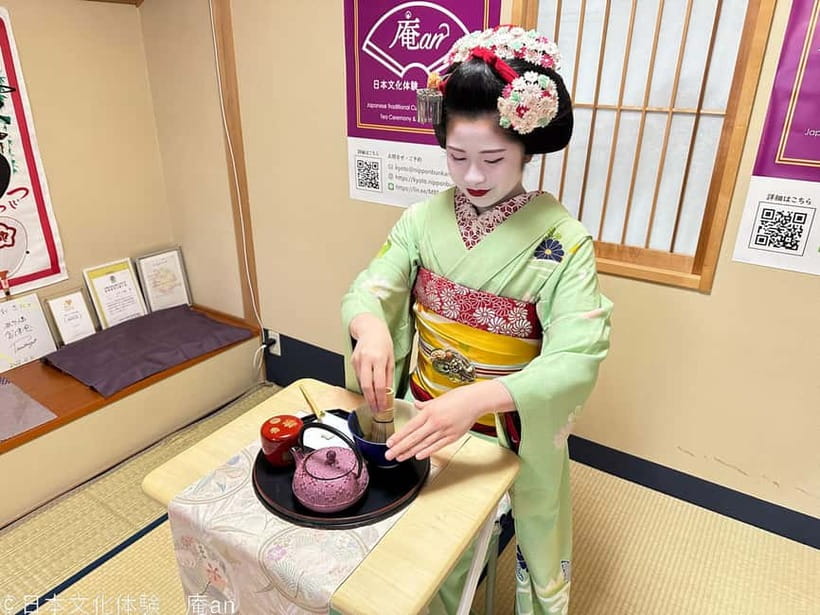
The maiko begins by showing you how to prepare matcha. You watch the process, listen to the instructions, and then make your own cup. This hands-on part matters because tea ceremony can seem mysterious when you only watch from a distance.
You do not need perfect technique. The point is to understand the basic movements and enjoy the tea. The demonstration gives you a clear model to follow, and the activity is designed for people who may have never handled a bamboo whisk before.
Two dried Japanese sweets called ohigashi are served with the matcha. These are small, neat confections rather than a large dessert, so think of them as part of the tea ritual. Their sweetness works with the bitter matcha and gives you another small taste of Japanese food culture.
The tea itself is one of the most accessible parts of the experience. You make it yourself, which gives you something to do rather than simply watching a performance. Several visitors found the process easy to follow, and the calm pace suits adults and older children who can sit and listen.
If you dislike green tea, this may not become your favorite drink. The activity is about learning the preparation and customs as much as the flavor. The two sweets also provide only a light snack, so do not arrive expecting lunch.
The Q&A is the part worth protecting time for
The conversation after the tea ceremony may be the most valuable portion of the program. You can ask about the maiko’s lifestyle, training, work, and progress toward becoming a geiko. This gives context that a photo or performance alone cannot provide.
I recommend thinking of a few questions before you arrive. Ask about a normal working day, the hardest part of training, traditional clothing, or the transition from maiko to geiko. Direct questions help turn the session into a personal exchange instead of a passive presentation.
Language is the one limitation. The activity is conducted in Japanese, and English translation is offered as much as possible when requested. The interpreter helped some groups understand detailed answers, but you should not assume every sentence will be translated with the same depth or speed.
The presence of an interpreter can also shape the pace. Questions may need to be repeated or translated in stages, and a 45-minute program leaves limited time for a long discussion. Even so, the chance to ask questions directly is unusual and gives the event more substance than a quick photo stop.
More tea ceremonies in Kyoto:
- Kyoto: Tea Ceremony in a Traditional Tea House in Kiyomizu
★ 4.9 · 3,519 reviews - Kyoto: Tea Ceremony Ju-An at Jotokuji Temple
★ 4.9 · 3,207 reviews - Kyoto: 45-Minute Tea Ceremony Lesson Experience
★ 4.3 · 2,378 reviews - Kyoto: Table-Style Tea Ceremony at a Kyo-Machiya
★ 4.9 · 1,211 reviews
Photos, a Senjafuda, and the final moments
After the formal session, you can take a commemorative photo beside the maiko. This is an up-close photo opportunity, not a distant street picture, and it gives you a clear record of the meeting.
The atmosphere appears friendly and organized, but remember that the maiko is working. Follow the staff’s instructions about where to stand and when to take pictures. The photo portion comes near the end, so keep your camera ready without letting it distract from the tea ceremony and conversation.
You also receive a Senjafuda. These small paper name cards or charms are associated with Japanese traditional entertainers and make a thoughtful souvenir because they connect directly to the person you met. It is a small gift, but more personal than a generic shop purchase.
The maiko leaves after the photos and presentation. You then depart the room, usually around the 45-minute mark. If you need to reach another booking, leave yourself a little extra time for finding the entrance and climbing the stairs.
Finding the venue near Gojo Station
The meeting point is close to Exit 1 of Gojo Station on the Subway Karasuma Line. The walk takes about one minute, and the entrance faces Gojo-dori, the main road.
The entrance can be easy to miss if you are expecting a traditional Kyoto doorway. It is located above the supermarket Carnival, and you need to go up the stairs. One useful approach is to leave through Exit 1, walk straight, cross the small street, continue ahead, and look for the location before the next small street.
There is no elevator in the building. That matters if you have heavy luggage, limited mobility, or a stroller. The supplied information does not describe an accessible alternative, so contact the provider before booking if stairs are a serious concern.
Arrive early. The program cannot wait for latecomers, and a missed start does not qualify for a refund. The location is close to the station, but Kyoto station areas can still take time to navigate, especially if you are transferring from a train with luggage.
Who will get the most from this experience
This is a good match for you if you have only a short window in Kyoto and want one activity that combines a cultural demonstration with personal contact. It also suits first-time visitors who want an introduction without committing to a long, formal tea ceremony.
Families can consider it, but children who need their own seat pay the same fee as one person. Children under two who sit on a parent’s lap are free. The tea, questions, and sitting quietly may work best for children who can pay attention for roughly 45 minutes.
It is also useful for visitors who tried to spot a maiko in Gion but want a more respectful and reliable meeting. You are not following someone through the streets. You are attending a scheduled program where the maiko is there to explain her work and meet the group.
I would be more cautious if your main goal is an old-house setting, a long tea ceremony, or a full evening of traditional entertainment. The venue is in a building, and the experience is short. Some sessions may include other people having lunch or dinner nearby, which can make the setting feel less private and less ceremonial.
Price, cancellation, and practical planning
At $28, the price is fair if you value the live meeting and hands-on tea preparation. Two sweets, matcha, the photo opportunity, and the Senjafuda are included. You are paying mainly for access to the maiko and the guided conversation, not for a meal or an elaborate historic venue.
The activity operates from 10:00 AM to 5:00 PM. Reservations received after 5:00 PM are processed the next day, so do not expect an immediate response to a late evening request.
Free cancellation is available up to eight days in advance. Changes to the date or time within seven days may incur a fee, and cancellation fees can apply depending on the policy. The provider does not reimburse transportation costs if the event is canceled, so avoid making an expensive separate journey solely for this appointment.
The instructor language is Japanese. If you want English support, request it in advance rather than assuming it will happen automatically. This simple step can make the Q&A much more useful.
Should you book the Kyoto maiko tea ceremony?
Book it if you want a short, affordable cultural meeting near central Kyoto, especially if you are curious about maiko life and enjoy asking questions. The best parts are the direct conversation, the chance to make matcha yourself, and the personal Senjafuda gift.
Skip it if you need a traditional house, a private session, or a long and highly formal ceremony. Also think twice if stairs are difficult or if you cannot arrive early.
For most visitors, this works best as a focused introduction rather than the main cultural event of a Kyoto trip. You get a real conversation, a simple tea lesson, a few sweets, a photograph, and a keepsake without losing half a day. At $28, that is a sensible way to add a personal Kyoto moment to a packed itinerary.
FAQ
How long does the tea ceremony experience last?
The experience lasts about 45 minutes. The tea ceremony and Q&A finish around 30 minutes, followed by photos, the Senjafuda gift, and room departure.
Where does the activity take place?
It takes place about one minute from Exit 1 of Gojo Station on the Subway Karasuma Line. The entrance faces Gojo-dori and is located above the supermarket Carnival.
Is the venue a traditional Japanese tea house?
No. The venue is in a building rather than an ochaya or traditional Japanese house. It offers a relaxed atmosphere with staff assistance.
What is included in the price?
The price includes the tea ceremony with a maiko, matcha, two dried Japanese sweets called ohigashi, a photo opportunity, and a Senjafuda gift.
Will the activity always be hosted by a maiko?
No. Depending on the date, the host may be a maiko or a geiko.
Is English available?
The activity is conducted in Japanese. English translation is provided as much as possible if you request it.
Does the building have an elevator?
No. The building has no elevator, and you need to use the stairs to reach the venue.
What happens if I arrive late?
The event cannot be held for late arrivals. Latecomers are not entitled to a refund, so arrive early enough to find the entrance and climb the stairs.
Newest Kyoto experiences on the site
- Treasures of Kyoto: Gion & historical Walking Tour★ 5.0 · 6 reviews
- Whisk Your Own Matcha: A Zen Matcha Experience at Temple★ 3.6 · 7 reviews
- Kyoto tea town for matcha lovers★ 5.0 · 16 reviews
- Uji: Private immersion into Kyoto’s tea and reglious culture★ 5.0 · 17 reviews
- Kyoto Matcha Green Tea Tour★ 4.5 · 23 reviews
- Uji and Wazuka Matcha Farm Half Day Private Guided Tour★ 5.0 · 21 reviews
- Utilising upcycled Matcha! Creating matcha incense (Uji, Kyoto)★ 5.0 · 6 reviews
- Sacred Temple Yoga Experience in Japan★ 5.0 · 3 reviews
Kyoto Geisha & Maiko Experiences, compared.
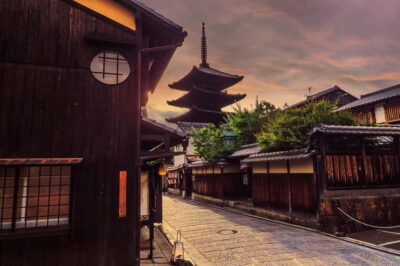
Kyoto Geisha Walking Tour: Gion District & Hidden Gems
Read our review →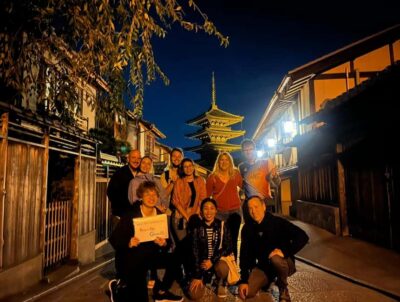
Gion Magical Night Walking Tour with Geisha Trivia
Read our review →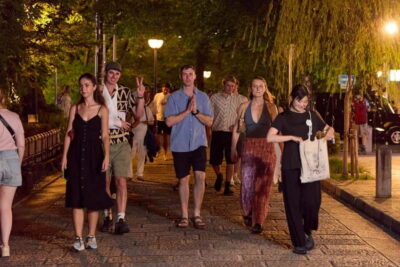
Gion Geisha District Walking Tour – Stories of Geisha
Read our review →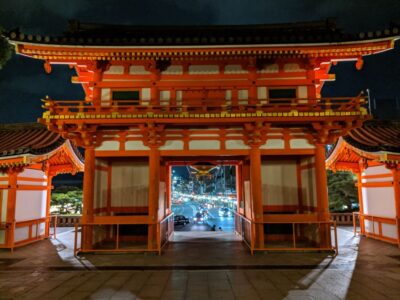
Best of Kyoto: Gion, Geisha, Pagodas & Cobblestones
Read our review →
Kyoto Gion Geisha District Walking Tour – The Stories of Geisha
Read our review →
Kyoto Gion: 2-Hour Geisha Culture & History Walking Tour
Read our review →
Kyoto Gion Night Walk & Geisha District Guided Tour
Read our review →Browse the lists this tour appears in