
Reviewed · KYOTO MATCHA EXPERIENCES
Kyoto: Shakyo & Matcha in Historic Temple Garden
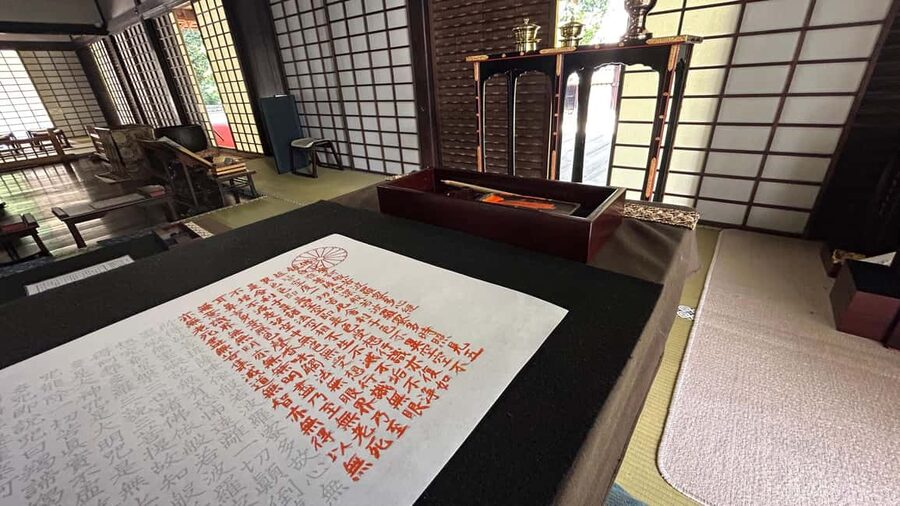
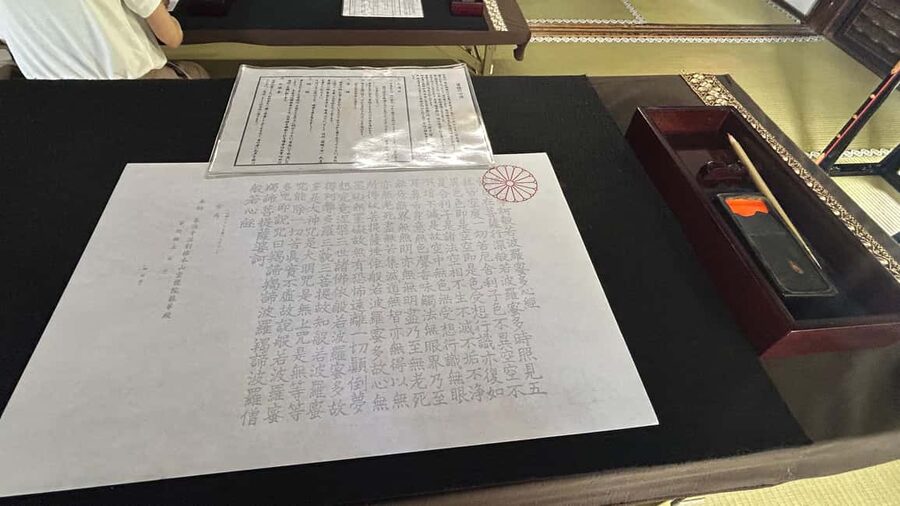
The most memorable part of this Kyoto outing is the quiet ritual of shakyo, copying Buddhist sutras by hand inside a historic temple. You sit with brush, paper, incense, birdsong, and very little noise, a welcome change from Kyoto’s crowded sights.
I like the unhurried pace and the chance to see Sennyu-ji through its cultural meaning, not just its architecture. I also like the simple finish: freshly prepared matcha and seasonal wagashi while you look across a carefully designed garden. The main consideration is practical: sitting quietly for 60 to 90 minutes may not suit young children, restless sightseers, or anyone who has trouble sitting on the floor.
- Shakyo in a calm temple room: Copy a Buddhist sutra with brush, paper, and ink supplied for you.
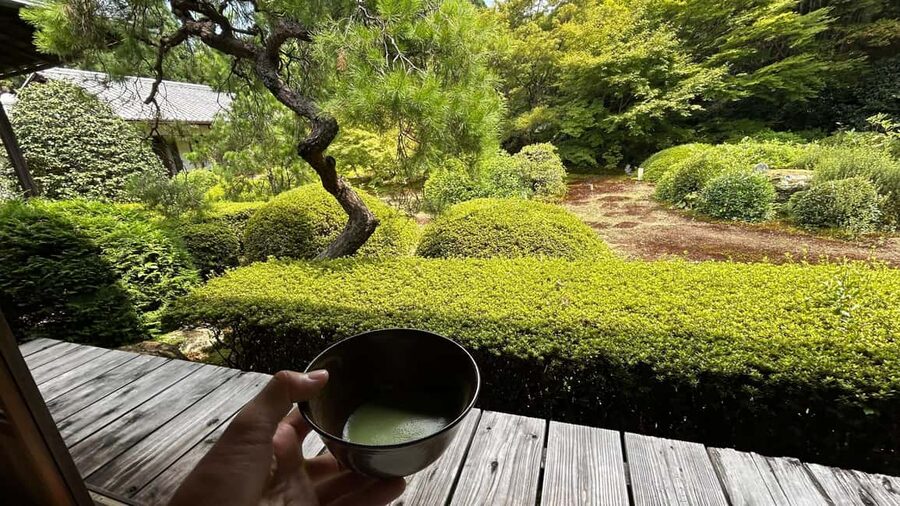
- Matcha and seasonal wagashi: Finish the session with tea and a Japanese sweet while viewing the garden.
- A small group of up to 10: The setting allows room for questions without turning the visit into a large tour.
- A 15-minute walk each way: Meet at Tofukuji Station and walk to Sennyu-ji with your English-speaking guide.
- A quiet break from a busy itinerary: The slow rhythm makes this useful after several packed sightseeing days.
- A real cultural lesson: Learn about Buddhist customs, Kyoto’s past, and the temple’s place in Japan’s heritage.
Why Shakyo Makes This Kyoto Visit Different
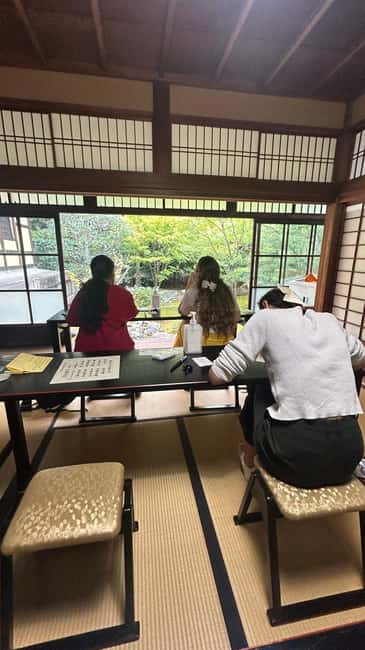
Kyoto has no shortage of temples, gardens, and tea experiences. This one asks you to do something rather than simply look. Shakyo, the practice of copying Buddhist sutras, gives your visit a clear rhythm: settle in, listen, write carefully, and let the rest of the day wait.
You do not need calligraphy experience. The brushes, paper, and ink are provided, and your writing speed sets the pace. The session normally lasts 60 to 90 minutes, so you have time to become comfortable with the task rather than rush through a short demonstration.
That length is important. The first few minutes may feel unfamiliar, especially if you are used to moving quickly between Kyoto sights. Once you focus on each character, the activity becomes less about producing perfect writing and more about patience and attention.
The room is described as cozy and peaceful, with incense and natural sounds such as birdsong. Photography can be limited in some temple areas, which may disappoint anyone hoping to document every moment. Still, those limits help preserve the quiet that gives the session its value.
Walking From Tofukuji Station to Sennyu-ji
The meeting point is at the East Gate of Keihan Station at Tofukuji Station. Look for the guide with a yellow fluorescent band on their bag. This small detail matters, since it makes the meeting easier in a busy station area.
From there, you walk for about 15 minutes to Sennyu-ji. The walk is short, but you should wear comfortable shoes and allow enough time to meet the guide without hurrying. The return walk takes another 15 minutes, so the total experience includes about half an hour on foot.
Sennyu-ji is a historic temple designated as an Important Cultural Property. Your guide introduces the temple and explains parts of Kyoto’s Buddhist culture along the way. The walk gives you a transition from the ordinary city to a quieter place of worship, though the activity does not provide a private vehicle or a door-to-door transfer.
The group is limited to 10 people. That is a useful size for a session where instructions and atmosphere both matter. You can ask questions, yet the group remains small enough that the room should not feel like a crowded lecture.
More matcha experiences in Kyoto:
- Kyoto: Arashiyama Bamboo Forest, Monkeys, Matcha & Temple Tour
★ 5.0 · 759 reviews - Kyoto: Tea Museum Tickets and Matcha Grinding Experience
★ 4.9 · 739 reviews - Kyoto: Tea Ceremony Meditation – Make Matcha with Tea Master
★ 4.8 · 406 reviews
The 60 to 90-Minute Sutra Copying Session
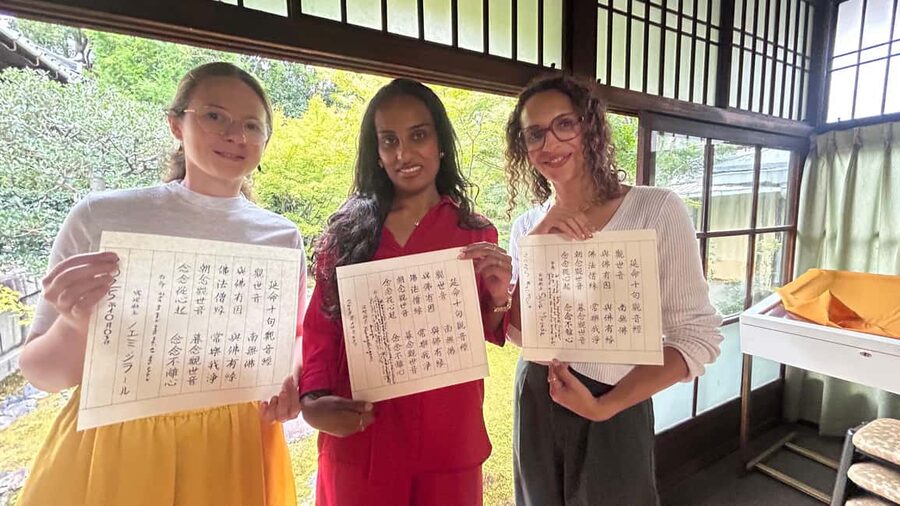
The main activity begins once you settle into the temple setting. You receive the needed materials, including the brush, paper, and ink, then copy a Buddhist sutra by hand.
The key is not speed. You can work slowly and concentrate on the movement of the brush. If you already practice calligraphy, you may enjoy the physical side of the task. If you have never held a Japanese brush, you can treat it as a guided act of focus rather than a test of artistic skill.
I would choose this experience for anyone who wants a quieter cultural activity than a standard sightseeing walk. It offers a direct way to spend time inside a religious setting, while the guide provides context about the tradition and the temple.
You should also think about posture and comfort before booking. The experience calls for sitting quietly, and comfortable clothing is recommended. The activity is not suitable for children under 10, people with mobility impairments, or wheelchair users. Baby strollers, luggage, large bags, baby carriages, electric wheelchairs, and pets are not allowed.
This is also not the right pick if you want constant movement or lots of photographs. The temple may restrict photography in certain areas, and the long quiet period asks you to put your phone away for a while.
Sennyu-ji, Buddhist Culture, and the Temple Garden
The guide does more than lead you from the station to the writing room. You learn about Kyoto’s past, Buddhist traditions, and the importance of the temple within Japan’s cultural heritage.
That explanation gives the activity more weight. Without context, copying characters could feel like a craft class. With an English-speaking guide, you can better understand why the practice is done and how it fits into the temple setting.
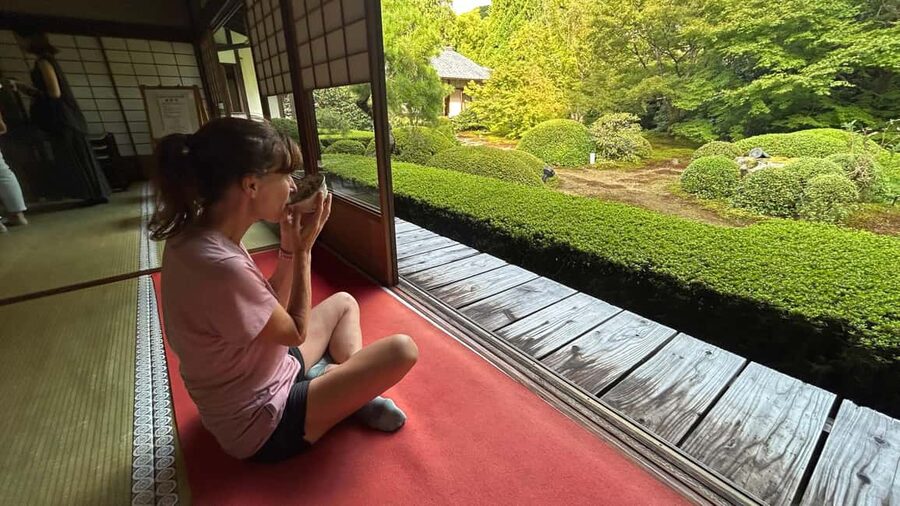
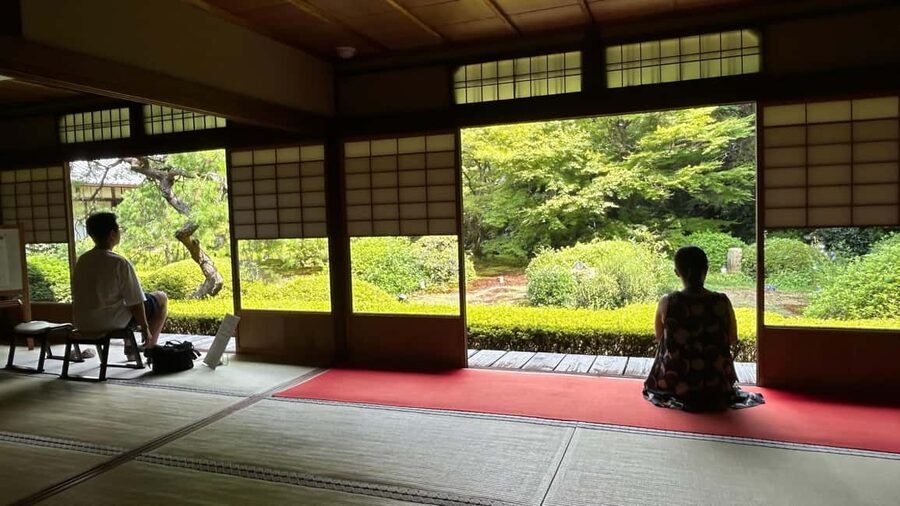
The garden is another reason to take your time here. You are not simply given tea in a plain indoor space. After the writing session, you can look toward a Japanese garden designed to suggest balance and calm. The garden view helps make the final tea service feel connected to the temple rather than added on as a separate snack.
The garden is best approached as a place for quiet observation, not a checklist attraction. You might notice the arrangement of plants, stones, paths, and open space, but the supplied details do not promise a particular seasonal display. The garden’s appearance and the wagashi selection can vary by season.
Matcha and Wagashi After the Writing
The tea portion follows the shakyo session. You receive freshly prepared matcha with seasonal wagashi, a small Japanese sweet selected to suit the time of year.
Matcha has a strong, grassy flavor that some people enjoy immediately and others need time to appreciate. The wagashi adds a sweet contrast, making the pairing more approachable. Since the sweet changes seasonally, the exact item is not fixed, but that variation is part of the appeal.
This is a modest tea experience rather than a full meal. Do not book it as a substitute for lunch. Think of it as a thoughtful closing moment, when you can rest your eyes, enjoy the garden, and ask the guide final questions.
One especially useful feature is the chance to talk with the guide about the rest of your day. The available feedback describes the guide as helpful with later planning as well as temple history and culture. No guide name is provided, so I would not book this expecting a specific named host. You can expect an English-speaking guide, but the individual guide may vary.
More temples worth an hour in Kyoto:
- Kyoto: Tea Ceremony Ju-An at Jotokuji Temple
★ 4.9 · 3,207 reviews - Arashiyama Bamboo, Temple, Monkeys, or Secret Sake Brewery
★ 4.8 · 886 reviews - Kyoto Zen Meditation & Garden Tour at a Zen Temple with Lunch
★ 5.0 · 441 reviews - Kyoto: Zen Experience in a Hidden Temple
★ 5.0 · 437 reviews
Is $35 a Fair Price?
At $35 per person, this experience offers solid value if you want more than admission to a temple. The price includes the shakyo session, all writing materials, matcha, seasonal wagashi, temple admission, a guided visit, and cultural explanation.
You are also paying for a structured 150-minute experience in a small group. A self-guided temple visit may cost less, but it will not provide the same instruction, materials, or organized time for sutra copying. A separate tea stop and cultural talk could also add up, especially in central Kyoto.
The value depends on your interests. If you mainly want to photograph temple buildings and gardens, a standard admission visit may be a better fit. If you want a hands-on activity and a calm pause in your schedule, the combination of writing, tea, and interpretation makes the price reasonable.
The experience includes a separate entrance that lets you skip the main line. That can save time, though the greatest benefit is the organized access to the activity rather than a promise of a completely empty temple.
Who Will Enjoy This Experience Most
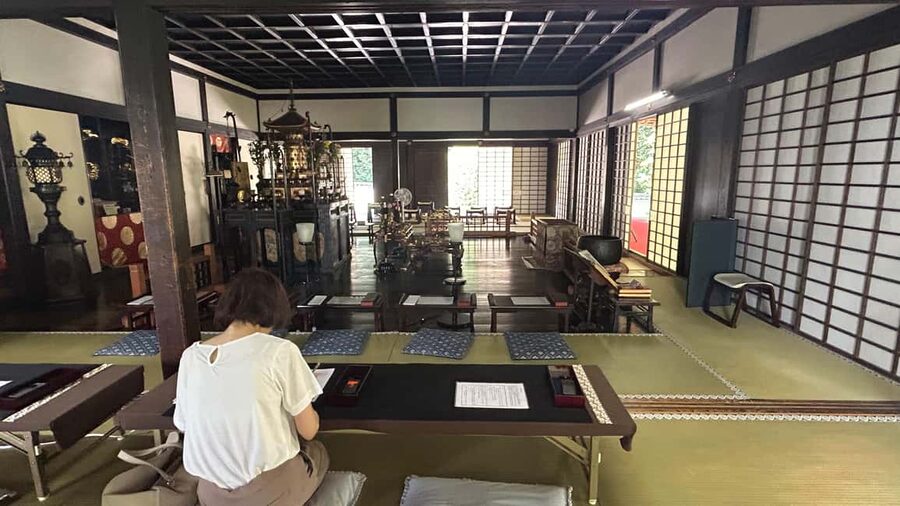
I would recommend this for adults and older children who can sit quietly and take interest in Japanese culture. It suits solo visitors, couples, and small groups of friends who want a slower morning or afternoon between more active Kyoto stops.
It is especially useful if your schedule is packed with long walks and major sights. One available account describes the activity as a needed rest during an energetic trip, and that is a good way to understand its role. This is not dead time. It is a deliberate change of pace.
You may also appreciate it if you have already seen several temples and want a more personal way to engage with one. Copying the sutra gives your visit a purpose and leaves you with a tangible sheet of work, though the real benefit is the concentration involved.
I would hesitate to recommend it to families with children under 10, anyone unable to sit comfortably for an extended period, or anyone traveling with substantial luggage. The restrictions are not minor details here. They affect how easily you can take part.
Practical Details That Matter on the Day
Plan for 150 minutes in total. The route begins and ends at Tofukuji Station, with a 15-minute walk to Sennyu-ji and another 15-minute walk back.
Wear comfortable clothing suitable for quiet sitting. Bring as little as possible because large bags and luggage are not permitted. Pets, strollers, baby carriages, and electric wheelchairs are also excluded.
The experience is conducted in English and remains small, with no more than 10 participants. You can reserve now and pay later, which helps if your Kyoto schedule is still changing. Cancellation is free up to 24 hours before the start time for a full refund.
Because the activity takes place in a sacred historic setting, respectful behavior is expected. Keep your voice low, follow the guide’s instructions, and accept that photography may not be allowed in every area.
Should You Book the Sennyu-ji Shakyo Experience?
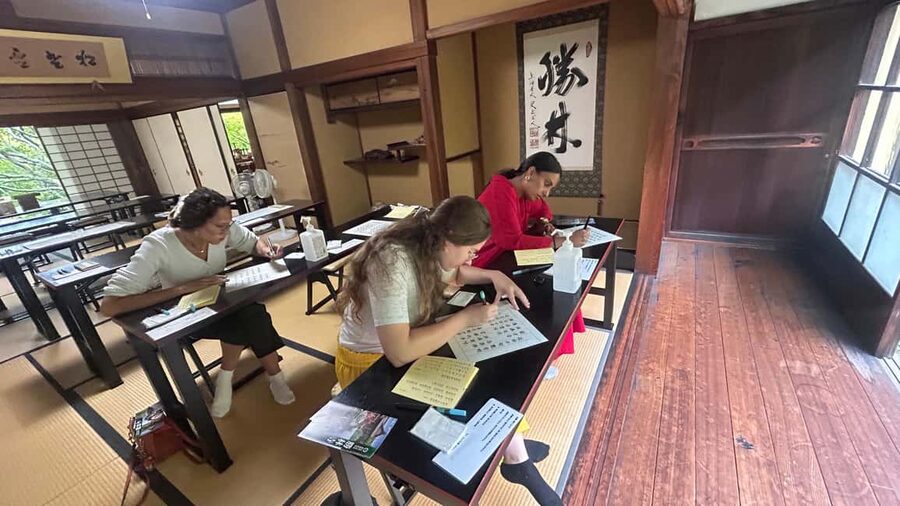
Book it if you want a quiet, hands-on cultural activity rather than another quick temple stop. The strongest reasons are the 60 to 90 minutes of focused sutra copying, the small English-speaking group, and the matcha and seasonal wagashi served with a garden view.
Skip it if you need step-free access, cannot sit quietly for a long period, or want a highly active tour with unrestricted photography. For the right person, $35 buys a well-shaped two-and-a-half-hour break from sightseeing, with enough history and guidance to make the temple visit meaningful.
If your Kyoto itinerary is already full of temples, this experience can give one of them a different purpose. You leave not only with photographs or facts, but with time spent paying attention.
FAQ
How long does the Kyoto shakyo and matcha experience last?
The full experience lasts 150 minutes, or two and a half hours. This includes the walks between Tofukuji Station and Sennyu-ji, the temple visit, shakyo, and matcha service.
Where do I meet the guide?
Meet at the East Gate of Keihan Station at Tofukuji Station. The guide can be identified by a yellow fluorescent band on their bag.
How far is Sennyu-ji from the meeting point?
Sennyu-ji is about a 15-minute walk from Tofukuji Station. The return walk to the station also takes about 15 minutes.
Is the activity conducted in English?
Yes. The experience includes a live English-speaking guide.
What does the shakyo session include?
The session includes sutra copying with brushes, paper, and ink. All materials are provided.
How long does shakyo take?
The shakyo session usually takes about 60 to 90 minutes, depending on your writing speed.
Is matcha included?
Yes. Matcha green tea and seasonal wagashi, or Japanese sweets, are included.
Can children join the experience?
Children under 10 are not permitted. Participants should also be able to sit quietly during the shakyo session.
Can I cancel or pay later?
You can reserve now and pay later. Cancellation is allowed up to 24 hours in advance for a full refund.
More History-Led Days in Kyoto
- Kyoto Gion: 2-Hour Geisha Culture & History Walking Tour
★ 5.0 · 1,186 reviews - Kyoto Gion Historical Walking Tour
★ 5.0 · 188 reviews - Historical Kyoto E-Bike Tour
★ 5.0 · 181 reviews - Kyoto: Nijo Castle World Heritage Guided Tour with Admission
★ 5.0 · 128 reviews
Newest Kyoto experiences on the site
- Treasures of Kyoto: Gion & historical Walking Tour★ 5.0 · 6 reviews
- Whisk Your Own Matcha: A Zen Matcha Experience at Temple★ 3.6 · 7 reviews
- Kyoto tea town for matcha lovers★ 5.0 · 16 reviews
- Uji: Private immersion into Kyoto’s tea and reglious culture★ 5.0 · 17 reviews
- Kyoto Matcha Green Tea Tour★ 4.5 · 23 reviews
- Uji and Wazuka Matcha Farm Half Day Private Guided Tour★ 5.0 · 21 reviews
- Utilising upcycled Matcha! Creating matcha incense (Uji, Kyoto)★ 5.0 · 6 reviews
- Sacred Temple Yoga Experience in Japan★ 5.0 · 3 reviews
Kyoto Matcha Experiences, compared.
Arashiyama Bamboo Forest, Monkeys, Matcha & Temple Tour
Read our review →
Tea Museum Tickets and Matcha Grinding Experience
Read our review →
Tea Ceremony Meditation – Make Matcha with Tea Master
Read our review →

Arashiyama Bamboo, Temple, Matcha, Monkeys & secret spots
Read our review →
Traditional Tea Ceremony with Matcha & Sweets in Gion
Read our review →Browse the lists this tour appears in