
Reviewed · KYOTO SAMURAI EXPERIENCES
Kyoto: Samurai Kenbu Traditional Sword Dancing Show
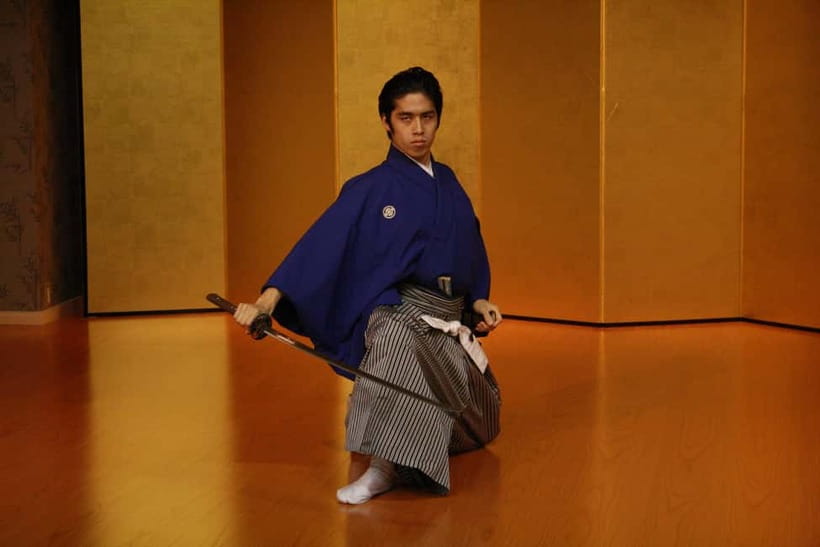
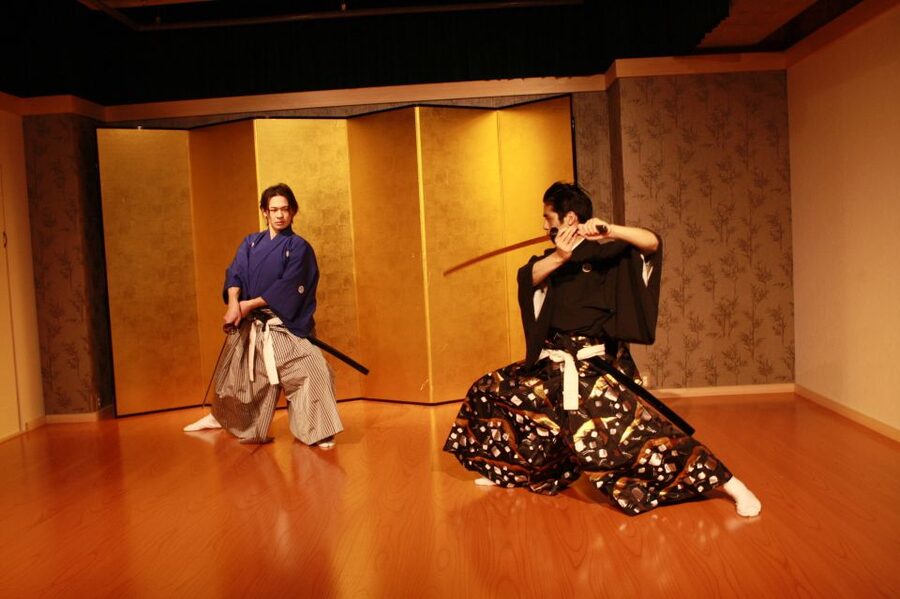
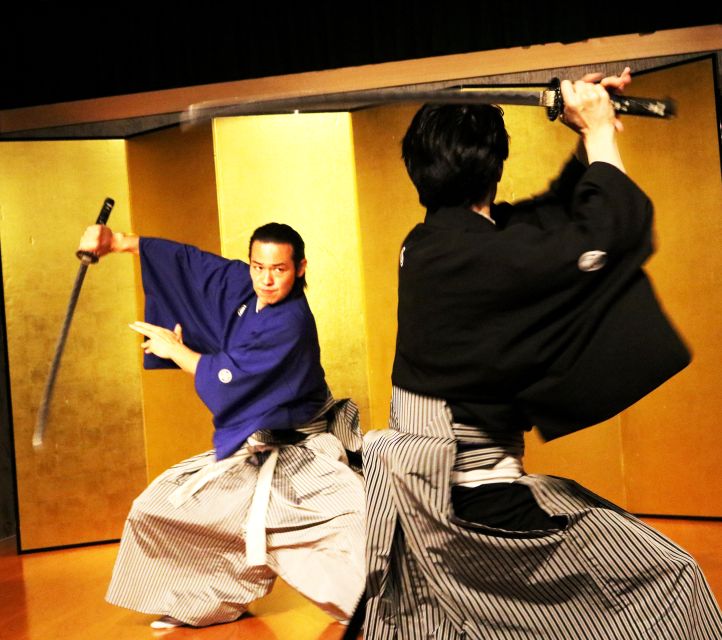
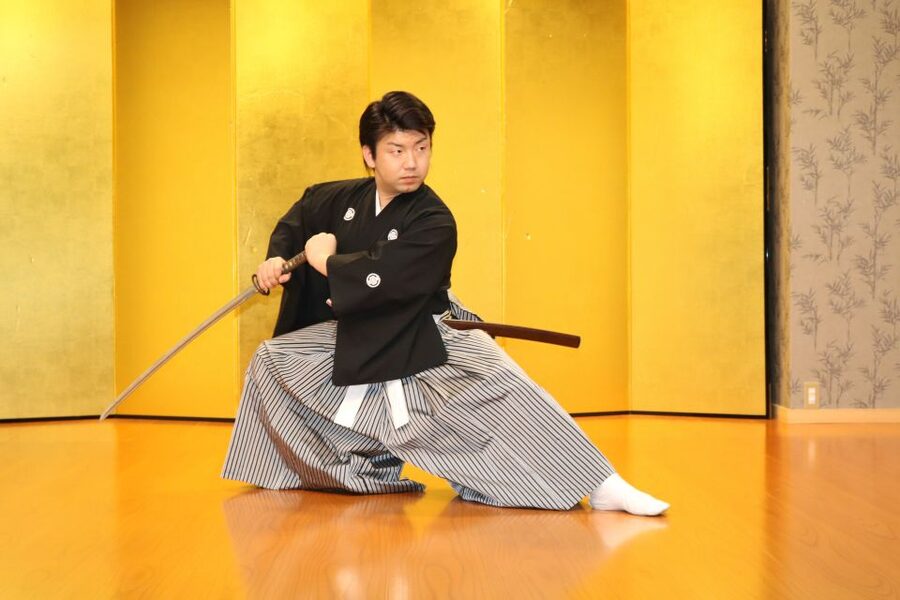
Samurai Kenbu is not a staged sword fight in the usual sense. It is a precise sword dance, shaped by poems, ritual, and stories from Japan’s feudal period. Performers move with controlled grace, then add sudden strength as they act out scenes linked to samurai life.
I like the clear English narration and the chance to handle a sword after the performance. The short lesson turns a show into something more personal. The main consideration is expectation: this is elegant stage art and cultural teaching, not a full-scale action spectacle with constant combat.
Key points to know
- A 700-year-old tradition: Kenbu recalls the world of samurai from the 12th through 19th centuries.
- English narration: Each performance comes with context about the story, sword, and samurai customs.
- More than sword swings: You’ll see folding fans, poems, ritual movements, and traditional tales.
- Hands-on ending: A short lesson covers drawing, holding, and gently swinging a sword.
- Good location: The theater is about four minutes from Sanjo Keihan Subway Station and five minutes from Sanjo Station.
- Compact and accessible: The experience lasts one hour, costs $32 per person, and the theater is wheelchair accessible.
What Kenbu is, and what it is not
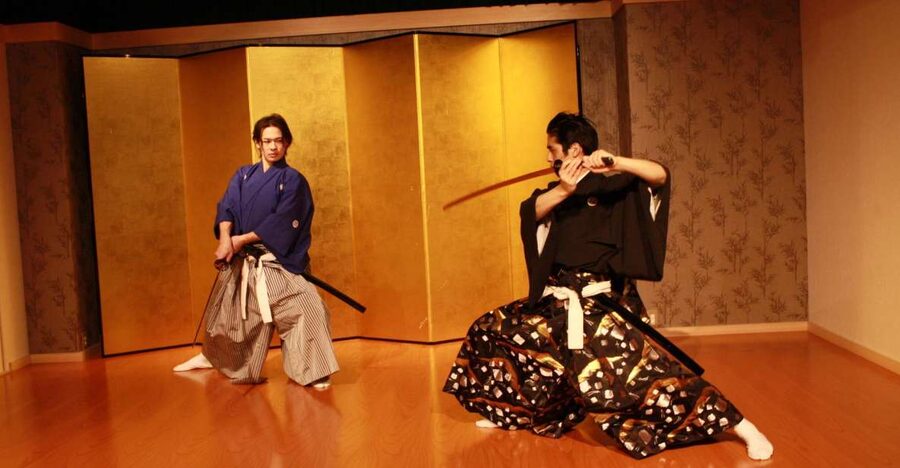
Kenbu means sword dancing. Its movements are based on the way samurai performed poems before battle, using the sword and folding fan to express the mood and meaning of the words.
That helps explain the tone of the show. You’ll see combat-like gestures, but the focus is on posture, timing, expression, and the symbolic use of the sword. The performers make difficult movements look simple. Once you handle a sword yourself, you get a better sense of the control required.
The show also offers a glimpse into the samurai code and the responsibility associated with carrying a sword. This is useful context because the sword is presented as more than a weapon. It represents duty, discipline, status, and a serious obligation.
If you are expecting a movie-style duel, you may find the pace restrained. If you enjoy traditional Japanese arts, historical storytelling, or carefully performed movement, the slower rhythm gives you more to notice.
More samurai experiences in Kyoto:
- Kyoto Samurai Experience
★ 5.0 · 1,294 reviews - Kyoto: Kendo and Samurai Experience with Uniform and Gear
★ 4.9 · 815 reviews - Kyoto: Samurai Sword Class by Experts in Traditional Arts
★ 4.9 · 657 reviews
Arriving at the Samurai Kembu Theater
You meet at the Samurai Kembu Theater in Kyoto. It is about a four-minute walk from Sanjo Keihan Station on the Kyoto City Subway and roughly five minutes from Sanjo Station on the Keihan Main Line.
The theater asks you to remove your shoes before entering. This small ritual immediately sets the mood and reminds you that you are entering a performance space shaped by Japanese custom rather than a standard modern theater.
Arrive 5 to 15 minutes before the start time. That gives you room to find the entrance, check in, and settle without rushing. The venue has no waiting room, so arriving far too early is not especially useful. People without appointments cannot wait inside the room.
Large luggage and travel bags are not suitable here. Leave bulky items at your hotel or use a station locker before coming to the theater. You should also avoid arriving under the influence of alcohol, since the activity includes handling a sword.
The opening explanation sets the stage
The experience begins with an introduction to Kenbu, its history, and its main techniques. The instruction is given in English and Japanese, making the show approachable for international visitors.
This opening matters. Without it, the gestures could look like a series of attractive sword movements with no clear purpose. The explanation gives you a way to read the performance. A raised fan may signal a particular mood, while a sword drawn in a certain manner can suggest readiness, conflict, or solemn duty.
The narration also places the art within Japanese history from the 12th to the 19th centuries. You hear about samurai practices and the role of the sword before watching the stories unfold.
The language is generally accessible, though the amount of detail may feel demanding for some listeners. One visitor found parts of the explanation difficult to follow, despite finding the performance itself excellent. If English is not your first language, focus on the broad story and watch the movement closely rather than trying to catch every historical point.
Traditional and modern Kenbu performances
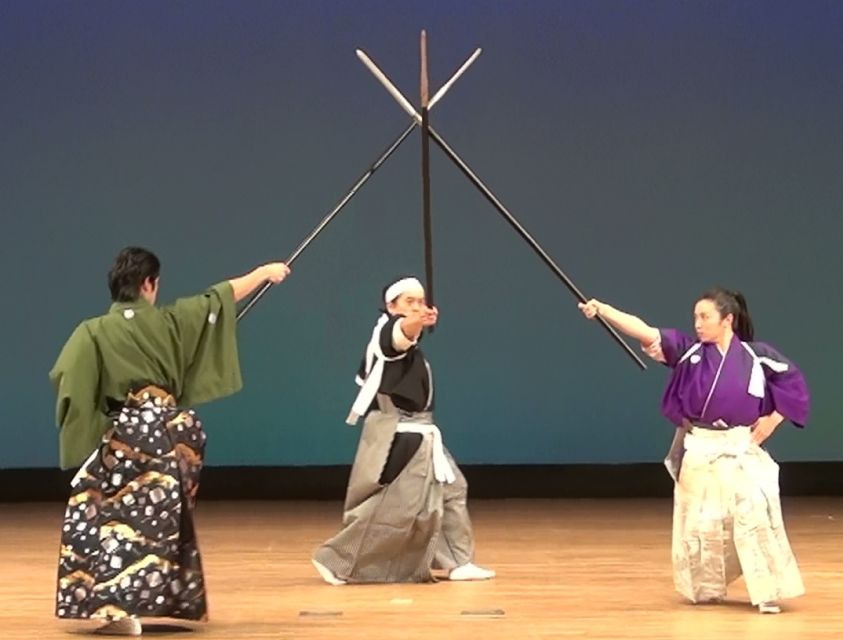
The central show is made up of several short demonstrations. Each one is introduced with a piece of history or cultural background, then performed through sword dance.
The variety keeps the hour moving. You see traditional-style Kenbu, along with newer forms that carry the same basic discipline into a modern stage setting. The performers use complex sequences of steps, turns, sword positions, and gestures to express scenes from samurai tales.
The sword work is graceful, but not soft. At certain moments, the movement becomes forceful and dramatic. That contrast is one of the strongest features of the art. A performer may hold an almost still posture, then cut through the air with sudden purpose.
The performers also use folding fans. This adds another layer to the show, since the fan can suggest ceremony, emotion, or a change in the story. If time allows, you may receive a short introduction to fan technique during the hands-on portion.
The show is presented as a series of stories rather than one long plot. That format works well for a one-hour activity and makes it easier to follow the performance in sections. It also suits families, since younger children do not need to track a complicated storyline for the entire hour.
More shows and performances in Kyoto:
- Kyoto Gion Cultural Walk & Geisha Show with Dining Options
★ 5.0 · 518 reviews - Kyoto Gion Cultural Walk & Geisha Show with Dining Options
★ 5.0 · 483 reviews - 1 Hour Geisha Show in Kyoto
★ 5.0 · 452 reviews - Kyoto: Meet-and-Greet, Maiko Show and Experience
★ 4.8 · 286 reviews
Why the English narration matters
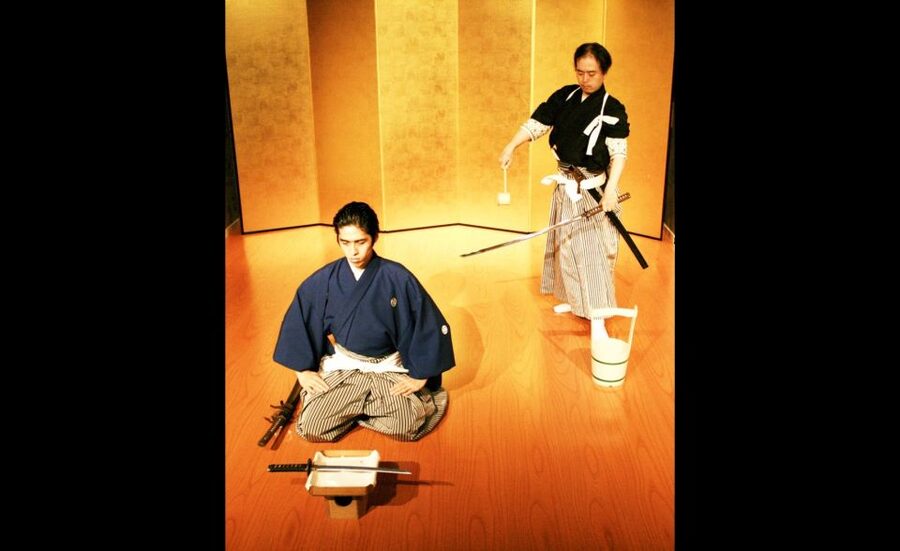
The narration is one of the practical strengths of this experience. The performers do not simply appear in costume and swing swords while you guess at the meaning. You receive an explanation before each dance, including references to samurai life and the values behind the movements.
That context gives the performance weight. You begin to see why a sword is drawn slowly, why a stance is held, and why the fan appears at a certain point.
The English is not a substitute for a detailed history lecture. This remains a stage performance, and the explanations are designed to support what you are seeing. Still, it gives you enough background to appreciate Kenbu as a cultural practice rather than a theatrical novelty.
The presentation can also include humor. One story features a character who is meant to die but adds comic touches to the scene. That lighter moment helps prevent the show from becoming too solemn and gives the performers a chance to connect with the audience.
The sword lesson after the show
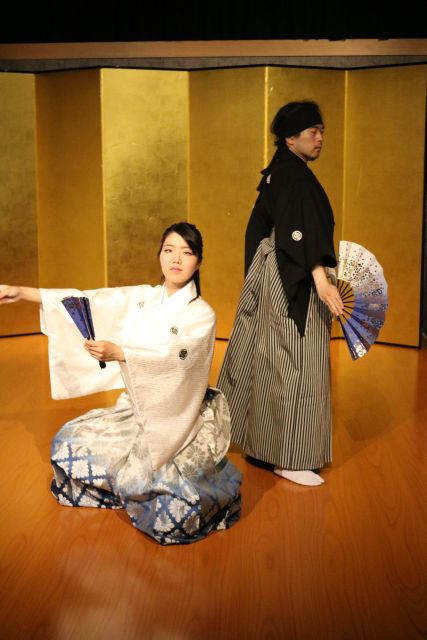
The most interactive part comes after the performance. Once the dancers return, you can take photographs with them and, for a short time, handle a sword under instruction.
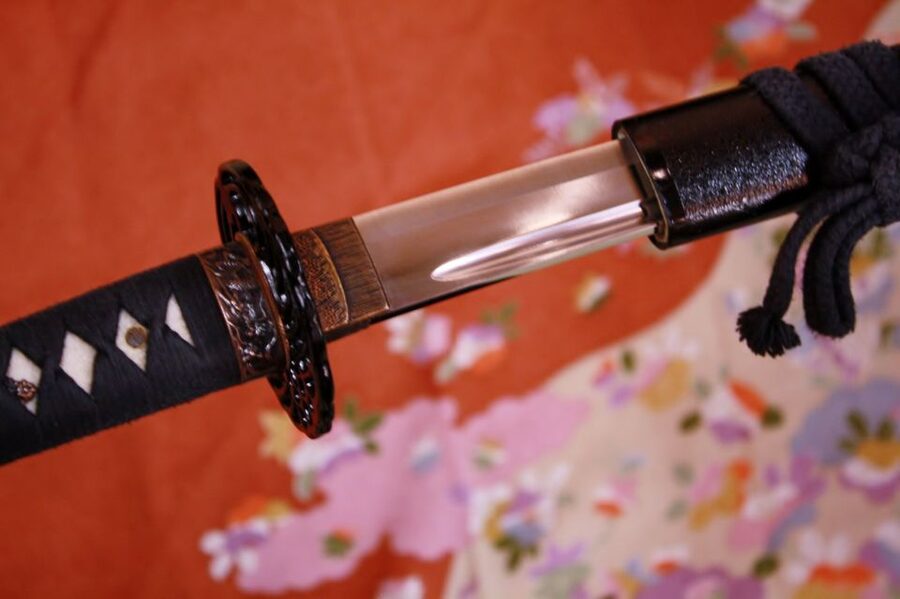
You begin by picking up the sword, slowly drawing it from the scabbard, and learning how to hold it. The instructor then guides you through a gentle swing, with stronger movements added gradually. The emphasis is on control and following directions, not on pretending to be in a battle.
This short lesson is a useful reality check. On stage, the professionals make sword movement appear effortless. Holding and swinging a sword yourself shows how much balance, timing, and care are involved.
The lesson can include basic stances, movements, and spoken commands. Some sessions also include the folding fan if time permits. The exact amount of practice may vary, so treat the fan portion as an extra rather than a guarantee.
The staff keep this part friendly and light. Their humor helps put people at ease, especially those who feel awkward holding a sword in front of a group. The activity is brief, but it gives you a physical connection to what you have just watched.
Photos are saved for the end
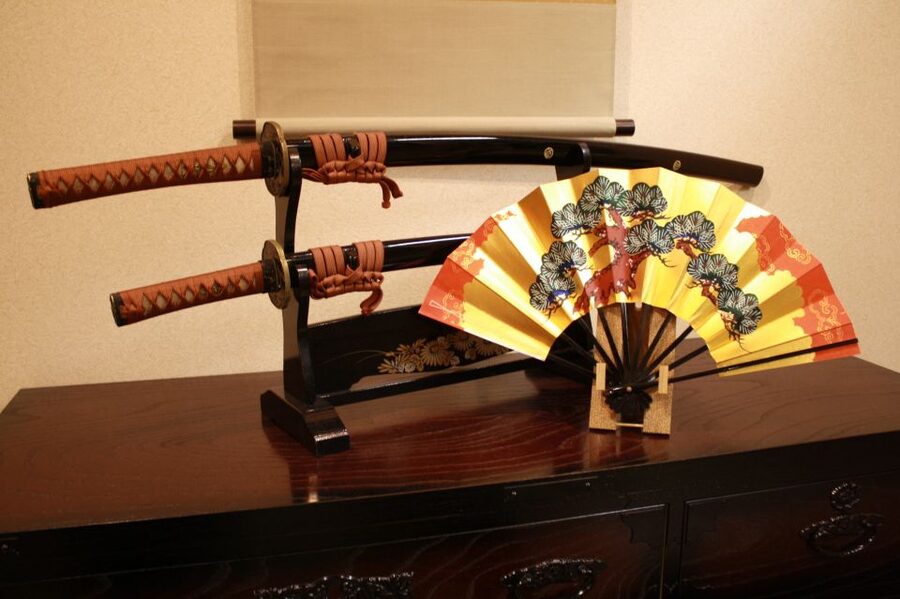
Photography and video are not allowed during the main show. This rule protects the atmosphere and keeps phones from distracting performers or other people in the theater.
You do get time for photographs after the performance. The staff can help take pictures, and you can pose with the performers and sword. This is the right moment to bring out your camera.
If getting photos is important to you, do not feel disappointed during the show. The restriction is clear, and the post-show photo opportunity is part of the experience. You can watch the performance without worrying about holding up a phone, then take home a few memorable images afterward.
Is one hour enough?
For most visitors, one hour is a good length. You receive an introduction, several performances, historical explanations, and a short sword lesson without having to set aside half a day.
One visitor felt the program ran about 5 to 10 minutes too long. That is a useful warning if you have a tight schedule or young children. The show is compact, but it includes several separate sections, and the final lesson adds time beyond the stage performance.
The one-hour format works especially well as part of a day in eastern Kyoto or around the Sanjo area. You can fit it between sightseeing stops rather than planning your whole day around it.
Who will enjoy this experience most?
I would recommend it most strongly to:
- People interested in samurai culture and Japanese history
- Families looking for a short indoor activity
- Visitors who enjoy dance, theater, or traditional arts
- First-time visitors who want cultural context without a long museum visit
- Anyone who wants a hands-on activity involving a sword
- Photographers who enjoy staged portraits after a performance
It also works for teenagers. The dramatic stories, swords, and photo session give the history a physical and visual edge. Children can enjoy it too, although very young children may find the explanations long if they are not interested in samurai themes. One family found it suitable even with a three-year-old, but children’s attention spans will vary.
You do not need prior knowledge of Kenbu, swordsmanship, or Japanese history. The opening explanation provides the basics, and the instructors guide you through the hands-on section.
Who may want something different?
This may not be the right choice if you want a large theater, extended sword fighting, or a high-energy action show. The stage is designed for close viewing, and the performance is built around controlled movement rather than continuous combat.
You should also think twice if you dislike removing shoes, cannot arrive on time, or are carrying large bags. There is no room for luggage and no waiting area for people without an appointment.
The narration is in English and Japanese, but some historical sections may be harder to follow than others. If your main goal is visual entertainment, the sword dancing will still carry the show. If your main goal is a detailed academic account of samurai history, you will need a museum or book to add more depth.
Is $32 good value?
At $32 per person, the value is strongest because the ticket combines three parts: a live cultural performance, historical explanation, and a short sword lesson.
A standard stage show might give you only the first part. Here, you also get the chance to practise basic movements and pose with the performers. That makes the price reasonable for someone who wants more than passive sightseeing.
The value is less clear if you are interested only in sword fights. In that case, the performance may feel too graceful and restrained for the money. You are paying for Kenbu as a traditional art, not for a stunt show.
The one-hour duration also helps. You do not spend an entire afternoon on an activity that may appeal to only one person in your group. For a family or mixed-interest group, the short format makes it easier to justify.
Getting the most from your visit
Read a little about samurai customs before arriving if you have time. Even a basic understanding of the sword’s symbolic role will help you notice more during the performance.
Arrive early enough to check in without rushing, but not so early that you need to wait outside. Wear something comfortable and easy to remove at the entrance.
Keep your phone and camera away during the show. Watch the performers’ feet, hands, and posture rather than focusing only on the blade. Kenbu is built from the entire body, and the still moments are as important as the fast ones.
During the lesson, follow the instructor’s pace. The sword may feel lighter or heavier than you expect, but the goal is not to swing hard. The best part is learning how much discipline goes into a simple-looking movement.
Should you book the Kyoto Samurai Kenbu show?
Book it if you want a short, well-organized introduction to samurai culture with genuine participation at the end. The graceful performances, English narration, fan work, and sword lesson create a fuller experience than a simple demonstration.
Skip it if you are looking specifically for a large stage, extended combat scenes, or a fast action program. For everyone else, $32 is a fair price for an hour that combines history, theater, and a carefully supervised hands-on activity.
The best reason to go is the change in perspective. You watch experts make Kenbu look effortless, then pick up a sword yourself and discover the control behind every movement.
FAQ
How long does the Samurai Kenbu experience last?
The activity lasts one hour.
How much does the experience cost?
The listed price is $32 per person.
Where does the activity take place?
It takes place at the Samurai Kembu Theater in Kyoto, on Honshu, Japan.
How do I reach the theater?
The theater is about four minutes on foot from Sanjo Keihan Station on the Kyoto City Subway and about five minutes from Sanjo Station on the Keihan Main Line.
Should I arrive early?
Yes. Arrive 5 to 15 minutes before the scheduled start time.
Is the show available in English?
The instructors speak English and Japanese, and the traditional tales include English narration.
Can I take photos during the performance?
No. Photography and video are not permitted during the show. You can take photographs after the performance when the performers return.
Can I handle a samurai sword?
Yes. The included short sword lesson lets you pick up a sword, draw it from the scabbard, learn how to hold it, and practise gentle movements under instruction.
Is the theater wheelchair accessible?
Yes, the activity is listed as wheelchair accessible.
Newest Kyoto experiences on the site
- Treasures of Kyoto: Gion & historical Walking Tour★ 5.0 · 6 reviews
- Whisk Your Own Matcha: A Zen Matcha Experience at Temple★ 3.6 · 7 reviews
- Kyoto tea town for matcha lovers★ 5.0 · 16 reviews
- Uji: Private immersion into Kyoto’s tea and reglious culture★ 5.0 · 17 reviews
- Kyoto Matcha Green Tea Tour★ 4.5 · 23 reviews
- Uji and Wazuka Matcha Farm Half Day Private Guided Tour★ 5.0 · 21 reviews
- Utilising upcycled Matcha! Creating matcha incense (Uji, Kyoto)★ 5.0 · 6 reviews
- Sacred Temple Yoga Experience in Japan★ 5.0 · 3 reviews
Kyoto Samurai Experiences, compared.
Kendo and Samurai Experience with Uniform and Gear
Read our review →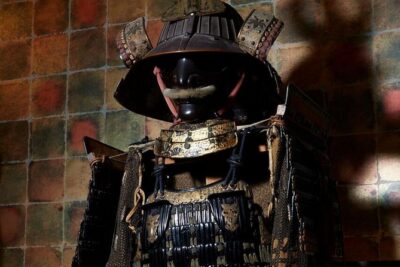
Skip the lines Basic Ticket at SAMURAI NINJA MUSEUM KYOTO
Read our review →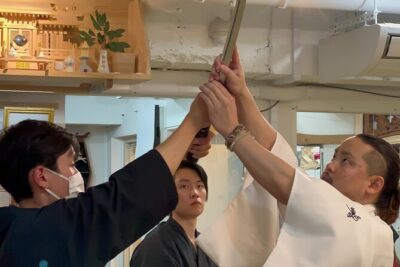
Samurai Training with Modern day Musashi in Kyoto
Read our review →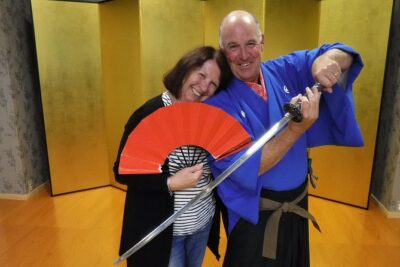
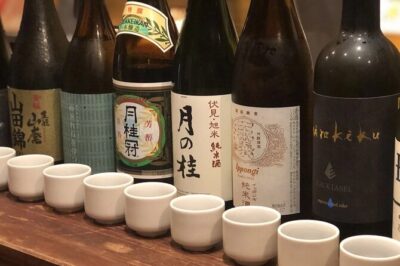
Private Tea Ceremony and Sake Tasting in Kyoto Samurai House
Read our review →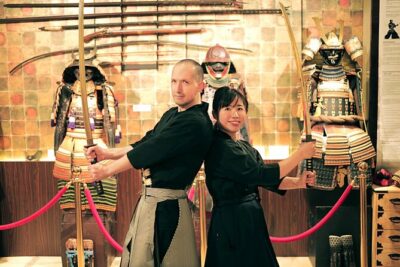
Kyoto Sword Experience – includes Museum Ticket/Ninja Experience
Read our review →
Browse the lists this tour appears in