
Reviewed · KYOTO SAMURAI EXPERIENCES
Kyoto: Kendo and Samurai Experience with Uniform and Gear
Inside a 120-year-old Kyoto machiya, you put on traditional training clothes, learn how to handle a sword, and practice basic kendo under the eye of an instructor. This is more than a costume photo stop. You spend much of the two hours learning posture, footwork, etiquette, and safe sword movements.
I like two things right away: the setting feels like a real dojo rather than a stage set, and Taka brings plenty of patience, humor, and historical context to the lesson. You also get photos and videos in costume, which makes the experience easy to remember after you leave.
The main drawback is location. The house is in a residential area reached by a winding route, and several people found it farther out than expected. The dojo can also be chilly in winter, especially when part of the practice moves outside, so wear warm socks and a good base layer.
Key points at a glance
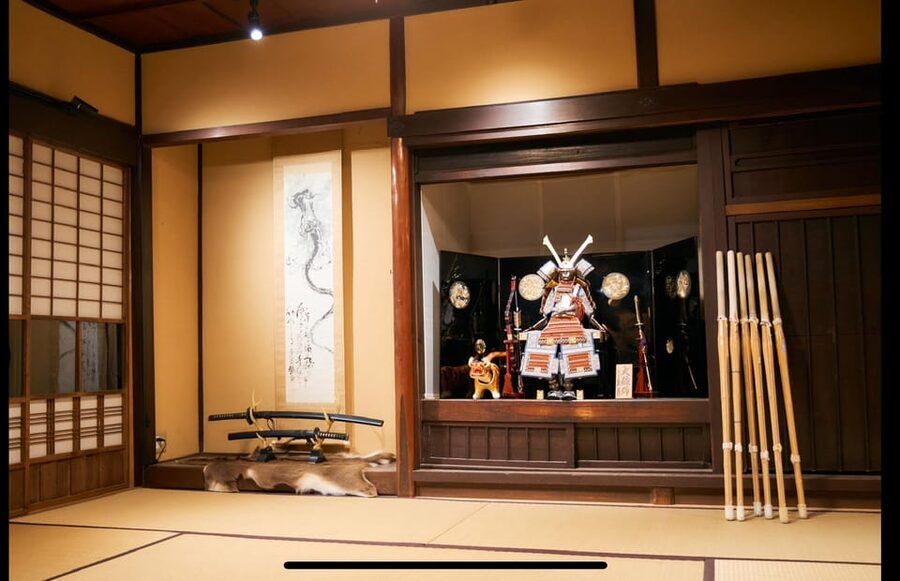
- Train in a historic machiya: The old Japanese house, large gate, dojo atmosphere, and courtyard add real character to the class.
- Learn from Taka: Taka, also called Takato in some bookings, teaches in English with a friendly, funny style and strong knowledge of kendo and samurai history.
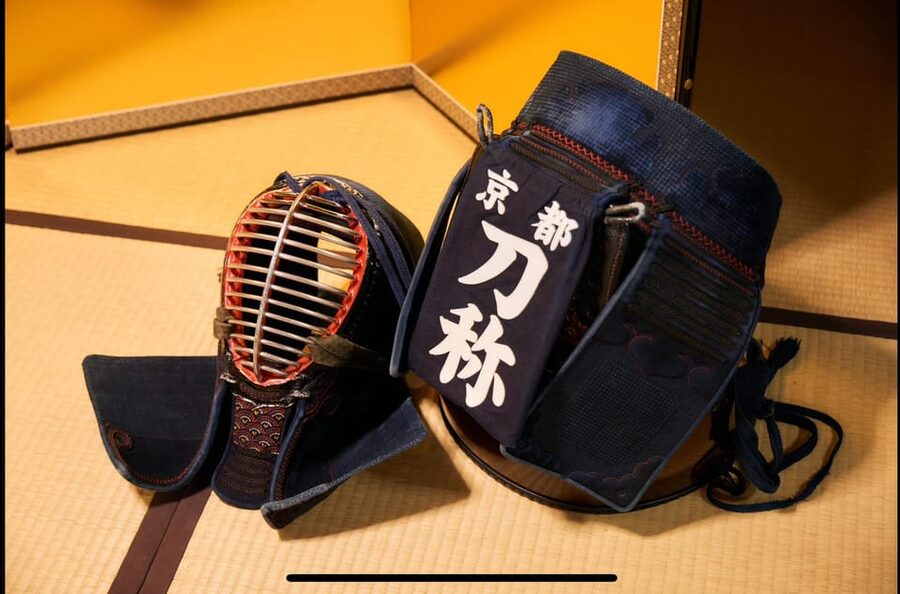
- Wear the full outfit: Uniform, footwear, armor, and training equipment are supplied, so you do not need to prepare anything special.
- Practice instead of just posing: You learn grips, stance, strikes, blocks, movement, and partner work with bamboo or foam swords.
- Expect a playful final bout: The class can finish with sparring or a light competition using safe training swords.
- Bring warm clothing in cold weather: The dojo may feel cold, and outdoor practice is possible.
Why this Kyoto sword class feels different
Kyoto offers plenty of activities built around Japan’s warrior past. Some are mainly demonstrations or costume sessions. This class gives you a more active role. You put on the gear, follow instructions, repeat basic movements, and use what you have learned in partner practice.
That difference matters. You do not become a samurai in two hours, of course, but you get a clearer sense of the discipline behind the image. Holding a sword correctly is not simply a matter of swinging it. Your posture, grip, foot position, timing, and respect for the training space all count.
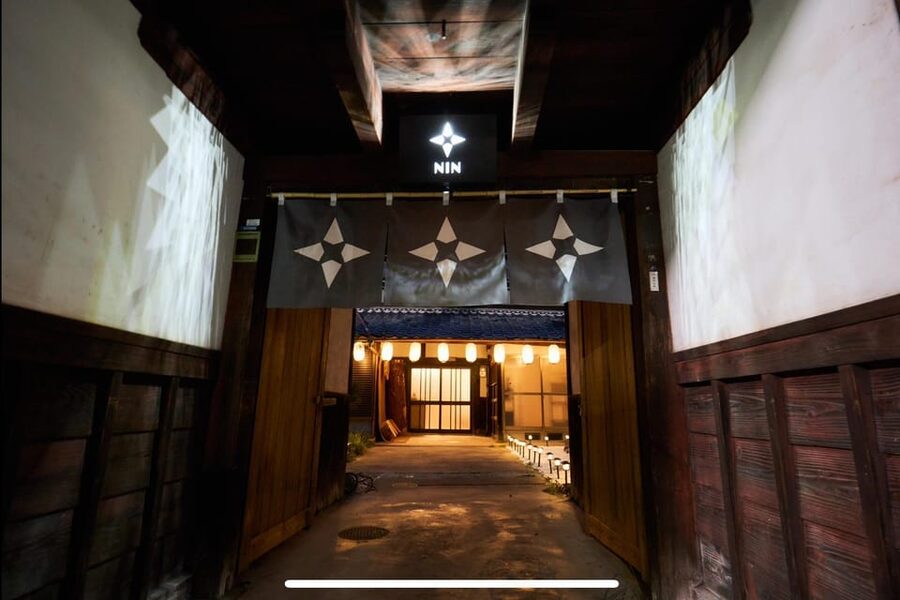
The setting helps. The meeting point is an old Japanese house with a large gate, and the practice takes place in an actual dojo-style space. The building is more than a backdrop for photographs. Its worn, traditional character gives the session a quiet sense of place, though one person found the room a little dusty and tired-looking.
The class has earned a 4.9 rating from 815 bookings, and the strongest praise centers on the instructors. Taka is repeatedly described as patient, funny, welcoming, and easy to understand in English. His warm approach is useful for beginners who might otherwise feel awkward handling unfamiliar equipment.
More samurai experiences in Kyoto:
- Kyoto Samurai Experience
★ 5.0 · 1,294 reviews - Kyoto: Samurai Sword Class by Experts in Traditional Arts
★ 4.9 · 657 reviews - Skip the lines Basic Ticket at SAMURAI NINJA MUSEUM KYOTO
★ 4.5 · 632 reviews
Arrival at the old Japanese house
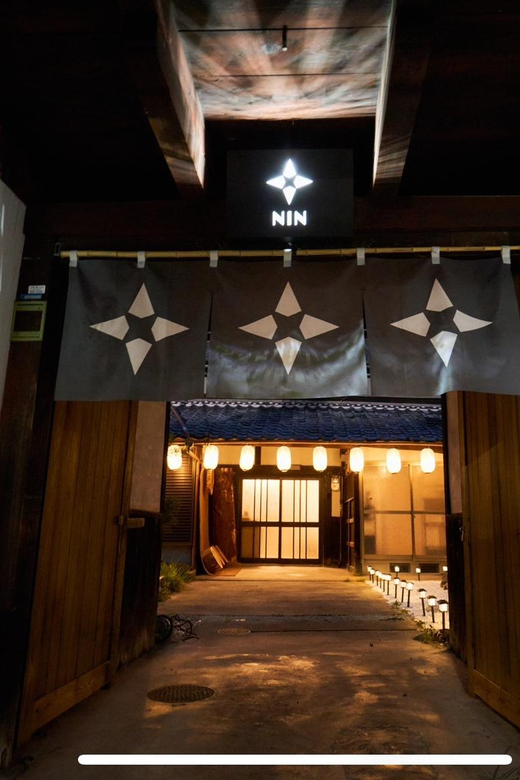
Give yourself extra time to find the entrance. The meeting point is in a residential area along a winding path, and the large gate is the main visual clue. One useful tip is to take a taxi from the station if you are unsure of the route. The location is not presented as a central sightseeing stop, so do not assume you can arrive with no time to spare.
Arriving early matters for another reason. A late arrival can interrupt the introduction and make it harder for you to catch the first instructions. The class has a clear flow, and the opening explanation sets up everything that follows.
The old house creates a strong first impression. You may see a courtyard, traditional architectural details, and the dojo room where the class begins. In colder months, the space can feel cool. Bring a warm base layer and thick socks, particularly if you expect to practice outside.
This is also a good activity to pair with a less crowded part of Kyoto. One participant found a small temple nearby, but no fixed sightseeing stop is included, so treat any nearby discoveries as extra rather than part of the tour.
Changing into uniform and gear
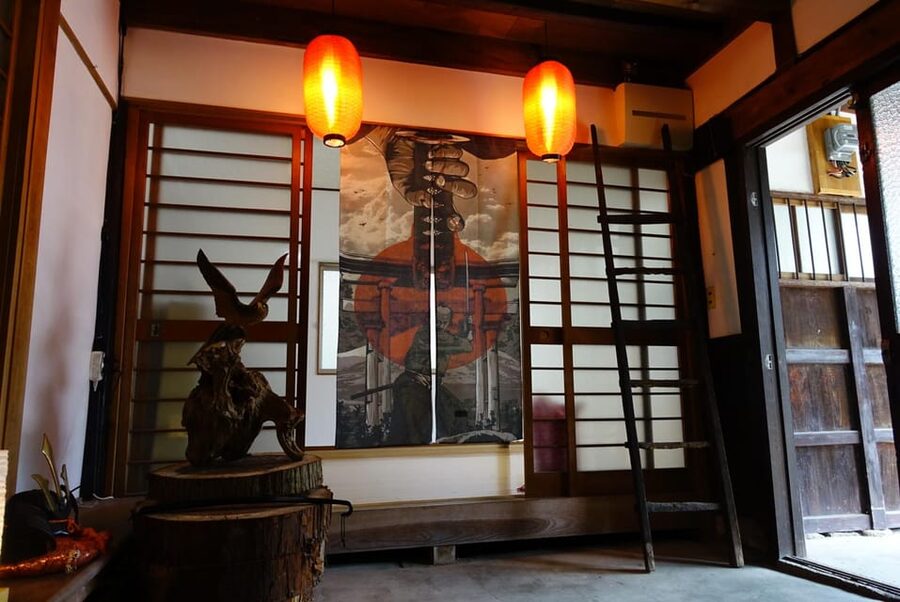
The first practical step is getting dressed. Uniform rental, shoes, armor, and other equipment are included in the $103 price. You do not need to rent or bring your own training clothes.
Putting on the outfit is part of the lesson. The instructor shows you how the clothing and equipment are handled, rather than simply handing you a costume and sending you in front of a camera. That helps you understand that kendo gear has a purpose and that the clothing reflects a formal practice tradition.
The equipment can include bamboo swords, foam swords, and replica blades used for demonstration or controlled practice. The exact order and combination can vary, but the class is built around safe training equipment. Replica swords may also be available to buy, though they are not included in the booking.
The clothing may be a little cumbersome at first. That is useful. You begin to see why posture and movement are taught before speed. Even simple steps feel different once you are dressed for training.
The opening lesson on samurai and kendo
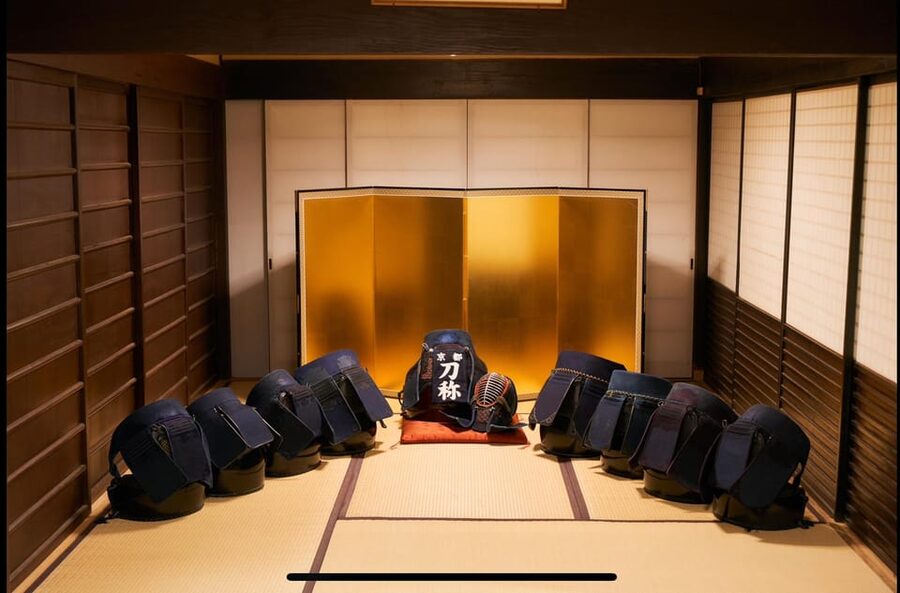
Taka begins with an explanation of samurai history, cultural customs, and the development of kendo. One participant described the instructor as a kendo master with more than 50 years of practice. The class does not treat the sword as a toy or rely only on movie images.
You learn about the samurai way of life and the ideas behind the art. Etiquette, discipline, awareness, and respect are part of the lesson. The historical section is paced for a hands-on activity, so you receive useful context without sitting through a long lecture.
This balance is one of the class’s best features. You learn why a movement matters, then you try it yourself. If you are interested in Japanese culture, this gives the physical practice more meaning. If your family mainly wants a fun activity, the talk is short enough to keep the session moving.
Taka’s English is described as very strong, and the teaching style is relaxed. That makes it easier to ask questions about samurai customs, kendo, and the equipment. The instructors also make an effort to include people who need extra help, including one child who required more individual attention.
A few more Kyoto tours worth putting on the shortlist
- PERFECT KYOTO 1-Day Bus Tour
★ 5.0 · 13,518 reviews - Kyoto: Fushimi Inari, Kinkakuji, Bamboo Grove 1 Day Bus Tour
★ 4.8 · 4,316 reviews - Kyoto: Tea Ceremony in a Traditional Tea House in Kiyomizu
★ 4.9 · 3,519 reviews - Kyoto Geisha Walking Tour: Gion District & Hidden Gems
★ 4.7 · 3,273 reviews
Learning the basics of sword handling
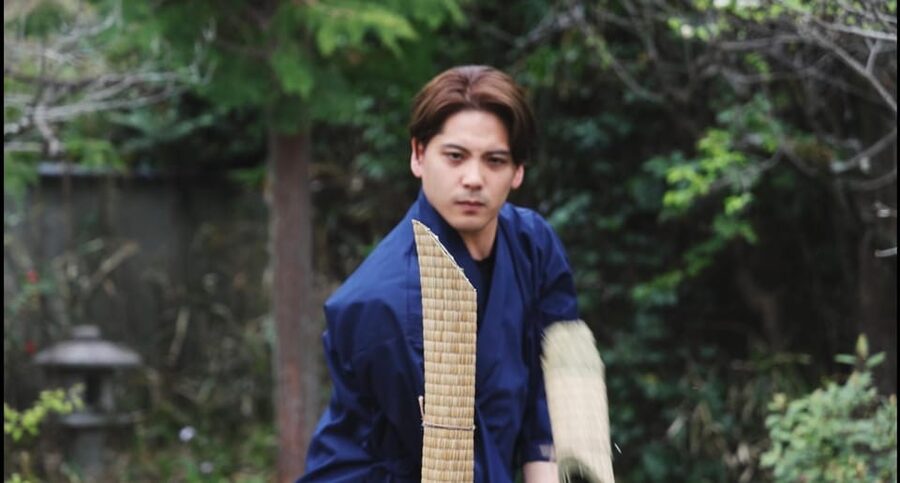
The physical lesson begins with simple foundations. You work on how to hold the sword, where to place your feet, how to stand, and how to move with control. The instructor demonstrates first, then gives you time to copy the action.
You should not expect a complete martial arts course in two hours. The value comes from learning a small set of movements correctly enough to understand the logic of kendo. The instruction is suitable for people with no previous experience.
The class can include strikes, blocks, footwork, and basic partner practice. Bamboo swords give the activity a traditional feel, while foam swords are better suited to playful sparring. Safety instructions come before contact, and the lesson keeps the focus on control rather than force.
This is where the experience becomes more than dressing up. You have to listen, watch, adjust your grip, and remember the sequence. The task is simple enough for beginners but active enough to keep you engaged.
Partner practice and the final sparring session
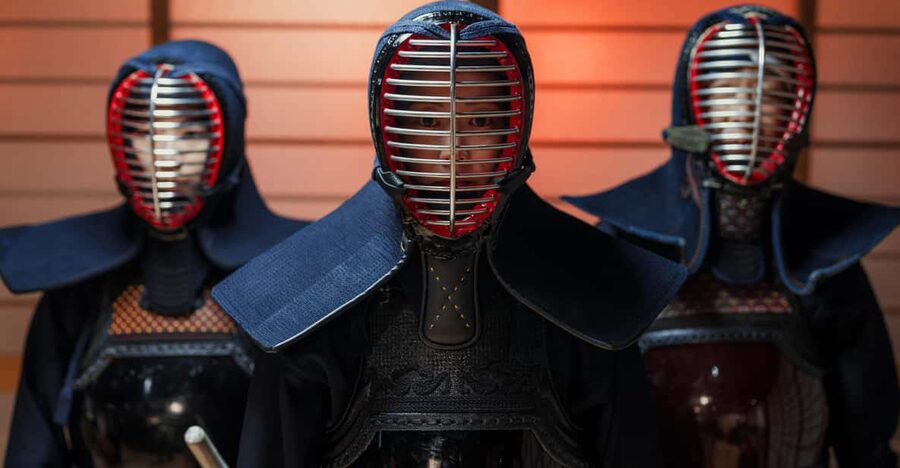
The most energetic part comes when you use your new skills with another participant. Depending on the session, you may practice movements together or take part in a light bout with foam swords. A small competition often provides the comic finish.
Do not expect historical combat or hard contact. The sparring is a supervised training activity using safe equipment. The point is to apply the basics, not to prove who can hit hardest.
This section works particularly well for families, couples, and solo visitors who want to meet other people. You can arrive alone and still have a partner-based activity. The friendly tone keeps the competition from becoming intimidating.
There is one important expectation to set before booking. You will not cut tatami mats with a katana. That part of the activity no longer happens because it is illegal. If your main goal is sword cutting, this is not the right choice. If you want to learn movements, customs, and basic kendo, the class offers plenty to do.
Photos and videos in samurai costume
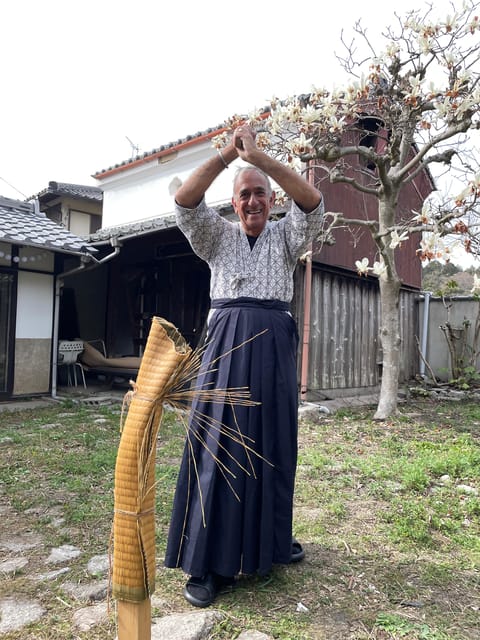
The instructor helps take photographs and videos during the session. You get a chance to pose in the uniform and gear, often with the old house or dojo adding atmosphere to the scene.
The photos are not the whole point of the activity, which is good. You earn the costume moment after learning how to stand, hold the sword, and move. That usually produces more natural pictures than a quick dress-up stop.
Tell the instructor if you especially want photographs of a certain part of the lesson. The available information confirms that photos and videos are provided, but it does not promise a professional photographer or a fixed number of edited images. Think of them as instructor-assisted memories rather than a formal photo shoot.
The historic setting can be especially striking in winter. One family practiced in the courtyard as snow began to fall, creating a memorable scene. Weather will vary, and outdoor practice is not guaranteed, but the courtyard adds another layer to the visit.
What the $103 price includes
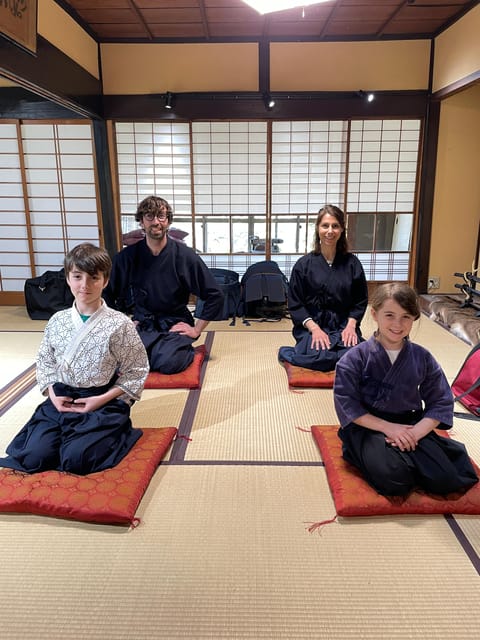
At $103 per person, this is not a cheap photo opportunity. The price makes more sense if you plan to use the full class. You receive English instruction, uniform rental, shoes, armor, training equipment, sword practice, historical background, and help with photos and videos.
You are paying for access to a teaching space and an instructor-led activity, not simply for borrowed clothing. The strongest value comes from the combination of hands-on practice and cultural explanation. If you only want to wear a costume for five minutes, you can find less expensive options elsewhere.
The two-hour length is about right. There is enough time to change, hear the introduction, practice basic techniques, take photographs, and enjoy partner work without turning the activity into an exhausting martial arts lesson.
Replica swords for purchase cost extra. That is worth remembering if you are tempted to take home a souvenir. The booking price covers the equipment used during the class, not a sword to keep.
Who should book this experience?
I would recommend this class to you if you enjoy history, martial arts, Japanese culture, or activities that let you participate instead of just watch. It is also a good change of pace after temples and gardens. You get movement, conversation, and a little friendly competition.
Families can enjoy it, although children under seven are not allowed. The instructors appear comfortable adjusting their approach for different ages and confidence levels. Still, anyone who dislikes costumes, structured instruction, or light physical activity may find the session less appealing.
Solo visitors are welcome, and the partner practice gives you a reason to interact with others. Couples and friends can enjoy the photographs, but do not assume you will spend the whole time together. The lesson is built around instruction and group participation.
This is not a serious kendo qualification or a substitute for regular martial arts training. You will learn introductory movements and cultural background. The class is best viewed as a carefully guided first encounter.
Practical tips before you go
Wear clothes that are easy to change out of, since you will put on a supplied uniform and gear. Comfortable socks matter, especially in winter.
Use a taxi from the station if you are uncertain about the route, and allow extra time for the residential lanes. The large gate identifies the meeting point, but the setting may not feel obvious if you arrive in a hurry.
Bring a warm base layer during colder months. The dojo can be chilly, and some practice may take place outside.
Do not drink alcohol or use drugs before attending. These are not allowed, and safe sword handling requires full attention.
The activity is conducted in English. No prior experience is required, so you can book even if you have never held a kendo sword.
Free cancellation is available up to 24 hours before the activity for a full refund. You can also reserve now and pay later, which helps if your Kyoto schedule is still changing.
Should you book the Kyoto kendo class?
Book it if you want an active cultural experience with a real teaching element. Taka’s humor, patience, and command of the subject help turn unfamiliar gear and formal movements into a relaxed two-hour lesson. The old machiya and dojo setting add a sense of place that a modern studio would not provide.
Think twice if you mainly want to cut mats with a sharp katana, stay in central Kyoto, or avoid physical participation. The route can be inconvenient, the dojo may be cold, and the room is traditional rather than polished.
For most visitors who want to learn, move, and take home memorable photographs, the $103 fee is fair. You leave with a better understanding of kendo, a taste of samurai etiquette, and a story that is more interesting than another standard sightseeing stop.
FAQ
How long does the Kyoto kendo experience last?
The activity lasts approximately two hours.
How much does the experience cost?
The listed price is $103 per person.
Is the class taught in English?
Yes. The instructor language is English, and Taka is described as speaking English very well.
Is previous kendo experience required?
No. The activity is designed to teach beginners the basic grip, stance, movements, and training methods.
What is included in the price?
Instruction, uniform rental, equipment rental, shoe rental, and gear rental are included.
Are swords provided during the activity?
Training swords and other equipment are provided for the class. These may include bamboo or foam swords and replica blades for controlled instruction. Replica swords for purchase are not included.
Can children participate?
Children under seven are not allowed to take part.
Will I cut tatami mats with a katana?
No. Tatami cutting is not part of the current activity.
Where does the experience meet?
You meet at an old Japanese house with a large gate in a residential area of Kyoto. The route can be winding, and taking a taxi from the station may be helpful.
Newest Kyoto experiences on the site
- Treasures of Kyoto: Gion & historical Walking Tour★ 5.0 · 6 reviews
- Whisk Your Own Matcha: A Zen Matcha Experience at Temple★ 3.6 · 7 reviews
- Kyoto tea town for matcha lovers★ 5.0 · 16 reviews
- Uji: Private immersion into Kyoto’s tea and reglious culture★ 5.0 · 17 reviews
- Uji and Wazuka Matcha Farm Half Day Private Guided Tour★ 5.0 · 21 reviews
- Kyoto Matcha Green Tea Tour★ 4.5 · 23 reviews
- Utilising upcycled Matcha! Creating matcha incense (Uji, Kyoto)★ 5.0 · 6 reviews
- Sacred Temple Yoga Experience in Japan★ 5.0 · 3 reviews
Kyoto Samurai Experiences, compared.
Skip the lines Basic Ticket at SAMURAI NINJA MUSEUM KYOTO
Read our review →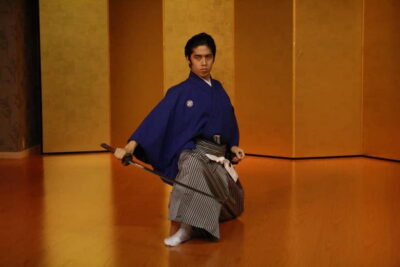
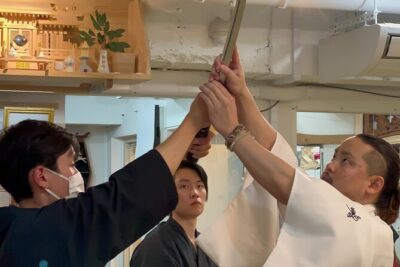
Samurai Training with Modern day Musashi in Kyoto
Read our review →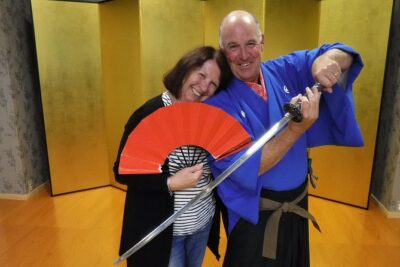
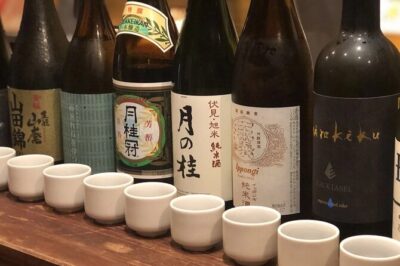
Private Tea Ceremony and Sake Tasting in Kyoto Samurai House
Read our review →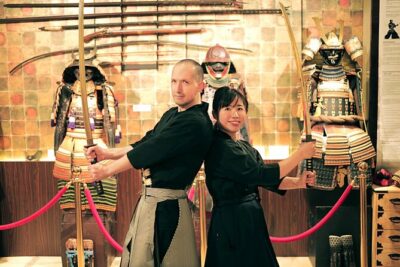
Kyoto Sword Experience – includes Museum Ticket/Ninja Experience
Read our review →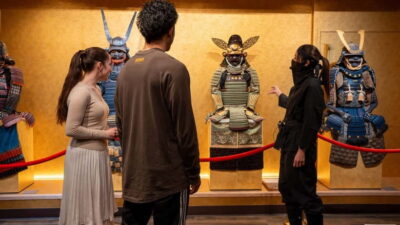
Browse the lists this tour appears in