
Reviewed · KYOTO NINJA EXPERIENCES
Kyoto: Ninja Weapon Forging Experience
A glowing bar of steel, an 800°C furnace, and a hammer in your hands make this far more than a costume photo. In about 150 minutes, you shape a real-steel shuriken or kunai with help from English-speaking guides including Taka, Mits, Ako, Yok, and Daiki.
I like the hands-on work and the fact that you take home an object you helped make, rather than a mass-produced souvenir. I also like the small cultural lesson, kanji engraving, and final black finish, which give the piece a personal touch.
The main consideration is the price, $148 per person, plus ¥3,000 for a kunai. The studio is close to Hieizanguchi Station, but getting there from central Kyoto takes planning, and your finished weapon must travel in checked luggage, never in your carry-on.
Key points before you book
- Forge real steel: You heat, hammer, sand, blacken, and polish your own piece under close guidance.
- Pick your weapon: Three shuriken styles are included, while a kunai costs an extra ¥3,000.
- Personalize the finish: Choose a kanji character for the staff to engrave on your weapon.
- Dress for the part: You change into samue work clothes and wear a tenugui head wrap.
- Good for families: Children as young as eight have taken part with attentive staff and a safe setup.
- Plan your flight home: The finished weapon is allowed only in checked luggage, not as a carry-on.
A Kyoto craft class with a sharp edge
Kyoto offers temples, gardens, tea houses, and plenty of polished cultural displays. This activity gives you something different: a workbench, hot metal, sparks, and a souvenir that carries the marks of your own effort.
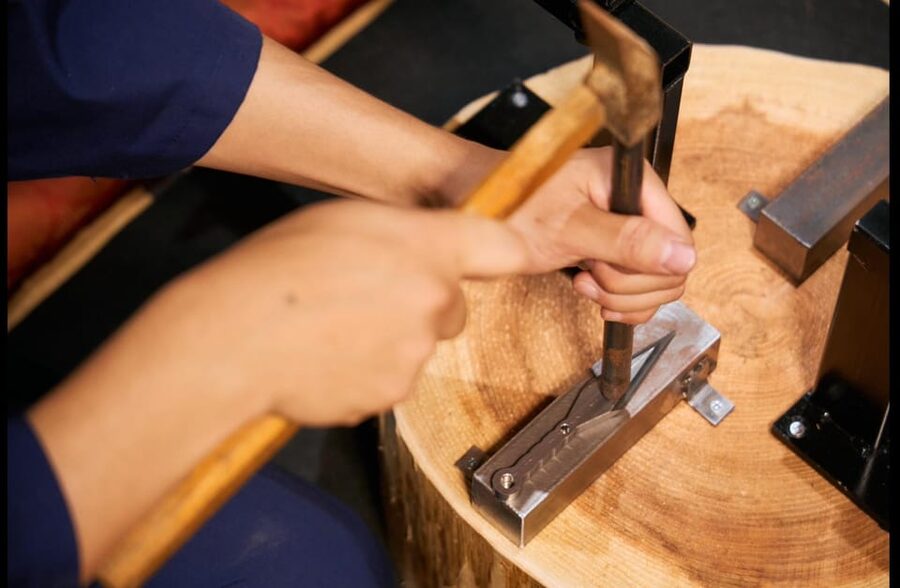
The class is built around making either a shuriken, often called a ninja star, or a kunai. You do not simply watch an artisan work and receive a finished item. You take part in the main stages, from heating and hammering to sharpening, sanding, engraving, blackening, and polishing.
I would not book this expecting to make a museum-grade historical weapon from a raw bar of steel. The class is designed as a guided introduction to forging, with a prepared basic form helping you complete the project within the session. That is a sensible tradeoff. You get enough real work to feel involved without needing years of blacksmithing practice.
The experience has earned a 4.8 rating from 478 bookings, with especially strong praise for the staff’s energy, clear instruction, and patience. The repeated message is simple: you are kept busy, supported at each stage, and given something personal to carry home.
More ninja experiences in Kyoto:
- Skip the lines Basic Ticket at SAMURAI NINJA MUSEUM KYOTO
★ 4.5 · 632 reviews - Ninja 1-hour Hands-on Lesson by Japanese master in Kyoto -Entry
★ 5.0 · 489 reviews - Ninja 2-hour Hands-on Lesson by Japanese master in Kyoto -Medium
★ 5.0 · 218 reviews
Changing into samue sets the tone
You begin by changing into samue, the loose work clothes associated with Japanese craftspeople and blacksmiths. A tenugui wrapped around your head completes the outfit.
This is not just a photo opportunity. The clothing helps separate the class from an ordinary souvenir workshop and puts you in the right frame of mind. You are preparing to work with tools and heat, so practical clothes also make sense.
The guides bring plenty of energy to the room. Taka is often singled out for his humor and enthusiasm, while Mits, Ako, Yok, and Daiki are described as helpful during the different stages. English is the working language, and the class is designed for international visitors.
You will likely take photos and videos during the session. The team is used to helping participants record the process, particularly around the furnace, where the glowing steel and flying sparks make the most dramatic images.
Choosing between shuriken and kunai
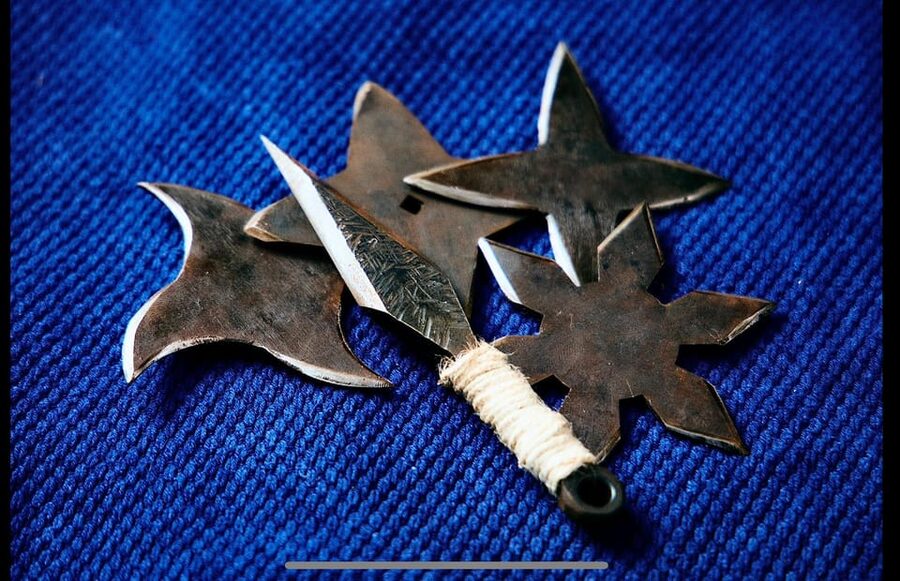
Your included choice is one of three shuriken designs. Each has a different shape and character, so take a moment to compare them before you settle on one.
A kunai is also available, but it requires selecting the kunai option when you reserve and paying an additional ¥3,000 for processing and materials. Do not assume you can simply switch at the studio without arranging it in advance.
The shuriken is the simpler value choice because it is included in the $148 price. The kunai costs more, but it may appeal to you if you want a larger, knife-like keepsake. The class does not include a replica sword, though swords are available to purchase separately at the studio.
One useful detail is that you can decide how sharp your finished piece should be. A participant making a classroom display chose a duller finish, while others preferred a sharper-looking result. This makes the object more practical as a display souvenir, although it remains a weapon-shaped item and should be packed carefully.
The furnace is the heart of the class
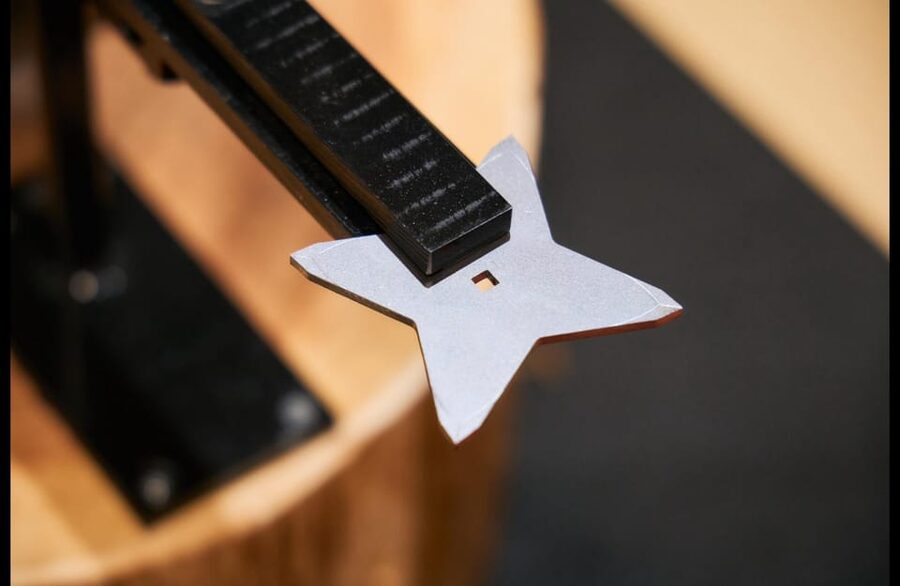
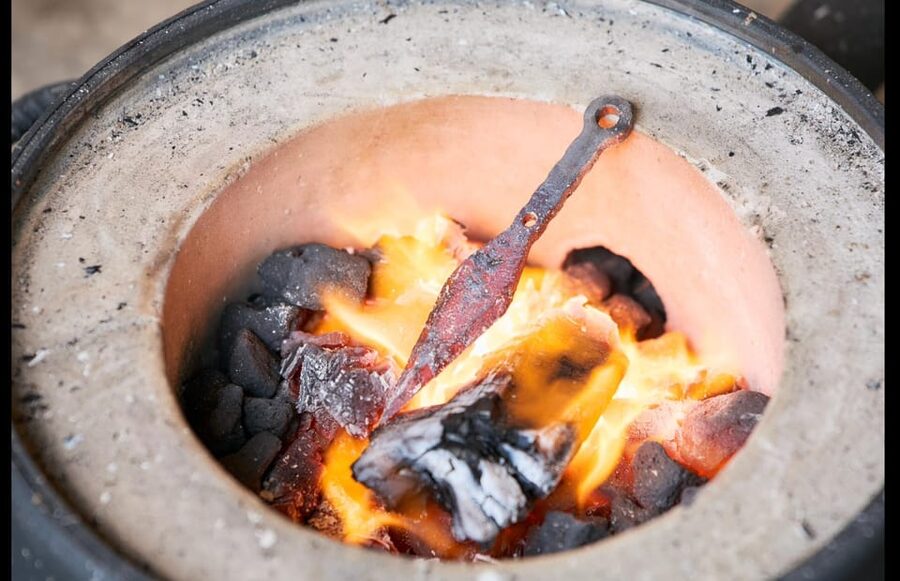
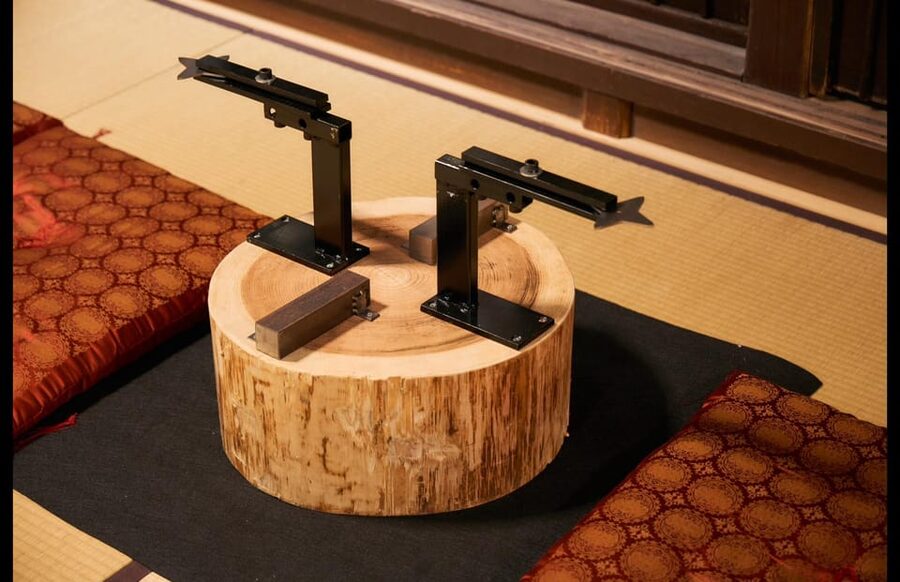
The most memorable part begins when your steel goes into an 800°C furnace. You watch it heat until it glows, then follow the instructor’s directions at the anvil.
You get to swing the hammer and help change the metal’s form. The staff demonstrate first, then guide you through your own turn. Timing matters, and the metal cools quickly, so the process has a real sense of purpose. You are not simply banging away at a cold piece of metal for effect.
This is also where group size and instructor attention matter most. The team moves between participants, showing each person what to do next. Most people describe the guidance as clear and encouraging, though one person wished for more one-to-one time and another hoped for a longer forging section.
That is the fair criticism. The full class covers many stages, so the hammering portion cannot take up the entire session. If your main goal is traditional blacksmithing, you may want a longer specialist workshop. If you want a compact cultural activity with real heat and tools, the balance works well.
Bring your camera if you want photos of the furnace, but follow the staff’s instructions about when and where to use it. The work area is active, and your attention should stay on the tools when you are handling them.
A few more Kyoto tours worth putting on the shortlist
- PERFECT KYOTO 1-Day Bus Tour
★ 5.0 · 13,518 reviews - Kyoto: Fushimi Inari, Kinkakuji, Bamboo Grove 1 Day Bus Tour
★ 4.8 · 4,316 reviews - Kyoto: Tea Ceremony in a Traditional Tea House in Kiyomizu
★ 4.9 · 3,519 reviews - Kyoto Geisha Walking Tour: Gion District & Hidden Gems
★ 4.7 · 3,273 reviews
Sanding reveals the shape
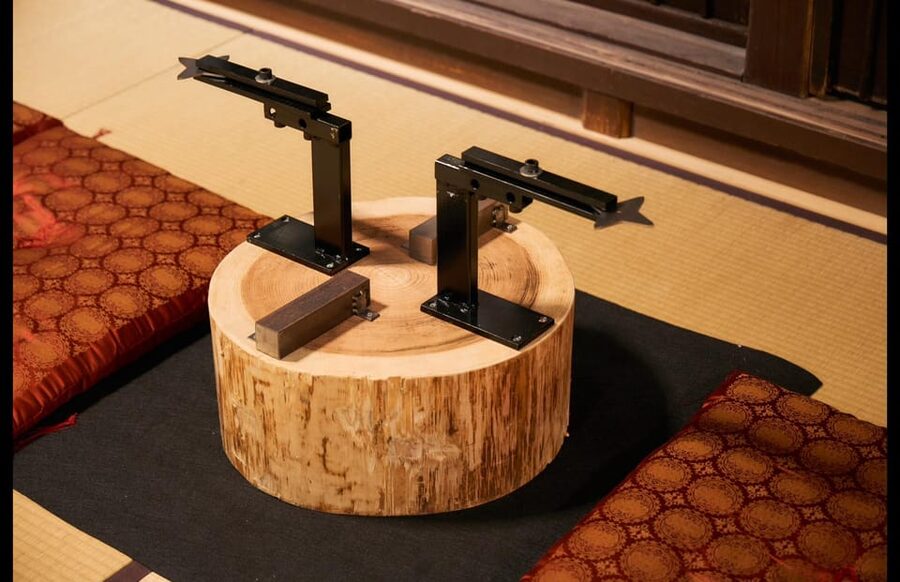
After forging, you use a professional belt sander to refine the piece. This is the stage where the rough metal begins to look like a finished object.
Sanding takes patience. You work along the shape, clean up the edges, and watch the lines become more defined. Several participants describe this as one of the most satisfying steps because the form becomes visible under their own hands.
The staff guide you closely, which matters because power tools deserve respect. You do not need previous experience. Instructions are given before each stage, and help is available as you work.
I like this part because it gives you a clearer sense of ownership. The furnace creates the drama, but sanding gives you the visual payoff. You can see exactly how the piece changes from a rough blank into a shaped shuriken or kunai.
Kanji engraving makes the souvenir yours
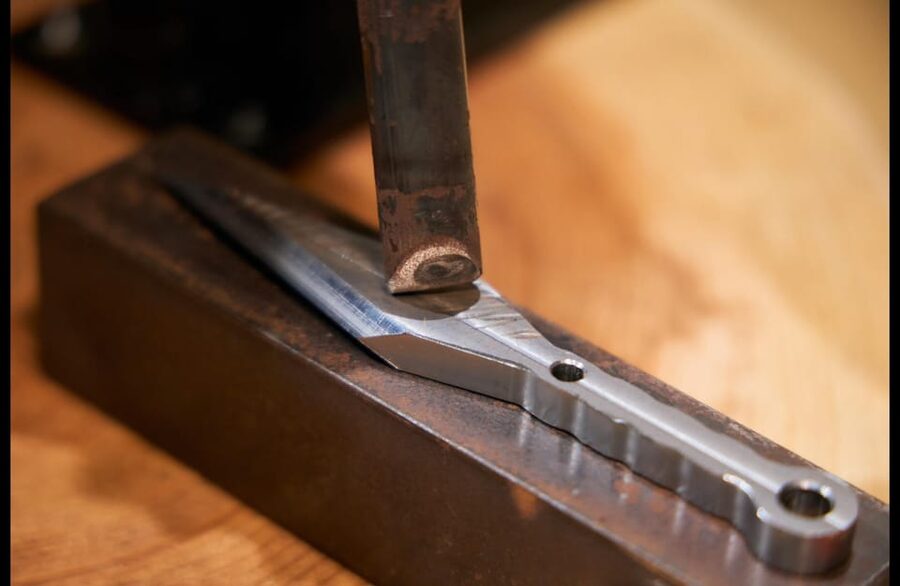
Once the main form is ready, you choose a kanji character for engraving. The staff then engrave it onto the metal with care.
The character becomes a small personal mark rather than a generic studio logo. You can choose something meaningful to you, though the supplied information does not specify a fixed list of characters or provide translations for each one. If the meaning matters, ask the staff to explain your choice before it is engraved.
Yok is frequently praised for this part of the process. The engraving adds a polished, individual touch without requiring you to operate another difficult machine yourself.
This is also a good point to think about the souvenir you want. A bold character on a darkened piece will read differently from a subtle mark on a brighter finish. The team can guide you, but the final object remains connected to your own choice.
Blackening and polishing finish the piece
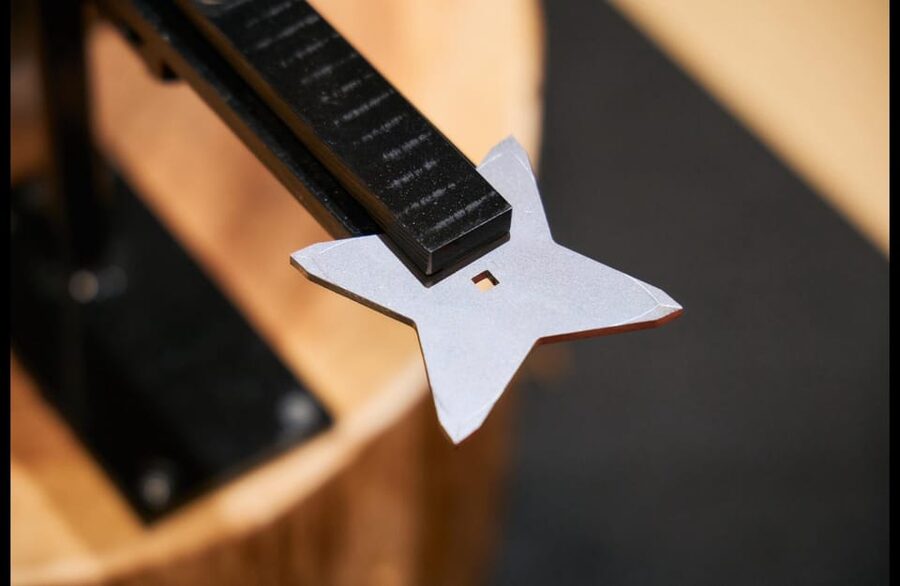
A special solution is applied to darken the steel and help protect it from rust. The result is a black, shadowy finish that suits the ninja theme.
This step changes the feel of the object. Before blackening, the metal looks like a workshop project. Afterward, the piece has a more finished appearance, with a darker surface and stronger contrast around the engraved character.
You then polish the weapon. This brings out selected surfaces and gives the final piece a cleaner, more refined look. Depending on your chosen design and how much polishing you do, the result may have both dark and brighter areas.
The final stage is satisfying because you can compare the finished item with the rough form you started with. You have not just bought a themed object. You have taken part in the sequence that shaped it.
The ninja lesson adds useful context
The class includes an explanation of ninja history, symbolism, and techniques. This section helps place the activity in a cultural setting rather than treating the weapons as movie props.
Keep your expectations measured. This is a short craft class, not a full history seminar. The main focus remains the making process, with cultural information woven into the work.
Still, the lesson gives the object more meaning. You learn why the designs matter and how the tools fit into the wider image of the ninja. Several participants especially valued the combination of history and practical work.
That mix suits Kyoto well. You get a small window into Japanese craft traditions while doing something active. It also makes the class easier to recommend to family members who may not want another long museum visit or temple tour.
Location and timing: close to a station, but not central Kyoto
The meeting point is a one-minute walk from Hieizanguchi Station. From the station, go up the hill toward the red postbox in front of the station.
The station access is convenient once you are there, but the studio is not in central Kyoto. One participant described the journey as roughly a 40-minute bus ride from the city center, while another advised using a taxi because public transport did not bring them close enough without a hill walk.
The safest advice is to check the route carefully before booking your time slot. Allow enough time for the trip, especially if you have a train, dinner reservation, or another activity afterward.
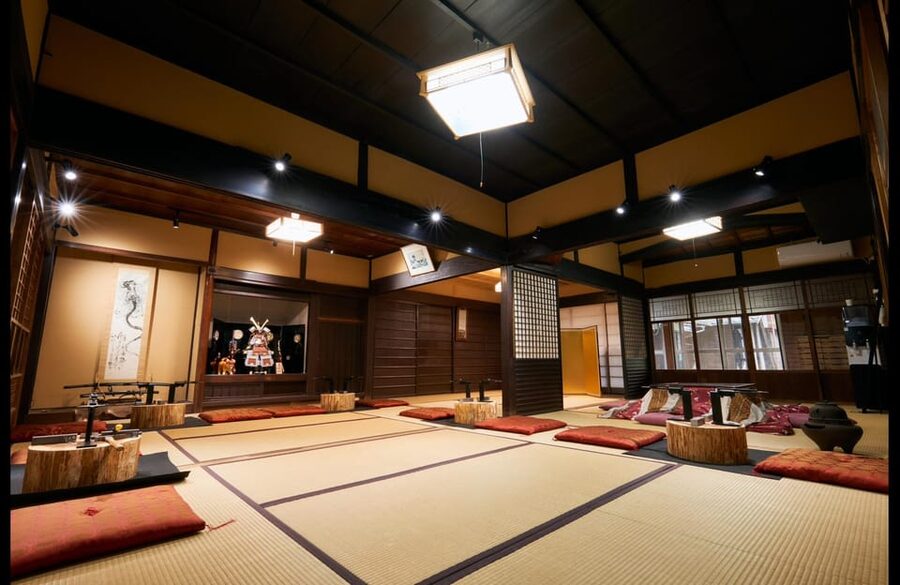
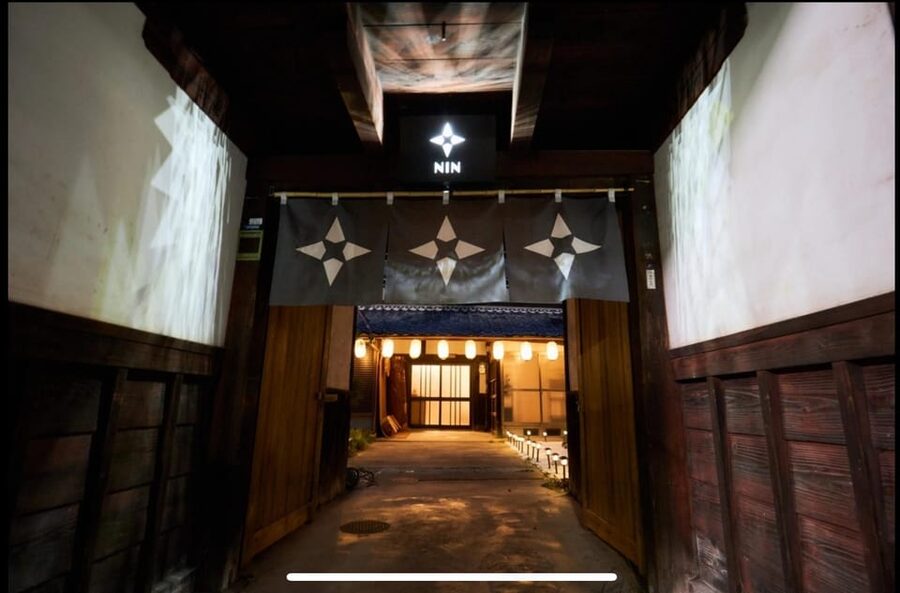
The hill and quieter residential setting are part of the change of pace. You leave the busiest sightseeing areas and arrive at a traditional house and working studio. That setting helps the craft class feel separate from a standard city attraction.
The listed duration is 150 minutes. That gives you time to change, choose your design, work through the stages, hear the ninja lesson, and finish the piece without rushing. Some participants describe the full experience as closer to three hours, so I would avoid scheduling a tight connection immediately afterward.
Is $148 good value?
At $148 per person, this is not a cheap souvenir stop. You are paying more than you would for a short demonstration or a mass-produced ninja item.
The value comes from the combination of instruction, real steel, studio tools, clothing, the finished weapon, and the chance to personalize it with kanji. You also get a guided activity that fills much of an afternoon and gives you photos of the making process.
For a solo visitor, couple, or family looking for one memorable hands-on activity, the cost can make sense. The finished item is both a keepsake and a record of what you did in Kyoto. Families also avoid the common problem of children losing interest because the work changes from one stage to the next.
The value is weaker if you only want a decorative object. You can buy replica swords at the studio, and a shop-bought item will be simpler to transport. Book the class for the process, not just the final weapon.
Who will enjoy this most?
I would recommend it to you if you like Japanese craft, action-themed history, practical workshops, or unusual souvenirs. It works particularly well for families with older children and teenagers, couples who want a shared activity, and solo visitors who enjoy meeting people while working on a project.
The staff have helped children as young as eight, and families with children aged 11, 12, 15, and 17 have taken part successfully. The setup is described as safe, and the guides offer help at each step. Parents should still expect to stay engaged, since this involves hot metal, sanding, and tools.
It also suits visitors who want an alternative to Kyoto’s usual cultural program. You will not spend the afternoon quietly observing. You will get involved, make mistakes within a controlled setting, and leave with a tangible result.
You may want to skip it if you dislike group instruction, have very limited time, or want a long, technically demanding blacksmith course. The class gives you a taste of several skills rather than extended practice in one of them.
Getting your handmade weapon home
The finished shuriken or kunai must go in checked luggage. It cannot be carried onto the plane.
Plan this before you book, especially if you are travelling with only a carry-on bag. A small box is provided for the weapon, which helps protect it and makes it easier to pack, but you still need enough room in your checked baggage.
The studio also sells replica swords, but those are separate purchases and are not included in the class price. If you are tempted by one, ask about packing and airline requirements before buying.
The class offers free cancellation up to 24 hours before the scheduled start, and you can reserve now and pay later. Those terms are useful if your Kyoto plans are still moving around, but you should still confirm the start time and route before committing to the day.
My recommendation
I would book this Kyoto ninja weapon forging class if you want a hands-on activity with a genuine craft element and a souvenir that feels personal. The furnace, hammering, sanding, kanji engraving, and black finish give the session a clear beginning, middle, and end.
The $148 price is high, and the class will not satisfy someone seeking an intensive blacksmith apprenticeship. But for most visitors, the appeal is the full experience: changing into samue, working with glowing steel, learning a little about ninja culture, and leaving with a boxed object made partly by you.
Choose a shuriken for the best value, or pay ¥3,000 more for a kunai if that design matters to you. Leave room in your checked luggage, allow extra time for the journey to Hieizanguchi Station, and book it as one of your main Kyoto activities rather than a quick add-on.
FAQ
How long does the ninja weapon forging experience last?
The listed duration is 150 minutes. Some participants describe the session as taking closer to three hours, so avoid arranging a tight appointment immediately afterward.
How much does the experience cost?
The listed price is $148 per person. A kunai requires an additional ¥3,000 fee for processing and materials.
Which weapon can I make?
You can choose from three shuriken styles. You can also make a kunai by selecting the kunai option when you reserve and paying the extra fee.
Is the instructor’s language English?
Yes. The experience is conducted in English, and the instructors guide you through each stage.
Where is the meeting point?
The studio is a one-minute walk from Hieizanguchi Station. Go up the hill toward the red postbox in front of the station.
What should I wear?
A samue uniform and tenugui head wrap are provided. You change into them at the studio before starting the activity.
What steps are included?
You heat the steel, hammer it, shape it with a belt sander, choose a kanji engraving, blacken the metal, and complete the final polishing.
Can children take part?
Families with children as young as eight have taken part, and the activity has been described as safe and suitable for children. Staff provide guidance throughout the process.
Can I take the weapon on my flight?
Yes, but only in checked luggage. It cannot go in your carry-on bag.
Can I cancel the booking?
You can cancel up to 24 hours in advance for a full refund. The reserve-now, pay-later option lets you hold a place without paying immediately.
Newest Kyoto experiences on the site
- Treasures of Kyoto: Gion & historical Walking Tour★ 5.0 · 6 reviews
- Whisk Your Own Matcha: A Zen Matcha Experience at Temple★ 3.6 · 7 reviews
- Kyoto tea town for matcha lovers★ 5.0 · 16 reviews
- Uji: Private immersion into Kyoto’s tea and reglious culture★ 5.0 · 17 reviews
- Kyoto Matcha Green Tea Tour★ 4.5 · 23 reviews
- Uji and Wazuka Matcha Farm Half Day Private Guided Tour★ 5.0 · 21 reviews
- Utilising upcycled Matcha! Creating matcha incense (Uji, Kyoto)★ 5.0 · 6 reviews
- Sacred Temple Yoga Experience in Japan★ 5.0 · 3 reviews
Kyoto Ninja Experiences, compared.
Skip the lines Basic Ticket at SAMURAI NINJA MUSEUM KYOTO
Read our review →
Ninja 1-hour Hands-on Lesson by Japanese master in Kyoto -Entry
Read our review →
Ninja 2-hour Hands-on Lesson by Japanese master in Kyoto -Medium
Read our review →
Kyoto Sword Experience – includes Museum Ticket/Ninja Experience
Read our review →
Ninja Experience (Family Friendly) at Samurai Ninja Museum KYOTO
Read our review →
Forge Your Own Ninja Weapon with Japanese Tin Casting
Read our review →
Authentic Ninja Weapon Forging Experience in Kyoto
Read our review →Browse the lists this tour appears in