
Reviewed · KYOTO NINJA EXPERIENCES
Kyoto: Forge Your Own Ninja Weapon with Japanese Tin Casting
A solid tin ninja star or kunai makes a far better souvenir than another shop-bought trinket. At this Kyoto workshop, you make the mold, pour the metal, file the rough edges, and finish the piece yourself. I like the real hands-on process and the fact that your finished item comes in its own box. The studio is also only three minutes from Demachiyanagi Station, which makes this an easy activity to fit into a day around northern Kyoto.
I also like the patient teaching. Daiki and his colleagues guide beginners through each stage, and the workshop can work well for families with staff assistance. The main catch is that the standard session takes about two hours, while the oni mask takes around 2.5 hours, and the work is more careful than fast. Bring a drink, arrive with time to spare, and expect a small finished item, about 8 to 10 centimeters long.
Key points at a glance
- Cast your own tin ninja piece: Choose a shuriken, kunai, or an oni-inspired mask.
- Work through every stage: Make the sand mold, pour molten tin, cool it in water, then file and polish the metal.
- Get close guidance: English and Japanese-speaking instructors explain the process and help beginners handle the tools.
- Choose the longer mask option: The oni mask takes about 2.5 hours and can include gold leaf and a cord.
- Take home a boxed souvenir: Your finished piece receives rust protection and oil before you pack it away.
- Reach the studio easily: Demachiyanagi Station is only a three-minute walk from the workshop.
Why this Kyoto craft class is different
Kyoto is full of polished cultural activities, but this one is pleasantly direct. You do not simply watch a craftsperson demonstrate metalwork. You make a mold, handle tools, and see a solid piece of tin become a finished object.
The metal is tin, which melts at about 230 degrees Celsius. That is hot enough to demand care, but tin is also relatively easy to work with. Staff supervise the pouring stage, so you are not left to manage molten metal on your own.
The finished pieces are small, measuring about 8 to 10 centimeters. That size matters. You get something substantial enough to display and photograph, but it should also fit neatly into the dedicated box provided at the end.
I would not treat this as a weapons lesson. It is a traditional-style metal-casting activity centered on shaping and finishing a decorative object. The appeal comes from making it yourself, not from buying a sharp or battle-ready tool.
More ninja experiences in Kyoto:
- Skip the lines Basic Ticket at SAMURAI NINJA MUSEUM KYOTO
★ 4.5 · 632 reviews - Ninja 1-hour Hands-on Lesson by Japanese master in Kyoto -Entry
★ 5.0 · 489 reviews - Kyoto: Ninja Weapon Forging Experience
★ 4.8 · 478 reviews
Choosing between a shuriken, kunai, and oni mask
The shuriken is the most straightforward choice. Its familiar ninja-star shape gives you a clear outline to work toward, and the session takes about two hours. If you want the classic ninja souvenir with the shortest listed completion time, this is the sensible pick.
The kunai, described as a ninja knife, is available as an optional upgrade. It gives you a different shape to refine and may appeal more if you prefer the look of a single blade over a star. The same roughly two-hour timing applies to the shuriken and kunai, although the studio asks you to allow extra time if the work takes longer than expected.
The oni mask is the most involved option. It takes about 2.5 hours and includes extra finishing steps: adding gold leaf and choosing a cord so the mask can be worn or displayed. I would choose this for a birthday, a special family activity, or a souvenir you want to display prominently at home.
The mask also changes the feel of the class. A small shuriken can be finished in a compact session. The oni design gives you more surface area, more detail, and more finishing work. If your schedule is tight, pick a weapon. If the making matters more than the clock, the mask offers more to do.
Making the sand mold before the metal work
The class begins with your choice of design. You then form the mold using special casting sand. This is not just preparation you rush through. The mold defines the shape of the final object, so careful work at this stage affects the casting that follows.
You will be shown how to press and shape the sand so it holds the outline. Beginners should not worry about arriving with craft experience. The instructors explain each step, and the class is designed for people who have never cast metal before.
This stage is also where you begin to see the difference between a handmade souvenir and a factory-made one. Your piece will have the marks of your own work. The aim is not to produce an identical object with machine-perfect edges. It is to understand how the form comes together and then improve it by hand.
The class includes the mold materials, apron, and equipment. You do not need to bring specialist tools. Wear something suitable for a workshop, and keep your belongings manageable while you work.
Pouring molten tin under staff supervision
Once the mold is ready, the solid tin is melted and poured. This is the most dramatic part of the session, and it is also the stage where staff guidance matters most.
The process is supervised rather than left to guesswork. You get to see the tin change from a solid metal into a liquid and then enter the mold. The temperature is around 230 degrees Celsius, so this is not a casual kitchen craft. Follow the instructions closely and let the staff direct the handling.
The experience gives you a useful sense of how much work sits behind a metal object. The pour itself may be quick, but it only works because you prepared the mold correctly. That connection between planning and result is one of the class’s best features.
After pouring, the metal is cooled in water. The tin solidifies quickly, and you can begin working on the newly cast shape. This instant change from liquid to solid makes the class especially satisfying for children and anyone who enjoys seeing a process unfold in front of them.
A few more Kyoto tours worth putting on the shortlist
- PERFECT KYOTO 1-Day Bus Tour
★ 5.0 · 13,518 reviews - Kyoto: Fushimi Inari, Kinkakuji, Bamboo Grove 1 Day Bus Tour
★ 4.8 · 4,316 reviews - Kyoto: Tea Ceremony in a Traditional Tea House in Kiyomizu
★ 4.9 · 3,519 reviews - Kyoto Geisha Walking Tour: Gion District & Hidden Gems
★ 4.7 · 3,273 reviews
Filing, shaping, and polishing your own piece
The freshly cast object will not look like a finished souvenir right away. You use tools to remove rough areas, shape the edges, and smooth the surface. The listed process includes hammering, filing, and grinding, with staff showing you how to use each tool.
This is the least flashy part of the class, but it may be the most important. Casting creates the basic form. Filing and polishing give it a clean finish and allow you to correct small rough sections.
You should expect to work at a measured pace. The instructors can help you, but they do not simply take over and finish the object for you. That is good for the sense of ownership, though it means the class can run beyond the advertised time.
The final treatment includes a rust-preventive solution and a special oil. These steps protect the surface and give the tin a better finish before you take it home. A dedicated box is included, so you have a practical way to carry the piece after class.
The oni mask adds gold leaf and a wearable finish
The oni mask has two extra touches that make it more decorative than the weapon options. You can apply gold leaf for a stronger visual accent, then choose and attach a cord.
The cord gives you a choice in how to use the finished mask. You can make it wearable or set it up as a display piece. The gold leaf also creates a clear finishing moment, especially after the earlier stages of molding, casting, and filing.
This option requires more time and a little more patience. If you are booking around temple visits, meals, or a train departure, allow at least 2.5 hours and some flexibility. The studio notes that completion times can vary, so I would not schedule a tight appointment immediately afterward.
A friendly class for beginners and families
The teaching is a major reason this activity works. Daiki and his colleagues are described as patient, helpful, and able to explain the process in good English. Japanese is also available.
The tone appears suited to first-time makers. You can ask questions as you go, and the instructors help with the tools and finishing work. One-on-one sessions may sometimes be possible depending on the booking schedule, which can make the class feel more relaxed and conversational.
Children can take part with staff assistance, but the age rules matter. Children under five are not accepted, and anyone under 15 must be accompanied by a guardian. Babies under one year and people over 95 are listed as unsuitable for the activity.
For a family, I would choose the shuriken if the children are young or if you want to keep the session closer to two hours. The workshop has worked well for children around seven to ten, but every child will handle the tools differently. A guardian should expect to stay involved rather than simply watch from the side.
This is also a good choice for couples, friends, and solo participants. The craft gives you something to focus on, and the instructors can chat with you while you work. Solo participants may appreciate the chance to ask for Kyoto and Osaka suggestions during a quieter session.
How the location affects your Kyoto day
The studio is a three-minute walk from Demachiyanagi Station. That is a real advantage in Kyoto, where a simple activity can become inconvenient if it requires a long bus ride or a complicated transfer.
Demachiyanagi is a useful base for exploring the northern and eastern parts of the city, so you can pair the workshop with other plans in the area. Still, the activity itself is not a quick drop-in attraction. The class lasts about two hours for a shuriken or kunai and about 2.5 hours for an oni mask.
I would book it as a planned part of the day, not as something to squeeze between two timed visits. Arrive with flexibility, especially if you choose the mask. Bring your own drink because water is not provided.
Smoking, food, alcohol, and drugs are not allowed. The studio also does not permit party groups or personal fire-making. These rules fit the work environment and help keep attention on the hot metal and tools.
Is $103 a fair price?
At $103 per person, this is not a bargain souvenir workshop. You are paying more than the cost of a mass-produced ninja star, and the finished tin item is small.
The value comes from the full process. The fee includes one weapon’s materials, apron rental, equipment rental, mold-making, casting, shaping, filing, rust protection, and oil finishing. You also receive a box for the completed piece. Most important, you leave with an object tied to your own time and effort in Kyoto.
I think the price makes the most sense if you care about the activity as much as the souvenir. The workshop gives you two hours of structured making, personal instruction, and a take-home object that cannot be exactly duplicated by another participant. For a birthday or a special family outing, that combination can justify the cost.
The oni mask requires an optional upgrade, so budget extra if you choose it. Its longer session and added gold leaf and cord work give you more craft time, but the higher price will not suit every budget.
Who should book this experience?
Book it if you want a cultural activity that lets you use your hands. It suits ninja and samurai fans, families with children old enough to follow instructions, couples, and solo visitors who prefer making something to watching a performance.
It is also a smart rainy-day plan. The activity takes place indoors and gives you a clear project from start to finish. The photo and video opportunities add another layer, especially during the mold-making, pour, and final polishing stages.
I would skip it if you only want a quick souvenir stop, dislike workshop tasks, or have a tightly packed Kyoto schedule. Filing and smoothing metal takes time, and the result will reflect the work you put into it.
Keep your expectations realistic. You are not producing a full-size historical weapon, and the final item is only 8 to 10 centimeters. You are learning a simplified, supervised tin-casting process and taking home a personal object.
Practical booking advice before you go
The class is offered in English and Japanese, and staff assistance makes it suitable for beginners. Free cancellation is available up to 24 hours before the activity for a full refund, and you can reserve now and pay later, which helps if your Kyoto plans are still shifting.
Choose your design before arrival if you already know what you want. The shuriken is the easiest choice for a shorter session, the kunai gives you a different ninja shape, and the oni mask takes longer but includes gold leaf and a cord.
Wear clothes you can work comfortably in, use the provided apron, and bring a drink. Do not bring food or alcohol into the studio. Plan extra time after the class so you are not rushing away while the final finish or packing is being completed.
Should you book the Kyoto tin-casting workshop?
I would book this class if you want a souvenir with a story attached to it. The strongest parts are the real casting process, the patient step-by-step help, the central location near Demachiyanagi Station, and the chance to finish the object yourself rather than simply collect it.
The $103 price is easier to justify for the longer, more detailed oni mask or for a special occasion. For a shorter and simpler session, choose the shuriken or kunai and treat the class as a creative Kyoto experience first, shopping opportunity second.
If you can spare two hours and like practical crafts, this is one of the more memorable ways to spend part of a Kyoto day. Just bring water, allow extra time, and remember that the best result comes from taking care with the small steps.
FAQ
How long does the ninja weapon workshop take?
The shuriken and kunai sessions take approximately two hours. The oni mask option takes about 2.5 hours. Completion times can vary, so allow extra time.
Where is the workshop located?
The studio is a three-minute walk from Demachiyanagi Station in Kyoto.
What can I make during the activity?
You can choose a shuriken, a kunai, or an oni-inspired metal mask. The kunai and oni mask are optional upgrades.
What language is the class offered in?
The instructors provide guidance in English and Japanese.
Can children join the workshop?
Children can participate with staff assistance. Children under five are not suitable, and anyone under 15 must be accompanied by a guardian.
What is included in the price?
The experience includes the materials for one weapon, mold-making, tin casting, hammering, filing, rust protection, oil finishing, an apron, and equipment rental. Each finished weapon comes with a dedicated box.
What should I bring?
Bring a drink because water is not provided. Food, alcohol, smoking, drugs, party groups, and personal fire-making are not allowed.
Newest Kyoto experiences on the site
- Treasures of Kyoto: Gion & historical Walking Tour★ 5.0 · 6 reviews
- Whisk Your Own Matcha: A Zen Matcha Experience at Temple★ 3.6 · 7 reviews
- Kyoto tea town for matcha lovers★ 5.0 · 16 reviews
- Uji: Private immersion into Kyoto’s tea and reglious culture★ 5.0 · 17 reviews
- Kyoto Matcha Green Tea Tour★ 4.5 · 23 reviews
- Uji and Wazuka Matcha Farm Half Day Private Guided Tour★ 5.0 · 21 reviews
- Utilising upcycled Matcha! Creating matcha incense (Uji, Kyoto)★ 5.0 · 6 reviews
- Sacred Temple Yoga Experience in Japan★ 5.0 · 3 reviews
Kyoto Ninja Experiences, compared.
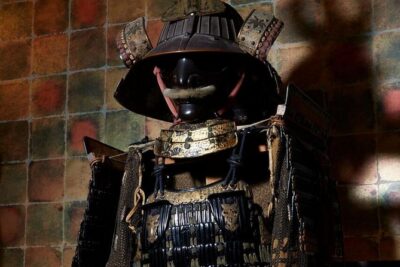
Skip the lines Basic Ticket at SAMURAI NINJA MUSEUM KYOTO
Read our review →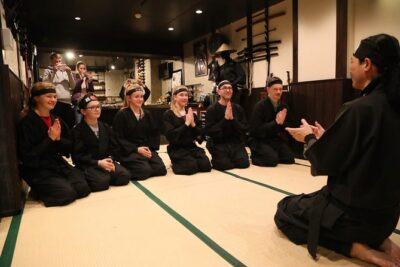
Ninja 1-hour Hands-on Lesson by Japanese master in Kyoto -Entry
Read our review →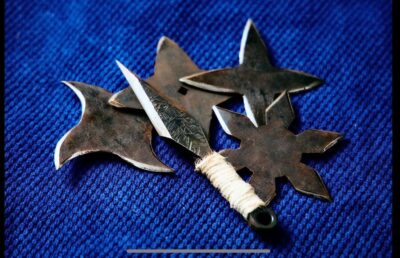
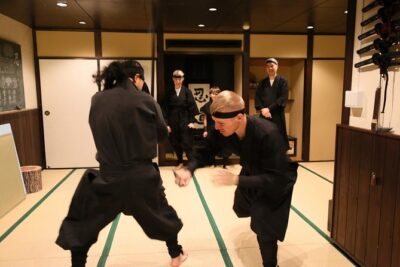
Ninja 2-hour Hands-on Lesson by Japanese master in Kyoto -Medium
Read our review →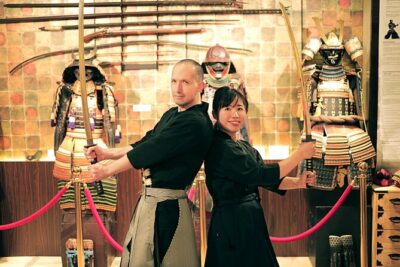
Kyoto Sword Experience – includes Museum Ticket/Ninja Experience
Read our review →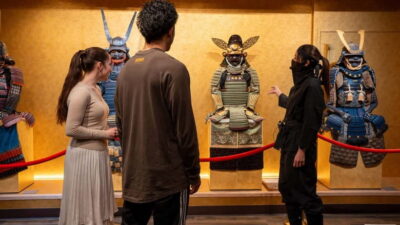
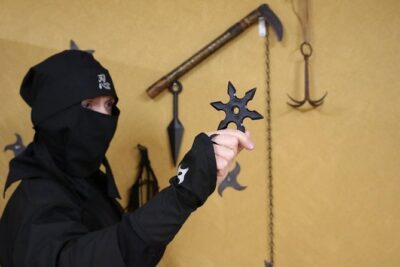
Ninja Experience (Family Friendly) at Samurai Ninja Museum KYOTO
Read our review →
Authentic Ninja Weapon Forging Experience in Kyoto
Read our review →Browse the lists this tour appears in