
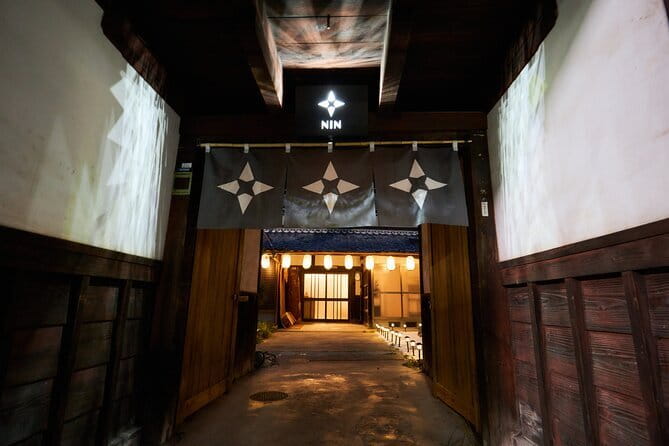
Reviewed · KYOTO NINJA EXPERIENCES
Authentic Ninja Weapon Forging Experience in Kyoto
Kyoto offers plenty of temples and gardens, but this hands-on ninja workshop takes you somewhere quite different. At Atelier NIN, you put on a blacksmith’s samue, heat steel to 800°C, hammer it, sand it, engrave it, and leave with a real handmade weapon in a box.
I like two things right away: you make a personal souvenir, rather than simply buying one, and the instructors keep the session lively while explaining how ninja tools were used. You can choose among three shuriken styles or a kunai, then add a kanji character to the finished piece.
The main caution is value. At $151.92 per person, this is not a cheap craft class, and one unhappy customer felt the actual forging was brief. The location is also outside central Kyoto, so allow extra time to reach the studio and follow the directions carefully.
Key points at a glance
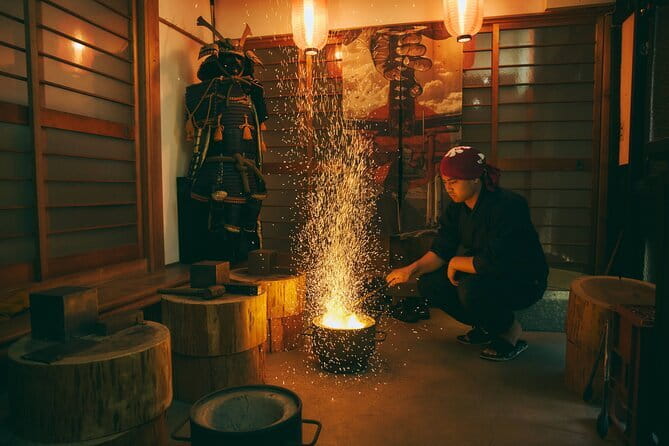
- Forge steel at an 800°C furnace: You heat, hammer, and shape the metal under supervision.
- Choose your own weapon: Pick from three shuriken designs or a kunai, with the kunai costing an additional 3,000 yen according to booking details shared at the workshop.
- Personalize the finish: Select a kanji character for the staff to engrave into your weapon.
- Learn while you work: The session covers ninja weapon history, purpose, and secret techniques.
- Take home a proper keepsake: Your finished piece is blackened, polished, boxed, and placed in a bag.
- Expect an off-center location: The studio is near public transportation, but taxi-app advice may save time if directions prove unclear.
Forging a ninja weapon in Kyoto
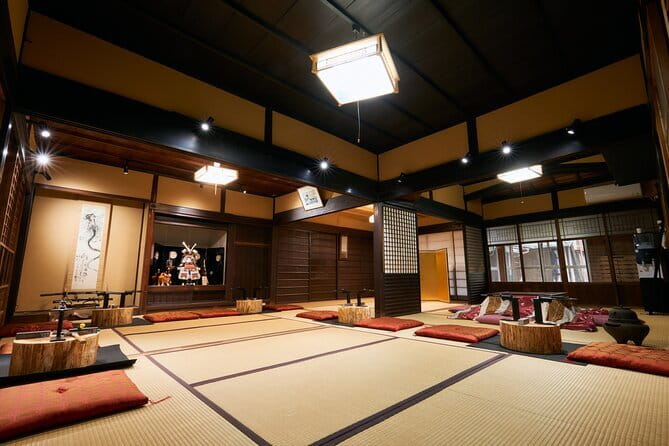
This is not a museum demonstration. You take part in the work, using heat, hammers, files, and a professional belt sander to turn a piece of steel into a finished ninja weapon.
The activity lasts about two and a half hours. That gives enough time for several distinct stages, though the exact amount of hands-on work can feel different depending on the group, the chosen weapon, and how much assistance you need. You do not need previous metalworking experience. The staff show you what to do and adjust the task for people who need an easier approach.
The session suits families, couples, and groups of friends. Teenagers have enjoyed it, and adults can take part alongside them. You should still expect some physical work. Hammering, filing, and sanding require moderate fitness, though the staff can make parts of the sharpening process less demanding.
The workshop has a maximum of 25 people. That is not a tiny private class, but the instructors work directly with participants during the main stages. If you prefer a quiet, slow craft lesson, the energetic style may feel a little busy. If you like a social activity with plenty of movement and photo opportunities, it should fit well.
More ninja experiences in Kyoto:
- Skip the lines Basic Ticket at SAMURAI NINJA MUSEUM KYOTO
★ 4.5 · 632 reviews - Ninja 1-hour Hands-on Lesson by Japanese master in Kyoto -Entry
★ 5.0 · 489 reviews - Kyoto: Ninja Weapon Forging Experience
★ 4.8 · 478 reviews
Changing into a samue starts the story
The session begins with a simple costume change. You put on a samue, the traditional work clothing associated with Japanese artisans, and wrap a tenugui around your head.
This does more than create a good photo. It signals that you are about to work in a workshop rather than sit through a standard cultural talk. The black clothing also helps you feel part of the setting, even if your metalworking skills begin and end with this one afternoon.
The staff supply the uniforms and rent the specialist tools, including hammers and files. You do not need to bring equipment. Wear practical clothing underneath and expect to use your hands throughout the session.
Choosing between shuriken and kunai
You then choose the type of weapon you want to make. There are three shuriken styles, each with a different shape and feel, or you can select a kunai.
The shuriken option gives you a compact throwing-star design. The kunai has a different profile and usually feels more like a small blade-shaped tool. The choice matters because the final shaping and handling will reflect the form you select.
One useful booking detail is that the kunai may cost an additional 3,000 yen. Check the current terms before you pay, especially if you are booking for a family or group. The base price is listed at $151.92 per person, so this possible supplement affects the overall value.
If you are undecided, ask the instructors to explain the differences before the forging stage. The workshop also includes information about both weapon types, so you can learn about the option you did not make.
Heating and hammering steel at 800°C

The most dramatic part comes when the steel enters the furnace. The metal is heated to about 800°C, then brought out for hammering while it is hot.
You will feel the rhythm of the work quickly. Hold the hammer, follow the staff’s instructions, and strike the steel as it begins to take shape. Sparks may fly, which makes this the best part of the session for photographs, but safety remains the priority. The instructors guide the process and make sure you work in the correct way.
This is also the point where expectations need a little care. The experience is authentic in the sense that you handle heated steel and take part in shaping it, but you are not carrying out every stage of professional blade production from raw metal to finished weapon. The staff prepare and control parts of the process so the class can finish safely within two and a half hours.
One customer felt the hammering amounted to only a few strikes for the camera and that much of the weapon was already sharpened. That is the clearest warning about the price. You should book this as a guided craft experience with real forging elements, not as a full blacksmith apprenticeship.
A few more Kyoto tours worth putting on the shortlist
- PERFECT KYOTO 1-Day Bus Tour
★ 5.0 · 13,518 reviews - Kyoto: Fushimi Inari, Kinkakuji, Bamboo Grove 1 Day Bus Tour
★ 4.8 · 4,316 reviews - Kyoto: Tea Ceremony in a Traditional Tea House in Kiyomizu
★ 4.9 · 3,519 reviews - Kyoto Geisha Walking Tour: Gion District & Hidden Gems
★ 4.7 · 3,273 reviews
Sanding, filing, and finding the shape
After the hot forging stage, you refine the metal. Files are available for sharpening and shaping, and the workshop also uses a professional belt sander.
This stage gives you a better sense of ownership because small corrections change the final appearance. You can work toward a more symmetrical shape, smooth rough edges, and prepare the surface for the finishing stages. Staff help when the shape needs adjustment. One instructor helped a participant make a kunai more symmetrical, which is exactly the kind of guidance a beginner needs.
The belt sander adds a practical lesson. You see how a rough piece of steel becomes cleaner and more precise, but you also need to pay attention to the instructions. If you are not used to power tools, let the staff set the pace.
People with less stamina are not left out. Easier sharpening options are available, so the activity can work for children, older family members, and anyone who does not want to spend a long time on manual filing.
Adding a kanji character
Once the basic form is ready, you choose a kanji character for engraving. The staff engrave it onto the weapon, giving the souvenir a personal mark that a shop-bought ninja prop would not have.
This is one of the best reasons to choose the workshop over a regular souvenir store. You are not just taking home something labeled Kyoto. You are taking home an object with a design you selected and a character connected to your own trip.
Ask what the character means before choosing it, particularly if you do not read Japanese. The staff can explain the options as part of the experience. The engraving also makes each finished weapon different, even when two people choose the same basic design.
A short lesson in ninja tools and techniques
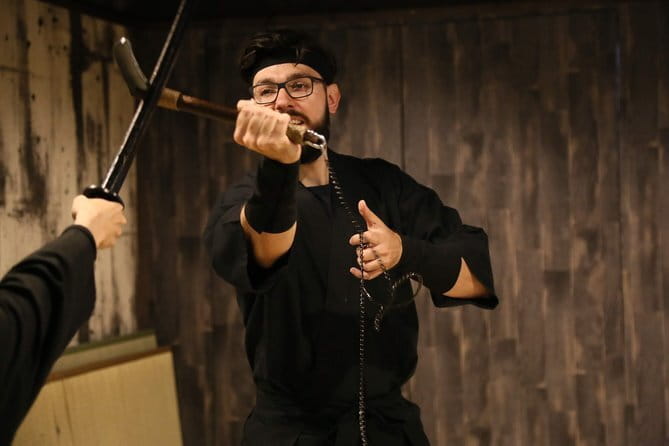
The class is not only about hammering. The instructors explain the history and purpose of ninja weapons and discuss secret techniques connected with them.
This section gives context to the object in your hands. A shuriken or kunai can look like a movie prop until you understand how its form relates to its use. The session helps separate real tools and historical ideas from the exaggerated image of ninjas in popular films.
The teaching style is energetic and friendly. Staff members are willing to help, and Taka is singled out by name for making the process fun and engaging. English instruction is workable, though one customer found some directions vague at times. If you are unsure about a step, stop and ask rather than guessing. The instructors expect beginners and are there to guide you.
Blackening the steel for an authentic finish
After shaping and engraving, you apply a special solution that protects the metal and gives it a dark finish.
This blackening stage changes the weapon’s look more than you might expect. The bright, newly worked steel takes on a darker appearance that suits the ninja theme and helps protect the surface. It also makes the engraved kanji easier to appreciate.
The process shows why the workshop has more substance than a simple photo opportunity. You work through heat, shaping, surface treatment, and polishing. The finished item is not just stamped or assembled in front of you.
Polishing and packing your souvenir
The final step is polishing. You bring out the shine, inspect the finished piece, and prepare it for transport.
Atelier NIN provides a clean box and bag. That is a small but important detail when you are traveling around Japan with a metal souvenir. You can keep the piece protected inside the box rather than wrapping it in clothing or placing it loose in your luggage.
If you plan to fly home, check your airline and airport rules before packing it. Several people have taken the finished weapons in checked baggage, but you should not place a sharp metal object in your carry-on without confirming the current rules. The provided box makes checked-bag packing easier, not automatically permitted in every situation.
Is the $151.92 price fair?
The price puts this activity in the premium category for a two-and-a-half-hour workshop. You are paying for instruction, access to specialist equipment, protective handling of hot steel, the uniform, engraving, finishing materials, and a boxed souvenir.
The value is strongest if you care about doing the work yourself. A handmade shuriken or kunai with a kanji engraving carries more meaning than a mass-produced item, and the class gives you a story to tell when you return home.
The value is weaker if your priority is a long period of independent forging. The workshop is structured, supervised, and partly prepared in advance. One dissatisfied customer felt the price was too high because the most demanding work was limited. That criticism is worth taking seriously.
The kunai supplement also changes the calculation. Confirm the final total before booking if that is the weapon you want. For a family, the price adds up quickly, but the activity can replace a standard sightseeing block with something everyone does together.
Getting to the studio in Yase
The meeting point is studio NIN at 168-1 Yasenosechō, Sakyo Ward, Kyoto, postal code 601-1254. The activity ends at the same place.
The studio is near public transportation, but it is not in the middle of Kyoto’s main sightseeing zone. Directions may feel vague, so check the meeting instructions carefully and allow a buffer before the start time. A taxi app may be useful, particularly if you are traveling with children, carrying luggage, or trying to reach the studio from another part of the city.
The out-of-the-way setting is part of the appeal for some people. You are leaving the usual temple circuit for a working studio. Still, do not schedule a major attraction immediately afterward unless you know your return journey well.
Cancellation is free if you cancel at least 24 hours before the local start time. Cancellations or changes made within 24 hours are not refunded or accepted.
Who should book this experience?
I would choose this for you if you want an activity that is active, unusual, and easy to remember. It works especially well for:
- Families with older children and teenagers
- Couples who want a shared souvenir
- Friends looking for something beyond temples and food
- Fans of Japanese history, crafts, or ninja culture
- Anyone who enjoys guided hands-on work more than passive sightseeing
You should think twice if you dislike workshops, have limited stamina for hammering and sanding, or expect to make a complete weapon without staff intervention. The class is beginner-friendly, but it is still a practical activity with heat, metal, and tools.
The lively teaching style is another factor. The instructors are praised for their friendliness and high energy. That helps most people relax, but it may not suit someone seeking a silent, meditative craft session.
Should you book the Kyoto ninja weapon workshop?
Book it if you want a personal Kyoto keepsake and like the idea of learning through your hands. The strongest parts are the heated-steel forging, the choice of weapon, the kanji engraving, and the chance to finish with a boxed object you made yourself.
Before paying, confirm the kunai supplement, study the route to Yase, and set your expectations correctly. This is a guided workshop, not a full course in traditional swordsmithing. At 4.9 out of 5 from 43 ratings and with 98% recommending it, the experience has a strong record, but the price makes that expectation-setting important.
For most people, the unusual setting, friendly instructors, and finished souvenir make it a worthwhile change from Kyoto’s usual sightseeing. If you want something you can talk about long after the temples blur together, this is a smart pick.
FAQ
How long does the ninja weapon workshop last?
The experience lasts approximately 2 hours and 30 minutes.
Where does the activity begin and end?
It begins at studio NIN, 168-1 Yasenosechō, Sakyo Ward, Kyoto, 601-1254, Japan. It ends back at the same meeting point.
Do I need previous blacksmithing experience?
No. The activity is designed for beginners, and the instructors guide you through heating, hammering, shaping, sanding, engraving, blackening, and polishing.
Which weapons can I make?
You can choose from three shuriken styles or one kunai. The kunai may require an additional 3,000 yen.
What is included in the experience?
Specialized tools such as hammers and files, a craftsman’s uniform, and a clean box and bag for taking your finished weapon home are included.
Is the workshop physically demanding?
A moderate level of physical fitness is recommended. You may hammer, file, and sand steel, but easier sharpening options are available for people who need less manual work.
Can I cancel for a full refund?
Yes, if you cancel at least 24 hours before the experience’s local start time. Cancellations or changes made less than 24 hours in advance are not refunded.
Newest Kyoto experiences on the site
- Treasures of Kyoto: Gion & historical Walking Tour★ 5.0 · 6 reviews
- Whisk Your Own Matcha: A Zen Matcha Experience at Temple★ 3.6 · 7 reviews
- Kyoto tea town for matcha lovers★ 5.0 · 16 reviews
- Uji: Private immersion into Kyoto’s tea and reglious culture★ 5.0 · 17 reviews
- Kyoto Matcha Green Tea Tour★ 4.5 · 23 reviews
- Uji and Wazuka Matcha Farm Half Day Private Guided Tour★ 5.0 · 21 reviews
- Utilising upcycled Matcha! Creating matcha incense (Uji, Kyoto)★ 5.0 · 6 reviews
- Sacred Temple Yoga Experience in Japan★ 5.0 · 3 reviews
Kyoto Ninja Experiences, compared.
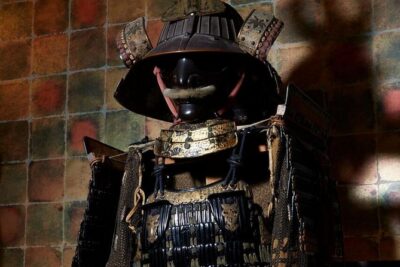
Skip the lines Basic Ticket at SAMURAI NINJA MUSEUM KYOTO
Read our review →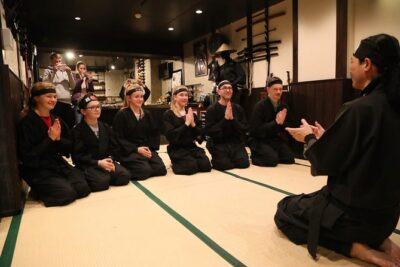
Ninja 1-hour Hands-on Lesson by Japanese master in Kyoto -Entry
Read our review →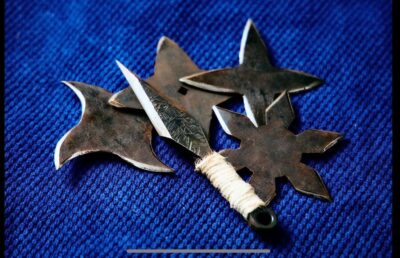
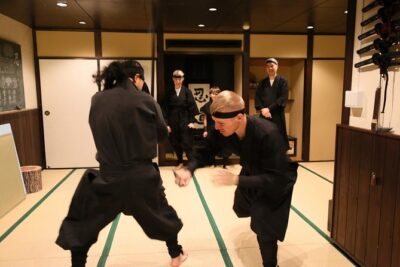
Ninja 2-hour Hands-on Lesson by Japanese master in Kyoto -Medium
Read our review →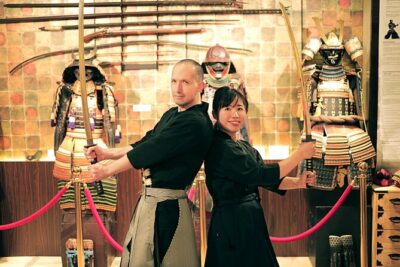
Kyoto Sword Experience – includes Museum Ticket/Ninja Experience
Read our review →
Ninja Experience (Family Friendly) at Samurai Ninja Museum KYOTO
Read our review →
Forge Your Own Ninja Weapon with Japanese Tin Casting
Read our review →Browse the lists this tour appears in