
Reviewed · NARA DAY TRIPS
Kyoto & Nara Private Customized, Guided Tour
A private van linking Kyoto, Nara, and Osaka lets you cover a lot of Japan in one long day. You can see Kyoto’s temples, greet the deer at Nara Park, and still reach Osaka’s food and neon district, or drop stops that do not fit your interests. The best part is the custom itinerary and the ease of having pickup, transport, and drop-off handled for you.
I like the comfortable vehicle with sofa-style seats, especially on a 10-hour outing, and I like the chance to shape the day around temples, markets, food, or photography. The main caution is that the quality of the commentary can depend on who drives your van. Some guests had detailed explanations from Dhanush or Danush, while others found their driver acted more like a chauffeur than a guide.
Key points to know before booking
- Private transport for up to six people: The $438 price covers the group, not each person, so the value improves sharply with a full van.
- Three-city flexibility: You can combine Kyoto and Nara, Kyoto and Osaka, or Osaka and Nara.
- Big sights in one day: The suggested route includes Arashiyama, Kinkaku-ji, Fushimi Inari, Nara Park, Kiyomizu-dera, and Nishiki Market.
- Guiding quality may vary: Dhanush, also written Danush in one account, received praise for clear explanations, comfort, flexibility, and photography.
- Bring cash and good shoes: Many places may not accept cards, and the temples, shrines, markets, and parks involve plenty of walking.
- Tickets and meals cost extra: Entry fees, food, and drinks are not part of the tour price.
What a private Kyoto, Nara, and Osaka day really offers
This is less a slow cultural walk and more a high-coverage sightseeing day. You ride between major sites in a private, air-conditioned van while your guide manages the route and timing. That can be a smart choice if you have only one free day, are traveling with family, or do not want to work out several train connections.
The format also gives you control. You can focus on Kyoto and skip Nara, as one group did, or ask to reshape the stops around your interests. The advertised combinations include Kyoto and Nara, Kyoto and Osaka, or Osaka and Nara. Kyoto and Nara receive the strongest recommendation because they offer the most concentrated mix of temples, shrines, traditional streets, art, and older Japanese culture.
The tradeoff is pace. A day that includes six major stops and several drives leaves little room for lingering. You will get an overview rather than a slow, detailed visit to every site. That is useful on a first visit, but you should not expect long stretches for quiet wandering.
More day trips down to Nara:
- Osaka/Kyoto:Kinkakuji,Arashiyama,FushimiInariShrine,NaraPark
★ 4.1 · 1,596 reviews - Kyoto/Osaka: Nara, Fushimi Inari Taisha, Arashiyama Bus Tour
★ 4.7 · 1,275 reviews - Osaka/Kyoto: Arashiyama, Nara & Fushimi Inari Shrine w/Lunch
★ 4.4 · 754 reviews
Arashiyama starts the day with scenery and temples
The suggested itinerary begins with about 90 minutes in Arashiyama. This western Kyoto district is known for its temple grounds, wooded paths, and scenic setting, and it gives you a strong opening to the day.
Your guide can help you decide how to use the short visit. You may prefer a guided look at the main sights, time for photos, or a walk through the area. With only 90 minutes, tell the guide early if you have one priority. Trying to see every corner will make the stop feel rushed.
Arashiyama works well for visitors who want Kyoto scenery along with cultural sites. It is also a useful place to start if your group includes people with different interests, since the area offers both sightseeing and photo opportunities. Comfortable shoes matter from the first stop.
Kinkaku-ji gives you Kyoto’s famous golden view
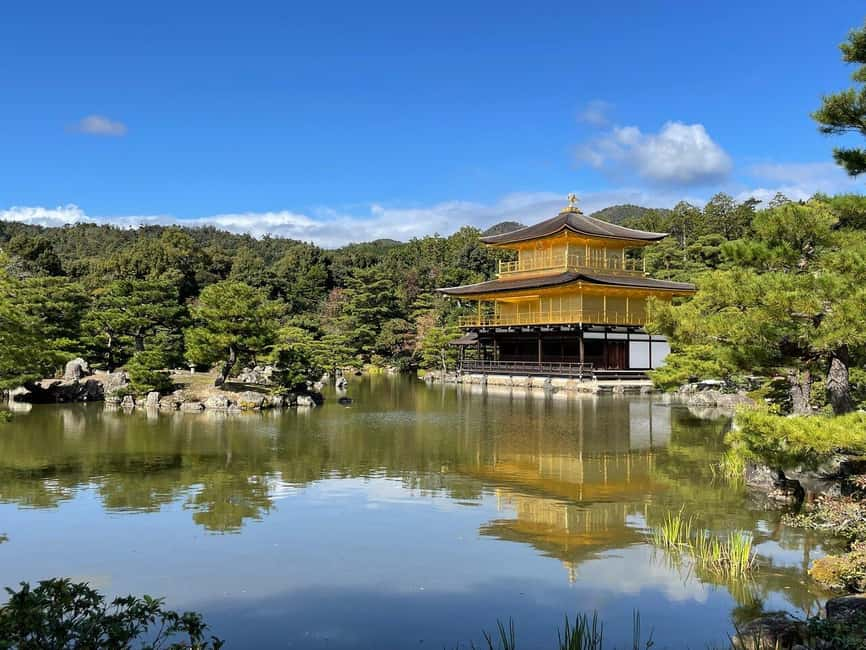
The next listed stop is Kinkaku-ji, the Golden Pavilion, with about an hour for a visit and photos. Its gold-covered exterior reflected in the pond is one of Kyoto’s most recognizable scenes, so this is a logical inclusion on a first-time route.
The visit is mainly about the pavilion, the water, and the surrounding grounds. You should expect a focused stop rather than a long exploration of a large temple complex. Your guide can add useful context about the building, its design, and its place in Kyoto’s past, but the amount of explanation may vary.
I would use this stop for photographs and a short walk, then keep the group moving. If architecture interests you, ask the guide to explain what you are seeing instead of settling for a quick photo stop. That small request may make the difference between a memorable visit and a postcard view.
Fushimi Inari brings a different kind of temple visit
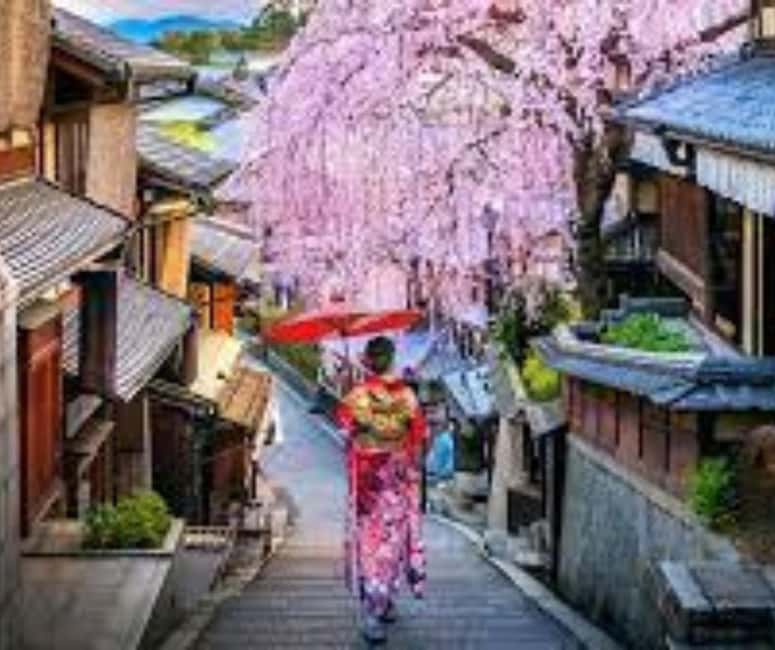
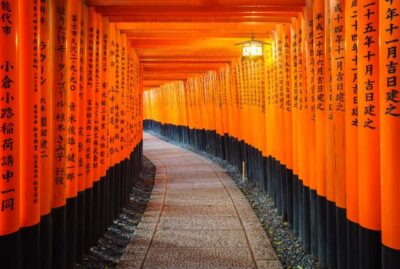
Fushimi Inari Taisha receives about an hour. The shrine is known for its long rows of red torii gates, which create a very different mood from Kinkaku-ji’s quiet pond and polished pavilion.
An hour is enough for a taste of the shrine grounds and some photographs. It is not enough to walk the full mountain route at a relaxed pace. If you want to go farther beneath the gates, tell your guide, since that choice affects the rest of the schedule.
This is one of the stops where shoes and stamina matter. The route can involve steps and inclines, and the day already includes several walking visits. If someone in your group has limited mobility, discuss the plan before departure. The activity is listed as wheelchair accessible, but the practical ease of each temple and shrine stop can differ.
A few more Kyoto tours worth putting on the shortlist
- PERFECT KYOTO 1-Day Bus Tour
★ 5.0 · 13,518 reviews - Kyoto: Fushimi Inari, Kinkakuji, Bamboo Grove 1 Day Bus Tour
★ 4.8 · 4,316 reviews - Kyoto: Tea Ceremony in a Traditional Tea House in Kiyomizu
★ 4.9 · 3,519 reviews - Kyoto Geisha Walking Tour: Gion District & Hidden Gems
★ 4.7 · 3,273 reviews
Nara Park adds deer, open space, and a slower rhythm
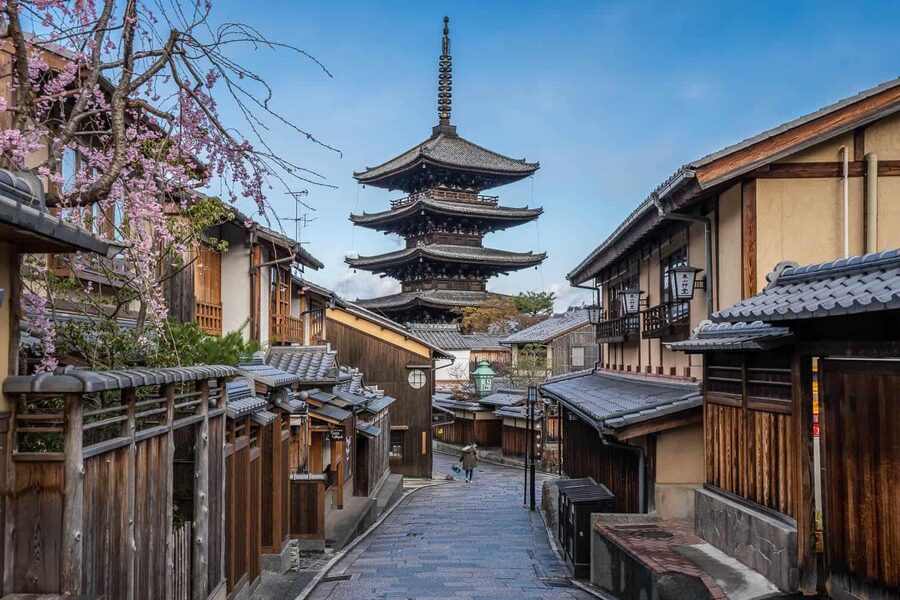
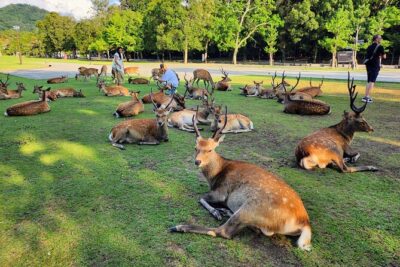
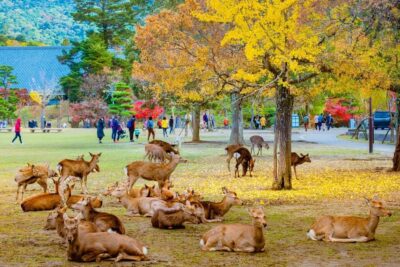
Nara Park is scheduled for about 95 minutes, making it one of the longer stops. The park is famous for its free-roaming deer, and the chance to see them adds a playful break to a temple-heavy day.
You can use this time for wildlife viewing, photographs, and a guided look at the park area. The deer are a major draw, but the stop is not only about animal encounters. Nara gives you a different setting from central Kyoto, with broad public spaces and major religious sites nearby.
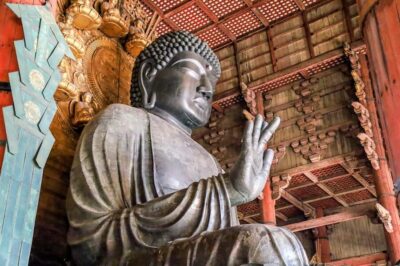
The suggested route does not list a separate long visit to Todai-ji Temple, although Todai-ji is one of the attractions you can prioritize when customizing a Nara day. If seeing the Great Buddha is important to you, say so clearly when arranging the itinerary. Do not assume every famous Nara sight fits into the default route.
Kiyomizu-dera closes the temple portion with city views
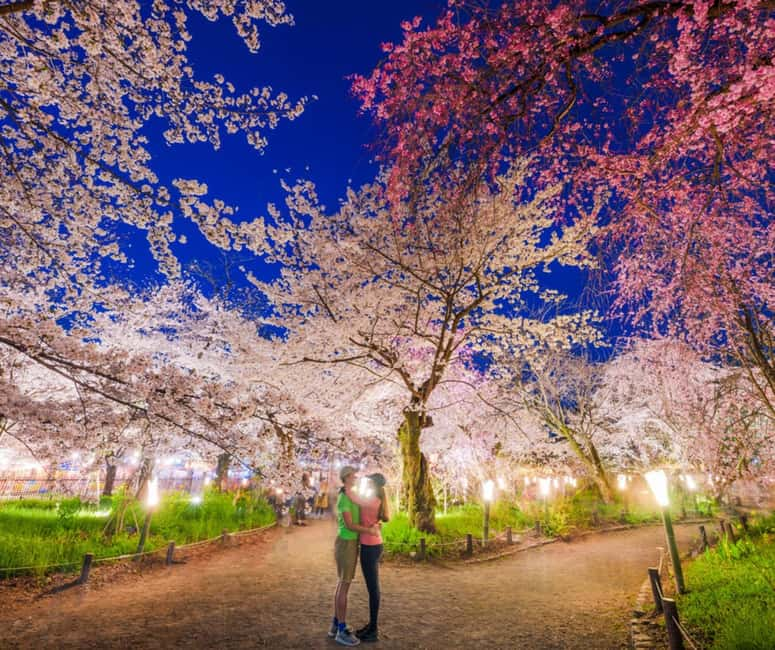
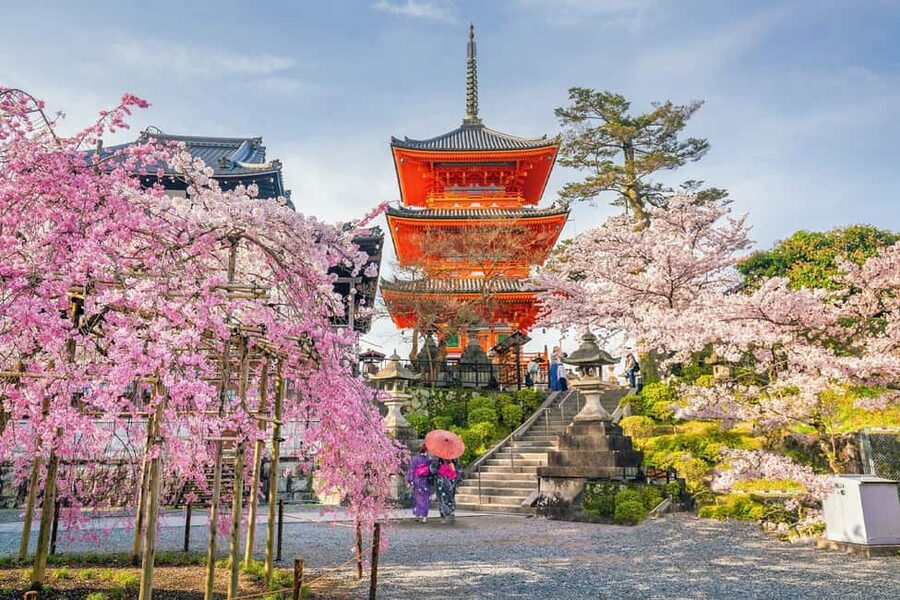
Kiyomizu-dera receives about an hour. Set on the hills of eastern Kyoto, the temple is known for its elevated wooden stage and views across the city. It is a strong choice late in the day because it combines architecture, scenery, and a sense of place.
The approach and temple grounds can take time, so keep your group together and avoid spending the entire stop at one photo point. Your guide can explain the building details and cultural setting, which is particularly useful if you want more than a quick view.
Kiyomizu-dera can be tiring after Arashiyama, Kinkaku-ji, Fushimi Inari, and Nara Park. Still, it is one of the best stops for a first look at Kyoto. If your group includes young children, older relatives, or anyone who walks slowly, consider dropping another stop rather than squeezing every location into the day.
Nishiki Market adds food and everyday Kyoto
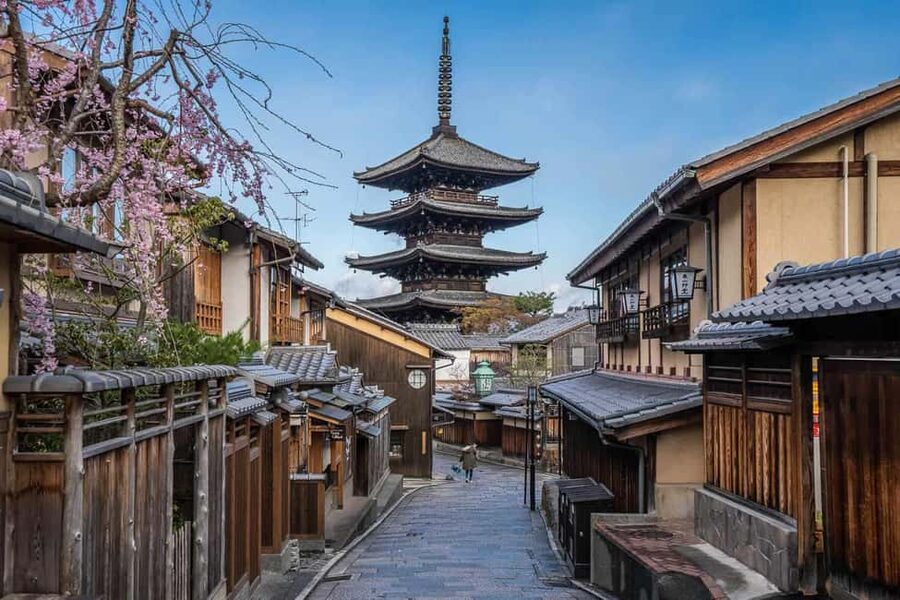
The suggested route ends with about an hour at Nishiki Market. This gives the day a more ordinary, food-centered side after several major religious sites.
You can browse stalls, look for local ingredients, and try food at your own cost. The guide can point out items and explain some of the market’s place in Kyoto life, but your time is also partly self-guided. Bring cash because many places may not accept cards.
Nishiki Market is best approached with a clear plan. You might want to sample snacks, buy edible gifts, or simply walk the market. Since food and drinks are not included, budget separately for anything you want to taste.
The van matters when the day lasts 10 hours
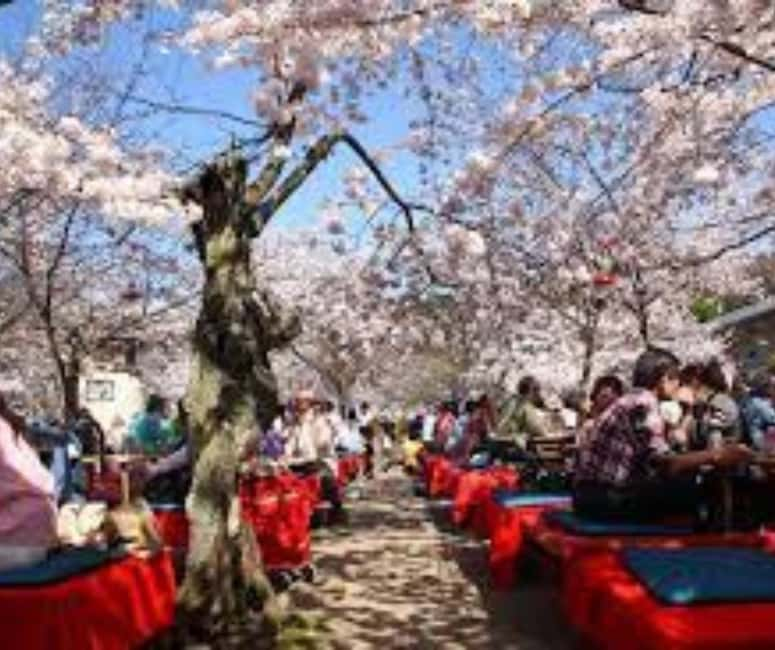
The tour runs for 10 hours and includes an air-conditioned private vehicle with comfortable sofa-style seats. That is not a minor detail. The suggested route includes several drives of roughly 30 to 35 minutes, and those breaks give you time to rest between walks.
Private transport also removes the need to coordinate trains, buses, and meeting points across several cities. You can leave bags in the vehicle during stops, though you should use normal care with valuables. Pickup and drop-off are available in Kyoto, Osaka, and Nara. Pickup in other areas, including locations outside the main service area, can involve an added charge.
The route is ambitious. Arashiyama, Kinkaku-ji, Fushimi Inari, Nara Park, Kiyomizu-dera, and Nishiki Market make a full day even before traffic enters the picture. The operator says extra time will be added at no cost if traffic causes delays, which offers some protection against a late finish. Still, you should keep the evening after the tour flexible.
The guide can make or break the experience
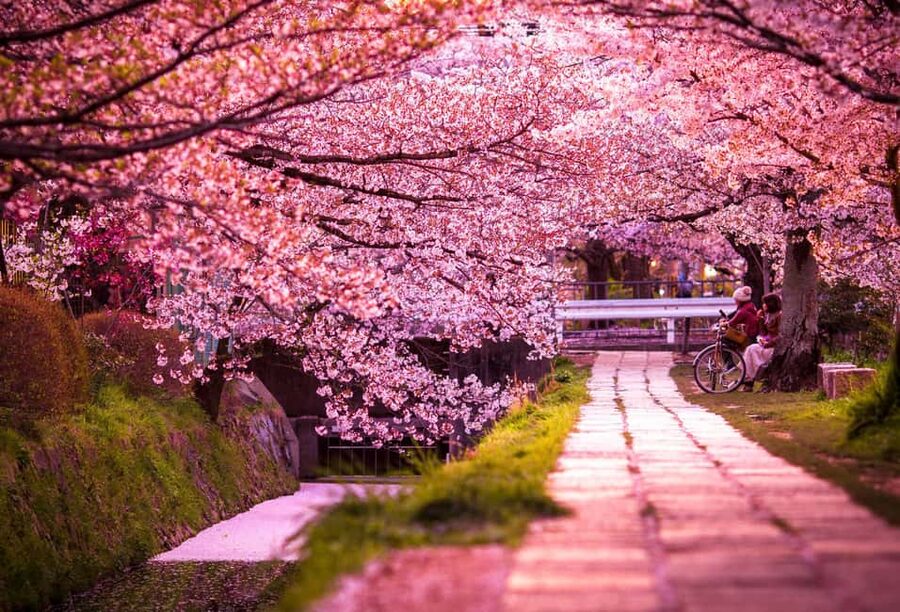
The tour promises an English-speaking guide, with English, Hindi, Japanese, and Urdu available. A good guide can explain temple design, religious customs, historical events, and the meaning behind what you are seeing. That context is especially valuable when you move quickly through several places.
Dhanush, also spelled Danush in one account, received particular praise for keeping the day comfortable, explaining the stops, adapting the route, and taking excellent group photographs. That combination is useful on a private tour because you can spend less time managing logistics and more time looking around.
You should also know that the guiding may not always reach that level. Some accounts describe a clean vehicle, punctual service, and helpful driving, but little explanation at the temples. If learning is a priority, ask at the start for commentary at each stop. Point to details and ask questions. A private setting gives you a better chance to shape the conversation than a large group tour.
Is $438 a good value for up to six people?
At $438 per group, the cost works out to about $73 per person for six people before entry tickets, meals, and drinks. For two people, it is about $219 each. The price therefore makes the most sense for a family or group of friends who want private transport and do not want to manage a complicated day.
You are paying for the vehicle, driver-guide, pickup, drop-off, and flexibility. You are not paying for temple admission or food, so add those costs before comparing the tour with a public transportation day.
I see the strongest value in the private van and the ability to adjust the route. If you already know Kyoto well, or if you enjoy using trains and exploring at your own pace, the price may feel high. If you have one day and want a broad first look without transport worries, the cost is easier to justify.
Who will get the most from this tour?
I would choose this for a group of up to six that wants to see a lot in one day. It suits first-time visitors, families, older relatives who prefer private transport, and anyone arriving from Kyoto, Osaka, Nara, or nearby pickup points.
It also suits people who care more about efficient coverage than long visits at each site. You can ask to focus on Kyoto, add Nara, or shift toward Osaka. A group that wants Dotonbori’s neon streets, street food, and entertainment can request Osaka instead of following the temple-heavy route.
I would hesitate if your main goal is quiet temple time, a long tea ceremony, or a relaxed market afternoon. Those interests can be included in a customized plan, but six major stops in 10 hours leave limited space. Choose fewer places and make them count.
Useful details for a smoother day
Wear comfortable shoes and bring cash. The route combines temple grounds, shrine paths, market walking, and Nara Park, while card payment may not be accepted at many places.
Food and drinks are not included, so plan for your own purchases. Alcohol and drugs are not allowed. Entry tickets are also separate, even though the activity indicates ticket-line skipping where applicable.
The tour is private and wheelchair accessible. Because each stop has different surfaces, slopes, and access points, discuss your exact needs when setting the route. Free cancellation is available up to 24 hours before departure, and you can reserve now and pay later.
Should you book this private Kyoto tour?
Book it if you want private transport, a flexible route, and a broad first look at Kyoto and Nara. The strongest case is a full group of up to six, especially if you value a comfortable van and direct pickup more than the lowest possible price.
Before booking, make your priorities clear. Ask for a guide who will explain the temples, decide if Nara Park or Todai-ji matters more to you, and consider dropping one or two stops so the day does not become a race. If your guide is as helpful as Dhanush or Danush was for some groups, the tour can be a very efficient and pleasant introduction to the region.
If you prefer slow exploration and detailed time at each site, use the private format to create a shorter route rather than accepting every suggested stop. That is where this experience offers its best value.
FAQ
How long is the tour?
The tour lasts 10 hours.
How many people can join the private group?
The price covers one private group of up to six people.
What cities can be combined?
You can arrange a tour combining Kyoto and Nara, Kyoto and Osaka, or Osaka and Nara.
Where can pickup and drop-off take place?
Pickup and drop-off are available in Kyoto, Osaka, and Nara. Additional charges may apply outside the main pickup areas.
Is transportation included?
Yes. Pickup and drop-off, private transportation, an air-conditioned vehicle, and comfortable sofa-style seats are included.
Are entry tickets included?
No. Entry tickets are not included in the tour price.
Is food included?
No. Food and drinks are not included.
What languages are available?
Live guiding is available in English, Hindi, Japanese, and Urdu.
Can the itinerary be customized?
Yes. You can set your own itinerary and choose which Kyoto, Nara, or Osaka attractions to prioritize.
Newest Kyoto experiences on the site
- Treasures of Kyoto: Gion & historical Walking Tour★ 5.0 · 6 reviews
- Whisk Your Own Matcha: A Zen Matcha Experience at Temple★ 3.6 · 7 reviews
- Kyoto tea town for matcha lovers★ 5.0 · 16 reviews
- Uji: Private immersion into Kyoto’s tea and reglious culture★ 5.0 · 17 reviews
- Kyoto Matcha Green Tea Tour★ 4.5 · 23 reviews
- Uji and Wazuka Matcha Farm Half Day Private Guided Tour★ 5.0 · 21 reviews
- Utilising upcycled Matcha! Creating matcha incense (Uji, Kyoto)★ 5.0 · 6 reviews
- Sacred Temple Yoga Experience in Japan★ 5.0 · 3 reviews
Nara Day Trips, compared.
Kinkakuji,Arashiyama,FushimiInariShrine,NaraPark
Read our review →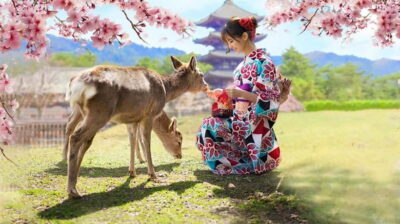
Nara, Fushimi Inari Taisha, Arashiyama Bus Tour
Read our review →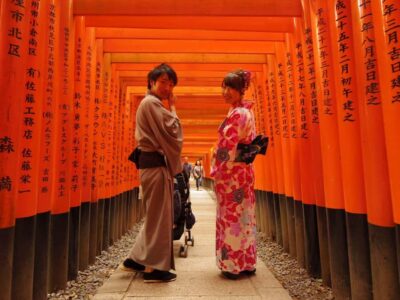
Arashiyama, Nara & Fushimi Inari Shrine w/Lunch
Read our review →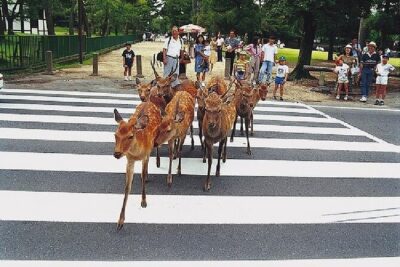
Full Day Guided Tour to Kyoto and Nara from Osaka by Van
Read our review →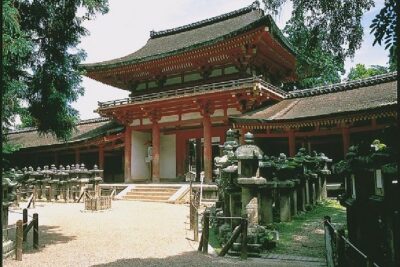
Browse the lists this tour appears in