
Reviewed · KYOTO KIMONO RENTALS
Kyoto Kimono Rental mimosa|Kimono/Yukata Rental Ladies Plan
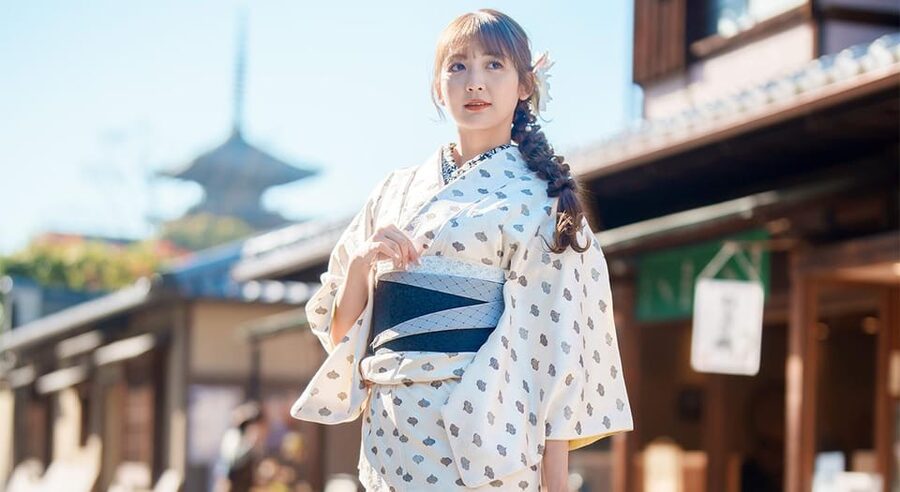
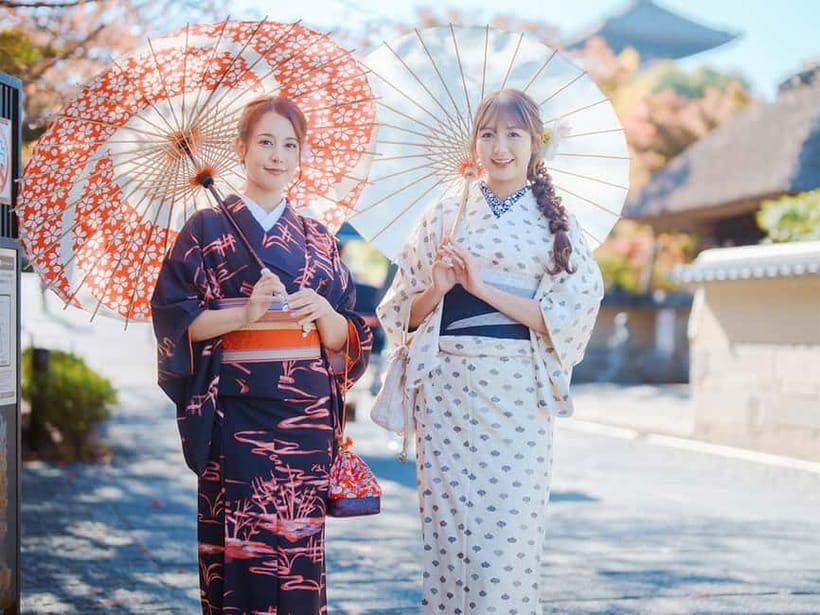
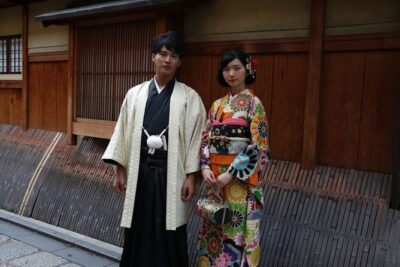
The best thing about Kyoto Kimono Rental mimosa is its prime Ichinenzaka location. You are two minutes from Kodaiji Temple and about 10 minutes from Kiyomizu Temple, so you can step out dressed for the day and reach several of Kyoto’s most photogenic streets without wasting time on transport. The shop also offers a useful range of kimono and yukata choices, with staff help if matching colors and accessories is not your strong suit.
I like the generous return window until 7 p.m., and I like that the basic package includes the undergarments and dressing pieces you need. English and Chinese are available, and María has been praised for speaking Spanish and helping customers feel at ease. The main catch is that the low advertised price covers the essentials only. Hair styling, certain bags, decorative obi pieces, and next-day or hotel return cost extra.
Key details before you reserve
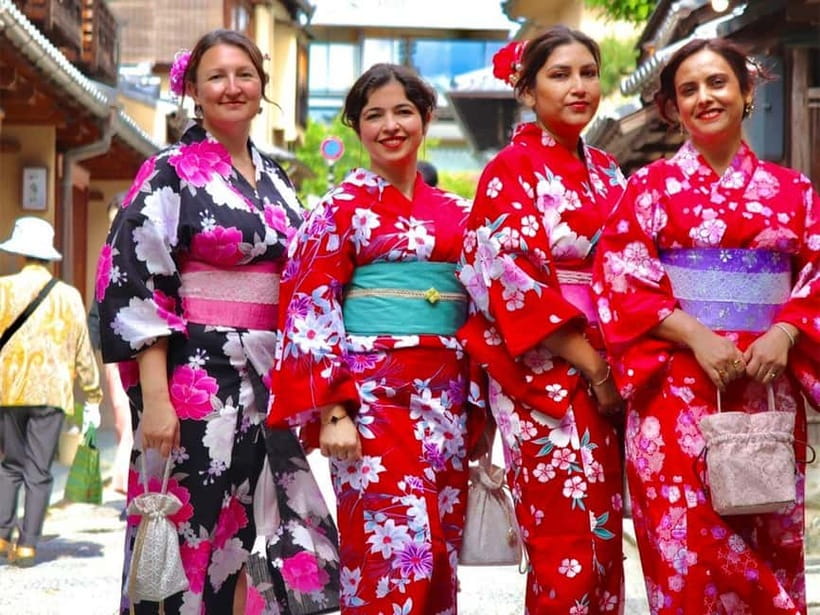
- Two minutes from Kodaiji Temple: The shop sits in the Ichinenzaka area, close to cafes, restaurants, shops, and traditional Kyoto streets.
- A full day for 4,000 yen: The women’s plan runs from dressing in the morning until return by 7 p.m.
- Kimono or yukata choice: You select your preferred outfit, then ask staff to help coordinate the obi and accessories.
- Dressing supplies are included: The package provides tabi socks, sandals, a bag, undergarments, and the accessories needed for dressing.
- Optional hair styling costs 1,500 yen: Japanese hair and new Japanese hair styles are not offered.
- Hotel or next-day return is available: This costs an additional 1,000 yen and can make the day easier if you do not want to return to the shop.
Choosing a kimono near Kyoto’s most useful sightseeing base
Mimosa is in Masuya-cho, Higashiyama-ku, at 362-2 Masuya-cho. The shop is identified as the Kyoto Kimono Rental mimosa Kodaiji Store, in the attractive Ichinenzaka area. This matters because the setting does much of the work for you. You do not need to plan a separate photo location or make a long trip across Kyoto before your day begins.
Kodaiji Temple is about a two-minute walk away. Kiyomizu Temple is roughly 10 minutes on foot, and the nearby Higashiyama Yasui and Kiyomizu-michi bus stops give you more options if you want to reach another part of the city. Cafes, restaurants, and souvenir shops are close by, so returning to the shop for your belongings does not have to interrupt your sightseeing plan.
The location is especially handy for a first visit to Kyoto. Higashiyama is one of the city’s most atmospheric areas, with sloping lanes, traditional-style buildings, and plenty of places to stop. I would treat the rental as a starting point for a walking day, not as an isolated costume appointment.
More kimono and yukata rentals in Kyoto:
- Kimono Tea Ceremony at Kyoto Maikoya, NISHIKI
★ 5.0 · 911 reviews - Kyoto: Kimono Rental with Hairstyling and Accessories
★ 4.8 · 653 reviews - Kyoto: Kimono Tea Ceremony at Orizuruya Gion
★ 4.9 · 618 reviews
What the 4,000 yen plan actually includes
The women’s plan is listed at 4,000 yen per person, with an advertised price of about $25. Since currency rates change, the yen price is the useful figure to keep in mind. Payment is made at the shop on the day, and the store accepts cash, credit cards, electronic money, and QR code payments.
The basic set includes:
- Kimono or yukata
- Half-width obi
- Tabi socks
- Japanese sandals
- Bag, with some bag choices costing extra
- Undergarments and accessories needed for dressing
This is a good price when you consider that you are getting the outfit, dressing service, footwear, and accessories for most of a sightseeing day. You can arrive without carrying a separate dressing kit, which is one of the plan’s practical strengths.
The distinction between kimono and yukata is worth understanding. A yukata is lighter and more casual, often a comfortable choice in warm weather. A kimono gives you a more formal look and may feel more substantial. The shop allows you to choose your favorite option, then staff can help if you are unsure about color matching or coordination.
Do not assume every attractive extra is part of the base price. Some bags carry a charge, and decorative items such as an obiage cost 550 yen. Lace inner wear is also 550 yen, while a shawl costs 880 yen in autumn and winter. A Japanese umbrella costs 1,100 yen. These are not huge additions one by one, but the final bill can rise if you want a carefully styled outfit.
Getting dressed, with help if you need it
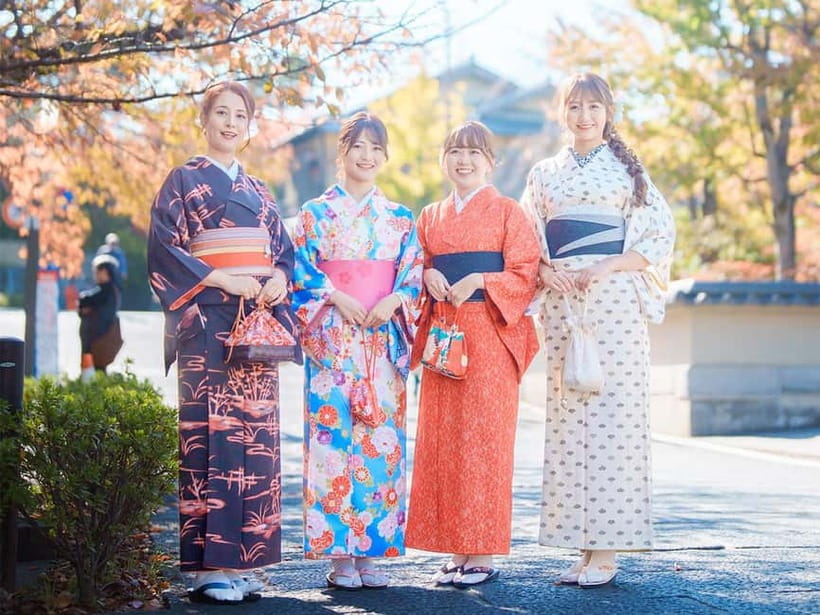
The dressing process is the heart of the experience. You choose your kimono or yukata, then the staff arrange the clothing and accessories. If you already know the colors and look you want, you can move through the choice quickly. If not, ask for advice. The shop specifically welcomes first-time customers, and staff assistance is part of what makes the plan approachable.
The included undergarments and dressing accessories mean you do not need to prepare a special outfit beneath the kimono. Tabi socks and sandals are supplied as well. A bag is included in the package, though certain designs cost more. I would keep your personal belongings to a minimum, since traditional clothing is more comfortable when you are not carrying a large load.
Hair styling is available for 1,500 yen. The shop does not offer Japanese hair or new Japanese hair styles, so keep your expectations simple and check the exact service you want before adding it. If your main goal is to walk around Higashiyama in traditional clothing, the basic dressing service may be enough. If you want a polished photo-ready look, budget for the hair option and possibly an obiage, lace inner wear, or umbrella.
María is specifically noted as a Spanish-speaking staff member. English and Chinese are also available, which gives you a better chance of explaining preferences and asking questions clearly. That is useful here because clothing fit, color choices, and accessories are personal. A little help can save you from choosing an outfit you later wish you had coordinated differently.
A full Higashiyama day from morning until 7 p.m.
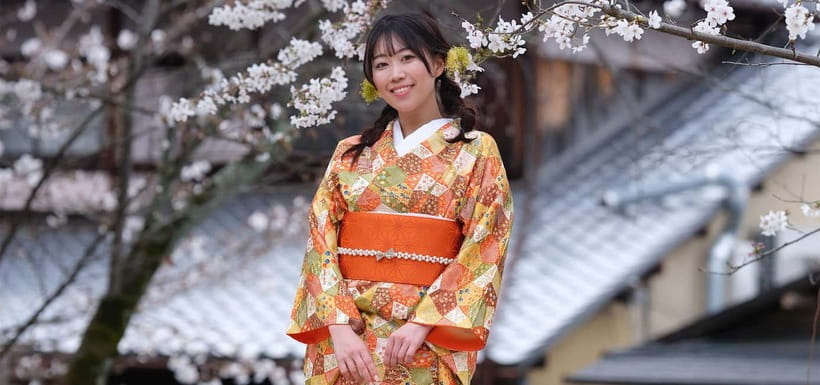
The rental gives you a broad sightseeing window. The listed operating hours are 8 a.m. to 7 p.m., and the outfit must be returned by 7 p.m. That allows you to dress in the morning, visit Kodaiji Temple, continue toward Kiyomizu Temple, stop for food, and still have time to return without rushing at the end.
The suggested schedule is simple:
- Arrive at the shop at 362-2 Masuya-cho.
- Choose your kimono or yukata and accessories.
- Get dressed and collect your sandals and bag.
- Spend the day sightseeing around Kyoto.
- Return to the same shop by 7 p.m.
You have about nine hours of free time once the day is under way. The exact start time depends on availability, but same-day reservations are accepted until 1 p.m. That is helpful if you decide during the morning that your day needs a Kyoto-style change of clothes. Still, I would not count on a late booking during a busy period. Reserve ahead if the outfit is central to your plans.
The return deadline is a real planning point. If you wander far from Higashiyama late in the day, you will need to allow time to come back. The shop offers next-day return or hotel return for an additional 1,000 yen. That option can be worthwhile if you have an evening reservation elsewhere, are staying at a hotel, or simply do not want to cut your final temple visit short.
A few more Kyoto tours worth putting on the shortlist
- PERFECT KYOTO 1-Day Bus Tour
★ 5.0 · 13,518 reviews - Kyoto: Fushimi Inari, Kinkakuji, Bamboo Grove 1 Day Bus Tour
★ 4.8 · 4,316 reviews - Kyoto: Tea Ceremony in a Traditional Tea House in Kiyomizu
★ 4.9 · 3,519 reviews - Kyoto Geisha Walking Tour: Gion District & Hidden Gems
★ 4.7 · 3,273 reviews
Kodaiji and Kiyomizu make a natural route
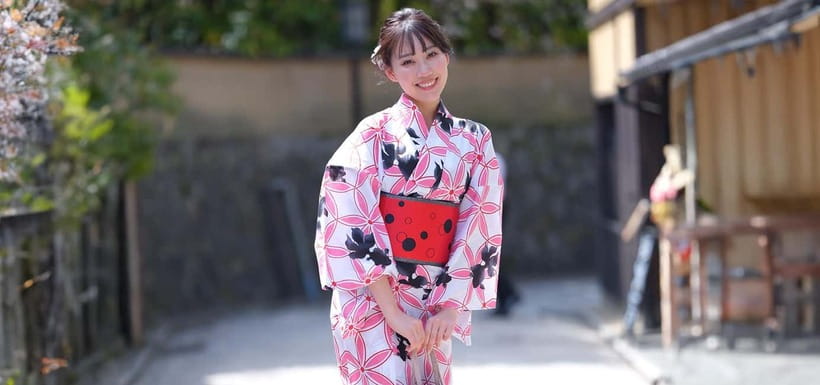
Kodaiji Temple is the closest major sight, only two minutes from the shop. It is the obvious first stop after dressing, especially if you want to take advantage of the nearby streets before heading farther uphill. The short distance also makes it easy to return to the shop if you discover that a sandal strap, accessory, or clothing detail needs attention.
From there, Kiyomizu Temple is about a 10-minute walk. The route is convenient, but remember that Higashiyama is not a flat, empty corridor. You will be walking along popular sightseeing streets, and traditional sandals may feel different from your usual shoes. Take shorter steps and plan a slower pace than you might use in athletic footwear.
The surrounding area has cafes, restaurants, and souvenir stores. That gives you plenty of ways to break up the day. A kimono or yukata can make a quick meal or a tea stop feel more special, but it can also make long periods of sitting less relaxed. You may want to plan several shorter stops rather than one long stretch on your feet.
The bus stops at Higashiyama Yasui and Kiyomizu-michi are nearby. You can use them to connect with other parts of Kyoto, though you still need to remember the 7 p.m. return deadline. The strongest plan is to keep most of the day in and around Higashiyama, where the shop, temples, streets, and food stops are all close together.
Photos, accessories, and the real cost of a polished look
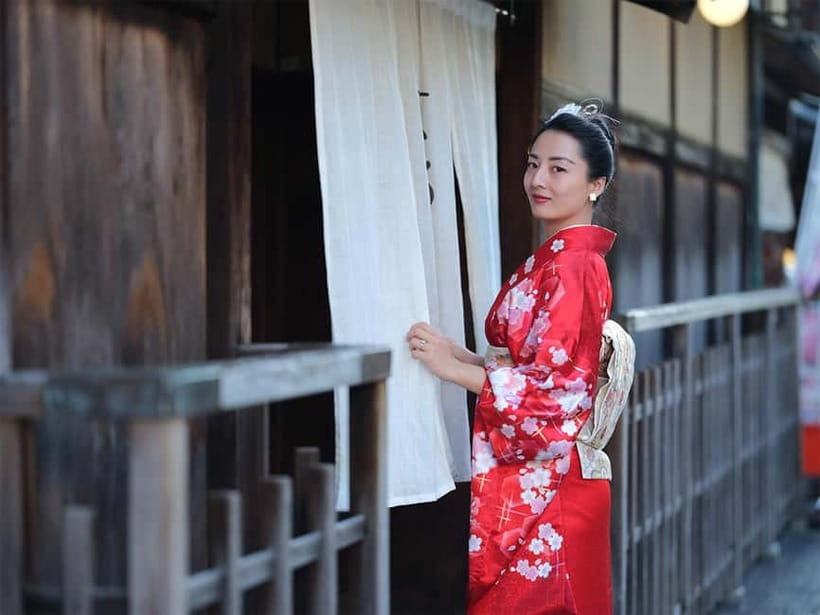
A kimono rental is partly about sightseeing and partly about how you want to remember the day. The shop can arrange a professional photographer, but this is a major extra: 18,000 yen for one hour, 36,000 yen for two hours, or 54,000 yen for three hours. You select the photography option when reserving.
At 18,000 yen for an hour, photography is not a casual add-on. It makes sense for a special occasion or a carefully planned portrait session, less so if you simply want a few phone photos during temple visits. The basic rental already places you in an attractive part of Kyoto, so you can ask a companion to take pictures if a professional shoot is beyond your budget.
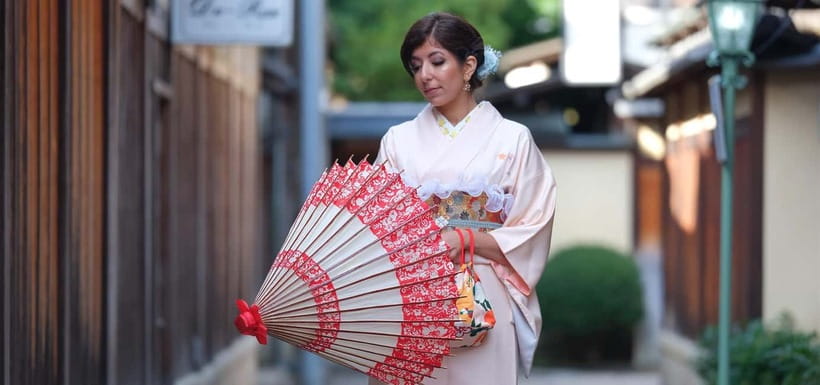
Small accessories can change the look without changing your whole plan. The 550 yen obiage and 550 yen lace inner wear are modest additions. A Japanese umbrella costs more at 1,100 yen, but it can add a distinctly traditional touch to photos. Shawls are available for 880 yen in fall and winter and may be useful for warmth, though the listing limits them to those seasons.
The shop also offers a 550 yen drawstring bag, but the information specifies that it is not a Japanese pattern. Since bags are part of the visual effect, check the included choices before paying for another one. I would decide in advance how much styling matters to you, then set a small accessory budget rather than adding items one by one without a plan.
Who will get the most from this rental
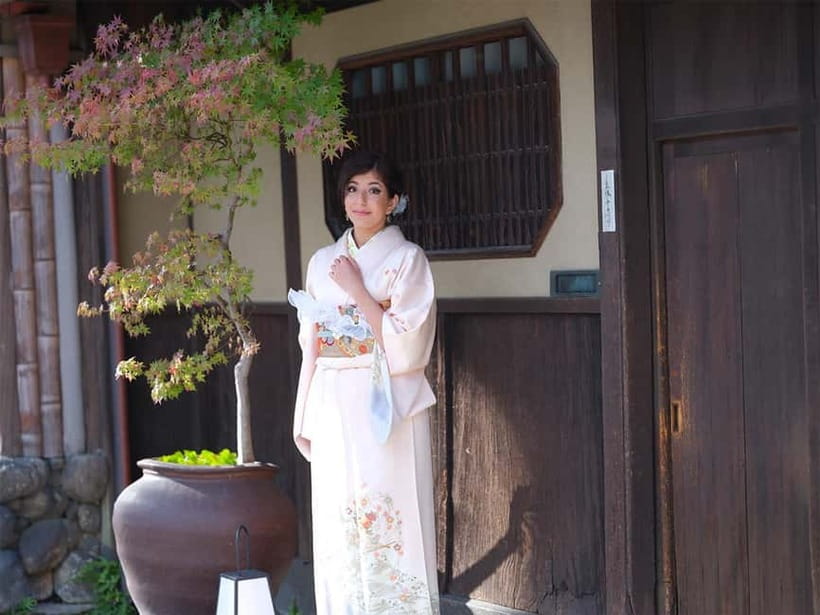
I would recommend this plan to anyone who wants a simple way to add traditional clothing to a Kyoto sightseeing day. It is particularly suitable if you plan to visit Kodaiji Temple, Kiyomizu Temple, or the Ichinenzaka area anyway. The location means the rental supports your itinerary instead of sending you across town.
It also works well for first-time kimono renters. You do not need to bring dressing supplies, and staff can advise you on coordination. English and Chinese support are available, and María can assist in Spanish. That language range makes the experience less intimidating if you are not familiar with Japanese clothing.
The plan is less suitable if you dislike restrictive clothing, plan to cover a large part of Kyoto by foot, or need a late-night return. You should also factor in the hillier streets around Kiyomizu and the feel of sandals underfoot. Comfortable pacing matters more than trying to fit every nearby sight into one day.
The age and health rules are clear. Children under 13 and people over 80 are not accepted. Pregnant women must provide a doctor’s confirmation and consent, inform the shop when reserving, and complete a consent form on the day. Dressing may still be refused depending on the situation, and the shop accepts no responsibility for unforeseen circumstances during or after the experience. If pregnancy applies to you, contact the shop before booking rather than assuming the outfit will be possible.
Cancellation, payment, and timing
You can cancel up to 24 hours in advance for a full refund. The reserve-now, pay-later option lets you hold a place without paying at the time of booking, with payment made at the shop on the day.
Same-day reservations are possible until 1 p.m. The store is open from 8 a.m. to 7 p.m., but your clothing must be returned by 7 p.m. Keep those times visible in your day plan. If you choose hotel or next-day return for 1,000 yen, confirm the exact return arrangement with the shop.
The experience is described as lasting one day, with about nine hours of sightseeing time. That does not mean you must use every available hour. A shorter rental can be sensible if you mainly want temple photos and a meal nearby.
Should you book Kyoto Kimono Rental mimosa?
Book it if you want a reasonably priced kimono or yukata day based in Kyoto’s Higashiyama district. The combination of 4,000 yen basic pricing, included dressing items, a 7 p.m. return time, and a location two minutes from Kodaiji gives you good practical value.
Go in with a clear budget for extras. Add 1,500 yen for hair styling if that matters to you, and remember that special accessories, photography, and hotel return are separate. If you keep to the included package, this is an easy way to dress for a full day around Kodaiji and Kiyomizu without turning the rental into a costly production.
FAQ
Where is Kyoto Kimono Rental mimosa located?
It is located at 362-2 Masuya-cho, Higashiyama-ku, Kyoto, at the Kyoto Kimono Rental mimosa Kodaiji Store.
How much does the women’s kimono rental cost?
The women’s plan costs 4,000 yen per person. The advertised price is about $25, and payment is made at the shop on the day.
What is included in the rental?
The package includes a kimono or yukata, half-width obi, tabi socks, Japanese sandals, a bag, and the undergarments and accessories needed for dressing. Some bag choices cost extra.
What time must I return the kimono?
The shop operates from 8 a.m. to 7 p.m., and the outfit must be returned by 7 p.m. Next-day or hotel return is available for an additional 1,000 yen.
Is hair styling included?
No. Hair styling costs an additional 1,500 yen. Japanese hair and new Japanese hair styles are not available.
Can I cancel for a refund?
Yes. You can cancel up to 24 hours in advance for a full refund.
Newest Kyoto experiences on the site
- Treasures of Kyoto: Gion & historical Walking Tour★ 5.0 · 6 reviews
- Whisk Your Own Matcha: A Zen Matcha Experience at Temple★ 3.6 · 7 reviews
- Kyoto tea town for matcha lovers★ 5.0 · 16 reviews
- Uji: Private immersion into Kyoto’s tea and reglious culture★ 5.0 · 17 reviews
- Kyoto Matcha Green Tea Tour★ 4.5 · 23 reviews
- Uji and Wazuka Matcha Farm Half Day Private Guided Tour★ 5.0 · 21 reviews
- Utilising upcycled Matcha! Creating matcha incense (Uji, Kyoto)★ 5.0 · 6 reviews
- Sacred Temple Yoga Experience in Japan★ 5.0 · 3 reviews
Kyoto Kimono Rentals, compared.
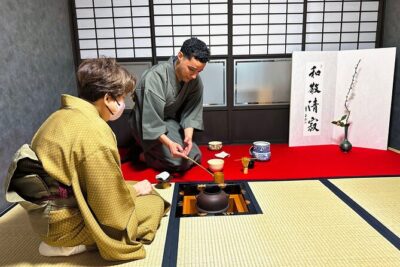
KYOTO Tea Ceremony with kimono near by Imamiya Jinjya Shrine
Read our review →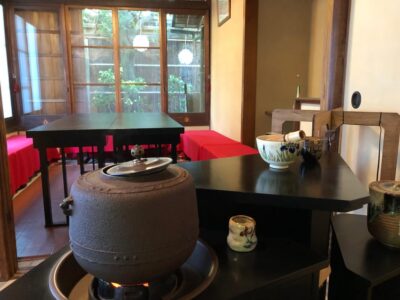
Kimono and Tea Ceremony Experience at Cultural Asset
Read our review →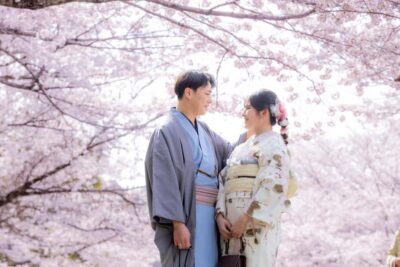
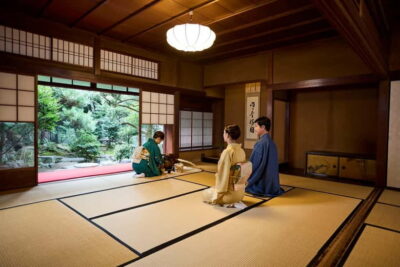
Family-Friendly Kimono & Yukata Experience at WARGO
Read our review →
1 Day Traditional Japanese Kimono Rental Experience
Read our review →Browse the lists this tour appears in