

Reviewed · KYOTO WALKING TOURS
Kyoto: Highlights Guided Walking Tour
Kyoto’s best moments often come between the famous sights, and this small-group or private walking tour links many of them in one clear route. You begin at Kyoto Avanti, visit Kiyomizu-dera, pass through Sannenzaka and Gion, cross the Kamo River, and finish near Nishiki Market and the city center.
I like the chance to spend time with a local guide such as Yu Noda, whose strong explanations and willingness to follow personal interests earned especially warm praise. I also like the mix of temples, old streets, food stalls, and evening-dining lanes rather than a tour focused only on monuments.
The main consideration is pace. In three to four hours, several stops receive only 10 to 30 minutes, and transportation is not included. The description also mentions Nijo Castle, but the timed route does not list a visit there, so confirm that point before booking.
Key points at a glance

- Kiyomizu-dera and Sannenzaka lead the route: Begin with one of Kyoto’s best-known temple areas and its traditional streets.
- Yu Noda is a guide to look for: His clear cultural explanations and flexible approach were singled out in the available feedback.
- Gion and Pontocho show two sides of old Kyoto: One is known for geisha culture, the other for narrow dining lanes along the river.
- Nishiki Market adds local food culture: You can see Kyoto specialties and buy food or drinks separately.
- The route works well for first-time visitors: It brings together major sights that can feel scattered when visited alone.
- Check the Nijo Castle plan: It appears in the general description but not in the detailed stop-by-stop schedule.
A useful first look at Kyoto’s old center
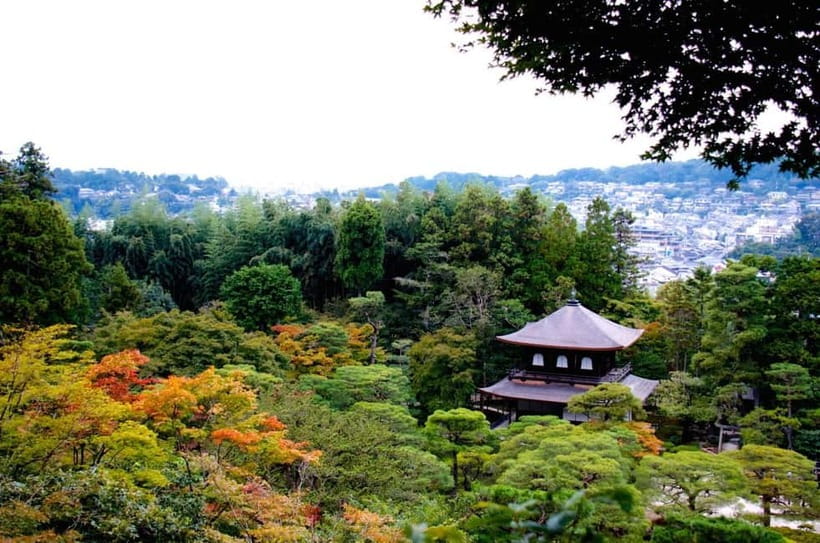
This tour is built around contrast. You move from a hillside temple with wide city views to quiet shrine grounds, then into lanes lined with restaurants, shops, lanterns, and market stalls. That variety gives you a better sense of Kyoto than a temple-only outing.
The route also helps you understand how the city’s religious and everyday life sit close together. A shrine may be only a short walk from a shopping street. A historic lane may lead directly to a modern road. Your guide can explain those changes as you go, which is useful when Kyoto’s visual charm risks becoming a blur of similar wooden facades and tiled roofs.
The advertised price is $34 per person, a reasonable figure for a three to four-hour guided introduction, especially if you choose a small group. The value depends on what you want. If you need background, orientation, and help connecting separate sights, the price is attractive. If you already know Kyoto well and prefer long visits at each temple, the short stop times may feel limiting.
More walking tours in Kyoto:
- Kyoto Geisha Walking Tour: Gion District & Hidden Gems
★ 4.7 · 3,273 reviews - Kyoto: Gion Magical Night Walking Tour with Geisha Trivia
★ 4.9 · 2,393 reviews - Kyoto: Gion Geisha District Walking Tour – Stories of Geisha
★ 4.7 · 2,187 reviews
Meeting at Kyoto Avanti and getting started
You meet in front of the entrance to Kyoto Avanti, a shopping complex near Kyoto Station. This is a practical starting point because Kyoto Station is one of the city’s main transport hubs, though you should allow enough time to find the exact entrance.
The planned route includes a 15-minute bus ride near the beginning. Another 15-minute bus segment appears near the end. Transportation is not included, so bring both cash and a credit card for fares and any purchases. The tour itself is guided in English or Japanese.
The experience lasts three to four hours, with starting times depending on availability. Private and small-group formats are offered. A smaller group matters here because the tour uses narrow streets such as Pontocho Alley and Hanamikoji Street, where keeping together can be harder than on a wide plaza.
Kiyomizu-dera and the hillside approach
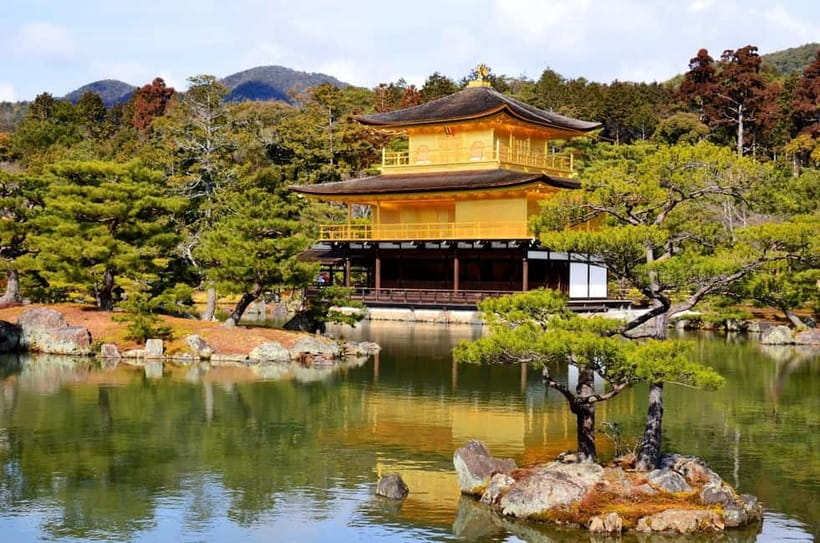
Kiyomizu-dera is the first major stop, with about 30 minutes set aside for a guided visit and sightseeing. The temple is famous for its large wooden stage, which looks across Kyoto and changes character with the seasons.
The temple itself is only part of the experience. The approach leads through streets with traditional shops, giving you a gradual shift from modern Kyoto to the older hillside district. Your guide can help explain the religious setting and point out details that are easy to pass without context.
Thirty minutes is enough for orientation and a focused look, but not for a slow examination of every building or garden. If Kiyomizu-dera is your top priority, note the schedule and decide if you will return independently for more time.
Sannenzaka and the feel of old Kyoto
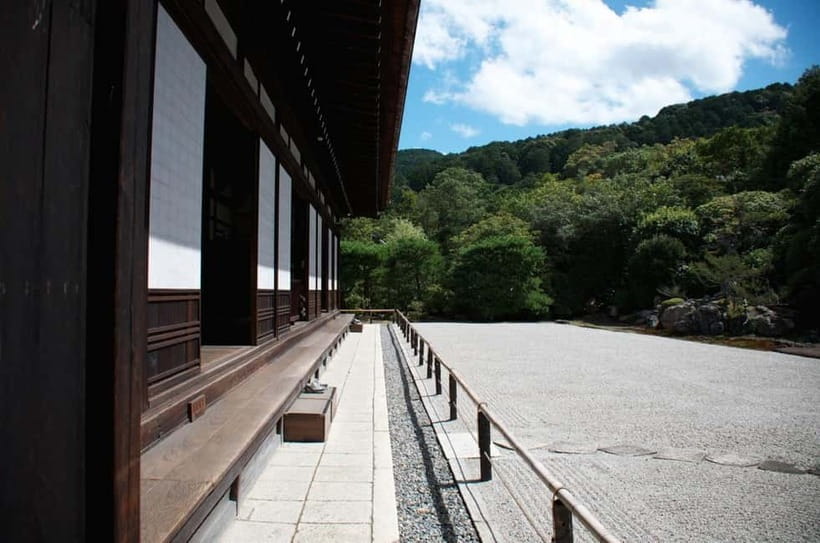
The route continues through Sannenzaka, one of the most atmospheric streets in the Higashiyama area. The walk is listed at about 20 minutes, which makes this a passage rather than a shopping stop.
This is where I like the tour’s structure. You are not simply dropped at a temple and taken away again. You walk through the setting around it, seeing the traditional streets that make the district feel connected. Shops and small businesses line the route, and you can ask your guide about local customs, architecture, and the area’s place in Kyoto’s past.
The stone-paved slopes may be tiring for some people, particularly in warm weather or busy periods. Wear comfortable shoes and expect a fair amount of walking. Non-folding and electric wheelchairs are not permitted on the activity.
Same city, a completely different kind of day:
- PERFECT KYOTO 1-Day Bus Tour
★ 5.0 · 13,518 reviews - Kyoto: Fushimi Inari, Kinkakuji, Bamboo Grove 1 Day Bus Tour
★ 4.8 · 4,316 reviews - Kyoto: Tea Ceremony in a Traditional Tea House in Kiyomizu
★ 4.9 · 3,519 reviews - Kyoto: Tea Ceremony Ju-An at Jotokuji Temple
★ 4.9 · 3,207 reviews
Yasaka Shrine and Kyoto’s spiritual life
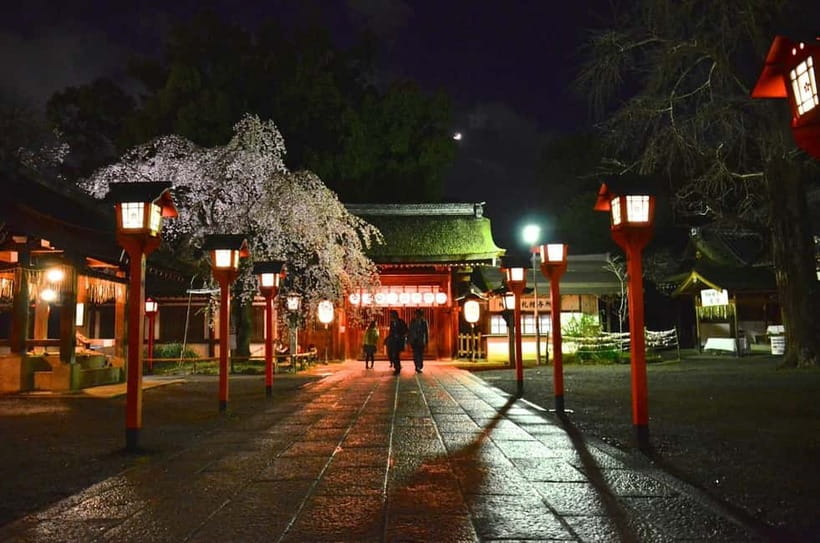
Yasaka Shrine receives about 20 minutes. It is a major Shinto shrine near Gion, and its location makes it a useful bridge between the temple district and the entertainment quarters farther west.
A guided visit can help you distinguish Shinto practices from Buddhist ones, especially if you are seeing both during the same day. The value is not just the shrine gate or the grounds. It is learning how worship, festivals, streets, and daily life overlap in Kyoto.
Again, the timing is short. You will get a clear introduction, not a leisurely study of the entire shrine complex. If your guide is Yu Noda, the available feedback suggests you can expect detailed explanations and a personable manner. The tour provider offers English and Japanese guiding, so specify your preferred language when checking availability.
Hanamikoji Street and the Gion setting
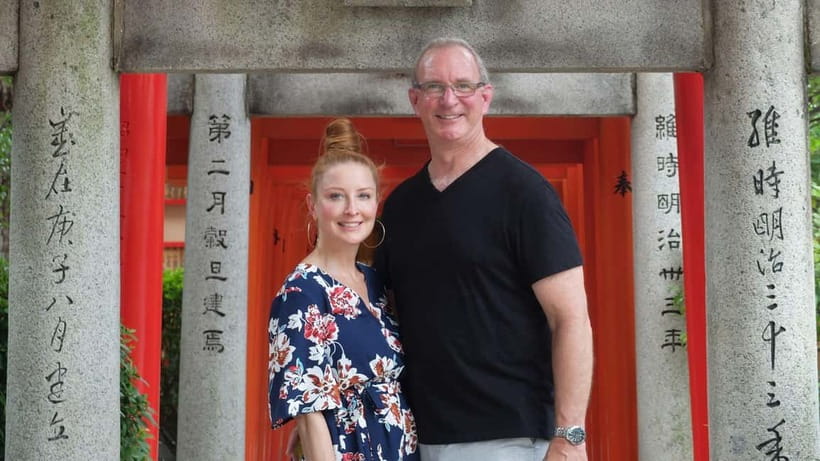
Hanamikoji Street is another 20-minute stop. This lane is associated with Gion’s traditional entertainment culture, and you may see elegantly dressed geisha heading to appointments.
Keep your expectations sensible. A possible sighting is not guaranteed, and this is not a performance or arranged meeting. The value lies in learning how the district functions and in seeing the setting respectfully.
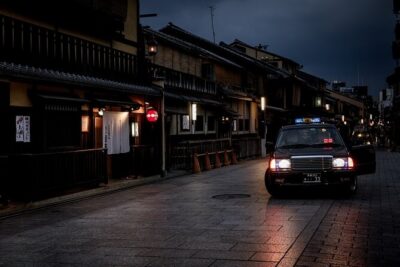
A guide is particularly useful here. Gion can look like a picturesque row of old buildings, but the area is also a working neighborhood with private spaces and professional activity. Good guidance helps you observe without treating the people who work there as a display.
Crossing the Kamo River

The Kamo River section lasts about 10 minutes. That sounds brief, but the river crossing gives the route a welcome pause between Gion and the central dining districts.
You get a different view of Kyoto here, with open air after the tighter streets. The river also helps you understand the city’s layout. It is not simply a scenic backdrop. It separates districts with different moods and histories, and crossing it makes the change easy to feel.
Do not expect a long riverside walk. This is a transition, not a separate nature stop. Still, short pauses like this can keep the tour from feeling like a continuous list of temples and streets.
Pontocho Alley after the river
Pontocho Alley receives about 20 minutes. This narrow lane is lined with lantern-lit restaurants and is one of Kyoto’s most recognizable dining streets.
You will mainly see the exterior atmosphere during a tour of this length. Restaurant access, dinner, and drinks are not included. The lane can be tight, so stay close to the guide and be prepared for a slower walk if other people are present.
Pontocho is a good place to ask practical questions about Kyoto dining. Your guide may help you understand the difference between a sightseeing lane and a restaurant visit, but you should not assume the tour includes a meal or a reserved table. Bring money if you want to buy food later.
Nishiki-Tenmangu Shrine and Nishiki Market
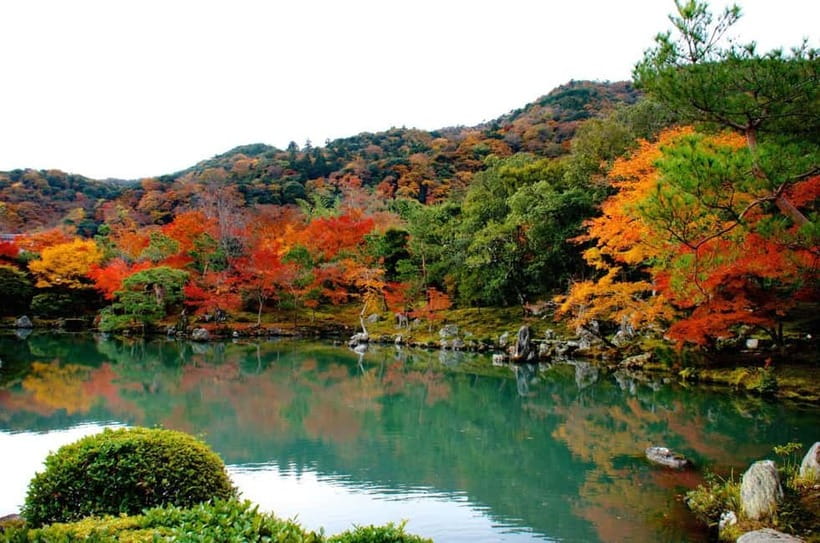
Nishiki-Tenmangu Shrine is scheduled for about 10 minutes. It is a compact spiritual stop before the tour enters Nishiki Market, giving you another reminder that worship and commerce often share the same central streets.
Nishiki Market is known as Kyoto’s Kitchen and receives about 20 minutes. This is the place to use your senses: look at local ingredients, notice the smells, and consider trying a specialty. Food and drinks are not included, so purchases are entirely up to you.
Twenty minutes lets you get an introduction, but it is not enough to browse every stall at leisure. If you want to eat your way through the market, plan a return visit. You should also follow market rules and ask before taking close-up photographs of products or vendors.
The combination of Nishiki-Tenmangu and Nishiki Market is one of the tour’s strongest choices. One stop explains religious tradition, the next shows daily food culture. Together, they make central Kyoto feel lived in rather than staged for sightseeing.
What happens with Nijo Castle
The general tour description includes Nijo Castle as the final major attraction. It describes the former shogun residence, its nightingale floors, and its gardens. Those details make it sound like a substantial stop.
However, the detailed schedule lists Kiyomizu-dera, Yasaka Shrine, Nishiki Market, Sannenzaka, Hanamikoji Street, the Kamo River, Pontocho Alley, and Nishiki-Tenmangu Shrine. It then includes a bus segment and a return to Kyoto Station, with no timed Nijo Castle visit.
That matters because Nijo Castle is not a quick add-on. If seeing it is important to you, confirm whether the route has changed, whether it is included only on certain departures, or whether the written description contains an error. Do not assume you will enter the castle without checking.
Guide style and group size
The strongest feature here is the human element. The tour is designed around a local guide rather than an audio recording or a fixed sightseeing script. Yu Noda is named in the feedback, and his strengths are described as strong knowledge of Kyoto’s history and culture, clear recommendations, and attention to personal interests.
That last point is important. A private or small-group tour gives the guide more room to answer questions and adjust explanations. One piece of feedback specifically praised the manageable size and the personal nature of the route. If you want a guide who will respond to your interests rather than deliver a standard speech, select the small-group or private option when available.
The tour is offered in English and Japanese. Check the language and group format before paying, since both can shape the experience as much as the sights themselves.
Price, timing, and practical value
At $34 per person, this is priced as an accessible introduction rather than a full-day luxury tour. You pay for a local guide, route planning, and interpretation across several districts. You still need to cover bus fares, food, drinks, and any personal purchases.
There is also a stated 10 percent discount campaign, with instructions to contact the provider through WhatsApp before booking. Confirm the current terms directly, since promotional conditions can change.
The tour allows cancellation up to 24 hours before the start for a full refund, and reserve-now, pay-later booking is available. Those terms are useful if your Kyoto schedule is still shifting.
The route is best for someone who wants a strong first orientation. It is less suitable if you want to spend an hour at each temple, stop for a full meal, or move at a very slow pace. Bring comfortable shoes, cash, and a credit card.
Should you book this Kyoto walking tour?
Book it if you want a compact introduction to Kyoto that combines sacred sites, old streets, geisha culture, river views, and local food culture. I especially like it for a first visit, a short stay, or anyone who wants help making sense of the city’s many districts.
Choose the small-group or private format if personal questions matter to you. Ask about Yu Noda if you hope for the detailed cultural explanations and flexible style associated with him.
Before booking, confirm the exact route and Nijo Castle inclusion. If the castle is essential, that single detail could change your decision. If you are happy with Kiyomizu-dera, Gion, Pontocho, and Nishiki Market as the core, the $34 price offers a practical way to see a lot of Kyoto in half a day.
FAQ
How long does the Kyoto Highlights Walking Tour last?
The tour lasts approximately three to four hours. Starting times depend on availability.
Where does the tour meet?
The meeting point is in front of the entrance of Kyoto Avanti.
Which languages are available?
Live guiding is available in English and Japanese.
Is this a private tour or a group tour?
Private and small-group options are available.
Is transportation included in the price?
No. The route includes two listed bus segments of about 15 minutes each, but transportation costs are not included.
Are food and drinks included?
No. Food and drinks are not included, so you should bring cash or a credit card for purchases.
What sights are included in the route?
The detailed route includes Kiyomizu-dera, Yasaka Shrine, Nishiki Market, Sannenzaka, Hanamikoji Street, the Kamo River, Pontocho Alley, and Nishiki-Tenmangu Shrine.
Is Nijo Castle included?
Nijo Castle appears in the general description, but it is not listed among the detailed timed stops. Confirm its inclusion before booking if it is important to you.
Can I cancel for a refund?
You can cancel up to 24 hours in advance for a full refund. Reserve-now, pay-later booking is also available.
Newest Kyoto experiences on the site
- Treasures of Kyoto: Gion & historical Walking Tour★ 5.0 · 6 reviews
- Whisk Your Own Matcha: A Zen Matcha Experience at Temple★ 3.6 · 7 reviews
- Kyoto tea town for matcha lovers★ 5.0 · 16 reviews
- Uji: Private immersion into Kyoto’s tea and reglious culture★ 5.0 · 17 reviews
- Kyoto Matcha Green Tea Tour★ 4.5 · 23 reviews
- Uji and Wazuka Matcha Farm Half Day Private Guided Tour★ 5.0 · 21 reviews
- Utilising upcycled Matcha! Creating matcha incense (Uji, Kyoto)★ 5.0 · 6 reviews
- Sacred Temple Yoga Experience in Japan★ 5.0 · 3 reviews
Kyoto Walking Tours, compared.
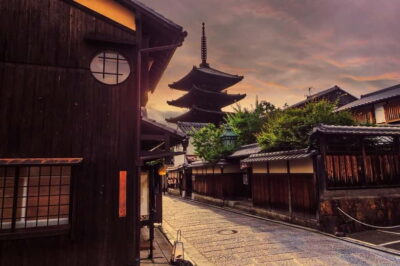
Kyoto Geisha Walking Tour: Gion District & Hidden Gems
Read our review →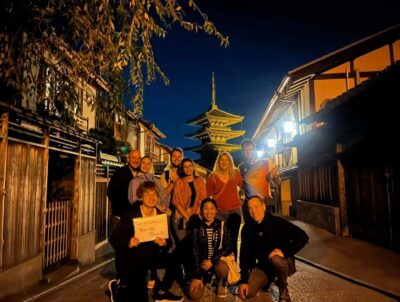
Gion Magical Night Walking Tour with Geisha Trivia
Read our review →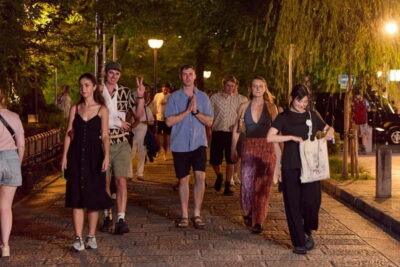
Gion Geisha District Walking Tour – Stories of Geisha
Read our review →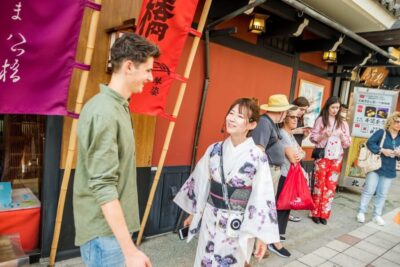
Kyoto Gion Geisha District Walking Tour – The Stories of Geisha
Read our review →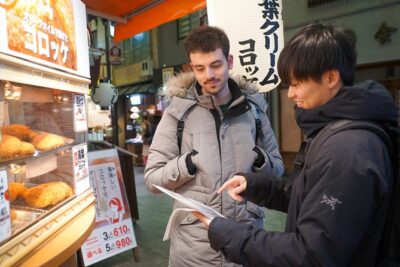
Nishiki Market Brunch Walking Tour (7 Tastings + Brunch)
Read our review →
Kyoto Arashiyama Walking Tour: Bamboo, Monkeys, Gardens & Secrets
Read our review →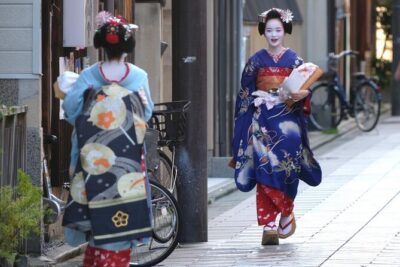
Kyoto Gion: 2-Hour Geisha Culture & History Walking Tour
Read our review →Browse the lists this tour appears in