Reviewed · GUIDED
Kyoto Highlights 7-Hour Private Guided Tour
Kyoto packs an astonishing amount into a small area, and this seven-hour private tour gives you a practical way to connect its major sights without spending the day puzzling over buses and train lines. You can choose a northwest route of bamboo, gardens, temples, and a castle, or a southeast route with sake, shrines, and old hillside streets. I especially like the one-to-one format and the way a guide such as Mie, Choco, Choca, or Mei can explain customs and history as you go.
I also like that your guide handles transportation and that the included one-day bus pass remains useful after the tour. The main drawback is simple: four major stops in seven hours still make for a full day, and you must choose one route unless you arrange to take both tours separately.
Key points at a glance
- Two distinct Kyoto routes: Choose the northwest for bamboo, gardens, Kinkakuji, and Nijo Castle, or the southeast for a sake brewery, Fushimi Inari, Sanjusangendo, and Kiyomizudera.
- A private licensed guide: Your English-speaking guide can adjust explanations and help you navigate local transportation.
- A useful 9:00 start: Meet at Hotel Granvia Kyoto in the JR Kyoto Station building, then spend the day sightseeing rather than finding your first connection.
- A full but measured day: The schedule runs from 9:00 to 16:00, with four principal attractions on the selected route.
- Bus travel included: Transportation and a one-day bus pass are covered, and you can use the pass after the tour.
- Strong guide-led experience: Guides named in feedback include Mie, Choco, Choca, and Mei, with praise for cultural context, friendly help, and clear English.
Why a private Kyoto day can be worth the cost
At $215 per person, this is not a bargain sightseeing bus. You are paying for a private licensed guide, transportation, temple entrance fees, and a seven-hour day built around major Kyoto sights.
That price makes the most sense if you are short on time, visiting Kyoto for the first time, or want help making sense of places that can otherwise blur together. A guide can explain why a rock garden is arranged as it is, point out the meaning of a shrine gate, and help you move between districts without stopping every few minutes to check a map.
The private format also matters for families and couples with different interests. You can ask more questions than you could in a large group, and your guide can spend more time on the places that catch your attention. The one-day bus pass adds value because it remains available after the formal tour ends.
There are limits. Food and drinks are not included, and lunch is not built into the price. One guide, Choca, helped a group find a local ramen restaurant, but that should be treated as a useful possibility rather than a guaranteed part of the tour. You will need to pay for your own meal.
A few more Kyoto tours worth putting on the shortlist
- PERFECT KYOTO 1-Day Bus Tour
★ 5.0 · 13,518 reviews - Kyoto: Fushimi Inari, Kinkakuji, Bamboo Grove 1 Day Bus Tour
★ 4.8 · 4,316 reviews - Kyoto: Tea Ceremony in a Traditional Tea House in Kiyomizu
★ 4.9 · 3,519 reviews
Starting at Kyoto Station at 9:00
The day begins at Hotel Granvia Kyoto, inside the JR Kyoto Station building. This is a sensible meeting point because Kyoto Station is the city’s main transport hub, though the exact meeting point may vary with the option you book.
A 9:00 departure gives you a useful start without requiring an extreme early morning. You should arrive with comfortable shoes, water, and room for a day of walking. The schedule ends at 16:00, with the tour described as finishing near Gion, Kyoto’s famous geisha district. The supplied meeting information also says the activity ends back at the meeting point, so confirm the final drop-off detail for your selected option when booking.
Your guide handles the transport during the tour. That does not remove every transfer or walk, but it does take away much of the mental work. This is especially useful in Kyoto, where the fastest connection can change depending on the district and the time of day.
The northwest route: bamboo, gardens, gold, and a castle
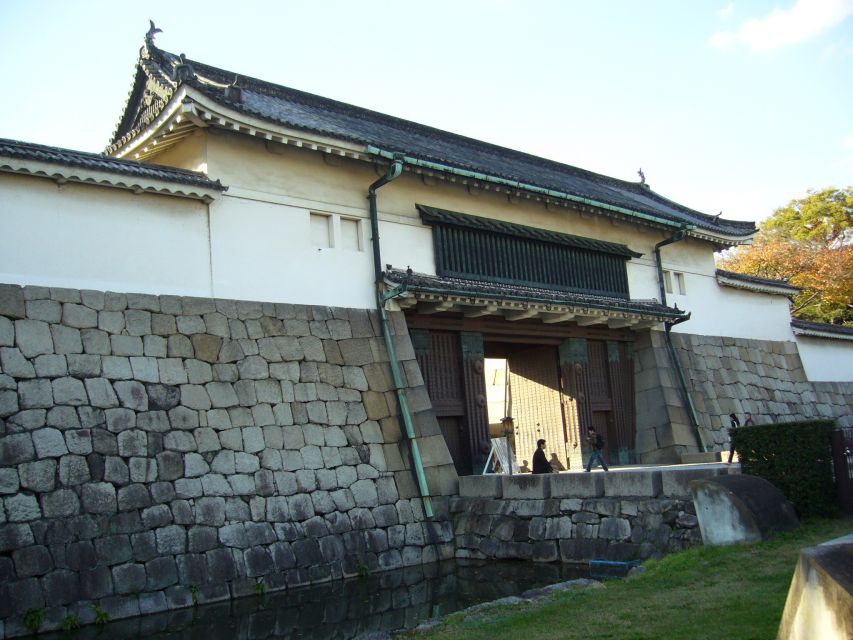
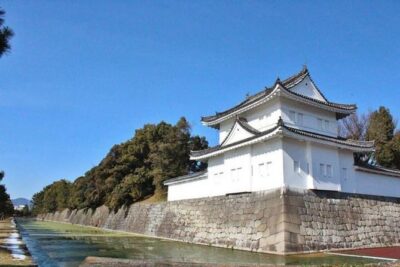
The northwest route is the better pick if you want Kyoto’s classic visual mix. It combines the Bamboo Grove, Ryoanji Temple’s Rock Garden, Kinkakuji, and either Nijo Castle or Nishiki Market.
Bamboo Grove
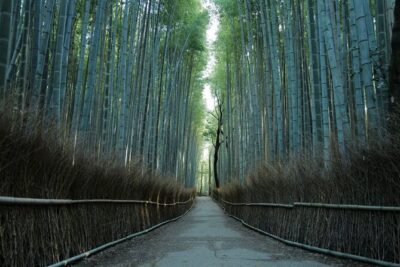
The Bamboo Grove gives the route an immediate sense of place. Tall bamboo creates a narrow green corridor, and the setting feels very different from Kyoto’s temple compounds and busy station districts.
Your guide can help place the grove within the wider Arashiyama area and explain what you are seeing beyond the obvious photo opportunity. The practical point is that this stop is best treated as part of a larger route rather than the whole reason to cross Kyoto. Bamboo is striking, but you will get more from it when it is paired with the gardens and historic sites that follow.
Same city, a completely different kind of day:
- Kyoto Geisha Walking Tour: Gion District & Hidden Gems
★ 4.7 · 3,273 reviews - Kyoto: Tea Ceremony Ju-An at Jotokuji Temple
★ 4.9 · 3,207 reviews - Kyoto: Gion Magical Night Walking Tour with Geisha Trivia
★ 4.9 · 2,393 reviews - Kyoto: 45-Minute Tea Ceremony Lesson Experience
★ 4.3 · 2,378 reviews
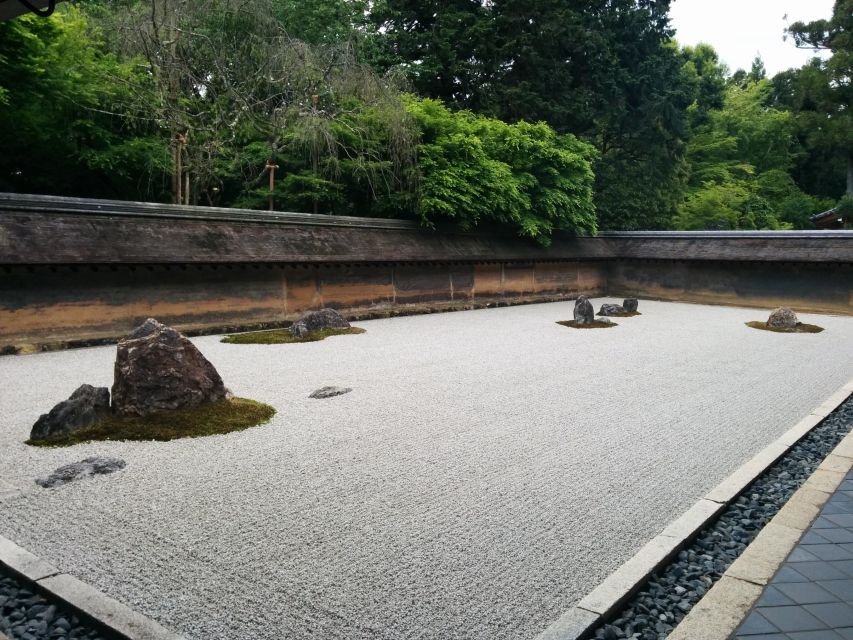
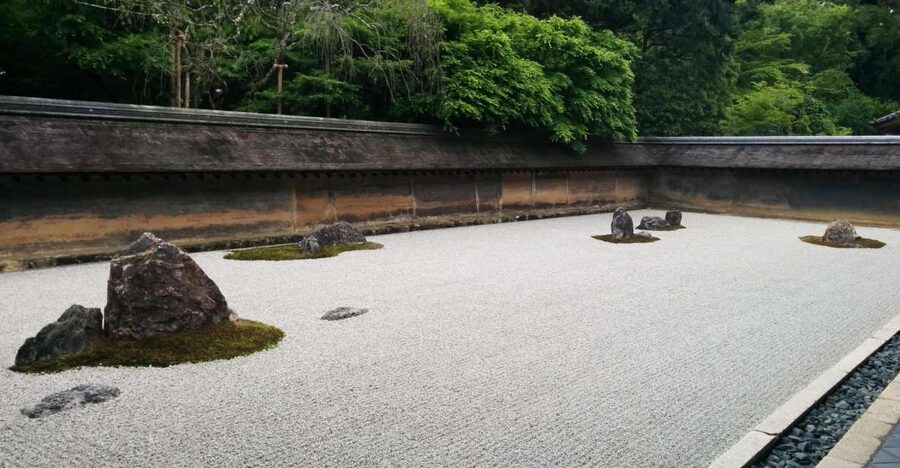
Ryoanji Temple and the Rock Garden
Ryoanji is one of the most rewarding stops for visitors who enjoy quiet spaces and design. Its famous rock garden looks spare at first, but that simplicity invites questions about arrangement, viewpoint, and the way Japanese garden spaces guide attention.
This is where a private guide can add real value. Without context, you may spend a few minutes looking at stones and then move on. With clear explanation, you have a better chance of noticing how the garden controls what you see and how the temple grounds create a change of pace after the Bamboo Grove.
The garden is also one of the reasons this route feels more thoughtful than a simple checklist of famous buildings. You are not only collecting photographs. You are being shown different ways Kyoto uses space, stillness, and carefully framed views.
Kinkakuji, the Golden Pavilion
Kinkakuji is Kyoto’s famous Golden Pavilion, a bright and highly recognizable temple building beside water and gardens. It is one of the city’s essential first-visit sights, and the stop offers the immediate visual impact many people expect from Kyoto.
The drawback is that the pavilion is popular and the visit can feel more like a carefully managed viewing stop than a long period of solitude. Your guide helps by supplying context and directing your attention beyond the building itself. Allow yourself to enjoy the simple fact that this is a spectacular sight, while keeping expectations realistic about quiet contemplation.
Nijo Castle or Nishiki Market
The final northwest choice changes the flavor of the day. Nijo Castle gives you another major historic monument, while Nishiki Market offers a more everyday food and shopping setting.
Choose Nijo Castle if you want the day to remain focused on grand architecture and political history. It also adds variety after several temples and gardens. Choose Nishiki Market if you want to see a lively commercial street and get closer to Kyoto’s food culture. Since food and drinks are not included, the market can be a useful place to arrange your own snack or meal, but you should budget separately.
This route earned particular praise from one participant for its mix of nature, temples, shrines, and a castle. That description is useful: the northwest option is not just a temple circuit. It gives you several different types of Kyoto experience in one day.
The southeast route: sake, shrine gates, and hillside streets
The southeast route works best if you want a stronger look at Kyoto’s religious landmarks and traditional streets. It includes a sake brewery, Fushimi Inari Taisha, Sanjusangendo Temple, Kiyomizudera Temple, and either the Ninenzaka or Sannenzaka slope.
The route lists five possible places, but the tour description frames the day around four major attractions. Your exact combination and time at each stop may depend on the option booked and the pace of the day.
The sake brewery
Starting with a sake brewery gives the route a useful local focus. Sake is not just a drink to sample. It is part of Japan’s food culture and a good way to understand how local products connect with place and tradition.
This stop also breaks up the temple visits. If your Kyoto sightseeing list already contains many shrines and temples, the brewery adds a different subject and gives your guide a chance to explain an important part of Japanese daily culture. Sake tasting or food is not listed as included, so check what is covered before you assume there will be a sample.
Fushimi Inari Taisha
Fushimi Inari is known for its long lines of red torii gates. The shrine provides one of Kyoto’s most memorable walking settings, with the gates creating a strong visual rhythm as you move through the grounds.
The important practical question is time. Fushimi Inari can be explored at several depths, but a seven-hour city route cannot offer an unlimited hike. Your guide can help you see the most important part of the shrine without losing the rest of the itinerary. Wear shoes you can walk in comfortably, since this route includes several temple and shrine areas as well as sloped streets.
Sanjusangendo Temple
Sanjusangendo brings a different kind of temple experience. Its long hall and large collection of Buddhist figures offer a powerful interior visit, especially after the open-air setting of Fushimi Inari.
This is the kind of place where a guide’s explanation helps you notice more than the scale of the building. You can ask questions directly, and the private format gives you room to pause over details that might otherwise pass quickly.
Kiyomizudera and the Ninenzaka or Sannenzaka slopes
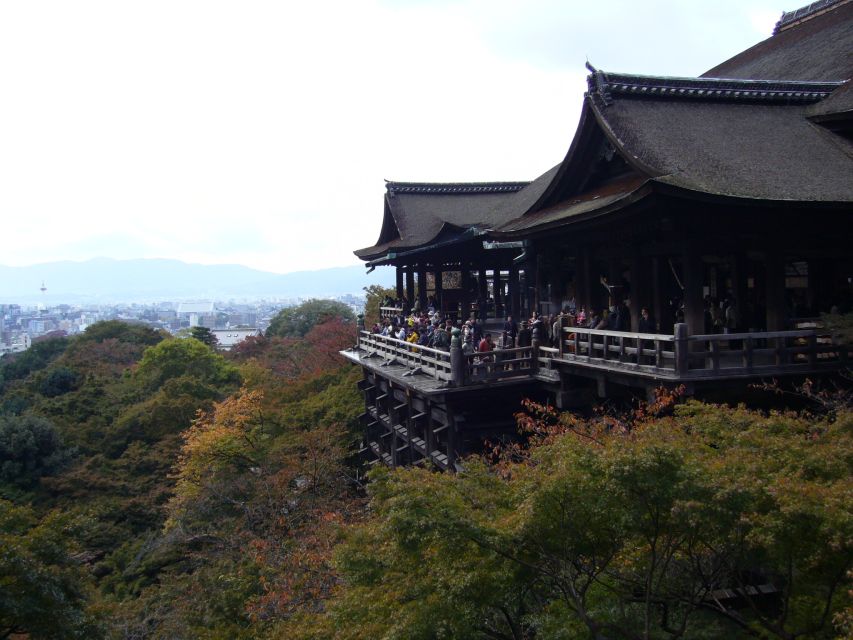
Kiyomizudera is one of Kyoto’s best-known temples, and its hillside setting gives the southeast route a strong finish. The nearby Ninenzaka and Sannenzaka slopes add old-style streets, shops, and a sense of moving through a historic part of the city rather than simply entering one isolated monument after another.
These streets can be crowded and uneven, so this is not the easiest part of the tour for anyone who dislikes slopes or extended walking. Still, the combination is one of the route’s strengths. You get a major temple, traditional streets, and a natural approach to the Gion area where the day ends nearby.
What the guide adds to the sights
The strongest feature of this tour is not the number of places. You can find Kyoto’s famous stops in any guidebook. The difference is having an English-speaking licensed guide beside you to explain what you are seeing and help you move through the city.
Mie was praised for giving useful historical context and making the day feel relaxed without becoming dull. Choco and Choca were singled out for friendliness, cultural explanations, and help with local transport. Mei was described as bringing fun and useful information to the day. These names show the personal nature of the experience, but you should expect the actual guide to depend on availability.
The feedback also points to a valuable benefit for first-time visitors: cultural questions can be answered as they come up. That can prevent small misunderstandings later in your Japan trip. A private conversation is often more useful than a memorized speech, especially when you want to ask why a ritual is performed or how to behave at a shrine.
You should also keep your expectations balanced. A guide can improve the day, but no guide can make four major Kyoto areas feel empty or make a full sightseeing schedule feel effortless. The pace is described as leisurely by one person, yet the route still covers a lot of ground.
Northwest or southeast: choosing the right day
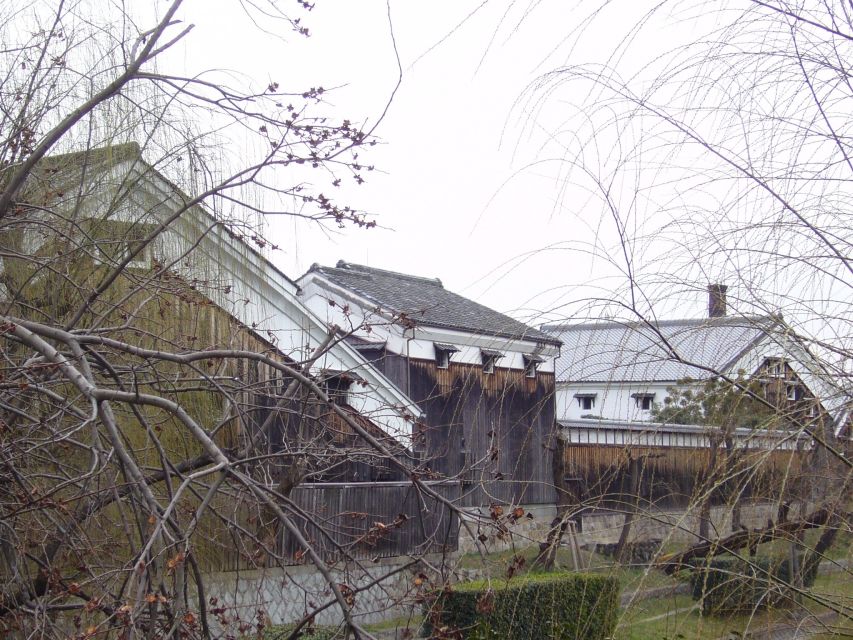
Pick the northwest route if you want:
- Bamboo and garden scenery
- Ryoanji’s Rock Garden
- Kinkakuji, the Golden Pavilion
- A choice between Nijo Castle and Nishiki Market
- A broad mix of nature, temples, shrines, and historic buildings
Pick the southeast route if you want:
- A sake-focused stop
- Fushimi Inari’s torii gates
- Sanjusangendo’s temple interior
- Kiyomizudera and traditional hillside streets
- A finish close to Gion
If you have enough time in Kyoto, the tour information suggests taking both routes to see eight locations at a more relaxed pace. Do not assume that booking one seven-hour tour automatically includes both. Select your route carefully, and ask the provider how the two tours can be combined.
Timing, transport, and what to bring
The tour runs from 9:00 to 16:00. Transportation is included, as are temple entrance fees and a one-day bus pass that you can continue using after the tour.
That pass is a practical extra. Once the guided day ends, you can keep exploring without immediately buying another local ticket, though the pass may not cover every type of transport you use. Your guide can help you understand the local system during the tour.
Bring comfortable walking shoes, water, and money for food and drinks. The tour does not include hotel pickup or drop-off, so you must reach the central meeting point on your own. English is the listed tour language.
Cancellation terms deserve a careful look. The booking information says you can cancel up to 24 hours in advance for a full refund, while the detailed conditions state that 50 percent is charged two days before and 100 percent one day before or on the same day. Since those statements appear inconsistent, confirm the exact policy at booking rather than relying on a last-minute change of plans.
Who should book this Kyoto tour?
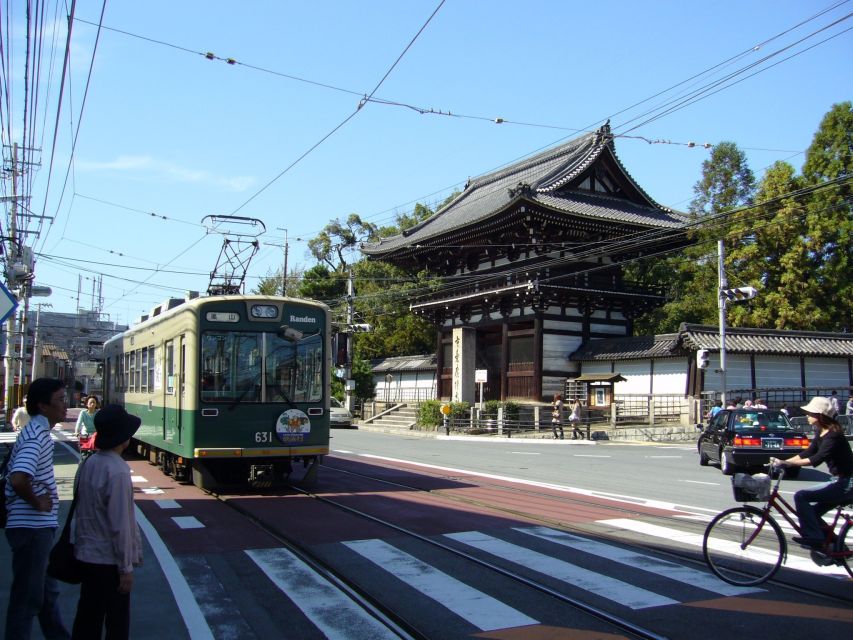
I would recommend this tour to first-time Kyoto visitors who want the major sights explained in plain English and connected by someone familiar with the city. It is also a good fit if you have only one full day and do not want to spend it working out transport between distant districts.
Families, couples, and small private parties should appreciate the ability to ask questions and set the conversational tone. The tour can also suit independent visitors who normally avoid organized sightseeing but want help with one demanding day.
I would think twice if you prefer wandering slowly with no fixed route. Four main stops in seven hours require choices, and the most famous places can be busy. You also need to pay for lunch and drinks, and hotel transfers are not included.
Should you book it?
Book this Kyoto Highlights tour if your priority is efficient sightseeing with real cultural explanation. The private guide, included transport, temple fees, and useful bus pass make the $215 price easier to justify than a simple sightseeing transfer.
Choose northwest for gardens, bamboo, Kinkakuji, and the choice of castle or market. Choose southeast for sake, Fushimi Inari, Kiyomizudera, and the streets near Gion. If you can spare two days, taking both routes should give you a fuller picture of Kyoto without forcing every major sight into one hurried day.
FAQ
Where does the tour start?
It starts at 9:00 at Hotel Granvia Kyoto in the JR Kyoto Station building. The exact meeting point may vary by the option booked.
When does the tour finish?
The tour runs until 16:00. The supplied information places the end near Gion, while the meeting details also refer to ending back at the meeting point, so confirm the final location for your selected option.
How long is the tour?
The tour lasts seven hours, from 9:00 to 16:00.
Is the tour private?
Yes. The experience includes a private licensed guide.
What languages are available?
English is the listed tour language.
Which attractions are on the northwest route?
The northwest route includes the Bamboo Grove, Ryoanji Temple’s Rock Garden, Kinkakuji, and either Nijo Castle or Nishiki Market.
Which attractions are on the southeast route?
The southeast route includes a sake brewery, Fushimi Inari Taisha, Sanjusangendo Temple, Kiyomizudera Temple, and either the Ninenzaka or Sannenzaka slope.
Are entrance fees included?
Entrance fees for temples are included.
Is transportation included?
Yes. Transportation during the tour is included, along with a one-day bus pass that can also be used after the tour.
Are food and drinks included?
No. You pay separately for food and drinks.
Does the tour include hotel pickup and drop-off?
No. Hotel pickup and drop-off are not included. You must reach the central meeting point yourself.
Can I take both routes?
The tour information says you can take both tours to visit eight locations at a more relaxed pace. You should confirm how to book both options.
What is the cancellation policy?
The booking information says cancellations made up to 24 hours in advance receive a full refund. Detailed conditions also state that 50 percent is charged two days before, and 100 percent is charged one day before or on the day itself, so confirm the applicable terms before booking.
Newest Kyoto experiences on the site
- Treasures of Kyoto: Gion & historical Walking Tour★ 5.0 · 6 reviews
- Whisk Your Own Matcha: A Zen Matcha Experience at Temple★ 3.6 · 7 reviews
- Kyoto tea town for matcha lovers★ 5.0 · 16 reviews
- Uji: Private immersion into Kyoto’s tea and reglious culture★ 5.0 · 17 reviews
- Kyoto Matcha Green Tea Tour★ 4.5 · 23 reviews
- Uji and Wazuka Matcha Farm Half Day Private Guided Tour★ 5.0 · 21 reviews
- Utilising upcycled Matcha! Creating matcha incense (Uji, Kyoto)★ 5.0 · 6 reviews
- Sacred Temple Yoga Experience in Japan★ 5.0 · 3 reviews
Guided, compared.
Kyoto Early Morning Tour with English-Speaking Guide
Read our review →
Kyoto 6hr Private Tour with Government-Licensed Guide
Read our review →Early Morning Tour with English-Speaking Guide
Read our review →
Nijo-jo Castle and Ninomaru Palace Guided Tour
Read our review →
Kyoto Gion Night Walk & Geisha District Guided Tour
Read our review →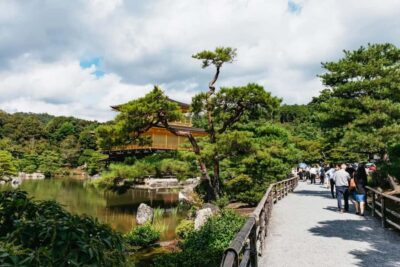
Nijo Castle, Kiyomizu & Fushimi Inari Guided Tour
Read our review →