

Reviewed · GION DISTRICT TOURS
Kyoto: Gion Geisha District Walking Tour and Hidden Gems
Gion is most rewarding when you understand what you’re seeing. This three-hour walk takes you from the city’s famous geisha quarter through old lanes, shrines, temple grounds, and the stone-paved approaches to Kiyomizu-dera. The stories are the main event, especially when your guide explains how maiko and geisha train, work, and fit into modern Kyoto.
I like two things here: the route covers a lot of northern Higashiyama for just $25, and the guides, including Ben and J, bring history down to street level. You’ll also visit quieter corners that are easy to miss when you simply follow the crowds. The drawback is the pace and the steps. Three hours on foot can be tiring, particularly in warm weather or on the uphill stretches toward Kiyomizu-dera.
Key points at a glance
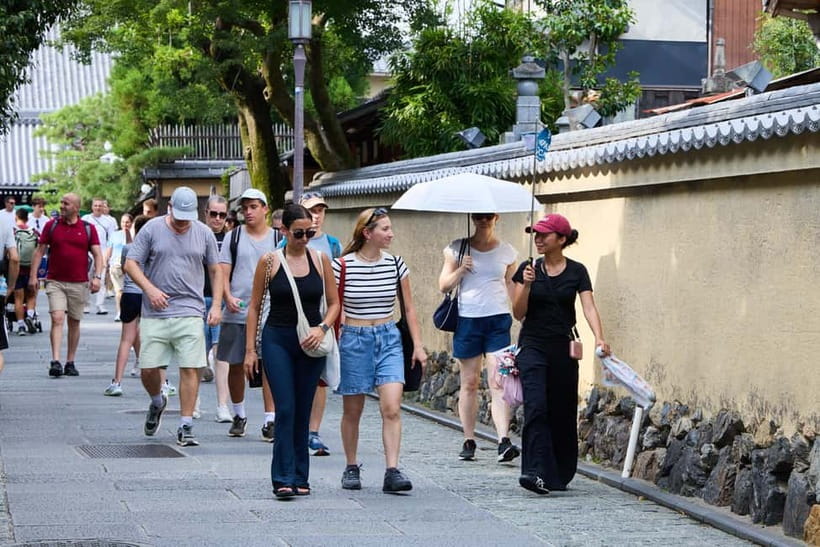
- A full northern Higashiyama route: Walk from central Kyoto through Gion, Maruyama Park, Hōkan-ji, Ninen-zaka, and Sannenzaka.
- Guides who explain, not just point: Ben, J, and Jay are praised for clear history, lively anecdotes, and patient answers.
- Geisha culture with context: Learn about maiko and geisha training, work, customs, and daily life.
- A strong value at $25: You get three hours of guiding across several major areas and historic sites.
- A downhill-to-uphill walking challenge: Expect steps, uneven streets, and a steady route ending at Kiyomizu-dera’s Niomon Gate.
- Small-group potential: The group may be small, allowing plenty of time for questions, though the exact size can vary.
Why this Gion walk works so well
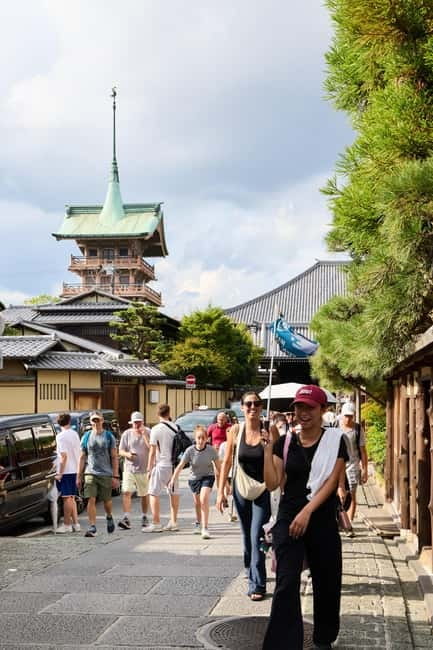
Many Kyoto sightseeing walks stay inside Gion and finish before the city’s older temple district begins. This route keeps going. It starts at Ben’s Cookies Kyoto Shijo, moves into Gion, then continues east through Maruyama Park and the Higashiyama streets before ending at Kiyomizu-dera.
That route matters because Kyoto’s character changes along the way. In Gion, you see the polished face of traditional entertainment: wooden townhouses, teahouses, lanterns, and narrow lanes. Farther east, the mood shifts toward shrines, temple grounds, old stone paths, souvenir shops, and popular viewpoints.
You get a useful mixture of famous sights and less obvious corners. The guide fills in the gaps between them, explaining how an imperial capital became a modern city that still protects old customs. If you only take photos, many details will pass unnoticed. A guide gives you a reason to look twice.
More ways to walk Gion:
- Kyoto Geisha Walking Tour: Gion District & Hidden Gems
★ 4.7 · 3,273 reviews - Kyoto: Gion Magical Night Walking Tour with Geisha Trivia
★ 4.9 · 2,393 reviews - Kyoto: Gion Geisha District Walking Tour – Stories of Geisha
★ 4.7 · 2,187 reviews
Meeting Ben, J, or Jay in central Kyoto
The meeting point is in front of Ben’s Cookies Kyoto Shijo, where the guide holds a sign. That is a simple arrangement, but give yourself enough time to locate the shop and confirm you are at the right spot. The tour begins with a short guided introduction there before heading toward Gion.
The guide names in the feedback include Ben, J, and Jay, and the descriptions are consistently strong. Ben is praised for explaining Kyoto’s past, samurai, the Shinkansen, and even tanuki. J is described as a history graduate who answers questions with care and depth. Jay is noted for keeping a mixed-age family interested, including children aged 11 and 15 and a 79-year-old grandparent.
The important point is that the experience depends partly on the guide assigned to your departure. You can expect an English-speaking live guide, but the exact personality and style may differ. The strongest fit is for someone who enjoys asking questions rather than simply being led from one photo stop to the next.
Gion Tatsumi Bridge and the world of geisha
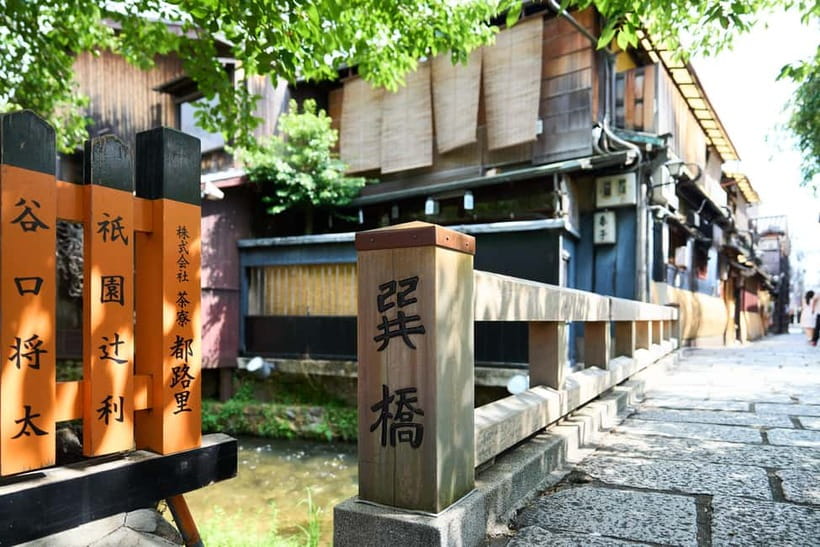
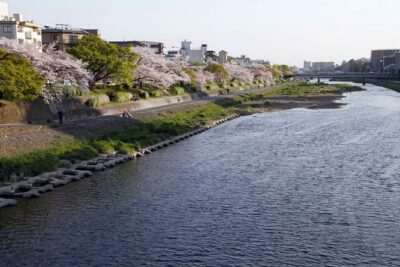
Gion Tatsumi Bridge is an early highlight. It gives you the traditional Kyoto look many people hope to find: a narrow waterway, old buildings, and a quieter atmosphere than the broad shopping streets nearby. The guide uses this area to explain Gion’s role as an entertainment district and to introduce the world of maiko and geisha.
This is where the tour can correct a few common misunderstandings. Geisha are professional entertainers trained in traditional arts, while maiko are apprentices. Their work is tied to formal hospitality, performance, conversation, and long years of practice. The tour focuses on how that culture functions rather than treating it as a costume display.
That distinction is valuable. You are walking through a living neighborhood, not a stage set. The wooden buildings are connected to homes, businesses, and working teahouses. Keep your camera respectful, follow your guide’s instructions, and remember that a quiet lane is not automatically a public performance area.
The stop lasts about 20 minutes, long enough for an explanation and photographs without turning the tour into a long wait beside the bridge. Gion can be crowded, so your guide’s commentary helps you stay focused when the street itself feels busy.
Chion-in: grand gates and a longer look at Kyoto’s faith
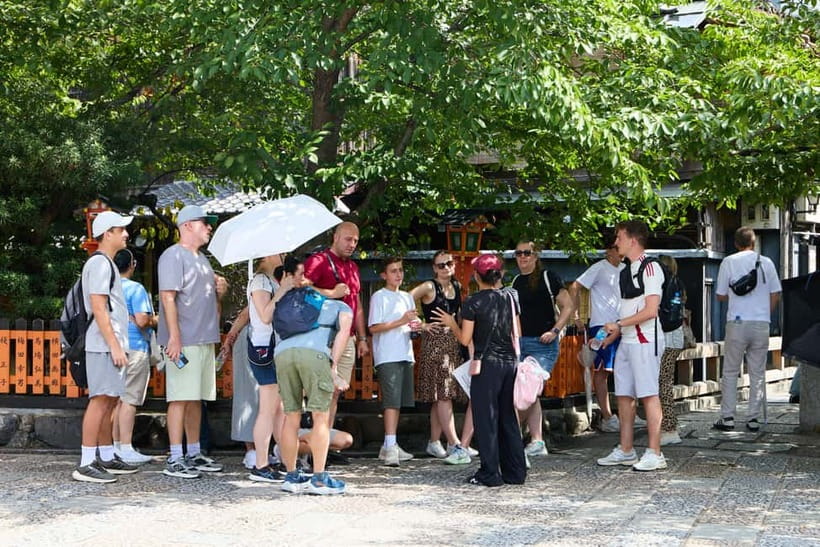
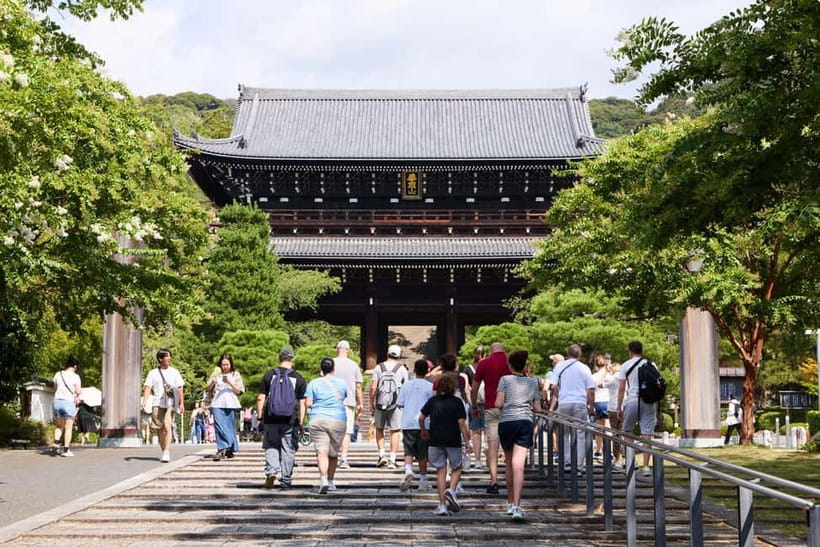
From Gion, the walk reaches Chion-in, one of the major temple stops on the route. You have around 30 minutes here, the longest scheduled stop, and that extra time lets the guide discuss the religious side of Kyoto in more detail.
Chion-in gives the route a sense of scale after Gion’s close lanes. Its grounds, gates, and broad approach show a more formal side of traditional Japan. The guide connects the temple to Kyoto’s religious traditions and to the long relationship between civic life and Buddhist institutions.
Expect steps in this part of the walk. The activity information specifically warns of many stairs, and Chion-in is one reason you should take that warning seriously. You do not need to be an athlete, but you should be comfortable walking for three hours and climbing repeated stairways.
I like this stop because it prevents the tour from becoming only a geisha-themed outing. Kyoto is not just tea houses and photogenic alleys. Its temples and religious customs are essential to understanding why the city looks and behaves as it does.
More geisha and maiko evenings in Kyoto:
- Best of Kyoto: Gion, Geisha, Pagodas & Cobblestones
★ 4.9 · 2,058 reviews - Night Walk in Gion: Kyoto’s Geisha District
★ 4.5 · 2,003 reviews - Kyoto Gion Geisha District Walking Tour – The Stories of Geisha
★ 5.0 · 1,441 reviews - Kyoto Gion: 2-Hour Geisha Culture & History Walking Tour
★ 5.0 · 1,186 reviews
Maruyama Park, a pause among Kyoto’s old neighborhoods
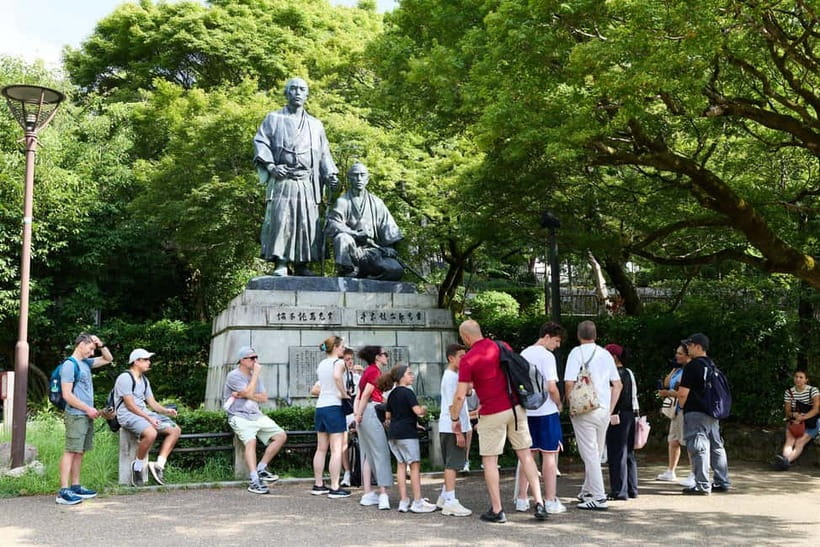
Maruyama Park follows Chion-in and provides a change of pace. You spend about 20 minutes here with the guide, learning about the park and its place within the Higashiyama area.
The park is useful as a breathing space. After the close streets and temple steps, you get more room to pause and listen. Your guide can also place the nearby sites into a larger picture, showing how Gion, Chion-in, Maruyama, and the eastern temple district connect.
Do not expect a long nature walk. This is a guided stop within a larger city route, not a separate park excursion. Its value comes from the pause, the setting, and the explanations rather than from a long list of attractions.
If you are taking the tour in a busy season, this may also be one of the easier places to regroup. Keep water with you. The tour lasts three hours, and the route continues through areas where you may want to stop for photos but do not necessarily have time for a full break.
Hōkan-ji and the famous Higashiyama streets
The route then reaches Hōkan-ji, followed by short guided stops at Ninen-zaka and Sannenzaka. The timing is brief, about 10 minutes at Hōkan-ji and five minutes at each of the two historic paths, so think of these as focused introductions rather than full temple visits.
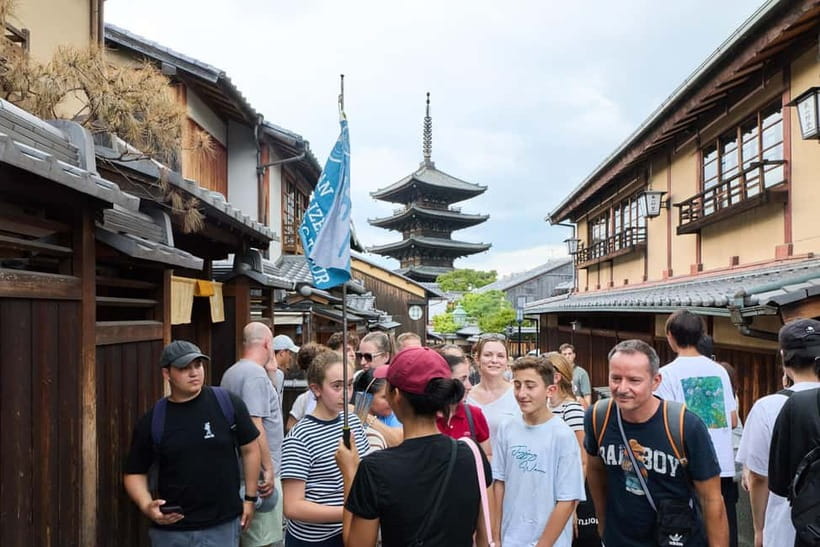
Hōkan-ji is known for its striking pagoda and its place within Kyoto’s old eastern quarter. The guide can help you understand how the surrounding buildings, lanes, and temple views work together. This is a good spot for photographs, but the explanation matters just as much because the area can feel like a picture postcard without context.
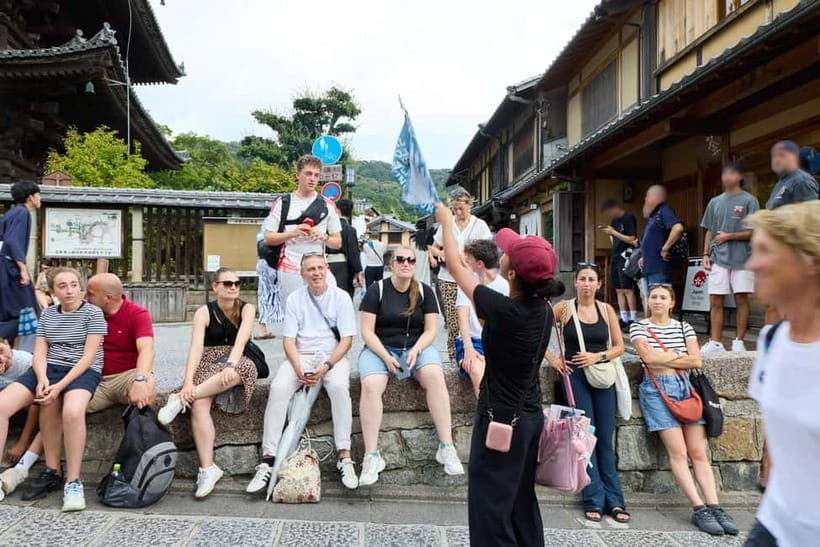
Ninen-zaka and Sannenzaka are among Kyoto’s most recognizable pedestrian streets. Their sloping stone paths, preserved wooden buildings, and traditional shops make them memorable, but they are also popular. You should expect more foot traffic here than in the quieter lanes earlier in the tour.
The short stops make sense for the route. You see the character of both streets, learn why they matter, and continue toward Kiyomizu-dera rather than spending the whole afternoon in one shopping lane. If you want time to browse shops or eat along the way, plan to return later. This tour is built around walking and interpretation, not extended shopping.
Finishing at Kiyomizu-dera’s Niomon Gate
The tour ends at the Niomon Gate of Kiyomizu-dera. That final location is one of the route’s best practical features. You do not return to the starting point, and you finish beside one of Kyoto’s major cultural sights.
The ending also gives the walk a clear sense of progress. You begin in the modern central city, pass through Gion, move across temple grounds and park paths, and finish at the entrance to a major eastern Kyoto landmark. One guide described the finale as especially memorable, and it is easy to see why the route builds toward this point.
The tour does not state that admission to Kiyomizu-dera is included, so treat the Niomon Gate as the finish rather than assuming the activity includes a full temple visit. If you want to enter Kiyomizu-dera afterward, you can make that a separate plan.
This finish is especially useful if Kiyomizu-dera is already on your schedule. You can continue sightseeing from there instead of losing time retracing the route to central Kyoto.
What the $25 price really buys you
At $25 per person, this is inexpensive for a three-hour guided walk through several of Kyoto’s best-known historic areas. You are paying for an English-speaking guide, route planning, local explanation, and the ability to connect separate sights into one story.
The value is strongest if you want orientation early in your Kyoto stay. In three hours, you cover ground that could otherwise take careful map work and several separate walks. You also gain historical context about geisha culture, religious traditions, old neighborhoods, and modern Japanese life.
It is less valuable if you prefer wandering alone, dislike fixed routes, or want long visits inside each temple. The schedule moves steadily, and several stops are short. At $25, though, the trade-off is fair: you get breadth and explanation rather than a slow, in-depth visit to one site.
The reported overall rating is 4.9 from 14 reviews, with repeated praise for the guides’ history knowledge, friendly manner, patience, and ability to answer questions. That pattern suggests the guide is the key part of the purchase. The monuments provide the setting, but the explanations make the three hours worthwhile.
Fitness, clothing, and the daily practical side
Bring water. The activity specifically warns about many steps and says it is not suitable for people with a low level of fitness. Wear comfortable walking shoes and expect uneven streets, slopes, and stairways.
The route is three hours, so you should be ready to remain on your feet for most of that time. One account describes it as a long walk but notes that the guide allowed rest when possible. That is encouraging, but you should not count on frequent long breaks.
The tour is conducted in English. Alcohol and drugs are not allowed. Cancellation is free up to 24 hours before the start, and the reserve-now, pay-later option can help if your Kyoto plans are still shifting.
Group size can affect the feel of the outing. A very small group may give you something close to a private walk, with more time for questions. A larger group may feel less personal, but the route still works because the main sights are close together and the guide can keep everyone moving.
Who should book this Kyoto walk?
I would choose this tour if you want a clear introduction to Gion and northern Higashiyama without paying for a private guide. It suits first-time Kyoto visitors, history fans, families with older children, and anyone who likes to connect architecture with daily life.
It also works well for mixed-age groups. The reported experience of a family ranging from 11 to 79 is useful here: the tour can hold the attention of different ages when the guide explains stories clearly and keeps the walk moving.
You may want something else if you have limited mobility, tire quickly, or want a leisurely route with lots of café and shop time. The stairs and three-hour duration are real considerations, not minor footnotes.
If geisha culture is your only interest, the route may feel broad because it also includes Buddhist temples, a park, historic streets, and general Kyoto history. That breadth is the point, though. You leave with a better sense of how Gion fits into the wider city.
Final verdict: a smart first walk in Kyoto
Book this tour if you want good historical explanation, broad coverage, and a low price. The guides’ strongest qualities are their warmth, patience, and ability to connect small details with Kyoto’s long past. Ben, J, and Jay are all described as lively and clear, with enough knowledge to handle questions about both history and everyday Japan.
The main caution is physical. You will cover a lot of ground, climb many steps, and finish at Kiyomizu-dera rather than returning to the start. For a fit walker, that one-way route is efficient and memorable. For anyone who needs a slow pace, it may be too demanding.
At $25, this is one of the better-value ways to get your bearings in Kyoto. Choose it early in your visit, carry water, wear solid shoes, and leave the final stretch open so you can continue exploring around Kiyomizu-dera.
FAQ
How long does the Gion walking tour last?
The tour lasts three hours.
What language is the tour conducted in?
The tour is conducted in English with a live guide.
Where does the tour meet?
The meeting point is in front of Ben’s Cookies Kyoto Shijo. The guide will hold a sign.
Where does the tour finish?
The tour finishes at the Niomon Gate of Kiyomizu-dera.
Does the tour include a guide?
Yes. A guided tour with an English-speaking live guide is included.
Which places are visited?
The route includes Gion Tatsumi Bridge, Chion-in, Maruyama Park, Hōkan-ji, Ninen-zaka, and Sannenzaka before finishing at Kiyomizu-dera’s Niomon Gate.
Is the tour suitable for people with low fitness?
No. The tour includes many steps and is not suitable for people with a low level of fitness.
Can I cancel the booking for a refund?
Yes. You can cancel up to 24 hours in advance for a full refund. You can also reserve now and pay later.
More Walking Tours in Kyoto
- Nishiki Market Brunch Walking Tour (7 Tastings + Brunch)
★ 5.0 · 1,355 reviews - Kyoto Arashiyama Walking Tour: Bamboo, Monkeys, Gardens & Secrets
★ 5.0 · 1,216 reviews - Kyoto: Izakaya Bars Guided Walking Tour
★ 4.9 · 815 reviews - Kyoto Gion Night Walk & Geisha District Guided Tour
★ 5.0 · 786 reviews
Newest Kyoto experiences on the site
- Treasures of Kyoto: Gion & historical Walking Tour★ 5.0 · 6 reviews
- Whisk Your Own Matcha: A Zen Matcha Experience at Temple★ 3.6 · 7 reviews
- Uji: Private immersion into Kyoto’s tea and reglious culture★ 5.0 · 17 reviews
- Kyoto tea town for matcha lovers★ 5.0 · 16 reviews
- Kyoto Matcha Green Tea Tour★ 4.5 · 23 reviews
- Uji and Wazuka Matcha Farm Half Day Private Guided Tour★ 5.0 · 21 reviews
- Utilising upcycled Matcha! Creating matcha incense (Uji, Kyoto)★ 5.0 · 6 reviews
- Sacred Temple Yoga Experience in Japan★ 5.0 · 3 reviews
Gion District Tours, compared.
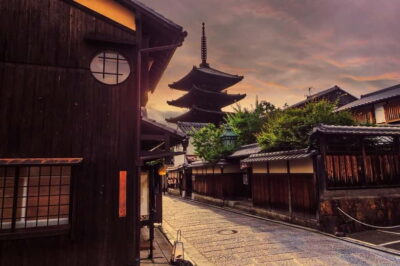
Kyoto Geisha Walking Tour: Gion District & Hidden Gems
Read our review →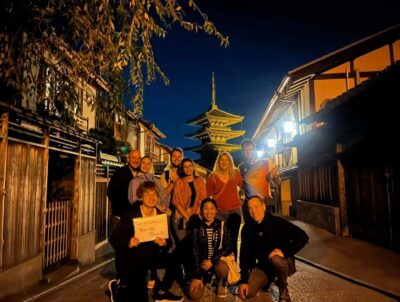
Gion Magical Night Walking Tour with Geisha Trivia
Read our review →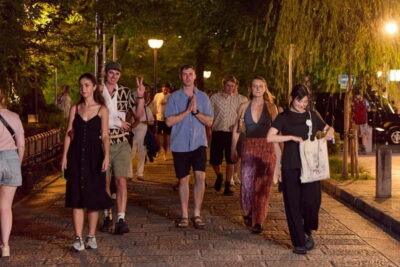
Gion Geisha District Walking Tour – Stories of Geisha
Read our review →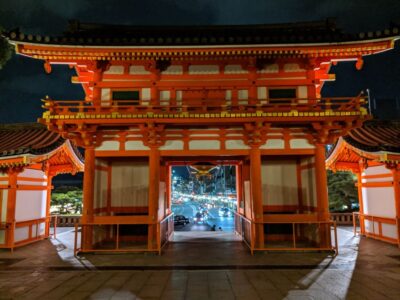
Best of Kyoto: Gion, Geisha, Pagodas & Cobblestones
Read our review →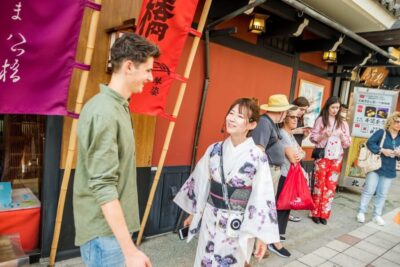
Kyoto Night Foodie Tour in Gion (9+ dishes + 6 Sake tastings)
Read our review →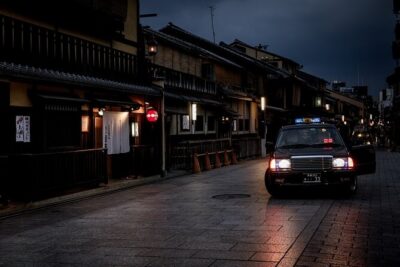
Kyoto Gion Geisha District Walking Tour – The Stories of Geisha
Read our review →
Kyoto Gion: 2-Hour Geisha Culture & History Walking Tour
Read our review →Browse the lists this tour appears in