
Reviewed · GION DISTRICT TOURS
Kyoto: Gion & Geisha district evening tour
Kyoto’s geisha districts are best seen after sunset, when wooden teahouses glow and the narrow lanes take on a quieter, more private mood. This 150-minute walk takes you from the Izumo-no-Okuni statue through Gion, Hanamikoji, Miyagawacho, Ninenzaka, and Yasaka Shrine.
I like the route for two reasons: it visits two different geisha districts, not only the famous Gion streets, and it gives you a guide to explain customs that are easy to misunderstand. The finish near Yasaka Shrine and Yasaka Pagoda also gives the walk a strong sense of place.
The main drawback is value. At $64 per person, you are paying for interpretation and a private-group experience, not entry tickets, food, or a performance. You can walk much of this route on your own, and seeing a geiko or maiko is never promised.
Key points to know before you book
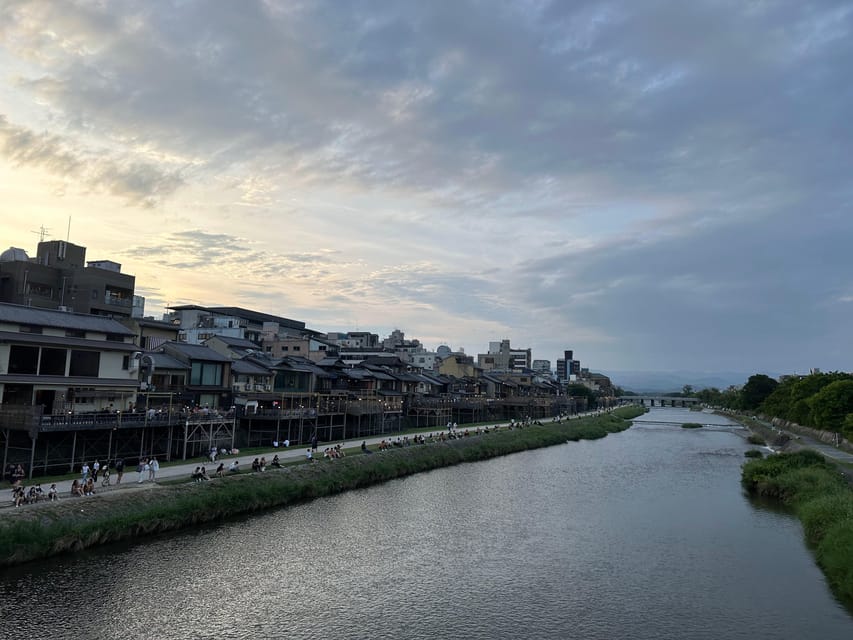
- Gion after dark: See Gion Shirakawa and its traditional teahouses in the evening, when the streets feel at their most atmospheric.
- Two geisha districts: Compare famous Hanamikoji with quieter Miyagawacho, a useful contrast for understanding Kyoto’s old entertainment quarters.
- A guide who adds context: Your Japanese or English-speaking guide explains geiko and maiko life, local customs, and the meaning behind the places you pass.
- Yasui Konpiragu Shrine: Stop at a shrine associated with relationships, adding a spiritual layer to the walk.
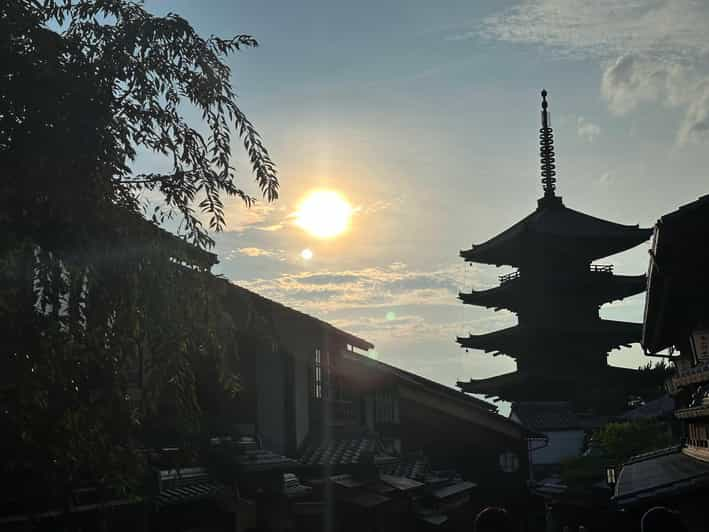
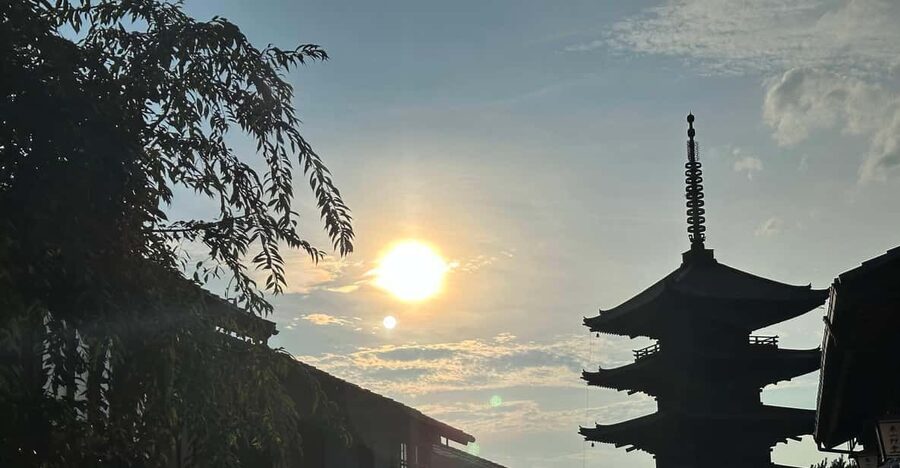
- A scenic finish: Continue past Yasaka Pagoda, Ninenzaka, and Ishibe Alley before ending at Yasaka Shrine.
- Respect matters: Photography may be restricted in some areas, and geisha privacy should be treated seriously.
Starting beside the Izumo-no-Okuni statue
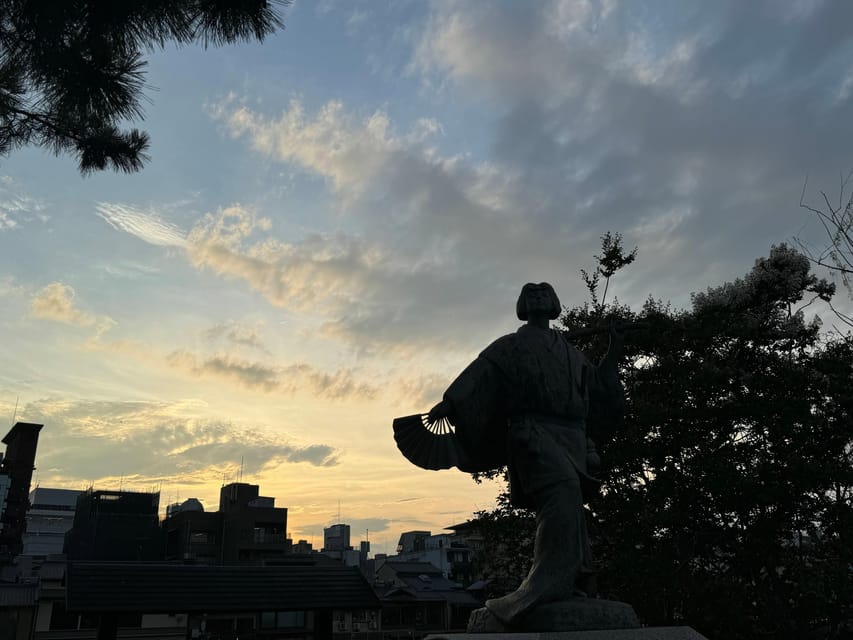
The meeting point is in front of the statue of Izumo-no-Okuni near Shijo Ohashi. Look for a guide holding a yellow DeepExperience sign. This is a useful landmark in a busy part of Kyoto, but give yourself time to find the statue before the scheduled start.
Izumo no Okuni is traditionally linked with the creation of kabuki, so the meeting point fits the evening’s subject. You begin near the Kamo River, then move toward the old entertainment districts where Kyoto’s performing arts and tea-house culture developed.
The tour runs for two and a half hours, with about 15 minutes listed for each main stop. Those short blocks work well if you want an overview rather than a long lecture in one place. The actual walking time between stops also matters, so wear shoes you can walk in comfortably.
This is advertised as a private group, which can make questions easier than on a large public walk. If you are visiting with children, the guide can also adjust the pace and explanations. One guide named Yurie received special praise for being patient and engaging with a tween and a teenager, though your guide may be someone else.
More ways to walk Gion:
- Kyoto Geisha Walking Tour: Gion District & Hidden Gems
★ 4.7 · 3,273 reviews - Kyoto: Gion Magical Night Walking Tour with Geisha Trivia
★ 4.9 · 2,393 reviews - Kyoto: Gion Geisha District Walking Tour – Stories of Geisha
★ 4.7 · 2,187 reviews
Gion Shirakawa after sunset
Gion is Kyoto’s best-known geisha district, and Gion Shirakawa gives you the classic first look. The area is known for traditional teahouses, old wooden buildings, and a graceful canal-side setting. At night, the light is softer and the streets often feel less exposed than they do in the daytime.
Your guide explains the difference between a geiko and a maiko and discusses the world behind the closed doors of the teahouses. That background is important. Without it, you may see an elegant figure pass by and understand very little about the training, work, and social customs involved.
Do not treat the district as a stage set. Geiko and maiko are working people moving between appointments, and the tour’s own advice is clear: respect their privacy. Avoid chasing anyone, blocking a lane, or taking photographs where signs or local rules prohibit it.
The chance of seeing a geiko or maiko is part of the appeal, but it is not a feature you can count on. One person completed the walk without seeing any, while another found the evening especially rewarding because the timing offered a chance to see geisha going about their work. The sensible approach is to value the streets and the explanation first, and regard a sighting as a bonus.
Hanamikoji Street and the public face of Kyoto’s tea-house world
Hanamikoji Street is one of the most recognizable roads in Gion. Its traditional façades and long-running tea-house culture make it a natural place for your guide to explain how Kyoto’s geisha districts function.
The street is attractive, but it is also the part of the route most likely to feel familiar from photographs and guidebooks. That is not a bad thing. A guide helps you look past the pretty buildings and understand what you are seeing, including the difference between a tourist-facing street and the private world beyond the entrances.
You will have around 15 minutes of guided time here. That is enough for orientation and questions, but not enough for a detailed architectural study. If you want to photograph the street, listen closely for instructions about where photography is allowed.
The evening setting is a real advantage. Daytime visitors can fill the road and make it hard to appreciate the quiet details. After dark, the lanterns and wooden fronts create a stronger sense of the district’s older character, even though the area remains a popular stop.
Miyagawacho, a quieter second district
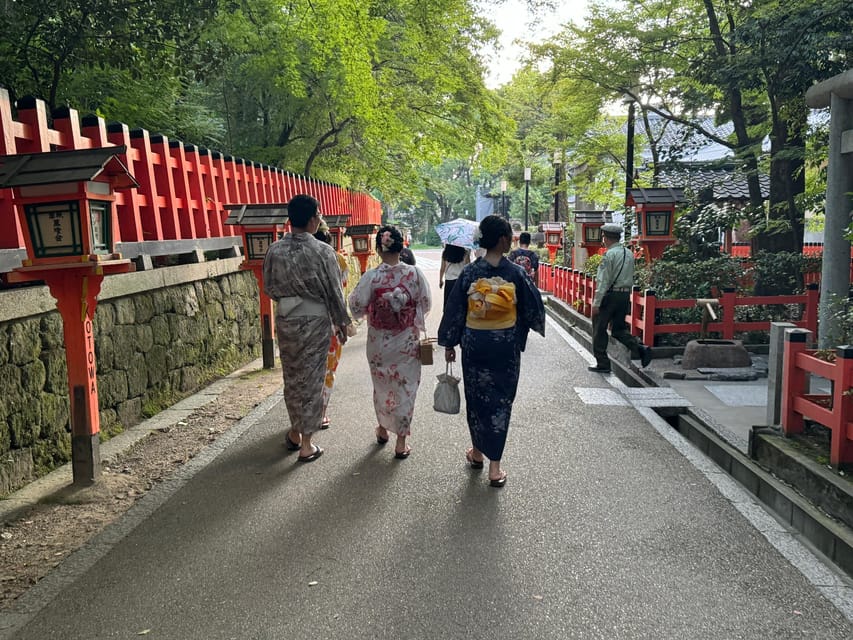
Miyagawacho offers the most useful comparison on the route. It is another geisha district, but it generally feels less exposed to the public gaze than Hanamikoji. Walking here helps you see that Kyoto’s traditional entertainment world is not limited to one famous street in Gion.
This stop is particularly worthwhile if you have already wandered through central Gion on your own. Instead of repeating the same postcard view, the tour takes you to a different quarter and explains how the districts relate to Kyoto’s preserved culture.
The word quieter should not make you expect an empty village. This is still a city neighborhood, and the tour remains an evening walk on public streets. Its appeal lies in the change of mood and the guide’s explanation, not in a guaranteed private encounter.
For me, this is one of the strongest reasons to consider the tour. A self-guided walk can take you to Hanamikoji easily, but you may not think to add Miyagawacho or understand why it matters. The second district gives the route more depth.
More geisha and maiko evenings in Kyoto:
- Best of Kyoto: Gion, Geisha, Pagodas & Cobblestones
★ 4.9 · 2,058 reviews - Night Walk in Gion: Kyoto’s Geisha District
★ 4.5 · 2,003 reviews - Kyoto Gion Geisha District Walking Tour – The Stories of Geisha
★ 5.0 · 1,441 reviews - Kyoto Gion: 2-Hour Geisha Culture & History Walking Tour
★ 5.0 · 1,186 reviews
Yasui Konpiragu Shrine and relationships
The visit to Yasui Konpiragu Shrine changes the pace from street walking to a more focused cultural stop. The shrine is associated with relationships, making it a place where people reflect on connections, separation, and personal hopes.
The supplied schedule lists about 15 minutes here. That is enough to hear the basic story and see the shrine, but you should not expect an extended ceremony or a meal. Food and drinks are not included anywhere on the tour.
This stop also shows why a guide can add value beyond pointing out old buildings. Kyoto’s shrines often carry meanings that are not obvious from their gates or stone markers. A short explanation helps you understand why this particular place matters to local visitors.
Keep your expectations measured. The experience is a guided visit, not a religious service or a hands-on ritual. If you want to pray or look around, follow the guide’s instructions and behave quietly, especially during the evening.
Past Yasaka Pagoda, through Ninenzaka and Ishibe Alley
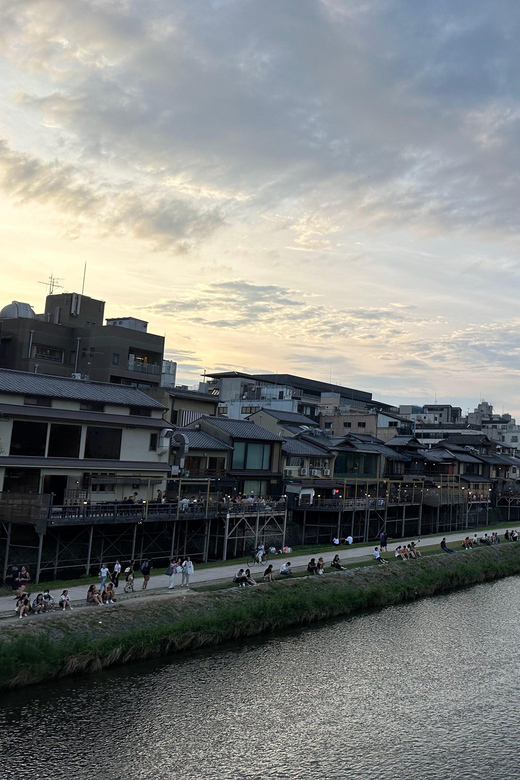
After the geisha districts and shrine visit, the route turns toward some of Kyoto’s most scenic old streets. You pass Yasaka Pagoda, continue through Ninenzaka, and walk along Ishibe Alley before reaching Yasaka Shrine.
This section gives the evening a pleasant change of scenery. The old lanes and traditional buildings create a visual link between Gion’s tea-house quarters and the wider historic district around Higashiyama. It also provides more opportunities to ask questions while walking instead of standing in one spot.
Ninenzaka is a popular area, so do not assume the entire finish will be silent or empty. Its slopes and stone lanes can also be tiring after two hours on foot. That is why comfortable shoes are not a minor suggestion here. The route includes a lot of walking, and the final stretch comes when your feet may already be feeling it.
Yasaka Pagoda is a passing point rather than a separate entry visit in the information provided. Likewise, Ishibe Alley is part of the walking route. The attraction is the sequence of streets and views, not access to an interior or a formal performance.
Ending at Yasaka Shrine
Yasaka Shrine is an important cultural site and a fitting endpoint. After learning about Kyoto’s geisha districts, you finish at a major shrine connected to the city’s long religious and civic life.
The tour gives you roughly 15 minutes of guided attention here. That is useful for a final explanation and orientation, but it will not cover every part of the shrine complex. If you want a slower visit, you can return later on your own.
Ending here also makes practical sense. Yasaka Shrine is a clear landmark, and the route finishes in a part of Kyoto where you can continue your evening. The tour does not include dinner, so you may want to plan a meal afterward rather than expecting one along the way.
What the $64 price really buys
At $64 per person, this is not the cheapest way to see Gion. Most of the streets, shrines, and viewpoints are public, and you could walk through the districts independently without paying an entrance fee.
The value comes from structure, explanation, and access to a private group format. You do not need to research the difference between geiko and maiko, locate Miyagawacho, or work out how to connect Gion with Ninenzaka and Yasaka Shrine. A guide also gives you a chance to ask questions about customs that are easy to misread.
The price is harder to justify if you are staying in Gion, enjoy planning your own walks, and mainly want photographs. In that case, you can explore at your own speed and spend the money on dinner instead. The route is straightforward enough for an independent walk, though you will lose the local commentary.
I would see the tour as better value for a first visit, a family group, or anyone who wants cultural context without committing to a full-day program. The strongest praise has focused on the guide’s explanations, stories, and ability to keep younger visitors involved. That is the part you are paying for.
Who should take this evening walk
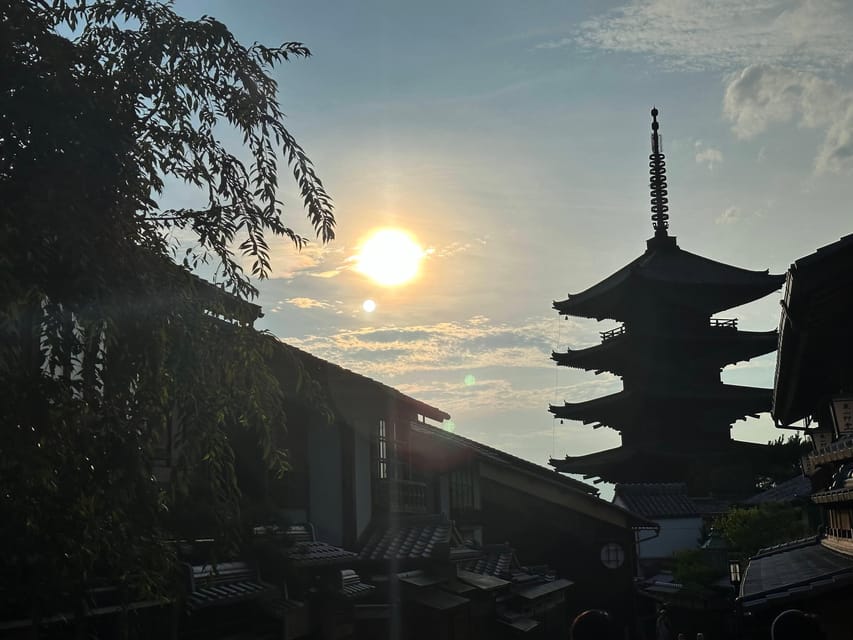
I would recommend it to you if you want a clear introduction to Kyoto’s geisha districts and prefer learning while walking. It suits couples, families with older children, and first-time visitors who want a planned evening but do not want a stage show or formal class.
It is also a good choice if you care about respectful travel. The guide can explain why you should not photograph geiko or maiko in restricted areas and why the districts are working neighborhoods, not open-air entertainment parks.
You may want to skip it if your only goal is to see a geisha. Sightings are not guaranteed, and one completed tour had no sightings at all. You should also think twice if $64 feels high for a walking route you could follow independently.
Bring comfortable shoes and a light layer suited to the evening. Food and drinks are not included, and the tour ends at Yasaka Shrine, so plan your next stop before you set out.
My call: book it for context, not a guaranteed sighting
Book this walk if you want an informed introduction to Gion, Hanamikoji, and Miyagawacho, with a scenic finish through Ninenzaka and Yasaka Shrine. The two-district route, relationship shrine, and evening timing give it more substance than a simple stroll down Hanamikoji Street.
Skip it if you are comfortable exploring on your own and mainly want to save money. At $64, the tour earns its price through the guide’s stories and cultural context, not exclusive access. Go with realistic expectations, respect local privacy, and you will get the most from the evening.
FAQ
How long does the Kyoto Gion and geisha district tour last?
The tour lasts 150 minutes, or two and a half hours.
Where does the tour start?
Meet in front of the Statue of Izumo-no-Okuni near Shijo Ohashi. The guide will hold a yellow sign with the DeepExperience logo.
Where does the tour finish?
The walk finishes at Yasaka Shrine after passing Yasaka Pagoda, Ninenzaka, and Ishibe Alley.
Which languages are available?
The live guide service is available in Japanese and English.
Is this a private tour?
Yes. The activity is offered as a private group experience.
Does the tour include food or drinks?
No. Food and beverages are not included.
Will I definitely see a geiko or maiko?
No. Seeing a geiko or maiko is not guaranteed. Photography may also be restricted in certain areas.
What should I wear?
Wear comfortable shoes because the tour involves a lot of walking.
Newest Kyoto experiences on the site
- Treasures of Kyoto: Gion & historical Walking Tour★ 5.0 · 6 reviews
- Whisk Your Own Matcha: A Zen Matcha Experience at Temple★ 3.6 · 7 reviews
- Kyoto tea town for matcha lovers★ 5.0 · 16 reviews
- Uji: Private immersion into Kyoto’s tea and reglious culture★ 5.0 · 17 reviews
- Kyoto Matcha Green Tea Tour★ 4.5 · 23 reviews
- Uji and Wazuka Matcha Farm Half Day Private Guided Tour★ 5.0 · 21 reviews
- Utilising upcycled Matcha! Creating matcha incense (Uji, Kyoto)★ 5.0 · 6 reviews
- Sacred Temple Yoga Experience in Japan★ 5.0 · 3 reviews
Gion District Tours, compared.
Kyoto Geisha Walking Tour: Gion District & Hidden Gems
Read our review →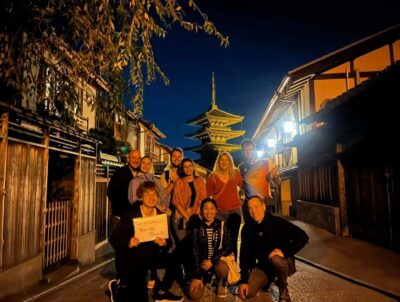
Gion Magical Night Walking Tour with Geisha Trivia
Read our review →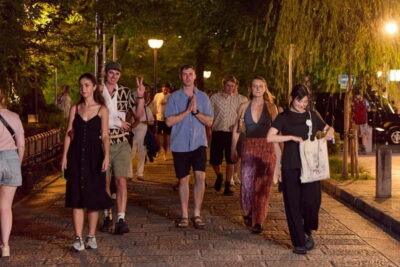
Gion Geisha District Walking Tour – Stories of Geisha
Read our review →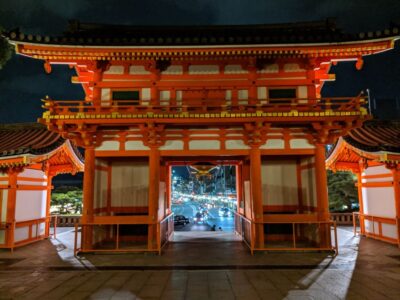
Best of Kyoto: Gion, Geisha, Pagodas & Cobblestones
Read our review →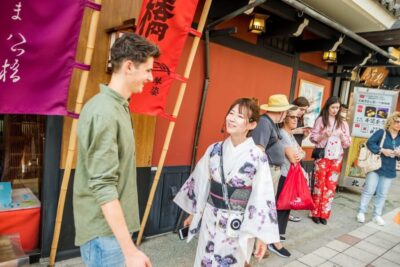
Kyoto Night Foodie Tour in Gion (9+ dishes + 6 Sake tastings)
Read our review →
Kyoto Gion Geisha District Walking Tour – The Stories of Geisha
Read our review →
Kyoto Gion: 2-Hour Geisha Culture & History Walking Tour
Read our review →Browse the lists this tour appears in