
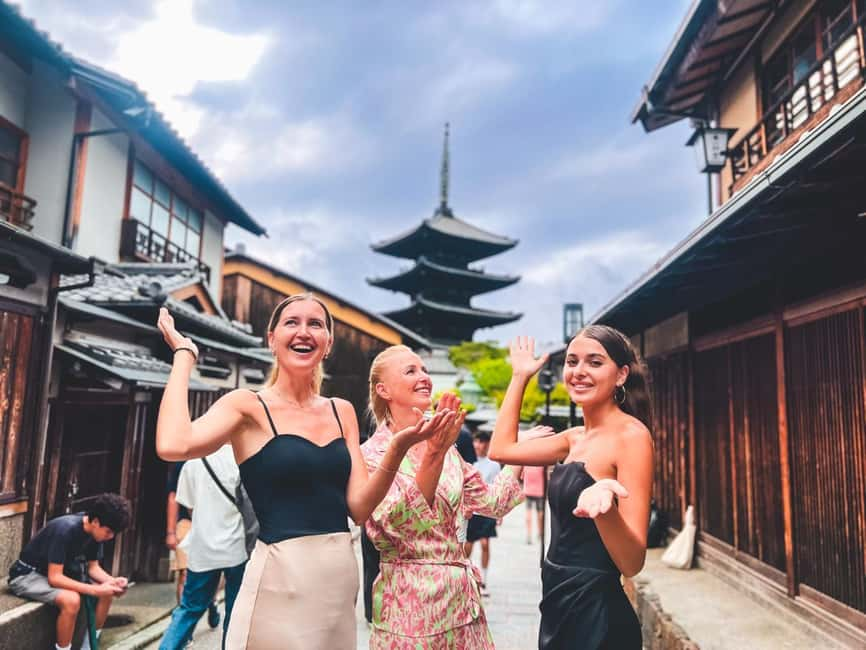
Reviewed · GION DISTRICT TOURS
Kyoto: Secrets of Gion – Geisha Culture Walking Tour
Gion’s appeal is not just the chance to spot a maiko. It is the chance to understand the streets, shrines, customs, and old wooden teahouses that give the district its character. This two-hour walk connects famous sights with quieter lanes and explains how geiko and maiko fit into Kyoto’s traditional arts.
I like the route’s variety, from Yasaka Shrine and Maruyama Park to the stone lanes of Ninenzaka. I also like the $25 price, which is fair for an English-speaking guide who puts the scenery into context. The main caution is that a geiko or maiko sighting is never promised, and the route includes slopes and uneven streets, so it is not suitable for wheelchair users.
Key points
- A broad Gion route: See Yasaka Shrine, Maruyama Park, Nene no Michi, Ninenzaka, Yasui Konpiragu, and Hanamikoji Street in one walk.
- Geisha culture explained: Learn about the daily life, training, customs, and work of Kyoto’s maiko and geiko.
- Good evening atmosphere: Later walks can mean fewer people in photographs and a calmer look at traditional architecture.
- A chance, not a promise: You may see a maiko heading to an evening engagement, but sightings are not guaranteed.
- Strong guide presence: Tim, Bell, Majo, Shin, and Pedro have led walks praised for clear explanations and enthusiasm.
- Practical limitations: The tour is in English, lasts two hours, and is not suitable for wheelchair users.
What This Gion Walk Really Offers
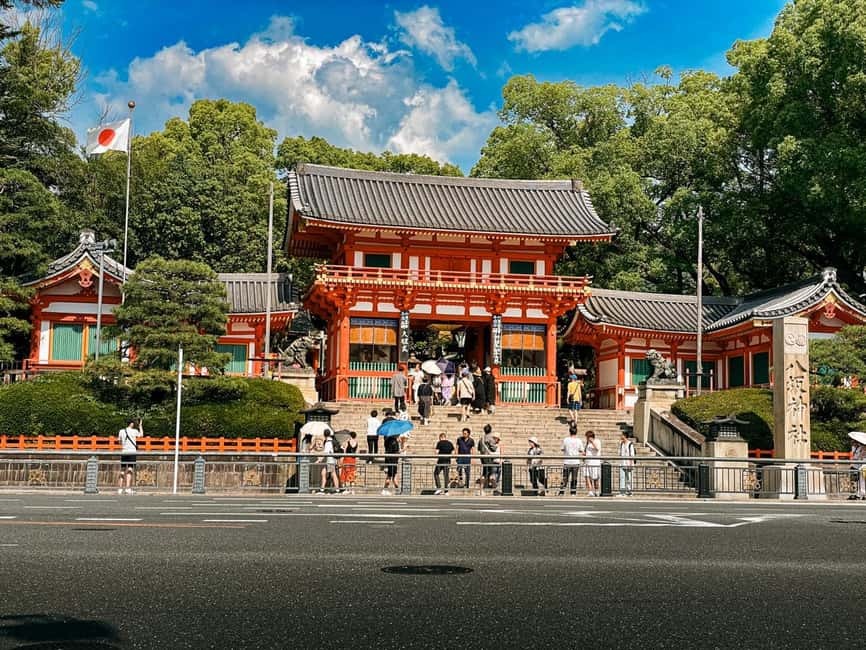
This is less a formal performance and more a guided introduction to one of Kyoto’s most carefully preserved districts. You walk through places that can look simple at first glance, then learn why a shrine gate, a stone lane, or a closed wooden doorway matters.
The route also helps you connect separate Kyoto sights. Yasaka Shrine is not treated as an isolated photo stop. Maruyama Park is not just a place for cherry blossoms. Hanamikoji Street becomes more meaningful once you understand the teahouses and the traditional entertainers who still work there.
The tour begins at Starbucks Coffee at Kyoto Gion Hotel. Look for the guide holding a Traveling Kyoto ID. The experience is conducted in English, and the advertised length is two hours, so expect a brisk but manageable walk rather than a slow, all-evening stroll.
More ways to walk Gion:
- Kyoto Geisha Walking Tour: Gion District & Hidden Gems
★ 4.7 · 3,273 reviews - Kyoto: Gion Magical Night Walking Tour with Geisha Trivia
★ 4.9 · 2,393 reviews - Kyoto: Gion Geisha District Walking Tour – Stories of Geisha
★ 4.7 · 2,187 reviews
Yasaka Shrine and Kyoto’s Festival Traditions
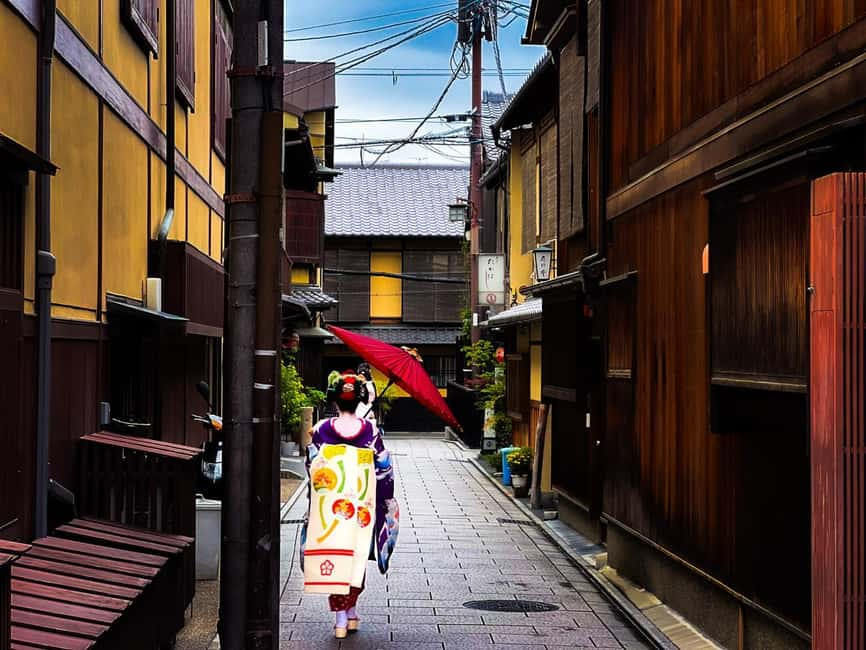
Yasaka Shrine is a strong starting point because it introduces the spiritual side of Gion before you move into its entertainment streets. The guide explains the shrine’s long connection with Kyoto’s festivals and its relationship to local geisha culture.
You get time for photographs, a guided visit, and some shopping in the area. That mix makes the opening stop useful for first-time visitors who want orientation before entering the narrower streets.
I like beginning here because it gives the tour a wider frame. Gion is often reduced to painted faces, elaborate kimono, and the hope of seeing a maiko. Yasaka Shrine points you toward the older religious and civic traditions that shaped the district.
The stop lasts about 20 minutes according to the schedule. That is enough for an explanation and photographs, but not enough for a detailed shrine visit. If you want to study every building or pray at length, plan to return on your own.
Maruyama Park Under Cherry Trees and Shade
From Yasaka Shrine, the walk continues into Maruyama Park, described as Kyoto’s oldest public park. Its best-known feature is the large weeping cherry tree, which makes spring a particularly attractive time to pass through.
The park offers a welcome change from paved streets and shopfronts. You can expect a guided walk through a calmer green space, with seasonal beauty that changes across the year. In warmer months, the shade of old trees gives the route a quieter pause.
This part of the walk is valuable because it shows how close Kyoto’s natural spaces are to its historic neighborhoods. You are not being driven from one sight to the next. The route lets you feel the change in atmosphere as the shrine grounds give way to park paths and then to old Higashiyama lanes.
Keep your expectations sensible. The park is a sightseeing stop, not a long nature walk. Its appeal depends heavily on the season, and the tour’s two-hour limit means you will move on after the main explanation.
Nene no Michi and the Old Higashiyama Streets
Nene no Michi is one of the most photogenic sections of the route. This elegant lane takes its name from Nene, the wife of samurai warlord Toyotomi Hideyoshi. Preserved buildings, small shops, and teahouses give the street a strong sense of old Kyoto.
The guide’s role matters here. Without context, you may see attractive wooden facades and assume the street is simply a tourist shopping area. With an explanation of the people and customs connected to the district, the lane becomes part of a much larger story about Kyoto’s traditional neighborhoods.
This is a good place to take photographs, but be considerate. The route passes through a living district, not an open-air stage. Keep your camera ready, but avoid treating local streets as a hunting ground for portraits.
The scenic value is especially good later in the day. One of the tour’s guides, Bell, helped a solo visitor take photographs, and evening timing meant fewer people appeared in the background. That does not guarantee an empty street, but it suggests a useful advantage for anyone who wants architectural photographs without the heaviest daytime crowds.
More geisha and maiko evenings in Kyoto:
- Best of Kyoto: Gion, Geisha, Pagodas & Cobblestones
★ 4.9 · 2,058 reviews - Night Walk in Gion: Kyoto’s Geisha District
★ 4.5 · 2,003 reviews - Kyoto Gion Geisha District Walking Tour – The Stories of Geisha
★ 5.0 · 1,441 reviews - Kyoto Gion: 2-Hour Geisha Culture & History Walking Tour
★ 5.0 · 1,186 reviews
Ninenzaka’s Stone Path and Traditional Shops
Ninenzaka is another visual highlight. The stone-paved slope runs past historic wooden buildings, artisan shops, and small places selling local goods. It is the kind of street that can make Kyoto feel like a period setting, though the modern crowds and shops are still part of the experience.
The route includes a photo stop, sightseeing, and a guided explanation. I would keep your camera available here because the changing slope gives you different views of the buildings and the lane.
There is a practical point to remember: stone paving and sloping streets require steady footwear. The tour is not described as strenuous, but it is a walking route through old streets rather than a flat sidewalk circuit. Anyone with mobility concerns should consider the surface before booking.
Ninenzaka also shows why a guide can add value to a short Kyoto visit. You could walk through on your own and enjoy the architecture, but you might miss the names, connections, and local stories that tie the street to the wider Higashiyama area.
Yasui Konpiragu and the Power Stone Ritual
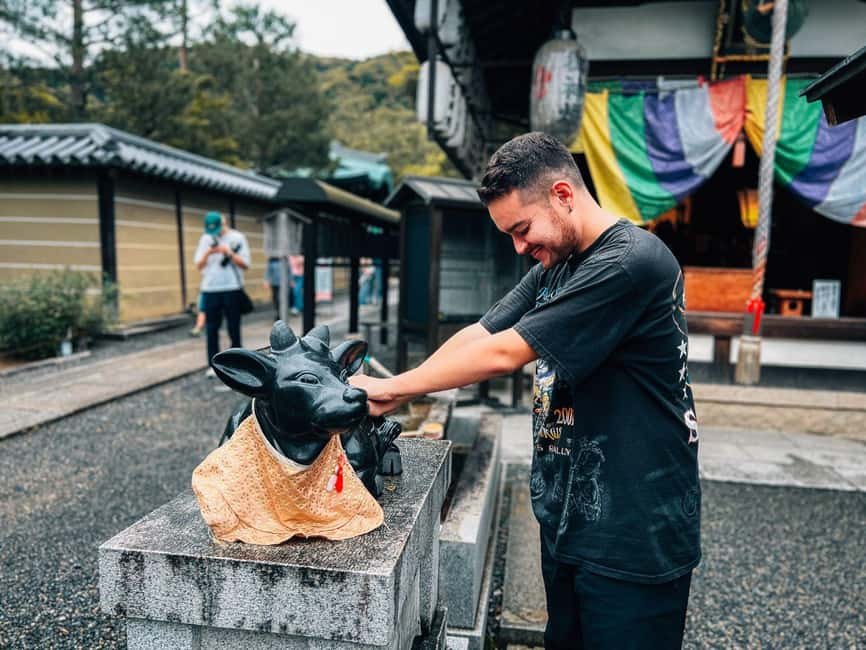
Yasui Konpiragu offers one of the tour’s more unusual stops. The shrine is known for its Power Stone archway, where people crawl through while praying for strong relationships or for help breaking ties with the past.
This ritual gives you a direct look at the symbolic side of Japanese shrine culture. It is not simply a pretty site. It is a place where people come with personal hopes, worries, and rituals.
A guide can explain what you are seeing without leaving you to guess at the meaning of the archway. One account of the tour described two women taking part in the ritual in wet conditions, which shows that the practice is still active and personal rather than just a display for tourists.
The shrine is also a welcome change from the better-known streets. It can feel more private and less staged than the main shopping lanes. Still, you should follow the guide’s instructions and respect anyone using the shrine for prayer.
Hanamikoji Street and the World of Geiko and Maiko
Hanamikoji Street is the tour’s main geisha-culture stop. Its preserved wooden teahouses are linked with real geiko, Kyoto’s term for geisha, who continue to entertain in traditional settings.
The guide explains the history, customs, and daily life of maiko and geiko. You may also hear about places where maiko live and train, along with stories connected to the narrow backstreets.
This is the section where expectations matter most. The tour gives you insight into a private and formal world, but it does not include a performance or a guaranteed meeting. You might see a maiko in full attire heading to an engagement if the timing is right. Several walks have finished without a sighting, even when the explanation was strong.
That should not make the stop feel like a failure. The point is to understand the neighborhood and its traditions without treating people who work there as attractions. A good guide helps you do that. Tim was praised for explaining Kyoto’s history and geisha culture at length, while Shin was singled out for clear and informed guidance. Bell was also praised for her enthusiasm and knowledge of Kyoto and Japan.
The best approach is simple: enjoy the architecture, listen to the explanation, and treat an actual sighting as an extra rather than the reason to book.
Why Evening Timing Can Improve the Experience
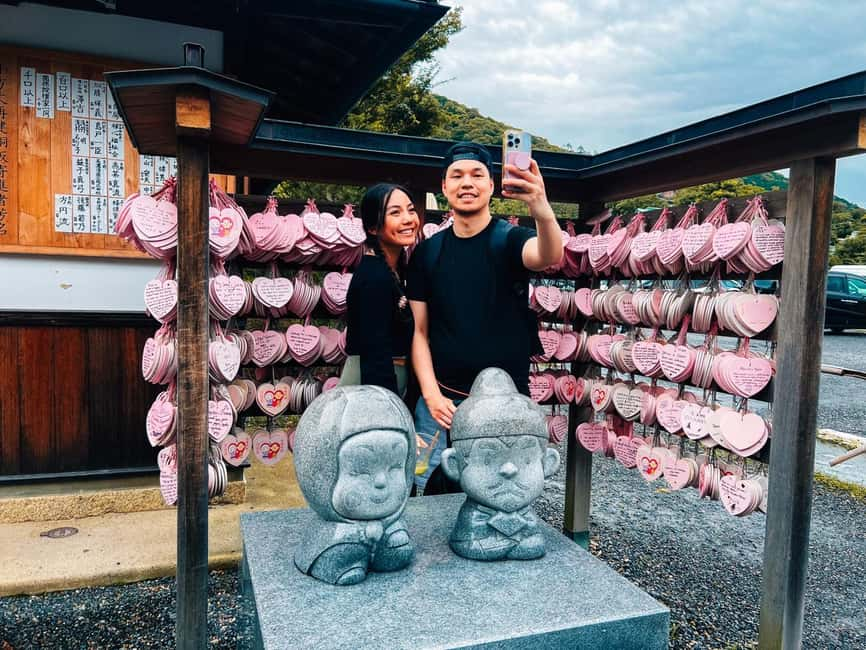
The exact starting time depends on availability, but the experience is especially appealing when scheduled later in the day. Evening light can make wooden buildings and shrine paths look atmospheric, and fewer people may appear in your photographs.
A later walk can also help you feel more comfortable if you are uneasy about exploring Gion alone after dark. One solo visitor found the group setting reassuring and appreciated having a guide nearby while seeing the district at night.
There are tradeoffs. Weather can affect the experience, and rain may make stone paths less comfortable. One walk took place in poor weather, yet the guide continued explaining the district and its customs. If you book, check the forecast and wear shoes suited to wet or uneven paving.
Night does not guarantee a quiet Gion. The area remains popular, and the tour follows public streets. But the timing can give you a different view from a daytime visit, especially for traditional architecture.
The Guides Make a Real Difference
The tour is only two hours, so the guide has to use time well. The strongest part of the experience appears to be the human explanation rather than any single landmark.
Tim has led walks focused on Kyoto’s history and geisha culture. Majo handled a tour in difficult weather and kept the focus on local history, superstition, and practices meant to ward off evil. Bell was praised for helping with photographs and making the evening comfortable for a solo woman. Shin, Tim, and Pedro have also been praised for explaining culture, society, and traditions with energy.
Guide assignments can change, so you should not book on the assumption that one specific person will lead your date. Still, these names give you a useful idea of the tour’s tone: expect spoken history, local customs, and practical help with seeing the district rather than a scripted walk from one photo stop to another.
Is $25 Good Value for Two Hours?
At $25 per person, the price is reasonable if you want orientation and cultural context in a short visit. You get a guided route through several of Gion and Higashiyama’s most recognizable areas, plus an explanation of geiko and maiko life that would be difficult to build from signs alone.
The value is strongest for first-time visitors, solo visitors, and anyone who has limited time in Kyoto. You can see several important areas without spending hours planning the order yourself.
The price is less compelling if you want a long shrine visit, a formal geisha performance, or guaranteed access to a teahouse. None of those are part of the experience. You are paying for a walking guide and interpretation, not admission to a show.
Free cancellation up to 24 hours before the start and reserve-now, pay-later booking make it easier to fit the walk around a changing Kyoto schedule. The meeting point is Starbucks Coffee at Kyoto Gion Hotel, and the guide carries a Traveling Kyoto ID.
Who Should Book This Walk?
I would choose this tour if you want to understand Gion rather than simply photograph it. It suits first-time Kyoto visitors, culture-focused couples, solo visitors, and anyone who wants a guided evening activity in a central historic district.
It is also a good choice if you are curious about geiko and maiko but want a respectful explanation rather than a promise of a sighting. The route gives you context before you enter Hanamikoji Street, which helps you approach the area with better manners and more realistic expectations.
I would think twice if you need a wheelchair-accessible route. The tour is specifically marked as unsuitable for wheelchair users, and the route includes slopes, stone paving, and old streets.
You should also reconsider it if you dislike walking in uncertain weather or want a very slow pace. The route covers a lot in two hours, and the guide has several stops to explain.
My Verdict on the Gion Geisha Culture Tour
Book this walk if you want a compact, well-priced introduction to Gion’s streets and traditions. The shrines, park, stone lanes, and teahouses create a strong route, but the explanations are what give it lasting value.
Do not book it only to see a geisha. That may happen, especially near the end of the walk by the Gion-Shijo area, but it is never assured. Book it for the chance to understand where geiko and maiko work, how old Kyoto customs still appear in daily life, and why Gion looks the way it does.
At $25, the risk is low, the route is varied, and the two-hour length fits neatly into a Kyoto evening. Wear comfortable shoes, keep your camera respectful, and arrive ready to listen.
FAQ
How long does the Gion walking tour last?
The tour lasts two hours.
What language is the tour conducted in?
The live tour guide speaks English.
Where does the tour start?
The meeting point is Starbucks Coffee at Kyoto Gion Hotel. The guide will be holding a Traveling Kyoto ID.
Where does the tour finish?
The route returns to Starbucks Coffee at Kyoto Gion Hotel. The final part of the walk is near the Gion-Shijo area.
What places does the tour visit?
The route includes Yasaka Shrine, Maruyama Park, Nene no Michi, Ninenzaka, Yasui Konpiragu Shrine, and Hanamikoji Street.
Will I definitely see a geiko or maiko?
No. A sighting may happen if the timing is right, but it is not guaranteed.
Does the tour include a geisha performance?
No. The experience includes a guided walk and historical insights into Gion and geisha culture, but no performance is listed.
Is the tour suitable for wheelchair users?
No. The tour is marked as unsuitable for wheelchair users.
How much does the tour cost?
The price is $25 per person.
Can I cancel the booking?
You can cancel up to 24 hours in advance for a full refund. You can also reserve now and pay later.
More Walking Tours in Kyoto
- Nishiki Market Brunch Walking Tour (7 Tastings + Brunch)
★ 5.0 · 1,355 reviews - Kyoto Arashiyama Walking Tour: Bamboo, Monkeys, Gardens & Secrets
★ 5.0 · 1,216 reviews - Kyoto: Izakaya Bars Guided Walking Tour
★ 4.9 · 815 reviews - Kyoto Gion Night Walk & Geisha District Guided Tour
★ 5.0 · 786 reviews
Newest Kyoto experiences on the site
- Treasures of Kyoto: Gion & historical Walking Tour★ 5.0 · 6 reviews
- Whisk Your Own Matcha: A Zen Matcha Experience at Temple★ 3.6 · 7 reviews
- Kyoto tea town for matcha lovers★ 5.0 · 16 reviews
- Uji: Private immersion into Kyoto’s tea and reglious culture★ 5.0 · 17 reviews
- Kyoto Matcha Green Tea Tour★ 4.5 · 23 reviews
- Uji and Wazuka Matcha Farm Half Day Private Guided Tour★ 5.0 · 21 reviews
- Utilising upcycled Matcha! Creating matcha incense (Uji, Kyoto)★ 5.0 · 6 reviews
- Sacred Temple Yoga Experience in Japan★ 5.0 · 3 reviews
Gion District Tours, compared.
Kyoto Geisha Walking Tour: Gion District & Hidden Gems
Read our review →
Gion Magical Night Walking Tour with Geisha Trivia
Read our review →
Gion Geisha District Walking Tour – Stories of Geisha
Read our review →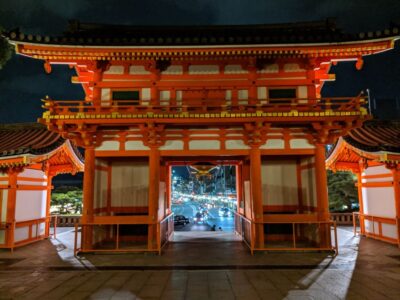
Best of Kyoto: Gion, Geisha, Pagodas & Cobblestones
Read our review →

Kyoto Night Foodie Tour in Gion (9+ dishes + 6 Sake tastings)
Read our review →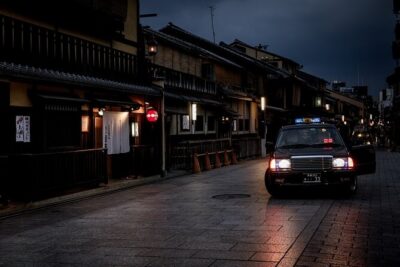
Kyoto Gion Geisha District Walking Tour – The Stories of Geisha
Read our review →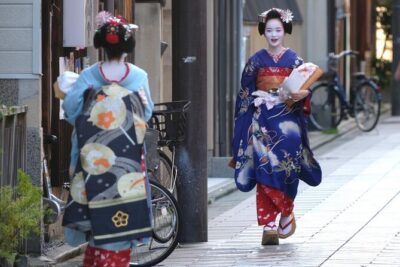
Kyoto Gion: 2-Hour Geisha Culture & History Walking Tour
Read our review →Browse the lists this tour appears in