
Reviewed · GION DISTRICT TOURS
Kyoto : Geiko Maiko Dance of Kyoto & Visits of Gion Museum
Kyoto’s Kyomai dance is the main event here: two traditional songs, performed by a geiko or maiko, in a quiet museum setting. The performance lasts about 15 minutes, making it easy to fit between larger sights in Gion. It is a short look at a world that is usually difficult for outsiders to see.
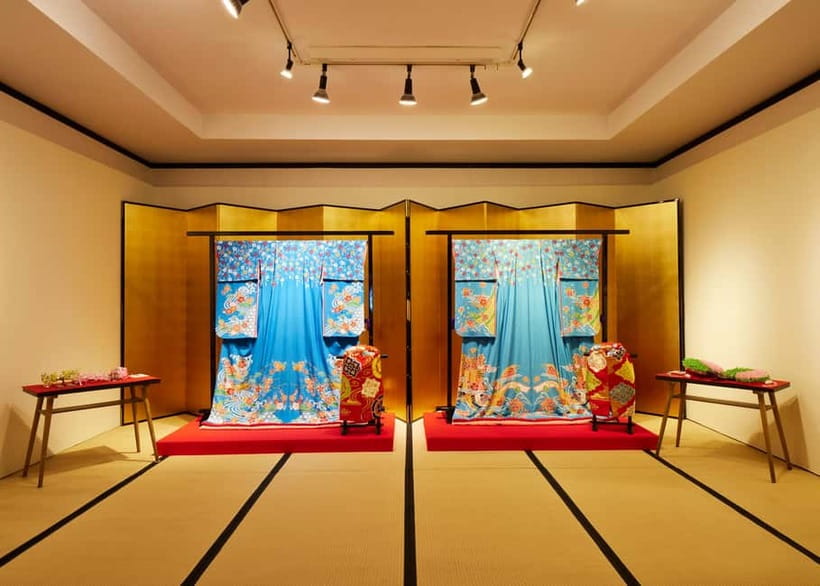
I like the way the museum gives the dance some context through kimono, obi, kanzashi hair ornaments, makeup, and photographs from the Kagai districts. I also like the calm Japanese garden, which adds a welcome pause to a busy day. The main drawback is simple: 15 minutes is brief, and there is no photography or audio recording during the dance.
Key points
- Two Kyomai songs: A geiko or maiko performs the Inoue style of Kyoto dance for about 15 minutes.
- Small museum, focused displays: See hand-painted Yuzen kimono, Nishijin brocade obi, seasonal hair ornaments, formal kimono, makeup, and personal items.
- English help by QR code: Scan the museum displays for English information, with videos and explanations available.
- Quiet Japanese garden: The Chisen water garden offers a pleasant place to pause after the performance.
- Five daily performance times: Sessions are listed at 13:30, 14:20, 15:00, 16:00, and 16:30.
- Optional photos cost extra: Ask at the museum about a photo session, generally around 2,000 yen, with availability handled on site.
A Short Performance With a Long Cultural Backstory
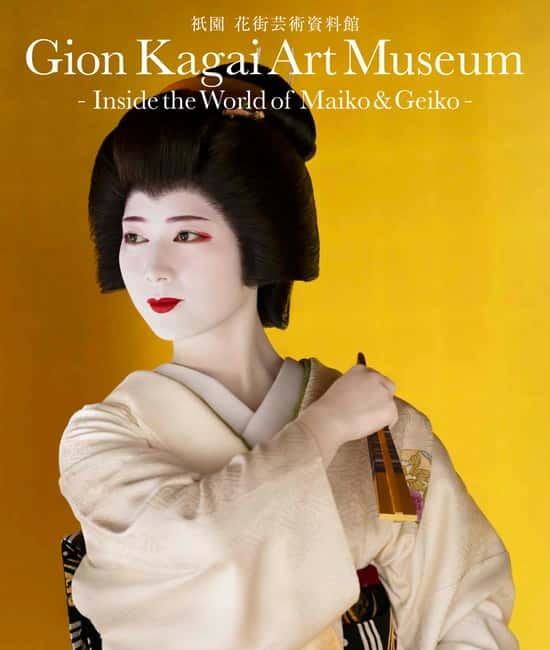
The Gion Kagai Art Museum experience is built around a simple pairing: first, you see the objects and customs connected with Kyoto’s geiko and maiko, then you watch the dance itself. That order matters. Without some context, the movement can seem mysterious. After seeing the clothing, instruments, makeup, and photographs, you have more to notice in the performer’s posture, sleeves, fan work, and facial expression.
The performance uses Kyomai, or Kyoto Mai, in the Inoue style. One geiko or maiko usually performs two songs. On some days, the third and fourth sessions may feature two performers, but that is not guaranteed.
The dance is elegant rather than showy. You will not see a long stage production or a narrated cultural presentation. Instead, expect a concentrated 15-minute performance with controlled gestures and formal movement. That short length is useful if your day already includes Kiyomizu-dera, Yasaka Shrine, Hanamikoji, or other Gion sights.
It also means you should set your expectations correctly. This is an introduction, not a full evening of traditional entertainment. The value comes from seeing an actual geiko or maiko perform close-up and then having time to study the museum afterward.
More ways to walk Gion:
- Kyoto Geisha Walking Tour: Gion District & Hidden Gems
★ 4.7 · 3,273 reviews - Kyoto: Gion Magical Night Walking Tour with Geisha Trivia
★ 4.9 · 2,393 reviews - Kyoto: Gion Geisha District Walking Tour – Stories of Geisha
★ 4.7 · 2,187 reviews
Geiko and Maiko: The Terms Matter
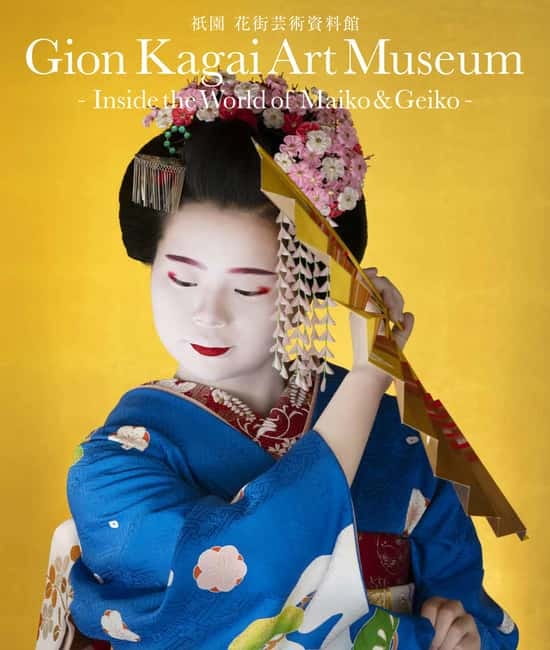
In Kyoto’s Kagai districts, women who perform traditional dance and music in ozashiki banquet rooms and on stage are called geiko, rather than geisha. Women still training to become geiko are called maiko.
That distinction is more than a vocabulary lesson. It helps you understand the different stages of the tradition presented in the museum. Maiko are often recognized by youthful styling, elaborate hair ornaments, and more decorative clothing. Geiko represent the fully trained professional level of the art.
The museum’s displays help explain this world without requiring you to attend a private banquet, an experience that is usually out of reach for most first-time visitors to Kyoto. You can see some of the visual details that make the tradition so recognizable, while also learning that the work involves years of training in dance, music, etiquette, and performance.
The experience uses the word geiko carefully. You may see the word geisha used informally elsewhere, but the Kyoto term is geiko.
What You See Inside the Permanent Exhibition
The permanent exhibition focuses on Kagai art culture. It is not only a display of costumes. The collection connects clothing and beauty items with the daily practice of performance.
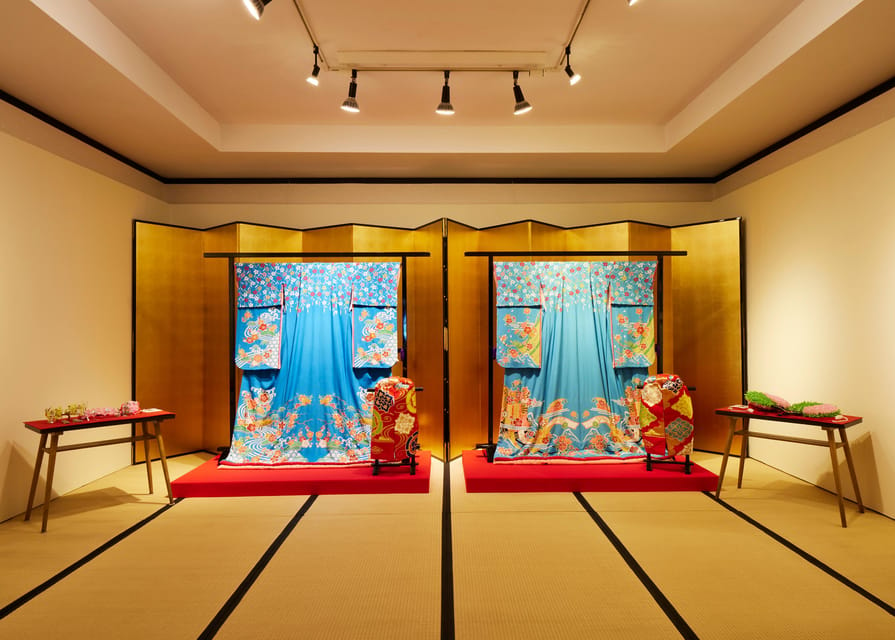
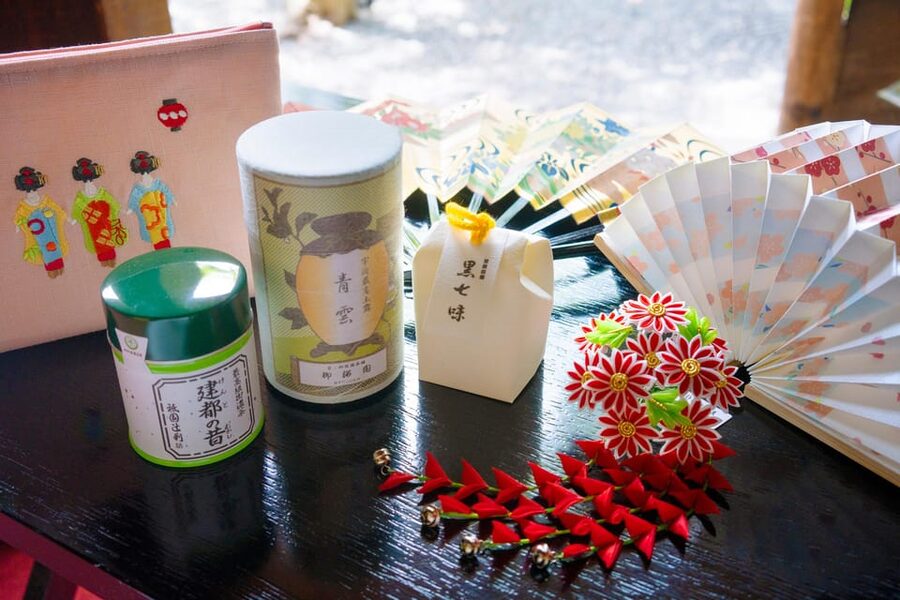
Look for hand-painted Yuzen kimono and Nishijin brocade obi sashes, both important examples of Kyoto textile work. The patterns, fabric, and formal styling show how much visual meaning is carried by the clothing. Seasonal kanzashi hair ornaments are another highlight. These small pieces change with the time of year and are easy to miss in old photographs, so seeing them displayed at close range adds real value.
The museum also presents personal belongings and makeup used by maiko. These objects make the tradition feel less distant. You are not only looking at an idealized costume. You are seeing practical items connected with the preparation for performance.
Black crested formal kimono are included as well. These garments are rarely seen in the Gion quarter itself, where you may catch only a passing glimpse of a maiko or geiko. In a museum, you can take your time and study the details.
Photographs of the Kagai districts add atmosphere and historical context. A film on the lower level explains the dance and its Kyoto-specific character. If you want English information, use the QR codes on the displays. The museum has a manageable amount to read, but you can spend much longer there if you scan the English material and watch the videos.
One limitation is that the dance is not heavily explained before it begins. A printed sheet gives background on geiko and maiko, and the museum material fills in more detail. Still, a short introduction to the two songs or the meaning of the movements would make the live performance easier to follow.
Seeing the Kyomai Dance at Close Range
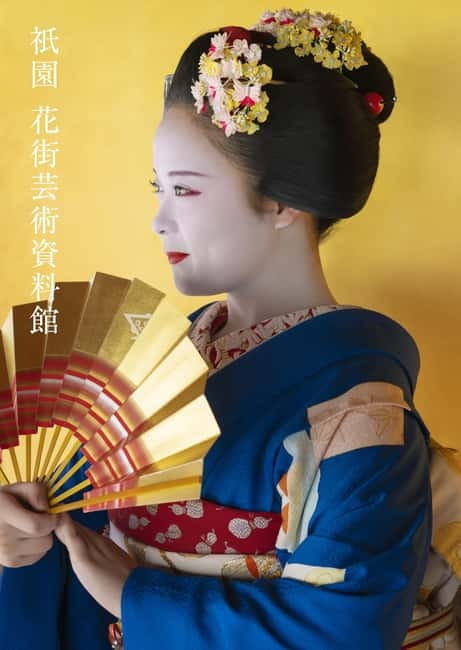
Your ticket includes the dance performance, with no separate performance fee. There are usually five sessions:
- 13:30
- 14:20
- 15:00
- 16:00
- 16:30
Arrive at the museum entrance at least 10 minutes before your chosen session. This matters because the performance is short and scheduled. Arriving just as it begins could mean missing part of the main reason you came.
The dance itself lasts about 15 minutes and includes two songs. Most sessions feature one maiko or geiko. On some days, the third and fourth performances may include two, giving you a chance to compare the movement and presentation of both performers.
You cannot take photos during the dance, and audio recording is not allowed. This is worth knowing before you arrive, especially if your first instinct is to reach for your phone. Put it away and watch the details: the slow turn of the body, the handling of a fan, the position of the hands, and the way the performer uses stillness.
The lack of photography may disappoint you. One person specifically wished the option had been made clearer, while another recommended arranging a photo session. The practical answer is to ask the museum about its photo option when you arrive. Photo sessions with a geiko or maiko are available through the museum, not as part of the standard performance ticket. A common extra cost is about 2,000 yen, and you may receive a Polaroid and phone photos, though you should confirm the current arrangement on the day.
More geisha and maiko evenings in Kyoto:
- Best of Kyoto: Gion, Geisha, Pagodas & Cobblestones
★ 4.9 · 2,058 reviews - Night Walk in Gion: Kyoto’s Geisha District
★ 4.5 · 2,003 reviews - Kyoto Gion Geisha District Walking Tour – The Stories of Geisha
★ 5.0 · 1,441 reviews - Kyoto Gion: 2-Hour Geisha Culture & History Walking Tour
★ 5.0 · 1,186 reviews
The Japanese Garden and Other Small Pleasures
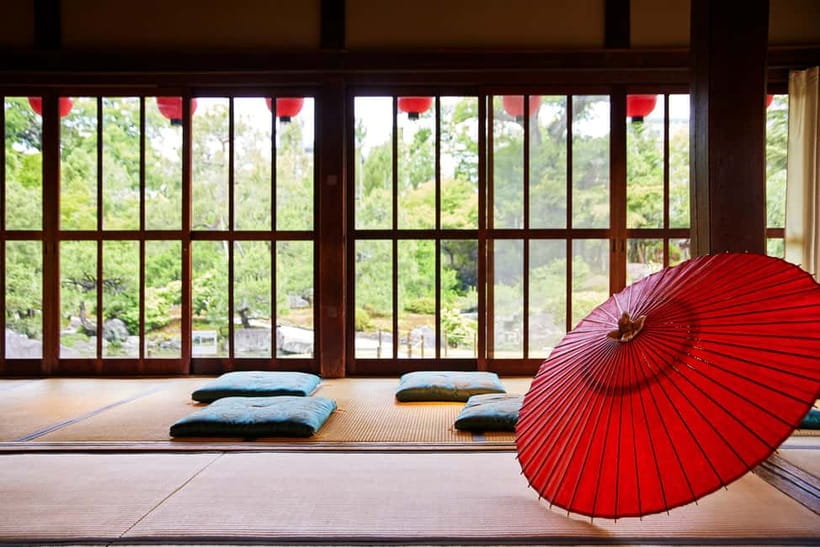
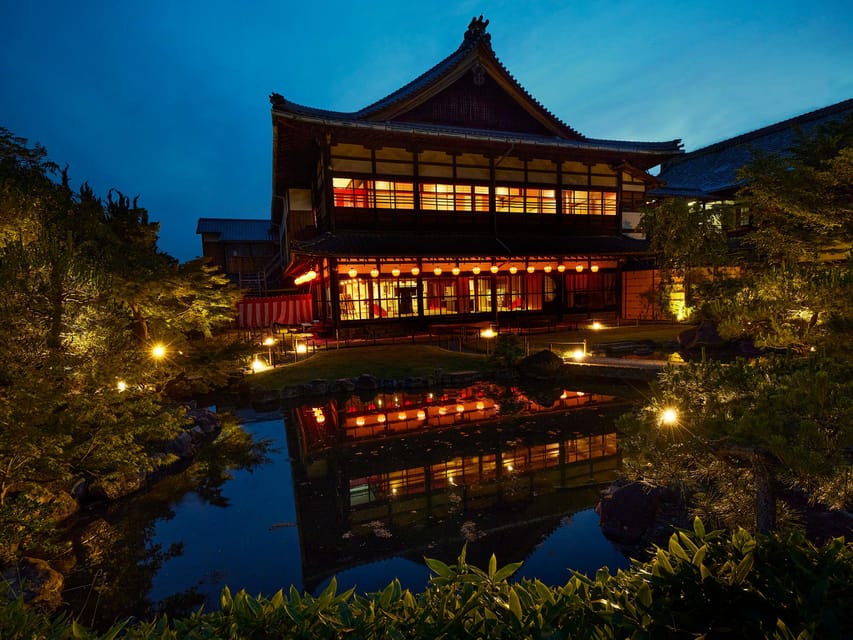
The Chisen water Japanese garden is a quiet part of the visit. It is not the reason to buy the ticket by itself, but it improves the overall experience. After a crowded morning in Kyoto, a garden gives you a place to slow down and look at something other than traffic, signs, and temple roofs.
The garden is particularly useful because the performance is so brief. You can watch the dance, then spend time in the museum and garden rather than leaving immediately. You can also visit the art cafe and museum shop, though the available information does not specify a full menu or the exact range of goods.
The shop is a practical stop if you want a small reminder of the visit. Do not expect the shop to replace the museum experience. Its value is in rounding out a compact cultural visit with something you can browse at your own pace.
How the $25 Price Works for You
At about $25 per person, admission includes the Gion Kagai Art Museum and the Kyomai dance performance. For Kyoto, that is a reasonable price if you want a direct introduction to geiko and maiko culture without committing to a much longer or more expensive evening program.
The value depends on how you use the museum. If you arrive only for the 15-minute dance and leave, the price may feel high for the amount of live performance. If you allow time for the permanent exhibition, lower-level film, garden, cafe, and shop, the ticket makes more sense.
You can stay in the museum after the performance, so this is not strictly a 15-minute visit. The performance is 15 minutes, but your total time can be longer depending on how much you read and how carefully you view the displays.
There are also no refunds, so choose your date and session carefully. Since the activity is tied to a scheduled performance, check availability before planning the rest of your Gion day.
Fitting It Into a Kyoto Day
This works best as a planned stop rather than a stand-alone half-day outing. Choose a performance time, arrive early, and then give yourself enough room afterward to see the exhibition without rushing.
The 14:20 or 15:00 sessions may fit neatly between daytime sightseeing stops, while the 16:00 and 16:30 performances can work after exploring Gion. The exact fit depends on your other bookings, so do not treat the listed start time as the entire visit.
The museum entrance is the meeting point. If you have trouble finding it, staff can help direct you. The experience does not include a guide whose name is provided, so you should rely on the museum displays, QR-code translations, printed information, and staff assistance.
This is also a useful choice for families or companions with different interests. One person can focus on textiles and art, another on the live performance, and everyone can share the garden and cafe. Children who need constant action may find the dance too restrained, but the short format helps.
What Could Be Better
The strongest criticism is not about quality. It is about brevity and explanation.
Fifteen minutes is enough to show the beauty of Kyomai, but not enough to explain every gesture, lyric, costume detail, or seasonal reference. If you know little about Japanese dance, some of the meaning may remain unclear. English QR material helps in the exhibition, but there is no promise of an English translation for the song itself.
A short spoken introduction would improve the experience. So would a brief explanation of the dances before the performer enters, or a question-and-answer session afterward. The current format keeps the visit calm and respectful, but it leaves some first-time visitors wanting more connection.
The appearance of the costume may also vary. Most people will focus on the grace of the dance and the setting, but one critical response found the kimono less elegant than expected. It is wise to approach this as a cultural performance in a museum, not as a guaranteed picture-perfect fashion show.
Finally, photography restrictions are strict during the dance. If a portrait with a geiko or maiko matters to you, arrange it separately at the museum and budget for the added charge.
Who Will Get the Most From This Visit?
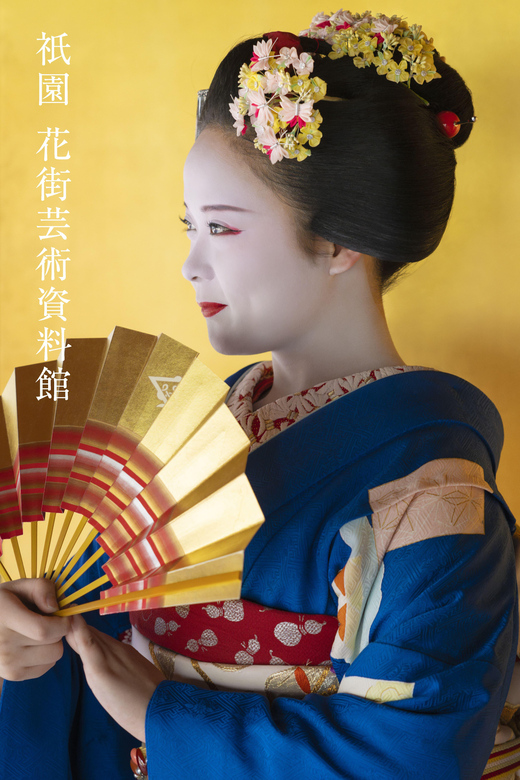
I would choose this experience if you want a short, structured introduction to Kyoto’s traditional performance culture. It suits first-time visitors, people with limited time, and anyone interested in textiles, costume, dance, or the social world of the Kagai districts.
It is especially useful if you have been curious about maiko but do not want to chase sightings in Gion. You get a scheduled performance in an appropriate setting, followed by displays that explain the culture more directly.
I would think twice if you want a long show, detailed narration, or a large theatrical production. You may also be disappointed if taking photographs during the performance is central to your plan.
The best approach is to treat the dance as the highlight and the museum as the substance around it. The live performance gives you a memorable glimpse. The exhibits, film, garden, and English QR information give you enough time to understand what you saw.
Should You Book the Gion Kagai Art Museum Experience?
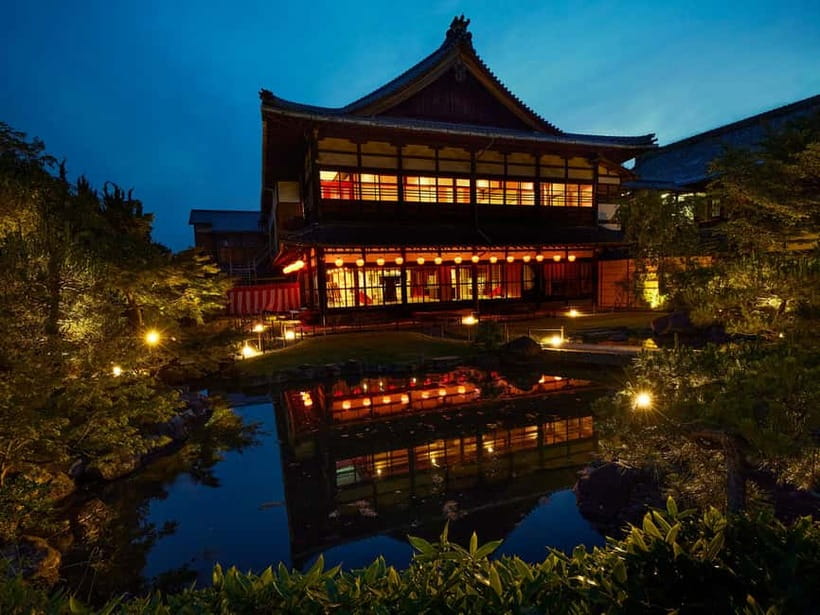
Book it if you want to see a real Kyomai performance without giving up most of your day. The $25 ticket, short schedule, permanent exhibition, garden, and optional photo session make it a practical addition to a Gion itinerary.
Just arrive 10 minutes early, expect two songs rather than a full stage program, and do not plan to take photos during the dance. If you give the museum time beyond the performance, this becomes a balanced visit: graceful live art, useful cultural context, and a quiet garden break.
FAQ
How long does the Kyomai performance last?
The performance lasts about 15 minutes and includes two Kyomai songs.
What time are the performances held?
The listed sessions begin at 13:30, 14:20, 15:00, 16:00, and 16:30.
Is the performer a geisha or a maiko?
The performance is by a geiko or maiko. In Kyoto, professional women who perform in the Kagai districts are called geiko, while women training to become geiko are called maiko.
Is the museum admission included?
Yes. Admission to the Gion Kagai Art Museum and the Kyomai performance fee are included.
Can I stay at the museum after the dance?
Yes. You can remain in the museum after the approximately 15-minute performance and continue viewing the exhibits.
Can I take photos during the dance?
No. Photography is not allowed during the dance performance, and audio recording is also prohibited.
Can I take a photo with a geiko or maiko?
Photo sessions are available through the museum, but they are not part of the standard ticket. Ask at the museum about availability and current pricing. The additional cost is generally around 2,000 yen.
Is English information available?
Yes. English information can be accessed by scanning QR codes at the museum displays. A film and printed information also help explain the culture and dance.
How early should I arrive?
Arrive at the museum entrance 10 minutes before your scheduled performance.
More Museums in Kyoto
- Kyoto: Tea Museum Tickets and Matcha Grinding Experience
★ 4.9 · 739 reviews - Skip the lines Basic Ticket at SAMURAI NINJA MUSEUM KYOTO
★ 4.5 · 632 reviews - Kyoto Sword Experience – includes Museum Ticket/Ninja Experience
★ 4.5 · 149 reviews - Kyoto: Samurai Ninja Museum guided tour
★ 4.8 · 145 reviews
Newest Kyoto experiences on the site
- Treasures of Kyoto: Gion & historical Walking Tour★ 5.0 · 6 reviews
- Whisk Your Own Matcha: A Zen Matcha Experience at Temple★ 3.6 · 7 reviews
- Kyoto tea town for matcha lovers★ 5.0 · 16 reviews
- Uji: Private immersion into Kyoto’s tea and reglious culture★ 5.0 · 17 reviews
- Kyoto Matcha Green Tea Tour★ 4.5 · 23 reviews
- Uji and Wazuka Matcha Farm Half Day Private Guided Tour★ 5.0 · 21 reviews
- Utilising upcycled Matcha! Creating matcha incense (Uji, Kyoto)★ 5.0 · 6 reviews
- Sacred Temple Yoga Experience in Japan★ 5.0 · 3 reviews
Gion District Tours, compared.

Kyoto Geisha Walking Tour: Gion District & Hidden Gems
Read our review →
Gion Magical Night Walking Tour with Geisha Trivia
Read our review →
Gion Geisha District Walking Tour – Stories of Geisha
Read our review →
Best of Kyoto: Gion, Geisha, Pagodas & Cobblestones
Read our review →

Kyoto Night Foodie Tour in Gion (9+ dishes + 6 Sake tastings)
Read our review →
Kyoto Gion Geisha District Walking Tour – The Stories of Geisha
Read our review →
Kyoto Gion: 2-Hour Geisha Culture & History Walking Tour
Read our review →Browse the lists this tour appears in