
Reviewed · KYOTO CYCLING TOURS
Kyoto: Authentic Biking Half Day Experience
Kyoto makes far more sense from a bicycle seat than from a tour bus. On this four-hour ride, you move between Gion, Zen temples, shrine woods, and palace grounds without spending half the morning waiting for traffic. The mostly flat route uses Kyoto’s ordinary Mamachari bike, a practical city bicycle with three gears.
I like two things here: the route covers a generous slice of central Kyoto, and the small group, limited to nine people, gives your English-speaking guide room to explain what you are seeing. Guides such as Miya and Kats have also helped with photos and adjusted the pace at temples. The main drawback is that this is a full half-day on a standard non-electric bike, so it is not suitable if you cannot ride, have mobility or heart concerns, or want a very slow sightseeing walk.
Key points to know before you book
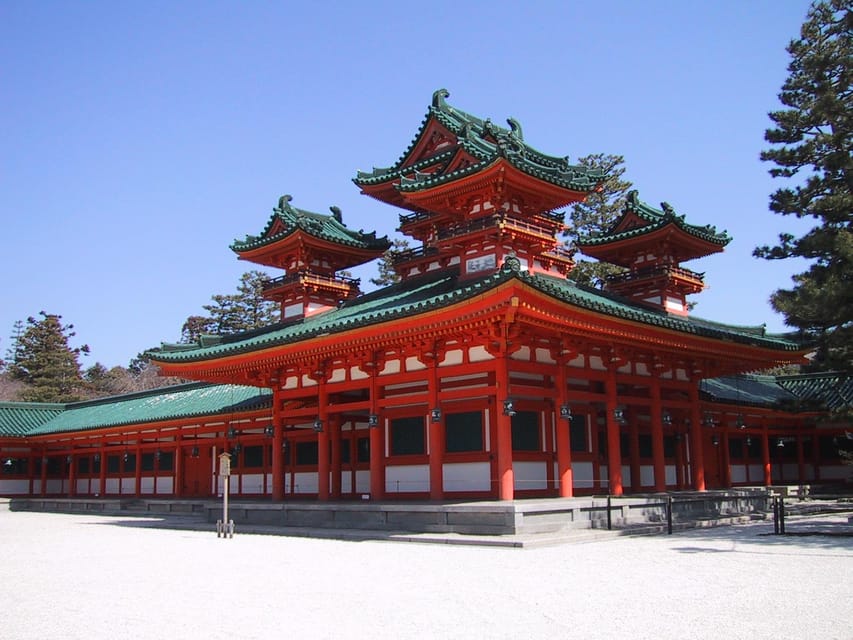
- A broad Kyoto route: Gion, Nanzenji, the Philosopher’s Path, Ginkakuji, Shimogamo Shrine, and Kyoto Imperial Palace all fit into four hours.
- A comfortable Mamachari: You ride a standard non-electric B-type bicycle with three gears, helmet included.
- Small-group guidance: The group is capped at nine, with an English-speaking TripGuru guide.
- Mostly easy cycling: Expect mostly flat streets with a few gentle slopes, but you still need basic cycling stamina.
- Strong first-day option: The route gives you a useful overview of Kyoto and helps you get your bearings quickly.
- Bring practical basics: Wear comfortable shoes, carry cash and a camera, and plan for your own food and drinks.
Why a bicycle works so well in Kyoto
Kyoto is laid out in a way that rewards steady movement. The city has broad streets, quiet lanes, temple districts, and long stretches where cycling is more efficient than walking from one sight to the next. You do not simply check off monuments. You see the spaces between them, which is where much of Kyoto’s everyday character appears.
The Mamachari is a good match for this kind of ride. It is a practical bike built for ordinary city use, not speed or sport. The supplied bicycle is a standard non-electric B-type model with three gear shifts, so you should expect a relaxed pace rather than a performance ride.
The route is described as mostly flat, with a few gentle slopes. That makes it manageable for many casual riders, but four hours in the saddle still takes some effort. If you have not cycled recently, consider how you feel after a long city walk before booking. The tour is not suitable for people who cannot ride a bike, pregnant women, or people with mobility, heart, or respiratory problems.
More bike days around Kyoto:
- Hidden Kyoto E-Biking tour
★ 5.0 · 1,843 reviews - Bike Tour Exploring North Kyoto plus Lunch
★ 5.0 · 1,087 reviews - Arashiyama Bamboo Forest & Hidden Gems Bike Tour (Early Bird)
★ 5.0 · 613 reviews
Starting at Gojo Station and reaching Gion
Meet your guide at Exit 2 of Subway Gojo Station. Look for the TripGuru shirt or sign, then get settled with your bicycle and helmet before setting off. Starting at a subway station keeps the meeting point easy to reach, though hotel pickup and drop-off are not included.
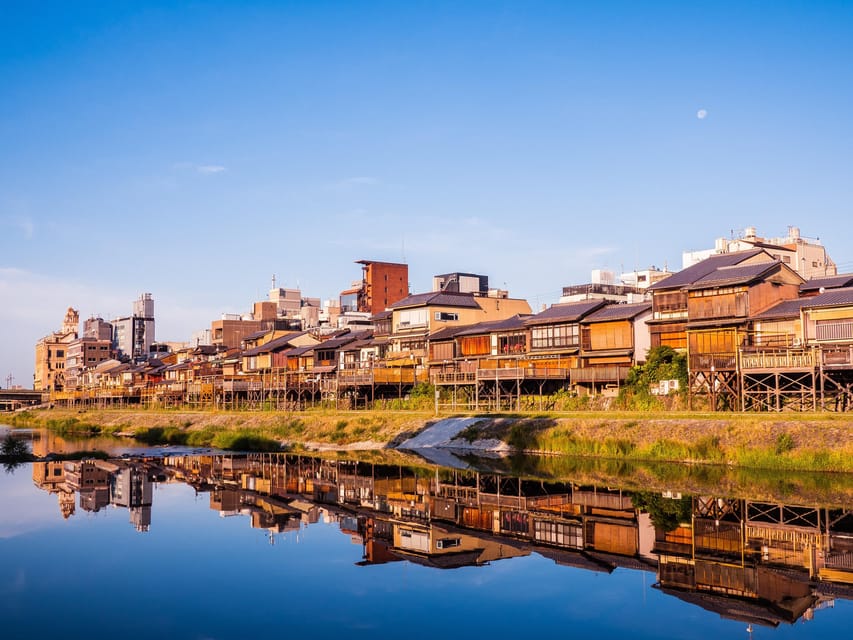
The first ride takes you toward Gion, Kyoto’s best-known geisha district. Gion is a fine opening stop because it introduces the old side of the city quickly: traditional streets, wooden buildings, and a strong sense of place. Your guide can provide context about Kyoto’s customs and the role of the district while you take in the streets at cycling speed.
You should keep your expectations sensible. This is not a private street photography session, and the itinerary gives you a short cycling segment rather than a long, unhurried Gion walk. The value is in seeing Gion as the first chapter of a larger route.
Nanzenji and the calm of temple Kyoto
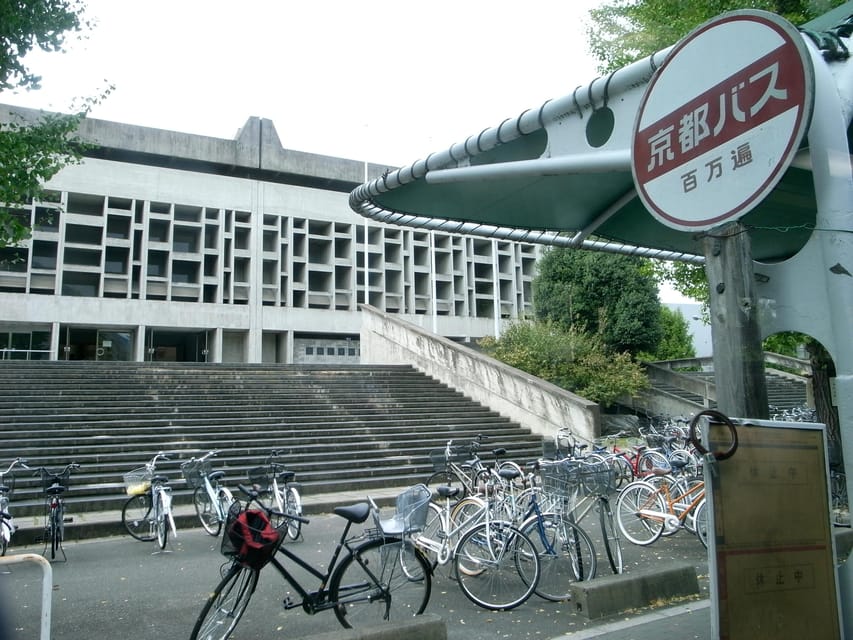
From Gion, the ride continues toward Nanzenji Temple. The listed cycling time is about 45 minutes, making this one of the longer stretches of the outing. It helps connect the central districts with the eastern temple area without asking you to handle Kyoto’s transport system on your own.
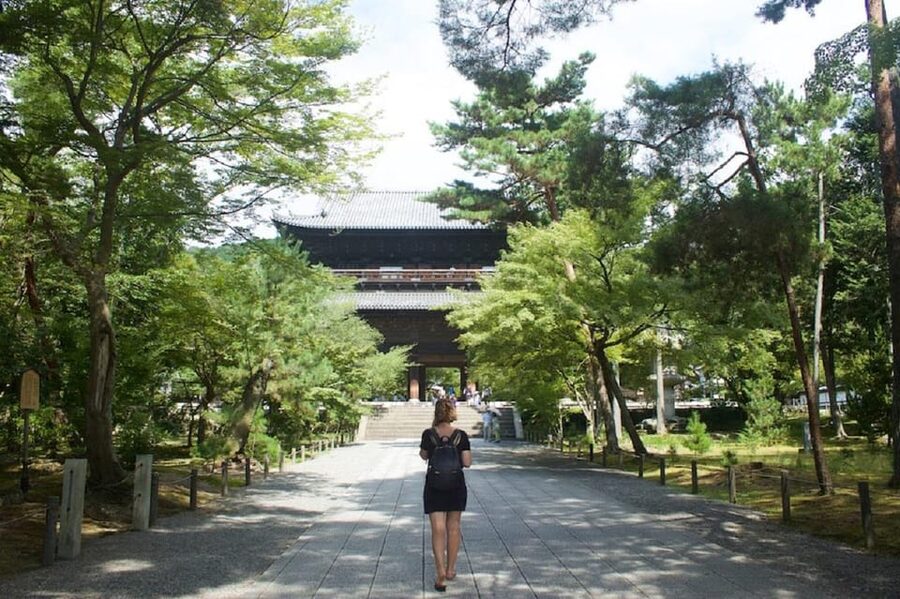
Nanzenji is one of the route’s main cultural stops. You receive a guided visit and the entrance fee is included, which removes one small task from the day. The setting shifts away from Gion’s traditional streets toward a quieter temple environment, giving you a useful contrast within a short period.
The guide matters here. A temple can look peaceful and impressive while still leaving you unsure what you are seeing. An English-speaking guide can point out the place’s spiritual role, explain the customs that shape a visit, and give you a better sense of how the site fits into Kyoto.
The schedule lists Nanzenji more than once, with cycling time around the temple area before and after the Philosopher’s Path. Read that as a route through the district rather than separate temple admissions. You should expect time to visit Nanzenji and continue riding, not a long private lecture inside every building.
The Philosopher’s Path, best enjoyed at a steady pace
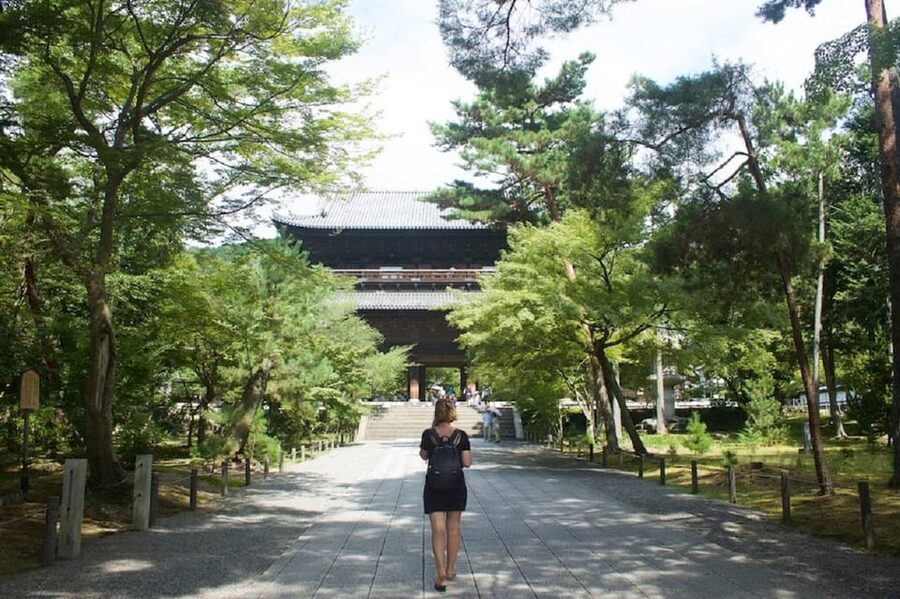
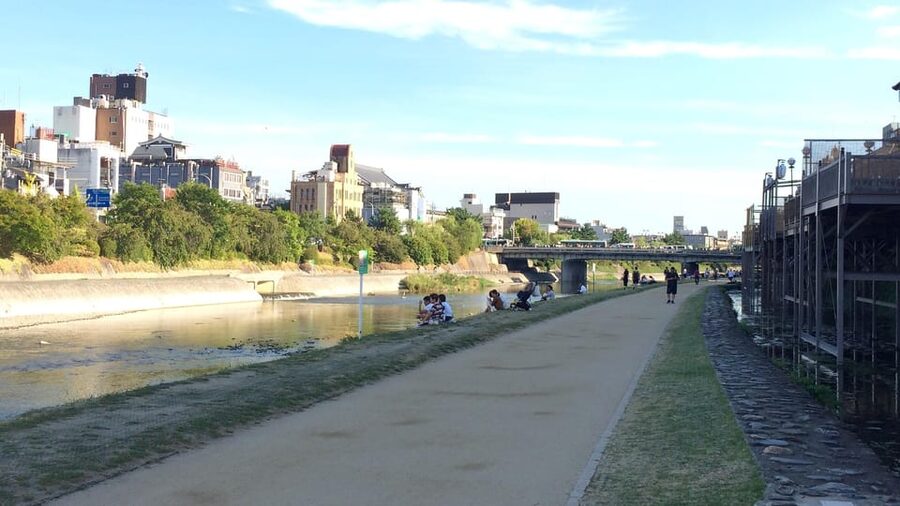
The Philosopher’s Path follows a canal and is one of Kyoto’s most pleasant cycling stretches. The route includes roughly 30 minutes of riding here, then another cycling segment after the Nanzenji visit. The canal-side setting gives you a welcome change from ordinary city streets.
This part of the ride is about atmosphere. You can watch the path, water, trees, and nearby temple district pass at a natural pace. In spring, the route is associated with seasonal blossoms, though the tour does not promise any particular conditions. In winter, the crisp air can make the ride feel especially refreshing, while summer heat may make the same stretch more demanding.
The path can also be less relaxed when crowded. A bicycle gives you mobility, but you still need to ride carefully and follow your guide’s directions. Do not expect to race along it. The point is to move through one of Kyoto’s most attractive corridors while staying alert to other people.
Same city, a completely different kind of day:
- PERFECT KYOTO 1-Day Bus Tour
★ 5.0 · 13,518 reviews - Kyoto: Fushimi Inari, Kinkakuji, Bamboo Grove 1 Day Bus Tour
★ 4.8 · 4,316 reviews - Kyoto: Tea Ceremony in a Traditional Tea House in Kiyomizu
★ 4.9 · 3,519 reviews - Kyoto Geisha Walking Tour: Gion District & Hidden Gems
★ 4.7 · 3,273 reviews
Ginkakuji and the Silver Pavilion area
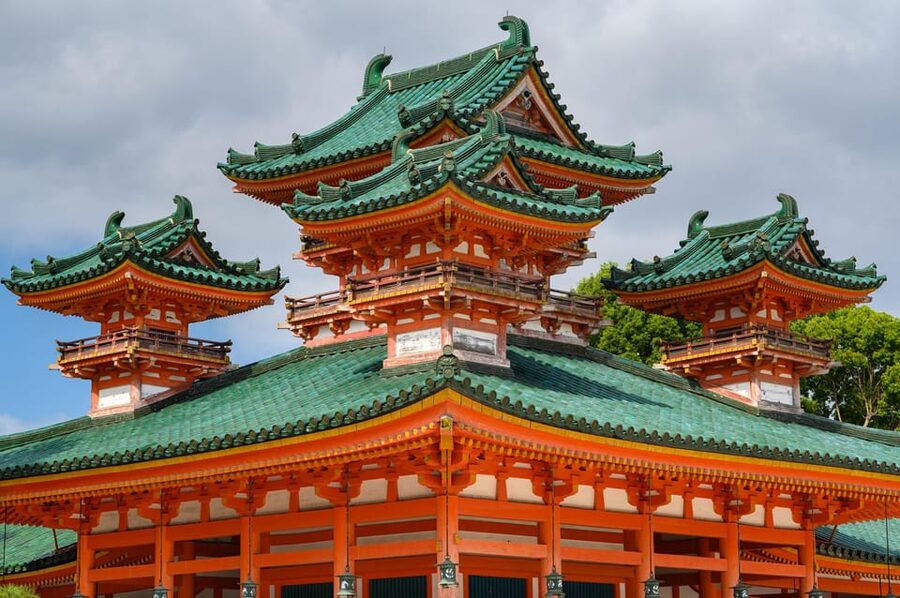
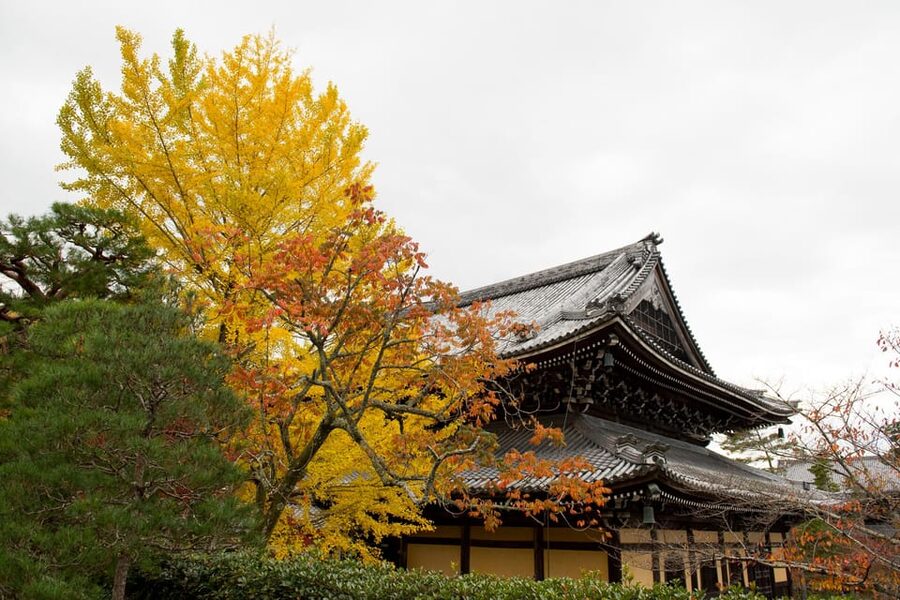
After the Philosopher’s Path, you continue toward Ginkakuji, the Silver Pavilion, in the Ginkakujicho area. The ride takes about 20 minutes. Ginkakuji is known for its Zen setting and carefully arranged gardens, making it a natural companion to Nanzenji.
The supplied details do not list a separate entrance fee for Ginkakuji, so do not assume that admission is included. The included temple entrance specifically names Nanzenji. Your guide can still help you understand the area and show you how this northern section fits into the route, but check the current arrangements when booking if entering Ginkakuji is important to you.
This is also a point where time management matters. Six major areas in four hours means the tour gives you a broad introduction rather than hours at each sight. If you want deep, unhurried visits to every temple, a walking day with fewer stops will suit you better.
Shimogamo Shrine and its wooded grounds
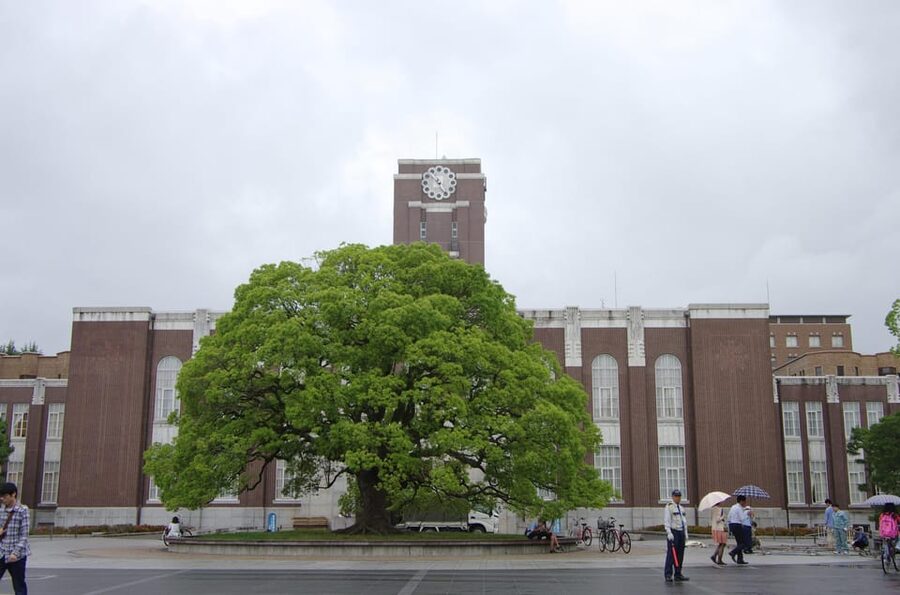
The ride then heads to Shimogamo Shrine, one of Kyoto’s oldest Shinto shrines. The shrine is set among wooded grounds, so the mood changes again. You move from temple architecture and canal paths to a Shinto setting with a different visual style and religious tradition.
A guided visit is included. That is useful because Shinto spaces can be easy to appreciate visually while their rituals and symbols remain unfamiliar. Your guide can explain the spiritual meaning of the site and help you notice details you might otherwise pass without a second thought.
The ride to Shimogamo takes around 30 minutes. This is another reason the bicycle is useful: the route links districts that would take considerable time to cover on foot. You are not confined to one small pocket of Kyoto, and the changing surroundings help you understand how the city’s sacred places sit within its daily streets.
Kyoto Imperial Palace as the final major stop
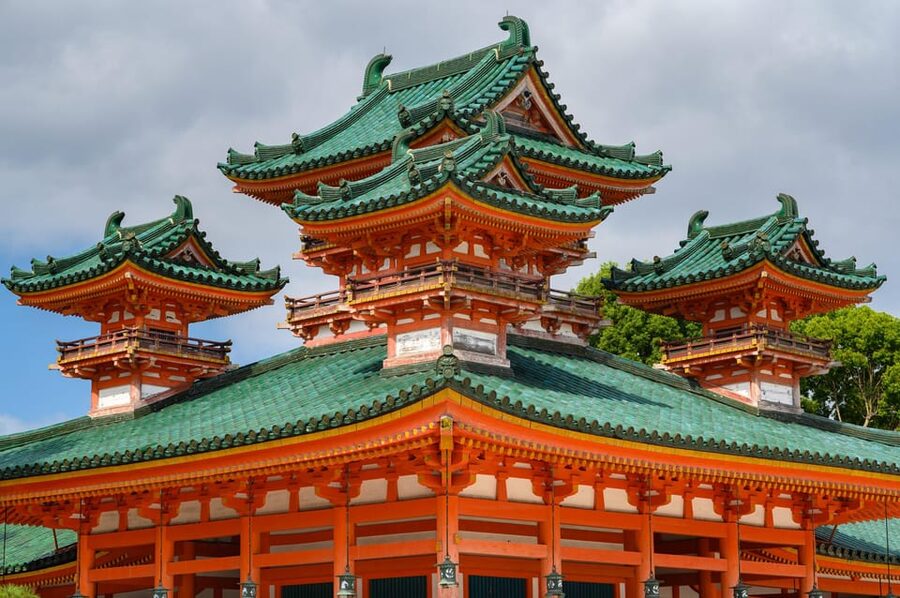
The last major destination is Kyoto Imperial Palace. The palace was the former home of Japan’s imperial family, and the expansive grounds offer room to slow down before the return to Gojo Station.
The itinerary gives about 30 minutes of cycling time toward the palace, followed by the ride back. This is less about a long palace tour and more about seeing the grounds as the final large setting of the day. After the tighter streets around Gion and the temple paths, the open space can feel like a natural pause.
Keep in mind that the tour ends back at Gojo Station. The palace is not the final drop-off point, and hotel transportation is not included. Plan your afternoon around returning to the starting area.
What the guides add to the ride
The guide is more important on this tour than on a simple bicycle rental. You are not only looking for directions. You are moving through districts with different religious, political, and cultural roles, and the explanations help connect them.
Miya guided one outing and was praised for giving useful background, taking photos, and helping a first-day visitor feel more confident navigating Kyoto afterward. Kats guided other departures and was described as generous with time at temples and shrines rather than hurrying people from one stop to the next.
Those details point to a helpful strength: the pace can allow for real stops, not just passing views. Still, your experience depends on the guide assigned to your departure, the group’s cycling speed, and the day’s conditions. The advertised language is English, and the small group limit of nine should make questions easier than on a large coach tour.
Is $79 a fair price?
At $79 per person, this tour is not the cheapest way to rent a bicycle in Kyoto. A self-guided ride costs less, and it gives you complete control over how long you stay at each site.
The tour earns its price through the combination of bicycle rental, helmet, guide, insurance, and a structured route connecting several important areas. Nanzenji’s entrance fee is included. You also avoid spending time planning roads between Gion, the eastern temple district, Shimogamo, and the palace.
I see the best value for a first day in Kyoto, especially if you want orientation rather than a deep visit to one temple. A family with older children may also appreciate the transport advantage. One 13-year-old and one 11-year-old enjoyed the format on a family outing, and cycling covered more ground than walking would have.
Food and drinks are not included. One practical point comes from a hot-weather outing: a café stop would have been welcome. Since no meal or drink break is promised, eat beforehand, carry water, and do not count on refreshments being built into the four-hour schedule.
Weather, fitness, and what to bring
The tour runs in different seasons, from spring’s cooler breezes to winter’s crisp air. Weather will shape the experience more than the route description can. Heat can make four hours feel long, while cooler conditions may make cycling pleasant.
Wear comfortable shoes and bring a camera. Cash is also listed as something to carry, useful for personal expenses or food. The tour provides a helmet, but you should still dress for active outdoor time and be ready to ride for much of the session.
This is not the right pick if you want an electric bicycle. The included equipment is described as a standard non-electric bike, even though one past outing used e-bikes on a very hot day. Treat that as an exception, not as part of the normal package, and confirm directly if an electric bicycle is essential.
The cancellation terms are flexible: you can cancel up to 24 hours before the activity for a full refund, and you can reserve now and pay later. Starting times vary, so check availability before planning the rest of your day.
Who should book this Kyoto bike tour?
Book it if you want to cover a lot of Kyoto in half a day, prefer active sightseeing, and like having a guide explain the places along the way. It is especially useful early in a Kyoto stay because the route introduces several districts and can help you plan return visits.
Families with children who can ride may find it more engaging than a long walking tour. Couples and solo visitors who want company without joining a large group should also like the nine-person limit.
Skip it if you want a slow, detailed visit at each temple, dislike cycling in city conditions, or need an electric bike as standard. You should also choose another format if any of the listed health and mobility restrictions apply.
For most reasonably fit riders, this is a smart way to see the eastern and central parts of Kyoto without burning a full day on foot. The route is ambitious, the bike is ordinary and comfortable rather than fancy, and the best guides make the difference by explaining the city as you go.
FAQ
Where does the Kyoto bike tour meet?
Meet at Exit 2 of Subway Gojo Station. Look for a guide wearing a TripGuru shirt or holding a TripGuru sign.
How long does the tour last?
The tour lasts four hours and returns to Gojo Station.
What kind of bicycle is provided?
The tour provides a standard non-electric B-type bicycle with three gear shifts, along with a helmet.
Which places does the route visit?
The route includes Gion, Nanzenji Temple, the Philosopher’s Path, the Ginkakujicho area near Ginkakuji, Shimogamo Shrine, and Kyoto Imperial Palace.
Is the tour conducted in English?
Yes. The tour has an English-speaking live guide.
What is included in the price?
The price includes the guide, bicycle rental, helmet, insurance, and the entrance fee at Nanzenji Temple. Hotel transport, meals, drinks, and personal expenses are not included.
Can I cancel the booking?
You can cancel up to 24 hours in advance for a full refund. Reserve now and pay later is also available.
Newest Kyoto experiences on the site
- Treasures of Kyoto: Gion & historical Walking Tour★ 5.0 · 6 reviews
- Whisk Your Own Matcha: A Zen Matcha Experience at Temple★ 3.6 · 7 reviews
- Kyoto tea town for matcha lovers★ 5.0 · 16 reviews
- Uji: Private immersion into Kyoto’s tea and reglious culture★ 5.0 · 17 reviews
- Kyoto Matcha Green Tea Tour★ 4.5 · 23 reviews
- Uji and Wazuka Matcha Farm Half Day Private Guided Tour★ 5.0 · 21 reviews
- Utilising upcycled Matcha! Creating matcha incense (Uji, Kyoto)★ 5.0 · 6 reviews
- Sacred Temple Yoga Experience in Japan★ 5.0 · 3 reviews
Kyoto Cycling Tours, compared.
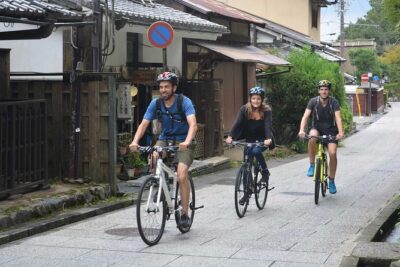
Arashiyama Bamboo Forest & Hidden Gems Bike Tour (Early Bird)
Read our review →
5 Top Highlights of Kyoto Full Day Bike Tour (E-bike option)
Read our review →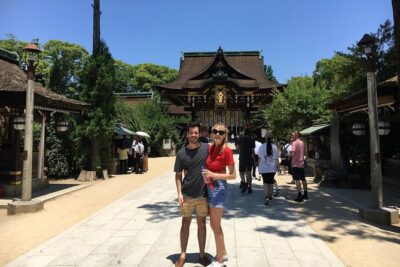
Full Day Biking Tour Exploring the Best of Kyoto
Read our review →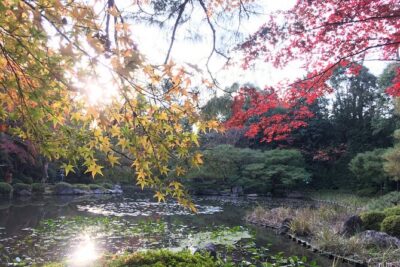
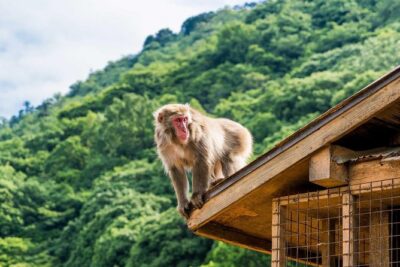
Afternoon Kyoto Bike Tour: Bamboo Forest, Monkeys & Hidden Spots
Read our review →
South Kyoto in a Nutshell: Gentle Backstreet Bike Tour!
Read our review →Browse the lists this tour appears in