
Reviewed · UJI TEA TOURS
Uji: Green Tea Tour with Byodoin and Koshoji Temple Visits
Uji’s tea culture makes much more sense when you see it beside its temples, river, and mountain paths. This four-hour tour connects premium Gyokuro tea with Byodo-in, Ujigami Shrine, and Koshoji Temple, turning a simple side trip from Kyoto into a lesson in how religion, samurai power, and tea shaped one another.
I like the hands-on tasting, especially the unusual finish where you eat the softened tea leaves with ponzu sauce. I also like the guide-led temple visits, since guides such as Damien, Ferdinand, Brian, Bryan, and David have been praised for explaining Shinto and Buddhist customs in clear, practical English. The main drawback is physical: expect stairs, walking, and uneven routes, with no good fit for people with limited mobility, back problems, or heart problems.
Key points to know before you book
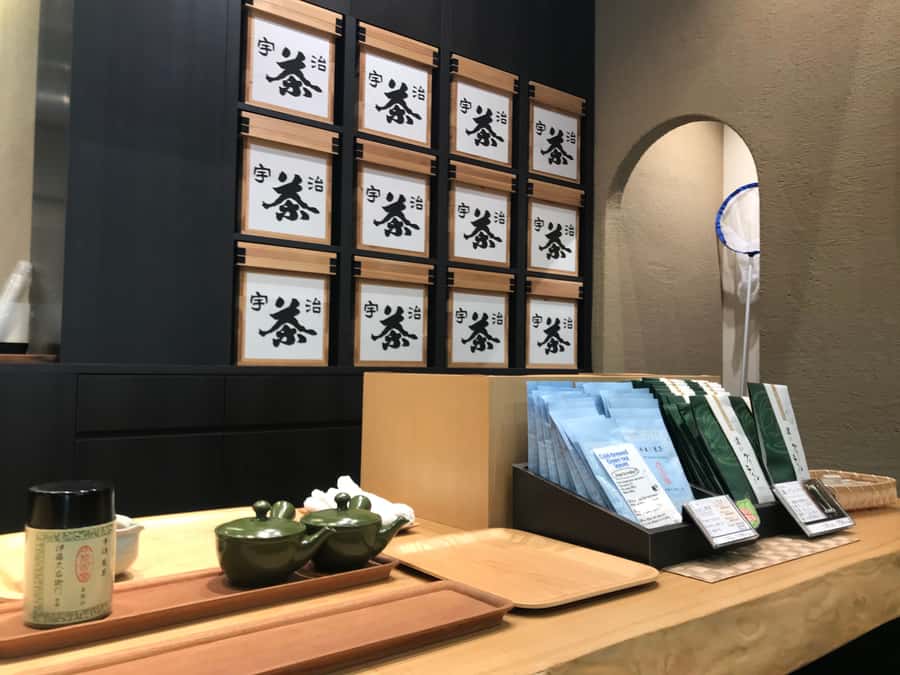
- Gyokuro is the star of the tour: You taste high-grade Uji tea, learn how brewing changes its flavor, and eat the used leaves with ponzu.
- The route links major sights with quieter paths: Ujigami Shrine, Byodo-in, and Koshoji show different sides of Uji, from sacred spring water to temple architecture.
- The oldest operating tea house begins the story: You learn about a tea business said to have operated since 1160 and remained in the same family for 24 generations.
- Byodo-in admission and Koshoji admission are included: That makes the $111 price easier to assess, especially if you value context at historic sites.
- The meeting point is simple: Start at the only exit of Keihan Uji Station, then finish back there after four hours.
- This is not a low-effort sightseeing walk: Wear comfortable shoes and plan for stairs, mountain paths, and rain-or-shine conditions.
Why Uji makes a better tea day than another central Kyoto street
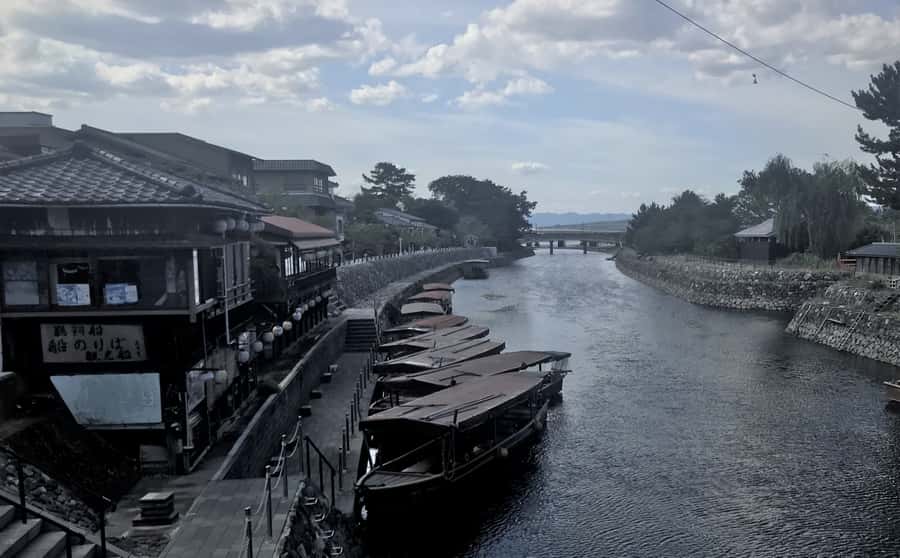
Uji sits about 30 minutes by local train from central Kyoto areas such as Kyoto Station and Gion. That short ride changes the mood quickly. Instead of packed lanes and temple queues, you get the broad Uji River, mountain views, tea shops, and a town where tea is still part of daily business rather than just a souvenir theme.
I like Uji because the setting explains the product. Tea here is not presented as an isolated tasting course. You see the river that helped trade, the religious sites that shaped ceremony and ritual, and the old shops that carried tea culture through generations.
The tour costs $111 per person for four hours. That is not the cheapest way to see Uji, since you could walk through the town independently and pay temple admission yourself. Still, the price includes a guide, both temple entrances, a Gyokuro experience, and tea tasting. The value is strongest if you want the background explained as you go, or if temple etiquette and tea preparation are unfamiliar to you.
Private and small-group options are available. A smaller group can matter here because the tea tasting and shrine instruction work better when you can ask questions without competing with a crowd.
More tea days out in Uji:
- Uji: UNESCO Heritage & Tea Ceremony Walking Tour
★ 4.6 · 54 reviews - Matcha Grinding Experience and Walking Tour in Uji Kyoto
★ 5.0 · 26 reviews - Slow Cycling Tour at Uji’s Matcha Green Tea Fields and Heritage
★ 5.0 · 25 reviews
Starting at a tea house with 860 years of family tradition
The tour begins at a tea house that has operated since 1160. Its story links tea commerce to the samurai world: one vassal of a famous warrior became the head of a family business that has continued for 24 generations.
That detail gives you a useful frame for the rest of the morning. Uji tea did not grow in a vacuum. Samurai patronage, Buddhist practice, family businesses, and regional trade all helped make the town famous.
You are not simply looking at an old storefront and moving on. The guide explains how a tea house could survive for centuries and why Uji became tied so closely to high-quality green tea. This is also a good point to ask about the difference between ordinary matcha, stronger powdered teas, and Gyokuro.
The stop is brief enough to keep the tour moving, but it gives the visit a human scale. You hear about a working family and its changing role, not just a date carved into a plaque.
Tasting Gyokuro and eating the tea leaves
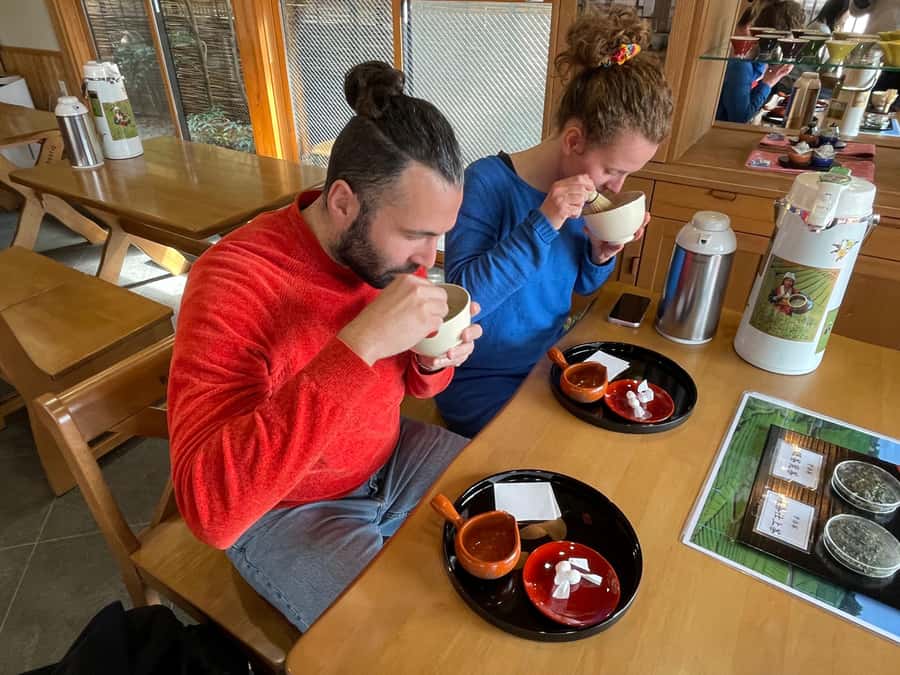
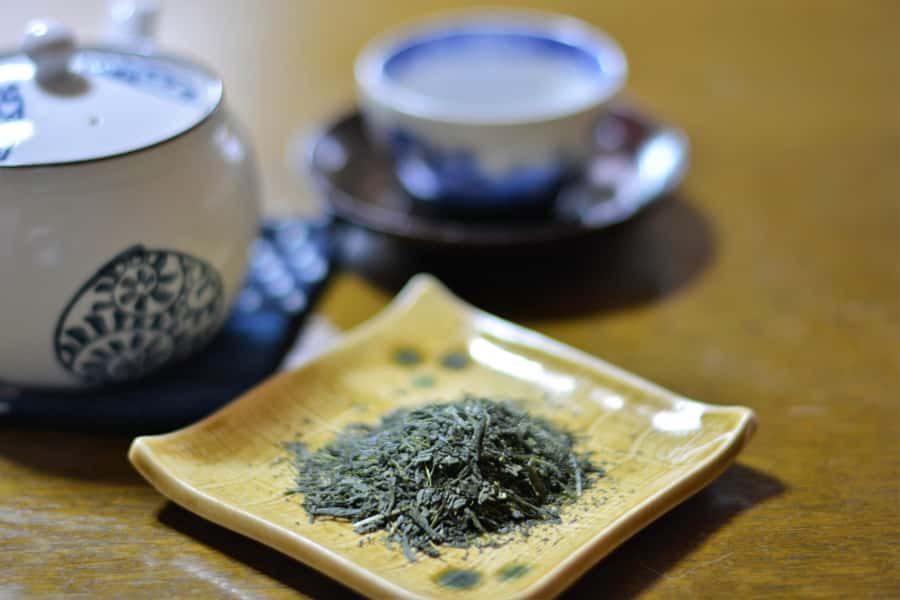
The tea experience is the most distinctive part of the tour. You taste high-grade Gyokuro, learn how it is grown, and watch how brewing technique changes the flavor.
Gyokuro is valued for its careful production and savory, concentrated taste. The point here is not to gulp down a cup and declare it good. Your guide helps you notice how temperature and brewing affect what you taste. That makes the session useful even if you already drink green tea at home.
After the tea has been brewed, you mix the remaining leaves with ponzu sauce and eat them. It is an easy-to-miss detail, but it is one of the best reasons to choose this experience over a basic café tasting. You see that the leaves still have texture and flavor after brewing, and you get a small food experience that is unusual outside Japan.
The tea stop can occasionally face availability problems. One group had its planned tasting sold out, but the guide adapted the outing rather than letting the whole morning fall apart. That is worth keeping in mind if the tea portion is your main reason for booking: it is included in the plan, but the exact experience can depend on availability.
Food and drinks beyond the tea session are not included. Uji has plenty of places for matcha noodles, sweets, and ice cream along the pilgrimage street, but those purchases are your responsibility and may need to fit around the four-hour schedule.
Ujigami Shrine, spring water, and a quieter side of Uji

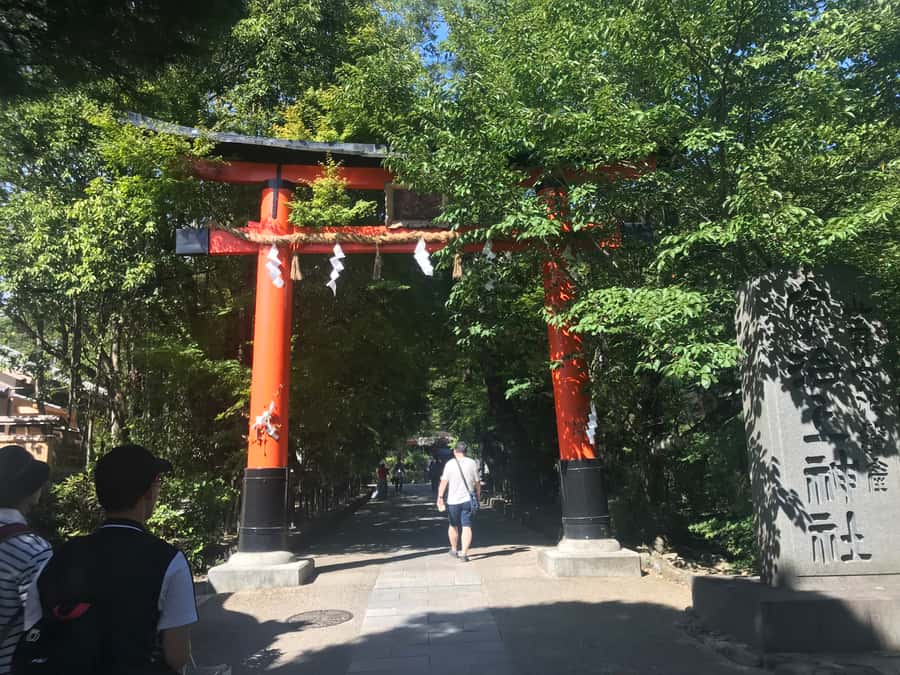
After the tea tasting, the route heads into greener mountain surroundings toward Ujigami Shrine. This shrine is presented as Japan’s oldest original Shinto shrine and a UNESCO World Heritage Site. It is also linked to Uji’s guardian deities.
The setting matters. Ujigami is not just another stop to photograph. The path into the trees gives you a pause from the commercial tea street, and the guide explains how Shinto practice differs from Buddhist temple customs.
You also visit a stone grotto with natural spring water. The spring is described as the last remaining natural source used by local tea houses for brewing. You can purify yourself with the water, and your guide shows you how to approach the ritual respectfully.
This is where a guide adds real value. Shrine etiquette can feel confusing if you are trying to copy the person ahead of you without knowing why. Guides such as Brian and Bryan have been praised for teaching visitors how to perform blessings and behave respectfully at shrines and temples. You leave with habits you can use during the rest of your Japan trip.
Expect stairs and outdoor walking here. Rain does not cancel the tour, so bring weather-appropriate clothing and shoes with a good grip.
More temples worth an hour in Kyoto:
- Kyoto: Tea Ceremony Ju-An at Jotokuji Temple
★ 4.9 · 3,207 reviews - Arashiyama Bamboo, Temple, Monkeys, or Secret Sake Brewery
★ 4.8 · 886 reviews - Kyoto: Arashiyama Bamboo Forest, Monkeys, Matcha & Temple Tour
★ 5.0 · 759 reviews - Kyoto Zen Meditation & Garden Tour at a Zen Temple with Lunch
★ 5.0 · 441 reviews
Crossing the Uji River toward Byodo-in
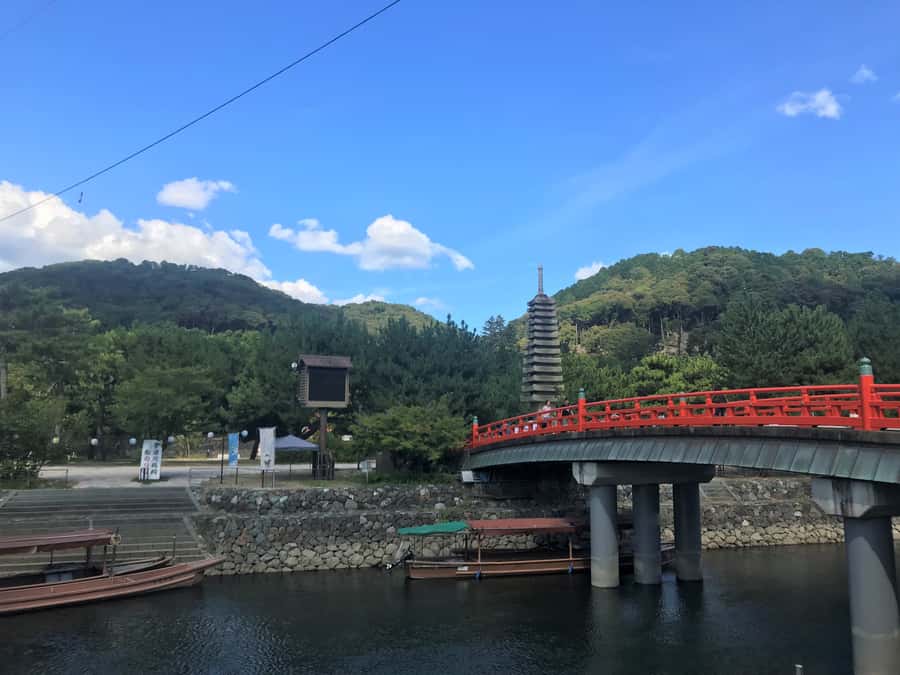
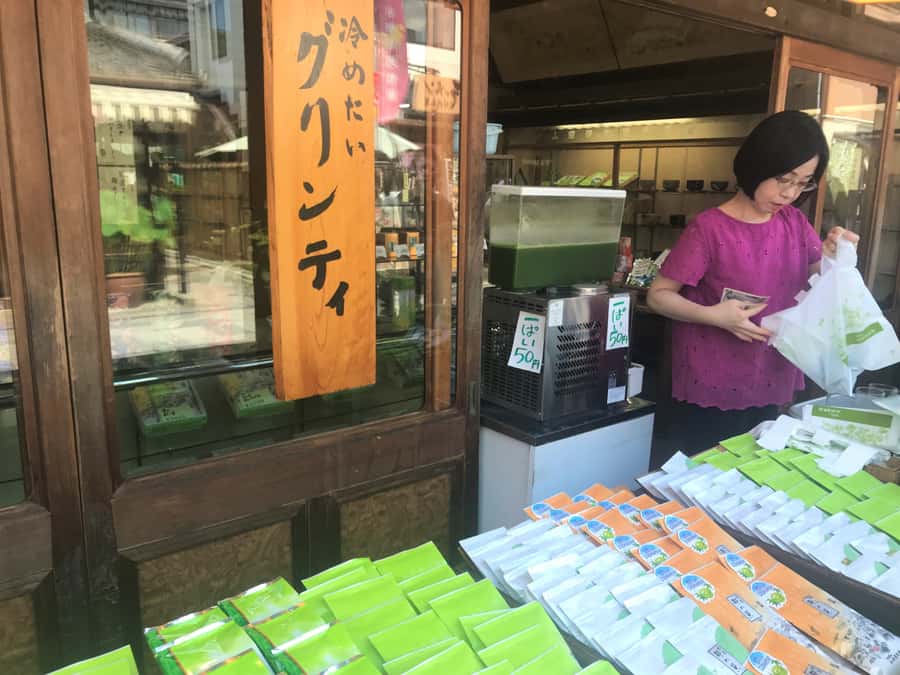
From the shrine area, you cross the Uji River and follow a pilgrimage route toward Byodo-in. The walk links the natural and commercial sides of town. Along the way, tea shops reach back toward the medieval period, and the street offers plenty of aromas, matcha products, and small gift shops.
This section can be lively, particularly near the main approach to Byodo-in. It is a useful contrast with the quiet shrine and mountain paths. You see how pilgrimage routes became shopping streets without losing their religious purpose.
The river is one of the simple pleasures of the route. You get open views and a chance to reset before the next major temple. Guides often adjust the pace for photographs, and several guides are praised for taking pictures and allowing time to look around rather than rushing from gate to gate.
Byodo-in and the famous Phoenix Hall

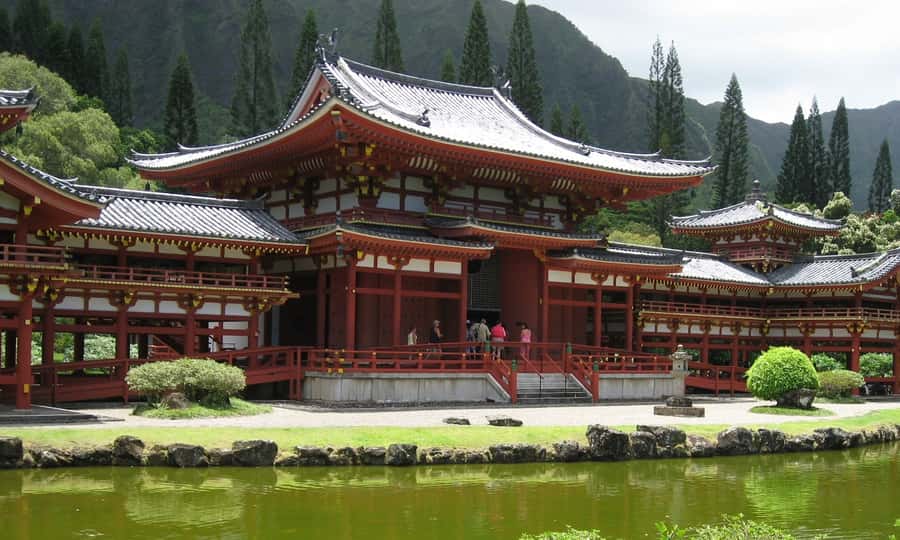
Byodo-in is the tour’s grand architectural stop. The temple is a UNESCO World Heritage site, and admission is included.
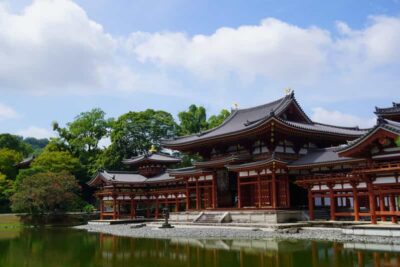
The Phoenix Hall is the visual centerpiece. Its image is familiar from the back of the Japanese 10-yen coin, but seeing it across the water gives the building a different presence. The hall reflects Heian Period ideals from 794 to 1185, when court culture, Buddhist belief, and refined architecture shaped Kyoto and the surrounding region.
The tour also includes Byodo-in’s modern museum. This is more than a quick display room. It holds Buddhist objects and helps explain the spiritual ideas behind the temple, giving you context for the hall rather than leaving you with only a famous photograph.
I especially like this part for first-time temple visitors. The guide can connect the building to the broader story of Uji, including the relationship between aristocrats, samurai, tea merchants, and religious institutions. You may appreciate the museum most if you want to understand what you are seeing instead of simply collecting another temple entrance ticket.
Allow yourself some quiet time here. Byodo-in can be the busiest part of the route, and the visual impact is easy to lose if you rush through with the crowd.
Koshoji Temple and the final mountain walk
The tour ends with Koshoji Temple, which hugs the mountain and brings the day back to a calmer setting. Admission is included.
Koshoji offers a different feeling from Byodo-in. Byodo-in is formal and widely recognized, while Koshoji gives you a mountain-side setting and a chance to slow down. The temple is described as a place to get some Zen before the tour ends, and that is a fair way to think of it: less about one iconic building, more about quiet surroundings and the relationship between temple and mountain.
This final section also confirms why comfortable shoes matter. The tour is not a flat town stroll from start to finish. You move between station streets, river paths, shrine grounds, and mountain-side temple routes. The changing terrain is part of the appeal, but it can be tiring for anyone with mobility limits.
The activity ends back at the Keihan Uji Station meeting point. That makes it easy to continue exploring Uji on your own, find lunch, or return to Kyoto by train.
The guides make the history easier to use
The guide assignment varies, but several names have received particularly warm praise. Damien is noted for explaining Shinto and Buddhist practices and for adjusting the morning to suit the group. Ferdinand is described as especially strong at connecting temples, customs, history, and Japanese culture.
Brian and Bryan are praised for lively storytelling, practical instruction, and taking visitors away from the busiest paths. David is noted for detailed explanations of tea, temples, and shrines, as well as a relaxed pace. Kevin has helped people find the correct train afterward, while Lito has added photography help and local recommendations.
You should not assume you will receive a specific guide unless the booking process confirms it. The useful point is that the company offers English and Spanish guiding, with private or small-group formats available. The strongest part of the experience depends on asking questions, so come prepared with a few: ask about tea grades, shrine rituals, Heian architecture, and the link between samurai families and tea shops.
Who should book this Uji experience?
I would choose this tour if you want more than a list of famous places. It suits you especially well if you:
- Like tea but want to understand production and brewing, not just drink matcha.
- Are visiting Japan for the first time and want help with shrine and temple customs.
- Prefer a smaller group and a guided route over managing several admissions and directions yourself.
- Want a quieter Kyoto side trip with river and mountain scenery.
- Enjoy history explained through real places, family businesses, and religious practice.
It is less suitable if you want a leisurely café morning with very little walking. The tour takes place rain or shine, includes stairs, and is not recommended for people with limited mobility, back problems, or heart problems.
The four-hour length is useful for a Kyoto itinerary. It is long enough to cover the tea tasting and three important religious sites, yet short enough to leave part of the day for another activity. Starting times vary, so check the schedule before building your train and meal plans.
Should you book it?
Book this Uji tour if you want the town’s tea culture explained alongside its temples and river setting. The best parts are the Gyokuro tasting, the tea-leaf-and-ponzu finish, Ujigami’s spring water, Byodo-in’s museum, and the quieter close at Koshoji.
At $111, it is a considered purchase, but the included admissions and specialist tea session make the price reasonable for a small-group or private outing. Skip it if you are happy exploring independently, already know Japanese temple customs, or need a flat, low-walking route.
For most visitors with comfortable shoes and four free hours, this is a thoughtful way to see Uji beyond the matcha shops.
FAQ
How long does the Uji green tea tour last?
The tour lasts four hours. Starting times vary, so you need to check availability for the date you want.
Where does the tour begin?
It begins at the only exit of Keihan Uji Station. An escalator goes all the way up to ground level.
Where does the tour end?
The activity ends back at the meeting point at Keihan Uji Station.
Which languages are available?
Live guiding is available in English and Spanish.
Are Byodo-in and Koshoji admission fees included?
Yes. Admission to Byodo-in Temple and Koshoji Temple is included in the tour price.
What kind of tea will I taste?
The experience includes Japanese Gyokuro green tea and a tea tasting. You learn how brewing changes the flavor and eat the used leaves with ponzu sauce.
Is food included beyond the tea experience?
No. Food and drinks outside the tea experience are not included.
Is the tour suitable for people with limited mobility?
No. The tour includes stairs and is not recommended for people with mobility impairments, back problems, or heart problems.
What should I bring?
Bring comfortable shoes. The tour operates rain or shine, so weather-ready clothing is also sensible.
Newest Kyoto experiences on the site
- Treasures of Kyoto: Gion & historical Walking Tour★ 5.0 · 6 reviews
- Whisk Your Own Matcha: A Zen Matcha Experience at Temple★ 3.6 · 7 reviews
- Kyoto tea town for matcha lovers★ 5.0 · 16 reviews
- Uji: Private immersion into Kyoto’s tea and reglious culture★ 5.0 · 17 reviews
- Kyoto Matcha Green Tea Tour★ 4.5 · 23 reviews
- Uji and Wazuka Matcha Farm Half Day Private Guided Tour★ 5.0 · 21 reviews
- Utilising upcycled Matcha! Creating matcha incense (Uji, Kyoto)★ 5.0 · 6 reviews
- Sacred Temple Yoga Experience in Japan★ 5.0 · 3 reviews
Uji Tea Tours, compared.
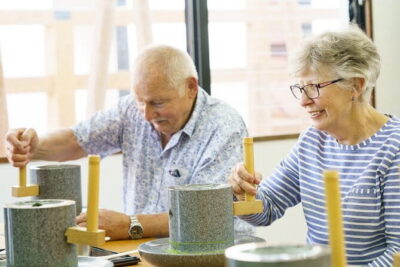
Matcha Grinding Experience and Walking Tour in Uji Kyoto
Read our review →
Kyoto & Uji: Full Day Sightseeing Tour from Osaka or Kyoto
Read our review →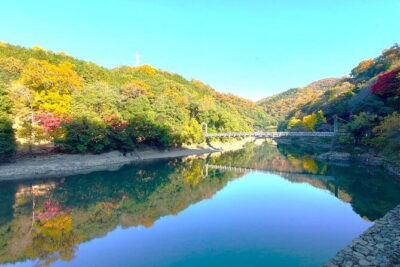
Slow Cycling Tour at Uji’s Matcha Green Tea Fields and Heritage
Read our review →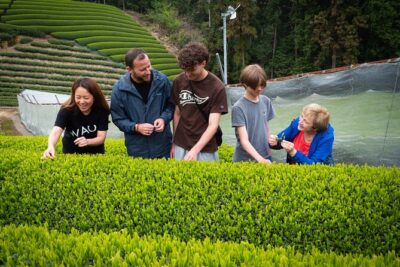
Uji and Wazuka Matcha Farm Half Day Private Guided Tour
Read our review →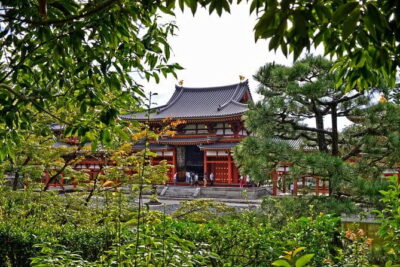
Uji Tea Ceremony and UNESCO Heritage Walking Tour
Read our review →
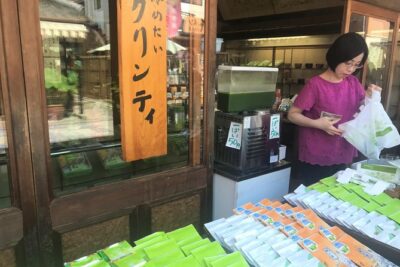
Private immersion into Kyoto’s tea and reglious culture
Read our review →Browse the lists this tour appears in