
Reviewed · KYOTO CYCLING TOURS
Kyoto: Full-Day City Highlights Bike Tour with Light Lunch
Kyoto’s famous sights are spread across the city, and this bike tour links them in one ambitious day. You’ll pedal from Saga-Arashiyama to Fushimi Inari, Gion, Kiyomizu-dera, and Kinkaku-ji, often using back lanes that buses cannot reach. I like the small group of up to eight and the way guides such as Rob, Cass, Peter, and Ray add history, customs, and useful local detail without turning every stop into a lecture.
I also like that lunch, water, entry fees, a helmet, and the bicycle are included. The catch is plain: this is about 44 kilometers, or 27 miles, and the full eight hours really means eight hours. You need cycling experience and decent stamina. An electric-assist bike is worth considering, especially in summer or if you are not a regular cyclist.
Key points at a glance
- About 44 km of riding: This is a serious full-day cycling route, not a casual spin around one neighborhood.
- Five major Kyoto sights: Arashiyama, Fushimi Inari, Kiyomizu-dera, Gion, and Kinkaku-ji are all covered.
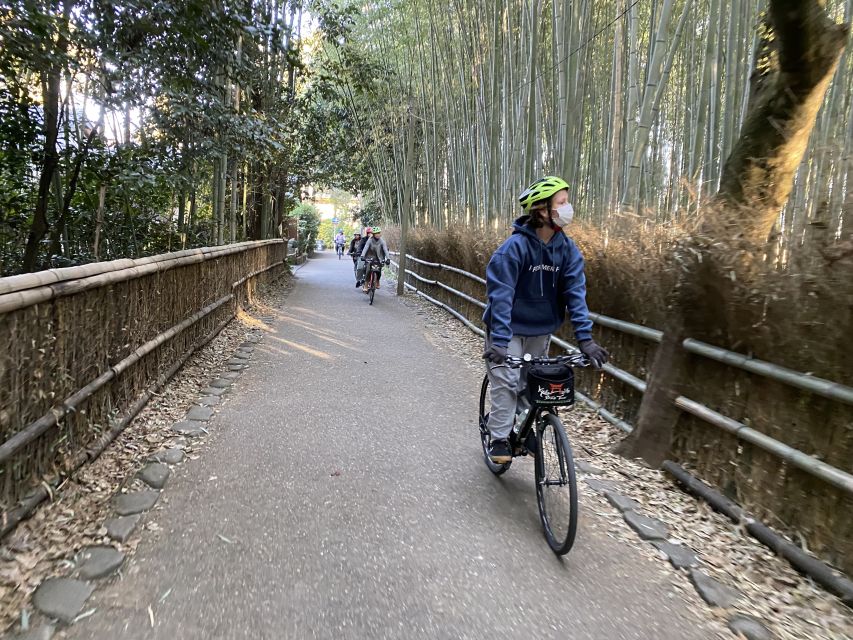
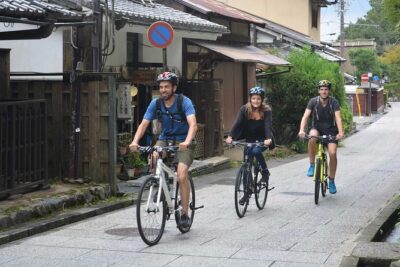
- Quiet lanes add local flavor: The route includes back streets, gardens, waterways, and ordinary Kyoto neighborhoods between the headline sights.
- Small groups make the day personal: With no more than eight people, the guide can help with questions, photos, and cycling confidence.
- Lunch and equipment are included: You receive a bicycle, helmet, bottled water, entry fees, and a light meal.
- E-bike upgrade is a smart choice: Several riders found pedal assist especially useful on hot days and over this long distance.
Why this Kyoto bike route works
The great strength of this tour is its range. In one day, you move from the quiet bamboo paths of western Kyoto to the orange shrine gates in the south, then east toward Gion and Kiyomizu-dera before finishing at the Golden Pavilion.
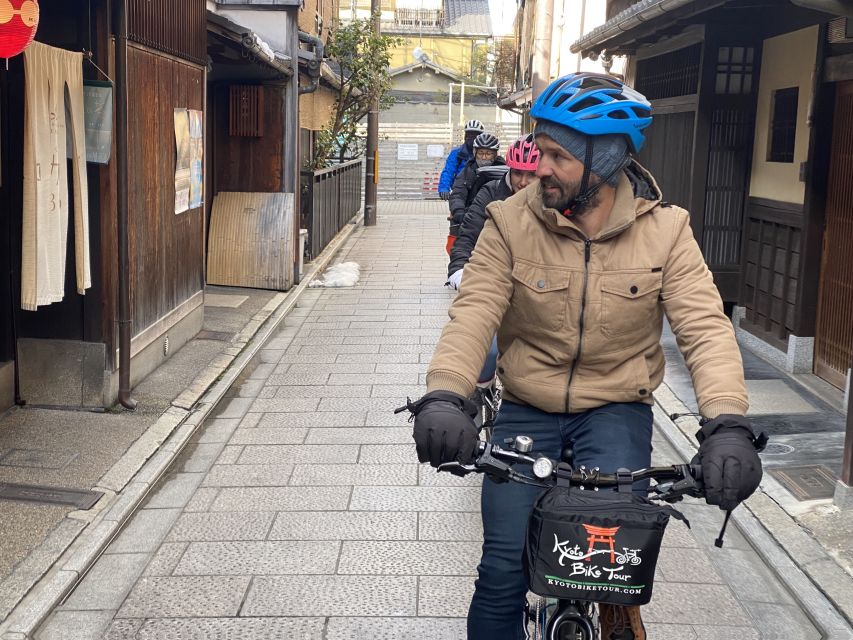
That sounds like a lot because it is. Kyoto is not a compact sightseeing town, and these places are not arranged in a neat line. Public transport can get you from one district to another, but it will not show you the streets between them. A bicycle gives you that middle layer: small lanes, gardens, local homes, waterways, and the changing feel of the city.
Your guide does the practical work. After meeting outside JR Saga-Arashiyama Station, you receive a safety briefing and bike fitting. The guide wears a helmet and a Kyoto Bike Tour shirt, so finding the group should be straightforward.
The English-speaking guides are a major part of the experience. Rob is especially good at mixing Japanese customs, history, and everyday observations with short, clear explanations. Cass has been praised for keeping the day organized and giving just enough detail. Peter is patient and helpful, while Ray is careful about road safety and respectful when explaining Japanese culture.
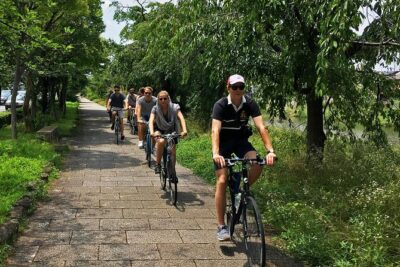
The small group matters here. Riding through Kyoto requires attention, and a guide can keep the group together, choose manageable streets, and make sure nobody is left behind. You also have a better chance of asking questions or getting help with photographs than you would on a large coach tour.
More bike days around Kyoto:
- Hidden Kyoto E-Biking tour
★ 5.0 · 1,843 reviews - Bike Tour Exploring North Kyoto plus Lunch
★ 5.0 · 1,087 reviews - Arashiyama Bamboo Forest & Hidden Gems Bike Tour (Early Bird)
★ 5.0 · 613 reviews
Starting in Arashiyama and the bamboo grove
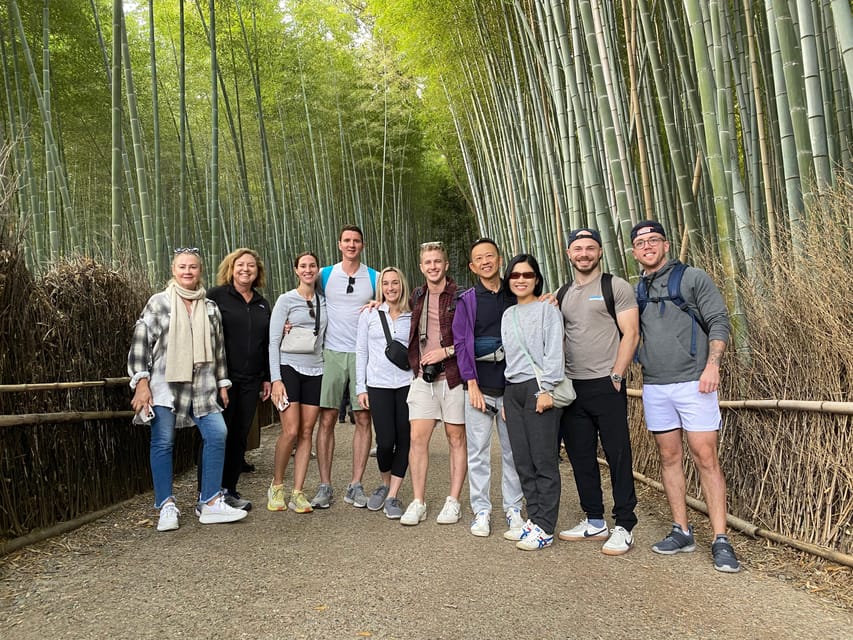
The day begins at JR Saga-Arashiyama Station, placing you close to one of Kyoto’s most recognizable areas. After the safety check and bike fitting, the first major stop is the Arashiyama Bamboo Grove.
The bamboo is the visual star. Tall green stalks rise on both sides of the path, creating a cool, filtered setting that feels quite different from the city streets. You receive about 30 minutes for a guided visit and sightseeing, enough to walk among the bamboo and take photographs without treating the stop as a full morning excursion.
Keep your expectations sensible. The grove is a short, popular attraction, not a remote forest ride. The value here comes from reaching it early in your day and then continuing by bicycle instead of spending the rest of the morning waiting for transport.
Arashiyama also gives you a useful sense of Kyoto’s western edge. Once you leave the bamboo, the route shifts from tourist scenery to ordinary streets and quieter passages. That change is one of the pleasures of the tour. You do not simply collect famous locations. You see how those locations connect to the city around them.
Fushimi Inari and its endless orange gates
The ride to Fushimi Inari takes you across a large section of Kyoto. By the time you reach the shrine, the bicycle has already become your main form of transport, rather than a small add-on to a walking tour.
Fushimi Inari Taisha is famous for its rows of vermilion torii gates. They form covered paths climbing into the wooded hills behind the main shrine buildings. The tour includes the Senbontorii area, with about 30 minutes for sightseeing and a walk through the grounds.
You can also look for the fox statues placed around the shrine. Foxes are associated with Inari, the Shinto deity connected with rice, agriculture, and prosperity. The statues appear in different forms, and noticing them adds a simple game to the visit.
The main limitation is time. Fushimi Inari’s full mountain route takes much longer than 30 minutes, so you will not walk the entire trail network. That is a fair trade for seeing four other major sights in the same day, but you should choose a separate visit if a long climb through the gates is high on your Kyoto wish list.
Lunch and the practical middle of the day
After the first two major stops, you pause for a light lunch. The meal is included, and one group had curry udon at a local restaurant. The exact meal may vary, but the useful point is that you are not expected to plan and pay for lunch while managing a long bike ride.
A light meal suits the schedule. You need enough food to continue, but a heavy lunch could make the afternoon harder, especially in warm weather. Bottled water is also included, and one guide was able to provide frozen water bottles on a hot day.
This is the part of the tour when the distance begins to matter. You may feel fine after the first stops, then notice the accumulated effort once the afternoon sightseeing starts. Drink regularly, use sunscreen and weather-appropriate clothing, and do not mistake a leisurely guide pace for an easy workout. The route is paced for sightseeing, but it remains long.
More long lunches in Kyoto:
- Osaka/Kyoto: Arashiyama, Nara & Fushimi Inari Shrine w/Lunch
★ 4.4 · 754 reviews - Kyoto Zen Meditation & Garden Tour at a Zen Temple with Lunch
★ 5.0 · 441 reviews - 4.5-Hour Kyoto Bike Tour with Lunch and UNESCO Zen Temples
★ 5.0 · 122 reviews - From Kyoto: Nara History Guided Half Day Bus Tour with Lunch
★ 4.8 · 114 reviews
Gion by bicycle, with time for detail
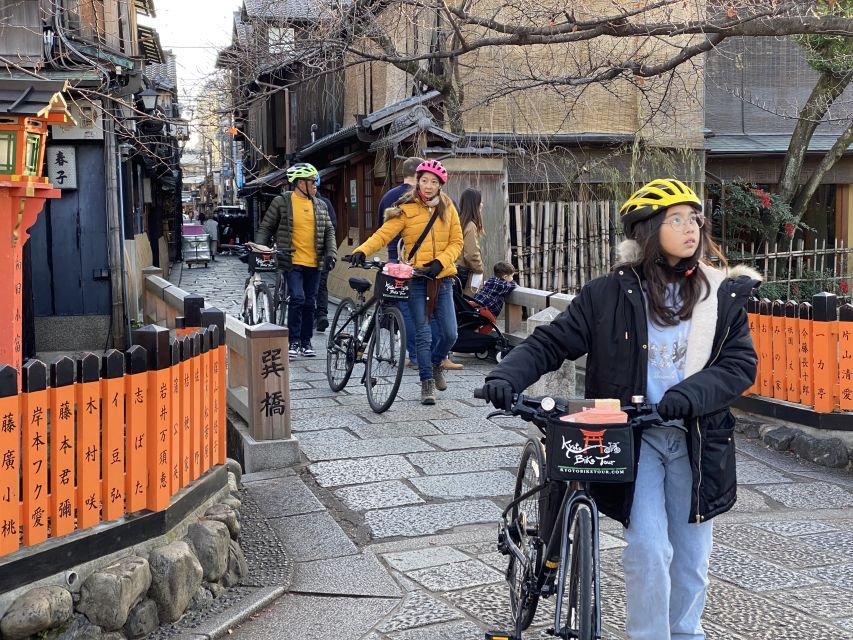
Gion offers a different side of Kyoto. The route takes you through the traditional entertainment district, including streets near Tatsumi Bridge and Hanamikoji Street.
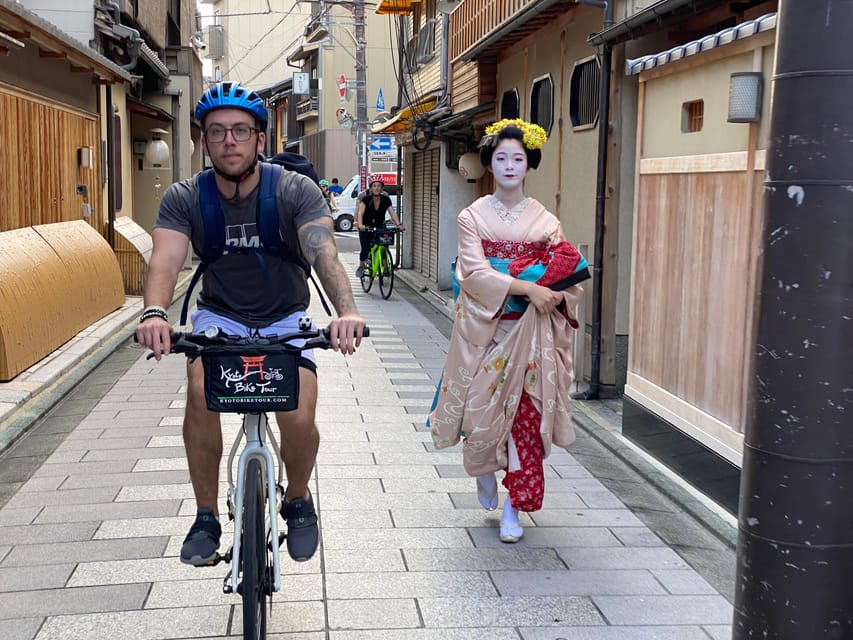
Wooden buildings, restaurants, boutiques, and narrow lanes give this area its familiar Kyoto look. Your guide can explain the role of geisha districts and the difference between the public image of Gion and daily life in the neighborhood. You might see a maiko, as one group did, but that is not something to count on or pursue.
A bicycle is useful here because you can approach the district from less crowded streets and then walk the key sections. Still, you need to follow your guide carefully. Gion is a functioning neighborhood, not a stage set, and respectful behavior matters. Do not block lanes, photograph people without permission, or treat residents as part of the scenery.
The tour’s cultural explanations are valuable at this point. Guides such as Rob and Ray have been praised for explaining customs with respect, while still keeping the conversation relaxed. You get more than a quick photo stop, even though the scheduled sightseeing time remains limited.
Kiyomizu-dera and the eastern hills
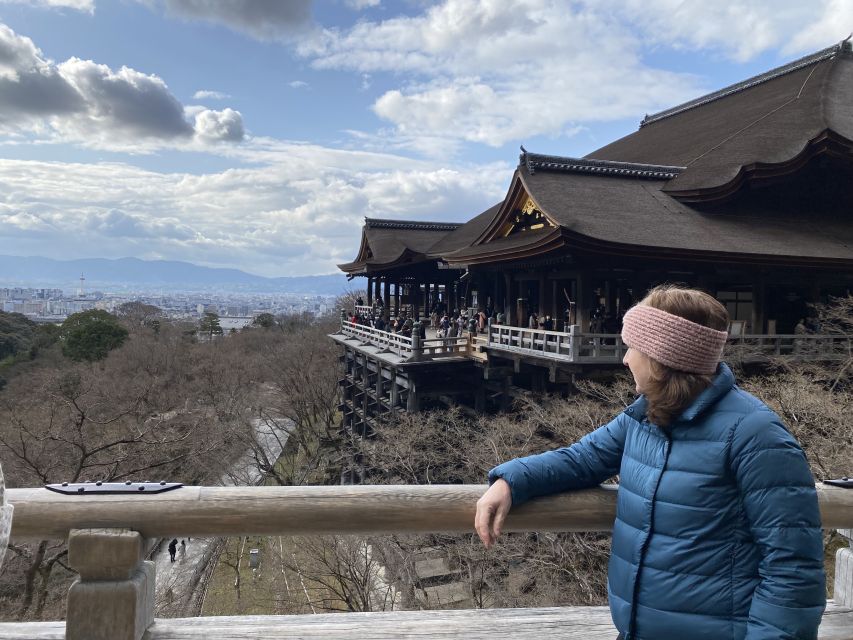
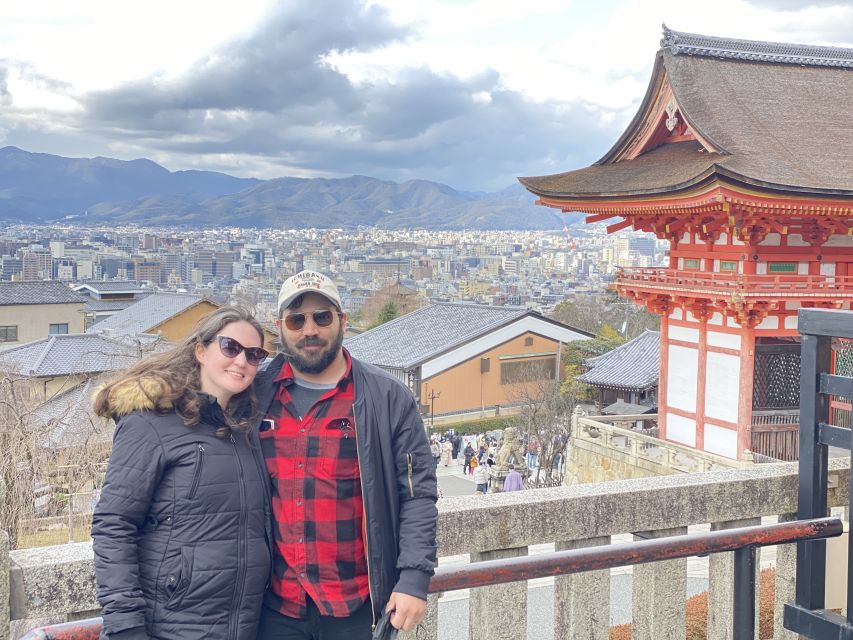
From Gion, the route heads toward eastern Kyoto and Kiyomizu-dera. The temple is a UNESCO World Heritage Site and one of the city’s essential stops.
Kiyomizu-dera is known for its wooden stage and its position in the eastern hills. The Otowa Spring is associated with pure, medicinal waters, and visitors traditionally drink from its streams for different benefits. The temple grounds offer a mix of religious buildings, views, paths, and seasonal scenery.
The 30-minute stop lets you see the main character of the temple, but it is not enough for a slow, detailed exploration of every building. The approach can also be crowded and involves walking, so comfortable shoes are important.
This stop shows why the bicycle route needs a good guide. You leave the broad roads and move through an older, hillier part of Kyoto, where route choices and traffic awareness matter. The guide handles the navigation while you focus on the temple and the city views.
Kinkaku-ji, Kyoto’s golden finish
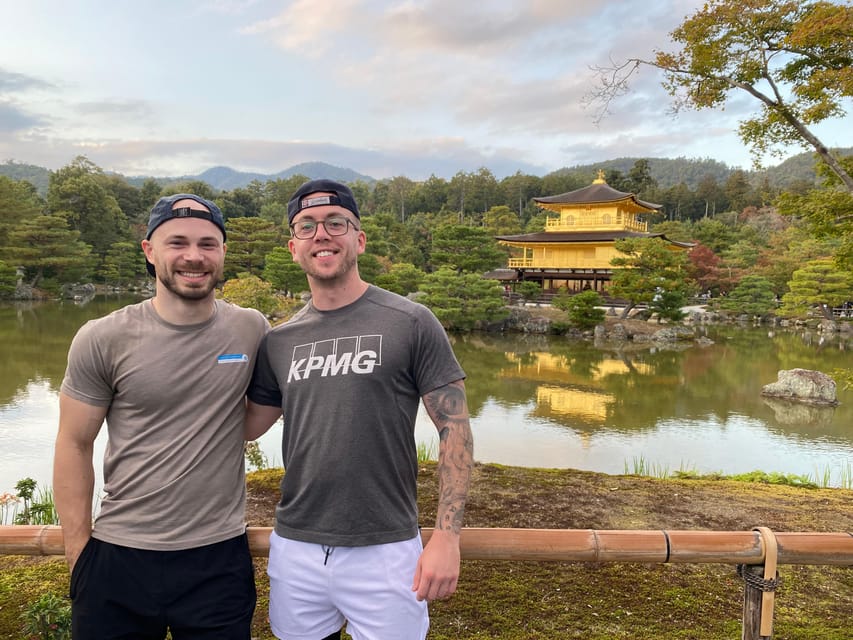
Kinkaku-ji, the Golden Pavilion, is the final major sight before you ride back to Saga-Arashiyama Station. The pavilion rises beside a reflecting pond, and its gold exterior can look almost unreal in good light.
The building you see today is a reconstruction of the historic temple structure, and the site is officially known as Rokuon-ji. It is a Zen temple, but the visit is mainly about the carefully framed view across the pond and the grounds around it.
Timing can make a real difference. One group reached the pavilion during the golden hour, when the light made the gold appear especially bright. The guide controls the day’s pace and route, so conditions will vary, but finishing here gives the tour a strong visual ending.
As at Fushimi Inari and Kiyomizu-dera, the stop is focused rather than exhaustive. You get a clear look at the pavilion and time for photographs, then return to the bicycle. If Kinkaku-ji is your top priority, you may want a longer independent visit on another day.
What 27 miles feels like in practice
The biggest question is fitness. You do not need to be a racing cyclist, but you should be comfortable riding for much of a day. The route includes city streets, connecting roads, and enough distance that an occasional recreational cyclist may find it demanding.
The tour is not suitable for children under 14, people who cannot ride a bicycle, people with mobility impairments, people with back problems, or anyone with a low level of fitness. High heels, sandals, flip-flops, boots, and loose clothing are not allowed. Wear secure, comfortable shoes and clothing that suits the weather.
The standard bicycles have been described as well maintained and easy to use. Still, many riders found pedal-assist bicycles worth the extra cost. An e-bike does not remove the need to pedal, but it can make hot weather, long connecting stretches, and the final part of the day much easier.
Winter changes the rhythm. From December through February, stops are shortened so the group can finish before sunset. That means less time at the sights, but it also reflects the practical limits of daylight.
Price, group size, and overall value
At $167 per person, this is not the cheapest way to see Kyoto. The price includes the bilingual English-speaking guide, bicycle, helmet, bottled water, entry fees, and light lunch. The small group also gives you personal attention that is hard to get on a large sightseeing bus.
The value depends on how you prefer to explore. If you want long, quiet visits at one or two temples, use public transport and spend a full day in a single district. If you want to connect five major sights without planning several train and bus changes, the tour saves time and mental effort.
You are also paying for route planning, traffic management, cultural explanation, and the chance to see streets that a bus cannot use. That matters in Kyoto, where the spaces between the famous temples can tell you as much about the city as the monuments themselves.
Hotel pickup and drop-off are not included. You need to reach JR Saga-Arashiyama Station on your own and return there at the end. The flexible booking terms allow cancellation up to 24 hours before the start for a full refund, and you can reserve now and pay later.
Who should book this ride?
I would choose this tour if you have only one full day for Kyoto’s major sights and enjoy active sightseeing. It is particularly useful for a solo visitor or a small group that wants a guide, photos, cultural context, and a route through several parts of the city.
It also suits confident cyclists who dislike spending the day in vehicles. The quiet lanes and ordinary neighborhoods between the headline attractions are a real part of the experience.
I would not choose it if you want a slow temple day, have back or mobility issues, dislike cycling in city traffic, or are uncertain about riding 27 miles. The tour is long, and even kind, patient guides cannot change the physical demands of the route.
Should you book the Kyoto city highlights bike tour?
Book it if you want a fast-moving, active introduction to Kyoto and can handle a full day on a bicycle. Choose an e-bike if you are not a regular long-distance cyclist, visiting in summer, or simply want more energy left for the temples.
Skip it if your priority is deep exploration of Arashiyama’s bamboo paths, the full Fushimi Inari climb, or a leisurely visit to each temple. For the right rider, though, this is an efficient and memorable way to connect Kyoto’s major sights while seeing the quieter city in between.
FAQ
Where does the Kyoto bike tour begin and end?
The tour begins outside JR Saga-Arashiyama Train Station and returns to the same station at the end of the day.
How long is the tour?
The tour lasts eight hours. In winter, from December through February, sightseeing stops are shortened so the group can finish before sunset.
How far do you ride?
The total riding distance is approximately 44 kilometers, or 27 miles.
Which Kyoto sights are included?
The route includes the Arashiyama Bamboo Forest, Fushimi Inari Taisha, Gion, Kiyomizu-dera, and Kinkaku-ji, also called the Golden Pavilion.
Is lunch included?
Yes. A light lunch is included, along with bottled water. One meal served on the tour has been curry udon, but the exact meal is not specified.
Is the tour suitable for beginners?
You need to be able to ride a bicycle and have a reasonable level of fitness. The tour is not suitable for people who cannot ride, people with low fitness, or people with back or mobility problems. Pedal-assist bicycles may make the long route easier.
What is included in the price?
The price includes an English-speaking bilingual guide, bicycle, helmet, bottled water, entry fees, and light lunch. Hotel pickup and drop-off are not included.
Newest Kyoto experiences on the site
- Treasures of Kyoto: Gion & historical Walking Tour★ 5.0 · 6 reviews
- Whisk Your Own Matcha: A Zen Matcha Experience at Temple★ 3.6 · 7 reviews
- Kyoto tea town for matcha lovers★ 5.0 · 16 reviews
- Uji: Private immersion into Kyoto’s tea and reglious culture★ 5.0 · 17 reviews
- Kyoto Matcha Green Tea Tour★ 4.5 · 23 reviews
- Uji and Wazuka Matcha Farm Half Day Private Guided Tour★ 5.0 · 21 reviews
- Utilising upcycled Matcha! Creating matcha incense (Uji, Kyoto)★ 5.0 · 6 reviews
- Sacred Temple Yoga Experience in Japan★ 5.0 · 3 reviews
Kyoto Cycling Tours, compared.
Arashiyama Bamboo Forest & Hidden Gems Bike Tour (Early Bird)
Read our review →
5 Top Highlights of Kyoto Full Day Bike Tour (E-bike option)
Read our review →
Full Day Biking Tour Exploring the Best of Kyoto
Read our review →
Afternoon Kyoto Bike Tour: Bamboo Forest, Monkeys & Hidden Spots
Read our review →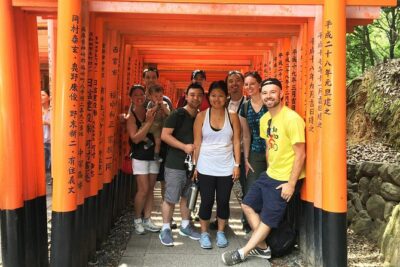
South Kyoto in a Nutshell: Gentle Backstreet Bike Tour!
Read our review →Browse the lists this tour appears in