
Reviewed · UJI TEA TOURS
Uji: Private immersion into Kyoto’s tea and reglious culture
Uji’s best story is told through two cups of tea and two faiths. This four-hour private walk links gyokuro tea with Buddhism and Shinto, then brings you to Ujigami Shrine, Koshoji Temple, and Byodoin, the temple pictured on Japan’s 10-yen coin.
I like the unusual tea lesson at Takumi-no Yakata, where you prepare gyokuro slowly with increasingly warm water. I also like the small-group format, capped at eight people, which gives guides such as Ferdi, Damian, Kevin, Mika, and Lito room to explain details and adjust the pace.
The main drawback is physical: the route includes many stairs and about four hours of walking. The schedule is full, and you will need to arrange your own food and drinks beyond the included tea and Japanese sweet.
Key points to know before booking
- Gyokuro prepared at a 12th-century teahouse: Learn why this prized green tea is brewed slowly and carefully.
- Two UNESCO sites in one morning: Visit Ujigami Shrine and Byodoin, with admission included.
- A useful bridge between tea and religion: See how Zen Buddhism helped shape Japan’s tea customs.
- A quiet break from central Kyoto: Uji Park and the Uji River add open space and a slower pace.
- A private group of no more than eight: You get more room for questions than on a large bus tour.
- Stairs and cash deserve attention: Wear sensible shoes, and carry cash for personal purchases and meals.
Why Uji is the right setting for this tour
Uji lies south of Kyoto and feels notably calmer than the city’s busiest temple districts. Its identity comes from the Uji River, the tea trade, and old religious sites that sit within easy walking distance of one another.
This tour makes sense because it does not treat tea as a quick tasting added to a sightseeing walk. It shows you how tea, trade, Buddhism, and local water are tied together. Uji’s spring water was important to tea shops, while the river once carried goods between Kyoto, Nara, and other parts of Japan.
You begin at the Keihan Uji Station Information Centre at 9:00 a.m. That early start matters. Byodoin can become crowded, and an early visit gives your guide a better chance to take you through the temple before the busiest part of the day.
The private format is a good fit if you want to ask questions or move at a pace suited to your group. It also means the experience can feel personal without being entirely unstructured. The maximum group size is eight, so you should not expect a solitary meditation walk, but you also will not be lost in a large crowd.
More tea days out in Uji:
- Uji: Green Tea Tour with Byodoin and Koshoji Temple Visits
★ 4.8 · 72 reviews - Uji: UNESCO Heritage & Tea Ceremony Walking Tour
★ 4.6 · 54 reviews - Matcha Grinding Experience and Walking Tour in Uji Kyoto
★ 5.0 · 26 reviews
Gyokuro at Takumi-no Yakata
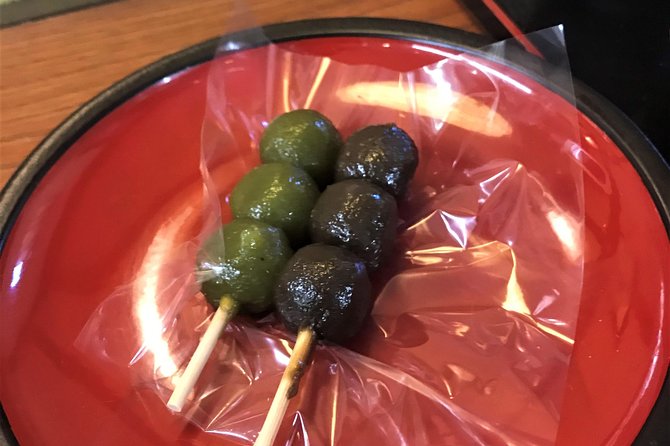
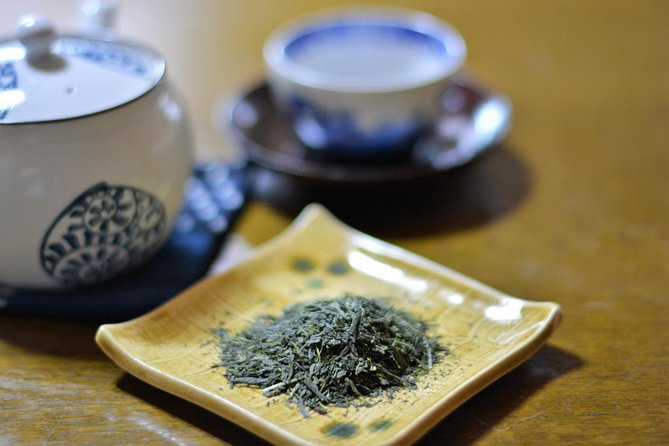
The first stop sets the tone. At Takumi-no Yakata, you receive a gyokuro tea experience with a Japanese sweet. Gyokuro is considered the highest grade of Japanese green tea, and the preparation is deliberately slow.
Instead of pouring hot water over the leaves and moving on, you learn how the tea changes when brewed with water that becomes warmer step by step. That process helps you notice why temperature matters. It also gives you a better sense of tea as a craft rather than a simple caffeinated drink.
The experience lasts about 30 minutes, with admission included. I like that it comes first. You are not trying to understand the tea shops later in the morning without context. Once you have tasted gyokuro and seen how carefully it is prepared, the tea displays and aromas along Byodoin Omotesando become easier to appreciate.
The Japanese sweet is included, but other food and drink are not. If you expect breakfast or lunch, plan for it separately. The tour begins at 9:00 a.m., so eating beforehand or arranging a meal after the walk may be wise.
Ujigami Shrine and the spring beneath Uji
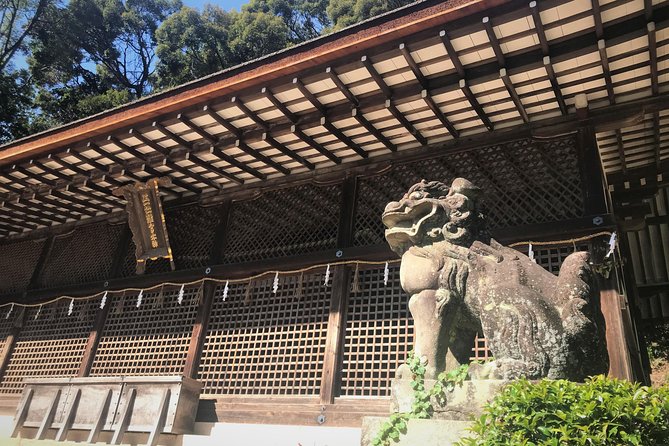
The next stop is Ujigami Shrine, described as the oldest original shrine in Japan and a UNESCO World Heritage site. Its importance is not only architectural. The shrine also connects the tour to Uji’s water supply and the local belief that springs carry spiritual meaning.
The site houses the last of Uji’s underground spring water that naturally reaches the surface. Local tea shops collect this water, which gives you a direct link between Shinto practice, the natural setting, and the tea trade.
Your guide can help explain the customs of a shrine visit and the difference between Shinto and Buddhist spaces. That context matters in Japan, where religious traditions often overlap in everyday life. You are not simply checking another old building off a list. You are seeing why this particular spot mattered to the community.
The visit lasts about 30 minutes. That is enough for an introduction, though not a long, unhurried study of every detail. If you prefer to linger at each shrine, you may find the schedule brisk.
Koshoji Temple and the Buddhist side of tea
Koshoji Temple is identified as the oldest Soto Zen temple in Kyoto. This is where the tea story shifts from local water and shrine customs to Zen Buddhism.
Zen Buddhism came to Japan from China and helped pioneer the tea ceremony. The connection is worth understanding because the ceremony is not only about the taste of tea. Its careful motions, attention to the present moment, and respect between host and guest reflect Buddhist ideas.
The stop lasts around 30 minutes. You will likely get a clear explanation of the temple and its role in the tea tradition, but this is not a long formal meditation session or a full tea ceremony. That distinction matters. You are learning about the meeting point between religion and tea, not signing up for an extended spiritual retreat.
I see this as one of the strongest parts of the route. Many tea tastings explain farming and flavor but skip the religious background. Here, the temple gives the tasting a larger setting without turning the tour into a lecture.
A few more Kyoto tours worth putting on the shortlist
- Kyoto: Tea Museum Tickets and Matcha Grinding Experience
★ 4.9 · 739 reviews - Slow Cycling Tour at Uji’s Matcha Green Tea Fields and Heritage
★ 5.0 · 25 reviews - Kyoto Matcha Green Tea Tour
★ 4.5 · 23 reviews - Uji and Wazuka Matcha Farm Half Day Private Guided Tour
★ 5.0 · 21 reviews
Byodoin Temple and the 10-yen coin
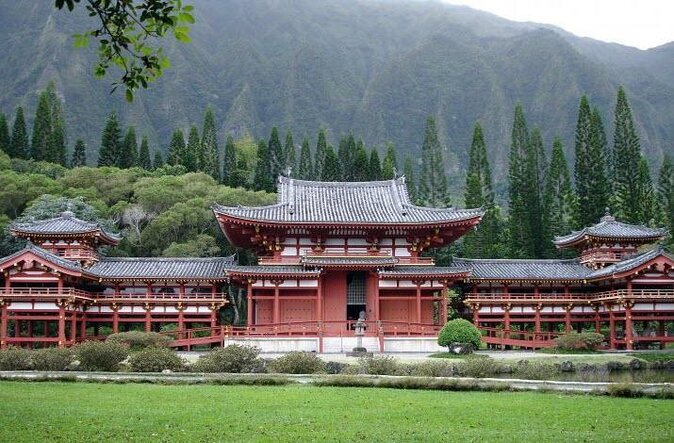
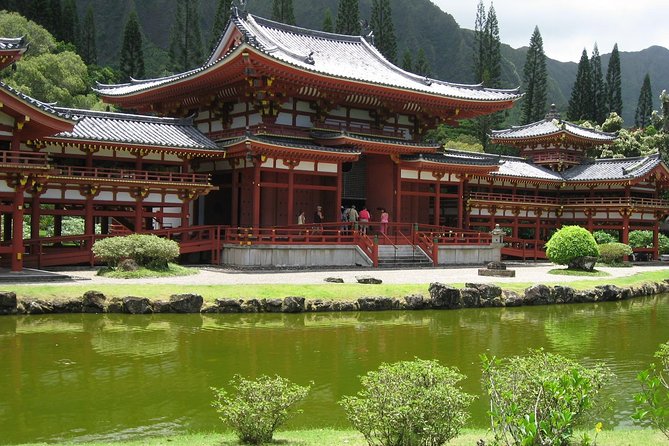
Byodoin is the visual centerpiece of the morning. The temple dates from the Heian period, and its famous hall sits on a man-made lake. The building is also pictured on the Japanese 10-yen coin, a small detail that helps you recognize its place in Japanese daily life.
Admission to Byodoin and its museum is included. That is important because the museum adds objects and explanations that make the temple more than a quick photo stop. You can see the hall from across the water, then spend time with the material connected to the site.
The temple visit lasts about 45 minutes. Your guide can point out the design, the setting, and the symbols that are easy to miss when you arrive without background. One guide, Kevin, was noted for getting into Byodoin ahead of the crowds, though exact crowd conditions will vary by day.
Byodoin is the most likely place for the tour to feel busy, especially compared with the quieter shrine and park sections. The early start helps, but you should still expect other people and a measured sightseeing pace.
Byodoin Omotesando’s tea shops
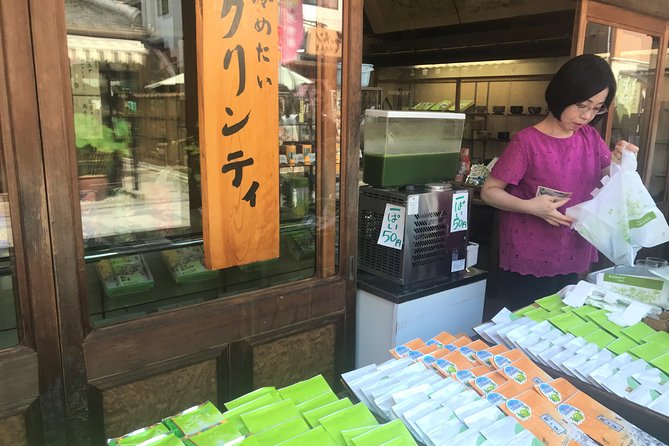
After the temple, you walk along Byodoin Omotesando, the historic pilgrimage street leading toward Byodoin. Tea shops line the route, some with roots reaching back to the medieval period.
This section is less about formal admission and more about observation. You can smell fresh tea, see the range of products made in the Uji area, and connect the earlier gyokuro lesson to the local businesses that keep tea at the center of the town.
The 45-minute stop gives you time to browse, though purchases are not included. You may want tea to take home, but remember that your ticket covers the guided experience, temple and museum admission, and the gyokuro tasting only.
If you are looking for a chance to shop, this is the natural point in the tour. If you dislike commercial streets, it may feel less peaceful than the shrine or park. Still, the shops are part of Uji’s identity, not an unrelated shopping detour.
Uji Park and the river walk
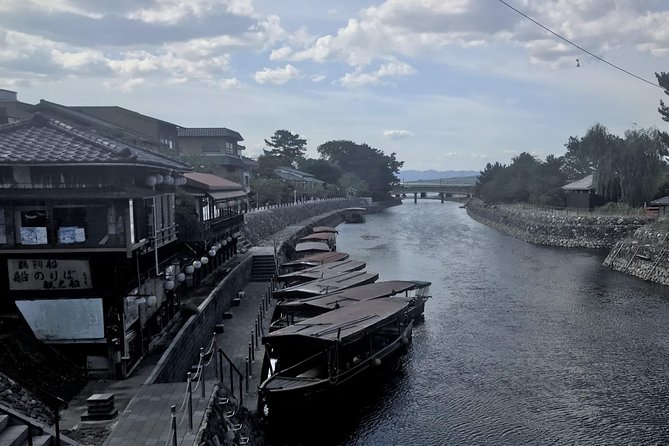
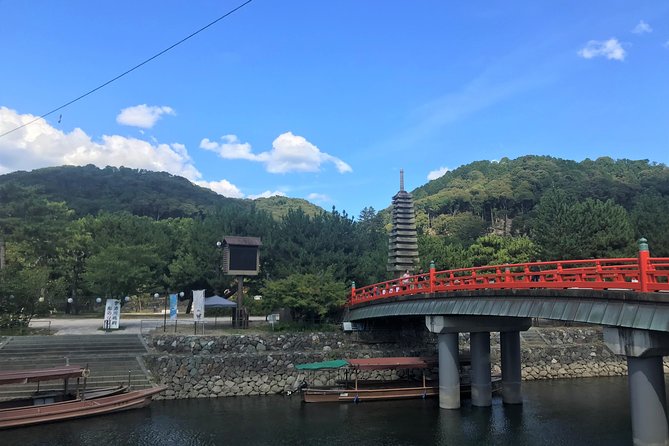
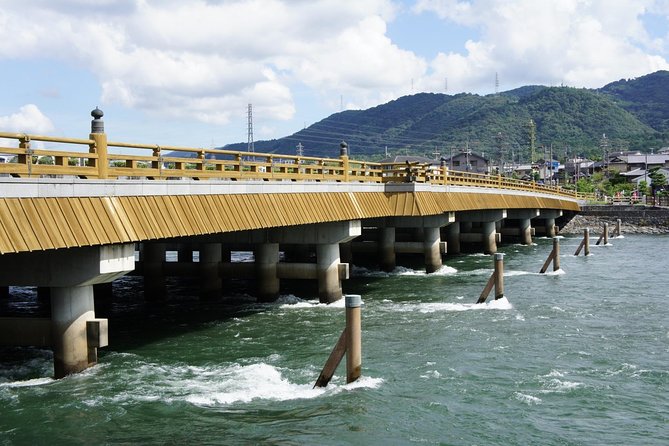
The final major stop is Prefectural Uji Park, an island in the middle of the Uji River. You spend about 30 minutes walking here and learning about cormorant fishing, an old practice using trained birds to catch fish.
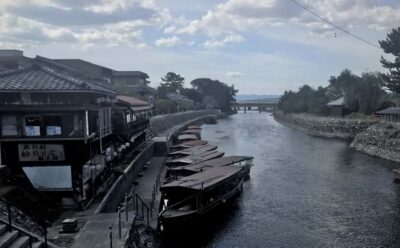
The river also explains why Uji became important. It was once a trade route linking the capitals of Kyoto and Nara, carrying tea, sake, and goods from across Japan and other parts of Asia. The waterway is shallower now, but its role remains visible in the town’s layout and traditions.
This is the tour’s most open and restful section. After temples, museum displays, and tea preparation, the river gives you space to look around. It also helps balance the religious material with Uji’s natural setting.
The walk ends back at the meeting point. Since the entire experience lasts about four hours, you can plan a separate lunch afterward. One guide, Lito, has also helped groups choose a restaurant suited to their needs, but lunch is not part of the stated tour inclusion.
How the private format affects the experience
A private tour gives you more control than a standard group excursion. Your guide can answer questions about tea preparation, shrine customs, temple design, or the difference between gyokuro and other green teas without having to address a large crowd.
The listed guides include Ferdi, Ferdinand, Damian, David, Kevin, Mika, and Lito. The guide assigned to your booking may vary. The strongest pattern across the available feedback is clear communication, friendly company, and solid English and Japanese ability in at least some cases.
That personal contact is especially useful at the tea house. Tea drinking can seem complicated if you do not know why the water temperature, timing, and movements matter. A guide who explains each step can keep the experience from feeling stiff or mysterious.
There is also a practical benefit. The meeting point had once been described too generally, so it is worth checking the exact Keihan Uji Station Information Centre location before you set out. The stated address is on the first floor of the Keihan Uji Building near Keihan Uji Station.
Price, pace, and practical value
At $162.41 per person, this is not a cheap walking tour. The value comes from the private guide, the small maximum group size, admission to Byodoin and its museum, admission to the other sites, and the specialized gyokuro session.
If you only want to see Byodoin, you can spend far less by visiting independently. You can also walk through parts of Uji without a guide. The extra cost makes more sense if you want the connections explained: why the river mattered, how Zen shaped tea, why gyokuro is prepared slowly, and how the shrine’s spring water relates to local tea.
The tour is booked an average of 38 days ahead, so advance planning is sensible. Free cancellation is available until 24 hours before the 9:00 a.m. start time. Changes or cancellations made later are not accepted for a refund.
Wear shoes suitable for stairs and uneven walking. The operator says the route requires moderate physical fitness and includes many stairs, but modifications can be made if stairs create a problem. Ask about that before the tour rather than hoping to solve it on the morning.
Bring cash for personal purchases, food, and drinks outside the included tea experience. A mobile ticket is available, and the tour runs near public transportation.
Who will enjoy this Uji morning most
I would choose this experience if you want more than temple photos. It suits you if tea interests you, if you like cultural explanation, or if Kyoto’s crowded center has begun to wear you down.
It is particularly good for couples, families with older children, and small groups who want a guide focused on their questions. The tour also suits first-time visitors who want Uji explained in one organized morning rather than pieced together from separate visits.
You may want another option if you dislike stairs, prefer a slow day with long stops, or mainly want a formal tea ceremony. This is a walking tour with a tea lesson, not a full-day food tour and not an extended ceremony.
Should you book it?
Book this Uji tour if you value context as much as scenery. The gyokuro preparation, Ujigami Shrine’s spring, Koshoji’s Zen connection, Byodoin, and the tea-lined street form a well-planned story.
Skip it if $162.41 feels high for a four-hour outing or if you would rather explore Uji independently. For everyone else, the private format and included admissions make the price reasonable, especially if you want a guide to connect tea, Buddhism, Shinto, trade, and the Uji River in one morning.
FAQ
Where does the tour start?
It starts at 9:00 a.m. at the Keihan Uji Station Information Centre, located at the Keihan Uji Building, first floor, in Uji, Kyoto.
Where does the tour end?
The activity ends back at the meeting point.
How long does the tour last?
The experience lasts approximately four hours.
What is included in the price?
Admission to the temples and the museum at Byodoin is included, along with the gyokuro tea house experience and a Japanese sweet.
Is food included?
Only the Japanese sweet served with the tea experience is included. Food and drinks outside that experience are not included.
How many people can join?
The tour has a maximum of eight participants.
Can the route be changed for someone who has trouble with stairs?
The stated route includes many stairs. If that is a problem, you should notify the operator so suitable modifications can be arranged.
Newest Kyoto experiences on the site
- Treasures of Kyoto: Gion & historical Walking Tour★ 5.0 · 6 reviews
- Whisk Your Own Matcha: A Zen Matcha Experience at Temple★ 3.6 · 7 reviews
- Kyoto tea town for matcha lovers★ 5.0 · 16 reviews
- Kyoto Matcha Green Tea Tour★ 4.5 · 23 reviews
- Uji and Wazuka Matcha Farm Half Day Private Guided Tour★ 5.0 · 21 reviews
- Utilising upcycled Matcha! Creating matcha incense (Uji, Kyoto)★ 5.0 · 6 reviews
- Sacred Temple Yoga Experience in Japan★ 5.0 · 3 reviews
- Uji Tea Ceremony and UNESCO Heritage Walking Tour★ 5.0 · 20 reviews
Uji Tea Tours, compared.
Green Tea Tour with Byodoin and Koshoji Temple Visits
Read our review →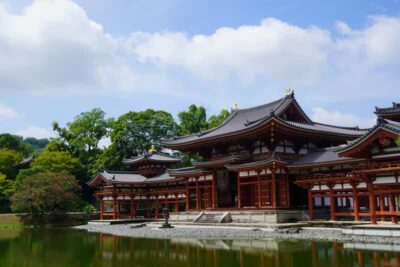
Matcha Grinding Experience and Walking Tour in Uji Kyoto
Read our review →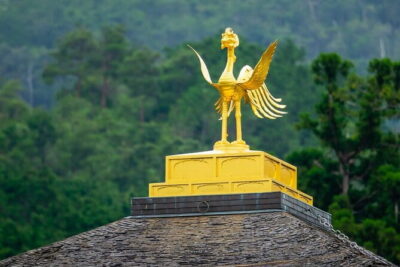
Kyoto & Uji: Full Day Sightseeing Tour from Osaka or Kyoto
Read our review →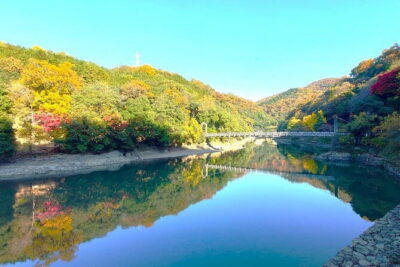
Slow Cycling Tour at Uji’s Matcha Green Tea Fields and Heritage
Read our review →
Uji and Wazuka Matcha Farm Half Day Private Guided Tour
Read our review →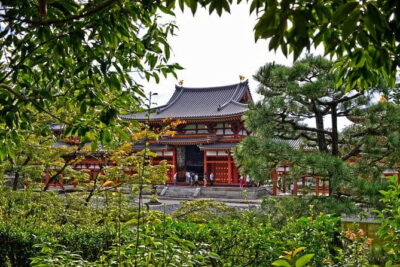
Uji Tea Ceremony and UNESCO Heritage Walking Tour
Read our review →
Browse the lists this tour appears in