
Reviewed · KYOTO MATCHA EXPERIENCES
Kyoto tea town for matcha lovers
Uji is the place to go when matcha is more than a flavor on a dessert menu. This five-hour walk takes you through tea shops, historic shrines, tea fields, and a traditional tea house, with time to grind your own matcha and taste tea-based treats. Terumi, the guide named most often in the feedback, adds context about tea, pottery, shrines, and everyday Japanese culture.
I especially like the hands-on grinding workshop and the visit to Tsuen Main Branch, a tea shop with more than 850 years of history. I also like the small maximum of seven people, which gives you room to ask questions and move at a comfortable pace. The main drawback is the price, $157.65 per person, and summer heat can make the walking feel demanding.
Key points to know before booking
- Matcha from leaf to bowl: You grind tea powder yourself before preparing and tasting it.
- An 850-year-old tea stop: Tsuen Main Branch offers a direct link to Uji’s long tea trade.
- A real cultural lesson: The tour covers tea production, tea ceremony, pottery, shrines, and local customs.
- Lunch with a tea focus: A famous tea house serves tea dishes during the midday break.
- Small-group format: The maximum group size is seven people.
- Five hours on foot: Wear sensible shoes and plan for warm conditions in summer.
Why Uji works so well for a matcha day
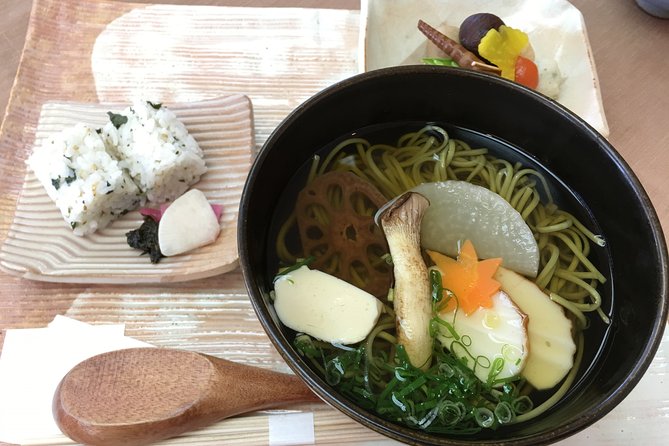
Uji lies close enough to Kyoto for an easy side trip, yet it feels more focused than a city-center tea tasting. Here, tea is part of the town’s identity. Shops sell matcha sweets and powdered tea, tea houses prepare dishes with tea, and the surrounding area connects the drink with fields, water, craft, and ritual.
I like this tour because it does not treat matcha as a single tasting spoonful. You see the subject from several angles: the history of tea in Uji, the work behind the powder, the shops that sell it, and the quiet rules of a Japanese tea ceremony. That makes the experience useful even if you already know your sencha from your matcha.
The price is not low. At $157.65, this is not simply a walking tour with a cup of tea. You are paying for a private-feeling small group, a guide who interprets the town, tastings, lunch with a tea theme, a hands-on activity, and a formal tea ceremony. The value depends on your interest. If you only want a quick matcha dessert, this is too much. If you want a full introduction to Uji and Japanese tea culture, the long format makes more sense.
More matcha experiences in Kyoto:
- Kyoto: Arashiyama Bamboo Forest, Monkeys, Matcha & Temple Tour
★ 5.0 · 759 reviews - Kyoto: Tea Museum Tickets and Matcha Grinding Experience
★ 4.9 · 739 reviews - Kyoto: Tea Ceremony Meditation – Make Matcha with Tea Master
★ 4.8 · 406 reviews
Starting at Uji Station at 9:30 am
The tour begins at Uji Station at 9:30 am and returns to the same meeting point. That simple arrangement matters. You do not need to work out a separate end point in an unfamiliar town, and you can leave Uji afterward with your bearings clear.
The experience lasts about five to five and a half hours. That gives the guide enough time to slow down at shops and cultural sites instead of rushing from one photo stop to another. It also means you should treat this as a half-day commitment, not a quick morning add-on.
The route uses public transportation access and includes a fair amount of walking. A moderate level of physical fitness is recommended. The town may look easy on a map, but shrines, shops, fields, and tea houses add up over several hours. I would wear comfortable shoes and carry water, especially in June and other hot months.
The group maximum is seven people. This is one of the tour’s strongest practical features. A small group makes it easier to hear explanations, ask about tea preparation, and keep a steady pace through narrow shop spaces.
Uji Shrine and the town’s famous water
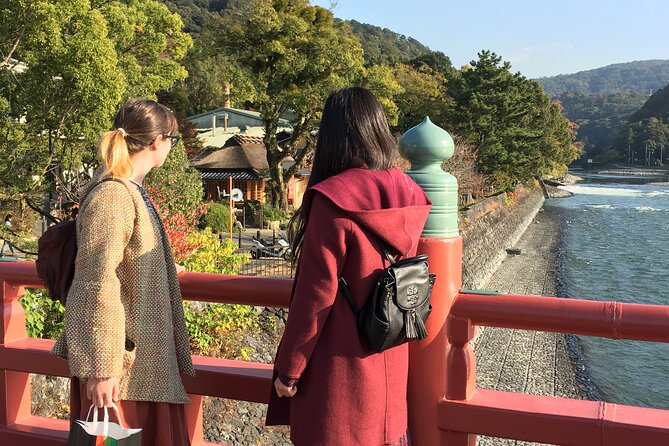
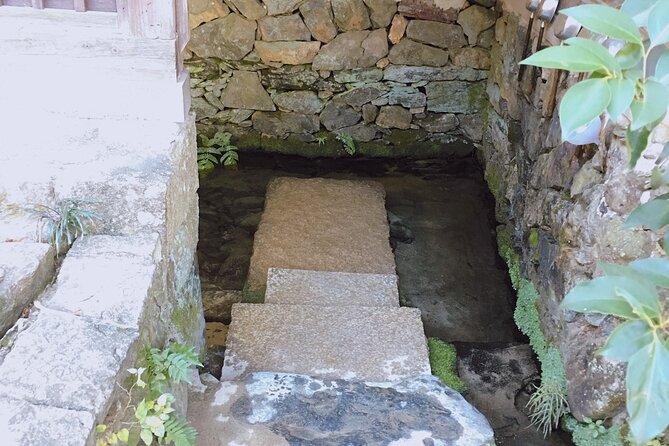
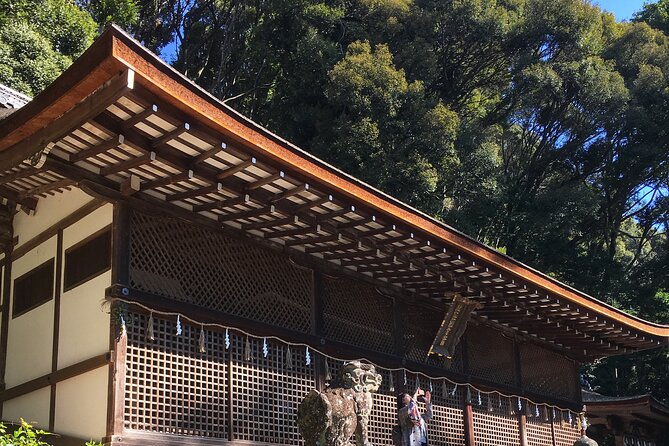
The first listed stop is Uji Shrine, with about 20 minutes set aside and no admission charge. The shrine gives you an early sense of Uji beyond its tea branding. It is connected with the town’s celebrated water, one of the reasons Uji became closely tied to tea.
That connection is worth understanding. Tea depends on more than leaves and processing. Water affects the final cup, and Uji’s reputation developed around the quality of its local water as well as the surrounding tea-growing tradition. A short shrine visit therefore fits the theme instead of feeling like a random sightseeing detour.
Do not expect a long temple tour here. Twenty minutes is enough for orientation, a look at the grounds, and an explanation from the guide, but not an exhaustive study of the shrine. I like that restraint. The tour has several stops to fit into one morning and afternoon, so the shrine works best as cultural context rather than the main event.
Terumi’s approach, based on the detailed descriptions of her guiding, includes more than dates and names. She explains connections between tea, temples, pottery, and Japanese customs, and she is described as patient with questions and willing to adjust the pace. That matters when the subject is unfamiliar or when people in the group have different levels of interest.
Tsuen Main Branch and the first matcha taste
The next listed stop is Tsuen Main Branch, one of Uji’s oldest tea shops, with more than 850 years of history. The visit is scheduled for about 10 minutes and has no separate admission charge.
The short stop is built around a specific taste: matcha rice cake skewers made with pure matcha powder. This is a smart choice for a walking tour. You get an immediate sense of how Uji uses matcha in food, not just in a ceremonial bowl.
The treat is also a useful reminder that matcha can be bitter, grassy, sweet, creamy, or mild depending on how it is used. A matcha rice cake gives you a friendly introduction before the more formal tea experiences later in the day. If you usually find straight matcha too sharp, a sweet snack can help you notice the tea flavor without making the first tasting feel like homework.
Ten minutes is not enough for an extended shopping session. If you want to browse carefully, ask the guide about products, or return for gifts, save time after the tour. The activity ends back at Uji Station, so you can use that location as your base for further exploring.
A few more Kyoto tours worth putting on the shortlist
- Uji: Green Tea Tour with Byodoin and Koshoji Temple Visits
★ 4.8 · 72 reviews - Uji: UNESCO Heritage & Tea Ceremony Walking Tour
★ 4.6 · 54 reviews - Slow Cycling Tour at Uji’s Matcha Green Tea Fields and Heritage
★ 5.0 · 25 reviews - Kyoto Matcha Green Tea Tour
★ 4.5 · 23 reviews
Tea fields, local shops, and the work behind the powder
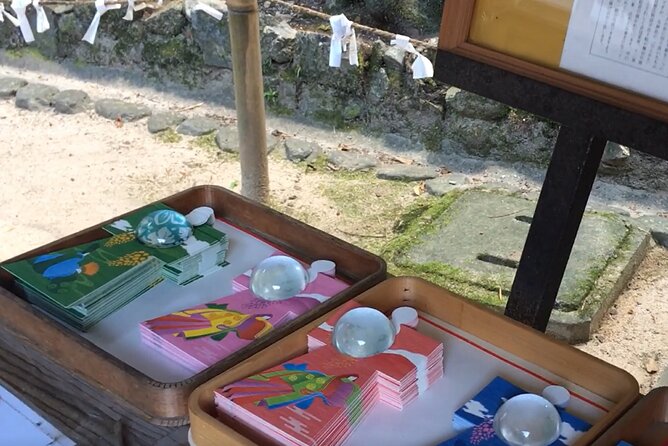
The wider route includes tea fields and local tea stores. This is where the tour becomes more than a sweets crawl. You begin to see that the green powder in a café drink has a long chain behind it, from cultivation and processing to grinding and preparation.
The exact appearance of the fields will depend on the season and conditions. The useful point is the connection between the town’s shops and the places where tea is grown. A guide can explain that link in a way a shop label cannot.
Several parts of the experience focus on meeting local merchants and seeing historic stores. That gives you a better feel for Uji as a working tea town. You are not just looking at a display prepared for visitors. You are hearing about the people involved in different stages of tea making and seeing how tea is sold in everyday settings.
The tour can also touch on pottery and tea tools. That is a valuable addition. A tea bowl, whisk, scoop, or stone mill is not merely decoration, and learning how these objects fit into preparation helps the later ceremony make more sense.
Grinding your own matcha with a stone mill
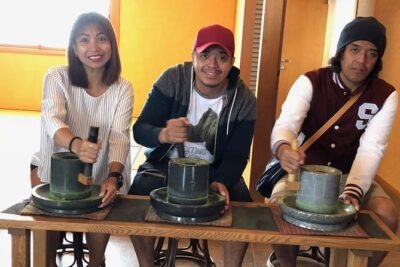
The hands-on matcha workshop is likely the most memorable part for many people. You grind tea leaves into powder with a traditional stone mill, then use the matcha you made as part of the tasting and preparation.
This activity slows the pace in a good way. Matcha usually arrives in a tin or packet, already reduced to a fine powder. Grinding it yourself shows how much work sits behind that familiar green cup. It also makes the final drink personal without turning the lesson into a staged performance.
The workshop suits families and first-time tea learners particularly well. Children can take part, and adults get a clear demonstration of how the powder is made. The guide can answer questions while you work, which is more useful than watching a silent demonstration from a distance.
You should keep your expectations practical. This is an experience within a half-day tour, not a professional tea-production course. You will learn through direct participation, but the emphasis is on understanding and enjoyment rather than mastering every technical detail.
Tea dishes and the midday pause

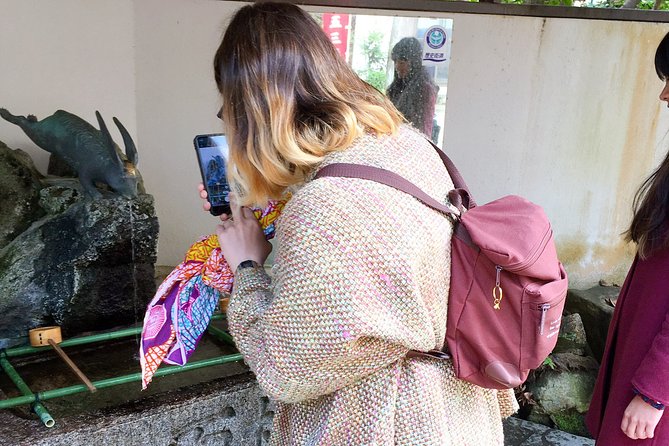
Lunch takes place at a famous tea house, where the meal includes tea dishes. This is an important part of the schedule because it shows how tea can shape food, not only beverages and sweets.
A tea-focused lunch also breaks up the walking. Five hours is a long time to stay on your feet, and a seated meal gives you time to talk with the guide and absorb what you have seen. The meal adds value to the price, though the provided details do not specify the exact menu or dietary arrangements.
If you have food allergies or strict dietary needs, ask before booking or contact the provider in advance. The available information confirms the tea-house meal but does not give enough detail about substitutions. That is one area where you should not assume the menu will fit your needs.
A traditional tea ceremony in a real tea house
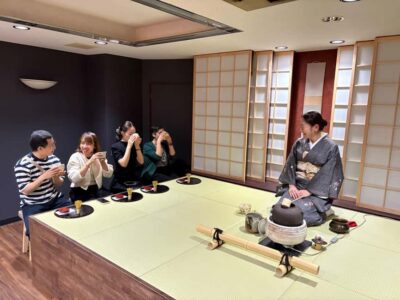
The traditional tea ceremony is the cultural centerpiece. You learn how tea is prepared and served in a setting designed for the practice, rather than simply receiving a modern café version of matcha.
A good guide makes the ceremony easier to understand. Without context, the gestures can seem slow or mysterious. With an explanation of the tools, movements, etiquette, and purpose, you can appreciate the care behind each step.
The experience is not only about drinking. It is about attention, hospitality, and the relationship between host, guest, room, utensils, and season. That is why the earlier visits to shops, fields, shrines, and the grinding workshop help. By the time you reach the tea house, you have seen both the everyday and formal sides of Uji’s tea culture.
The ceremony may be especially useful for first-time visitors to Japan who want cultural contact without committing to a full specialist course. It gives you a respectful introduction while keeping the tone practical and welcoming.
Terumi’s role in shaping the day
The guide can make or break a small cultural tour. Terumi is repeatedly described as friendly, patient, thoughtful, and willing to answer questions. She is also described as taking photos, moving at the group’s pace, and helping with communication at shops.
Those details are more important than a long list of stops. Uji’s tea vocabulary can be unfamiliar, and the best moments may happen in small stores where you need help understanding products or speaking with local merchants. A guide who can interpret both language and custom adds real value.
The tour also appears to adapt to the people in front of the guide. Families, committed matcha fans, and curious first-time visitors can all get something from it. If you ask questions, you should have plenty of room to follow your interests, though the schedule still needs to stay on track.
Who will get the most from this $157.65 tour
I would consider booking this experience if you fit one or more of these descriptions:
- You already love matcha and want to understand where it comes from.
- You want a hands-on activity rather than a sightseeing walk alone.
- You are interested in Japanese customs but prefer a friendly introduction to a formal class.
- You want to see Uji’s local side with a guide instead of visiting only famous landmarks.
- You are traveling with family and want several kinds of activities in one half-day.
- You value a small group and the chance to ask questions.
I would skip it if your main goal is a fast visit to Uji’s major sights. The route gives time to tea culture, not a full survey of every shrine and temple. I would also think twice if you dislike walking in warm weather or have little interest in tea, since matcha is the subject at nearly every stage.
The tour is recommended by all supplied ratings and carries a five-star average from 16 reviews. That is a small sample, so I would not treat the score as a guarantee. Still, the praise is consistent around the same points: Terumi’s care, the amount of information, the tea-making workshop, the ceremony, and the chance to see both local and visitor-facing Uji.
Booking details, weather, and cancellation
The experience is often booked about 61 days ahead. That suggests you should reserve early if your Kyoto dates are fixed, particularly if you want a small group and a specific morning.
Free cancellation is available up to 24 hours before the 9:30 am start time. Changes or cancellations inside that window are not accepted for a refund. The tour requires good weather, and if poor conditions cancel it, you are offered another date or a full refund. If the minimum number of participants is not reached, the same choice applies.
The provider is listed as フルダイニング料理教室. Confirmation arrives when you book. The tour is near public transportation, begins and ends at Uji Station, and is limited to a maximum of seven people.
Should you book the Uji matcha tour?
Book it if you want Uji explained through tea, not simply photographed as a pretty side trip from Kyoto. The combination of an old tea shop, tea fields, matcha sweets, tea dishes, stone-mill grinding, local stores, and a traditional ceremony gives you a clear sense of how tea shapes the town.
The strongest reason to choose it is the human element. Terumi’s patient style and local knowledge appear to turn a packed itinerary into a connected story. The main caution is cost and stamina. At $157.65, you should be ready to spend half a day walking and learning, not just sampling one drink.
For a devoted matcha lover, a family seeking a cultural activity, or a first-time visitor who wants more than the standard Kyoto route, this is a strong choice. For a budget-minded sightseer or anyone who wants only major monuments, keep your money for a simpler Uji visit.
FAQ
Where does the tour begin?
It begins at Uji Station in Uji, Japan.
What time does the tour start?
The start time is 9:30 am.
Where does the tour finish?
The activity ends back at the meeting point at Uji Station.
How long does the experience last?
It lasts approximately five to five and a half hours.
What is the maximum group size?
The tour accepts a maximum of seven participants.
Is lunch part of the experience?
Yes. The schedule includes lunch at a famous tea house, with tea dishes.
Is there a tea ceremony?
Yes. The experience includes an authentic Japanese tea ceremony at a traditional tea house.
Can I make my own matcha?
Yes. The experience includes grinding matcha with a stone mill and preparing your own powder.
Does the tour visit an old tea shop?
Yes. It visits Tsuen Main Branch, a tea shop described as more than 850 years old.
What happens if bad weather cancels the tour?
You are offered a different date or a full refund if poor weather causes the cancellation.
Newest Kyoto experiences on the site
- Treasures of Kyoto: Gion & historical Walking Tour★ 5.0 · 6 reviews
- Whisk Your Own Matcha: A Zen Matcha Experience at Temple★ 3.6 · 7 reviews
- Uji: Private immersion into Kyoto’s tea and reglious culture★ 5.0 · 17 reviews
- Kyoto Matcha Green Tea Tour★ 4.5 · 23 reviews
- Uji and Wazuka Matcha Farm Half Day Private Guided Tour★ 5.0 · 21 reviews
- Utilising upcycled Matcha! Creating matcha incense (Uji, Kyoto)★ 5.0 · 6 reviews
- Sacred Temple Yoga Experience in Japan★ 5.0 · 3 reviews
- Uji Tea Ceremony and UNESCO Heritage Walking Tour★ 5.0 · 20 reviews
Kyoto Matcha Experiences, compared.
Arashiyama Bamboo Forest, Monkeys, Matcha & Temple Tour
Read our review →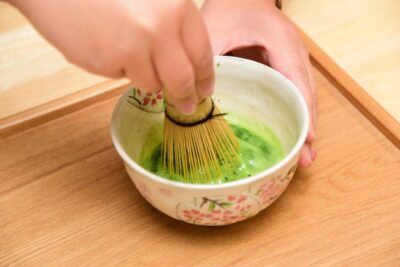
Tea Museum Tickets and Matcha Grinding Experience
Read our review →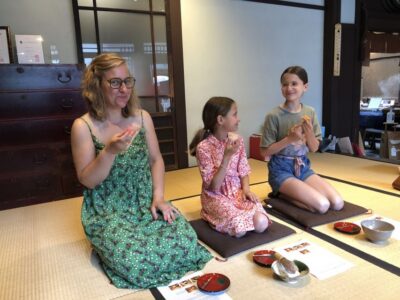
Tea Ceremony Meditation – Make Matcha with Tea Master
Read our review →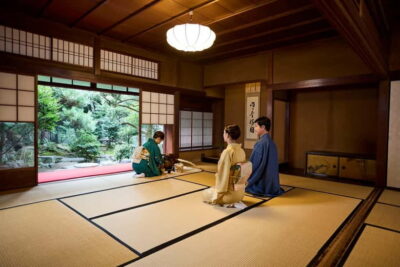

Arashiyama Bamboo, Temple, Matcha, Monkeys & secret spots
Read our review →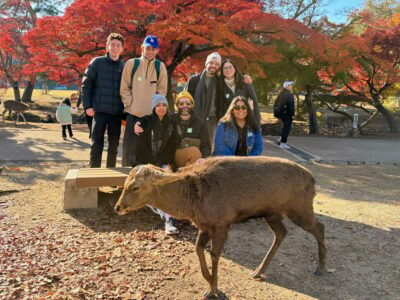
Traditional Tea Ceremony with Matcha & Sweets in Gion
Read our review →Browse the lists this tour appears in