
Reviewed · KYOTO TEA CEREMONIES
Uji Tea Ceremony and UNESCO Heritage Walking Tour
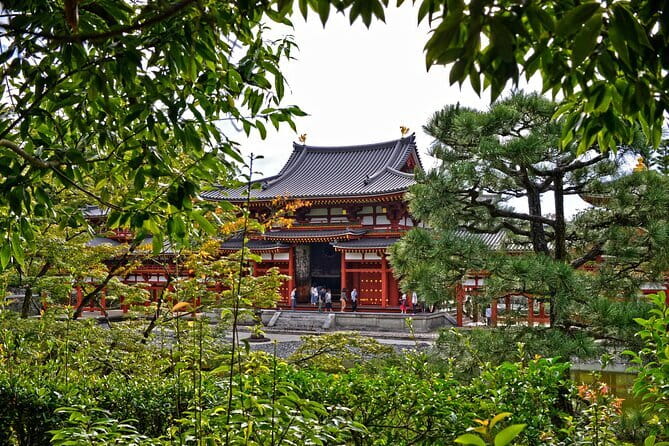
Uji’s best sights fit neatly into one morning, but the real draw is the way this tour links Byodoin Temple with the town’s tea tradition. You see the famous Phoenix Hall, walk past sacred shrines and suspension bridges, then sit down for a traditional tea ceremony at Taihoan, an important place in Japan’s green tea story.
I like the small group cap of nine people, since it gives guides such as Naoki, Katsuhiko, Maru, and Nobumasa Miyake room to explain details and answer questions. I also like the route’s mix of major sights and quieter walking, with a guide to help you make sense of Uji instead of simply pointing at buildings.
The main caution is the tea ceremony’s length. The experience includes 30 minutes of tea, within a 40-minute Taihoan stop, and one past participant found that portion short. If the ceremony is your main reason for booking, keep your expectations modest. The wider Uji walk is the stronger part of the package.
Key points at a glance
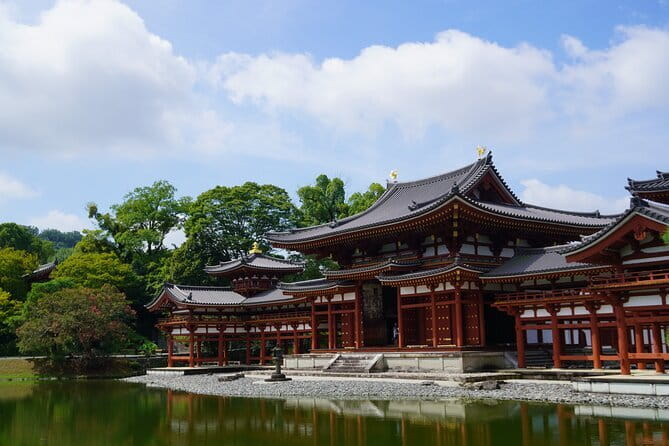
- Byodoin’s Phoenix Hall: Spend about an hour at Uji’s UNESCO-listed temple, with admission included.
- Tea at Taihoan: Learn the basic form and meaning of a Japanese tea ceremony in the town associated with green tea.
- Small group format: The tour accepts no more than nine people, a useful size for questions and conversation.
- A guide-led Uji introduction: History, religion, tea, and local customs are explained as you walk.
- Easy station-to-bridge route: Begin at Uji Station at 9:45 am and finish near Uji Bridge, with no hotel transfer needed.
- Good Kyoto side trip: At $70 per person, the tour suits anyone who wants a guided half-day away from central Kyoto.
Why this three-hour Uji walk works
Uji is close enough to visit from Kyoto, yet it feels like a separate place with its own identity. This tour gives you a clear route through the town without asking you to plan each temple, bridge, and tea stop yourself.
You meet at Uji Station at 9:45 am. From there, the group walks to the main sights. The activity lasts about three hours, so it fits well into a morning or early afternoon. You finish at Uji Bridge rather than returning to the station, which matters if you want to continue exploring the riverside area or stop for matcha afterward.
I see the route as a guided introduction rather than a full study of Uji. You get the main historical places, a tea experience, and time for scenic walking. You do not get long, unhurried periods at every stop. The pace is designed to cover several points in one compact outing.
The English-speaking guide is central to the experience. Past guides have included Naoki, Katsuhiko, Maru, and Nobumasa Miyake. Their roles go beyond pointing out buildings. You can expect explanations of why the temples matter, how tea shaped Uji, and what you are seeing at the shrines. Several participants found the guides friendly, funny, and easy to talk with, which is particularly useful if you are new to Japanese religious sites.
More tea days out in Uji:
- Uji: Green Tea Tour with Byodoin and Koshoji Temple Visits
★ 4.8 · 72 reviews - Uji: UNESCO Heritage & Tea Ceremony Walking Tour
★ 4.6 · 54 reviews - Matcha Grinding Experience and Walking Tour in Uji Kyoto
★ 5.0 · 26 reviews
Byodoin Temple and the Phoenix Hall

The first major stop is Byodoin Temple, where you spend about an hour. The temple is a UNESCO World Heritage Site, and its Phoenix Hall is the visual centerpiece. It is also the image associated with the 10-yen coin, though that detail is not part of the supplied tour description and should not be assumed as a formal stop or lesson. The important point here is the building’s age, design, and place in Uji’s story.
The tour includes the entrance fee, so you do not need to arrange admission separately. That adds real value to the $70 price, especially since the guide’s explanations help you see more than a beautiful façade. You will learn why the temple has such importance and how its architecture reflects the period in which it was built.
The site also includes a museum, which one participant particularly enjoyed. The museum gives you a useful second layer after seeing the temple itself. Instead of leaving with only photographs, you get context for the objects and design connected with Byodoin.
One hour is a sensible amount of time, but it is not an unlimited visit. If you like to linger over every detail, take photographs from many angles, or read every display, you may want to return on your own. For a first look, the stop is well chosen and gives the tour a strong opening.
Taihoan and the short tea ceremony
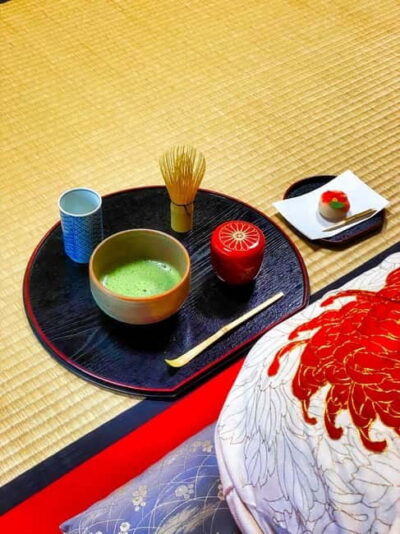
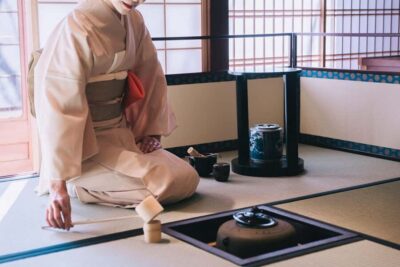
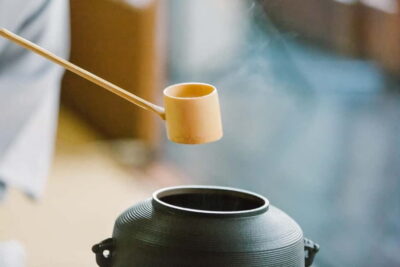
At Taihoan, you take part in a traditional Japanese tea ceremony. The tour describes Uji as the birthplace of Japan’s green tea, and this stop connects the drink in your cup with the town around you. You are not simply tasting matcha at a shop. You are shown the basic form of preparing and serving tea, along with the care behind the movements.
The tea portion is listed as 30 minutes, while the full Taihoan stop is about 40 minutes. That is enough for an introduction, but not enough for a long, formal ceremony with extended discussion. If you have never attended one, this is a friendly way to encounter the practice without committing to a much longer session.
I especially see the value for families. One child on a past tour enjoyed the ceremony a great deal, and the activity can give younger visitors a clear, hands-on memory of Japan beyond temples and photographs. Still, the experience is structured and brief. You should not book it expecting to spend most of the morning learning every rule of tea preparation.
The tea ceremony is also where the tour’s balance becomes clear. Byodoin receives about an hour, while tea receives less time. The package is mainly a Uji walking tour with a tea component, not a dedicated tea workshop. That distinction will help you decide if the $70 price matches your interests.
Suspension bridges and riverside views
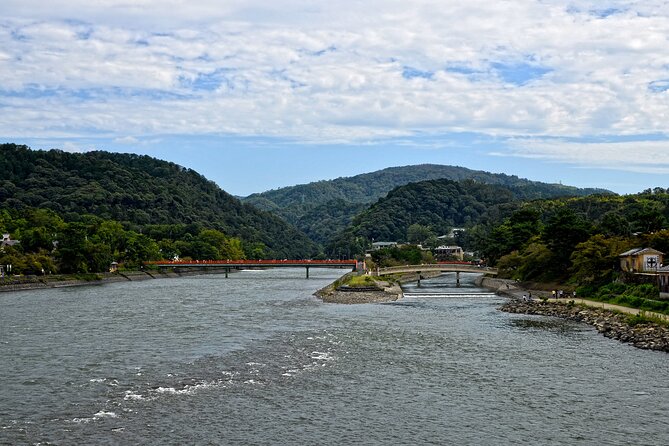
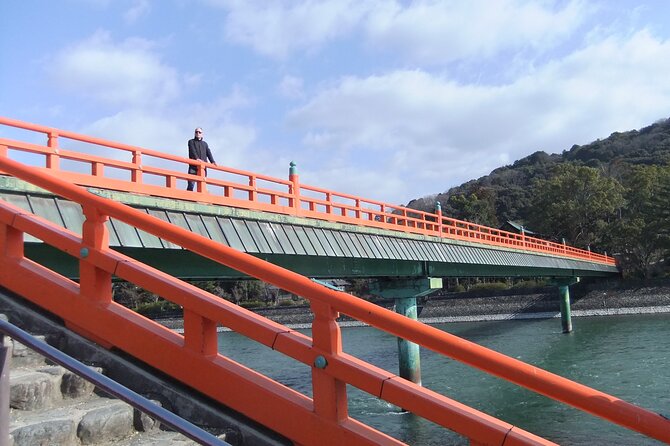
After the temple and tea stop, the route shifts outdoors. You walk across or near the Asagiri and Tachibana suspension bridges, with about 15 minutes set aside for this part of the experience.
This is a short stop, but it breaks up the indoor and historical sections. You can pause for views of the Uji River and take photographs of the surrounding scenery. The bridges also give you a sense of how the town is arranged around the water.
Do not expect a long nature walk. Fifteen minutes is enough for a quick look and a few photographs, not a slow riverside wander. The appeal is the change of pace and the chance to see Uji from a different angle. If you like scenic pauses between cultural sites, you will appreciate this part.
The route works particularly well in autumn, when the colors add another layer to the walk. That seasonal appeal came through strongly in one family’s experience, which also found the timing comfortable for children. The tour requires good weather, so poor conditions can lead to a new date or a full refund.
More tea ceremonies in Kyoto:
- Kyoto: Tea Ceremony in a Traditional Tea House in Kiyomizu
★ 4.9 · 3,519 reviews - Kyoto: Tea Ceremony Ju-An at Jotokuji Temple
★ 4.9 · 3,207 reviews - Kyoto: 45-Minute Tea Ceremony Lesson Experience
★ 4.3 · 2,378 reviews - Kyoto: Table-Style Tea Ceremony at a Kyo-Machiya
★ 4.9 · 1,211 reviews
Uji Shrine and Ujigami Shrine
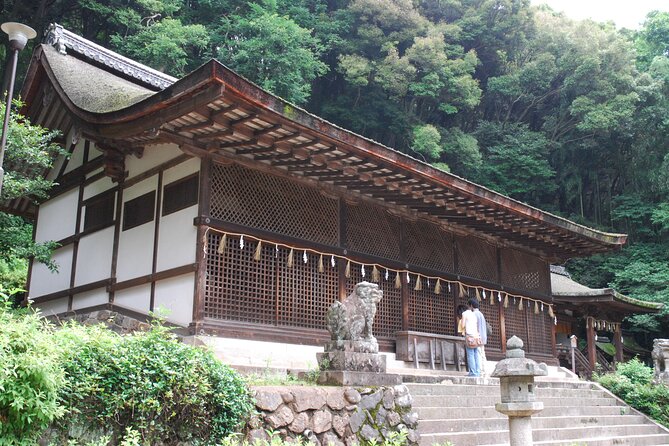
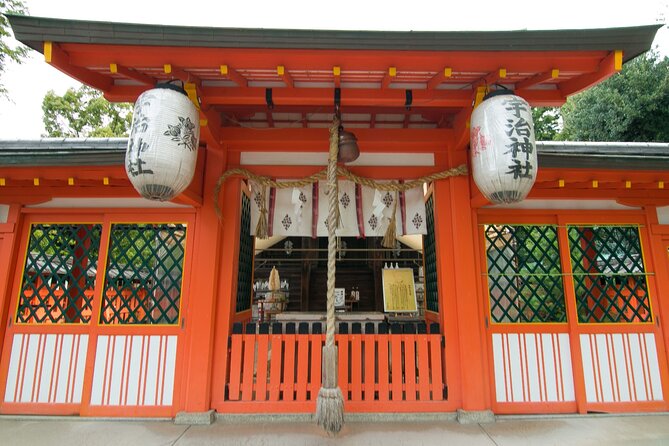
The shrine portion takes about 20 minutes and includes Uji Shrine and Ujigami Shrine. These sites offer a quieter counterpoint to Byodoin. Instead of focusing on one grand building, you get a look at the peaceful religious spaces that remain part of daily life in Uji.
A guide makes this stop much more useful. Japanese shrine customs and architecture can be difficult to interpret when you are on your own, especially if you are visiting several religious sites in the same trip. A good explanation helps you notice the difference between a shrine and a Buddhist temple, and it gives meaning to the rituals and layout around you.
Twenty minutes is again a compact allowance. You will see the key areas, hear the main background, and move on. I would not treat this as a complete study visit. It works best as part of the larger sequence, with Byodoin providing the major temple setting and the shrines adding a calmer, more local feel.
The walking also helps you understand Uji as more than a place built around one famous temple. You move between religious sites, bridges, tea-related places, and the river. That variety is one reason the tour feels more useful than a simple temple admission.
Ending at Uji Bridge with matcha options
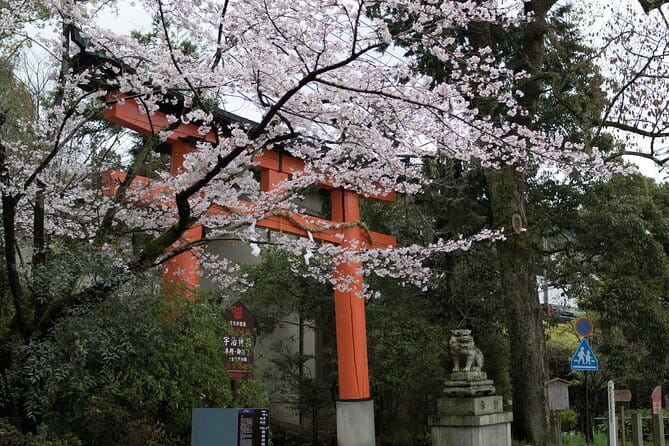
The tour ends at Uji Bridge, with about 45 minutes devoted to local culture, green tea, and culinary treats. The supplied details do not specify a particular restaurant or food tasting menu, so you should think of this as time in the area rather than a guaranteed meal.
That distinction matters. Personal expenses are not included, and the tour does not promise lunch, dessert, or a set tea tasting at the end. You may have opportunities to buy Uji tea and local treats on your own, but you should budget separately if you want to shop or eat.
The ending location is practical. Uji Bridge is near the town’s tea shops and other places of interest, and one guide, Naoki, gave useful suggestions for matcha places to visit afterward. Ask your guide for current ideas if you want to continue the tea theme after the tour.
Finishing here also gives you flexibility. You can keep walking, stop for food, or make your own way back toward the station. Since there is no hotel pickup or drop-off, you remain responsible for getting to the starting point and continuing onward after the tour.
What the $70 price includes
At $70 per person, this is not the cheapest way to walk around Uji, but the price is reasonable if you want guidance and a set cultural experience. The fee includes the English-speaking guide, the tea ceremony, and admission to Byodoin Temple.
The admission fee is important because Byodoin is the tour’s main paid sight. You are also paying for local explanation and route planning. If you tried to recreate the morning independently, you could walk between several places, but you would need to research the history, arrange temple admission, and find your own way into a tea ceremony.
The value is strongest for a first visit to Uji, especially if you are staying in or near Kyoto and want an organized side trip. It is less compelling if you already know Uji well, speak Japanese, or mainly want a long tea lesson.
Group discounts are available, though the supplied information does not give the discount amount. The group limit of nine helps keep the experience more personal than a large coach tour. You should still expect to walk at a shared pace and follow the guide’s schedule.
Who should book this Uji experience
I would choose this tour if you want a clear introduction to Uji in one morning. It suits first-time visitors, families, couples, and anyone who wants historical explanation rather than a self-guided route.
It is also a good fit if you are curious about Japanese tea but do not need a long specialist workshop. The ceremony gives you a taste of the tradition, while the rest of the tour shows how tea fits into Uji’s wider identity.
Families may appreciate the manageable length and changing scenery. You move from a temple to tea, bridges, shrines, and the river, which is easier for children than spending three hours in one museum or temple complex. The guides have also handled groups with children at a comfortable pace.
I would hesitate to book it for three reasons. First, the tea ceremony is short. Second, the tour does not include hotel transportation, food, or personal purchases. Third, anyone who wants extended time at Byodoin or the shrines may find the schedule too tight.
The tour has a 4.9 rating from 20 reviews, with 100 percent recommending it. That record points to consistently strong guiding and a well-liked route, but the small number of ratings still means you should focus on whether the format suits you. The clearest pattern is the praise for guides who explain Uji’s history and make the walk enjoyable.
Practical details before you go
Meet at Uji Station at 9:45 am. The exact meeting address is Uji Station, Uji, Kyoto 611-0021. The tour ends at Uji Bridge, so plan your onward route rather than expecting to return to the station with the group.
Confirmation is provided when you book. The activity is near public transportation, and most people can participate. Since the route includes several outdoor walking sections, comfortable shoes and weather-appropriate clothing are sensible choices, though the supplied details do not state a specific dress requirement.
The tour requires good weather. If poor weather causes cancellation, you are offered another date or a full refund. You can cancel for a full refund up to 24 hours before the start time. Changes or cancellations inside that 24-hour window are not accepted for a refund.
Should you book the Uji Tea Ceremony and UNESCO Heritage Walking Tour?
Book it if you want Byodoin, tea, shrines, and riverside scenery in one organized morning. The small group size, included temple admission, and strong guide-led history make the $70 fee fair for a first visit.
Skip it if your priority is a long tea ceremony, a private tour, or a slow day with no fixed schedule. The tea session is brief, and the final food and tea purchases are your responsibility.
For most visitors coming from Kyoto, I see this as a useful way to get your bearings in Uji. You get the essential sights, practical local suggestions, and enough cultural background to continue exploring on your own after the guide says goodbye.
FAQ
How long does the Uji tour last?
The experience lasts approximately three hours.
Where does the tour begin?
It begins at Uji Station in Uji, Kyoto, at 9:45 am.
Where does the tour end?
The tour ends at Uji Bridge in Uji.
Is admission to Byodoin Temple included?
Yes. The Byodoin Temple entrance fee is included.
How long is the tea ceremony?
The included tea ceremony lasts 30 minutes. The full Taihoan stop is scheduled for about 40 minutes.
What happens if bad weather cancels the tour?
You can choose another date or receive a full refund if the activity is canceled because of poor weather.
More History-Led Days in Kyoto
- Kyoto Gion: 2-Hour Geisha Culture & History Walking Tour
★ 5.0 · 1,186 reviews - Kyoto Gion Historical Walking Tour
★ 5.0 · 188 reviews - Historical Kyoto E-Bike Tour
★ 5.0 · 181 reviews - Kyoto: Nijo Castle World Heritage Guided Tour with Admission
★ 5.0 · 128 reviews
More Walking Tours in Kyoto
- Kyoto Geisha Walking Tour: Gion District & Hidden Gems
★ 4.7 · 3,273 reviews - Kyoto: Gion Magical Night Walking Tour with Geisha Trivia
★ 4.9 · 2,393 reviews - Kyoto: Gion Geisha District Walking Tour – Stories of Geisha
★ 4.7 · 2,187 reviews - Night Walk in Gion: Kyoto’s Geisha District
★ 4.5 · 2,003 reviews
Newest Kyoto experiences on the site
- Treasures of Kyoto: Gion & historical Walking Tour★ 5.0 · 6 reviews
- Whisk Your Own Matcha: A Zen Matcha Experience at Temple★ 3.6 · 7 reviews
- Kyoto tea town for matcha lovers★ 5.0 · 16 reviews
- Uji: Private immersion into Kyoto’s tea and reglious culture★ 5.0 · 17 reviews
- Kyoto Matcha Green Tea Tour★ 4.5 · 23 reviews
- Uji and Wazuka Matcha Farm Half Day Private Guided Tour★ 5.0 · 21 reviews
- Utilising upcycled Matcha! Creating matcha incense (Uji, Kyoto)★ 5.0 · 6 reviews
- Sacred Temple Yoga Experience in Japan★ 5.0 · 3 reviews
Kyoto Tea Ceremonies, compared.
Tea Ceremony in a Traditional Tea House in Kiyomizu
Read our review →
Tea Ceremony in 100-year-old Kyo-Machiya Townhouse
Read our review →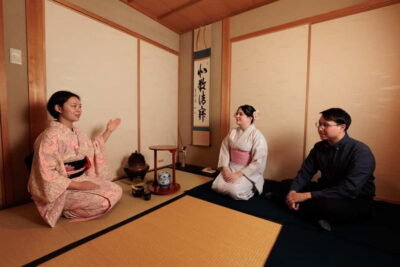
Browse the lists this tour appears in