
Reviewed · KYOTO TEA CEREMONIES
Private Kyoto Sushi Cooking Class & Tea Ceremony with Emika
The best part of this Kyoto cooking class is not simply learning to roll sushi. It is being welcomed into Emika’s family home, using vegetables from her organic garden, and sitting down to eat what you prepared. You can choose sushi or Kyoto-style Obanzai cuisine, then finish with matcha prepared by Emika or her father.
I like the private setting, where your group can ask questions without competing with a room full of other cooks. I also like the practical touch: Emika explains ingredients, Japanese customs, and techniques you can use at home. The main consideration is location. Her home is about a 10 to 15 minute walk from Katsura Station, so you will need comfortable shoes and a phone map.
Key points to know before booking
- Choose your menu: Request sushi or a traditional Kyoto Obanzai menu when you book.
- Cook with seasonal produce: Some vegetables come from Emika’s own organic garden.
- Enjoy a home meal: Prepare sushi or a main dish, two vegetable sides, and miso soup before eating together.
- Finish with matcha: The experience includes a traditional tea ceremony with Emika or her father.
- Add a local market walk: The optional one-hour supermarket and produce tour happens after lunch or dinner.
- Plan for a small, private visit: Only your group participates, with no hotel pickup or drop-off.
What this Kyoto home cooking class feels like
This is a good choice if you want more than a demonstration. You do not simply watch someone prepare Japanese food while taking notes. You work through the meal with Emika, ask questions, and learn the small steps that make the dishes taste right.
The setting matters. A cooking school can teach technique, but a private home gives you a look at ordinary Kyoto life. The walk through the residential streets to Emika’s house is part of the experience. It is not a sightseeing stop, but it helps you shift from the busy center of Kyoto to a quieter local neighborhood.
The class lasts about three hours. The cooking itself takes roughly an hour, though the full meal preparation may run longer depending on your menu and pace. You then sit down to eat together, talk about Japan, and ask Emika for suggestions around Kyoto.
English communication is part of the experience, but the class is not presented as a formal culinary school lesson. Expect a friendly, hands-on session with explanations, demonstrations, and plenty of room for questions. Families, couples, solo visitors, and mixed-age groups can all take part. Children have been included successfully, and all cooking levels are welcome.
More tea ceremonies in Kyoto:
- Kyoto: Tea Ceremony in a Traditional Tea House in Kiyomizu
★ 4.9 · 3,519 reviews - Kyoto: Tea Ceremony Ju-An at Jotokuji Temple
★ 4.9 · 3,207 reviews - Kyoto: 45-Minute Tea Ceremony Lesson Experience
★ 4.3 · 2,378 reviews
Choosing between sushi and Kyoto Obanzai
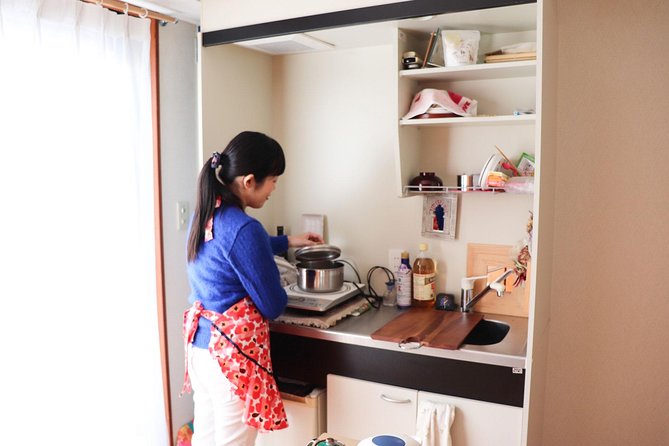
Tell Emika at booking if you prefer a sushi menu or Obanzai, the home-style cuisine associated with Kyoto. This choice affects the character of the class.
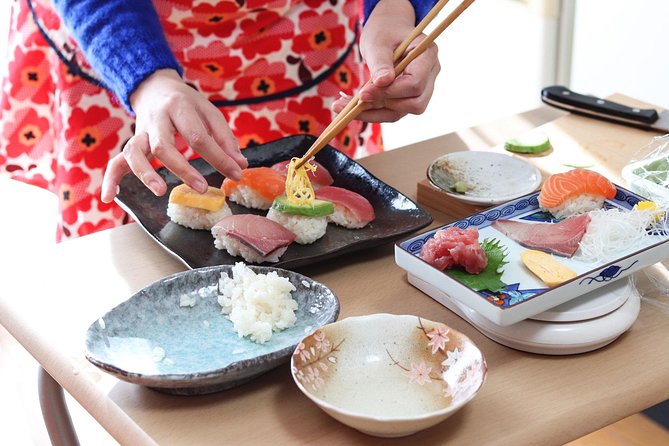
The sushi option can include sushi rice, miso soup, seasonal vegetables, and fish. You learn how to handle the rice and shape the sushi by hand. Depending on the style selected, you may also work with seaweed or place raw fish over the rice. One useful lesson is that sushi does not require fancy equipment at home. Good ingredients, careful rice preparation, and a few simple techniques do much of the work.
Some people choose nigiri, while others learn rolls or another sushi style. The exact menu should be arranged with Emika before the class. That is important if you have a strong preference, rather than assuming every booking follows the same recipe.
Obanzai gives you a broader look at everyday Kyoto cooking. The meal may include marinated mushrooms, slow-cooked vegetables, tofu dishes, miso soup, and a traditional main dish. The food is based on seasonal ingredients and careful preparation, rather than a single dramatic centerpiece.
You might also prepare Osaka-style okonomiyaki, depending on the menu agreed in advance. That dish adds a more casual, filling option and has proved popular with families and people who want something they can easily recreate at home.
Garden vegetables and seasonal ingredients
One of the most appealing details here is the use of vegetables from Emika’s organic garden. The garden produce gives the lesson a direct connection to the season and shows you how Japanese home cooking makes use of what is available.
This is also where the class differs from a standard restaurant meal. You can ask how an ingredient is prepared, why it suits a particular dish, and what substitute might work in your own kitchen. Emika has also given practical advice about where to buy sushi ingredients and seasonings after returning home.
The dishes are not described as fixed, restaurant-style courses. Ingredients and preferences shape the menu. If you have allergies, dietary restrictions, or cooking preferences, tell Emika when booking. Vegetarian needs have been accommodated, and the private format makes it easier to adapt the food specifically for your group.
That flexibility is valuable, but it also means you should not book expecting a completely fixed menu with every detail decided in advance. Contact Emika before arriving if the food matters greatly to your plans.
Cooking, eating, and learning Japanese customs
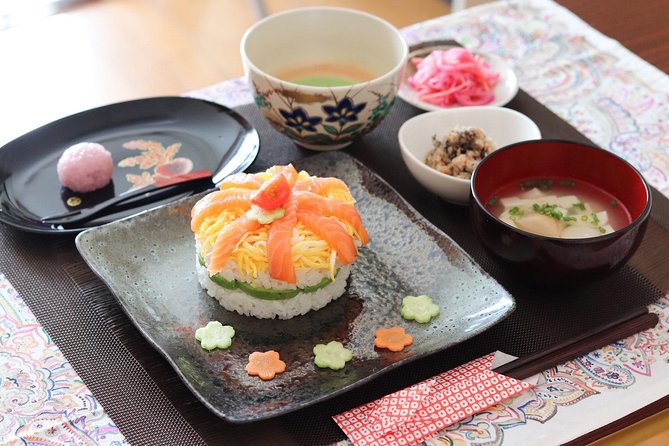
The cooking portion is relaxed and practical. Emika demonstrates the steps, then lets you try them. You might prepare sushi rice, miso soup, seasonal vegetables, and a main dish in about an hour to an hour and a half, depending on the selected menu.
The best lessons are often the small ones. You learn how to season a dish, handle rice, use Japanese ingredients, and organize several dishes at once. Emika also explains customs and etiquette, so the class is about more than recipes.
After cooking, you eat the meal together in a comfortable home setting. This shared meal is a major reason to choose the experience. It gives you time to ask about food, daily life, and Kyoto beyond the usual sightseeing route.
Local alcohol is included, normally one or two glasses. You may have local sake, including nigori sake, or another available option. If you prefer not to drink, matcha is available as part of the tea experience. The alcohol is an accompaniment, not the main event, so this works just as well for people who do not want a drinking-focused activity.
More sushi making classes in Kyoto:
- Sushi Making in Kyoto! Same-day bookings welcome!
★ 5.0 · 713 reviews - The Original Small-Group Sushi Making Class in Kyoto
★ 5.0 · 436 reviews - Kyoto: Small-Group Authentic Sushi Making Workshop
★ 5.0 · 137 reviews - Sushi – Authentic Japanese Cooking Class – the best souvenir from Kyoto!
★ 5.0 · 93 reviews
The matcha tea ceremony at the beginning or end
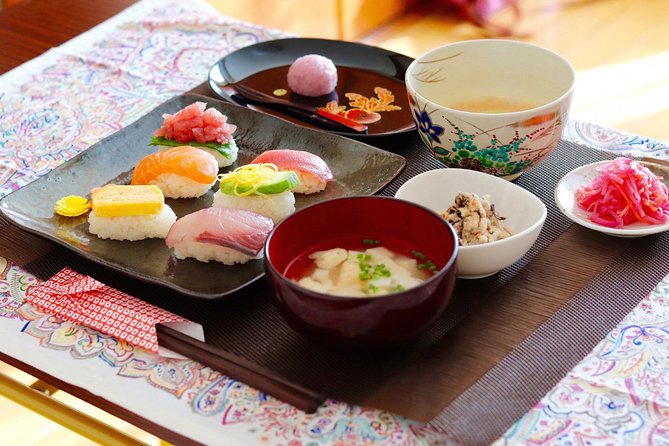
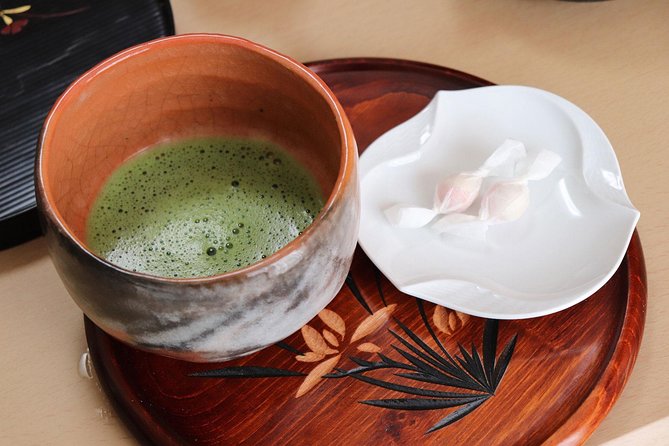
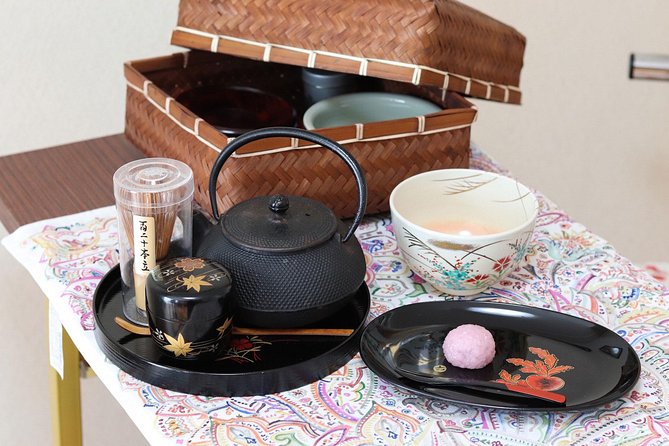
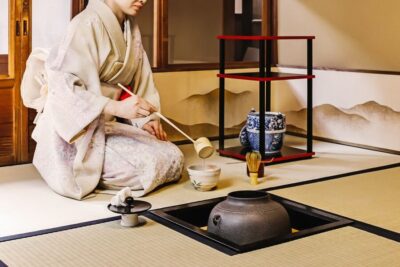
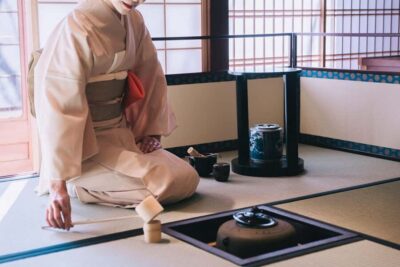
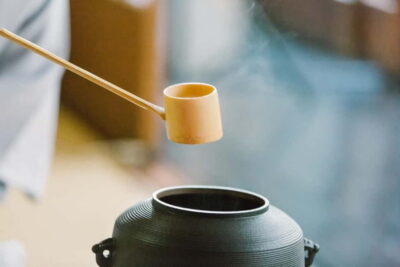
The tea portion adds a cultural layer without turning the class into a long formal ceremony. The experience begins or ends with freshly prepared matcha, made by Emika or her father. The meal is also described as ending with a tea ceremony, so you should expect tea to be a clear part of the closing ritual.
This is a pleasant way to slow down after cooking. You have already worked with Japanese ingredients and shared a meal, so the matcha feels connected to the visit rather than added as a separate attraction.
If you have never had matcha, expect a strong, earthy green tea rather than a sweet café drink. The value here is the setting and the explanation. You get to see how matcha is prepared in a Japanese home and take part in a simple tea custom with your host.
Adding the market tour after lunch or dinner
The optional market tour lasts about one hour and takes place after the cooking class and meal. This timing is worth noting. It does not begin with a morning market visit, and you should not expect to shop for ingredients before cooking.
After eating, you walk together for about 10 minutes to a supermarket and produce store used by local residents. Emika points out Japanese ingredients, spices, seasonings, and everyday food products. She can also help you buy items to take home.
I like this add-on because it turns the cooking class into something you can continue after Kyoto. A supermarket visit can be more useful than another famous food stop when you want to understand what Japanese cooks actually buy.
The market option does add time to the experience, so allow more than the basic three-hour schedule if you choose it. It is especially useful if you plan to cook Japanese food after returning home. If your Kyoto schedule is tight, the cooking class and tea ceremony already make a complete visit.
Getting there and fitting it into your Kyoto plans
The meeting point is Emika’s home at 31-30 Katsurainariyamacho in Kyoto’s Nishikyo Ward. The activity ends at the same location. Hotel pickup and drop-off are not included.
The home is near public transportation, but the final walk from Katsura Station takes about 10 to 15 minutes. The residential streets may wind a little, so use a phone map and leave extra time. This is not a difficult transfer, but it is not a doorstep station exit either.
Lunch and dinner options make the activity easy to place in a day of sightseeing. A lunch session can work before returning to central Kyoto, while dinner gives you a calmer end to a busy day. Since the class takes place in a home, arriving on time matters more than it would at a large restaurant with a broad service window.
You receive confirmation when booking, and a mobile ticket is available. Group discounts may also apply, which can improve the per-person value for families or small groups.
Is the $109 price worth it?
At $109 per person, this is not the cheapest meal in Kyoto. You are paying for more than food, though. The price covers a private cooking class, the host’s instruction, the prepared meal, matcha and tea ceremony, and one or two glasses of local alcohol. The optional market tour is included only if you choose that option.
For a couple, family, or small private group, the value is strongest because you receive personal attention and can shape the menu around your preferences. You also avoid the impersonal feel of a large class. The chance to use garden vegetables and eat in a local home adds something a restaurant meal cannot provide.
The value is weaker if you only want a quick sushi lesson or a standard lunch. You will spend about three hours, plus extra time for the market option, and you must travel to the house yourself. If your main goal is sightseeing, this may feel like a large time commitment.
Still, the practical knowledge helps justify the cost. You learn dishes you can attempt at home, hear about Japanese ingredients, and receive tips on where to buy supplies. The private format also makes the class a good fit for dietary adjustments, family questions, and first-time cooks.
Who will enjoy this experience most?
I would recommend it to couples, families, and small groups who want a personal connection with Kyoto food. It is also a good pick for a teenager who needs an activity with something to do, rather than another passive cultural stop.
Sushi fans will enjoy learning the basics of rice, fish, seaweed, and hand shaping. People more interested in everyday food should choose Obanzai. Vegetarians and people with dietary restrictions should contact Emika in advance so the menu can be planned properly.
This is less suitable if you need hotel pickup, dislike walking from a station, or want a formal restaurant-quality cooking school with a fixed curriculum. It is also not the right choice if you want the market visit first. That part comes after the meal.
The activity is private, and service animals are allowed. Since only your group takes part, you can set the pace and ask questions freely.
Booking advice and cancellation terms
Tell Emika your preferred menu, allergies, dietary needs, and cooking preferences when booking. If you want sushi, specify the style if you have one in mind. If you prefer Kyoto Obanzai, say so clearly rather than leaving the menu open by accident.
This experience is often booked about 49 days ahead, so reserve early if you need a particular lunch or dinner time. The tour has a five-star rating based on 66 reviews and a 100 percent recommendation rate, but your own satisfaction will depend on enjoying a home setting and hands-on cooking.
Free cancellation is available if you cancel at least 24 hours before the local start time. Cancellations or changes inside that window are not accepted for a refund.
Should you book Emika’s Kyoto cooking class?
Book it if you want to cook, eat, and talk with a Kyoto resident in a private home. The garden vegetables, flexible menu, matcha ceremony, and optional supermarket walk give the experience real substance. It is especially good for families and anyone who wants practical ideas to take home.
Skip it if you want a central Kyoto activity with no walk, hotel transport, or a short meal stop. For the right visitor, though, the three hours offer a welcome change from temples and crowded dining rooms. You leave with a full meal, new cooking skills, and a better sense of how Japanese food fits into daily life.
FAQ
How long does the Kyoto cooking class last?
The experience lasts approximately three hours. The cooking portion takes about an hour, with additional time for eating, conversation, and the tea ceremony.
Where does the activity start and end?
It starts and ends at Emika’s home at 31-30 Katsurainariyamacho, Nishikyo Ward, Kyoto, 615-8025, Japan.
Is hotel pickup included?
No. Hotel pickup and drop-off are not included. The home is near public transportation, and the walk from Katsura Station takes about 10 to 15 minutes.
Can I choose sushi or Obanzai?
Yes. Tell Emika when booking if you prefer sushi or a traditional Kyoto Obanzai menu.
Is the class suitable for dietary restrictions?
Yes, dietary needs, allergies, and cooking preferences can be accommodated. You should tell Emika about them when booking.
What does the optional market tour include?
The market option includes a one-hour visit to a supermarket and produce store used by local residents. It takes place after your cooking class and meal, and Emika can help you buy ingredients to take home.
Are drinks included?
Yes. Local alcohol, usually one or two glasses, is included. Matcha is also part of the tea experience.
What is the cancellation policy?
You can cancel for a full refund up to 24 hours before the local start time. Cancellations or changes made less than 24 hours in advance are not accepted for a refund.
More Cooking Classes in Kyoto
- Ramen Cooking Class at Ramen Factory in Kyoto
★ 5.0 · 1,937 reviews - Kyoto: Ramen Cooking Class at a Ramen Factory with Souvenir
★ 4.9 · 532 reviews - Kyoto: Ramen, Gyoza, and Onigiri Cooking Class
★ 5.0 · 445 reviews - Kyoto: Japanese Washoku Bento Small Group Cooking Class
★ 5.0 · 380 reviews
Newest Kyoto experiences on the site
- Treasures of Kyoto: Gion & historical Walking Tour★ 5.0 · 6 reviews
- Whisk Your Own Matcha: A Zen Matcha Experience at Temple★ 3.6 · 7 reviews
- Kyoto tea town for matcha lovers★ 5.0 · 16 reviews
- Uji: Private immersion into Kyoto’s tea and reglious culture★ 5.0 · 17 reviews
- Kyoto Matcha Green Tea Tour★ 4.5 · 23 reviews
- Uji and Wazuka Matcha Farm Half Day Private Guided Tour★ 5.0 · 21 reviews
- Utilising upcycled Matcha! Creating matcha incense (Uji, Kyoto)★ 5.0 · 6 reviews
- Sacred Temple Yoga Experience in Japan★ 5.0 · 3 reviews
Kyoto Tea Ceremonies, compared.
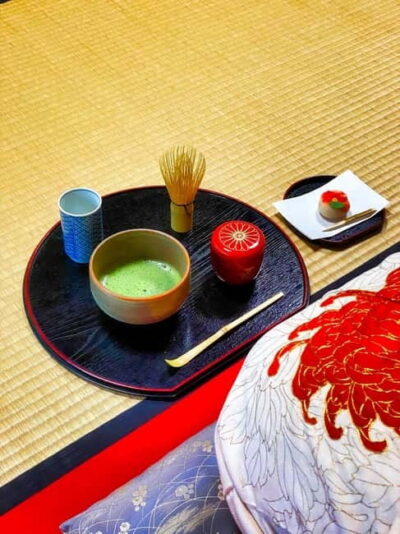
Tea Ceremony in a Traditional Tea House in Kiyomizu
Read our review →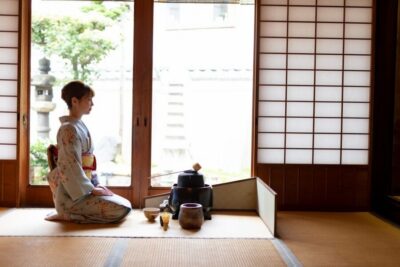
Tea Ceremony in 100-year-old Kyo-Machiya Townhouse
Read our review →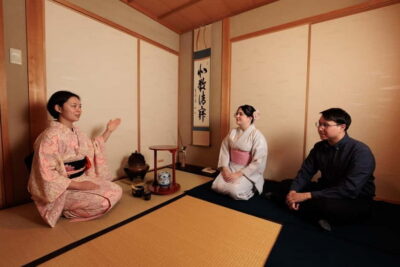
Browse the lists this tour appears in