
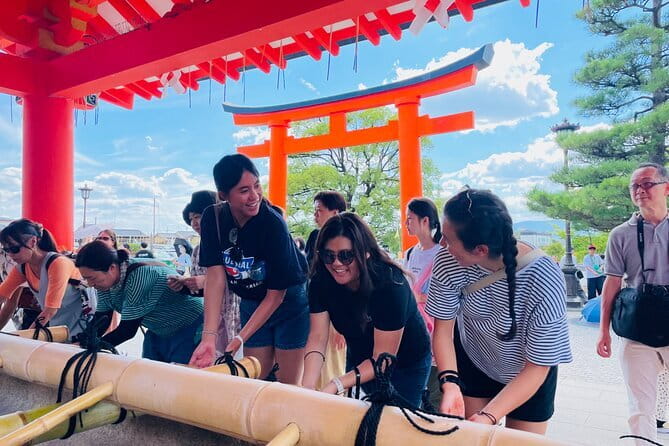
Reviewed · KYOTO CYCLING TOURS
Pedal Adventure Kyoto’s iconic landmarks on an e-bike tour
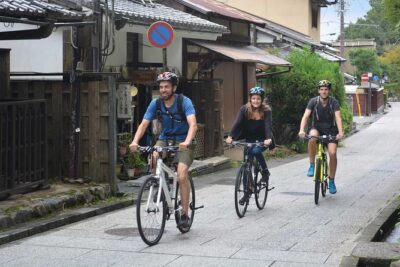
Kyoto is much easier to understand from a bicycle seat. This four-hour ride links Gion, Higashiyama, Fushimi Inari, and Tōfuku-ji with quiet residential lanes and a scenic stretch beside the Kamogawa River. The e-bike takes the strain out of the mostly gentle route, leaving you free to notice old homes, neighborhood shrines, and details you could miss from a bus.
I especially like the mix of major sights and less-used streets, plus the chance to ask a local guide about Buddhism, Shinto, geisha culture, samurai, and daily life. I also like the small size, with no more than eight people, and the practical touches such as baskets, bottled water, snacks, and cooling breaks when needed. The main drawback is the weather: Kyoto can be brutally hot or wet, and cycling is less appealing when conditions turn poor.
Key points to know before you book
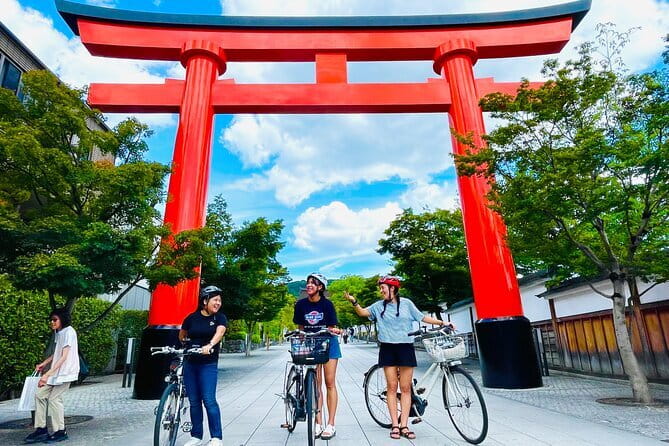
- Fushimi Inari by e-bike: Reach one of Kyoto’s best-known shrines without making the whole morning a train-and-walking exercise.
- Quiet Kyoto streets: The route uses back lanes, neighborhood roads, bike paths, and the riverbank, not just large main roads.
- Personal local guidance: Maki is often the guide, while some outings are led by Mika. Both are described as English-speaking guides who explain customs through local stories.
- Easy four-hour pace: E-assist bicycles and a route with few hills make the ride manageable for most people.
- Small groups: The maximum group size is eight, allowing the guide to adjust the pace and answer questions.
- Weather matters: The tour requires good weather, and summer riders should bring extra water or an electrolyte drink.
Why an e-bike makes sense in Kyoto
Kyoto’s main sights are spread across a broad area. Public transport can get you close, but buses and trains do not show you the ordinary streets between them. Walking gives you a close view, but linking Gion, Higashiyama, Fushimi, and Tōfuku-ji on foot would take much longer than four hours.
The e-bike offers a useful middle ground. You still move slowly enough to see the city, but you cover more ground than you would on foot. The route includes big streets, small side roads, narrow lanes, scenic paths, and the river. The electric assist is especially helpful in the heat or when you have already spent several days walking around Kyoto.
The bicycles are described as comfortable and well maintained, with baskets that can hold a backpack or jacket. Helmets and bottled water are supplied. The route is not presented as a hard workout, and the flat or gently rolling roads make it suitable for most people who are comfortable on a bicycle.
You should still treat this as an active outing. You will cycle for roughly four hours, with stops and sightseeing along the way. Kyoto traffic and shared paths require attention, and the guide uses hand signals and adjusts the pace to the group. If you rarely ride a bike, tell the guide at the start so the route feels relaxed rather than rushed.
More bike days around Kyoto:
- Hidden Kyoto E-Biking tour
★ 5.0 · 1,843 reviews - Bike Tour Exploring North Kyoto plus Lunch
★ 5.0 · 1,087 reviews - Arashiyama Bamboo Forest & Hidden Gems Bike Tour (Early Bird)
★ 5.0 · 613 reviews
Starting near Shōgoin and riding toward Gion
The meeting point is at 19 Shōgoin Higashimachi in Sakyo Ward. After you receive your bike and helmet, the group spends about ten minutes cycling toward Gion. The start is useful because it eases you into the bicycle before the sightseeing begins.
Gion is Kyoto’s famous geisha district, known for traditional wooden buildings, narrow lanes, and a strong sense of old Kyoto. The stop itself is short, about ten minutes, so think of it as an introduction rather than a full neighborhood tour. Your guide explains geisha and maiko culture and points out details that are easy to overlook when you simply walk through the area.
This is also where local context matters. A guide such as Maki can explain customs in clear English and connect public traditions with personal experiences from Kyoto. Mika is also named as a guide on some outings, and her background as someone raised in Kyoto adds a similar local point of view.
Gion can be crowded, especially at popular times of day. The bicycle route does not promise a long, private exploration of every lane, and you may need to walk the bike at certain points. Still, the short visit works well as part of a larger route because you see Gion without spending the entire tour in one district.
Higashiyama, a temple, and a quick snack
From Gion, you cycle for about fifteen minutes toward Higashiyama. This part of Kyoto is packed with temples, shrines, traditional streets, and small lanes. The route takes you to a temple with less obvious details and stories, rather than limiting the morning to the most famous postcard views.
You spend about fifty minutes in this area, which gives the guide time to explain what you are seeing. The discussion can include Buddhist and Shinto practices, the meaning of objects around shrines and homes, and customs that may otherwise pass without notice. You can also ask about everyday Japanese traditions, food etiquette, family celebrations, and local life.
That interpretive layer is one of the strongest reasons to choose this tour. A temple is more interesting when you understand how people use it, what the gates and offerings mean, and how Buddhist and Shinto traditions overlap in Japan. The guide’s personal examples help keep the explanations grounded rather than turning the stop into a list of dates and names.
There is also a quick snack stop. Lunch is not included, so do not expect a full meal. The snack is a welcome boost, but if you need substantial food during the morning, eat before the tour or plan a meal afterward.
Fushimi Inari and its famous orange gates
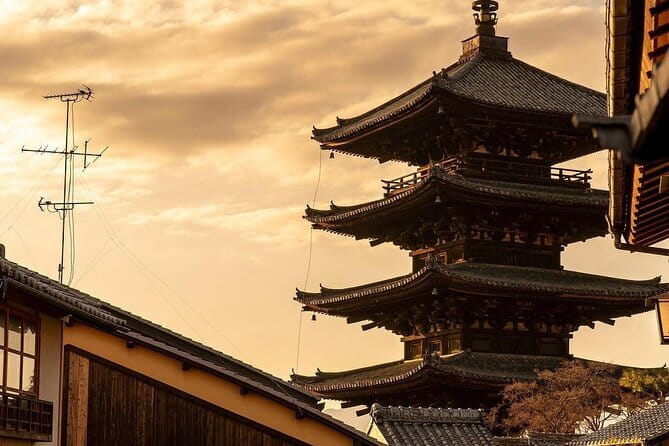
The route’s main headline stop is Fushimi Inari-taisha, one of Kyoto’s most recognizable shrines. Its rows of orange torii gates create a tunnel-like path up the wooded hillside. The shrine is dedicated to Inari, a Shinto deity associated with rice, prosperity, and business.
The scheduled visit lasts about forty minutes. That is enough to see the shrine grounds and walk among some of the gates, but it is not enough to hike to the summit and back. If reaching the top of the mountain is a major goal, you will need a separate visit with more time.
The bicycle is valuable here because it gets you to the shrine as part of a broader day rather than making Fushimi Inari the only stop. You avoid spending the whole morning navigating public transport, then continue directly to Tōfuku-ji.
Fushimi Inari is also one of Kyoto’s busiest sights. The lower gate area can feel crowded, particularly during peak hours. Your guide can help you understand the shrine and manage the visit, but an e-bike tour cannot remove the crowds from a famous site. The quieter streets and temple areas elsewhere on the route provide a useful contrast.
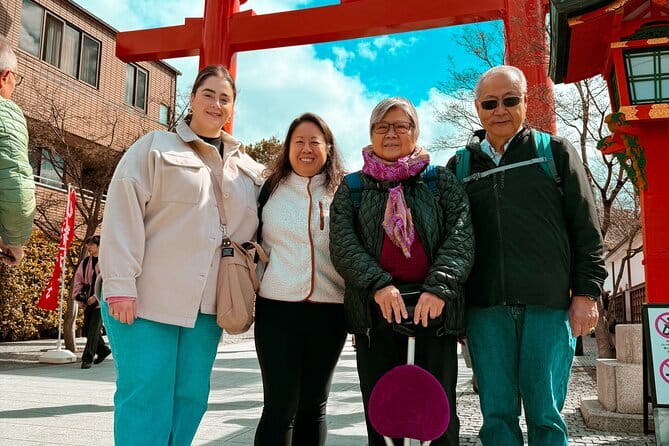
Some families have also enjoyed stopping for small shrine activities, including fortune telling. These details depend on the day and the group, but they show how the guide can make the shrine feel more personal and approachable.
Same city, a completely different kind of day:
- PERFECT KYOTO 1-Day Bus Tour
★ 5.0 · 13,518 reviews - Kyoto: Fushimi Inari, Kinkakuji, Bamboo Grove 1 Day Bus Tour
★ 4.8 · 4,316 reviews - Kyoto: Tea Ceremony in a Traditional Tea House in Kiyomizu
★ 4.9 · 3,519 reviews - Kyoto Geisha Walking Tour: Gion District & Hidden Gems
★ 4.7 · 3,273 reviews
Tōfuku-ji and the ride beside the Kamogawa River
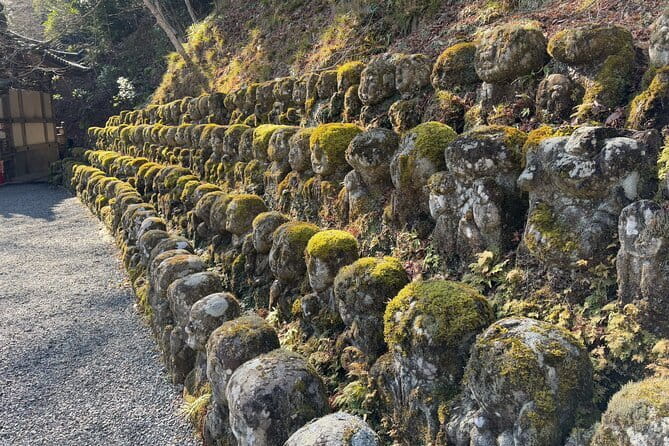
After Fushimi Inari, it is about a ten-minute cycle to Tōfuku-ji. The temple complex is known for its Zen traditions and impressive grounds. The scheduled stop is about twenty minutes, so this is a short introduction rather than a full examination of every building and garden.
That shorter visit makes sense within the route. You have already had time in Gion, Higashiyama, and Fushimi Inari, and the best part of Tōfuku-ji for this tour is the change of mood. After a major shrine, the temple offers another way to think about Japanese religious life and architecture.
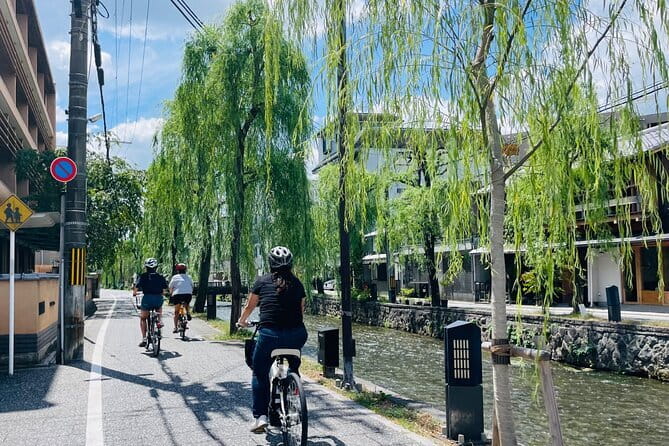
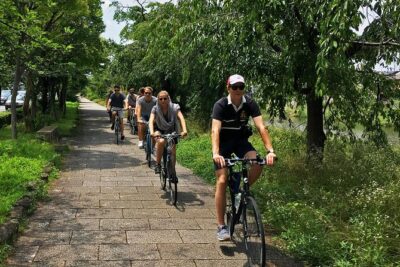
The return ride follows the Kamogawa River toward the starting point. This is one of the most appealing sections of the outing. The river path gives you open views and a calmer pace after the city streets. You also pass through neighborhoods and quieter parts of Kyoto that you would be unlikely to see from a standard sightseeing bus.
The final ride is not just transportation back to the meeting point. It gives the tour a satisfying rhythm: busy cultural sites early on, then a more relaxed pedal through everyday Kyoto. The activity ends where it began, which makes planning your next stop easier.
The guide can make or break the experience
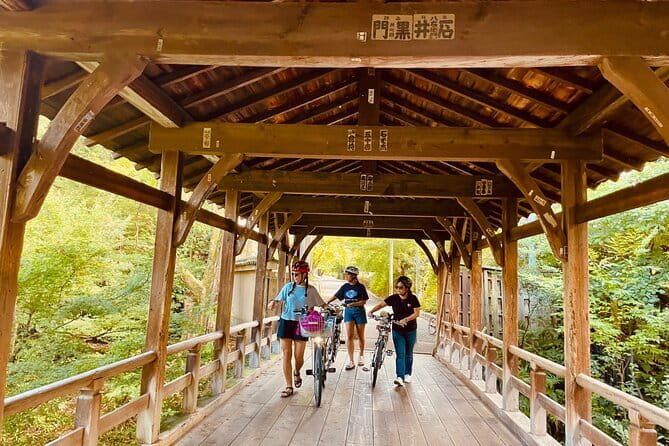
The route is good, but the guide is the main reason this experience earns such strong praise. Maki is described as the owner and a regular guide, and she is repeatedly associated with warm humor, careful pacing, strong English, and detailed explanations. Mika is also named on several outings and is described as a Kyoto local who shares personal family stories.
The best part of the guiding style is its openness. You can ask about geisha and maiko, samurai, Buddhism, Shinto, chopstick etiquette, fortune telling, family customs, or unusual local topics. The aim is not only to identify buildings. It is to explain why people behave in certain ways and how traditions fit into modern Japanese life.
The guide also pays attention to comfort. Water is provided, and there may be rest stops, snacks, and practical help during very hot weather. On a rainy outing, the pace and shelter stops can be adjusted. These details matter because Kyoto’s summer heat can be severe, and a four-hour ride is much more pleasant when the guide watches the group rather than pushing on regardless.
Since the guide names vary, check the booking details if meeting a particular person is important to you. The supplied information identifies both Maki and Mika, so the exact guide may depend on the date.
Price, group size, and what you receive
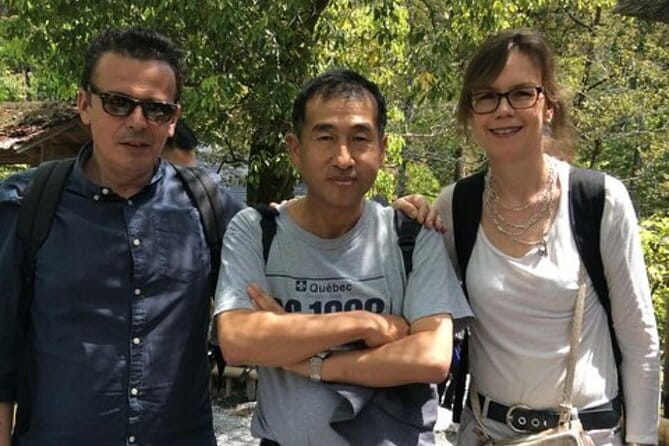
At about $86.22 per person, this is not the cheapest way to see Kyoto. It is also more than renting a bicycle independently. The value comes from combining the bicycle, helmet, water, snack, route planning, several cultural stops, and an English-speaking guide in one four-hour experience.
A self-guided ride could cost less, but you would need to choose a safe route, find the less obvious streets, work out how to connect the main sights, and research what you are seeing. This tour handles those decisions for you while still giving you freedom to ask questions.
The maximum group size is eight. That is a useful limit for a bicycle outing, since large groups can become awkward at crossings and crowded shrine approaches. A small group also gives the guide a better chance to adjust speed, help with cycling confidence, and answer individual questions.
Lunch is not included. The tour provides a snack, but plan your own meal before or after. The experience returns to the original meeting point, so you can continue with your Kyoto plans without arranging a separate pickup.
Heat, rain, and practical preparation
Weather is the biggest factor in deciding when to book. The experience requires good weather, and if poor conditions force cancellation, you are offered another date or a full refund. You can also cancel for a full refund up to 24 hours before the start time.
In summer, bring extra water even though bottled water is included. One useful approach is to carry an electrolyte drink or buy one during a convenience-store stop. Light clothing, sun protection, and a small bag that fits the bicycle basket will make the ride easier.
Rain is less predictable. The tour may continue through light rain with adjustments, but poor weather can cancel it. Wear clothing that dries quickly and avoid bringing anything you cannot protect from water.
The route is suitable for most people, but you need to be able to ride a bicycle and manage a four-hour outing with regular stops. Most of the road is easy, yet you are still sharing streets and paths. If you are traveling with children or older relatives, consider their comfort on a bicycle before booking.
Who should book this Kyoto e-bike tour?
I would choose this tour early in a Kyoto visit. It gives you a useful map of the city, introduces several major areas, and shows you how the quieter streets connect them. Afterward, you can return to the place that interested you most for a longer visit.
It suits first-time Kyoto visitors who want cultural explanations rather than a simple bicycle rental. It is also a good match for families, couples, and small groups who prefer a relaxed outdoor activity to another bus ride.
You may want a different plan if your main goal is a long climb through all of Fushimi Inari’s torii gates, a full temple tour, or a serious cycling workout. The stops are purposeful but brief, and the tour covers several places rather than examining one site in great detail.
Should you book Pedal Adventure Kyoto?
Book it if you want to connect Kyoto’s famous sights with ordinary neighborhoods, river paths, and quiet lanes. The e-bike makes the distance manageable, while Maki or Mika can provide the cultural explanation that a rental bicycle cannot.
Skip it only if hot weather, rain, or several hours on a bike would spoil your day. For most visitors who can ride comfortably, the mix of Gion, Higashiyama, Fushimi Inari, Tōfuku-ji, and the Kamogawa River offers strong value at $86.22, especially with a small group and equipment included.
FAQ
How long is the Kyoto e-bike tour?
The tour lasts approximately four hours, including cycling, sightseeing stops, rest time, and the return ride to the meeting point.
Where does the tour start?
It starts at 19 Shōgoin Higashimachi, Sakyo Ward, Kyoto, 606-8325, Japan.
Where does the tour finish?
The activity ends back at the original meeting point.
Which places does the route visit?
The route includes Gion, the Higashiyama area, Fushimi Inari-taisha Shrine, and Tōfuku-ji Temple. The return follows the Kamogawa River.
Is lunch included?
No. A snack is included, but lunch is not.
Are bicycles and helmets provided?
Yes. Bicycle use and a helmet are included in the price. Bottled water is also provided.
How many people can join the tour?
The maximum group size is eight people.
Who leads the tour?
The experience includes an English-speaking route coordinator. Guides named in the supplied details include Maki and Mika, depending on the outing.
Can I cancel for a full refund?
Yes. You can cancel at least 24 hours before the start time for a full refund. Poor weather or failure to meet the minimum number of participants may also lead to an alternative date or a full refund.
Newest Kyoto experiences on the site
- Treasures of Kyoto: Gion & historical Walking Tour★ 5.0 · 6 reviews
- Whisk Your Own Matcha: A Zen Matcha Experience at Temple★ 3.6 · 7 reviews
- Kyoto tea town for matcha lovers★ 5.0 · 16 reviews
- Uji: Private immersion into Kyoto’s tea and reglious culture★ 5.0 · 17 reviews
- Kyoto Matcha Green Tea Tour★ 4.5 · 23 reviews
- Uji and Wazuka Matcha Farm Half Day Private Guided Tour★ 5.0 · 21 reviews
- Utilising upcycled Matcha! Creating matcha incense (Uji, Kyoto)★ 5.0 · 6 reviews
- Sacred Temple Yoga Experience in Japan★ 5.0 · 3 reviews
Kyoto Cycling Tours, compared.
Arashiyama Bamboo Forest & Hidden Gems Bike Tour (Early Bird)
Read our review →
5 Top Highlights of Kyoto Full Day Bike Tour (E-bike option)
Read our review →
Full Day Biking Tour Exploring the Best of Kyoto
Read our review →
Afternoon Kyoto Bike Tour: Bamboo Forest, Monkeys & Hidden Spots
Read our review →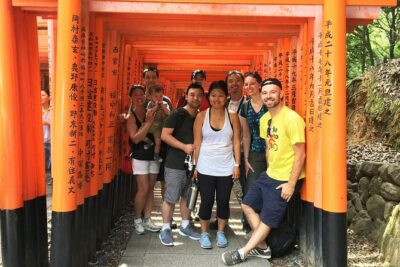
South Kyoto in a Nutshell: Gentle Backstreet Bike Tour!
Read our review →Browse the lists this tour appears in