
Reviewed · KYOTO WALKING TOURS
Kyoto Custom Private Walking Tour with A Guide (Private Tour)
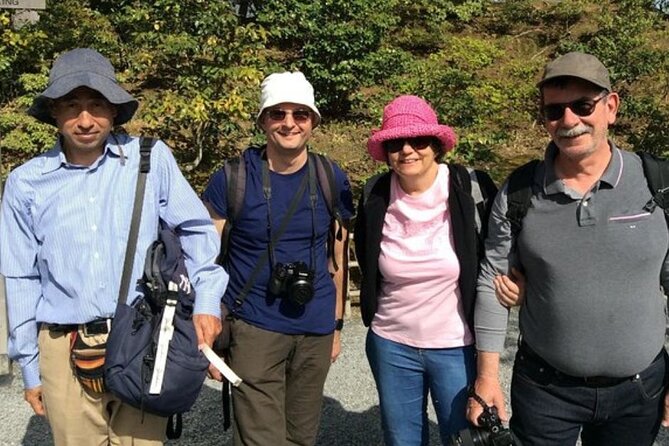
Kyoto is easier to understand when someone helps you read the city. This private walk can take you through Gion, Maruyama Park, Nishiki Market, temples, shrines, and quieter streets, with the route shaped around what you actually want to see. Guides such as Kokoro, Ian, Qianyu, Keiko, and Emma have earned especially warm praise for their care, flexibility, and local insight.
I like the one-group format, since you can ask questions freely and set your own pace. I also like the planning call or message before the tour, which lets your guide match the route to your interests, children, mobility needs, or wish for less crowded places. The main caution is that guide quality can vary, and some past bookings have involved poor communication, limited cultural knowledge, or a guide who did not arrive.
Key points to know before booking
- A truly private route: Only your group takes part, so the day can be adjusted around your interests and pace.
- Gion to Nishiki Market: Popular areas can be combined with nearby shrines, temples, parks, and quieter streets.
- Strong guide-name pattern: Kokoro, Ian, Qianyu, Emma, Keiko, and Paul receive particularly positive comments for care, local knowledge, or route planning.
- Two to eight hours: You can book a short introduction or build a longer walking day, depending on availability.
- Museums are possible: Ask ahead if you want your walk to include a museum, since admission is not included.
- Walking means walking: Local trains, buses, food, drinks, attraction tickets, and tips cost extra.
A private Kyoto route instead of a fixed checklist
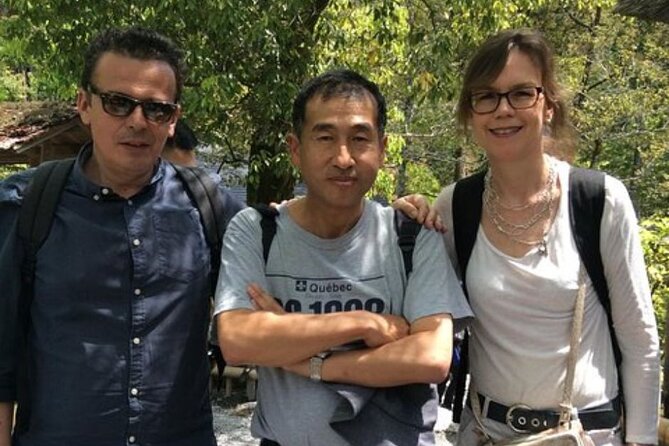
The best feature here is freedom. Rather than following one set path, you contact the guide before the tour and explain what interests you. You might want temples and shrines, Japanese culture, local food, shopping, photography, family-friendly stops, or a basic introduction to Kyoto.
That early conversation matters. Kyoto is spread out, and a route built around Gion is quite different from one focused on western temples or a museum. A private guide can also adjust the plan for children, older relatives, or a family member with limited mobility. One successful family outing combined major sights with a pace that worked for the group, rather than treating everyone like they were on a forced march.
The tour is also useful if you are unsure where to begin. Your guide can help you form a picture of Kyoto life, explain local customs, and suggest places to visit after the walk. Emma, for example, helped a group plan later sightseeing and recommended vegetarian restaurants, shopping areas, and bars.
Do not expect a fully scripted sightseeing program. This is a personal guide service, and the quality depends heavily on the person assigned to you. Some guides are excellent teachers and route planners. Others may be friendly but less prepared to explain religious or historical details.
More walking tours in Kyoto:
- Kyoto Geisha Walking Tour: Gion District & Hidden Gems
★ 4.7 · 3,273 reviews - Kyoto: Gion Magical Night Walking Tour with Geisha Trivia
★ 4.9 · 2,393 reviews - Kyoto: Gion Geisha District Walking Tour – Stories of Geisha
★ 4.7 · 2,187 reviews
Gion, Maruyama Park, and Kyoto’s old streets
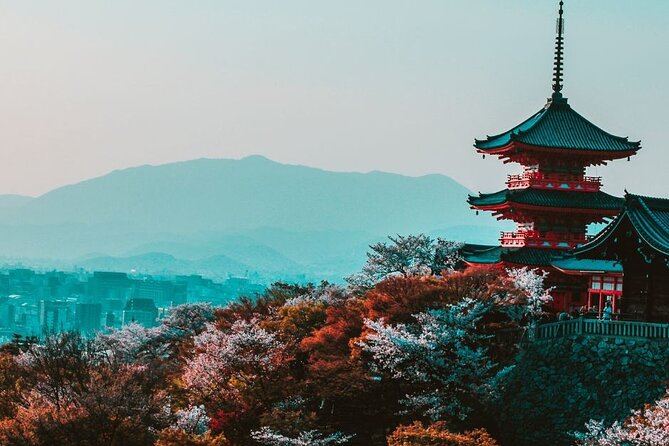
Gion is one of the most natural starting points for a first Kyoto walk. Its lanes, traditional buildings, shrines, and tea-house district offer an immediate sense of the old city. A guide can help you understand what you are seeing without turning the walk into a list of dates and names.
From Gion, a route can continue toward Maruyama Park and nearby temples and shrines. This area works well for a first afternoon because you get several types of Kyoto in a compact outing: a historic neighborhood, open parkland, religious sites, and side streets where the city feels calmer.
I would ask your guide to explain the difference between a Shinto shrine and a Buddhist temple. That basic distinction helps you make sense of the gates, purification areas, incense, statues, and worship practices you encounter throughout Japan. The strongest guides use the buildings around you to explain daily life, not just architecture.
This part of Kyoto can become crowded, especially around the best-known lanes and major sites. The private format helps, but it does not remove the crowds. A good guide may take you along back routes or toward less visited temples. Paul was singled out for knowing small back streets, while Ian was praised for finding peaceful temples and shrines away from the heaviest foot traffic.
The route may also be less comfortable for anyone with mobility concerns. It is a walking tour, not a vehicle tour, and Kyoto’s historic lanes can involve uneven paving, steps, or long stretches on foot. Tell the guide about limitations before the start, so the route can be adjusted.
Nishiki Market and local food stops
Ending at Nishiki Market gives the tour a practical finish. The market is a good place to ask about Japanese ingredients, snacks, cooking customs, and the difference between a food stall and a sit-down restaurant. Your guide may also help you decide what is worth trying if you are not familiar with the displays.
Food and drinks are not included, so you pay directly for anything you choose. That is useful if you want control over the cost, but you should not assume that a six-hour booking includes lunch. One poor experience involved a guest expecting a meal break during a long walk, while the guide treated stopping for lunch as outside the plan.
If food matters to you, say so before the tour. You can request market time, local food suggestions, or an evening outing with food and drinks. One enjoyable evening route included local attractions along with eating and drinking. The key is to make your expectations clear before the guide sets the schedule.
Nishiki Market is also an easy place to continue on your own. After the guided portion ends, you can linger, shop, or use the guide’s restaurant suggestions. If you have dietary needs, ask for suitable recommendations in advance, since the tour price does not cover meals.
Temples, shrines, and museum options
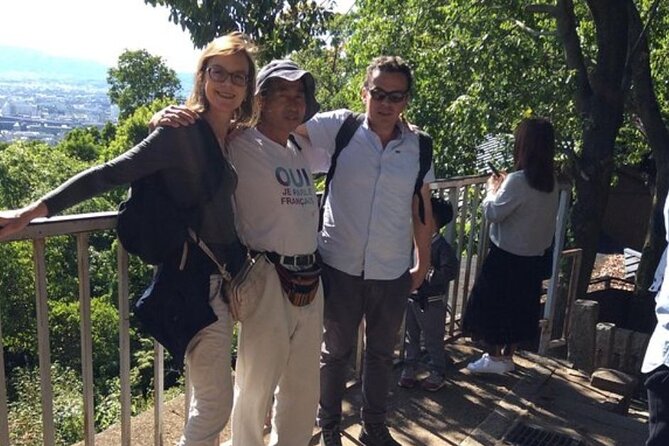
The tour is especially useful when you want context at religious sites. Kyoto has many temples and shrines, but it is easy to visit them without understanding their role. Francisco was praised for his understanding of Buddhism and for answering questions from that perspective. Other strong guides have explained local religion, language, history, and culture in ways that made the sites easier to appreciate.
You can also ask to include a museum. The guide can help arrange tickets for desired visits, but admission is an extra cost. The description specifically says to request a museum visit ahead of time, so do not wait until the meeting point if this is a priority.
The word custom is important here. A museum-focused route may leave less time for outdoor sights. A temple-heavy route may not include markets or shopping. Before booking, decide if you want breadth or depth. In two hours, you are getting an introduction. In six hours, you have more room for several neighborhoods, breaks, and questions, though the walking pace still matters.
There is a clear risk in this part of the tour. At least some assigned guides have provided little useful explanation or inaccurate facts. If religious or historical interpretation is your main reason for booking, state that plainly when the company contacts you. You can also ask what background your guide has before the day begins.
Same city, a completely different kind of day:
- PERFECT KYOTO 1-Day Bus Tour
★ 5.0 · 13,518 reviews - Kyoto: Fushimi Inari, Kinkakuji, Bamboo Grove 1 Day Bus Tour
★ 4.8 · 4,316 reviews - Kyoto: Tea Ceremony in a Traditional Tea House in Kiyomizu
★ 4.9 · 3,519 reviews - Kyoto: Tea Ceremony Ju-An at Jotokuji Temple
★ 4.9 · 3,207 reviews
What the guide can add to your day
A good private guide does more than point toward a temple. The guide helps you connect separate sights, understand local behavior, and make better use of the rest of your stay. Several guides were praised for planning help after the formal tour, including restaurant ideas, shopping suggestions, and routes for later days.
Kokoro receives especially strong praise for being considerate, lively, flexible, and well informed about Kyoto and Japan. He was also described as someone who enjoys surprising people with less obvious places. Ian is a good name to request if available, particularly if you want a calm route, careful planning, or help adapting the day for a family member.
Qianyu was praised for tailoring routes to a group’s needs and visiting places the group would not have found alone. Keiko was described as strong in communication and planning. Andy was appreciated for patience, enthusiasm, and a willingness to answer questions. These names do not guarantee availability, but they give you useful preferences to mention when booking.
The less successful experiences point to a real limitation: this is not a single, standardized guide team. One guide arrived late, walked too quickly, and was difficult to understand. Another used Google Maps extensively and gave incorrect information. A separate booking involved a guide not showing up, with the refund agreed afterward but no advance warning.
Because of that variation, use the pre-tour contact well. Tell the company your preferred pace, main interests, language needs, and whether you care most about history, religion, food, neighborhoods, or navigation. Ask for confirmation of the meeting point and guide assignment. Those simple steps may prevent avoidable confusion.
How long should you book?
The advertised duration ranges from two to eight hours. A two-hour walk works if you want a first look at one area, help understanding Kyoto’s layout, or assistance at the beginning of your stay. It will not allow you to cover much ground and still stop for detailed explanations.
Four hours gives you a more useful middle ground. You can focus on one district and add a market, park, shrine, or temple without rushing every stop. It is a sensible choice if you want guidance but still plan to spend the rest of the day independently.
Six hours suits people who want a substantial introduction. One group booked a six-hour afternoon beginning at 3:00 PM and found the timing worked well. Another group used a six-hour plan to cover several sights and questions in greater depth. Still, six hours on foot is demanding, particularly in warm or rainy weather.
An eight-hour booking could make sense for a group trying to see a lot in one day, but the longer the walk, the more important it is to discuss breaks and transport. Public or local transportation is not included, and car transport is not part of the service. If you need to move between distant districts, those costs and arrangements are yours.
Is the $53.15 price good value?
At $53.15 per person, the price can be attractive for a private guide, especially if you are traveling with several people and the route helps you avoid wasting time. You are paying for planning, company, navigation, and personal attention rather than a fixed lecture.
The value improves if you use the guide to shape the rest of your stay. Restaurant recommendations, quieter routes, help with train connections, and advice for later sightseeing can save time and reduce stress. One guide even helped a group get back to Tokyo by train, which was a practical benefit beyond the scheduled walk.
The value falls if your guide lacks useful local or cultural knowledge. Since tickets, meals, drinks, transport, and tips are extra, your final cost can rise. A museum visit or paid temple admission must be added to the per-person price.
Group discounts are offered, which may make the tour more appealing to families or friends. Since this is a private activity, your group does not share the guide with strangers. I would compare the total price for your party, not just the headline per-person figure.
Practical details that affect the day
Pickup is offered from your accommodation if it is located in the city. Confirm the exact meeting place, since one poor experience involved confusion between a hotel and Kyoto Station. A clear written meeting point is especially important at large hotels and busy stations.
The tour is near public transportation, but you are responsible for local or public transport costs. The service is primarily on foot, and there is no included car transfer. Wear comfortable shoes, carry water, and tell the guide if your group needs a slower pace or regular rests.
Most people can take part, and service animals are allowed. The tour requires good weather. If poor weather cancels it, you can receive a different date or a full refund. Otherwise, cancellation is free up to 24 hours before the start time, while cancellations or changes within 24 hours are not refunded.
The overall rating is 4.5 from 78 ratings, which suggests a generally strong experience but not a uniform one. The difference between a memorable day with Kokoro or Ian and a disappointing day with a late or underprepared guide is significant. Your advance communication matters.
Who should book this Kyoto walk?
I would consider it for a first visit, especially if Kyoto feels confusing or you have limited time. It is also a strong fit for families, couples, solo visitors, and groups with different interests. The private format lets you ask basic questions without holding up a larger group.
It suits you if you want local suggestions, quieter streets, a flexible pace, or help building a plan for later days. It is less suitable if you want guaranteed expert-level historical interpretation, a fixed list of major attractions, included admission, or reliable vehicle transport.
Should you book it?
Book this tour if you value flexibility and will take an active role in shaping the day. Request your priorities in advance, ask for a guide comfortable with those subjects, confirm the meeting point, and explain your walking pace. If Kokoro, Ian, Qianyu, Keiko, Emma, Andy, or Paul is available and matches your needs, that is worth mentioning.
Skip it if you prefer a standardized program with guaranteed specialist commentary. Kyoto can be explored independently, and a self-guided route may be better value if your main goal is simply to see famous sites. For everyone else, the chance to see Kyoto through a personal route, with help navigating neighborhoods and planning the rest of your stay, makes this a worthwhile option, provided you accept the variation between guides.
FAQ
How long does the private Kyoto walking tour last?
The tour lasts approximately two to eight hours, depending on the option selected and the planned route.
Is this a private activity?
Yes. Only your group participates, so you do not share the guide with other visitors.
Can the guide customize the itinerary?
Yes. The guide contacts you before the tour to learn about your interests and preferences, then adjusts the route accordingly.
Can I include a museum visit?
Yes, a museum visit may be arranged if you request it ahead of time. Attraction admission is not included in the tour price.
Is pickup from my accommodation available?
Pickup is offered if your accommodation is located in Kyoto city. Confirm the exact meeting point before the tour.
Are attraction tickets included?
No. Tickets to attractions are optional extras. The tour provider can help your group book tickets for desired visits.
Are food and drinks included?
No. Food and drinks are optional extras and are not included in the tour price.
Is transportation included?
No. This is a walking tour, and local or public transportation costs are not included. Car transportation is also not part of the service.
What is the cancellation policy?
You receive a full refund if you cancel at least 24 hours before the start time. Cancellations or changes made within 24 hours are not refunded. If poor weather causes the experience to be canceled, you are offered another date or a full refund.
Newest Kyoto experiences on the site
- Treasures of Kyoto: Gion & historical Walking Tour★ 5.0 · 6 reviews
- Whisk Your Own Matcha: A Zen Matcha Experience at Temple★ 3.6 · 7 reviews
- Kyoto tea town for matcha lovers★ 5.0 · 16 reviews
- Uji: Private immersion into Kyoto’s tea and reglious culture★ 5.0 · 17 reviews
- Kyoto Matcha Green Tea Tour★ 4.5 · 23 reviews
- Uji and Wazuka Matcha Farm Half Day Private Guided Tour★ 5.0 · 21 reviews
- Utilising upcycled Matcha! Creating matcha incense (Uji, Kyoto)★ 5.0 · 6 reviews
- Sacred Temple Yoga Experience in Japan★ 5.0 · 3 reviews
Kyoto Walking Tours, compared.
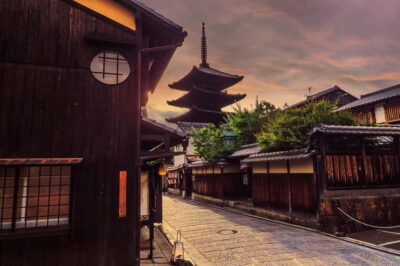
Kyoto Geisha Walking Tour: Gion District & Hidden Gems
Read our review →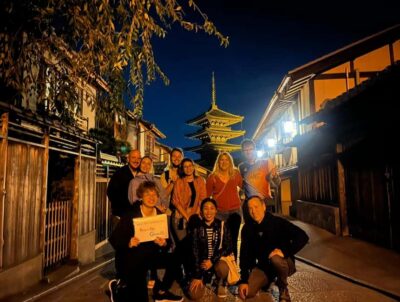
Gion Magical Night Walking Tour with Geisha Trivia
Read our review →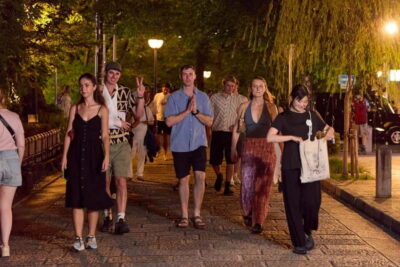
Gion Geisha District Walking Tour – Stories of Geisha
Read our review →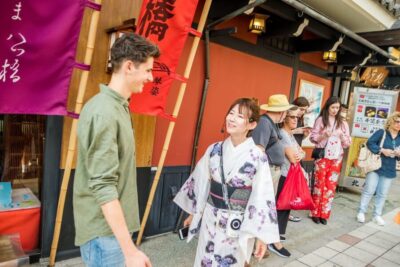
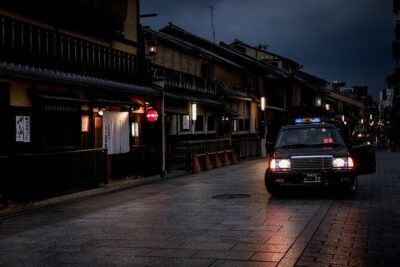
Kyoto Gion Geisha District Walking Tour – The Stories of Geisha
Read our review →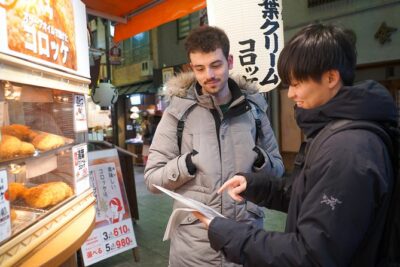
Nishiki Market Brunch Walking Tour (7 Tastings + Brunch)
Read our review →
Kyoto Arashiyama Walking Tour: Bamboo, Monkeys, Gardens & Secrets
Read our review →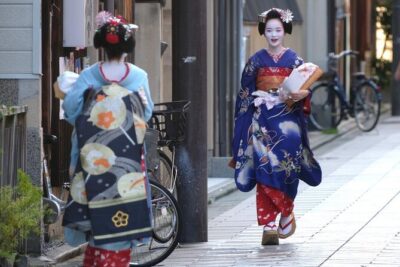
Kyoto Gion: 2-Hour Geisha Culture & History Walking Tour
Read our review →Browse the lists this tour appears in