
Reviewed · KYOTO WALKING TOURS
One-Day Walking Tour : Enjoy Kyoto to the fullest!
Kyoto’s biggest sights are spread across the city, and this private day tour tackles the hard part: getting from Arashiyama to Fushimi Inari without losing hours to maps, ticket machines, and route changes. You’ll see the bamboo grove, Golden Pavilion, Gion, and thousands of orange torii gates, all with a guide who explains the customs and stories behind them.
I like the private format, since your guide can adjust the pace and answer your questions instead of leading a large group. I also like the local navigation help. Guides such as Seiya, Naoko, Hironori, Fuji, and Noriko have helped families move through Kyoto’s train and bus system while keeping the day on schedule. The catch is simple: this is a walking tour in the truest sense. In hot weather, some people have covered 20,000 to 30,000 steps.
Key points before you book
- Four major Kyoto sights in eight hours: Arashiyama, Kinkaku-ji, Gion, and Fushimi Inari give you a fast first look at the city.
- Private guiding: Only your own group takes part, with room to ask questions or adjust the day.
- Public transportation is part of the experience: Expect trains, buses, and possibly taxis, with about ¥1,500 per person set aside for fares.
- Early bamboo grove visit: The morning timing aims for cooler air and fewer people than later in the day.
- Extra costs are modest but real: The guide fare is included, while a ¥500 admission charge, transport, and meals are not.
- A strong choice for a first Kyoto visit: You see the famous places quickly, but you give up the slower pace of a single-district tour.
Why this day works for a first look at Kyoto
Kyoto is not a compact old town where you can stroll from one landmark to the next. Arashiyama sits in the city’s western area, Fushimi Inari is to the south, and Kinkaku-ji lies elsewhere again. Gion adds a central historic district between those major stops.
That makes this itinerary useful for a short stay. You get a broad view of Kyoto’s temples, shrines, old streets, and local transport in one day. I would especially consider it if you have only one full day in Kyoto, are visiting Japan for the first time, or want a guide to handle the practical work.
The format is private, not a bus tour with a fixed crowd. You meet at the Kyoto Station Building at 9 a.m., then spend about eight hours moving through the city. The guide fare is included, but you pay the admission charge, transport, and food separately.
The listed price is $131.14 per person. That is more than visiting these sites on your own, but the value depends on how much you want help with transport and context. You are paying for a full day of one-to-one guiding, not for a vehicle or chauffeur. A disappointed customer expected a car and driver, so be clear on this point before booking: you will use public transportation and walk.
More walking tours in Kyoto:
- Kyoto Geisha Walking Tour: Gion District & Hidden Gems
★ 4.7 · 3,273 reviews - Kyoto: Gion Magical Night Walking Tour with Geisha Trivia
★ 4.9 · 2,393 reviews - Kyoto: Gion Geisha District Walking Tour – Stories of Geisha
★ 4.7 · 2,187 reviews
Arashiyama Bamboo Grove before the crowds
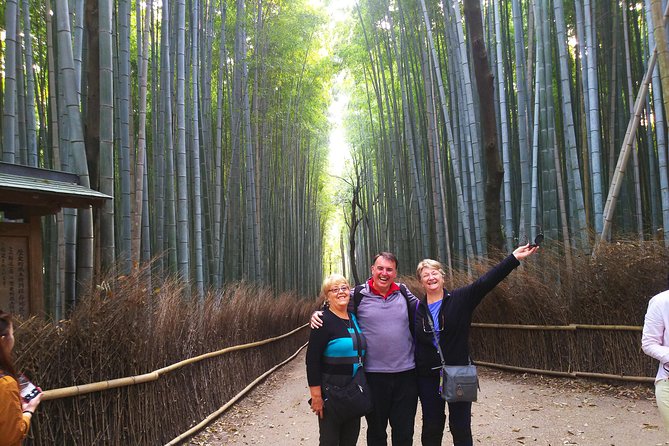
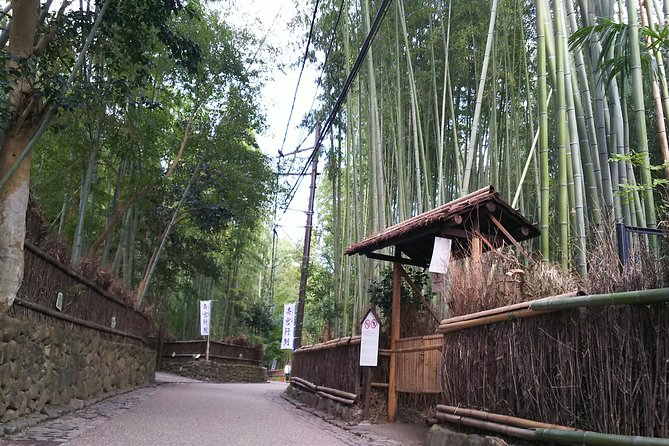
The day begins with the Bamboo Forest Street in Arashiyama. The planned one-hour visit is intended to catch the grove in the morning, when the air is cooler and the paths may feel calmer than later in the day.
The bamboo is striking because of its height and density. Tall green stalks rise on both sides of the path, filtering the light and creating a different mood from Kyoto’s temple grounds. Your guide may encourage you to pause quietly and take in the sound and light rather than treating the grove as a quick photo stop.
There is no admission fee for the grove. That helps offset the separate costs later in the day, though the popular setting means you should not expect complete solitude. The early timing is one of the smarter choices in the plan, especially during warm months.
The drawback is the schedule. One hour gives you a taste of Arashiyama but not time for every nearby sight. If you want a slow morning in the district, with additional temples or a longer meal, this all-city route may feel rushed. If your goal is to see several major Kyoto sights in one day, the short stop makes sense.
Kinkaku-ji and the Golden Pavilion
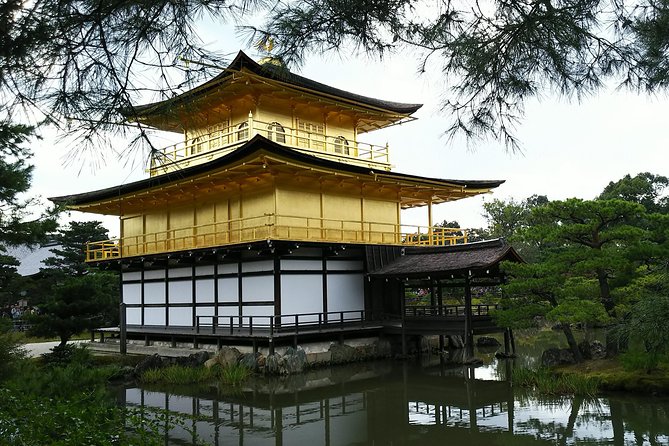
Next comes Kinkaku-ji, Kyoto’s famous Golden Pavilion. The main building is covered in gold leaf and set beside a pond, making it one of the city’s most recognizable views.
The site began as the villa of a retired shogun and became a temple after his death. That background gives the building more meaning than a quick photo alone. Your guide can connect the pavilion to samurai-era power, religious life, and the way Kyoto’s elite used gardens and architecture to express status.
Plan on about an hour here. The admission charge is listed as ¥500 per person, and it is not included in the tour price. The grounds are designed for a set viewing route, so this is not a stop where you wander anywhere you like. You follow the paths, view the pavilion from the designated areas, and continue through the grounds.
Kinkaku-ji is a major highlight, but it can also be the most visually crowded stop. The golden building is beautiful, yet your visit is likely to focus on the classic pond view rather than a long, quiet temple experience. I would bring a camera, but I would also listen closely to the guide. The history and design explanation are what turn a famous image into a useful Kyoto lesson.
Gion, where old streets meet modern Kyoto
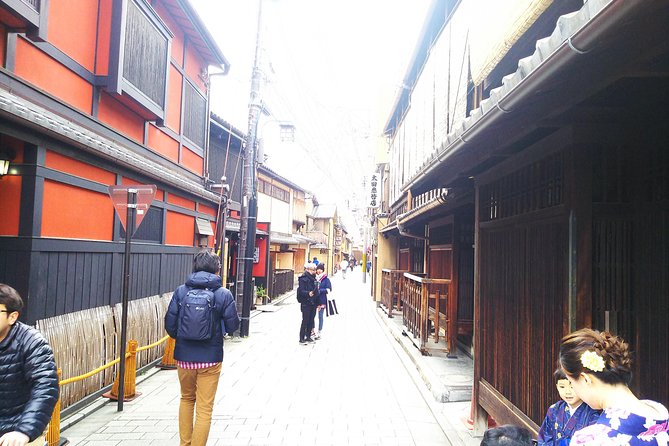
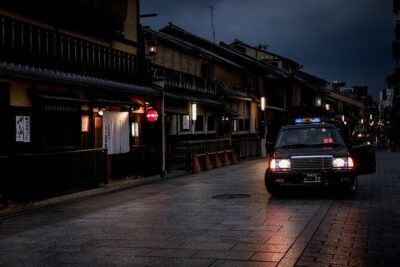
The tour then moves into Gion for about 40 minutes. This is Kyoto’s best-known geisha district, with traditional buildings, narrow lanes, and tea houses connected to the city’s performing arts culture.
You may see a geisha or maiko walking from a boarding house to a tea house, but this is never guaranteed. It is important to treat the district as a living neighborhood rather than a stage set. Your guide can help explain what you are seeing and how to behave respectfully.
The short stop works well as a walk through the area, especially along the historic streets around Gion and Shirakawa Lane. It gives you a change of pace after the temple grounds and before the final shrine. Still, 40 minutes is not enough for a detailed exploration of Gion’s lanes, shops, and cultural venues.
I like the way Gion adds social and cultural context to a day otherwise built around famous monuments. You see where Kyoto’s traditional entertainment culture still has a place. Just keep expectations sensible. The chance of spotting a geisha is incidental, not the main purpose of the tour.
Same city, a completely different kind of day:
- PERFECT KYOTO 1-Day Bus Tour
★ 5.0 · 13,518 reviews - Kyoto: Fushimi Inari, Kinkakuji, Bamboo Grove 1 Day Bus Tour
★ 4.8 · 4,316 reviews - Kyoto: Tea Ceremony in a Traditional Tea House in Kiyomizu
★ 4.9 · 3,519 reviews - Kyoto: Tea Ceremony Ju-An at Jotokuji Temple
★ 4.9 · 3,207 reviews
Fushimi Inari and the orange torii gates
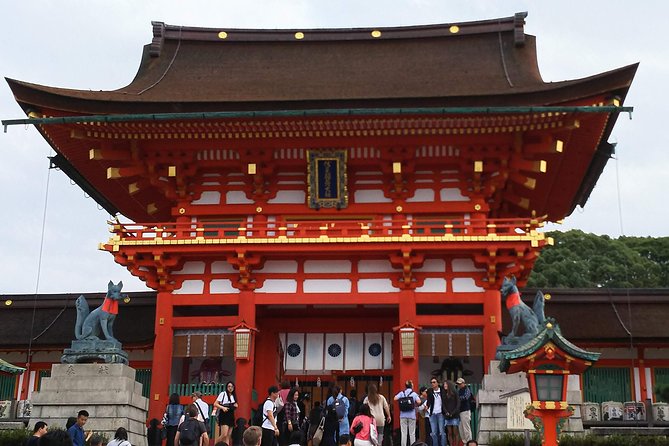
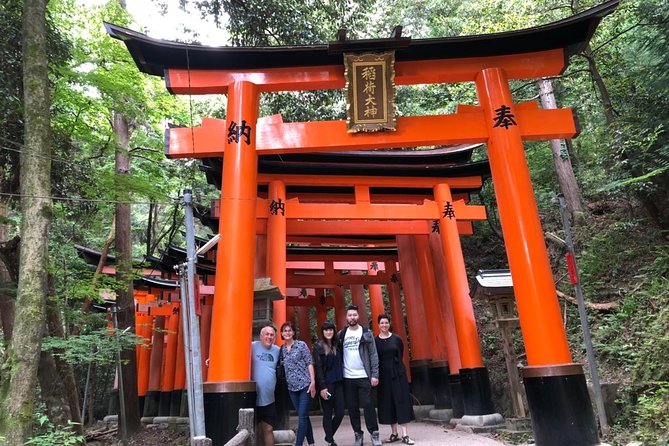
The final major stop is Fushimi Inari-taisha, famous for its long tunnel of vermilion torii gates. Worshippers donate these gates as thanks for good fortune received from the shrine’s deity, Inari.
The gates climb into the wooded hills behind the main shrine. Even if you do not walk the entire route, the first section gives you the unmistakable view that brings many people here. The repeated orange frames create strong photographs, but the place is also religious. Your guide can explain the meaning of the shrine and the customs connected with it.
The scheduled visit lasts about an hour and has no admission fee. That hour is enough to walk through a section of the torii tunnel, but not enough to explore every upper trail. This is an important limitation. Fushimi Inari rewards time, and a longer hike would require changing the rest of the day.
By ending here, the itinerary saves one of Kyoto’s most memorable sights for the final stretch. You may be tired by then, especially after several temple grounds and station transfers. Still, the torii gates provide a strong finish and a very different experience from Kinkaku-ji’s formal garden.
Public transportation is part of the tour
This is not a driving tour. You will use Kyoto’s public transportation, with trains and buses forming the backbone of the day. Some guides have also used taxis when that helped with timing or comfort.
That arrangement is both a benefit and a demand. You avoid spending the day in a vehicle, and you learn how Kyoto actually works for independent sightseeing. A good guide can show you which train or bus to take, where to transfer, and how to keep moving without wasting time.
The supplied estimate for public transportation is ¥1,500 per person. Treat that as an additional cost, along with the ¥500 admission fee and any food. The guide fare is included, but lunch is not.
You should be comfortable boarding trains and buses, walking between stations and sights, and managing a full day outdoors. Some people have praised guides for helping them navigate the system, while one customer felt the experience was too focused on moving from station to station. Both reactions make sense. If you enjoy efficient city travel, the format is useful. If you want private transport and minimal walking, choose another type of tour.
What the guides add to the day
The strongest part of this experience is the guide. Names associated with especially well-received days include Seiya, Naoko, Hironori, Fuji, Noriko, Koichi, Satomi, Saori, Chie, and Kazuhiro.
The role is more than pointing out buildings. A good guide keeps the route moving, explains Japanese history and customs, helps with photos, and adjusts the pace to the group. Several guides have been praised for making history easier to understand and for helping families stay comfortable in hot weather.
Some guides have also helped find local food. One day included a recommendation for Wagyu near the bamboo grove, and another group was taken to a good udon restaurant. These meals are not part of the price, but a guide can make lunch easier to arrange when the schedule is tight.
Guide style can vary. Most of the available feedback points to warm, flexible, well-informed guiding, but one person wanted more storytelling and interaction. If you want a guide who talks constantly without being prompted, say so early. Ask questions, too. You will get more from the day if you treat it as a conversation rather than a lecture.
Pace, weather, and physical effort
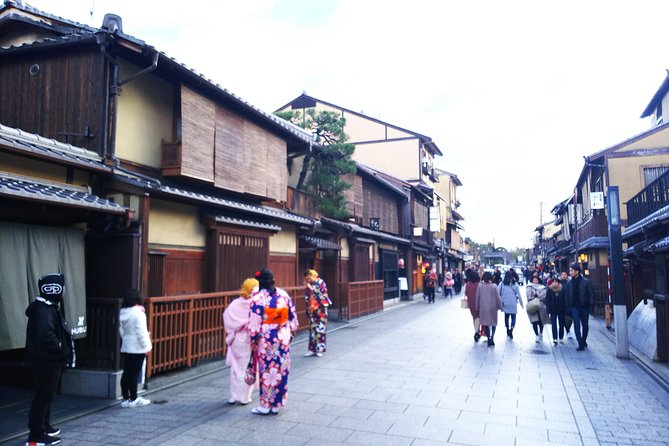
Eight hours sounds manageable until you add temple grounds, shrine paths, station corridors, stairs, and city sidewalks. One particularly full day reached about 20,000 steps in 97-degree heat. Another family with a small child in a pram covered roughly 30,000 steps.
You do not need to match those numbers, but you should arrive ready for serious walking. Comfortable shoes matter. So do water, sun protection, and clothing suited to the season. The tour requires moderate physical fitness, and the operator notes that quite a bit of walking is involved.
Weather can shape the day. The experience requires good weather, and poor conditions may lead to a different date or a full refund. Even in light rain, the route can continue, but wet paths and long walks will slow the group. In summer, heat is the bigger concern. Guides have helped with water and shade, but no guide can remove the physical demands of Kyoto.
The private setup gives you some flexibility. You can ask for a slower pace, take a short rest, or adjust the plan within reason. That flexibility is much harder to get on a large group excursion.
Who should book this Kyoto day
I would choose this tour if you want the classic Kyoto checklist handled in one day. It suits first-time visitors, families who want help with trains and buses, and anyone staying briefly who does not want to spend half the day planning routes.
It is also a good fit if you value personal explanation. The temples and shrine are easy to photograph on your own, but the guide adds the background that links samurai culture, religious practice, geisha traditions, and modern city life.
I would hesitate if you want a slow, quiet temple day. The itinerary covers a lot of ground, and each stop has a time limit. I would also skip it if you expect a private car, dislike public transport, or find 20,000 steps excessive.
Group discounts may help larger parties, and the private format means your own group participates. Service animals are allowed, and the start and finish are at the Kyoto Station Building. Confirmation arrives when you book, and free cancellation is available up to 24 hours before the 9 a.m. start. Changes or cancellations inside that window are not accepted.
Should you book this tour?
Book it if you have one valuable day in Kyoto and want a guide to connect the city’s far-flung highlights. The best value comes from the route planning, private attention, cultural explanation, and help with public transportation.
Do not book it expecting a car, a relaxed pace, or a deep visit to every site. This is an efficient introduction, not a leisurely study of one neighborhood. Bring good shoes, budget for transport and lunch, and tell your guide what matters most to you. If you can handle the walking, this gives you a smart first look at Kyoto and leaves you with clear ideas about where to return.
FAQ
Where does the tour start?
You meet at the Kyoto Station Building, 901 Higashishiokōjichō, Shimogyo Ward, Kyoto, at 9 a.m.
Where does the tour end?
The tour ends back at the meeting point at Kyoto Station.
How long does the tour last?
The experience lasts approximately eight hours.
Is this a private tour?
Yes. Only your own group participates in the activity.
What transportation does the tour use?
The tour uses public transportation, including trains and buses. Taxis may also be used during the day, according to the tour details and route needs.
What extra costs should I budget for?
The guide fare is included. You should budget ¥500 per person for admission, about ¥1,500 per person for public transportation, and additional money for meals.
Can I cancel for a refund?
You can cancel at least 24 hours before the start time for a full refund. Cancellations or changes made less than 24 hours before the start are not accepted, and poor weather may result in a different date or a full refund.
Newest Kyoto experiences on the site
- Treasures of Kyoto: Gion & historical Walking Tour★ 5.0 · 6 reviews
- Whisk Your Own Matcha: A Zen Matcha Experience at Temple★ 3.6 · 7 reviews
- Kyoto tea town for matcha lovers★ 5.0 · 16 reviews
- Uji: Private immersion into Kyoto’s tea and reglious culture★ 5.0 · 17 reviews
- Kyoto Matcha Green Tea Tour★ 4.5 · 23 reviews
- Uji and Wazuka Matcha Farm Half Day Private Guided Tour★ 5.0 · 21 reviews
- Utilising upcycled Matcha! Creating matcha incense (Uji, Kyoto)★ 5.0 · 6 reviews
- Sacred Temple Yoga Experience in Japan★ 5.0 · 3 reviews
Kyoto Walking Tours, compared.
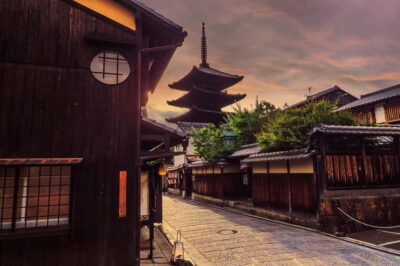
Kyoto Geisha Walking Tour: Gion District & Hidden Gems
Read our review →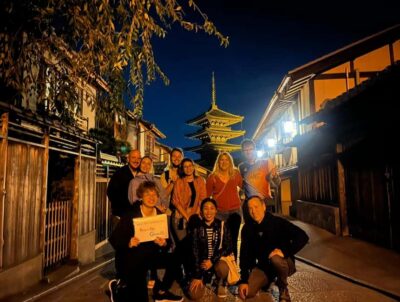
Gion Magical Night Walking Tour with Geisha Trivia
Read our review →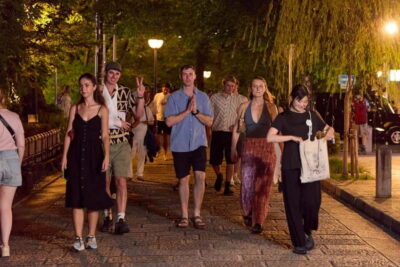
Gion Geisha District Walking Tour – Stories of Geisha
Read our review →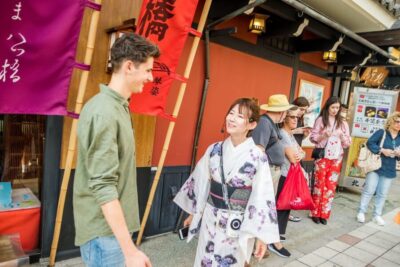
Kyoto Gion Geisha District Walking Tour – The Stories of Geisha
Read our review →
Nishiki Market Brunch Walking Tour (7 Tastings + Brunch)
Read our review →
Kyoto Arashiyama Walking Tour: Bamboo, Monkeys, Gardens & Secrets
Read our review →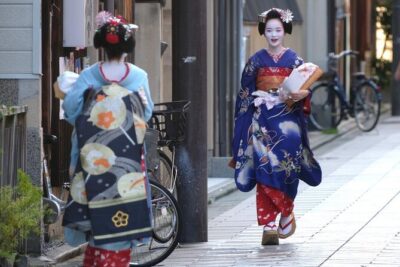
Kyoto Gion: 2-Hour Geisha Culture & History Walking Tour
Read our review →Browse the lists this tour appears in